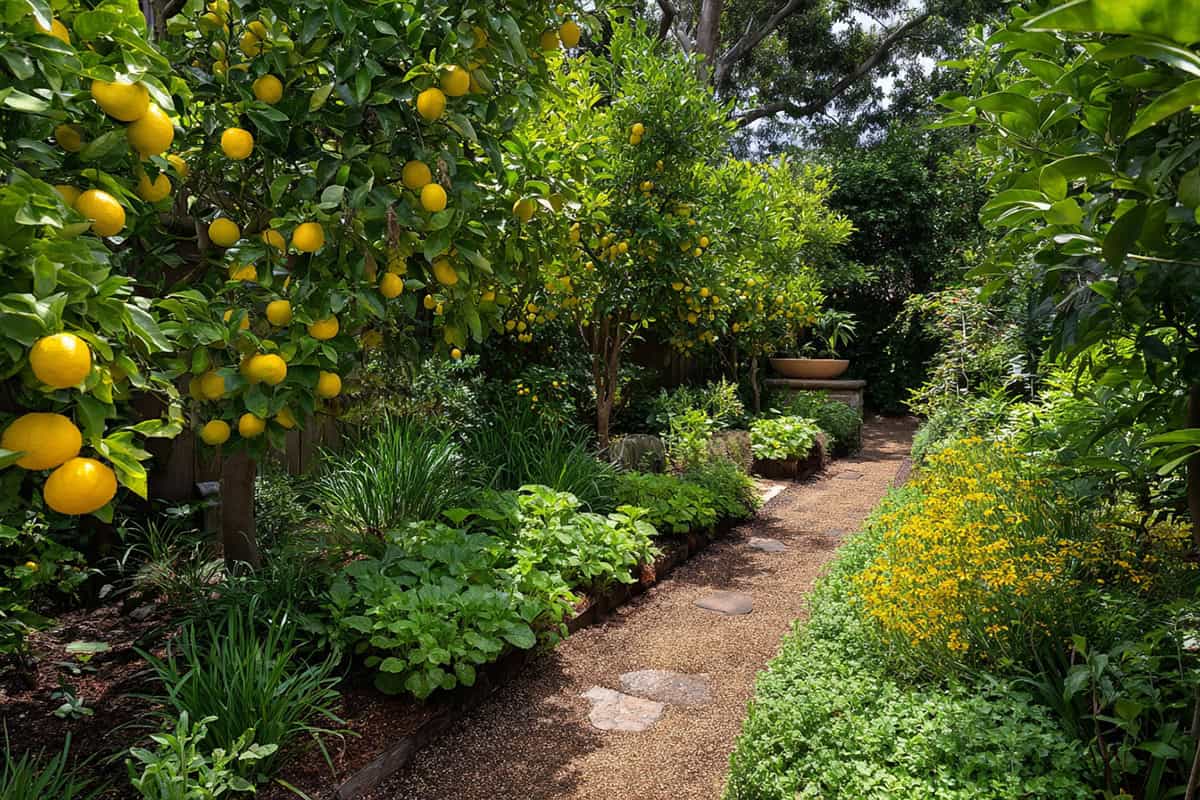
Maybe you’re after a yard that actually feeds you and helps local wildlife at the same time. Food forests use layers of plants—trees, shrubs, herbs, vines, ground covers—stacked together like a little ecosystem. Mixing fruit or nut trees, shrubs, herbs, ground covers, and climbing plants lets you mimic a forest’s structure and share space more efficiently. Most of the action comes from perennial plants, with annuals playing a minor supporting role.
It’s a flexible method—backyards, shared lots, even bigger plots all work. You just pick plants that thrive in your climate and soil. Below, you’ll find 25 ideas for layouts, plant combos, and ways to swap out boring ornamentals for food-producing choices.
Table of Contents
- Food Forest Ideas
- One Tree, One Patch Starter Layout
- Compost-Feeder Ring Bed
- Berry Tunnel Walkway
- Backyard Pick-And-Sit Nook
- Mini Spice Grove Cluster
- Trellis + Groundcover Two-Layer Wall
- Tea Garden Strip Under Citrus
- Shaded Forest Snack Patch
- Pollinator Snack Corner
- Pollinator Corridor Through The Food Forest
- Pergola Fruit Shade Corner
- Nut + Berry Fence Corner Stack
- Narrow Side-Yard Edible Alley
- Kids Pick Path Low Harvest Lane
- Herb Spine Pathway
- Gutter-To-Garden Downspout Bed
- Garden Gate Fruit
- Fruit Tree Ring Of Flavor
- Forest-Garden Canopy Pocket
- Fence Espalier Fruit Wall
- Edible Privacy Screen Panels
- Edge Guild Fruit Fence Strip
- Dwarf Orchard Pocket Row
- Deadwood Habitat Stack Corner
- Corner Jam Patch Cluster
Food Forest Ideas
Here are some ways to turn your space—big or small—into a productive patchwork of food forest-like layers. The focus is on where things go, what each plant does, and how you’ll actually use it day-to-day.
One Tree, One Patch Starter Layout
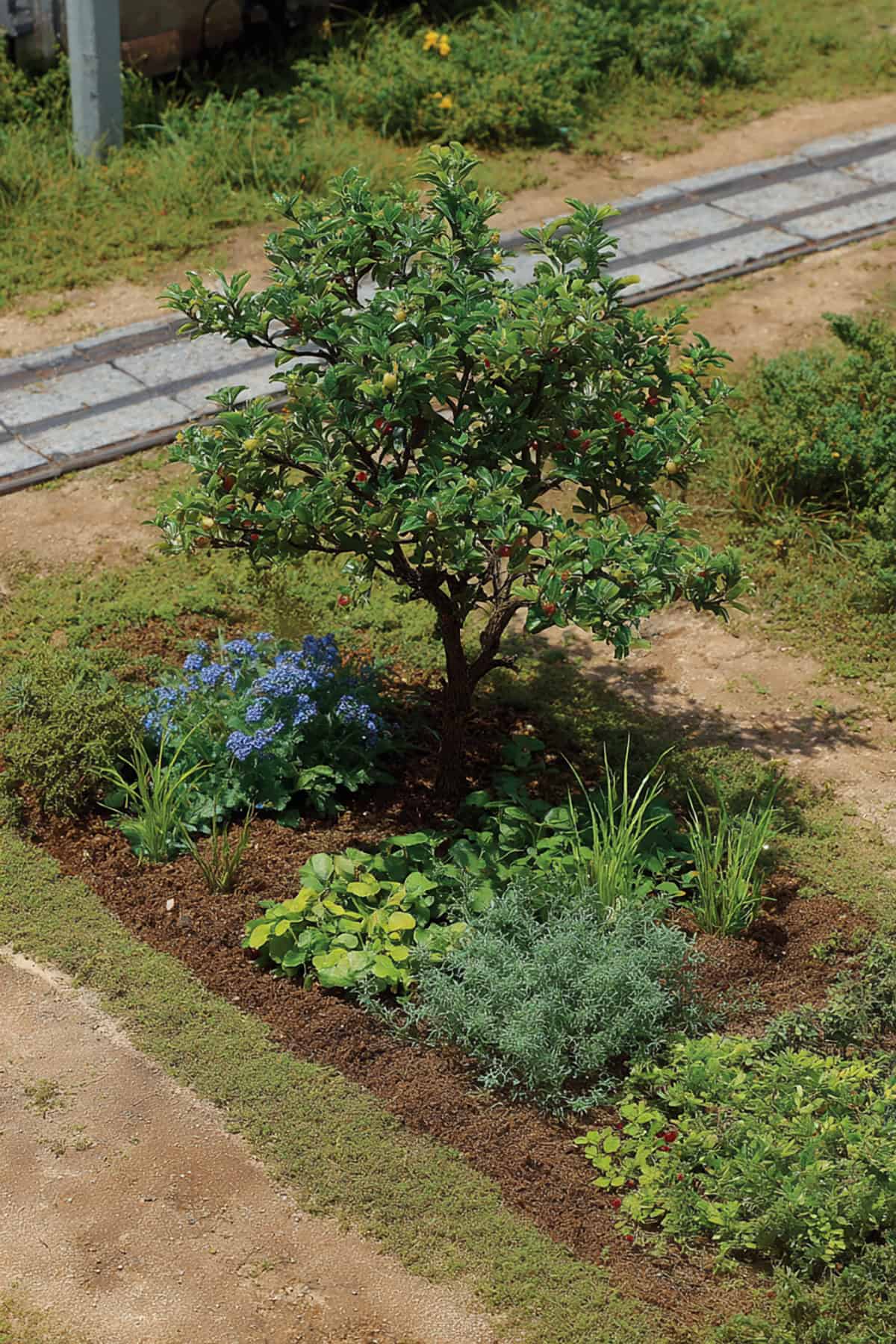
Start super simple: plant a fruit or nut tree where it gets good sun, then build a tight ring of companion plants around it. Works for small yards or if you’re just starting out.
Under the tree, tuck in herbs, shallow-rooted veggies, and flowers that can handle a bit of shade. Keep the circle compact so everything gets water and compost easily.
You’ll learn a lot about spacing and plant roles in just one season. Once it clicks, you can expand outward without much fuss.
Compost-Feeder Ring Bed
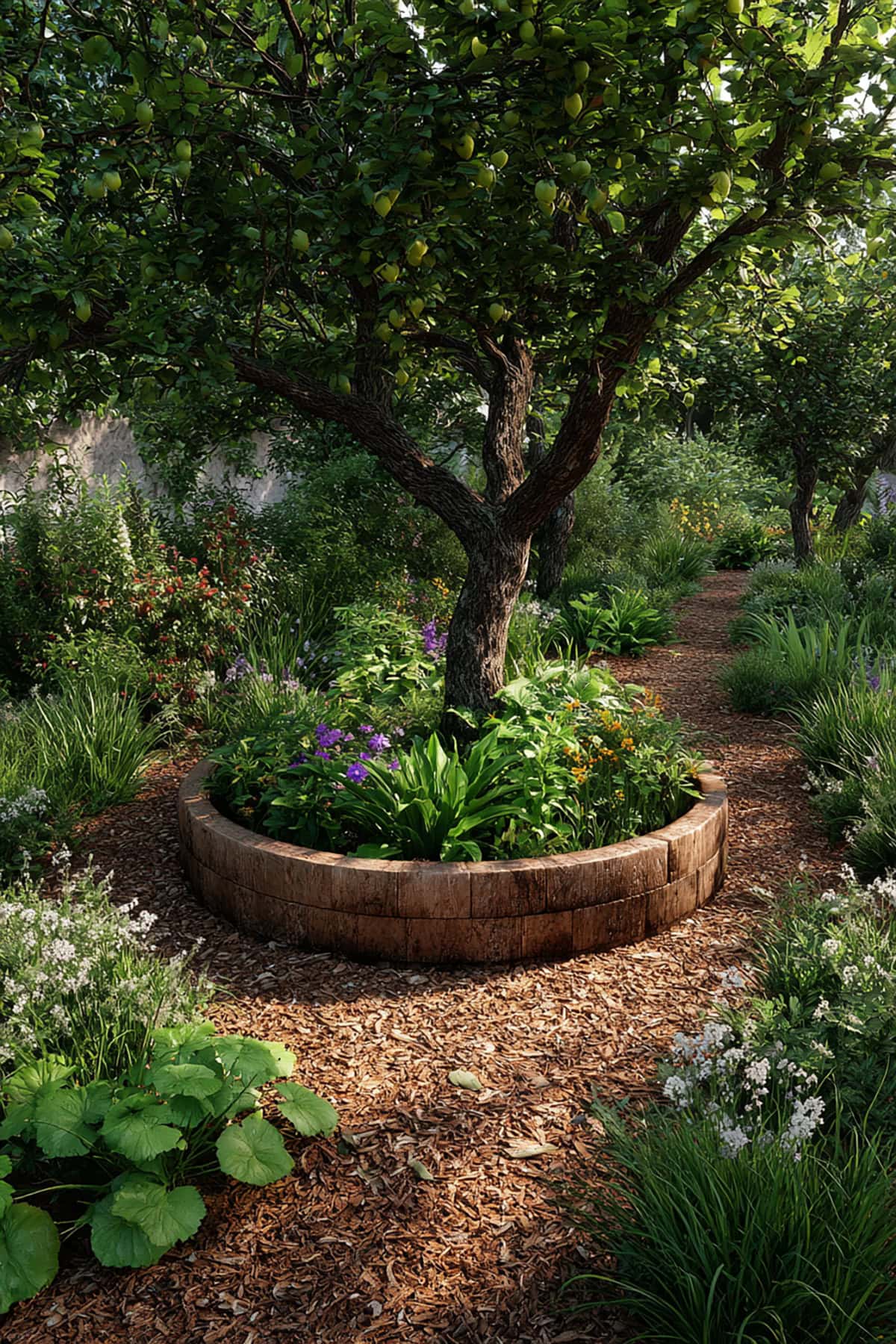
Drop a compost basket close to the tree trunk, surrounded by mulch. Toss kitchen scraps in, and the tree’s roots get first dibs on the nutrients.
Ring the setup with tough herbs and flowers that like rich soil. They help disguise the compost and keep pests away.
This method keeps things tidy and saves you hauling compost around. The soil stays lively and productive.
Berry Tunnel Walkway
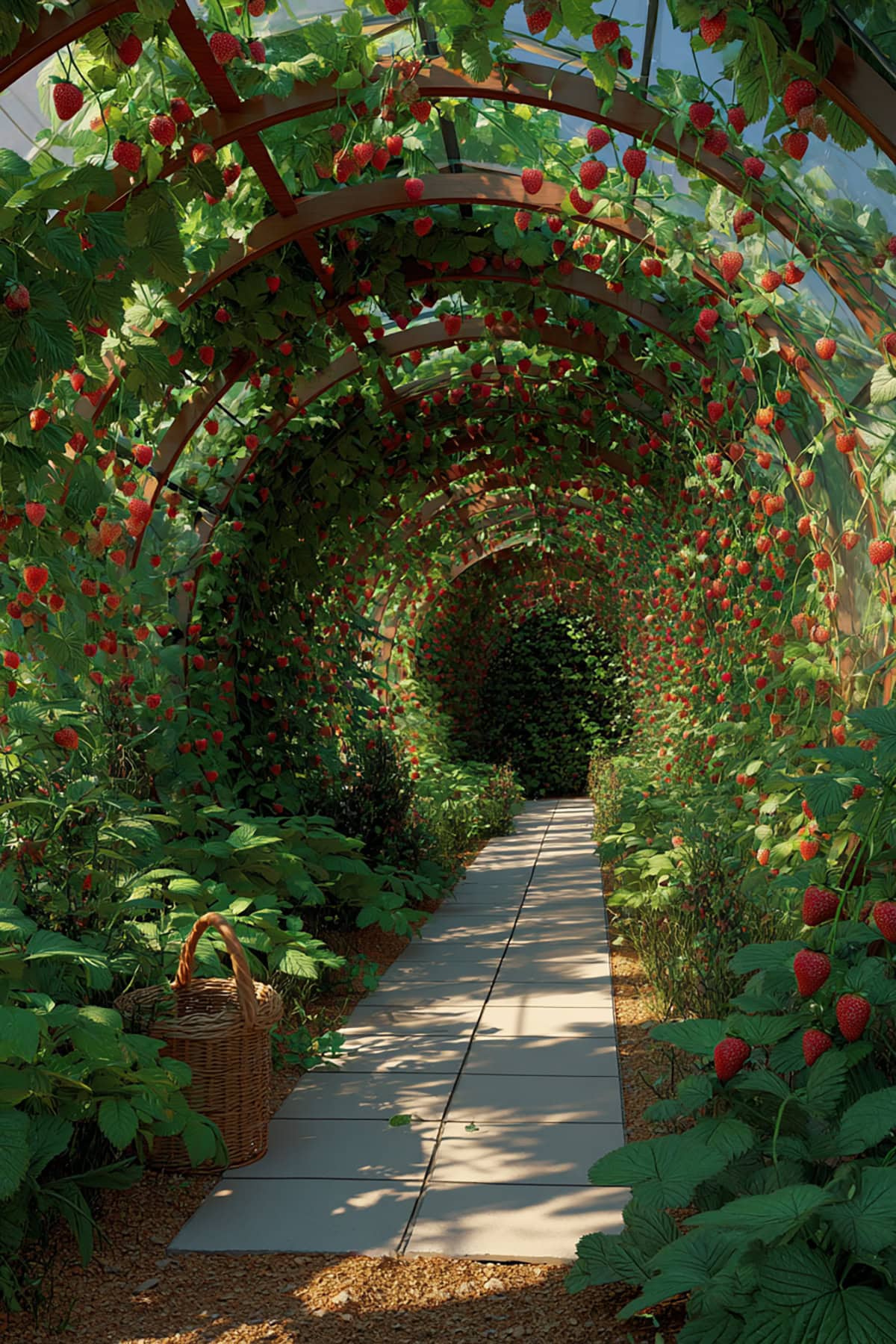
Line up two rows of berry bushes to create a narrow tunnel. You’ll walk through the shade and pick fruit right at arm’s reach. Perfect for a path or along a fence.
Pick berries that handle regular trimming and a bit of shade. Let the branches meet overhead after a couple years. Mulch deep so the roots don’t dry out.
The tunnel cools things off and makes picking a breeze. It’s a hit with kids and visitors, too.
Backyard Pick-And-Sit Nook
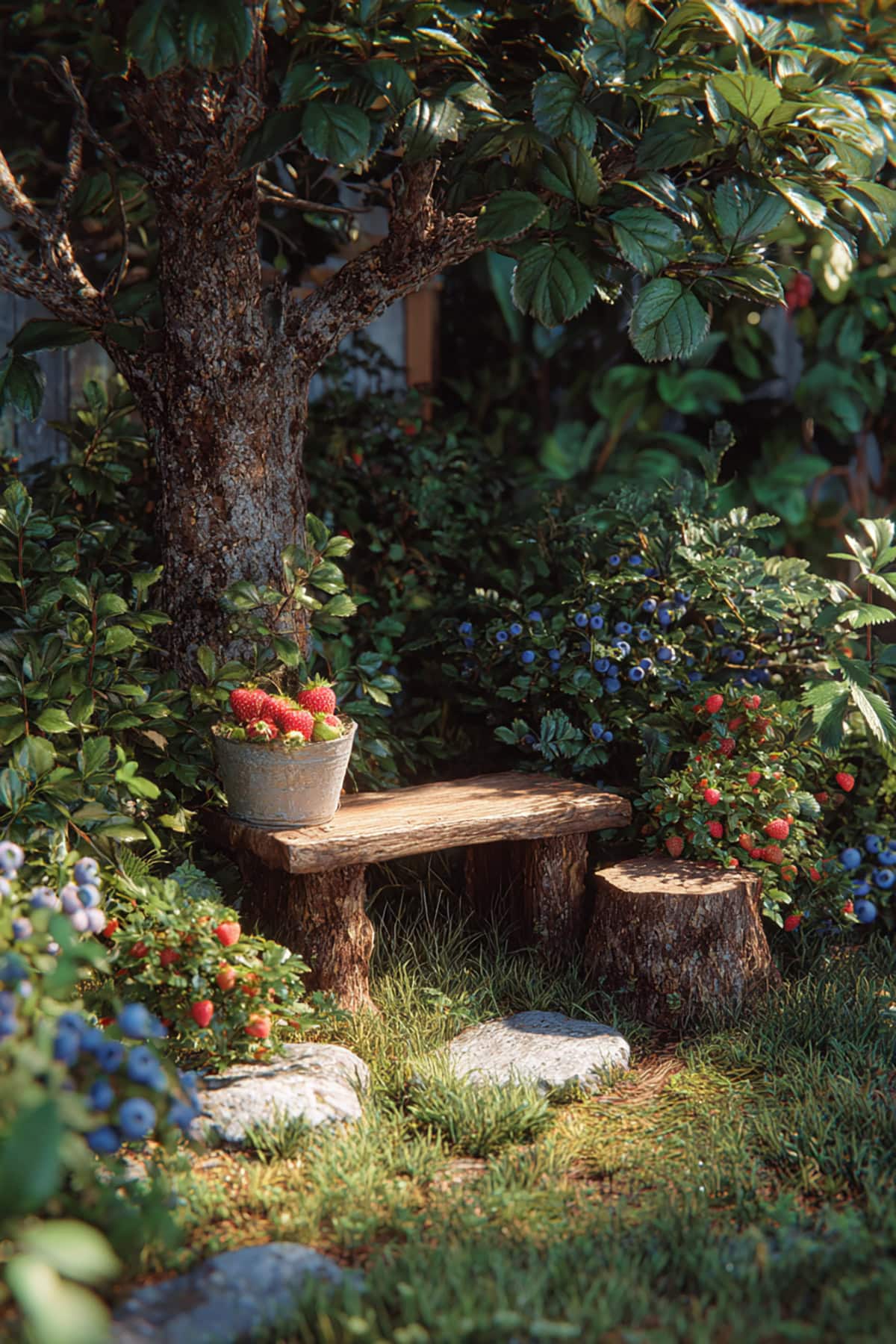
Set a bench under a dwarf tree or tall shrub, then surround it with plants that ripen at different times. It’s a spot to relax and snack at the same time.
Low groundcovers keep the area tidy. Use fragrant herbs for a little extra comfort, but skip anything thorny near the seat.
You’ll catch ripening fruit and pests early since you’re there often. Maintenance feels like less of a chore.
Mini Spice Grove Cluster
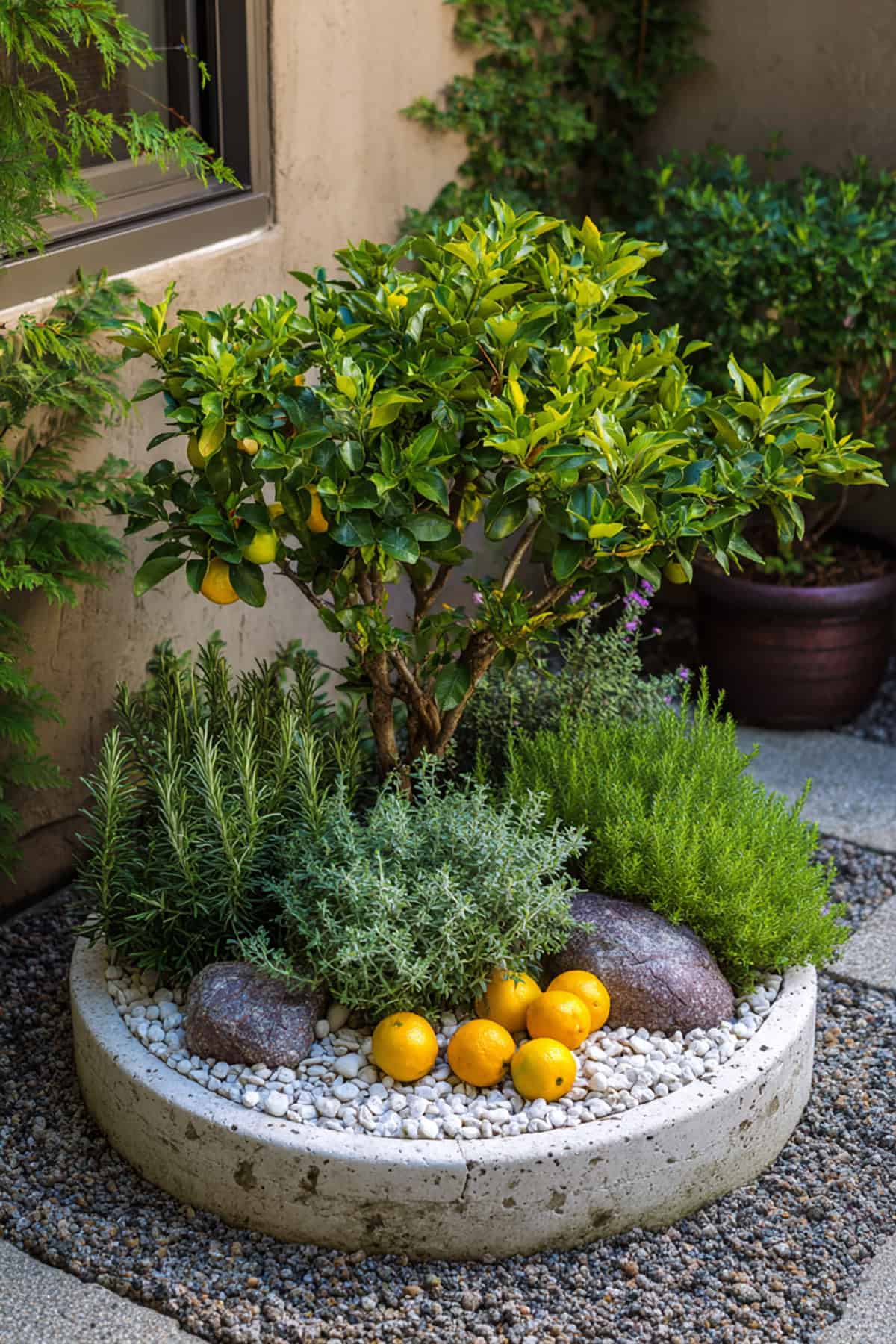
Group a handful of woody herbs—think rosemary, sage, thyme—in a sunny, sheltered spot close to the kitchen.
Edge the area with brick or stone to trap warmth. Make sure drainage is good. Plant them close to keep weeds at bay.
It’s easy to snip what you need for dinner, even in winter. The patch stays neat without much attention.
Trellis + Groundcover Two-Layer Wall
Put up a trellis for climbing crops and let groundcovers sprawl below. Two harvests in the space of one. Handy for narrow strips or along a fence.
Use strong supports for the vines. Pick groundcovers that suppress weeds and don’t mind a bit of shade.
Water trickles down from the top, making the most of sun and rain. From a distance, it looks organized and intentional.
Tea Garden Strip Under Citrus
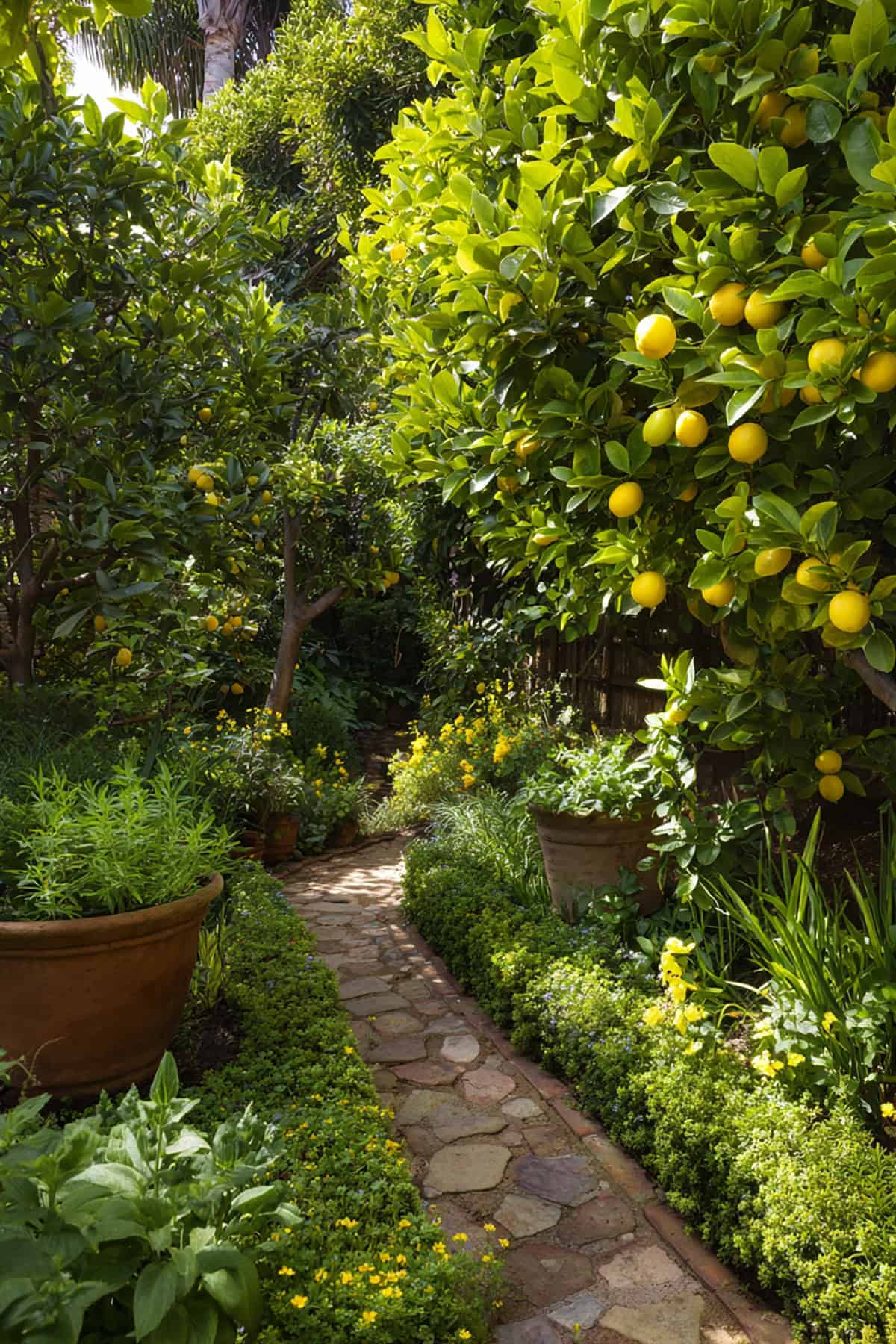
Plant tea herbs in a strip right under citrus trees, where the dappled shade suits them. Run the planting along the tree’s drip line for clean, easy picking.
Stick with herbs that match the tree’s watering needs. Don’t pile mulch too high near the trunk, and keep air moving if your climate is muggy.
It’s a way to use space that usually sits empty, and you get fresh tea most of the year. The scent’s a bonus when you walk by.
Shaded Forest Snack Patch
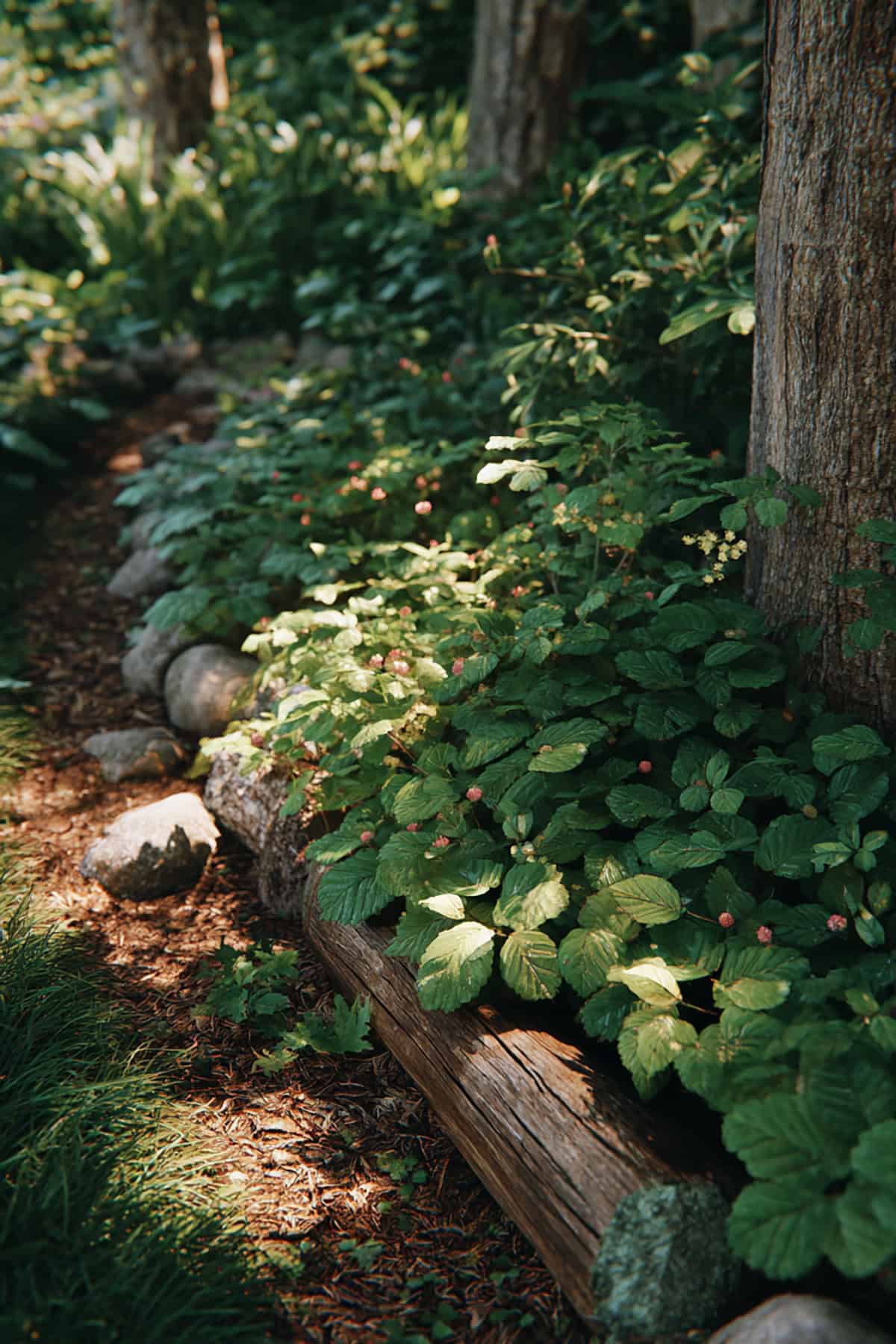
Even deep shade can produce something edible if you pick the right plants. Go for leafy greens, berries, and roots that don’t mind low light. Set this patch north of taller trees.
Soil quality is key here—add compost every year. Keep plants spaced out to avoid disease issues.
Suddenly, the shadiest part of the yard is giving you fresh snacks. Plus, it needs less water in summer.
Pollinator Snack Corner
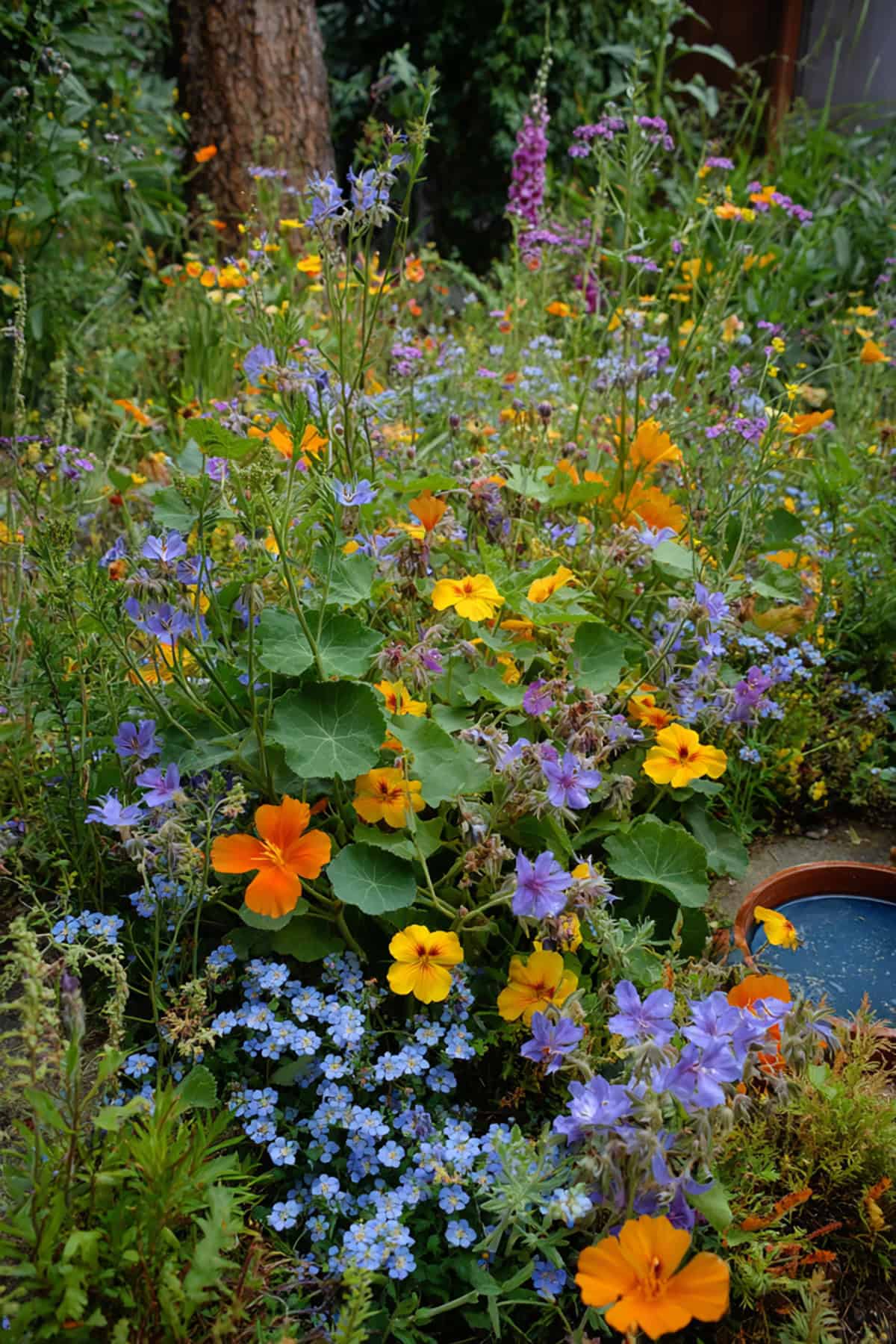
Dedicate a sunny corner to plants that feed both people and pollinators: edible flowers, fruiting shrubs, the works. Pick species that bloom at different times.
Skip chemicals in this area. Set out a shallow dish of water, and leave some dead stems for winter shelter.
Pollinators boost yields nearby, and the corner stays interesting even after you’ve picked the last berry.
Pollinator Corridor Through The Food Forest
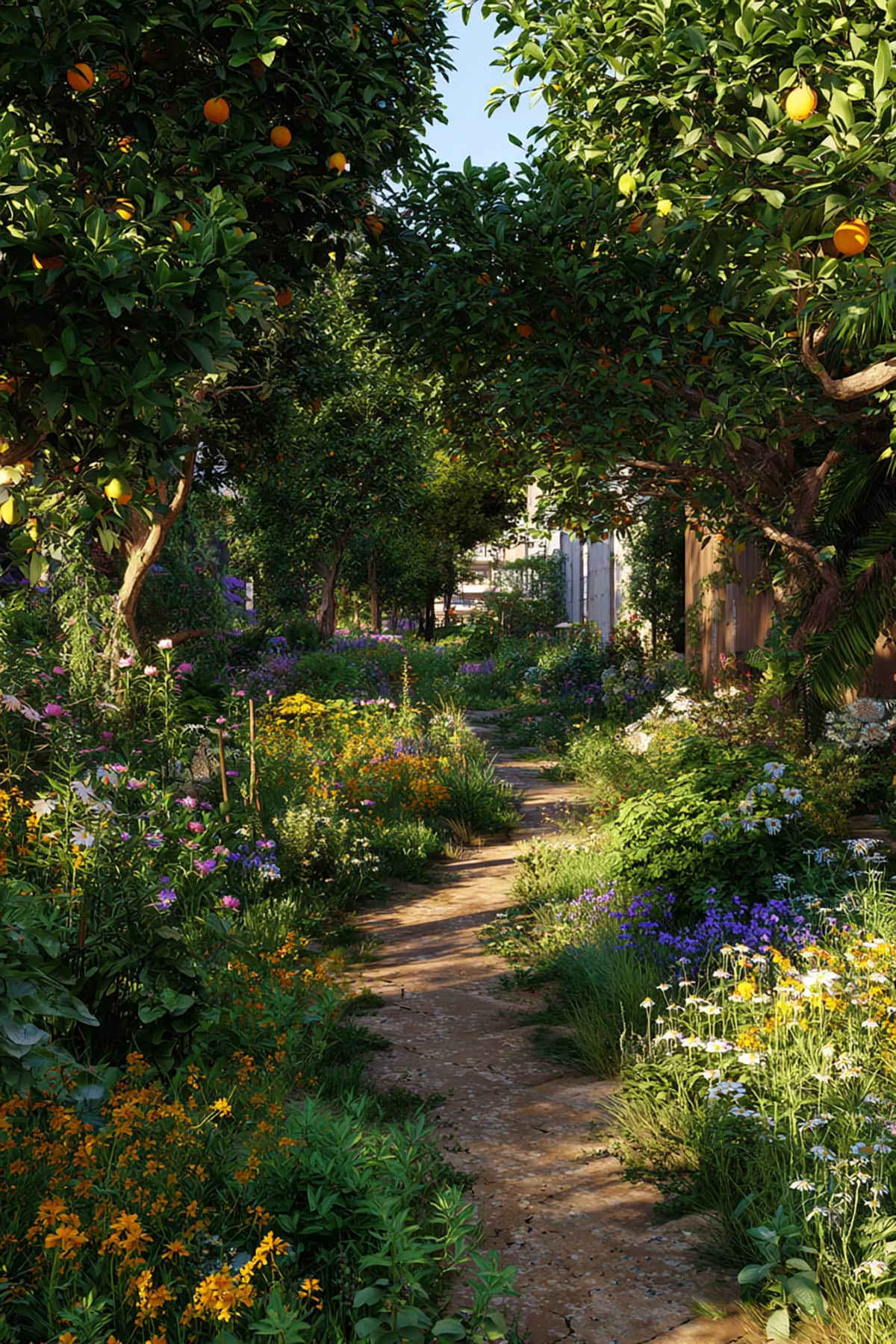
Run a strip of nectar-rich plants through your yard, connecting different areas. It gives insects an easy route and ties the whole garden together.
Pick species with staggered bloom times and mix up the heights. Leave paths open for you to get through.
Fruit set improves, and pest problems usually drop. The whole garden feels more connected.
Pergola Fruit Shade Corner
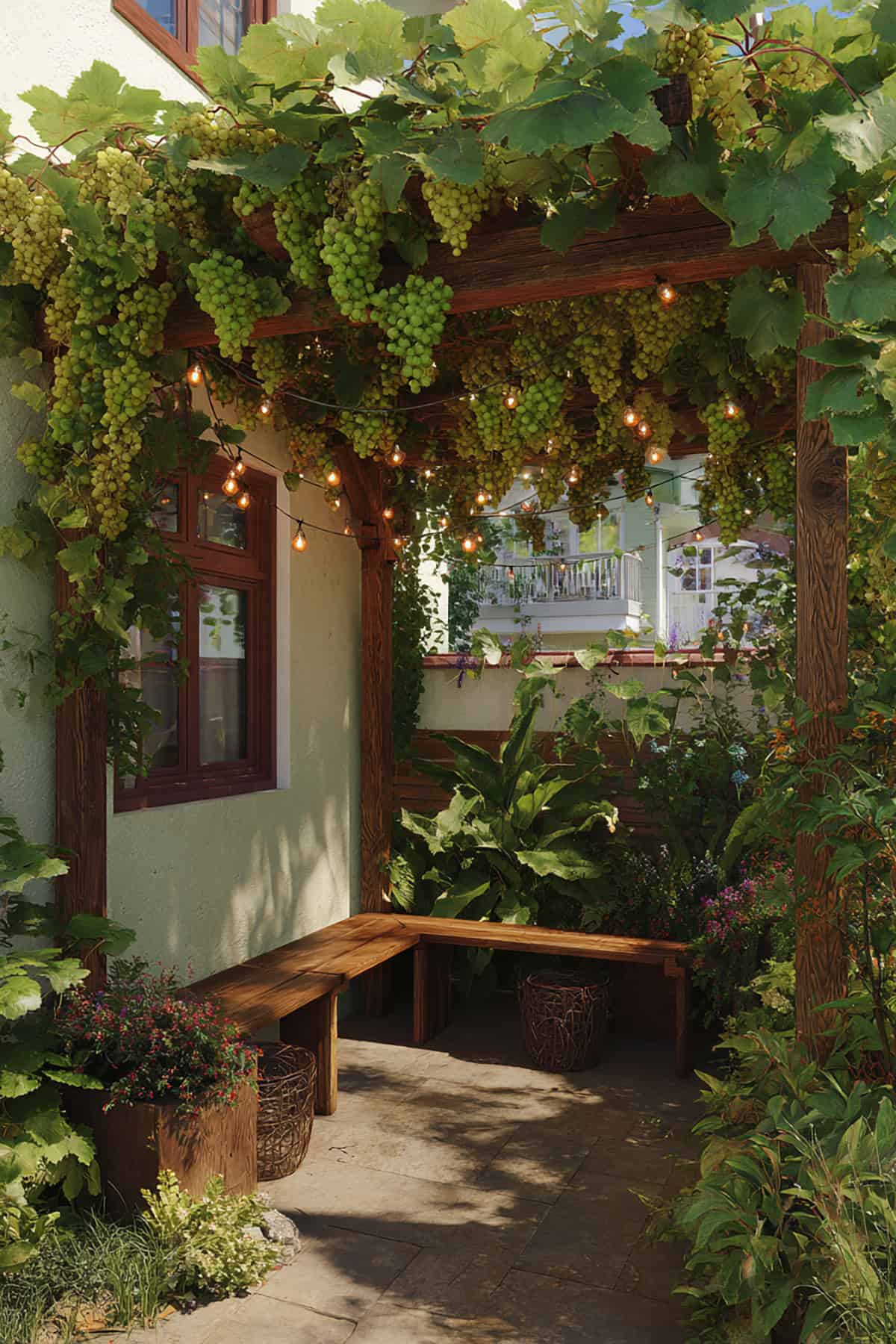
Put up a pergola, let fruiting vines climb over it, and create a shaded spot for sitting or working. It’s vertical harvest plus a cool retreat.
Use sturdy anchors so the structure doesn’t sag. Prune vines to control the light. Pick varieties that won’t take over.
It’s a relief from the sun, and the fruit’s always within reach. The area becomes a real destination in the yard.
Nut + Berry Fence Corner Stack
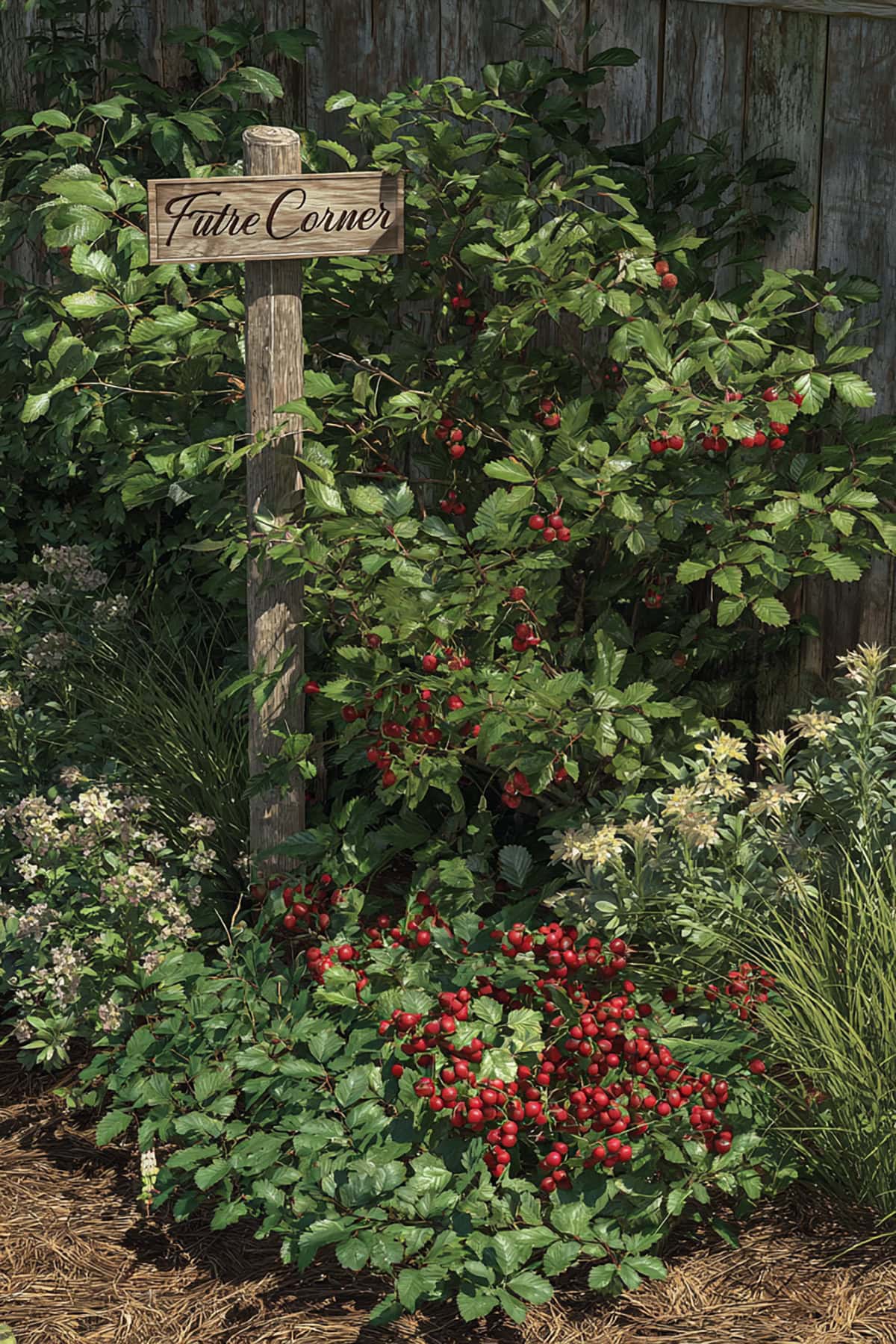
Stack a nut tree and berry bushes along a corner fence. The tree goes tall, berries fill in below, and the fence helps block wind and hold warmth.
Choose a nut tree that won’t outgrow the space. Plant berries where they’ll get filtered light. Mulch well for long-term health.
This combo makes the edge productive and gives the fence a job besides just marking the boundary.
Narrow Side-Yard Edible Alley
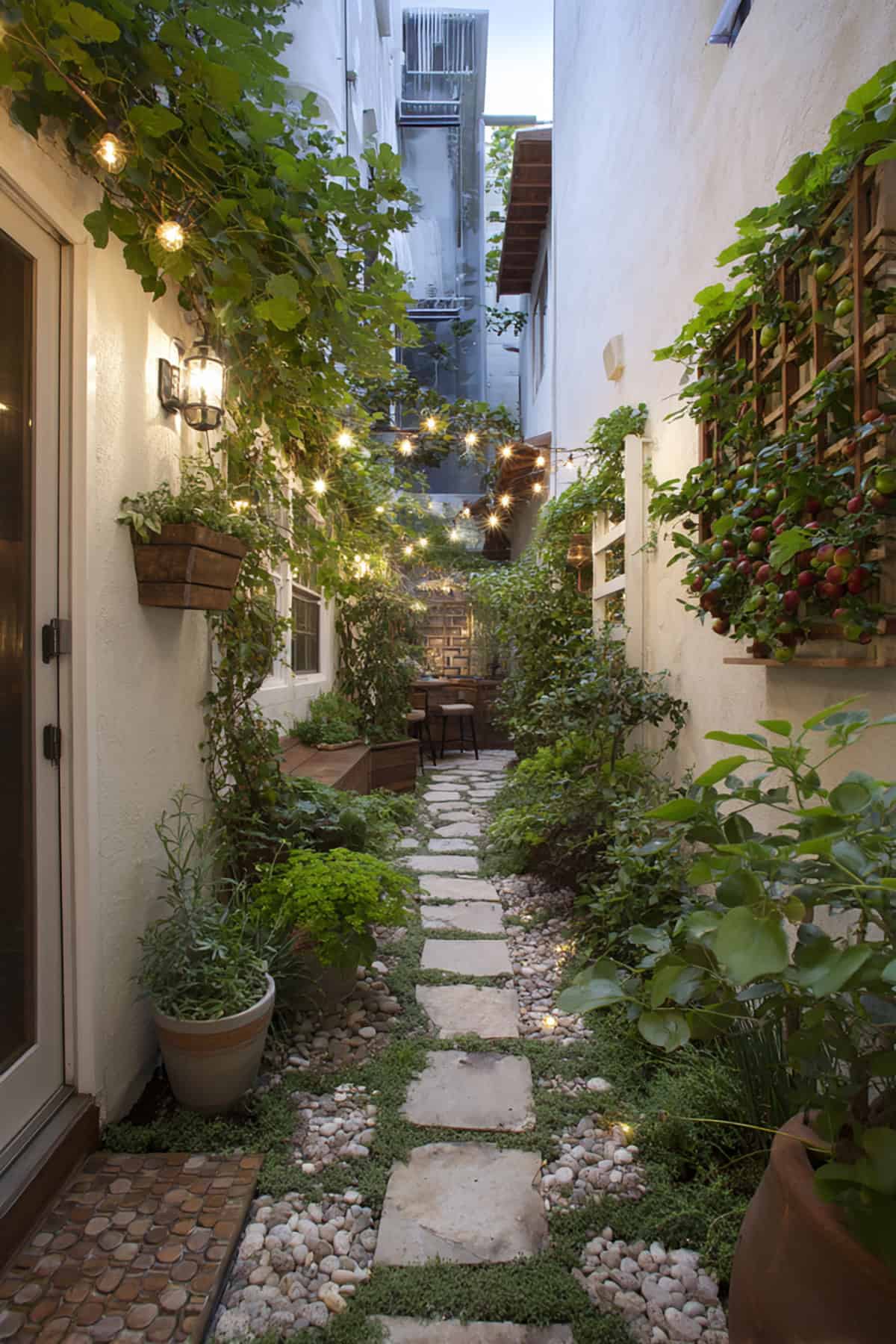
Turn that forgotten, shady side yard into a food-producing strip. Lay stepping stones for easy access.
Use upright or espaliered plants to save space. If you can, paint the wall a light color to bounce more sun in. Drip irrigation keeps things simple.
It’s tidy, productive, and you’ll actually use the space instead of ignoring it.
Kids Pick Path Low Harvest Lane
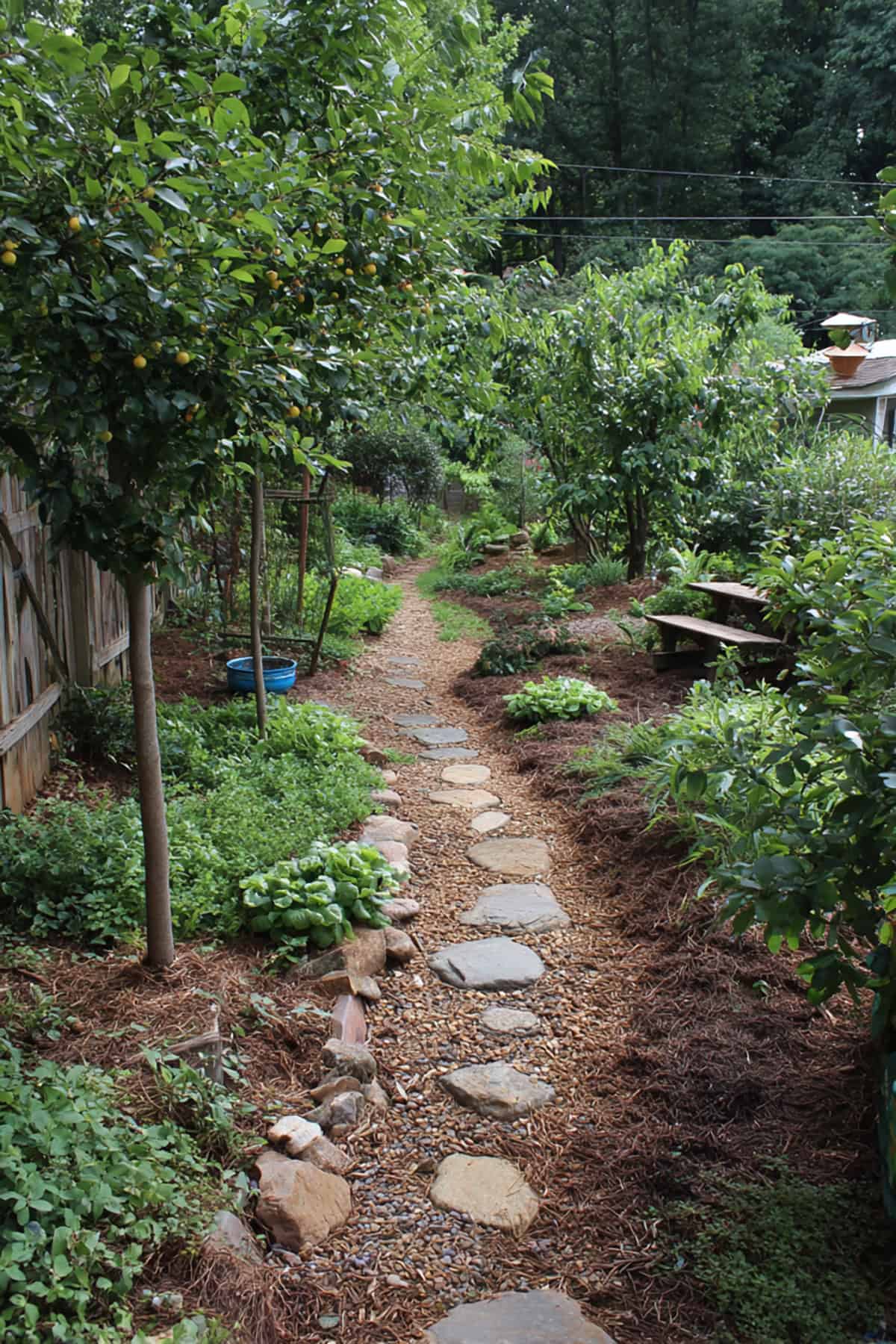
Line a path with low-growing, easy-to-pick plants so kids can harvest without tools or climbing. Safety comes first here.
Go for soft berries and snap peas. Keep anything thorny or with hard pits out of reach. Mulch the path to cushion falls and keep dirt off shoes.
It’s a hands-on way for kids to learn about seasons and harvests, and things rarely get out of control.
Herb Spine Pathway
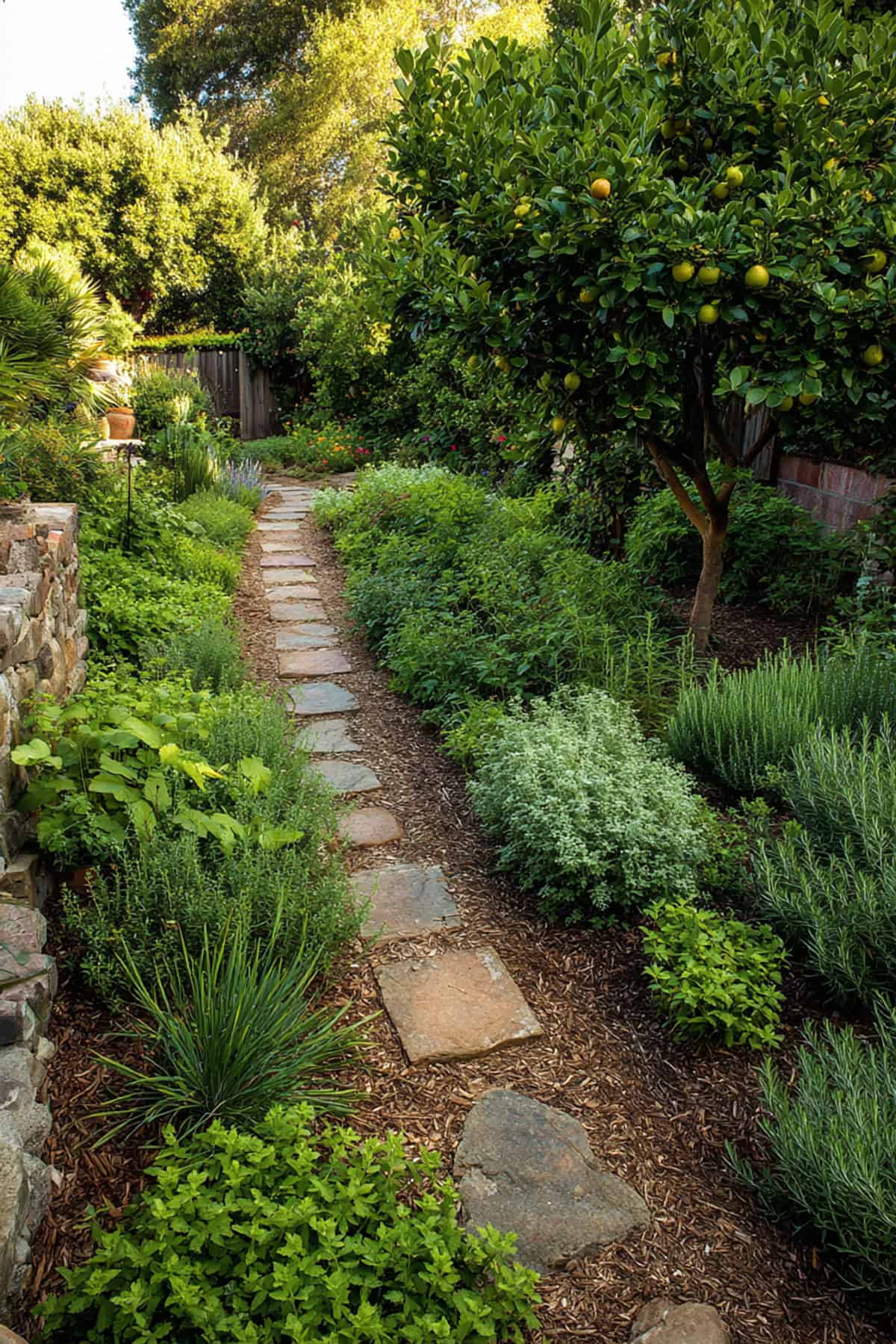
Let your main path double as an herb garden on both sides. As you walk, you’ll brush against the plants and release their scent—makes picking a breeze.
Pick tough herbs that don’t mind a little foot traffic. Edge the bed so herbs don’t wander into the path. Good sun helps everything thrive.
The path feels like the backbone of the garden, and you’ll use herbs more when they’re right under your nose.
Gutter-To-Garden Downspout Bed
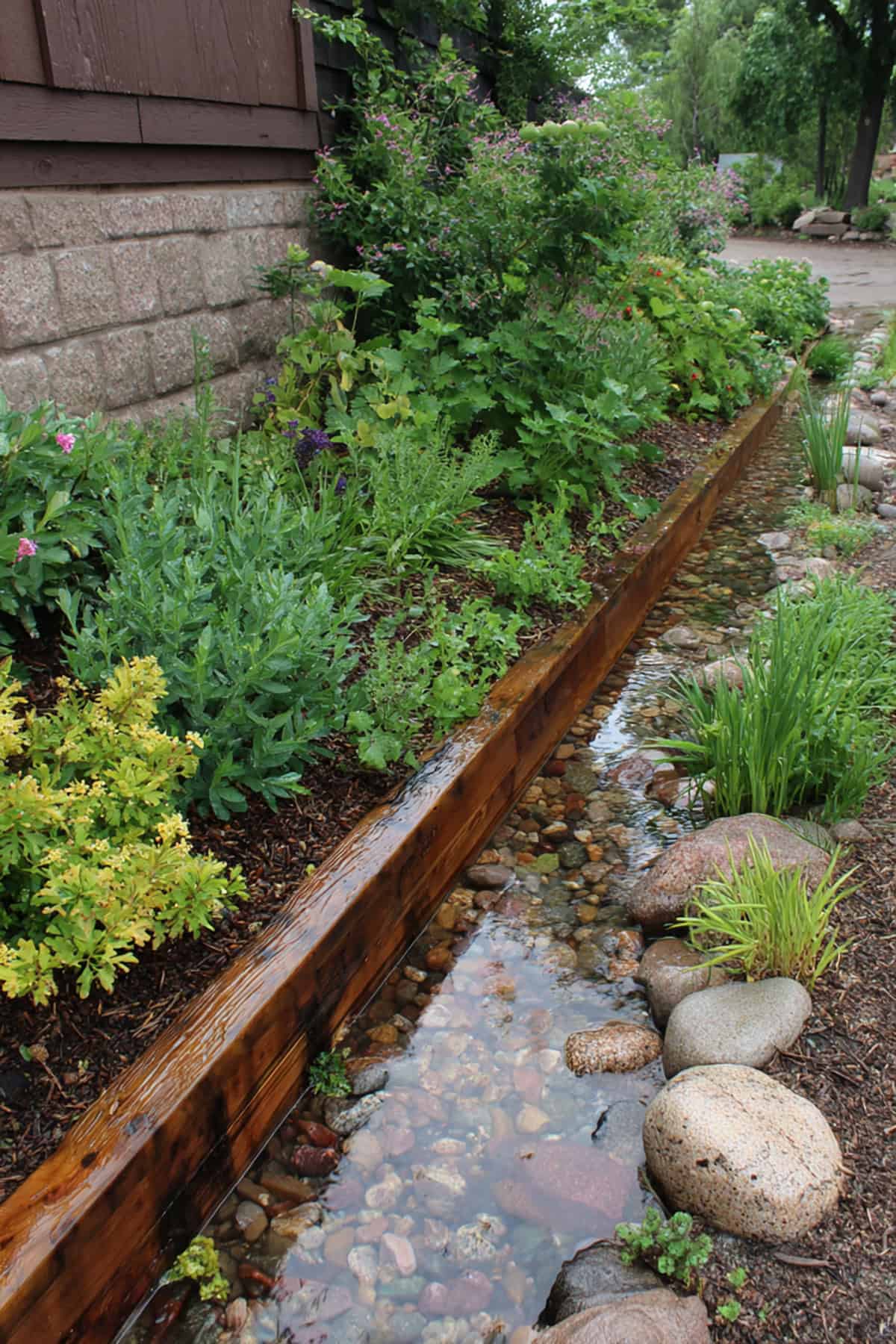
Channel roof runoff into a planted basin to slow down water and soak the soil. Just don’t put it too close to the foundation.
Use plants that can handle both flooding and drought. Stones help diffuse the water’s force. Make sure excess water drains away safely.
Suddenly, stormwater’s working for you, not against you. The bed stays moist longer, and heavy rain helps instead of hurts.
Garden Gate Fruit
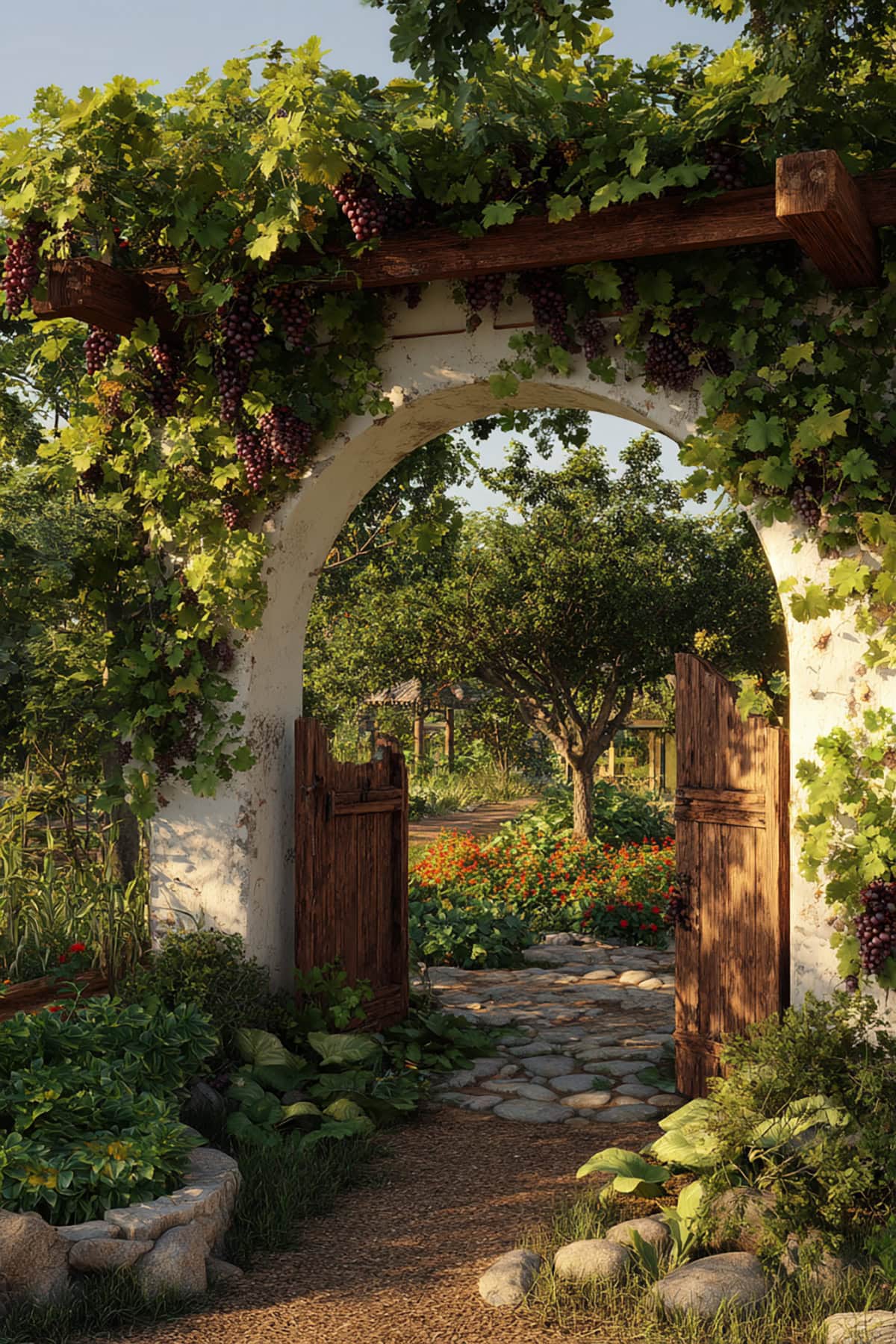
Plant fruit trees or bushes near the entrance so you can check on them every time you come or go. It’s easy to spot ripe fruit or problems right away.
Stick with compact, tidy varieties. Prune so paths stay clear, and mulch heavily to handle the extra foot traffic.
More fruit makes it to your table, and the entryway feels inviting and useful.
Fruit Tree Ring Of Flavor
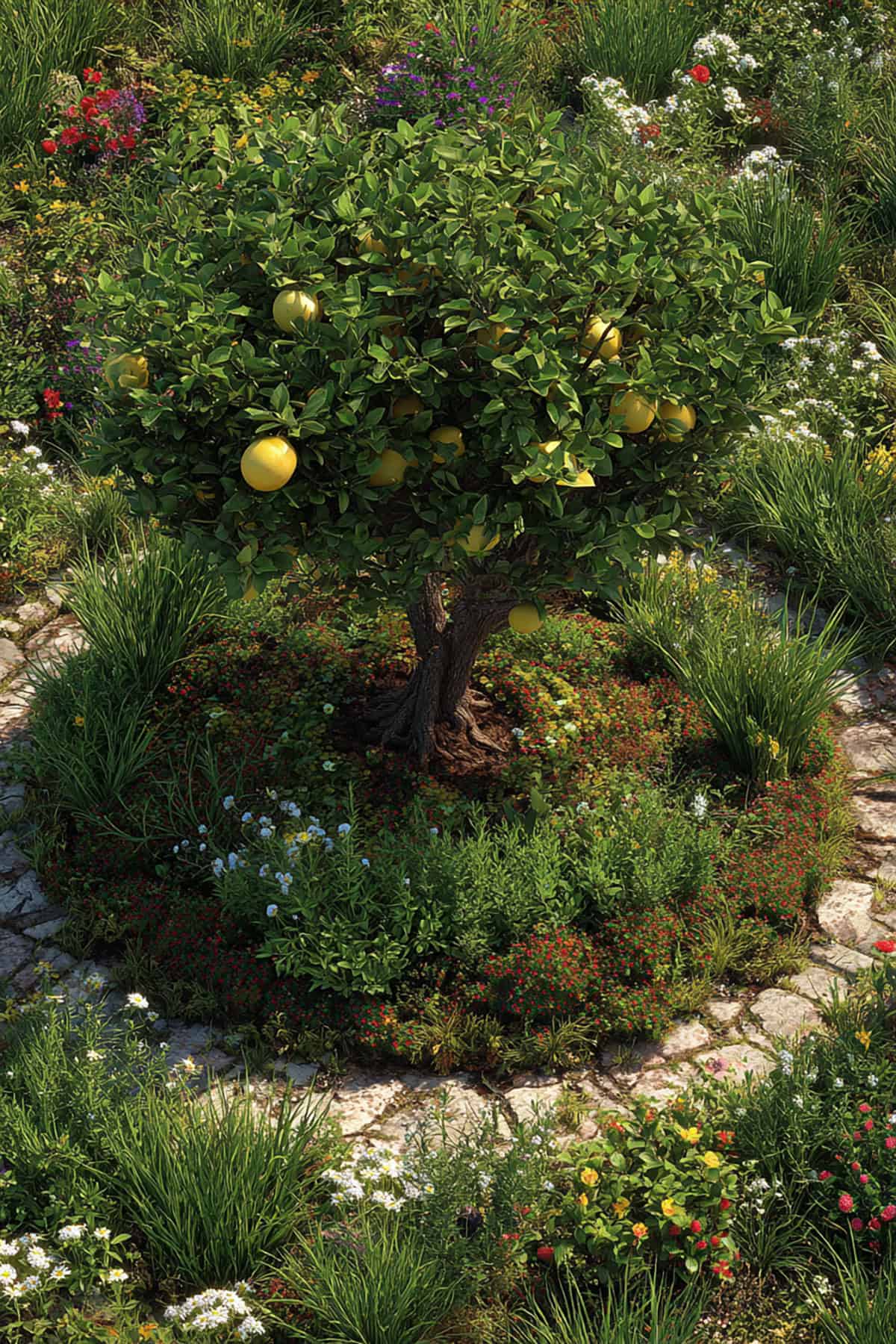
Center one tree and surround it with companion plants that boost flavor or pest resistance. Spacing is key to keep everyone happy.
Mix in pest-repelling herbs and pollinator-attracting flowers. Keep roots shallow to avoid crowding. Refresh mulch each year.
This setup can really improve fruit quality, and you’ll notice everything up close.
Forest-Garden Canopy Pocket
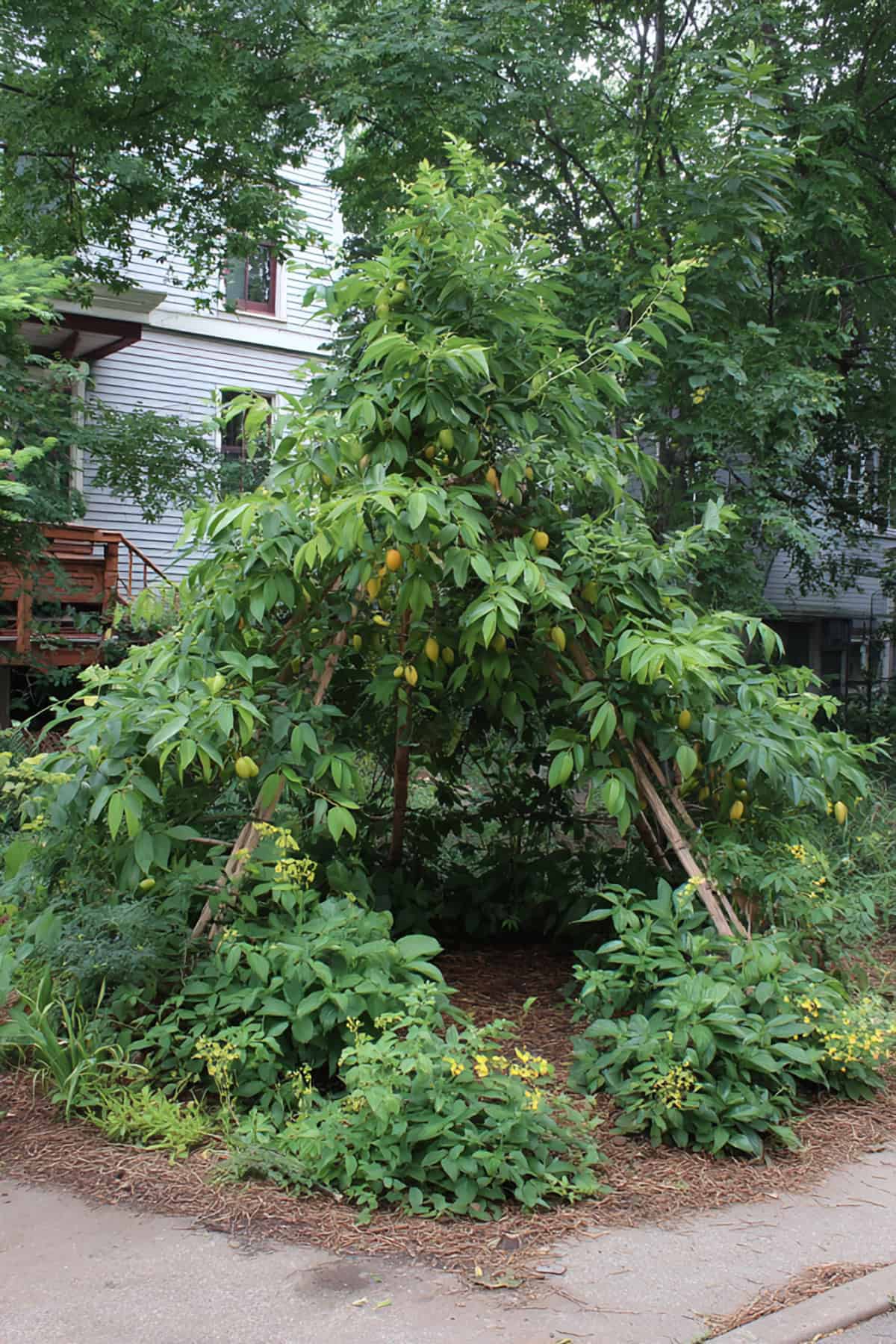
Plant shade-tolerant crops in the small gaps between larger trees. The light levels guide what you choose.
Minimal prep needed; leaf litter does most of the work. Keep paths open so you don’t compact the soil.
It’s a sneaky way to boost yield and diversity without spreading out further.
Fence Espalier Fruit Wall
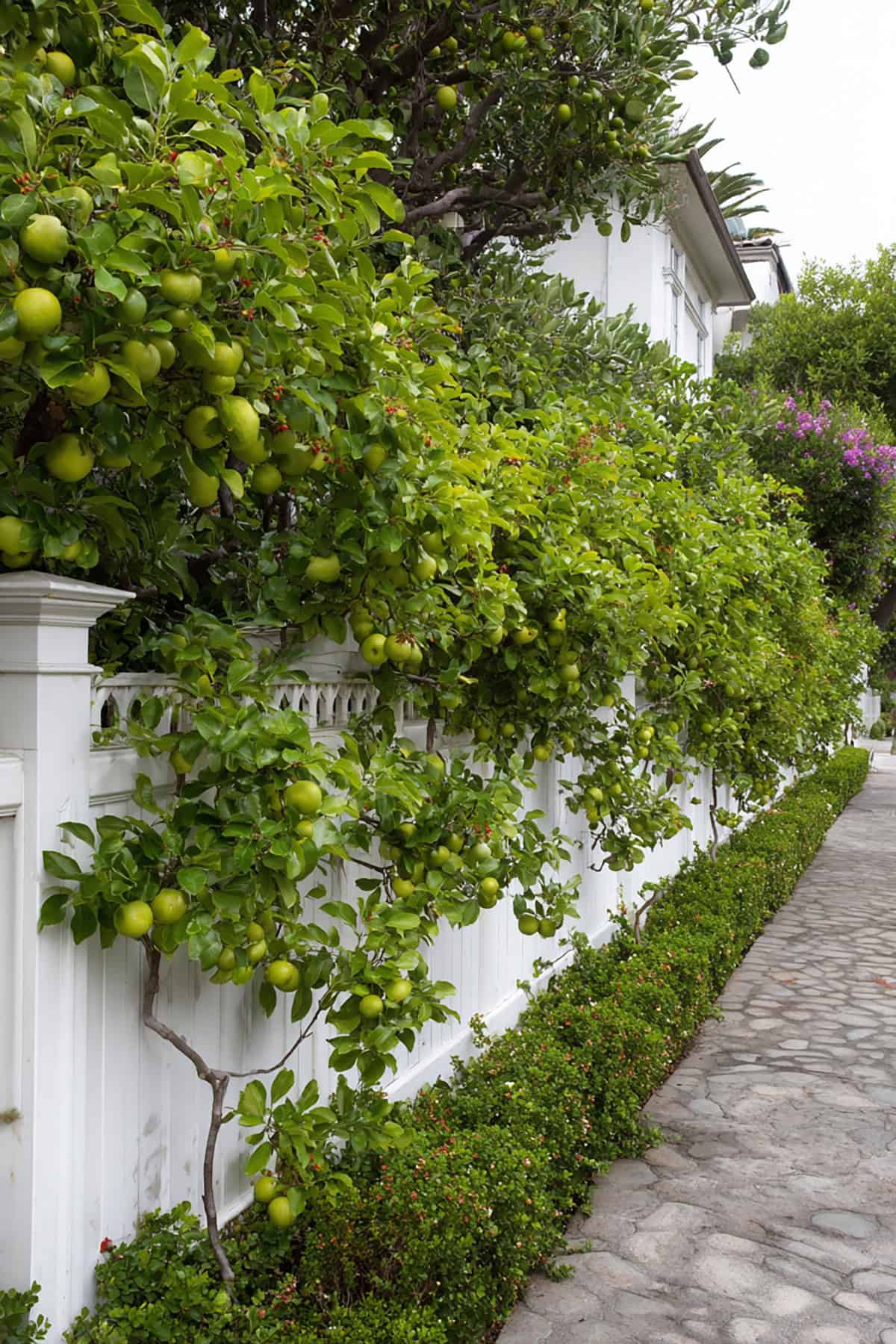
Train fruit trees flat along a fence to save space and get better sun exposure. Prune regularly to keep them in line.
Install sturdy wires for support. Mulch the roots to keep them cool and moist.
Fruit’s easy to pick, the fence looks sharp, and airflow helps keep disease down.
Edible Privacy Screen Panels
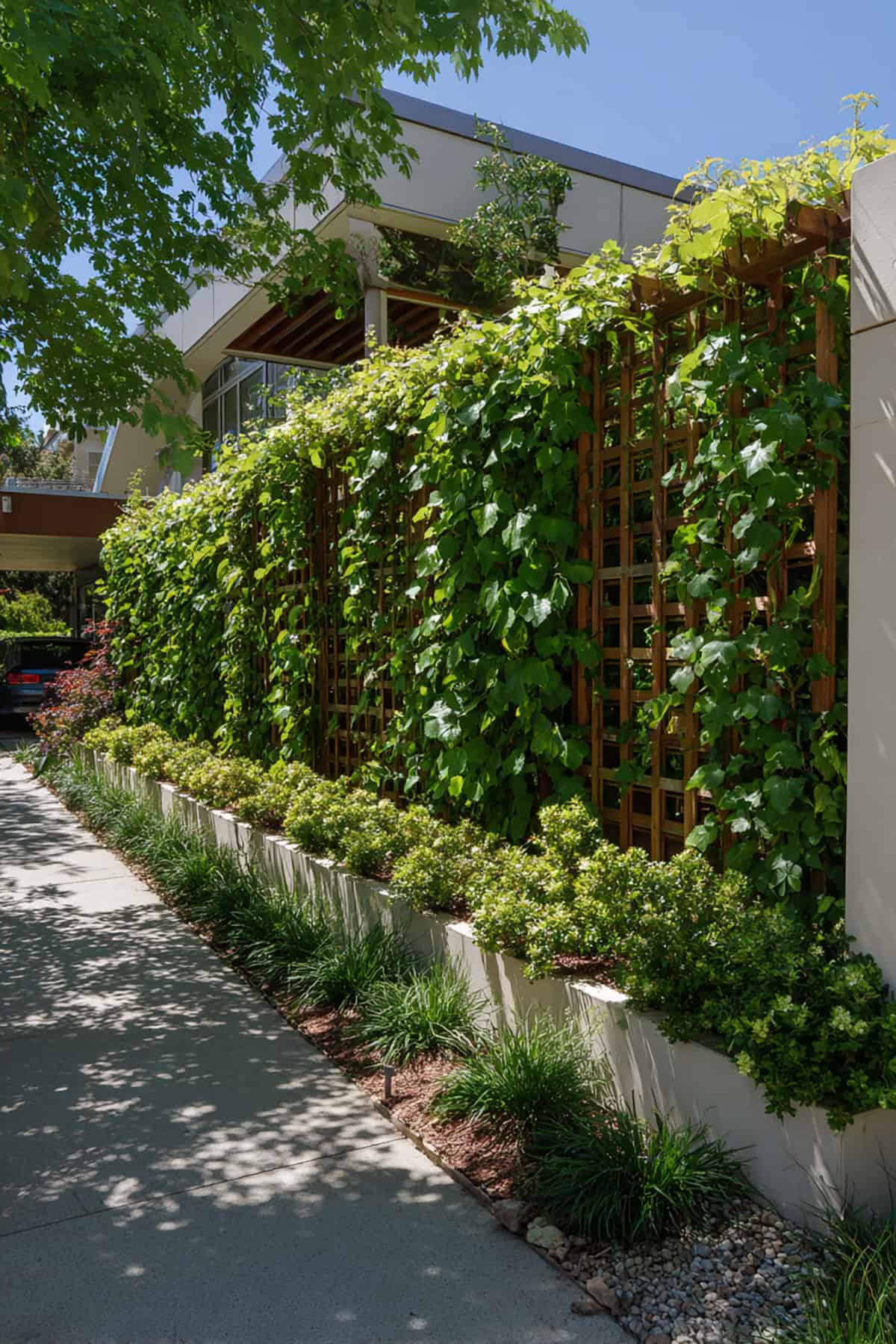
Use tall, edible shrubs to build a living privacy screen. Adjust the planting to get the right level of coverage.
Pick upright growers, stagger for a thicker look, and prune so enough light gets through.
Screens break up wind and noise and give you a harvest from both sides.
Edge Guild Fruit Fence Strip
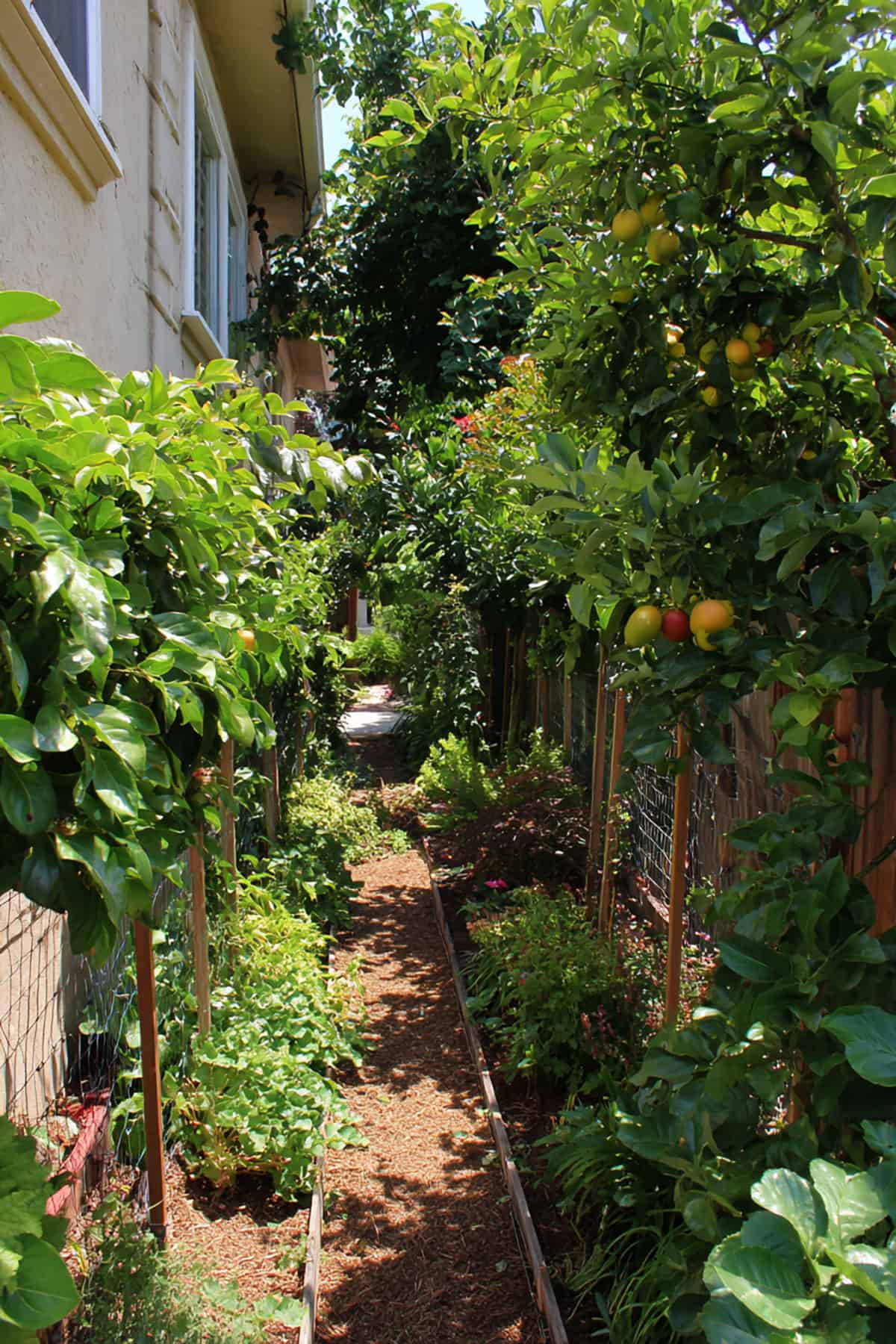
Run a narrow strip of food plants along your fence, anchored by a fruit tree every so often. Fill the gaps with low-care companions.
Choose species that don’t need much fuss. Grow inward to avoid overhanging neighbors’ yards. Mulch to protect the fence base.
The border goes from wasted space to productive, and weeds have a harder time moving in.
Dwarf Orchard Pocket Row
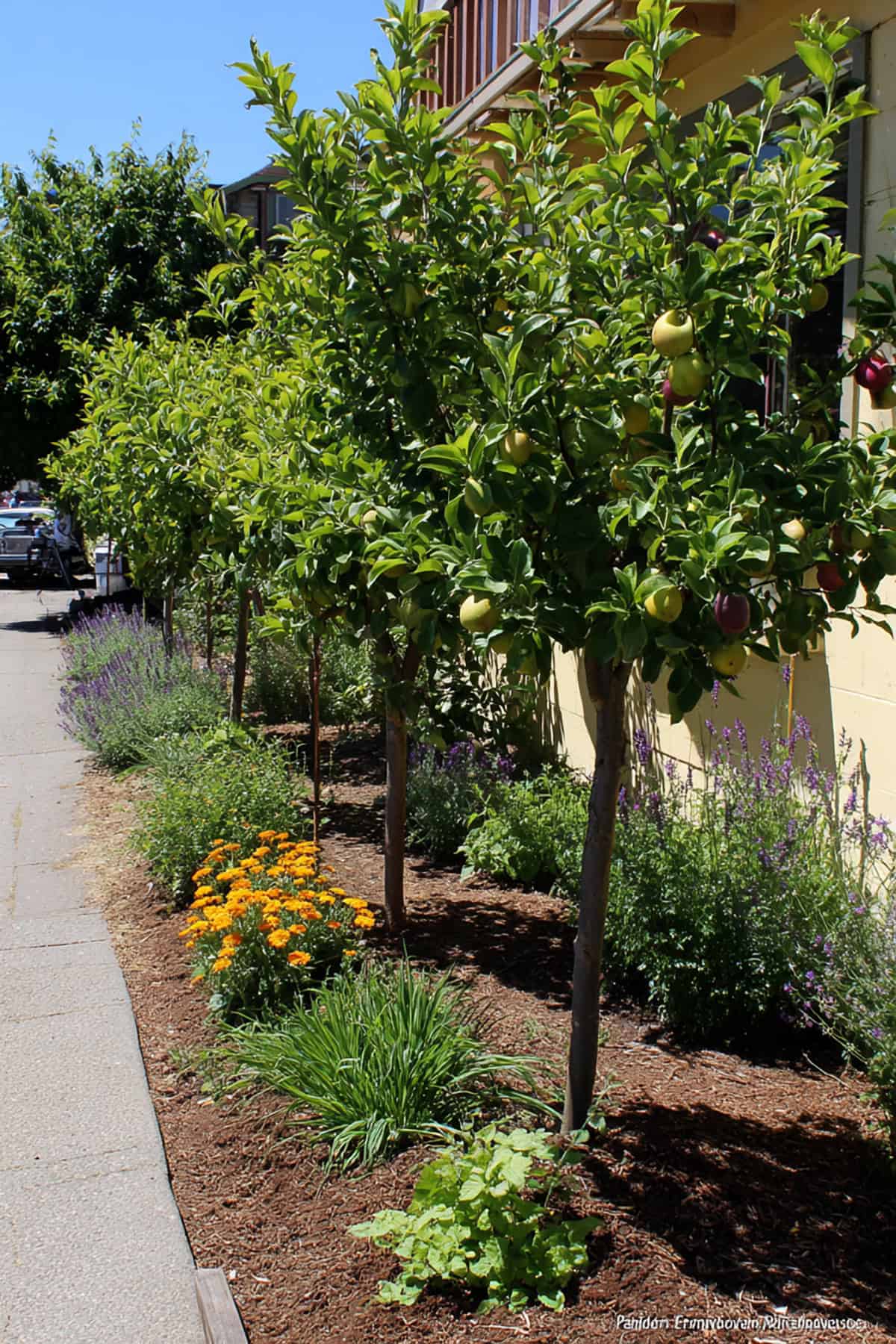
Plant a line of short trees you can reach from the ground, spaced for good sun and air flow.
Use the same rootstock for a uniform look. Prune to keep them even. Groundcovers cut down on mowing.
Great for smaller yards, and you’ll appreciate how quick and easy harvests become.
Deadwood Habitat Stack Corner
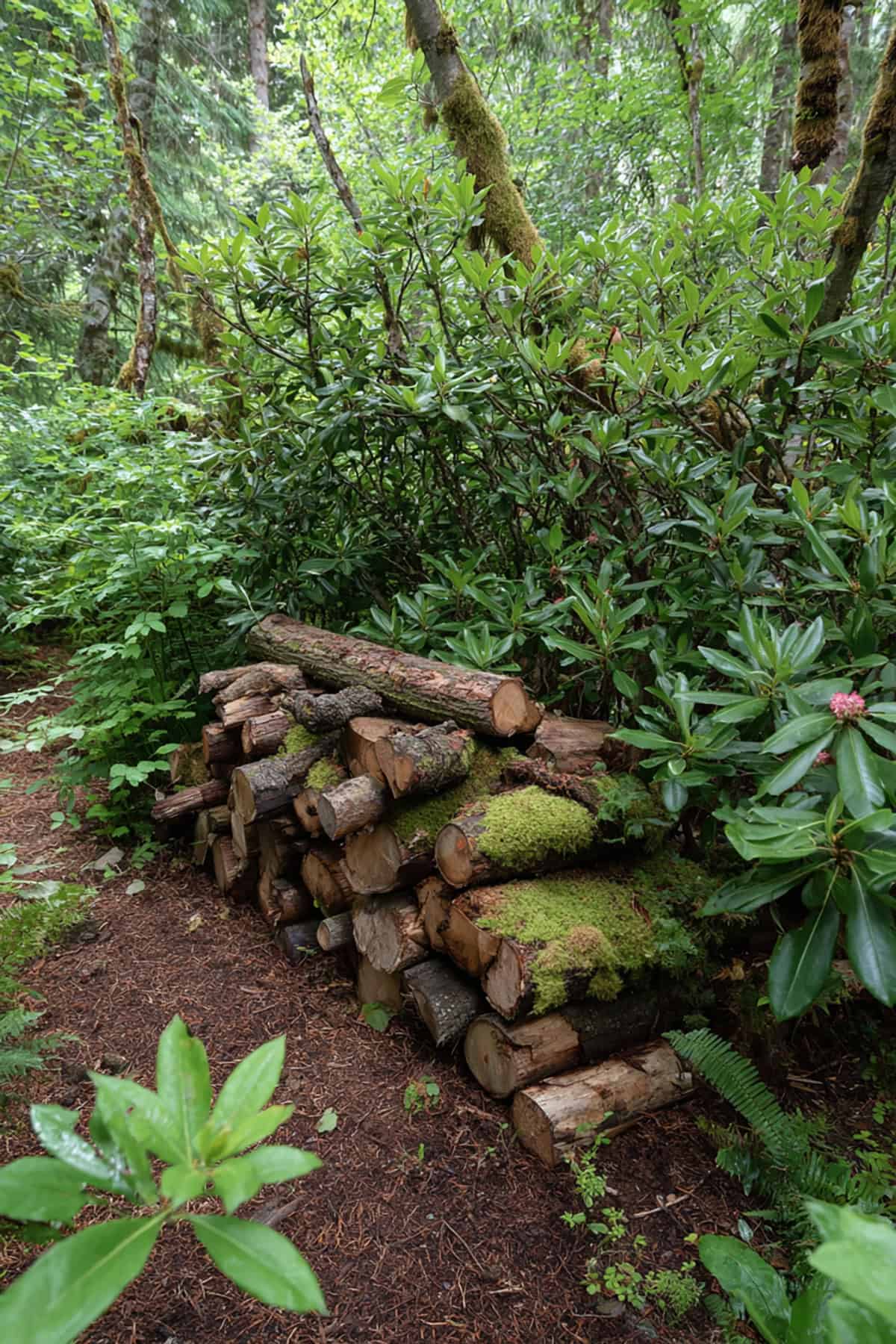
Stack some logs and branches in a quiet, shady corner. Insects and fungi move in, and nearby plants benefit.
Keep the stack stable and dry at the bottom, away from main paths.
It’s a low-effort way to boost soil life and natural pest control, plus you use up garden debris on site.
Corner Jam Patch Cluster
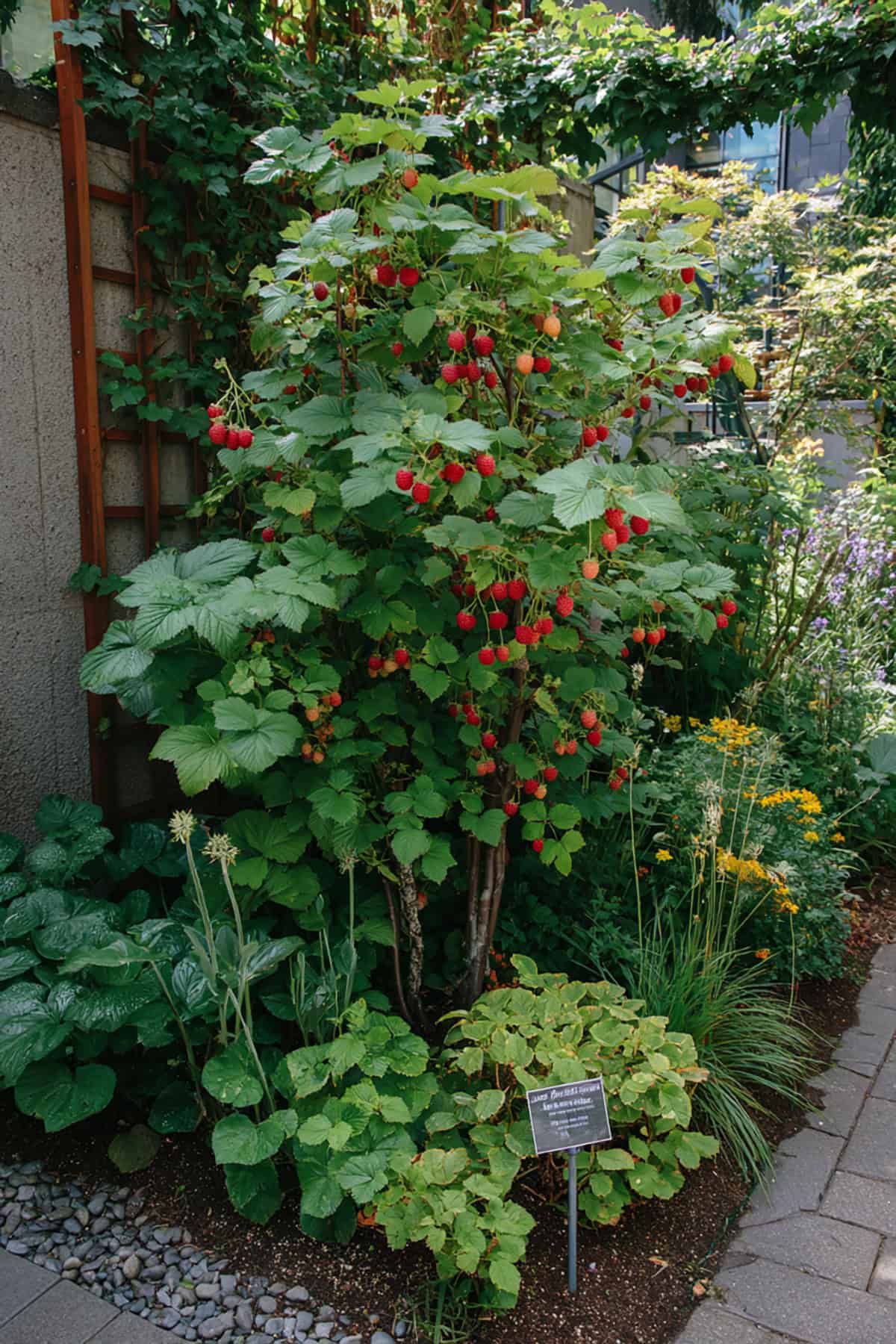
Some fruits just work better for preserves, and they seem to thrive together tucked into a sun-soaked corner. The way they ripen in sync makes it way easier to pick whole batches at once. You don’t have to fight your way in with a basket, either—it stays pretty accessible.
Go for high-pectin types if you can. Give them enough room so air and sunlight actually reach everything. Tossing netting over the whole group is a breeze.
Honestly, having this cluster means you’re not drowning in fruit all at once. Harvest peaks don’t feel overwhelming, and figuring out storage isn’t some big mystery.