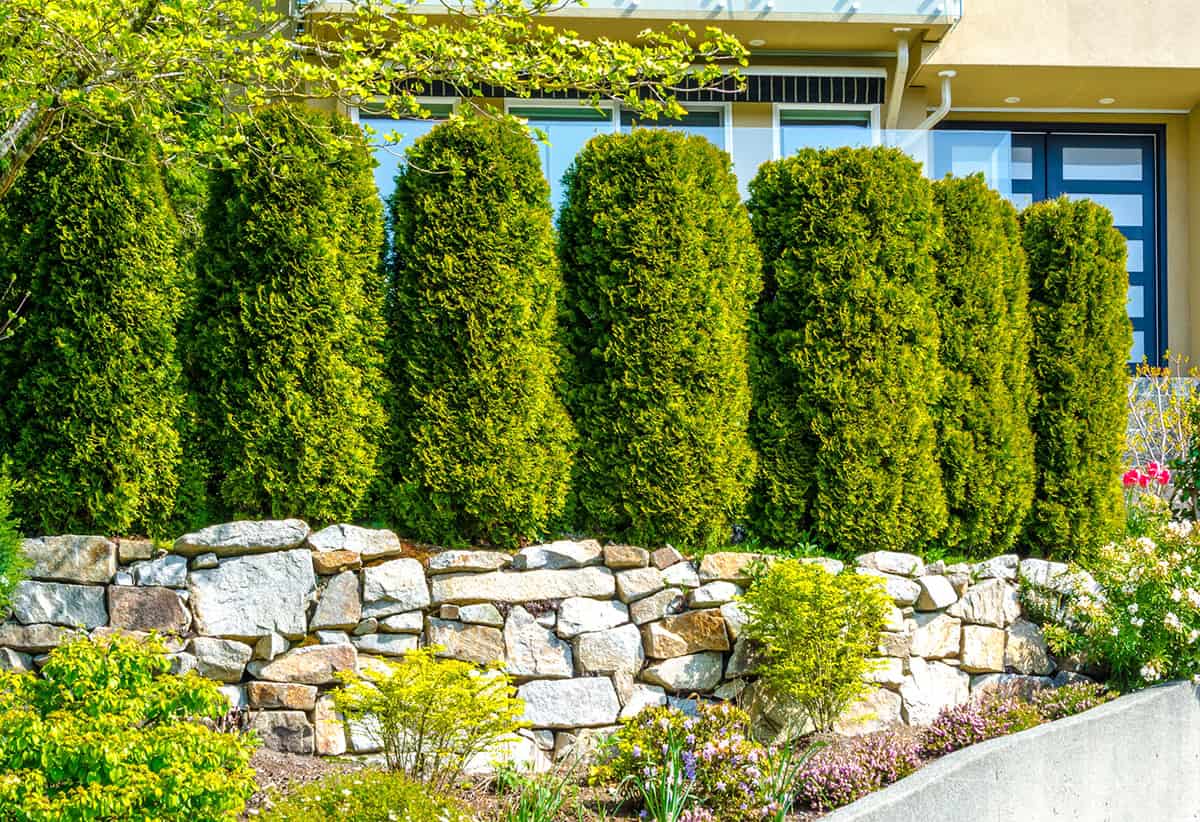
When I moved into my home, the backyard felt wide open—and not in a good way. Planting fast-growing evergreens changed everything. If you want the same kind of instant privacy, here are 37 trees that work wonders.
Table of Contents
- 37 Fast-Growing Evergreen Trees For Privacy In Your Backyard
- Leyland Cypress (Cupressocyparis leylandii)
- Green Giant Arborvitae (Thuja standishii x plicata ‘Green Giant’)
- Eastern White Pine (Pinus strobus)
- Murray Cypress (Cupressocyparis x leylandii ‘Murray’)
- Carolina Sapphire Cypress (Cupressus arizonica var. glabra ‘Carolina Sapphire’)
- Nellie R. Stevens Holly (Ilex x ‘Nellie R. Stevens’)
- Wax Myrtle (Morella cerifera)
- American Arborvitae (Thuja occidentalis)
- Japanese Cedar (Cryptomeria japonica)
- Spartan Juniper (Juniperus chinensis ‘Spartan’)
- Italian Cypress (Cupressus sempervirens)
- Emerald Green Arborvitae (Thuja occidentalis ‘Smaragd’)
- Eastern Redcedar (Juniperus virginiana)
- Chinese Photinia (Photinia serratifolia)
- Arizona Cypress (Cupressus arizonica)
- Eucalyptus Tree (Eucalyptus spp.)
- Cherry Laurel (Prunus laurocerasus)
- Japanese Privet (Ligustrum japonicum)
- Schip Laurel (Prunus laurocerasus ‘Schipkaensis’)
- Viburnum (Viburnum tinus)
- Sweet Bay Magnolia (Magnolia virginiana)
- Canadian Hemlock (Tsuga canadensis)
- Bamboo (Phyllostachys aurea or Bambusa multiplex)
- Cryptomeria ‘Yoshino’ (Cryptomeria japonica ‘Yoshino’)
- Podocarpus (Podocarpus macrophyllus)
- Southern Wax Myrtle (Morella cerifera)
- Japanese Black Pine (Pinus thunbergii)
- Thuja ‘Spring Grove’ (Thuja plicata ‘Spring Grove’)
- Pittosporum (Pittosporum tenuifolium)
- Blue Point Juniper (Juniperus chinensis ‘Blue Point’)
- Southern Magnolia (Magnolia grandiflora)
- Glossy Privet (Ligustrum lucidum)
- Red Tip Photinia (Photinia × fraseri)
- Western Red Cedar (Thuja plicata)
- Sweet Viburnum (Viburnum odoratissimum)
- Hopseed Bush (Dodonaea viscosa)
- Australian Brush Cherry (Syzygium paniculatum)
37 Fast-Growing Evergreen Trees For Privacy In Your Backyard
Fast-growing evergreen trees offer year-round privacy and make your backyard feel more secluded. Many of these species grow quickly and provide dense foliage, making them excellent options if you want a natural barrier.
Leyland Cypress (Cupressocyparis leylandii)
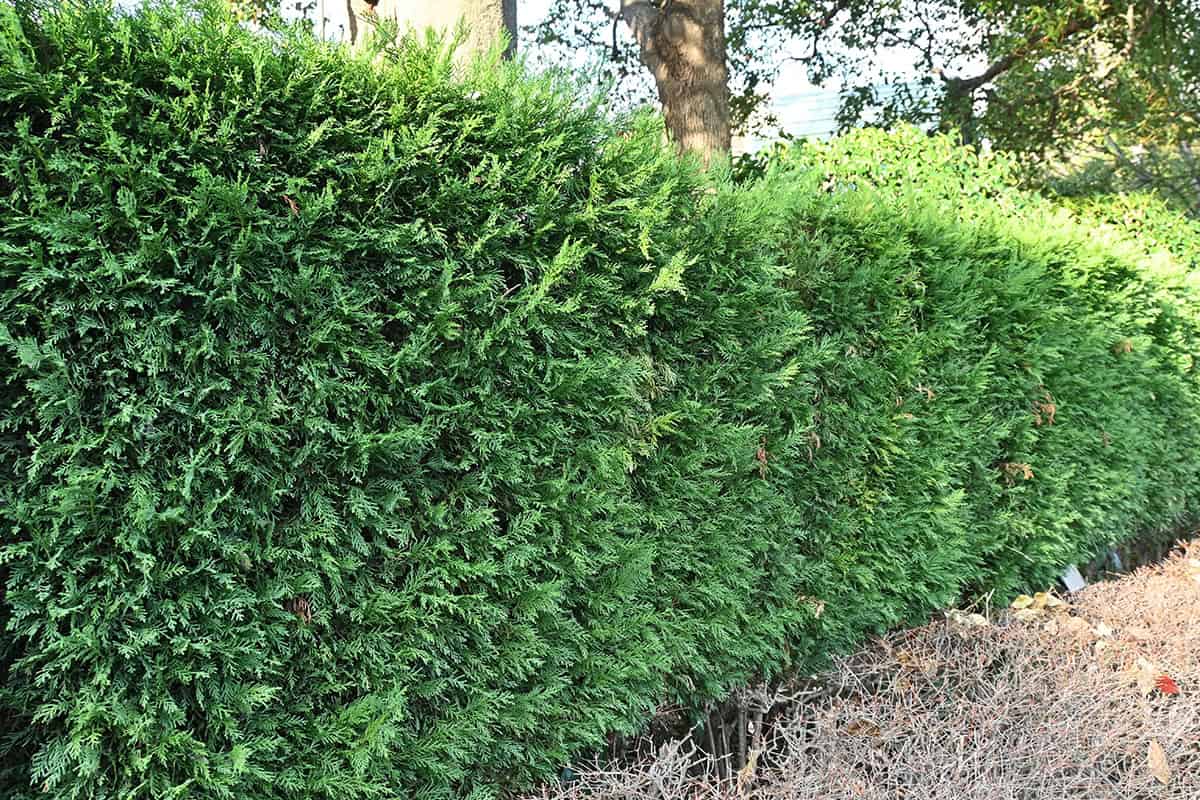
You get fast growth and dense, green foliage with Leyland Cypress. This popular evergreen can grow 3 to 5 feet per year under good conditions. It matures at 60 to 70 feet tall if left unpruned, so you’ll want to plant it in a spot with plenty of space.
Leyland Cypress forms a thick hedge very quickly. The tree is tolerant of many soils and generally resists pests and disease. Its columnar shape is ideal for privacy screens.
Green Giant Arborvitae (Thuja standishii x plicata ‘Green Giant’)
Green Giant Arborvitae produces dense, dark green foliage that keeps its color all year. It grows 3 to 4 feet per year and reaches 40 to 60 feet at maturity. You can trim it to maintain the height you prefer for your privacy screen.
It tolerates a range of soils and withstands strong winds. Deer and most pests tend to avoid this tree. Choose Green Giant Arborvitae if you want a robust, low-maintenance evergreen.
Eastern White Pine (Pinus strobus)
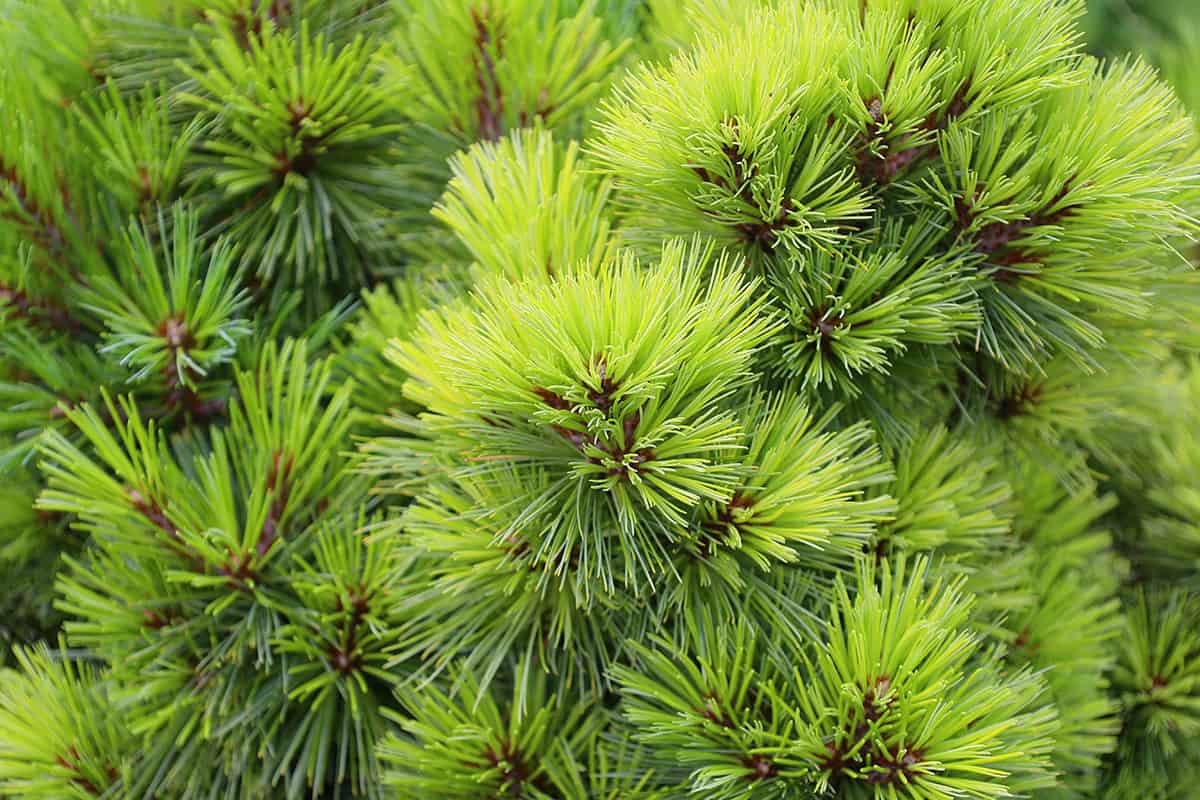
Eastern White Pine offers soft, bluish-green needles and a rapid growth rate, commonly adding 2 to 3 feet per year. It grows tall, often 50 to 80 feet high, which makes it excellent for large properties.
This pine forms a light-textured screen that gives privacy and wind protection. It prefers full sun and well-drained soil but adapts to a variety of sites. Regular pruning helps keep its shape.
Murray Cypress (Cupressocyparis x leylandii ‘Murray’)
Murray Cypress emerges from Leyland Cypress breeding, giving you faster growth and stronger disease resistance. It grows 3 to 4 feet per year and reaches up to 40 feet at maturity.
Its deep green needles form a solid screen that keeps out noise and wind. Murray Cypress is a good fit for hot or humid regions. You can plant the trees fairly close together for a tight privacy hedge.
Carolina Sapphire Cypress (Cupressus arizonica var. glabra ‘Carolina Sapphire’)
Carolina Sapphire Cypress stands out with silver-blue foliage and a pleasant fragrance. This tree grows about 3 feet each year and can reach 30 to 40 feet in height.
It thrives in hot, dry climates and poor soil, which makes it a good pick for challenging spots. The upright habit and dense branching create a solid privacy barrier. You will appreciate its drought tolerance and minimal maintenance.
Nellie R. Stevens Holly (Ilex x ‘Nellie R. Stevens’)
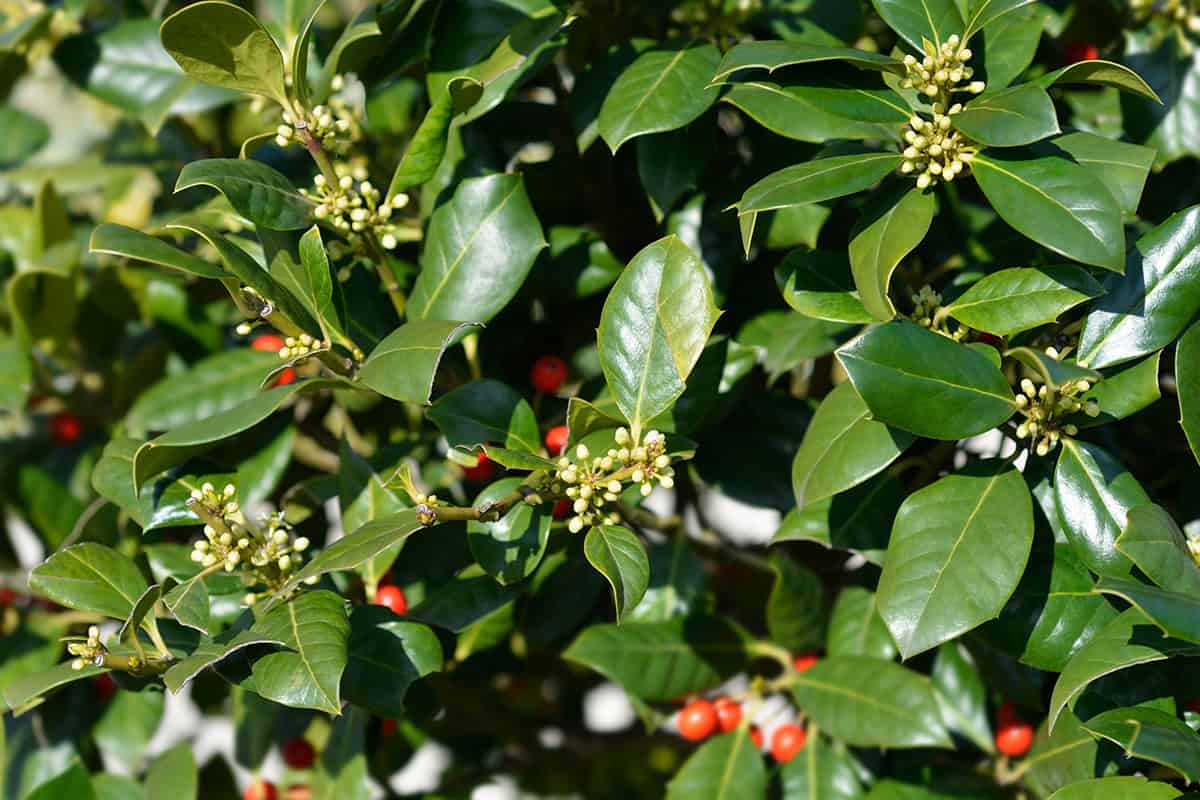
Nellie R. Stevens Holly offers glossy, dark green leaves that stay attractive in all seasons. This holly grows up to 3 feet annually and commonly matures between 15 and 25 feet tall.
It produces bright red berries in winter, adding visual interest. Birds often use the thick foliage for nesting. Nellie Stevens Holly proves resistant to deer and suits a range of soil types.
Wax Myrtle (Morella cerifera)
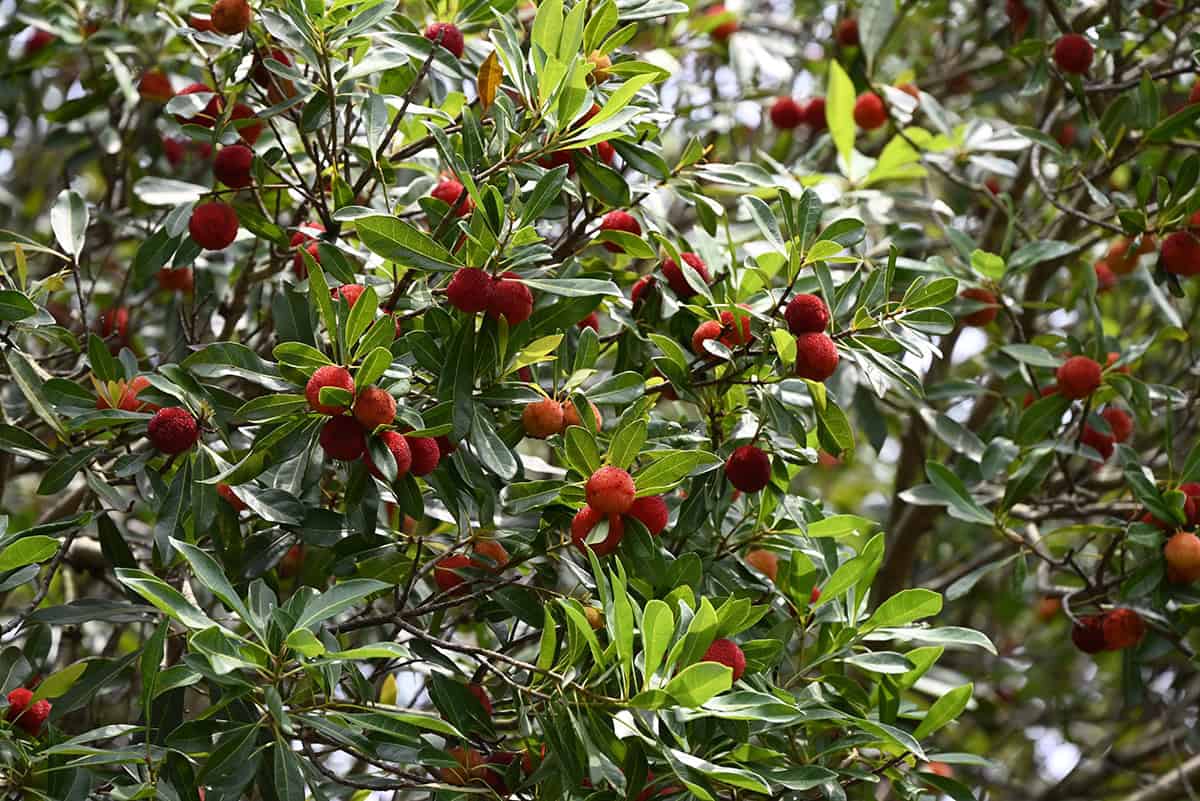
Wax Myrtle gives you aromatic, olive-green leaves and rapid growth—up to 5 feet per year in ideal conditions. Mature plants stand 10 to 15 feet tall, creating a dense screen even as a small tree or large shrub.
It tolerates poor, sandy soils and salt spray, making it ideal for coastal gardens. Some pruning helps control its shape and size. Birds are attracted to its gray-blue berries.
American Arborvitae (Thuja occidentalis)
American Arborvitae is a classic choice for evergreen privacy screens. It grows 1 to 2 feet each year and often reaches 30 to 40 feet tall.
This tree produces soft, flat, scale-like foliage that forms a thick hedge. American Arborvitae adapts well to urban and rural environments. It prefers moist, well-drained soil and full sun.
Japanese Cedar (Cryptomeria japonica)
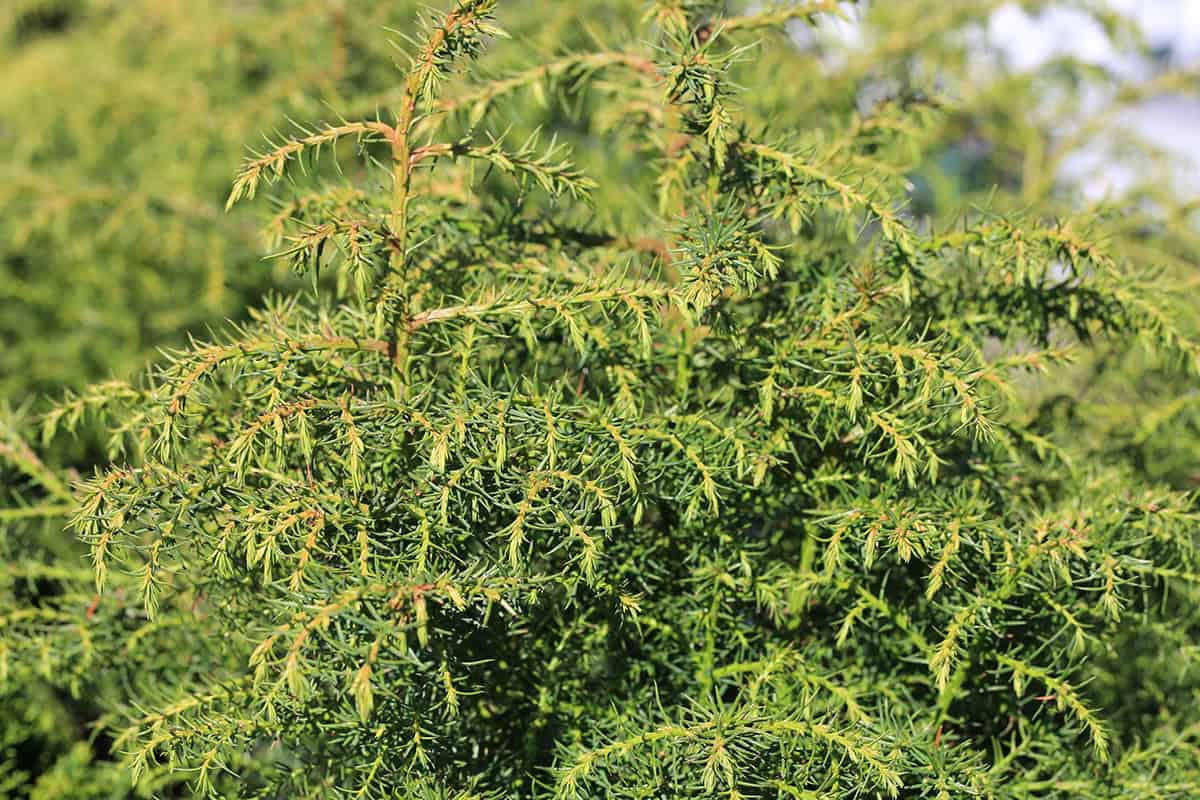
Japanese Cedar stands out for its soft, feathery needles and fast vertical growth. Trees can grow 2 to 3 feet per year, topping out at 50 to 70 feet when mature.
Its conical form provides full, lush coverage from the ground up. Japanese Cedar does best in moist, well-draining soil and tolerates moderate shade. It is rarely bothered by pests.
Spartan Juniper (Juniperus chinensis ‘Spartan’)
Spartan Juniper provides dense, green foliage that grows up to 2 feet each season. Its naturally narrow, columnar form makes it excellent for tight spaces or lining driveways.
It towers up to 15 feet tall and needs little pruning. Spartan Juniper handles poor soil and resists deer and drought. This species is also highly wind-tolerant.
Italian Cypress (Cupressus sempervirens)
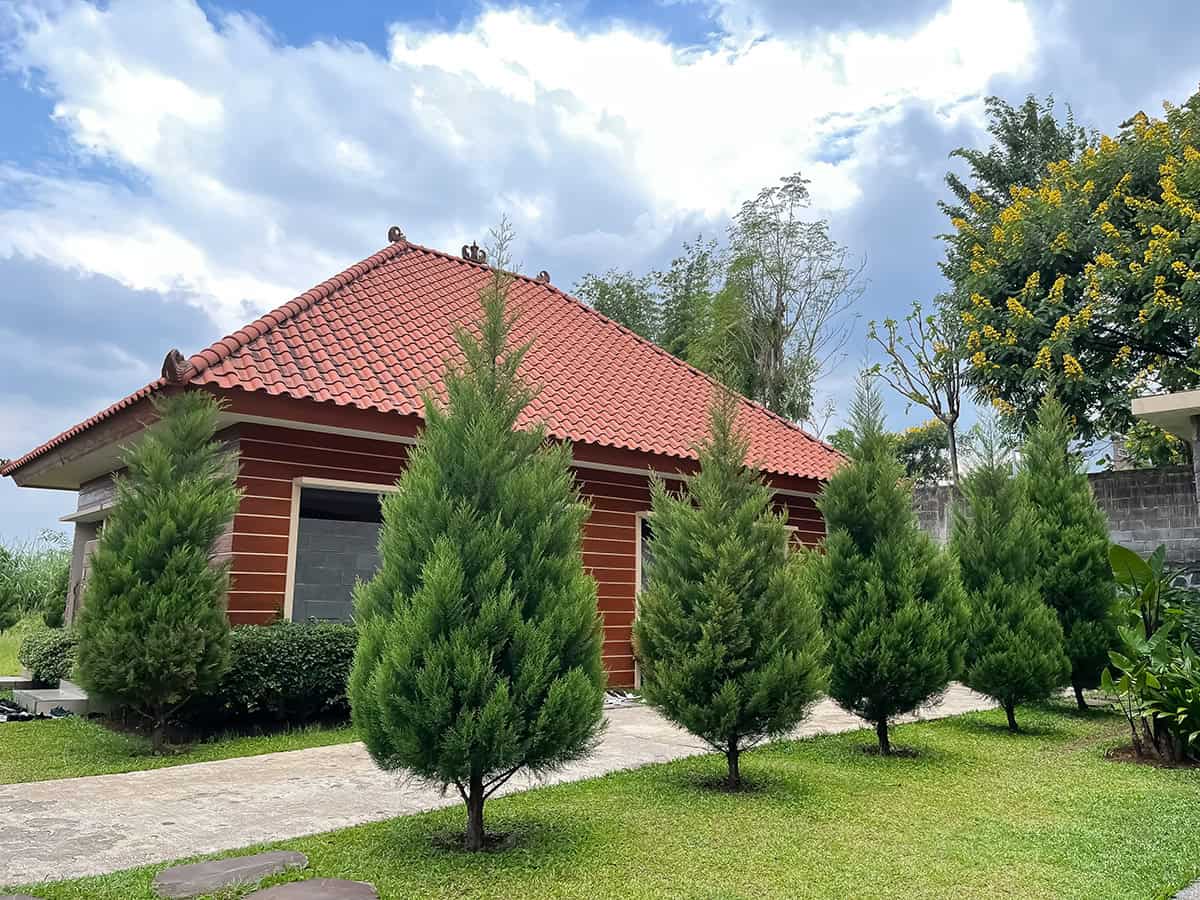
Italian Cypress delivers elegant, vertical lines with its slender shape. It grows 2 to 3 feet per year and matures around 40 feet or more, but rarely spreads wider than 5 feet.
The dense foliage forms an effective living wall for privacy and wind protection. Italian Cypress fits well in Mediterranean designs or formal gardens. Plant it in full sun for best results.
Emerald Green Arborvitae (Thuja occidentalis ‘Smaragd’)
Emerald Green Arborvitae forms a compact privacy hedge with bright, emerald-green foliage. It grows about 1 to 2 feet each year, generally reaching 12 to 15 feet at maturity.
Plants keep their color through winter and rarely need pruning. This cultivar resists deer and suits narrow planting areas. It prefers moist, well-drained soil and some shelter from harsh winter winds.
Eastern Redcedar (Juniperus virginiana)
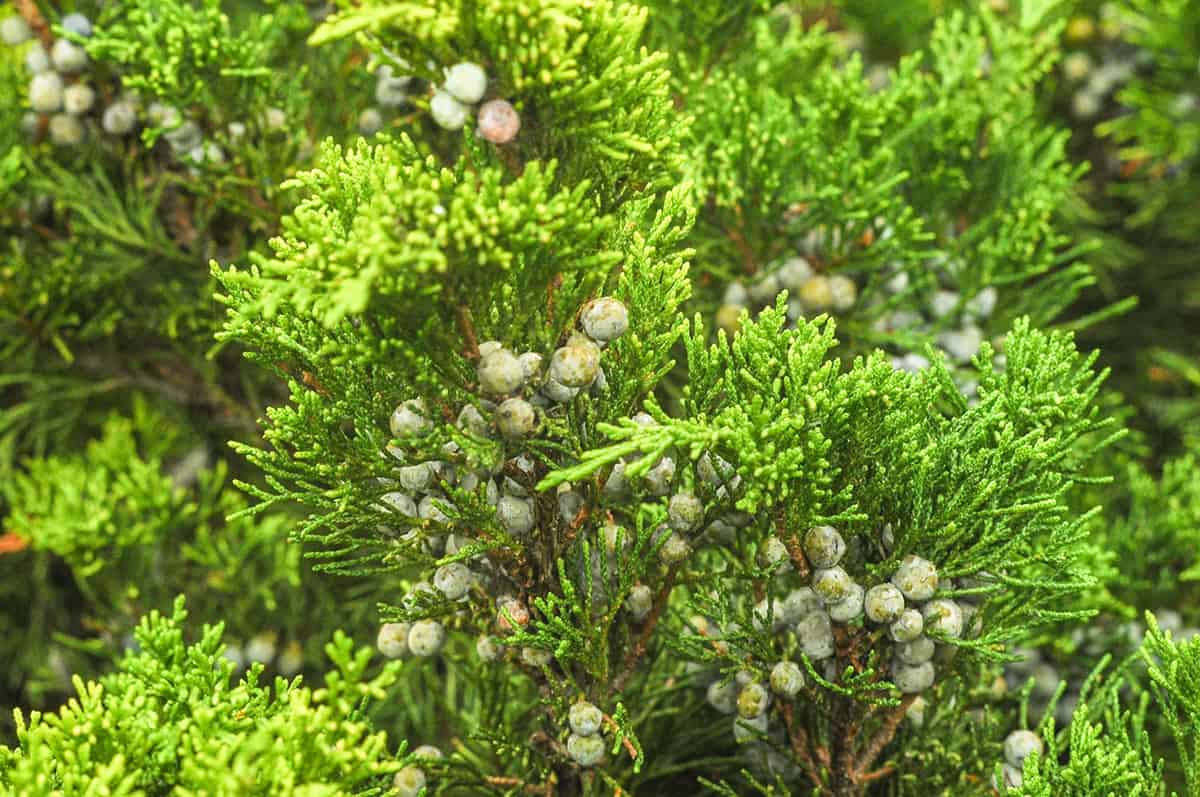
Eastern Redcedar provides tough, fragrant foliage and a sturdy, upright form. It grows 1 to 2 feet annually and matures between 40 and 50 feet tall.
This tree resists drought, cold, and poor soil. Birds and wildlife use the dense branches for cover. Eastern Redcedar can serve as both privacy screen and windbreak.
Chinese Photinia (Photinia serratifolia)
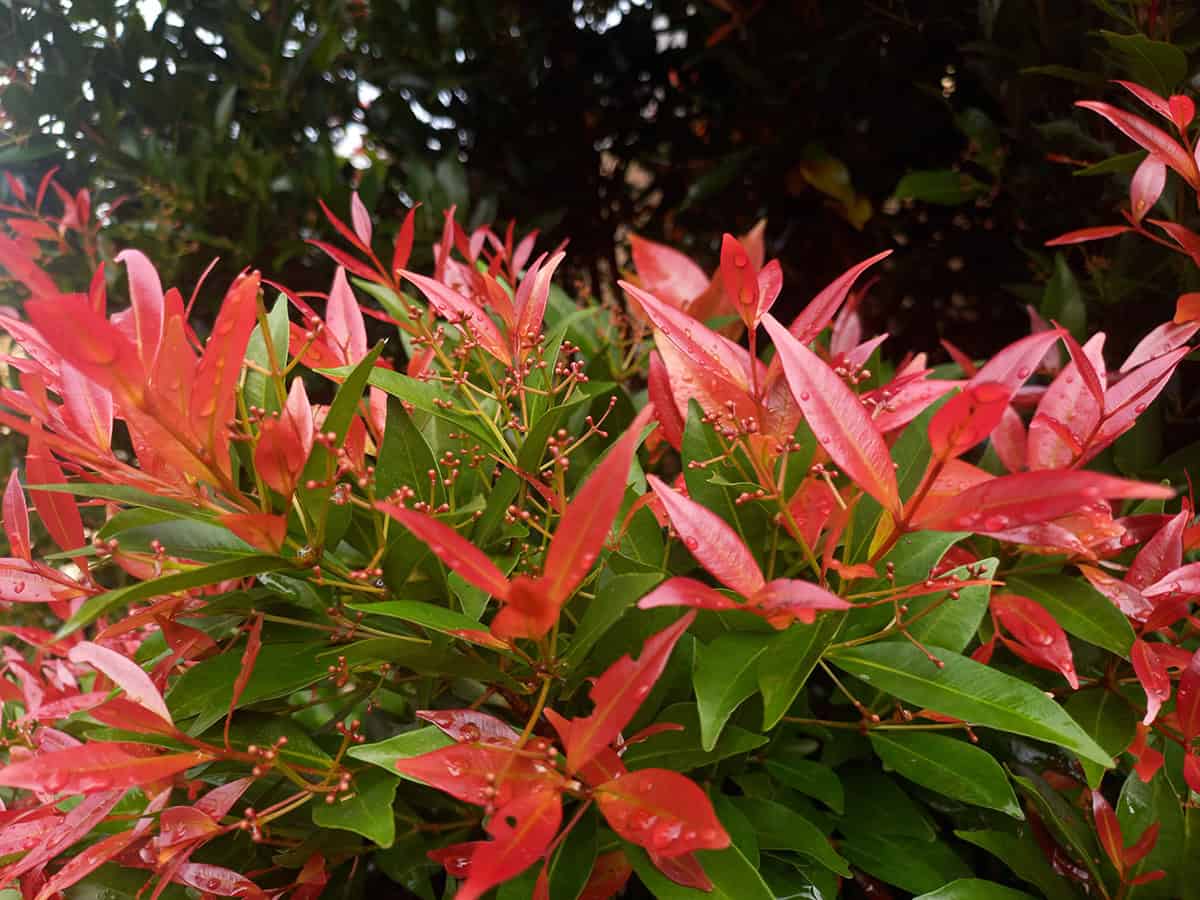
Chinese Photinia delivers fast growth and glossy evergreen leaves that develop red tints in new growth. It can add over 2 feet per year and commonly reaches 15 to 20 feet.
Plants produce white flowers in spring and small red fruit in fall. Chinese Photinia adapts to pruning and forms a reliable hedge in mild climates. It handles full sun to part shade.
Arizona Cypress (Cupressus arizonica)
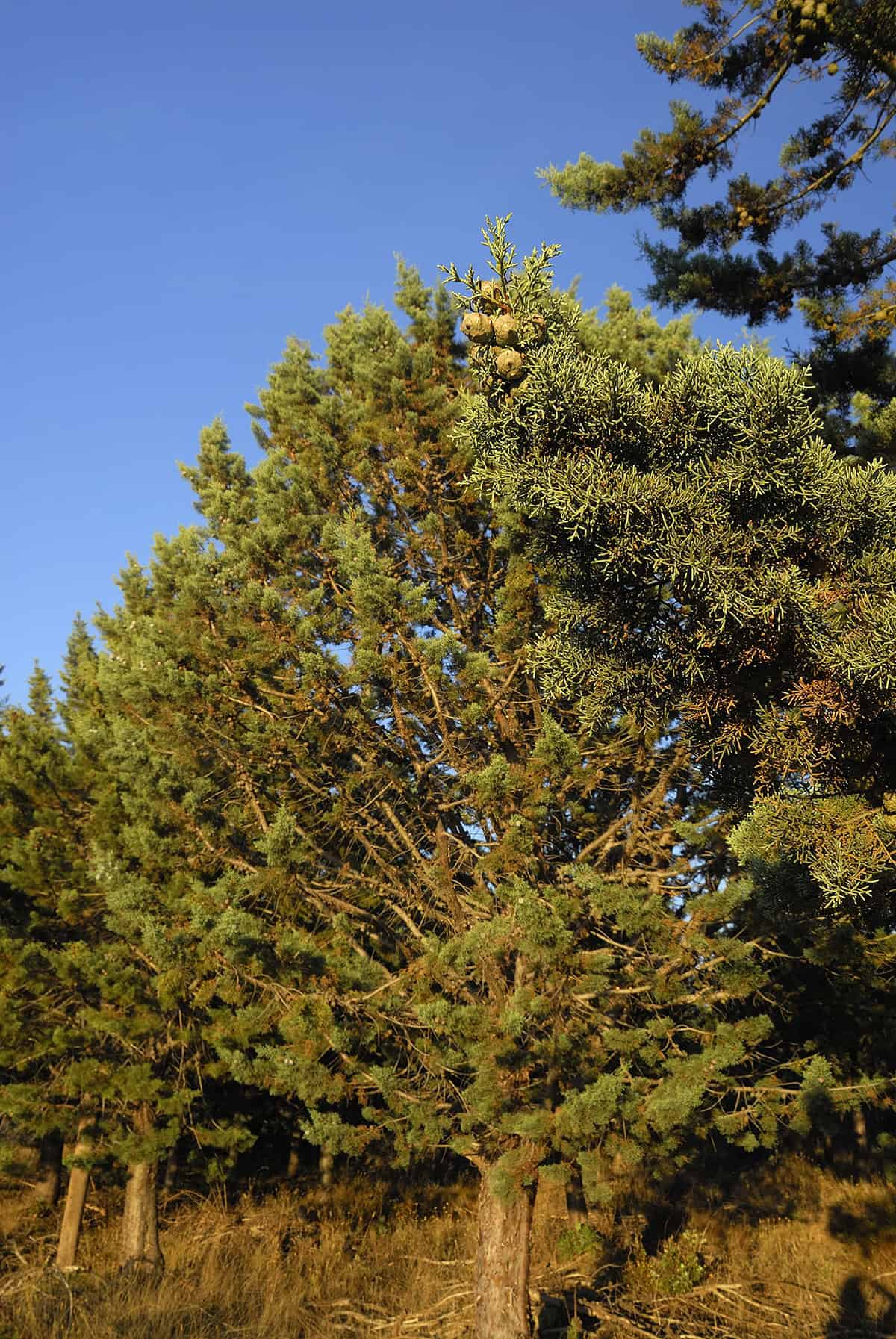
Arizona Cypress features soft, silvery-blue foliage and rapid growth—often 2 to 3 feet each year. Mature trees hit 40 to 50 feet in height with a broadly pyramidal shape.
The tree resists drought, extreme heat, and poor soil. It works well for shelter belts and large privacy plantings. Arizona Cypress rarely attracts pests.
Eucalyptus Tree (Eucalyptus spp.)
Eucalyptus trees grow quickly with fragrant, silver or blue-green leaves. Many species can gain 4 or more feet per year and reach 40 to 60 feet tall.
Eucalyptus tolerates heat, wind, and dry soil. The evergreen foliage stays attractive year-round. Make sure you pick a variety suited to your climate.
Cherry Laurel (Prunus laurocerasus)
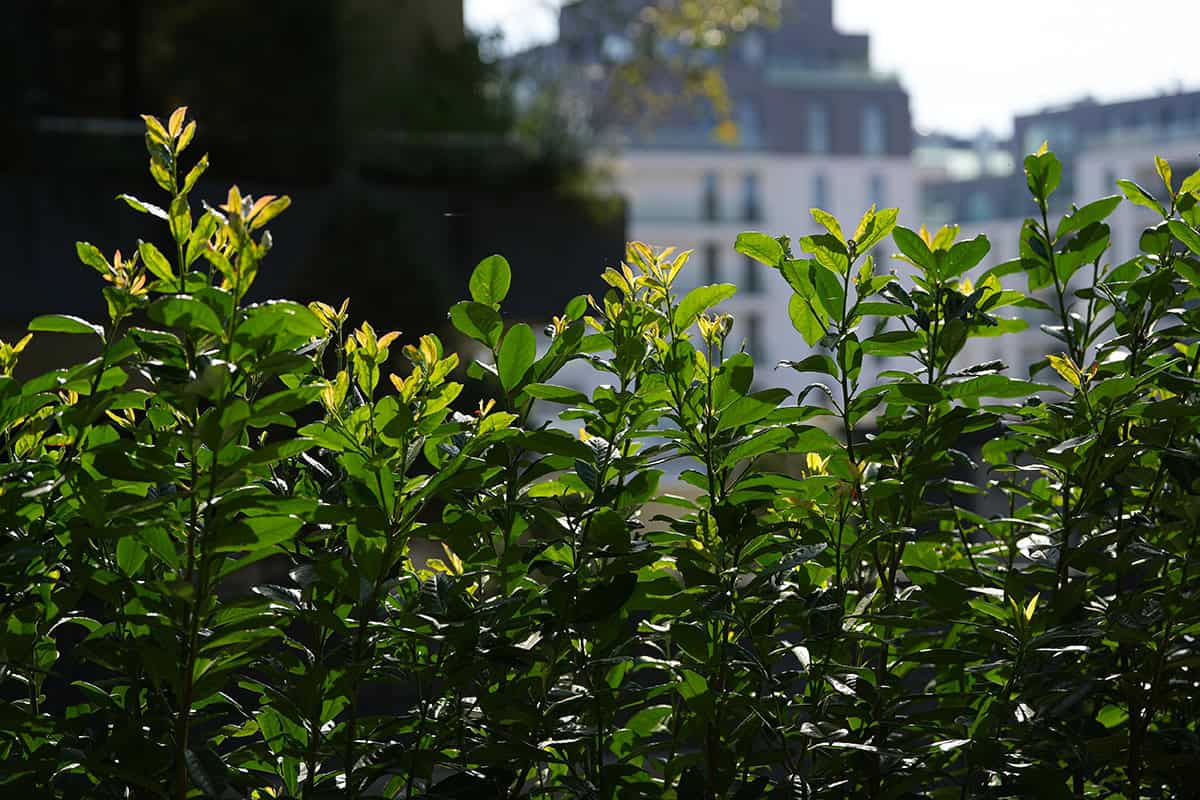
Cherry Laurel delivers broad, shiny leaves and rapid coverage in privacy hedges. It can put on 2 feet of growth each year and matures between 15 and 30 feet tall.
This plant is very tolerant of pruning, allowing you to shape it as you wish. Cherry Laurel grows well in shade to sun and withstands urban conditions. The dense foliage provides shelter for birds.
Japanese Privet (Ligustrum japonicum)
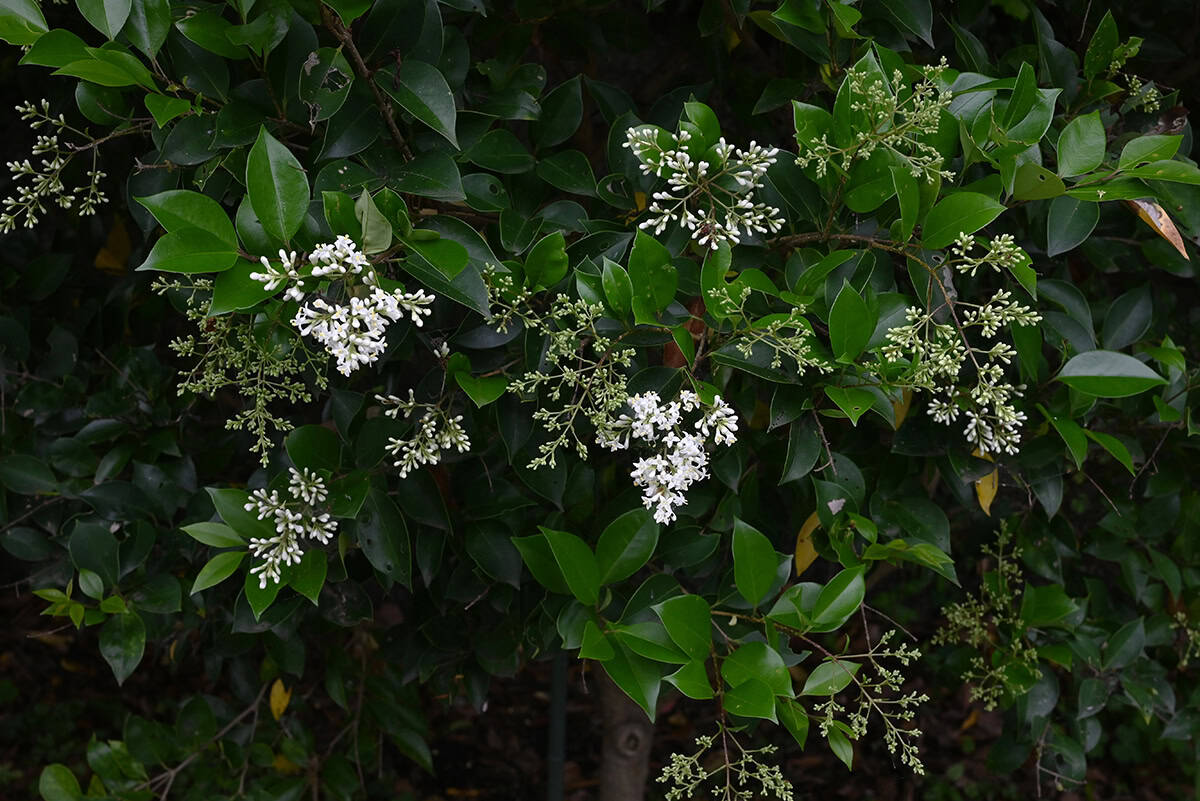
Japanese Privet boasts glossy, dark green leaves and fast growth, often adding 1 to 2 feet per year. The evergreen leaves form a thick hedge that stands 10 to 12 feet tall.
Plants bear white flowers in late spring and small black fruit in fall. Japanese Privet thrives in full sun or part shade. It adapts well to many soil types.
Schip Laurel (Prunus laurocerasus ‘Schipkaensis’)
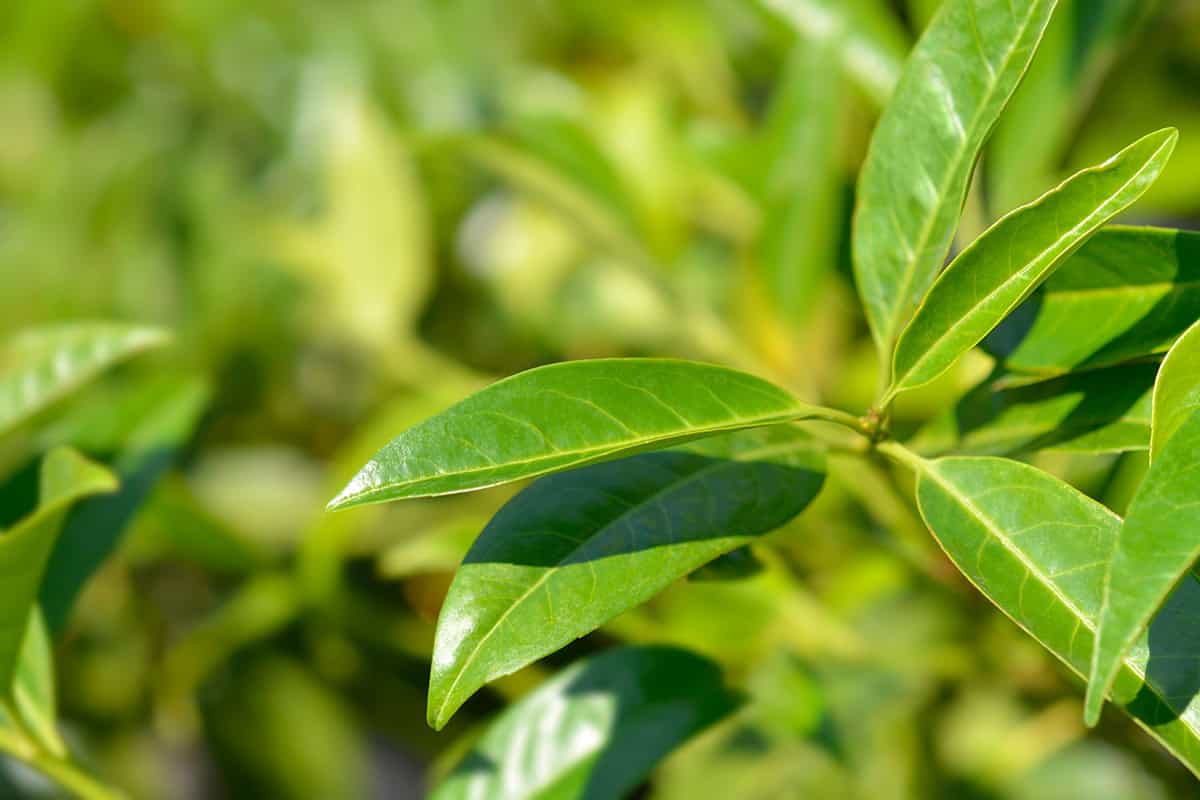
Schip Laurel works well where you need a narrower hedge. It grows 1 to 2 feet each year and usually tops out at 10 to 15 feet.
Dark green leaves and shade-tolerance set this species apart. Schip Laurel forms a dense screen and provides privacy even in difficult sites. Prune as needed to keep its form.
Viburnum (Viburnum tinus)
Viburnum tinus functions as either a large shrub or small tree. It grows 1 to 2 feet per year, creating a dense screen up to 10 to 12 feet tall.
Evergreen leaves stay deep green, and clusters of white or pink-tinged flowers appear in late winter or spring. Viburnum is good for shaded or semi-shady locations. It needs little maintenance to thrive.
Sweet Bay Magnolia (Magnolia virginiana)
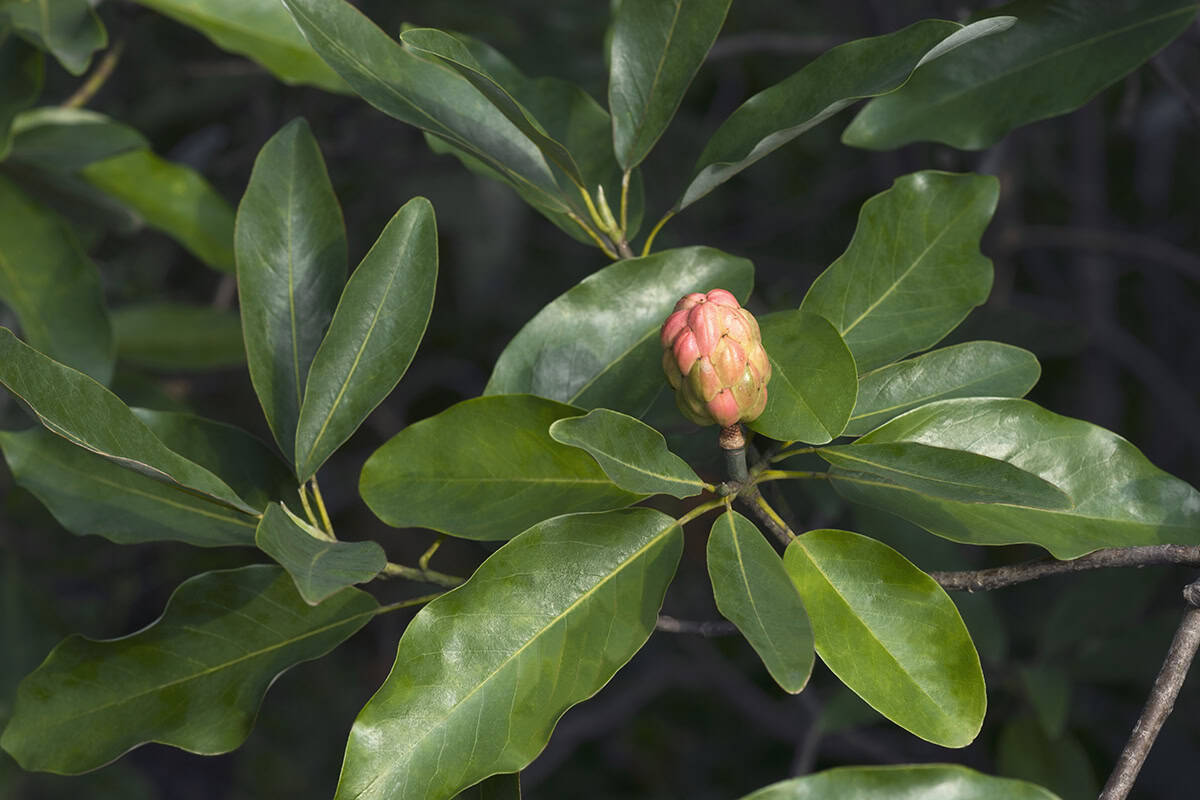
Sweet Bay Magnolia brings attractive, semi-evergreen leaves and subtle, fragrant flowers. It grows up to 2 feet per year and can reach 20 to 30 feet tall.
You get a dense, pyramidal habit that’s great for privacy hedges. Sweet Bay handles wet soils better than most evergreens. The tree draws butterflies and songbirds.
Canadian Hemlock (Tsuga canadensis)
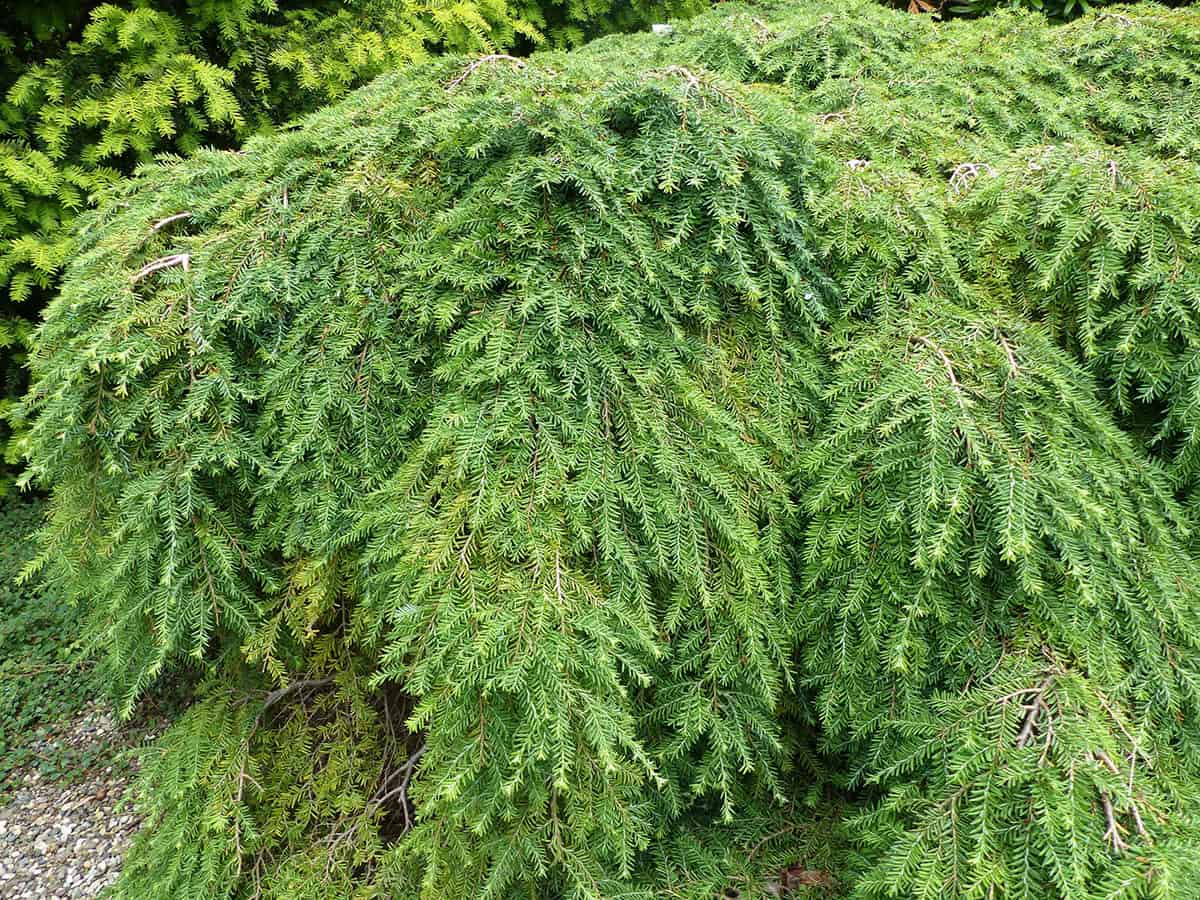
Canadian Hemlock offers soft, fine needles and grows 1 to 2 feet annually. It matures at 40 to 70 feet but can be pruned for a lower hedge.
The tree tolerates heavy shade and thrives in cool, moist sites. Canadian Hemlock works for privacy in woodsy or northern landscapes. It needs protection from drying winds.
Bamboo (Phyllostachys aurea or Bambusa multiplex)
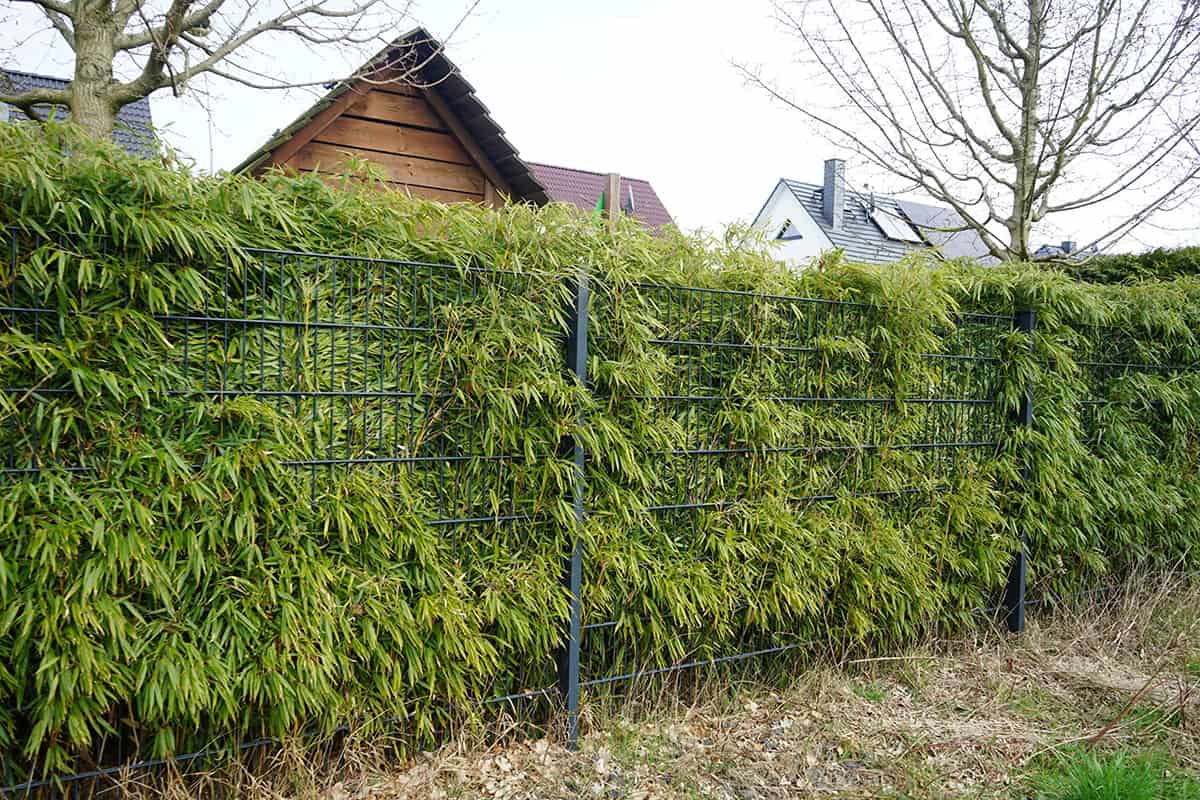
Bamboo provides rapid coverage in one of the fastest-growing evergreen screens. Clumping or running types can reach 10 to 30 feet high, gaining several feet each year.
Tightly packed stems create an impenetrable barrier in a short time. Bamboo suits mild climates and requires space to spread. Use root barriers with running types to control growth.
Cryptomeria ‘Yoshino’ (Cryptomeria japonica ‘Yoshino’)
Cryptomeria ‘Yoshino’ features soft, medium-green foliage and uniform, upright growth. It grows around 2 feet annually and can mature at 30 to 40 feet.
This tree tolerates heat, humidity, and some shade. The symmetrical form creates a neat, formal look. You get a dense screen with minimal pruning.
Podocarpus (Podocarpus macrophyllus)
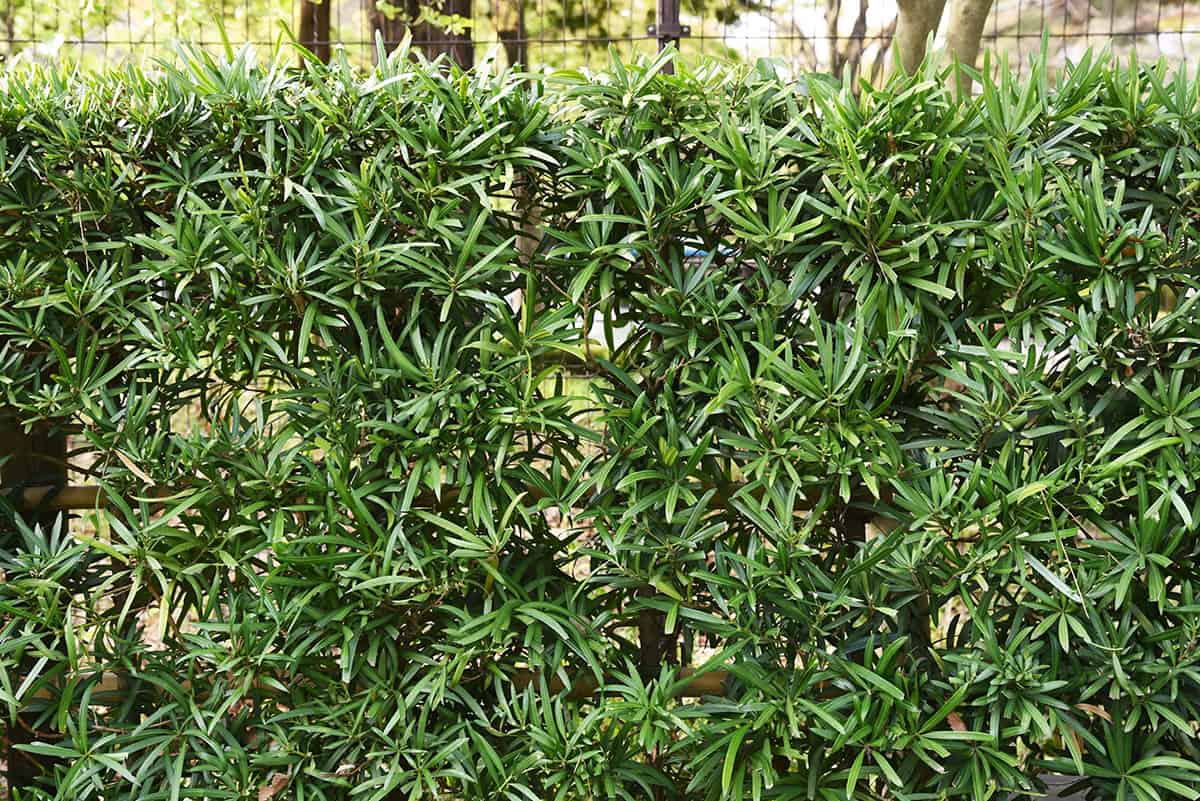
Podocarpus stands out for its narrow, upright habit and dark green, leathery leaves. It grows 1 to 2 feet per year and can reach 20 to 40 feet tall.
This evergreen works well as a hedge or specimen tree. Podocarpus thrives in sun to partial shade. It tolerates pruning, salt spray, and drought.
Southern Wax Myrtle (Morella cerifera)
Southern Wax Myrtle grows quickly, producing aromatic, gray-green foliage ideal for privacy. This species often gains 3 to 5 feet per year and matures at 10 to 15 feet.
Plants tolerate poor soils and compact spaces. Birds enjoy the waxy blue berries. You can shape Wax Myrtle for a formal or informal privacy hedge.
Japanese Black Pine (Pinus thunbergii)
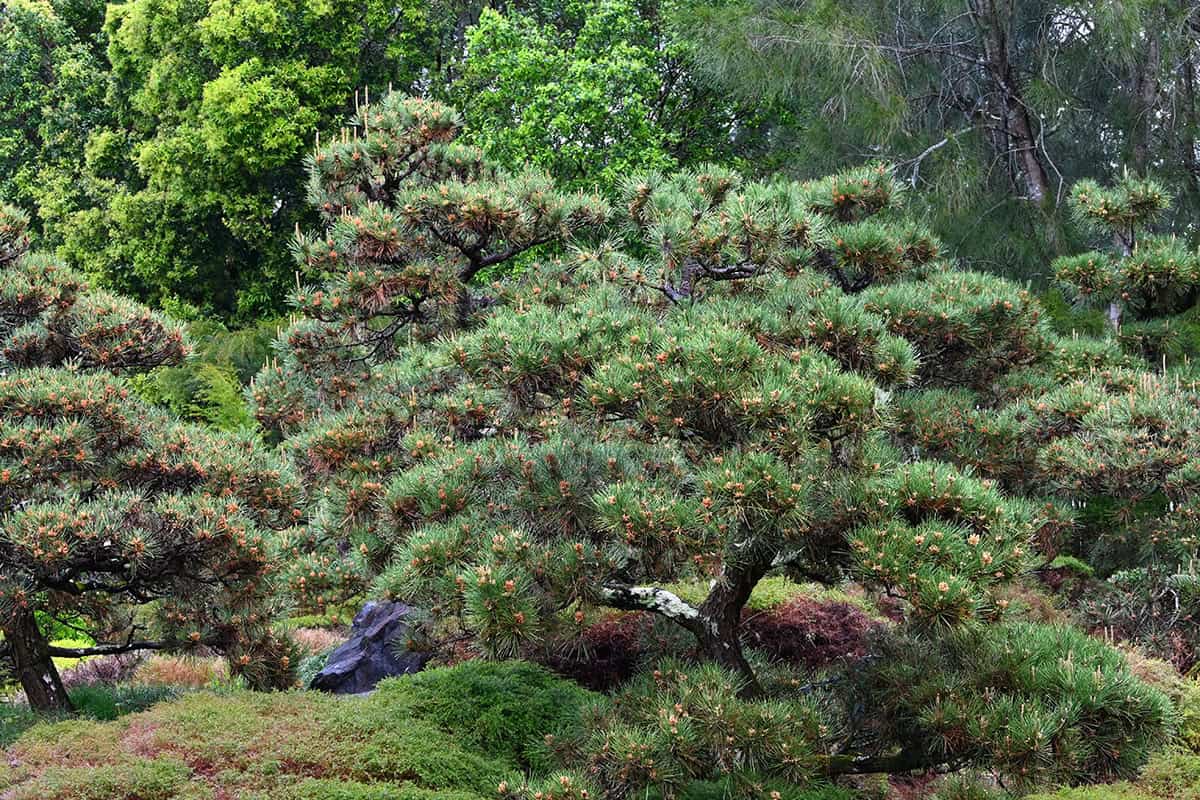
Japanese Black Pine brings stiff, upright needles and a rugged, open look. It puts on about 2 feet of growth each year, usually ending up somewhere between 20 and 40 feet tall when it’s all said and done.
This pine shrugs off salt spray and actually seems to like sandy soils. Folks often use Japanese Black Pine for screening in windy or coastal spots. If you want a more sculpted appearance, just give it a trim now and then.
Thuja ‘Spring Grove’ (Thuja plicata ‘Spring Grove’)
Thuja ‘Spring Grove’ pushes out dense, upright green foliage and grows surprisingly fast—sometimes up to 3 feet in a single year. At maturity, it usually stands anywhere from 20 to 40 feet tall.
The thick growth is perfect for privacy, no matter the season. It’ll put up with clay soils and a bit of drought, too. If it starts getting a little too big for your liking, just prune it back.
Pittosporum (Pittosporum tenuifolium)
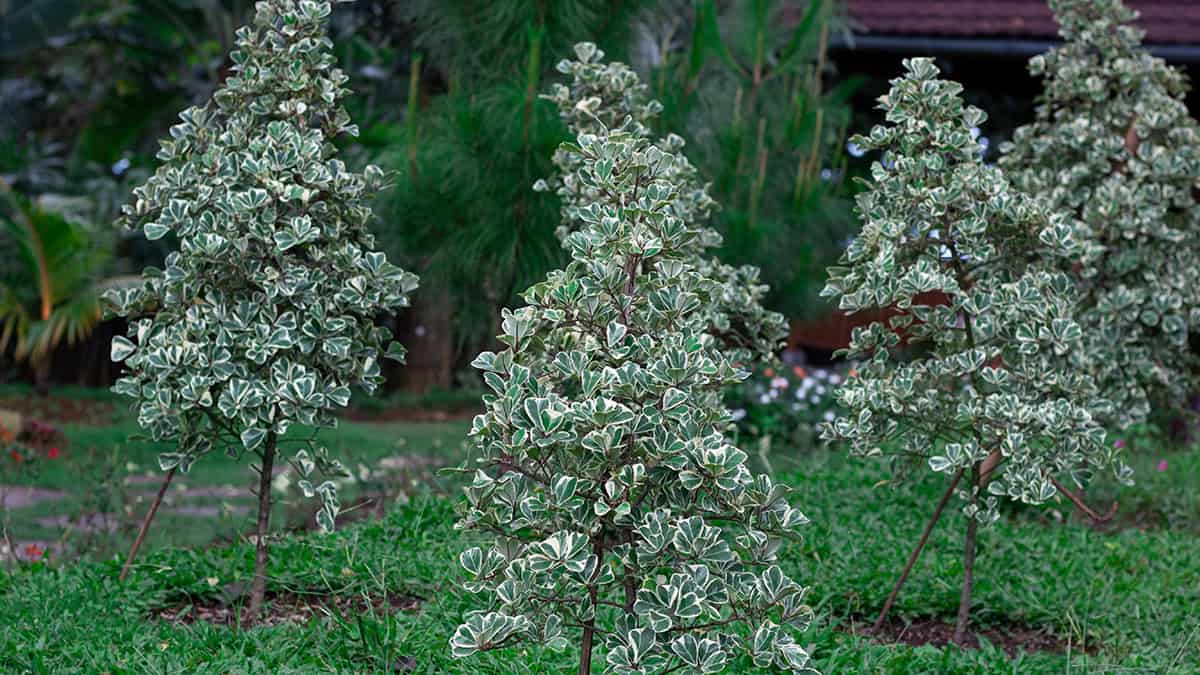
Pittosporum has shiny, wavy-edged leaves and a habit of growing quickly, sometimes reaching 10 to 20 feet. It forms a dense hedge that blocks views year-round, which is honestly pretty handy.
It responds well to pruning, so you can shape it however you want. Pittosporum seems happiest in warm, coastal areas. In late spring, you’ll catch its small, fragrant flowers—if you’re paying attention.
Blue Point Juniper (Juniperus chinensis ‘Blue Point’)
Blue Point Juniper grows in a dense, pyramidal shape, usually putting on about 1 to 2 feet of growth per year. At maturity, it’ll reach somewhere between 12 and 15 feet tall.
The blue-green foliage sticks around all year, keeping things evergreen no matter the season. It’s pretty tough—drought doesn’t faze it much, and you won’t be fussing with the pruners often. People use it for narrow privacy screens or just to add a bit of structure to mixed hedges.
Southern Magnolia (Magnolia grandiflora)
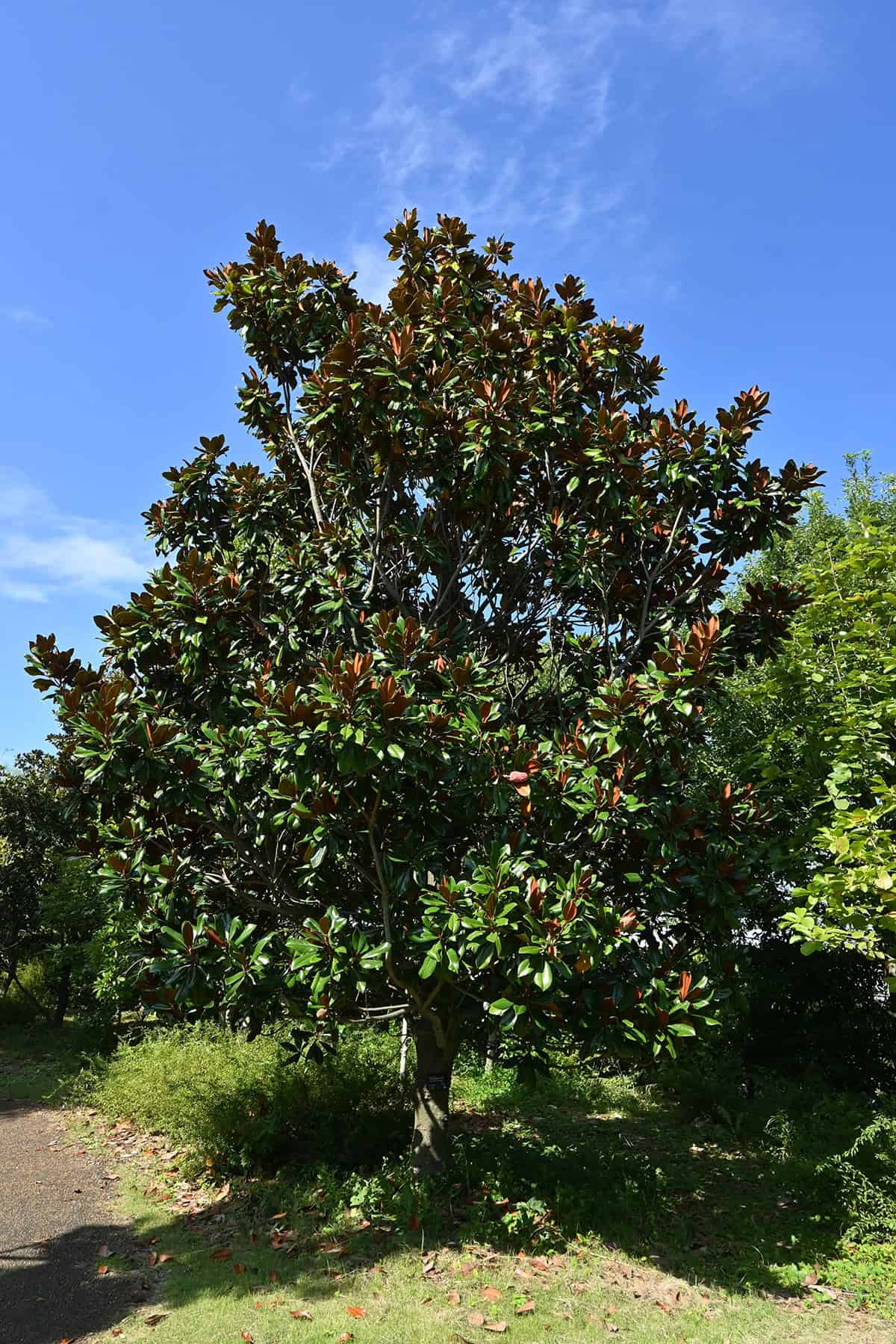
Step under the canopy and you’ll notice how those leathery, deep green leaves overlap, forming a living wall that keeps its lushness through every season. If you’re after privacy, this tree doesn’t mess around—especially with a little shaping now and then.
In the right warmth, expect it to put on a foot or two each year. Some types soar to 60 feet, though plenty of cultivars keep things more modest. Sunlight’s a must, but it’ll tolerate a bit of shade, as long as the soil drains well.
It’s a tree that needs room to stretch, both above and below. For a solid screen, keep 15 to 20 feet between each one. If winter’s a concern, look for options that can take a cold snap.
Come late spring, those big, creamy blooms show up—fragrant, dramatic, but never at the expense of your backyard privacy.
Glossy Privet (Ligustrum lucidum)
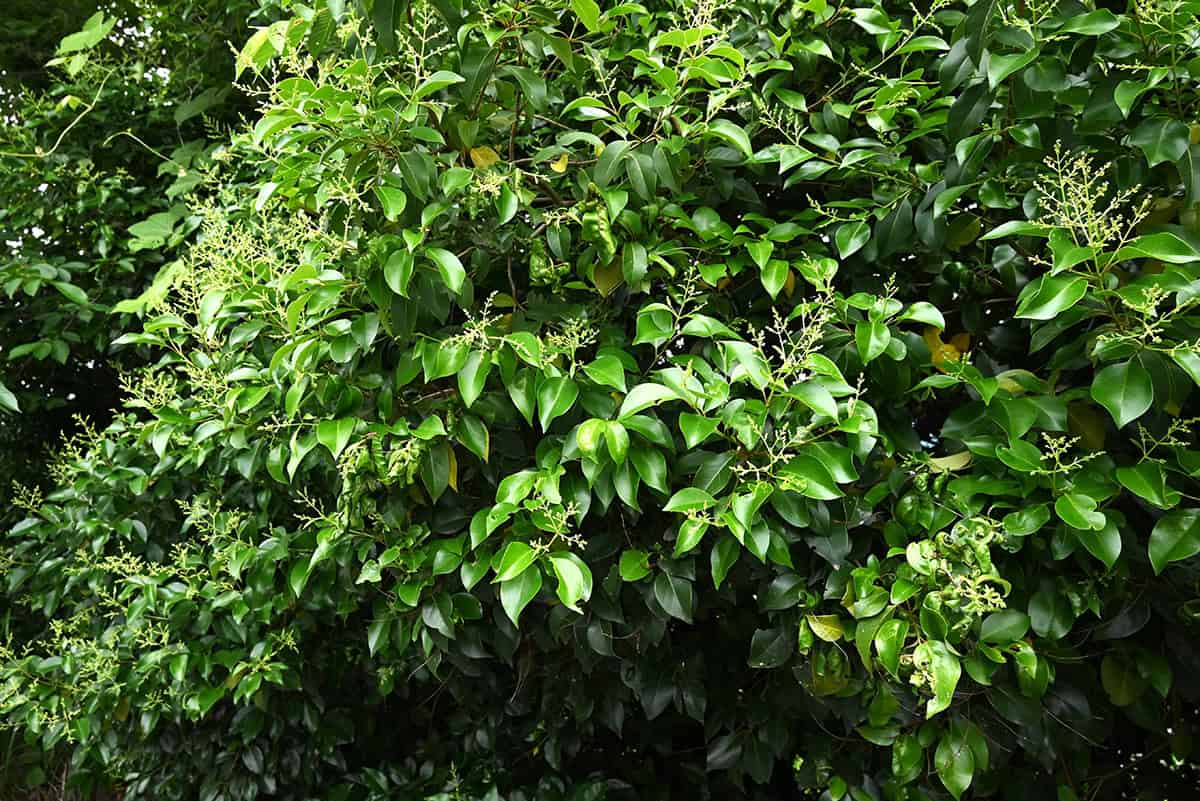
There’s a lush, almost tropical vibe to these dark-leaved hedges. With steady trimming, you can shape them tight or let them get a bit wild, depending on your taste and how much of your yard you want hidden.
Given the right conditions, this one rockets up—sometimes over 2 feet in a season. Left alone, it’ll tower up to 30 feet, but most folks keep it trimmed to a manageable 8 to 15 feet, especially along a fence line.
Sun brings out the thickest growth, and it’s not picky about soil, as long as the drainage is decent. City yards, heat, and tough spots don’t faze it.
Summer brings tiny white flowers, then dark berries—though, fair warning, in some places it spreads a little too enthusiastically. Double-check local rules before you plant.
Red Tip Photinia (Photinia × fraseri)
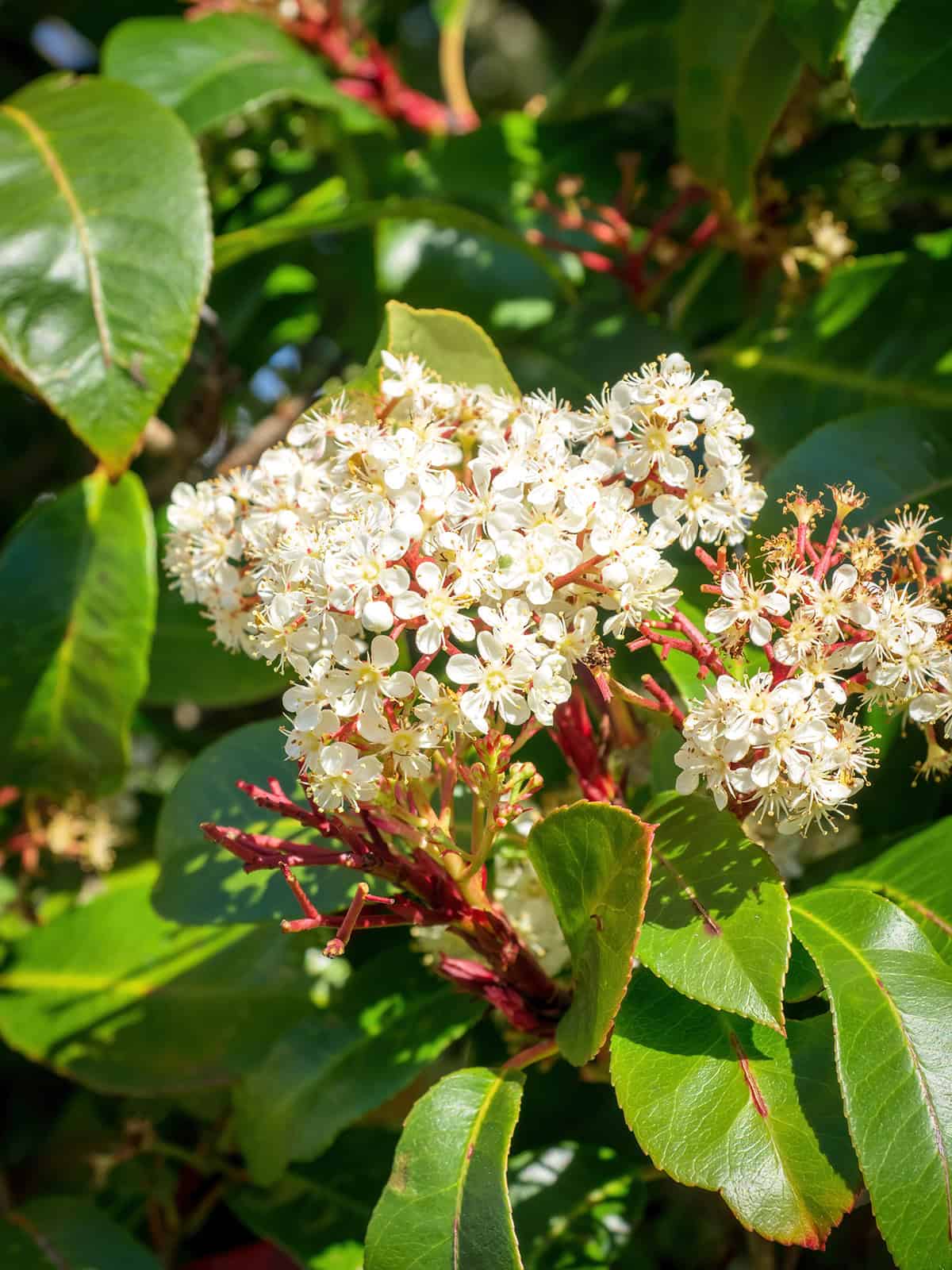
Catch the morning light on new leaves and you’ll see a flush of vivid red that slowly deepens to green, layering the hedge with color. That splash of red really stands out from the usual evergreen crowd.
Most years, expect a foot or two of new growth. Mature plants settle in around 10 to 15 feet tall, spreading 8 to 12 feet wide. Some folks clip them into tight hedges; others let them keep a looser, more natural shape.
Sunlight amps up both the color and the density. If you’re in a humid spot, good airflow is key—these can get leaf spot if air gets trapped. Give each plant a bit of elbow room, spacing them 5 to 8 feet apart.
Spring brings clusters of white flowers, and if you keep up with pruning, you’ll get fresh bursts of red foliage. It’s a bit of work, but the payoff is worth it.
Western Red Cedar (Thuja plicata)
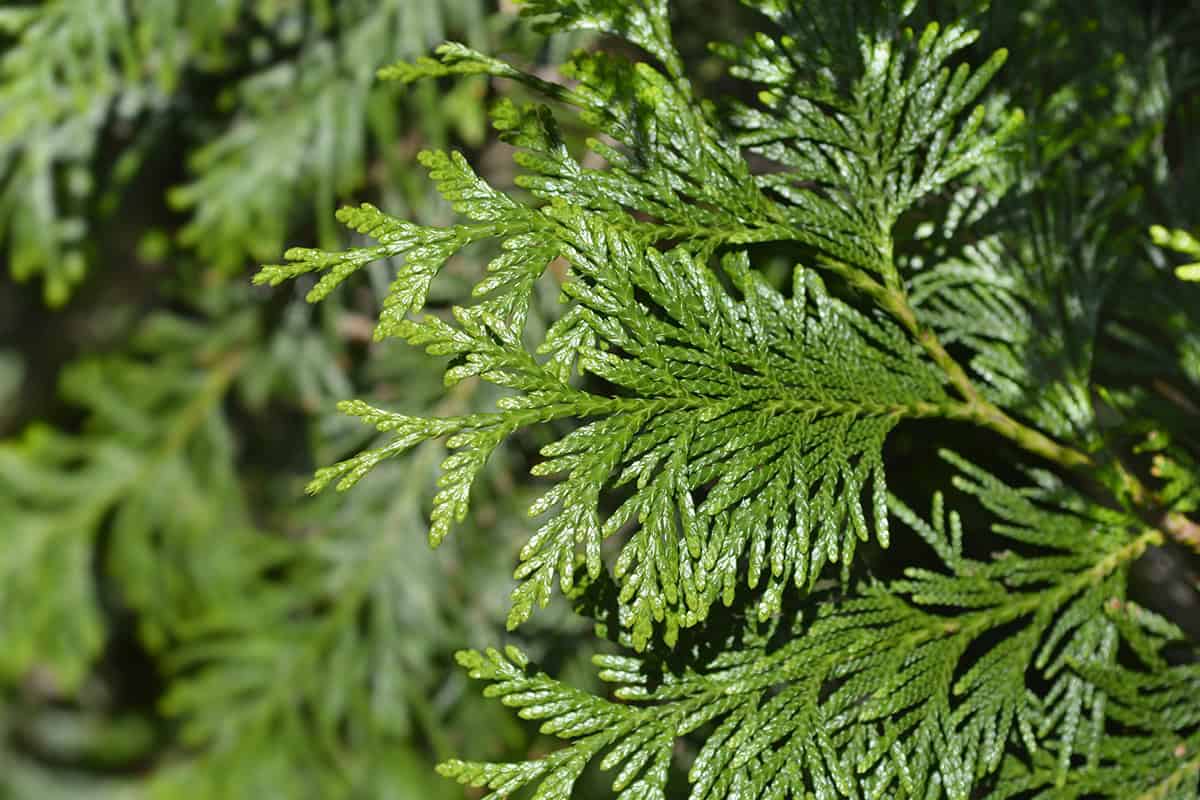
Deep green sprays overlap, weaving a dense, sheltered backdrop that feels both sturdy and inviting. Growth tends to be rapid—sometimes surprisingly so—especially when conditions lean in its favor.
Height often shoots past 50 feet, though some varieties settle for less, which can be a relief if you’re not looking for a forest in your backyard. That slender profile really helps when space is tight and neighbors are close.
Full sun? Great. Partial shade? Still works. Give it moist, well-drained ground and you’ll see it settle in quickly. Oddly enough, once it’s rooted, it shrugs off brief dry spells better than most of its cousins.
For a towering privacy barrier, keep the spacing around 10 to 15 feet. If you can’t wait for privacy, squeeze them closer and the living wall will fill in before you know it.
Sweet Viburnum (Viburnum odoratissimum)
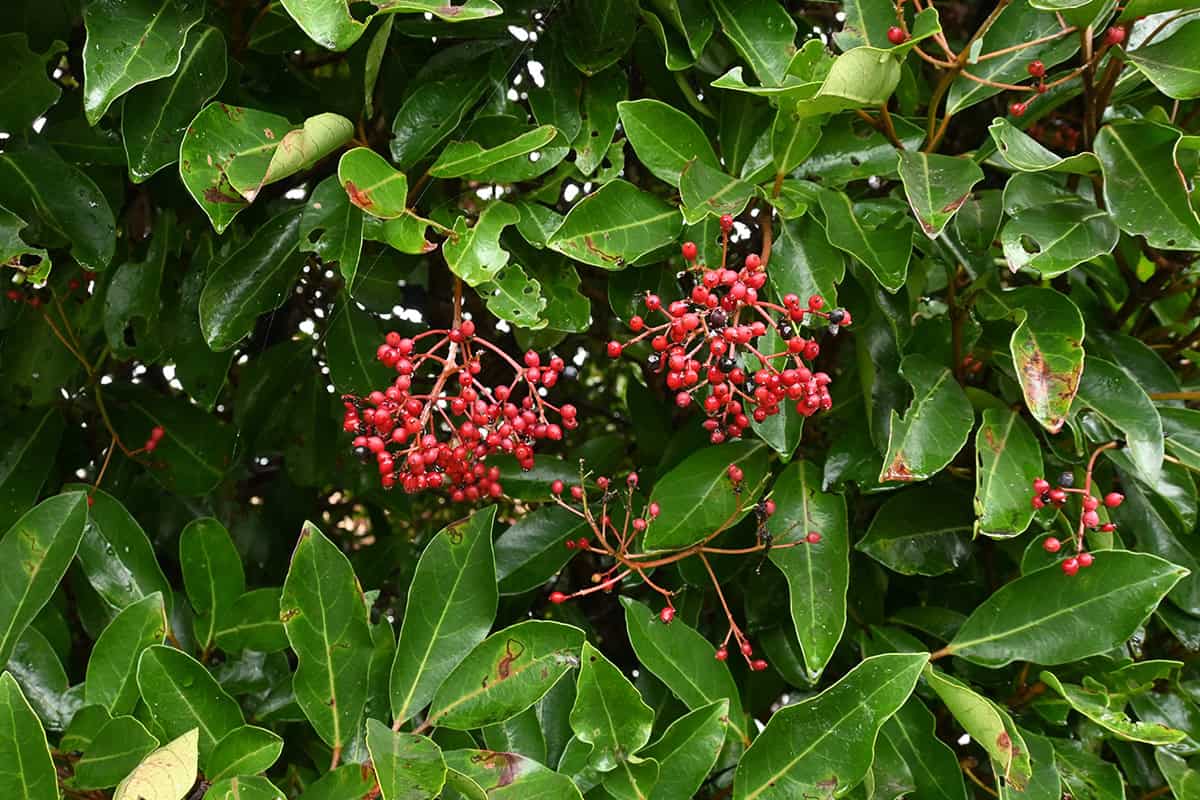
Fast coverage is one of the biggest advantages of this evergreen. In good conditions, it can add 2 to 3 feet each year and gradually reach 20 to 30 feet tall. Many gardeners keep it trimmed to form a tall hedge instead of letting it grow into a tree.
The leaves stay glossy and dense, which helps create a solid visual barrier. It tolerates heat, humidity, and different soil types without much trouble. Regular pruning encourages fuller growth, making it reliable for backyard privacy screens.
Hopseed Bush (Dodonaea viscosa)
If you need privacy without a bulky footprint, this upright evergreen works well. It typically grows 10 to 15 feet tall and fills in quickly when planted in a row. Growth of about 2 to 3 feet per year helps establish coverage in a short time.
Narrow leaves allow wind to pass through while still softening views. This plant handles drought, poor soil, and coastal exposure better than many screening options. Once established, it requires very little maintenance.
Australian Brush Cherry (Syzygium paniculatum)
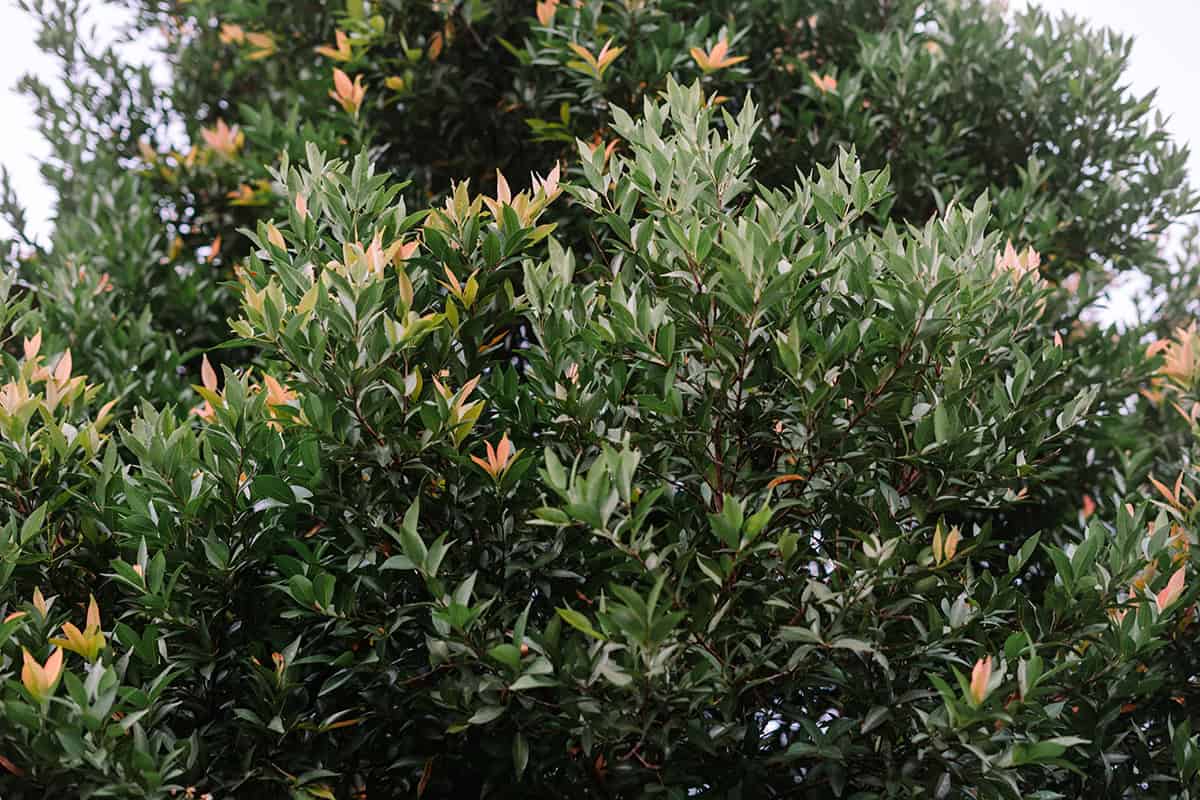
Dense foliage and tight branching make this plant useful for screening. It develops into a tall hedge or small tree, often reaching 20 to 30 feet if left untrimmed. Steady growth around 2 feet per year helps build privacy over time.
Fresh new leaves emerge lighter in color, adding contrast to the canopy. The plant responds well to shaping and stays compact with regular trimming. This adaptability makes it a practical choice for structured backyard privacy planting.