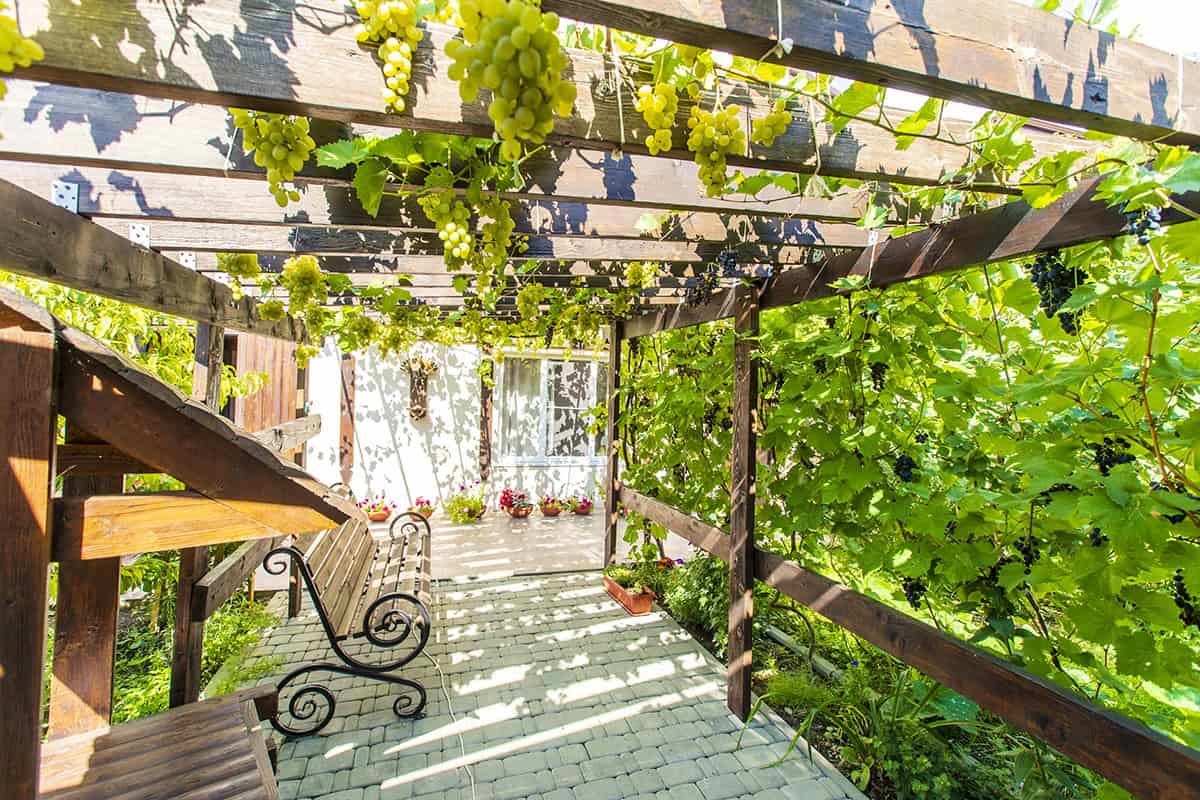
Bare pergola beams look unfinished for a reason. The structure was built to hold something, and a vine trained across the top supplies shade, fragrance and in a few cases a crop of grapes or kiwi.
Fast annuals such as morning glory cover a new arbor in one summer. Match the vine’s weight to the frame before planting, since a mature wisteria outweighs most backyard kits.
Table of Contents
- Best Climbing Plants for Your Pergola and Arbor
- Wisteria
- Climbing Roses
- Clematis
- Bougainvillea
- Honeysuckle
- Star and Winter Jasmine
- Trumpet Vine
- Passionflower (Passiflora)
- Grape Vines
- Sweet Pea
- Morning Glory
- Black-eyed Susan Vine (Thunbergia alata)
- Potato Vine (Solanum jasminoides)
- Kiwi Vine (Actinidia)
- Climbing Hydrangea
- Bower Vine (Pandorea jasminoides)
- Coral Vine (Antigonon leptopus)
- Chocolate Vine (Akebia quinata)
- Golden Hop (Humulus lupulus)
- Moonflower (Ipomoea alba)
Best Climbing Plants for Your Pergola and Arbor
Climbing plants come in every style, from fragrant and flowering to leafy and edible. The right choice depends on the local climate, the amount of sun the structure receives and the load the frame supports.
Wisteria
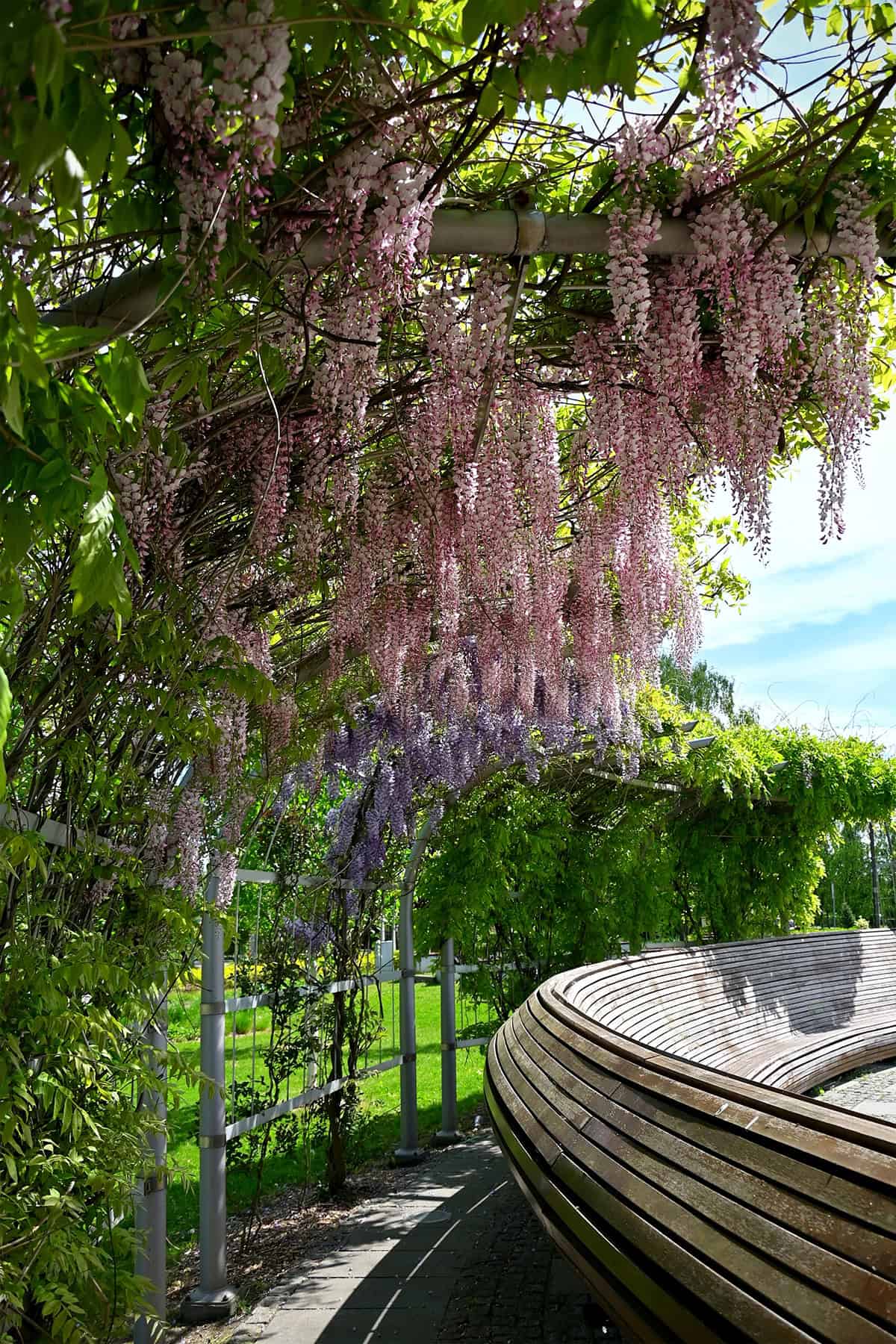
Heavy clusters of purple, blue or white flowers drape from the beams in spring. Full sun produces the best display, and the woody trunks grow thick and heavy over time, which calls for a very sturdy structure.
Prune twice a year, in summer and again in winter, to control growth and encourage flower buds. Water deeply during drought, and plant in well-drained soil. Chinese and Japanese wisteria are invasive in parts of the eastern United States, where native American wisteria such as ‘Amethyst Falls’ is a better choice.
Climbing Roses
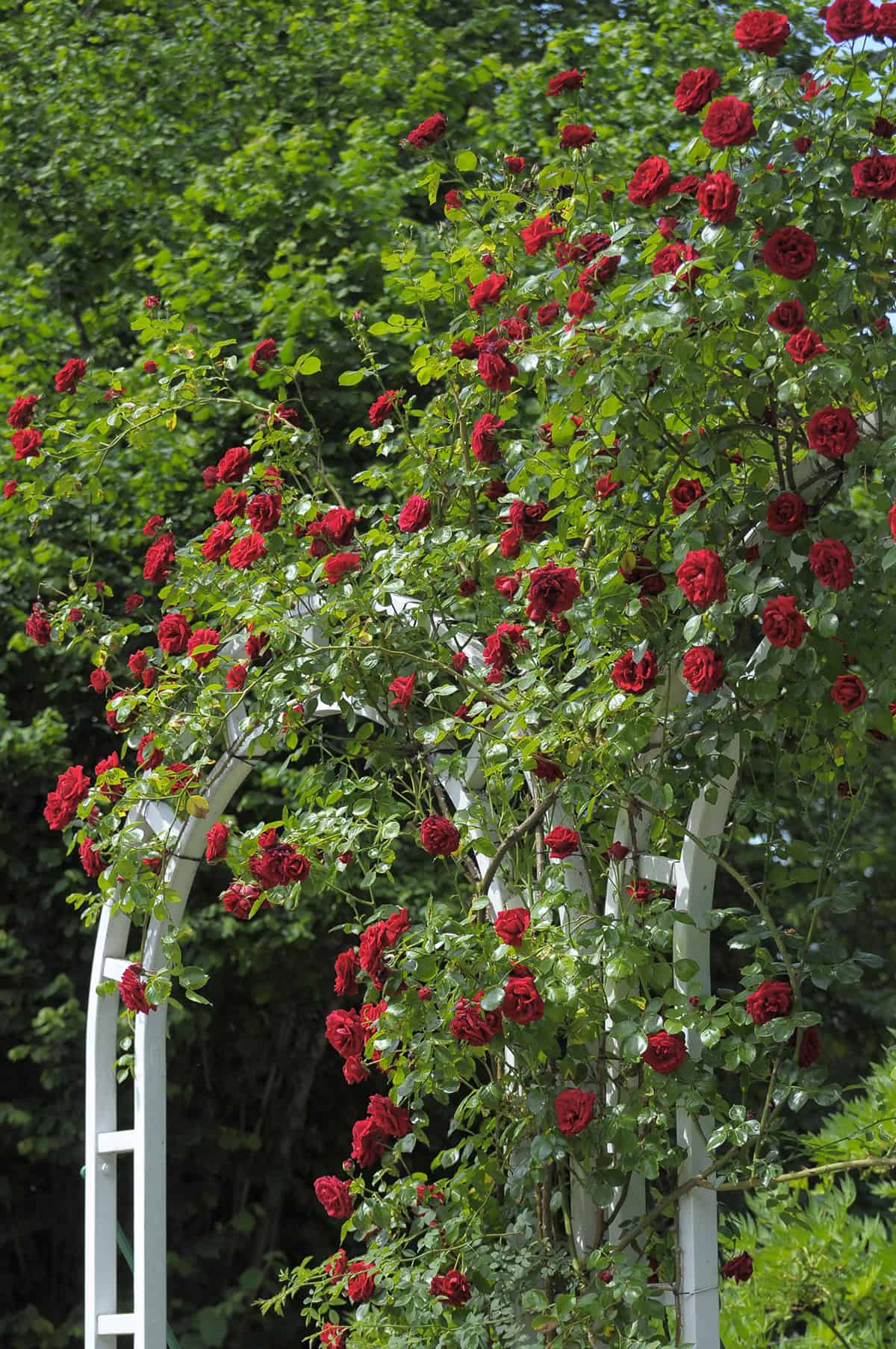
Roses weaving through an arbor fill the air with fragrance and color for months, and they bloom best in full sun.
Tie the canes loosely across the frame, training them as horizontal as possible to encourage more flowering side shoots. Prune out old, unproductive canes in late winter. Disease-resistant varieties such as ‘New Dawn’ and ‘Zephirine Drouhin’ hold healthy foliage with less spraying.
Clematis
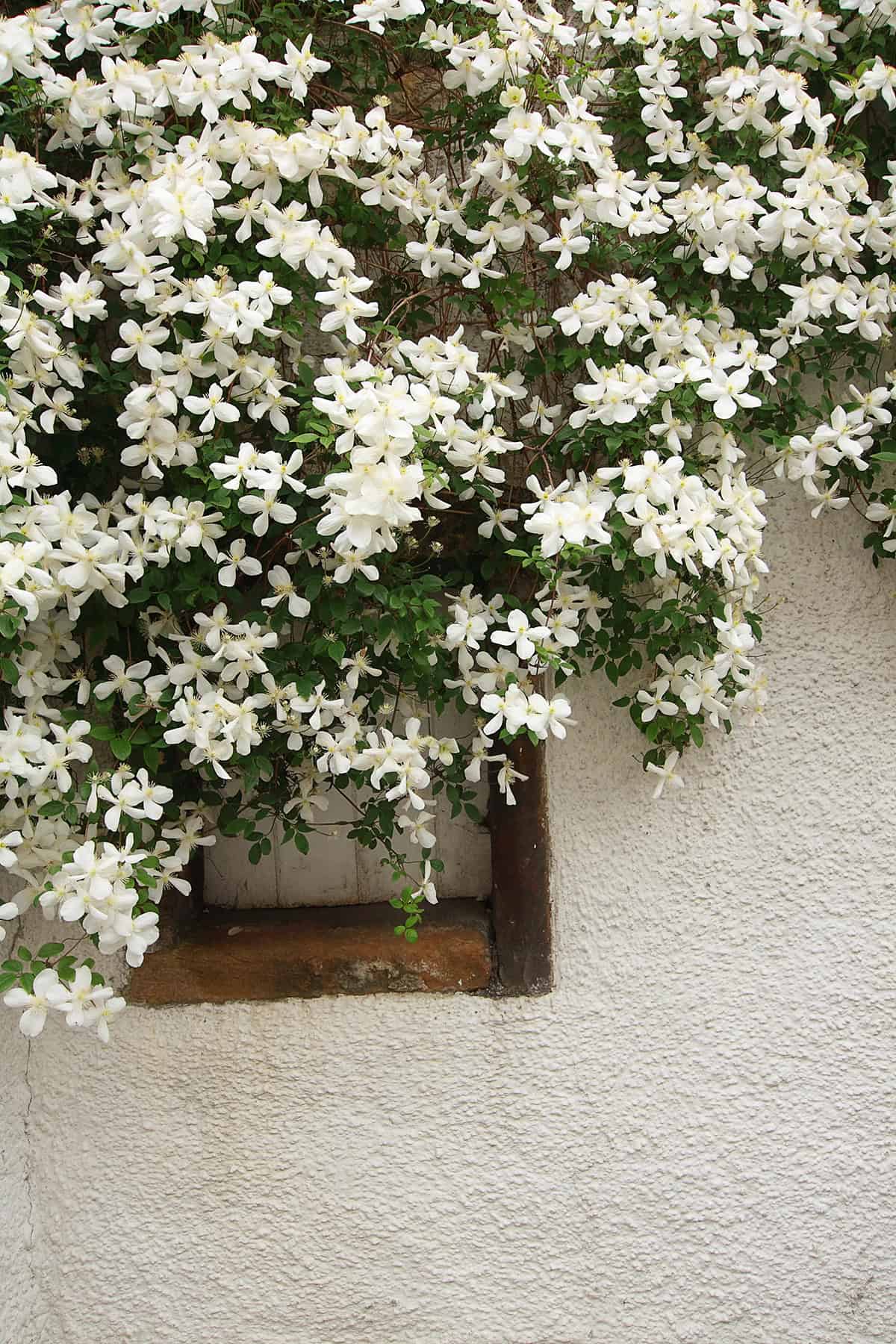
Clematis produces a riot of flowers in shapes ranging through bold stars and delicate bells. It thrives with its top in sun and its roots in shade.
Mulch or low-growing plants around the base cool the roots. The leaf stalks twine around thin supports, which makes wires or fine trellis netting essential on thick pergola posts. Pruning depends on the type, so check the pruning group on the plant tag before cutting.
Bougainvillea
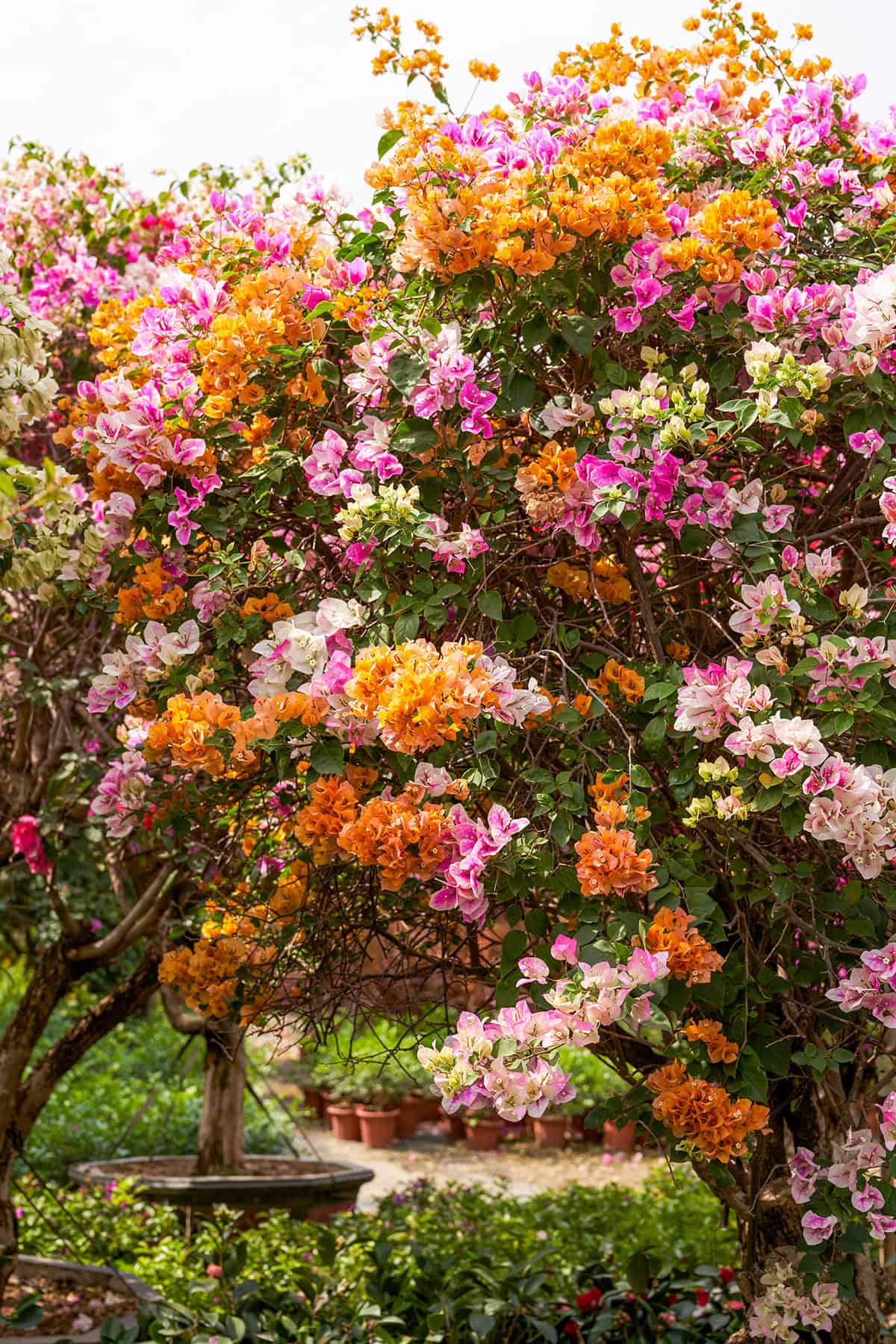
Sun-drenched gardens are made for bougainvillea’s vivid magenta, orange, red and white bracts. It thrives in heat, needs little water once established and blooms best with light feeding during the growing season.
Tie the stems up and over the beams, since bougainvillea climbs by leaning rather than twining. Wear gloves when pruning to avoid the sharp thorns. Bougainvillea is frost-tender and best in zones 9 to 11.
Honeysuckle
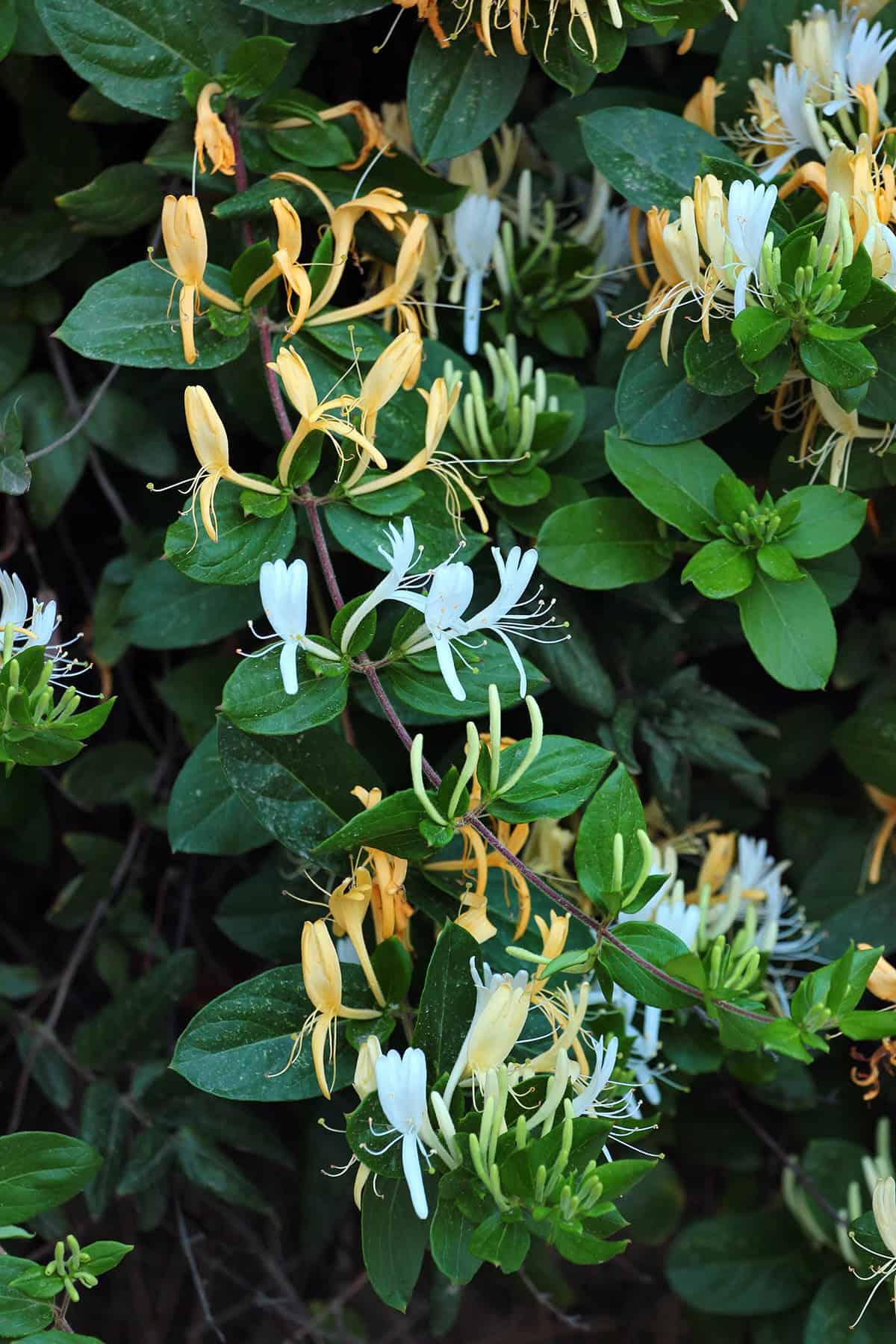
Honeysuckle sweetens summer evenings and draws hummingbirds and bees with its tubular flowers and heady fragrance. It grows in sun or dappled shade.
Provide a solid support, since vigorous plants grow quickly. Cut back after flowering for a tidy shape. Choose native trumpet honeysuckle (Lonicera sempervirens) or well-behaved hybrids, since Japanese honeysuckle is invasive in many regions.
Star and Winter Jasmine
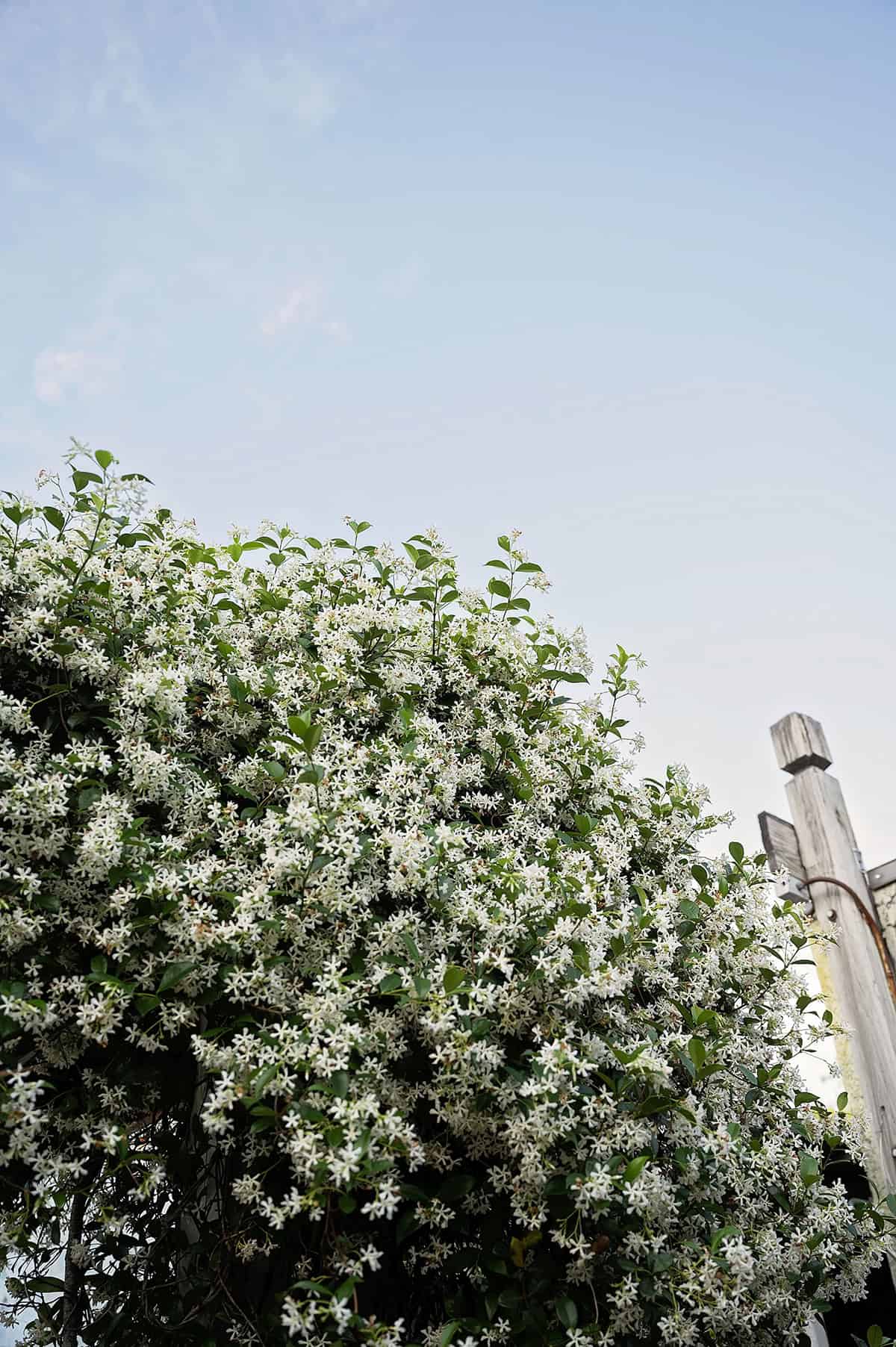
Star jasmine forms a wall of glossy evergreen leaves covered with fragrant white flowers in early summer. Winter jasmine brightens the cold months with yellow blooms on bare green stems, though it has little scent.
Both grow in sun or partial shade and climb best when tied to wires. Water during dry spells, and trim lightly after flowering. Star jasmine is hardy in zones 8 to 10, while winter jasmine handles zone 6.
Trumpet Vine
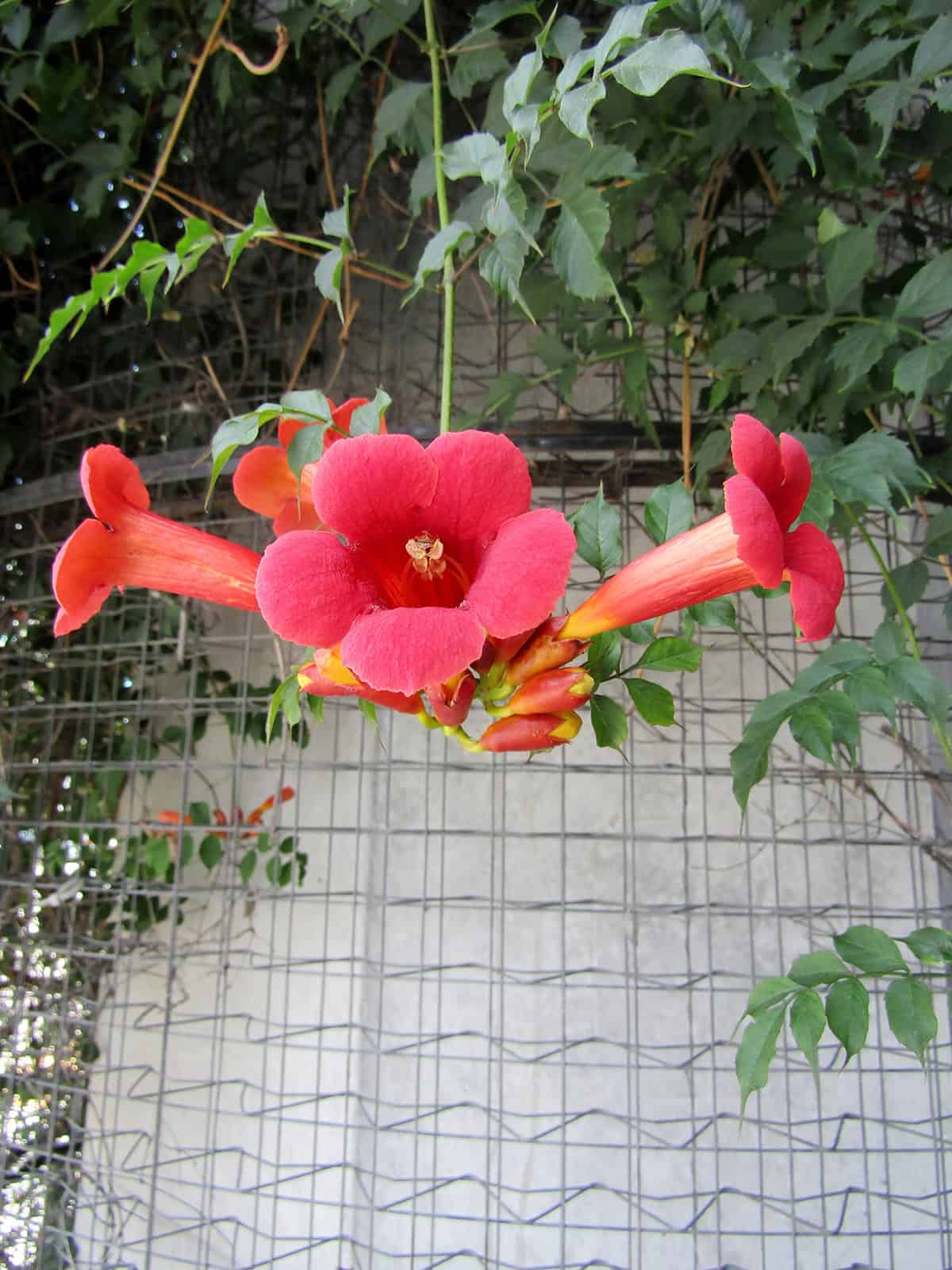
Bright orange or red trumpets attract hummingbirds all summer, but trumpet vine’s vigor is a mixed blessing. It grows rapidly, sends up suckers from the roots and becomes unruly if ignored.
Plant it well away from house walls and smaller plants, and prune hard each spring. It tolerates poor soil and handles drought once established.
Passionflower (Passiflora)
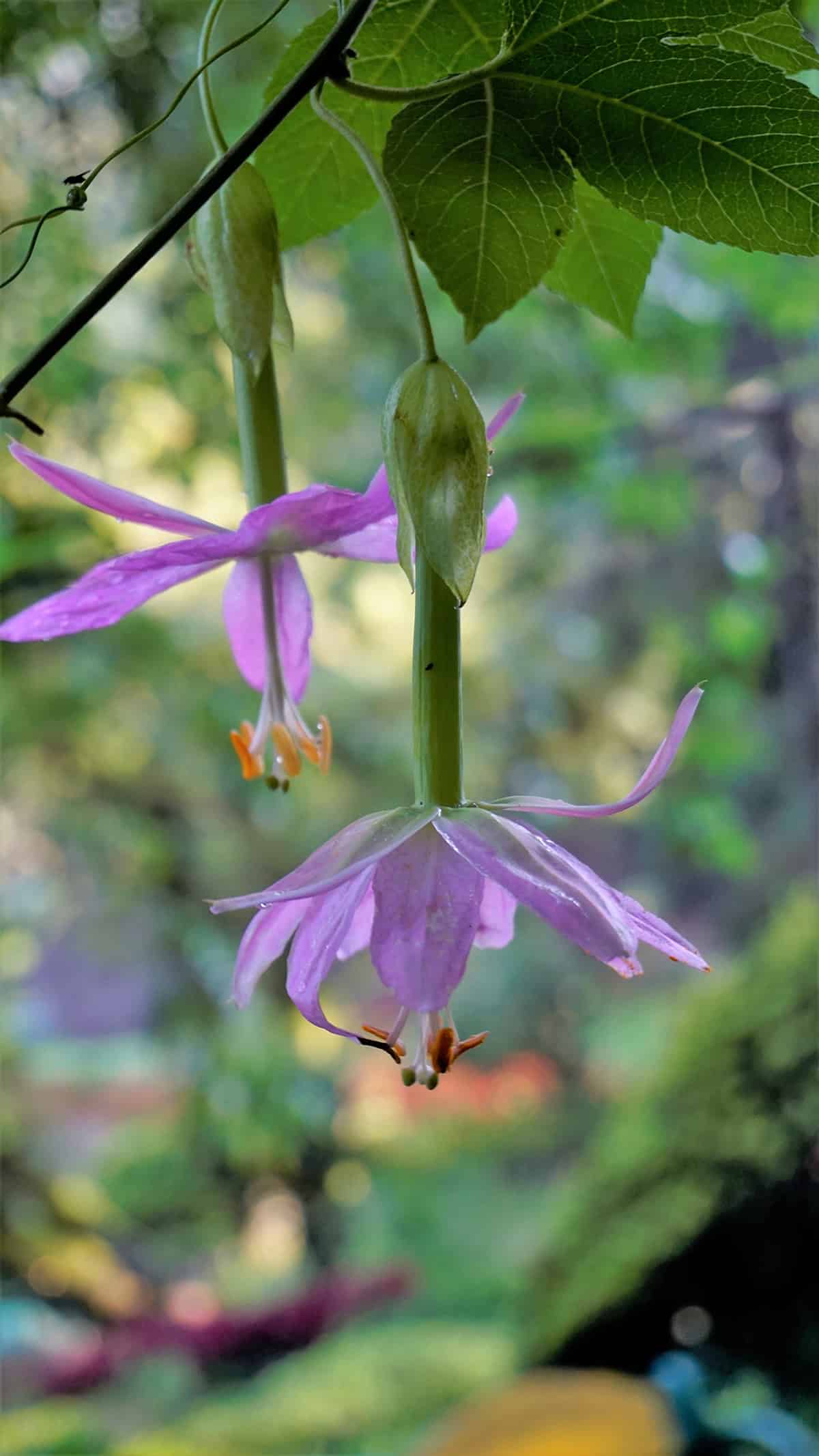
Passionflower has intricate, almost otherworldly flowers, and several species produce edible fruit. It needs full sun and good drainage.
Tendrils grip wires or trellis easily. In mild climates the foliage holds through winter, while cold winters knock the vine back, and hardy maypop (Passiflora incarnata) regrows from its roots in spring.
Grape Vines
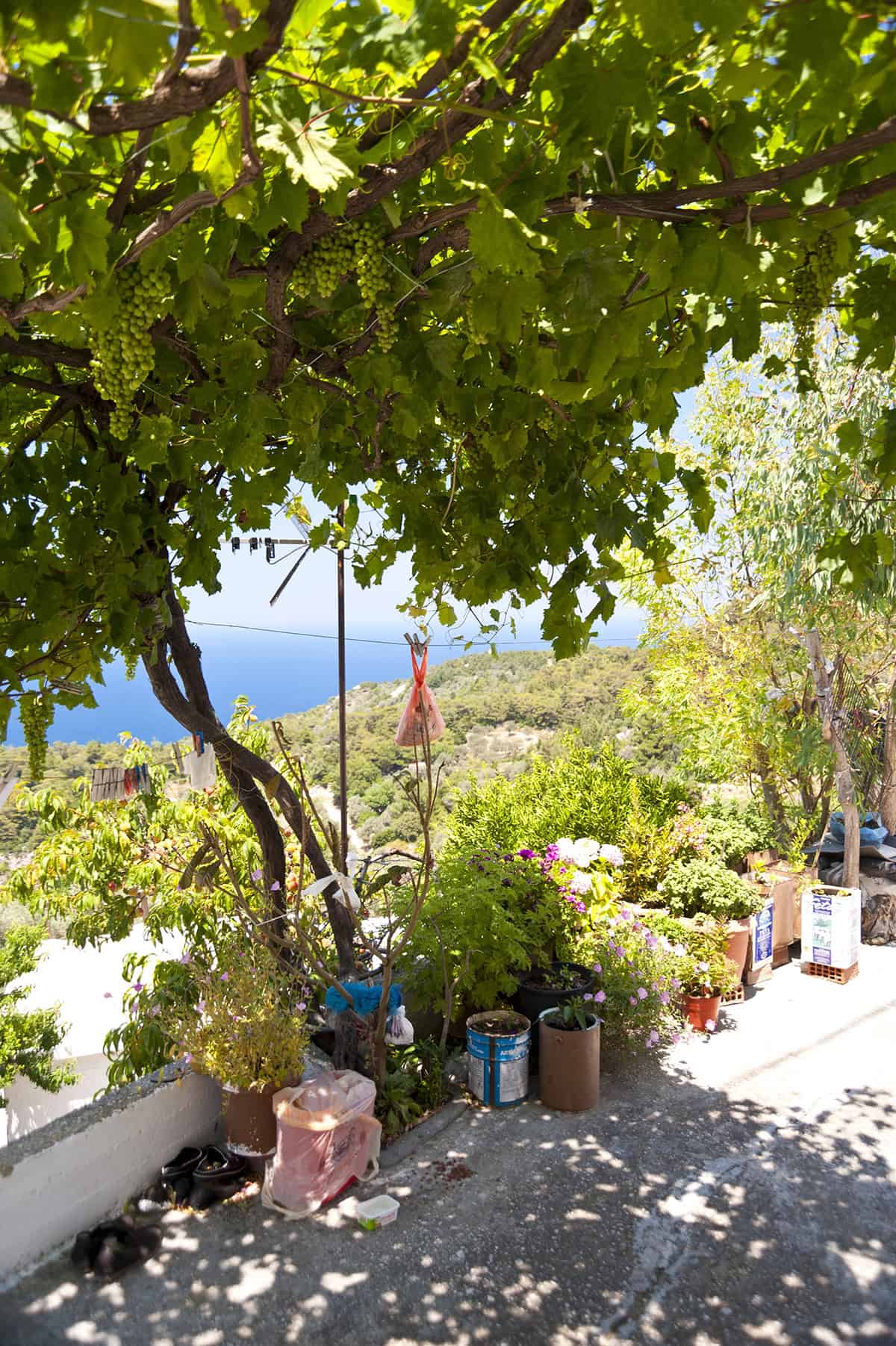
Grapevines supply summer shade and a crop of fruit. They need full sun and good airflow for healthy growth.
Prune hard each winter, cutting the previous year’s growth back to short spurs of two or three buds. Train the main stems along the beams and let the fruiting shoots hang down for easy picking.
Sweet Pea
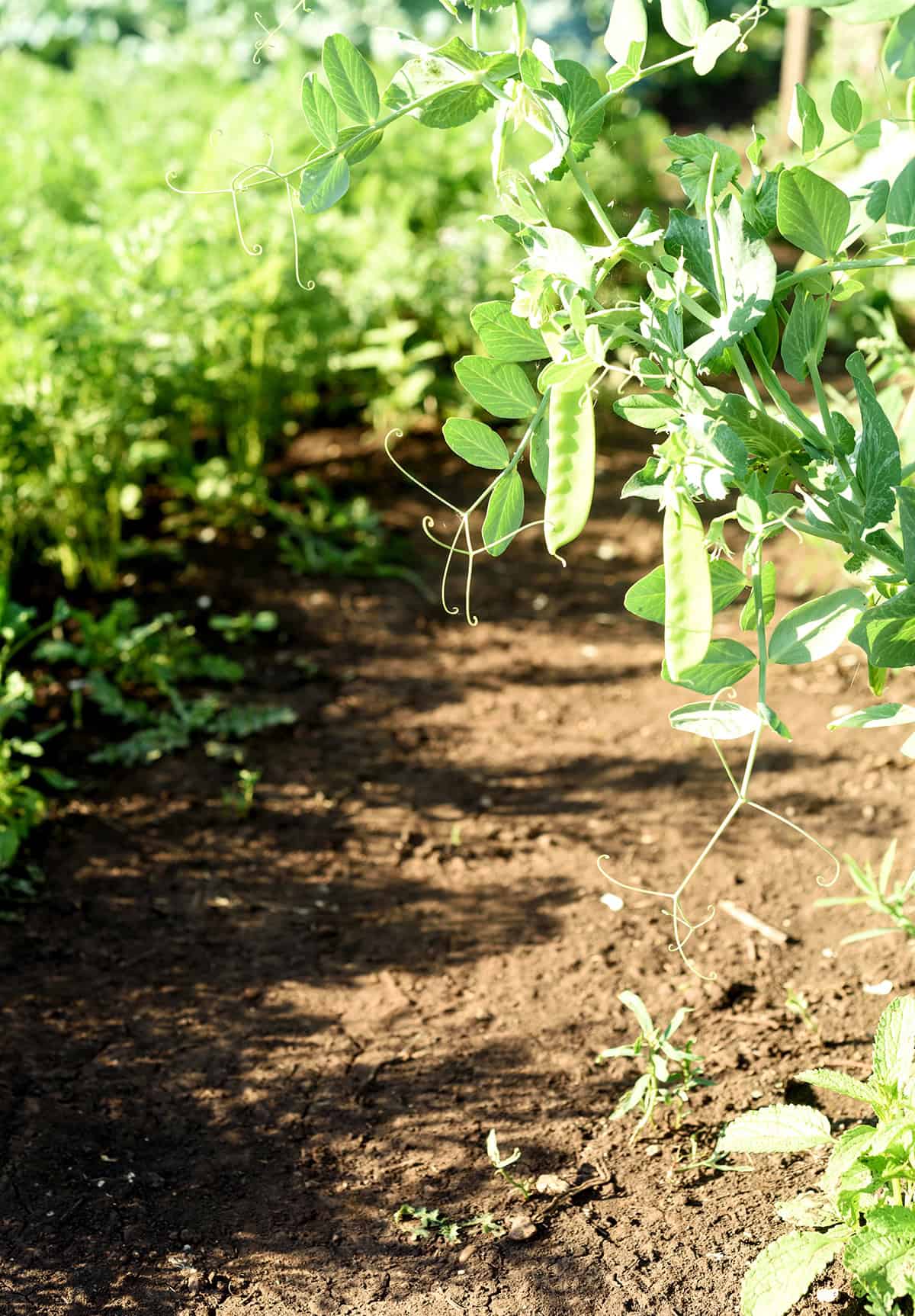
Sweet peas are a classic for fragrance and color. They thrive in cool weather, so sow them in early spring in cold regions and in fall where winters are mild.
As annuals, they need replanting each year. Their tendrils grab netting or trellis readily, and steady moisture plus regular picking extends the bloom.
Morning Glory
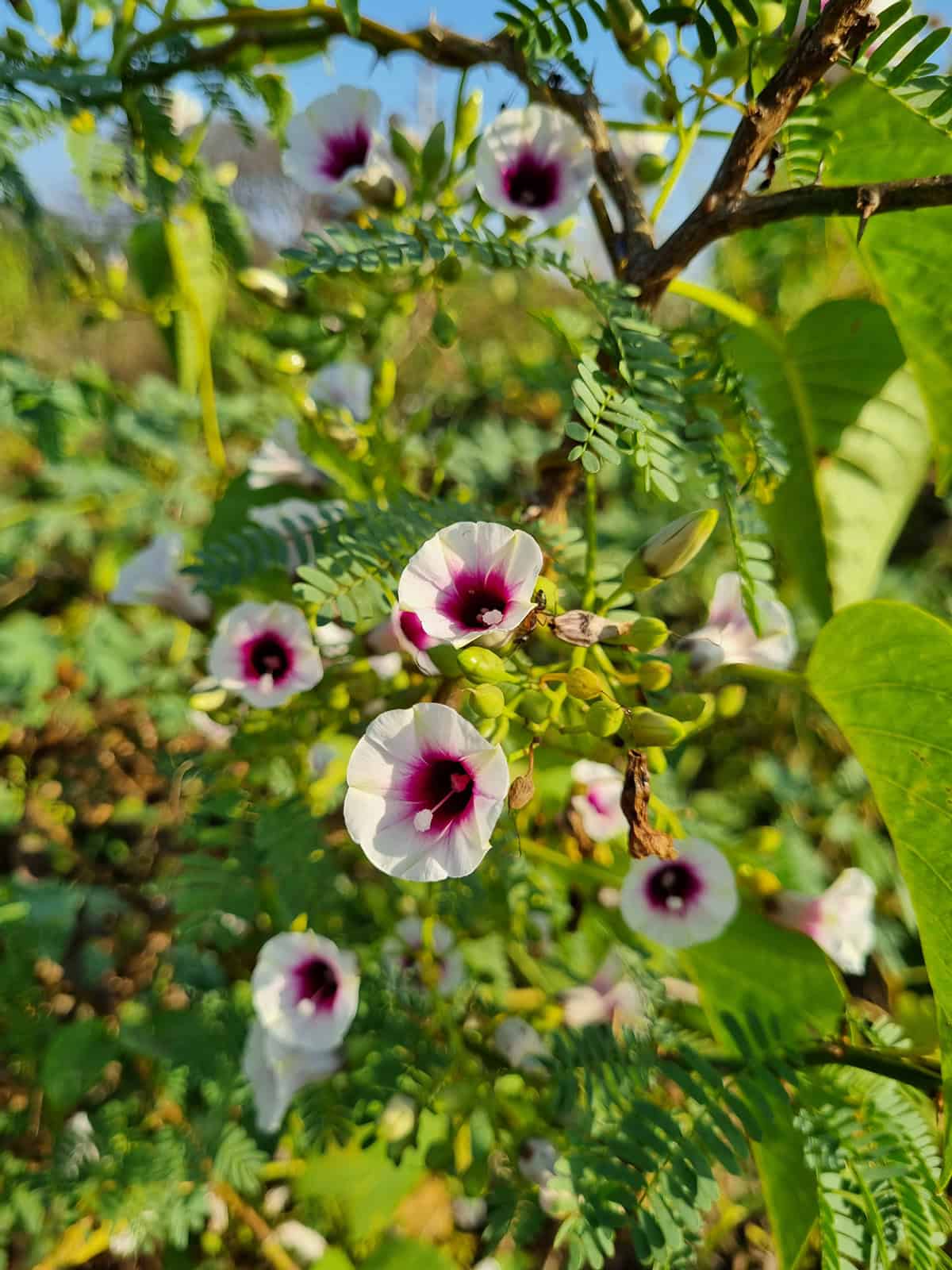
Morning glories grow fast and open a fresh flush of trumpet-shaped flowers each morning. They thrive in full sun and lean soil.
Sow seeds directly after the last frost, soaking them overnight first. Morning glories self-seed heavily, so remove spent flowers before seeds ripen to limit volunteers.
Black-eyed Susan Vine (Thunbergia alata)
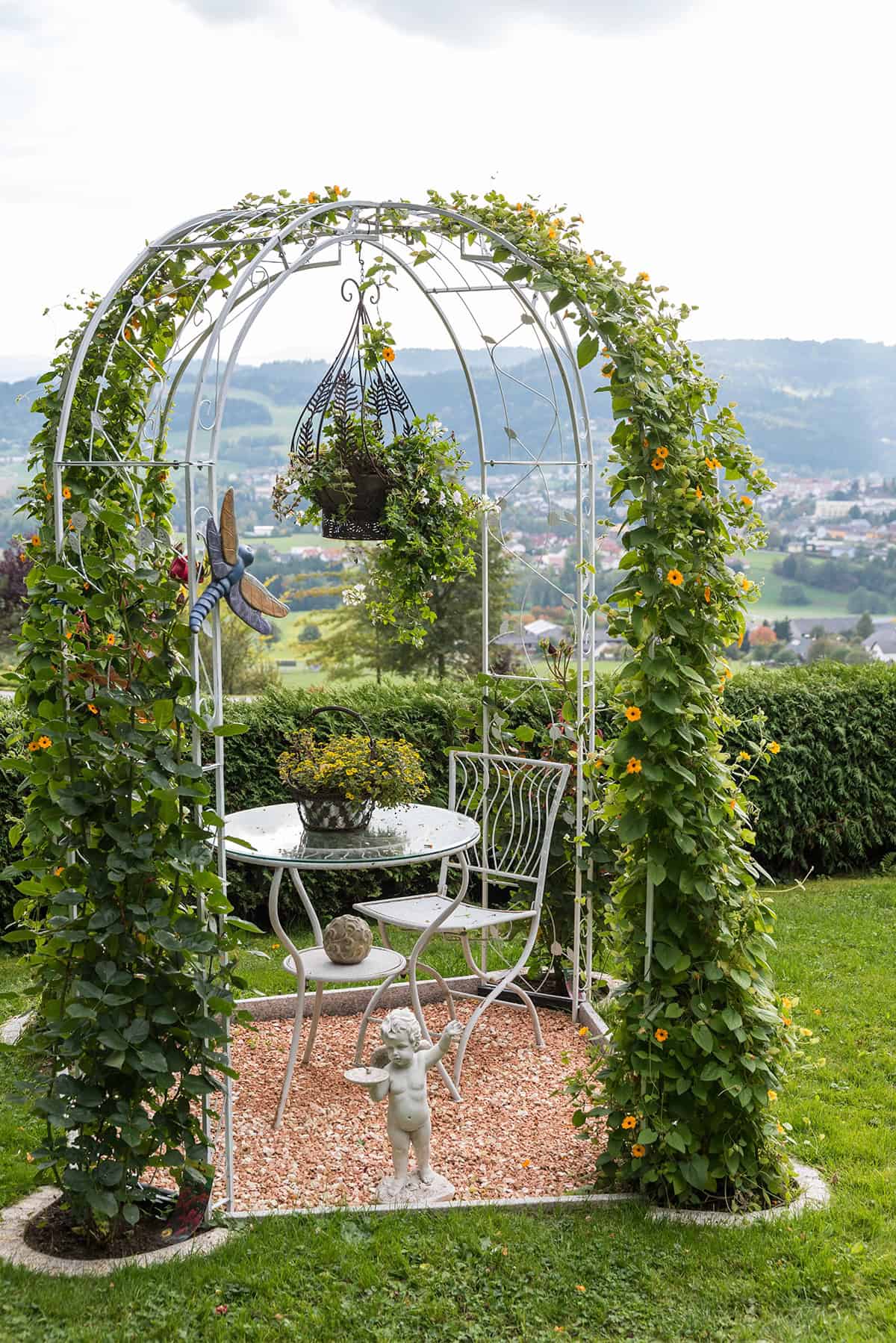
Sunny yellow, orange or white flowers with dark centers brighten the vine from midsummer into fall. Full sun and well-drained soil produce the most blooms.
Twining stems climb netting or string readily, and regular watering extends the season. It grows as an annual in most regions.
Potato Vine (Solanum jasminoides)
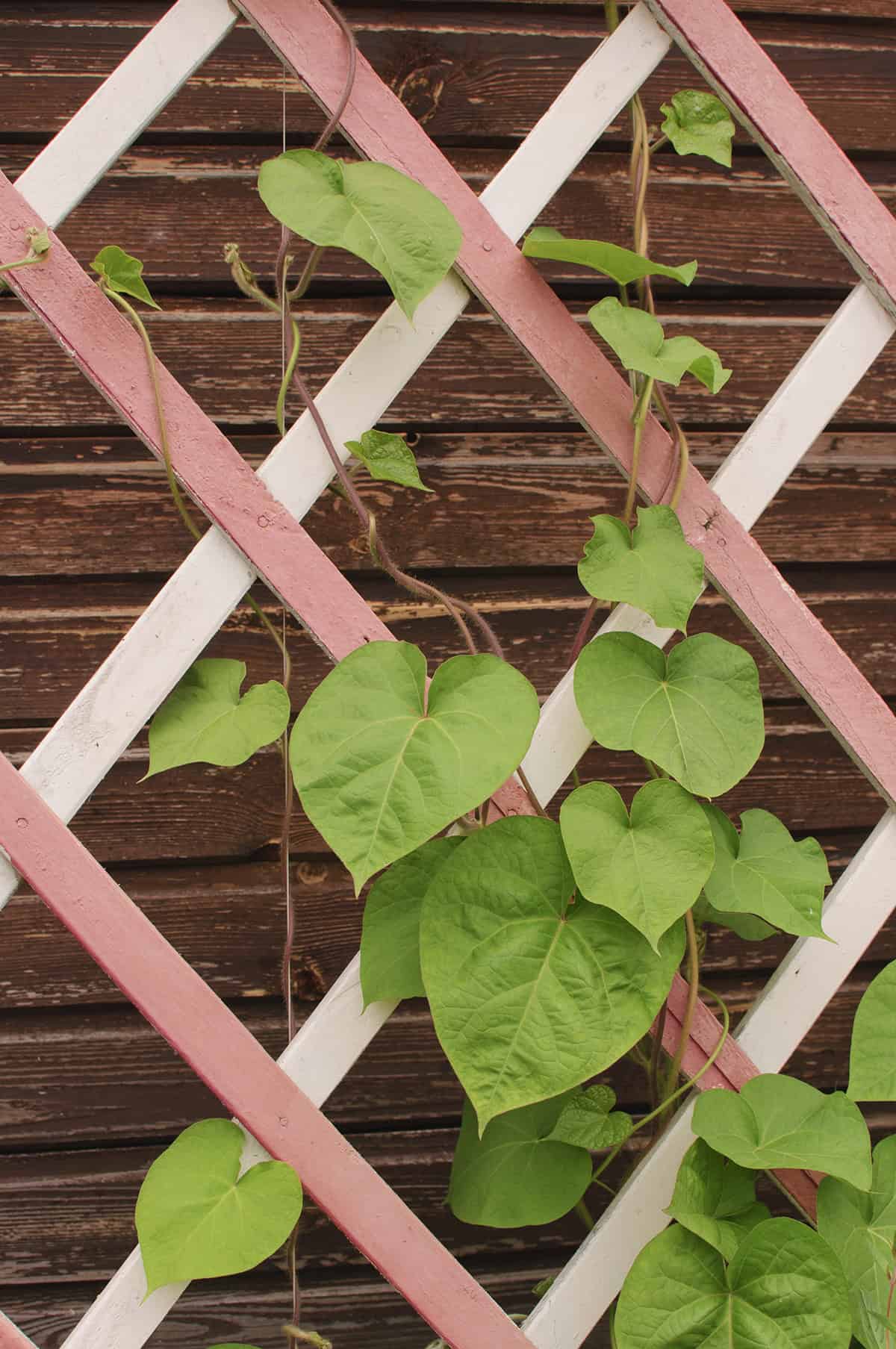
Clusters of small white or pale blue flowers appear over a long season in warm climates. Potato vine thrives in full sun and handles light shade.
The foliage holds through winter in mild regions. Occasional pruning is enough to manage its size and shape.
Kiwi Vine (Actinidia)
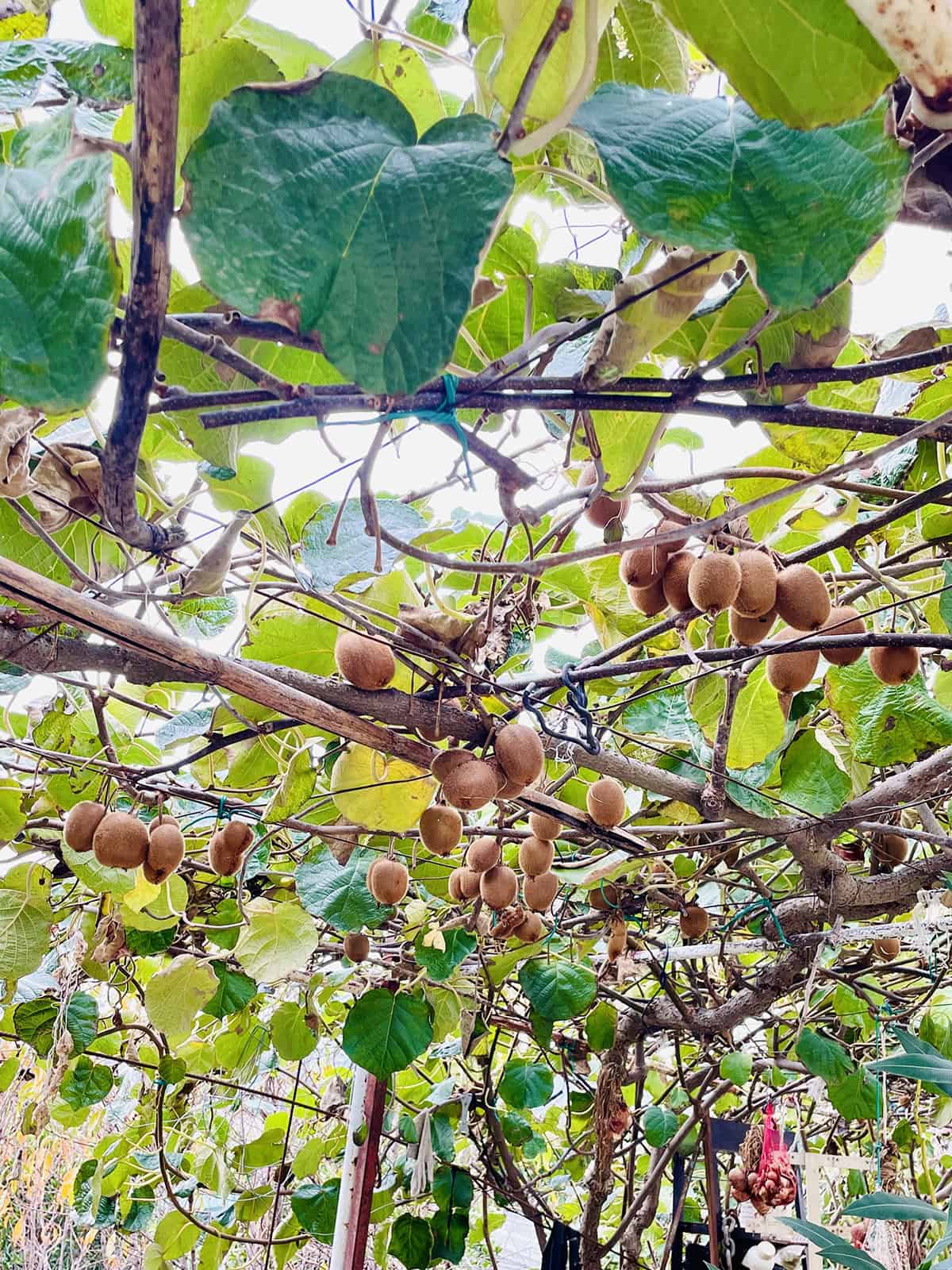
Kiwi vines produce large leaves and, with both male and female plants, a crop of fruit. Hardy kiwi (Actinidia arguta) handles colder regions, and the self-fertile ‘Issai’ fruits on its own.
Full sun and a very sturdy support are essential. Prune in winter and again in summer to control growth and improve fruiting.
Climbing Hydrangea
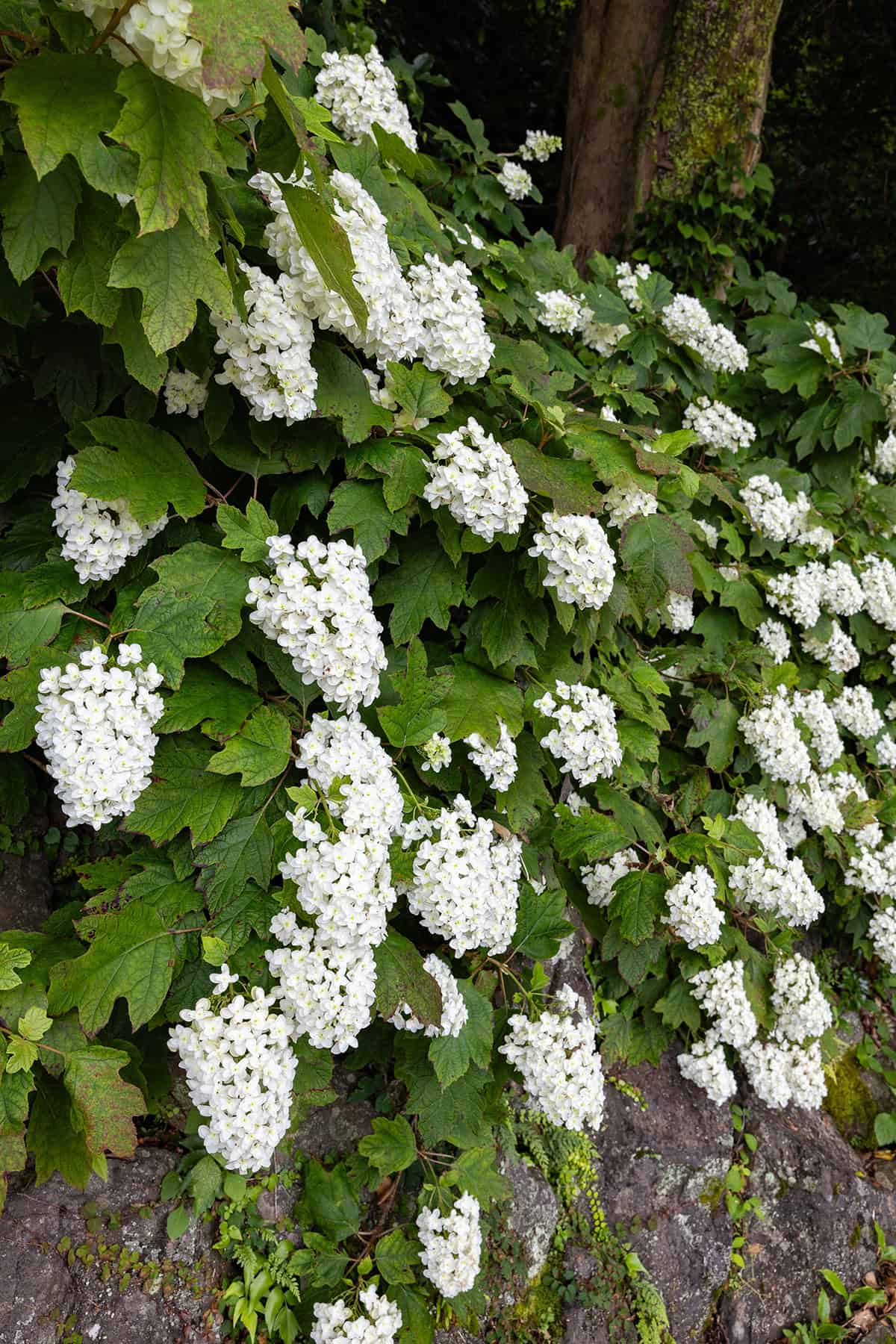
Large white lacecap flowers and heart-shaped leaves lend climbing hydrangea a lush, woodland look. Aerial roots cling to wood and masonry, and it grows well in shade.
Growth is slow for the first few years before the vine takes off. Steady moisture produces the best leaves and flowers, and the peeling bark adds winter interest.
Bower Vine (Pandorea jasminoides)
Pink or white trumpet flowers with darker throats appear over long stretches of warm weather. Bower vine blooms best in sun and accepts partial shade.
Prune lightly after flowering for a neat shape and fresh growth. It is frost-tender and best in zones 9 to 11.
Coral Vine (Antigonon leptopus)
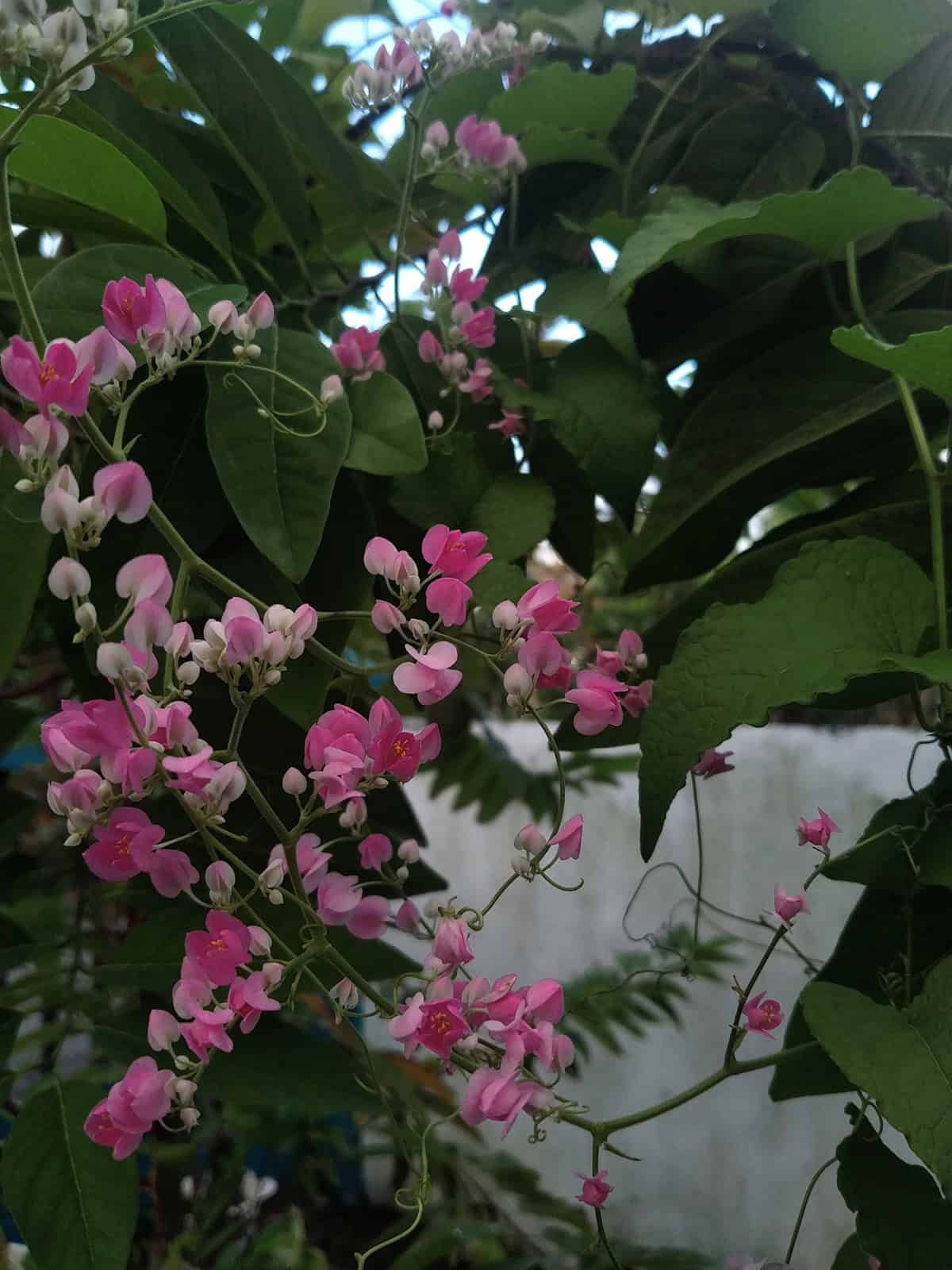
Sprays of bright pink flowers attract pollinators and add a cheerful look in warm climates. Full sun and good drainage are all coral vine needs.
Cut back after bloom to control its vigor. Coral vine spreads aggressively in the Southeast and is invasive in Florida, so check local guidance before planting.
Chocolate Vine (Akebia quinata)
Purple-brown flowers with a spicy fragrance and, in some regions, edible sausage-shaped pods make chocolate vine a conversation piece. It grows in sun or partial shade.
Sturdy supports are essential. Chocolate vine is invasive in parts of the eastern United States, so plant it only where local guidance allows it and prune regularly to contain it.
Golden Hop (Humulus lupulus)
Golden hop’s yellow-green leaves add a bright splash of color with no flowers needed. It dies back each winter and returns with vigorous shoots every spring.
Rich soil and full sun produce the best color. Cut the old stems to the ground in late winter for a fresh start.
Moonflower (Ipomoea alba)
Huge white flowers unfurl at dusk and glow against the evening shadows, with a sweet fragrance. The vine grows fastest during warm nights.
It prefers a sunny spot, fairly rich soil and good drainage.
Sow seeds after all danger of frost has passed, nicking or soaking them first. Provide a sturdy trellis, and water regularly while the vine establishes.