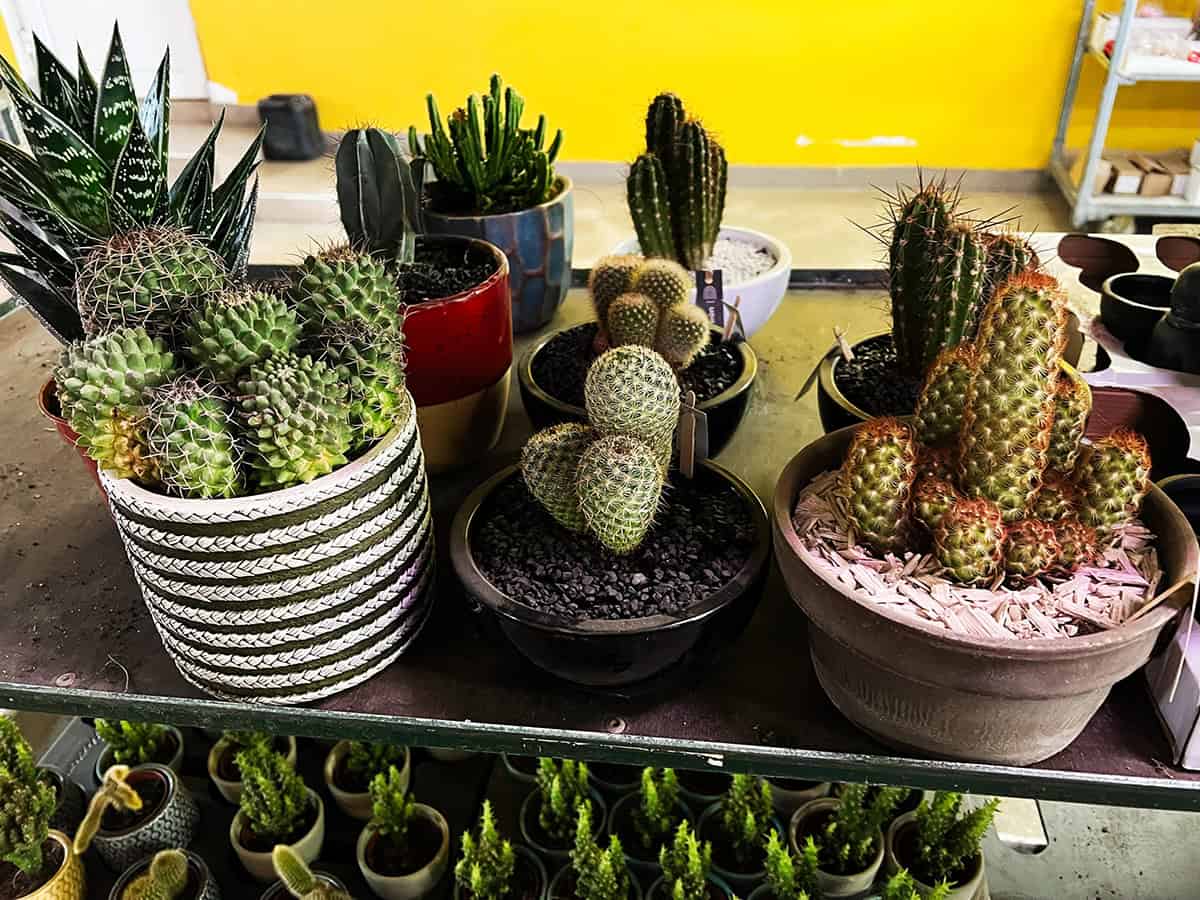
Let’s be honest, most of us want houseplants that don’t demand daily attention. Cacti nail that brief—happy with dry air, a bit of neglect, and a sunny spot. Some even throw out flowers if you give them enough light and a cool night or two.
Top picks for indoor cacti? Mammillaria, Gymnocalycium, holiday cacti, and the smaller barrel types. They don’t mind dry rooms or less-than-perfect sunlight. These stay smallish, work in pots, and, with luck, might bloom inside. Slow growth means you won’t be repotting every few months.
Here’s a rundown of cacti that actually work for indoor life—on your windowsill, shelf, or wherever you’ve got a bit of light. You’ll get a sense of what each needs to look good and not die on you. No nonsense, just practical options.
Table of Contents
- Cactus Plants To Grow Indoors
- Golden Barrel Cactus (Echinocactus grusonii)
- Bunny Ears Cactus (Opuntia microdasys)
- Easter Lily Cactus (Echinopsis oxygona)
- Moon Cactus (Gymnocalycium mihanovichii)
- Star Cactus (Astrophytum asterias)
- Bishop’s Cap Cactus (Astrophytum myriostigma)
- Old Man Cactus (Cephalocereus senilis)
- Old Lady Cactus (Mammillaria hahniana)
- Pincushion Cactus (Mammillaria spp.)
- Powder Puff Cactus (Mammillaria bocasana)
- Fishhook Cactus (Mammillaria spp.)
- Ladyfinger Cactus (Mammillaria elongata)
- Rat Tail Cactus (Disocactus flagelliformis)
- Peanut Cactus (Echinopsis chamaecereus)
- Domino Cactus (Echinopsis subdenudata)
- Fairy Castle Cactus (Acanthocereus tetragonus ‘Fairy Castle’)
- Torch Cactus (Echinopsis / Trichocereus Types)
- Blue Columnar Cactus (Pilosocereus pachycladus)
- Peruvian Apple Cactus (Cereus repandus)
- Night-Blooming Cereus (Selenicereus spp.)
- Christmas Cactus (Schlumbergera spp.)
- Thanksgiving Cactus (Schlumbergera truncata)
- Orchid Cactus (Epiphyllum spp.)
- Ric Rac Cactus / Zigzag Cactus (Disocactus anguliger)
Cactus Plants To Grow Indoors
There’s a surprising amount of variety here. Some cacti fit right on a windowsill, others send up columns or trail down from a shelf. Not all are spiky balls, either.
Golden Barrel Cactus (Echinocactus grusonii)
This one’s basically a spiny green globe with a yellow glow. Indoors, you’ll usually see the young ones since the older barrels get massive. Needs loads of direct sun or it’ll stretch and sulk.
Let the soil dry out completely before watering—roots rot fast if they stay wet. In winter, water even less. Growth is slow, so it’s not going to outgrow your pot anytime soon. Give it a spin now and then or it’ll lean toward the window.
Bunny Ears Cactus (Opuntia microdasys)
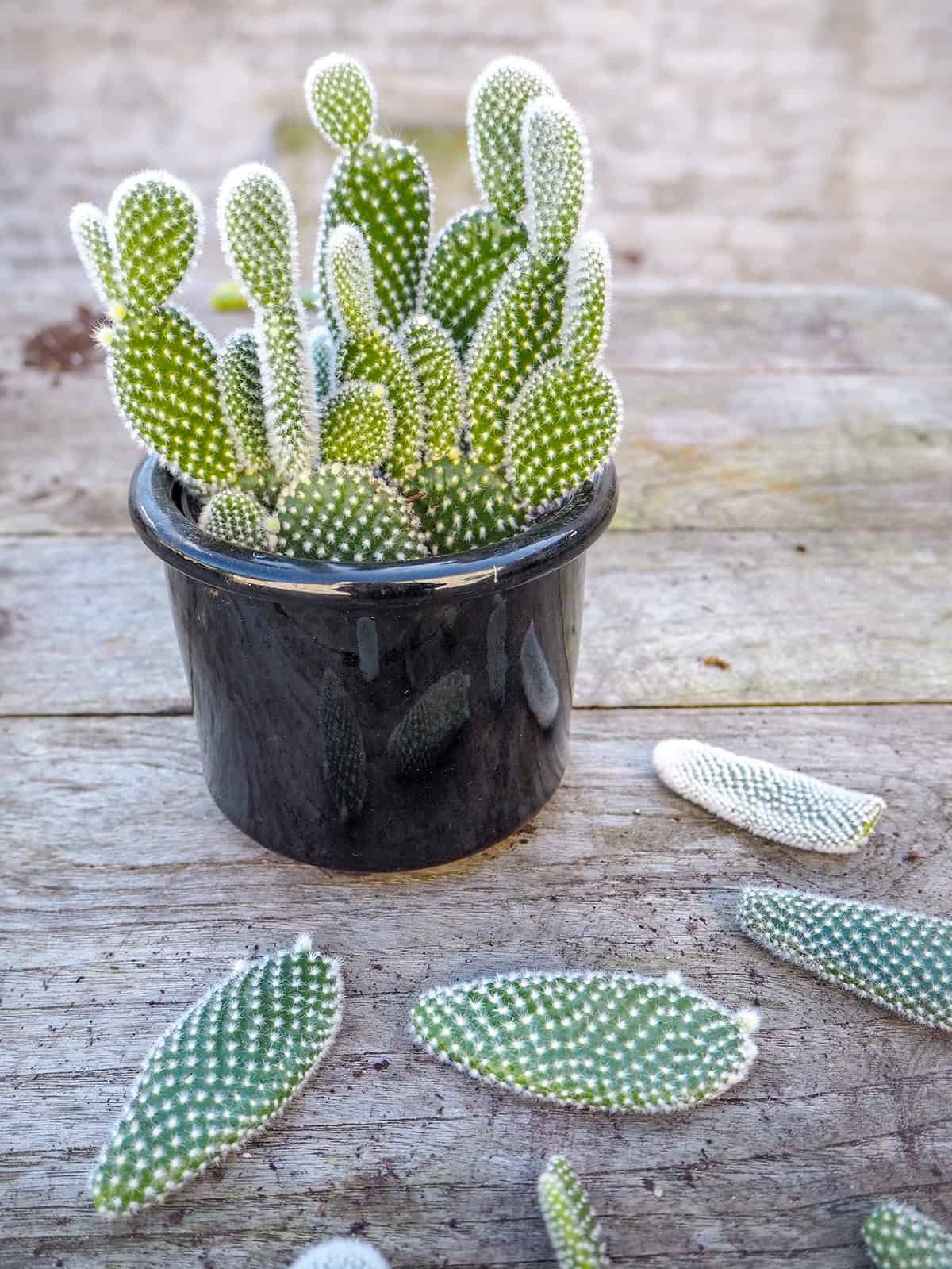
Flat, pad-like stems with tiny, irritating spines—looks cute, but don’t touch it bare-handed. Keep it in a bright spot for happy, plump pads.
If the soil’s still damp, skip watering. Too much water and the pads will flop. Likes warmth, so don’t stick it in a draft.
It’ll branch out over time. If a pad looks rough, snip it off. Keeps things tidy.
Easter Lily Cactus (Echinopsis oxygona)
Small and round, but the flowers are huge and dramatic—open at night, gone by morning. Needs bright light if you want blooms.
During spring and summer, water when dry, but cut back in winter. Cooler nights seem to help with flower buds. Use a gritty mix so the roots don’t sit in water.
Moon Cactus (Gymnocalycium mihanovichii)
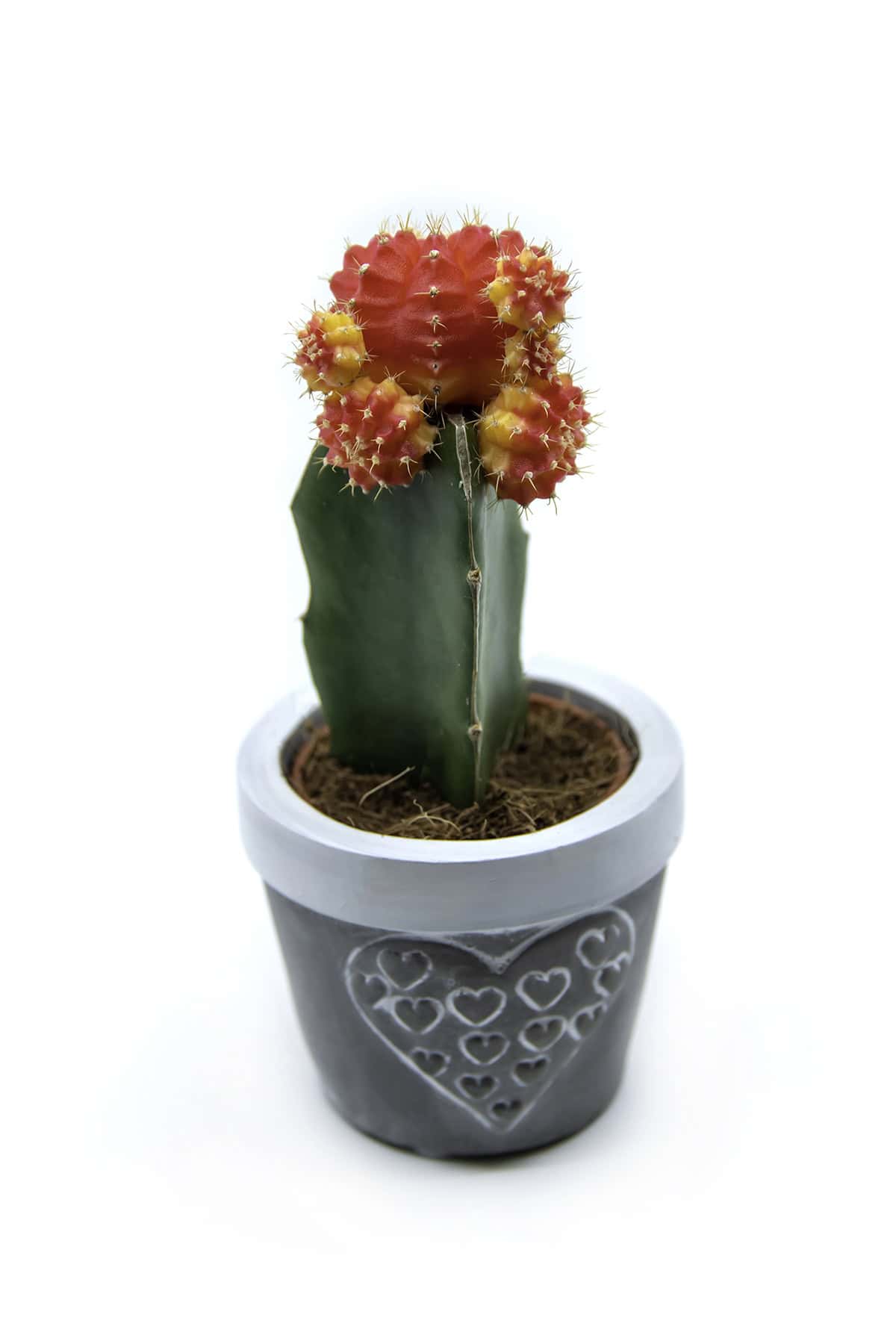
You’ve probably seen these: neon tops grafted onto a green base. That bright color can’t survive alone, so it’s attached to another cactus. Needs bright, indirect light—direct sun will fry it.
Water only when the soil’s bone dry. The rootstock keeps the whole thing alive, so if it starts to rot, you’re out of luck. Don’t expect it to last forever, but you’ll get a few good years if you’re careful.
Star Cactus (Astrophytum asterias)
No spines, just a flat, speckled, star-shaped body. Great for shallow pots. Needs bright light, but midday sun can scorch it.
Let it dry out between waterings, especially in winter. It’s a slowpoke, but with patience, you might see pale yellow flowers.
Bishop’s Cap Cactus (Astrophytum myriostigma)
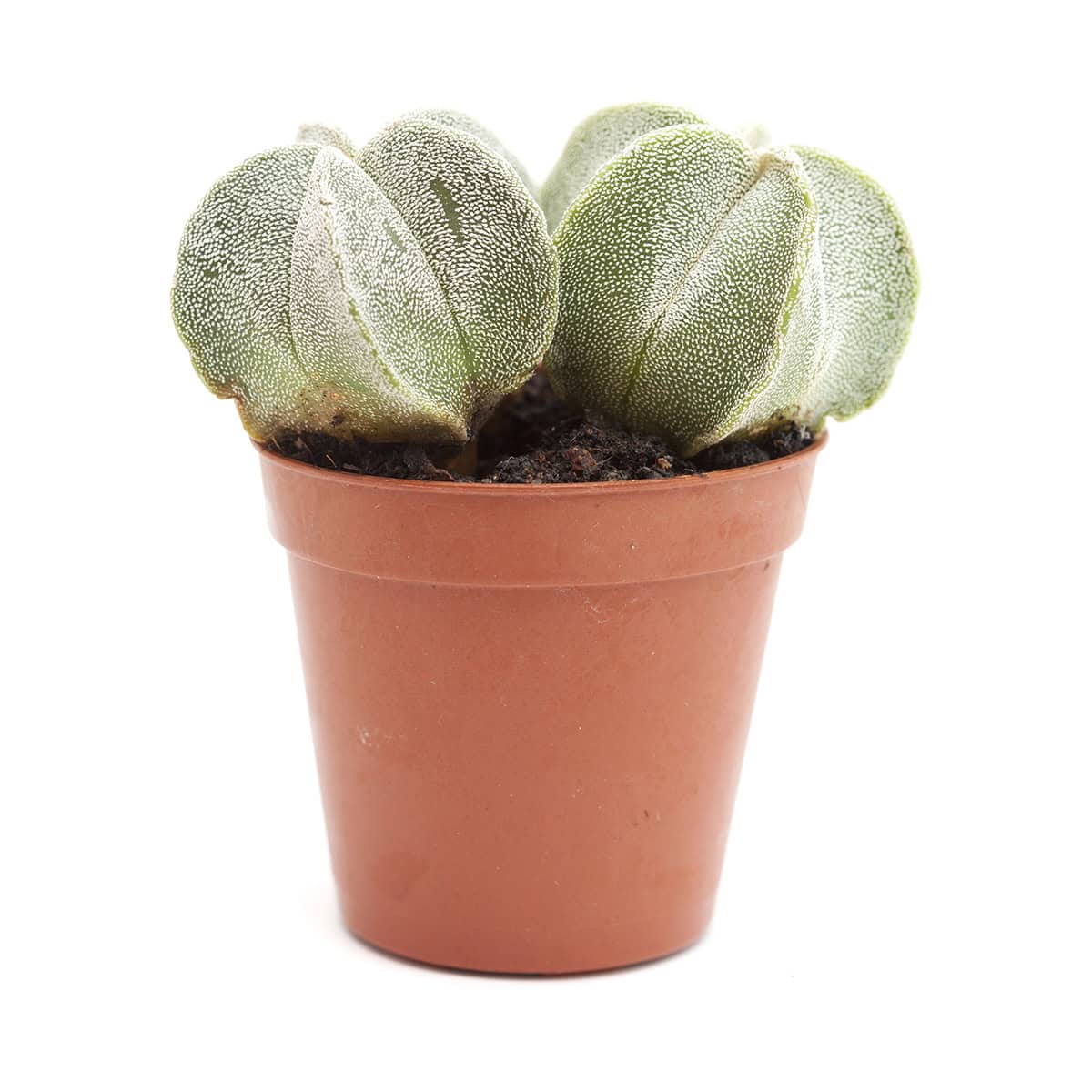
Looks almost like a geometric sculpture, with ribs and white flecks. Needs a bright window to stay sturdy.
Go easy on the water, and let the soil dry out. Cooler winters are good for it. Grows upright, so it can stand out in a simple space.
Old Man Cactus (Cephalocereus senilis)
This one’s like a fuzzy white column. The hairs keep it safe from sunburn. Indoors, it likes airflow and low humidity. Needs a bright spot or it’ll get thin and scraggly.
Try not to get the hairs wet when you water. Let it dry out fully. Dust can build up, so a gentle breeze helps keep it looking fresh.
Old Lady Cactus (Mammillaria hahniana)
Dense white spines make it look soft (it’s not). Sometimes you’ll get a ring of pink or purple flowers. Needs plenty of light to bloom.
Let the soil dry between waterings. Too much water and the roots go bad. Likes a dry winter.
Stays small, so it’s good for tight spots with decent light.
Pincushion Cactus (Mammillaria spp.)
Small, round, and covered in neat spines. Some flower easily indoors. A sunny window is usually enough.
Water when growing, but let it dry out before watering again. Needs a winter break to keep its shape.
They’re easy to group together for a little cactus garden in a pot.
Powder Puff Cactus (Mammillaria bocasana)
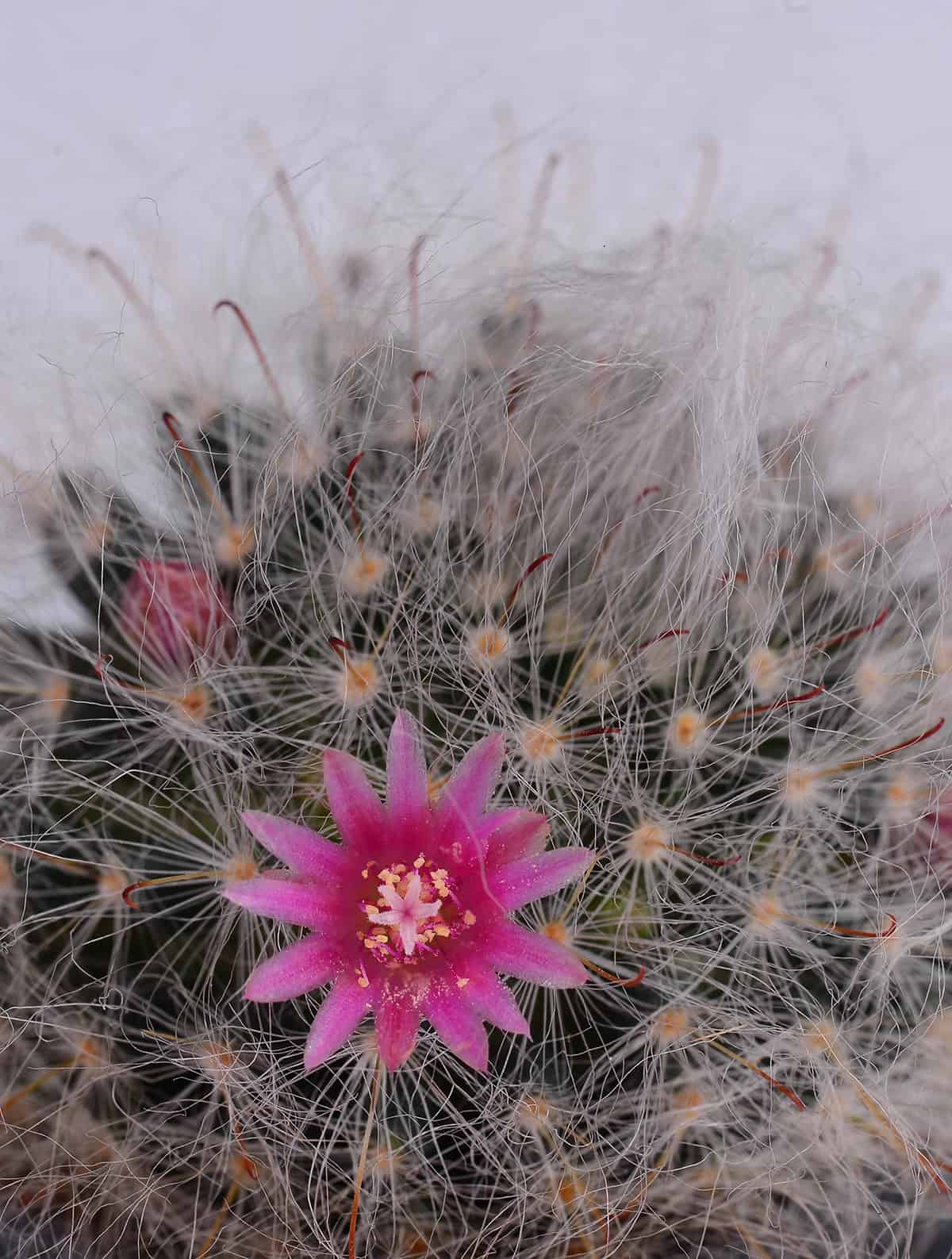
Soft, white, fuzzy spines—almost looks like it’s dusted with snow. Pink flowers show up in spring. Likes bright, gentle light.
Water only after the soil’s totally dry. Humidity’s not its friend, and good airflow keeps it healthy.
It’s not a big plant. Shallow pots suit it just fine.
Fishhook Cactus (Mammillaria spp.)
Has curved, hook-like spines that give it a bit of character. Compact and rounded, it wants lots of light.
Fast-draining soil is a must. Let it dry out completely before watering again. Needs a dry winter.
Flowers show up in a ring near the top, which is always a nice surprise.
Ladyfinger Cactus (Mammillaria elongata)
Long, thin stems that can stand up or trail with age. Covered in gold spines. Needs strong light or it’ll get leggy.
Water only when dry. Too much and the stems rot. Likes it warm. Propagates easily from cuttings if you want more.
Rat Tail Cactus (Disocactus flagelliformis)
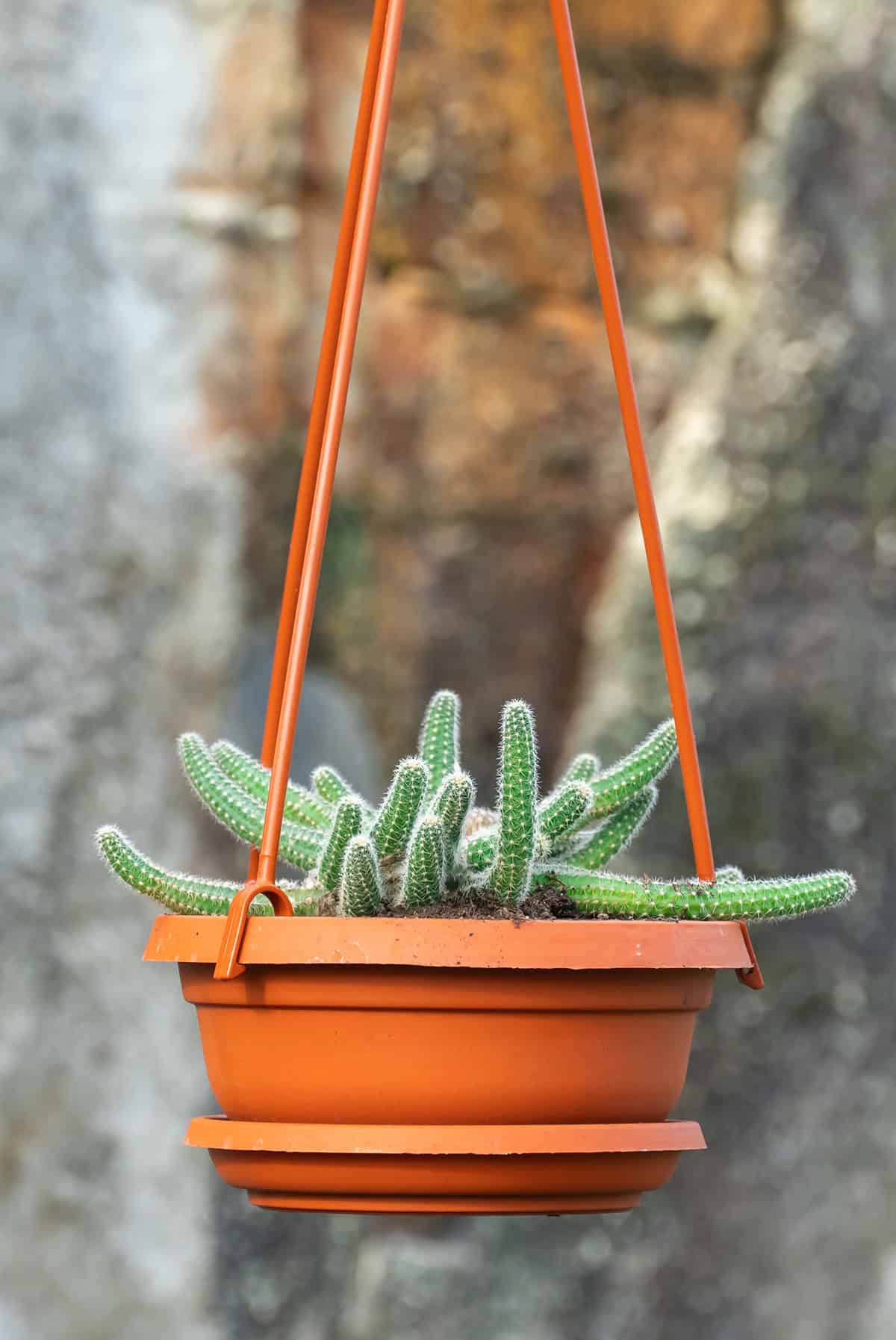
Long, trailing stems—great for hanging baskets. Bright light keeps it dense and encourages flowers, but avoid harsh midday sun.
Needs a bit more water than desert types when growing, but don’t overdo it. Back off in winter.
Big pink flowers pop up along the stems. Prefers steady temperatures and airflow.
Peanut Cactus (Echinopsis chamaecereus)
Short, finger-like stems that spread out quickly. Bright light keeps it compact and brings out those orange-red flowers. Morning sun is ideal.
Water moderately, always letting it dry between drinks. Needs a winter rest.
Spreads fast in shallow pots—makes a nice, low accent indoors.
Domino Cactus (Echinopsis subdenudata)
Round, almost spineless, with a clean look. Big white flowers open at night. Needs plenty of light to set buds.
Water only after it’s dry. Cooler winters help trigger blooms. Don’t overfeed.
Stays small and neat—good for a windowsill.
Fairy Castle Cactus (Acanthocereus tetragonus ‘Fairy Castle’)
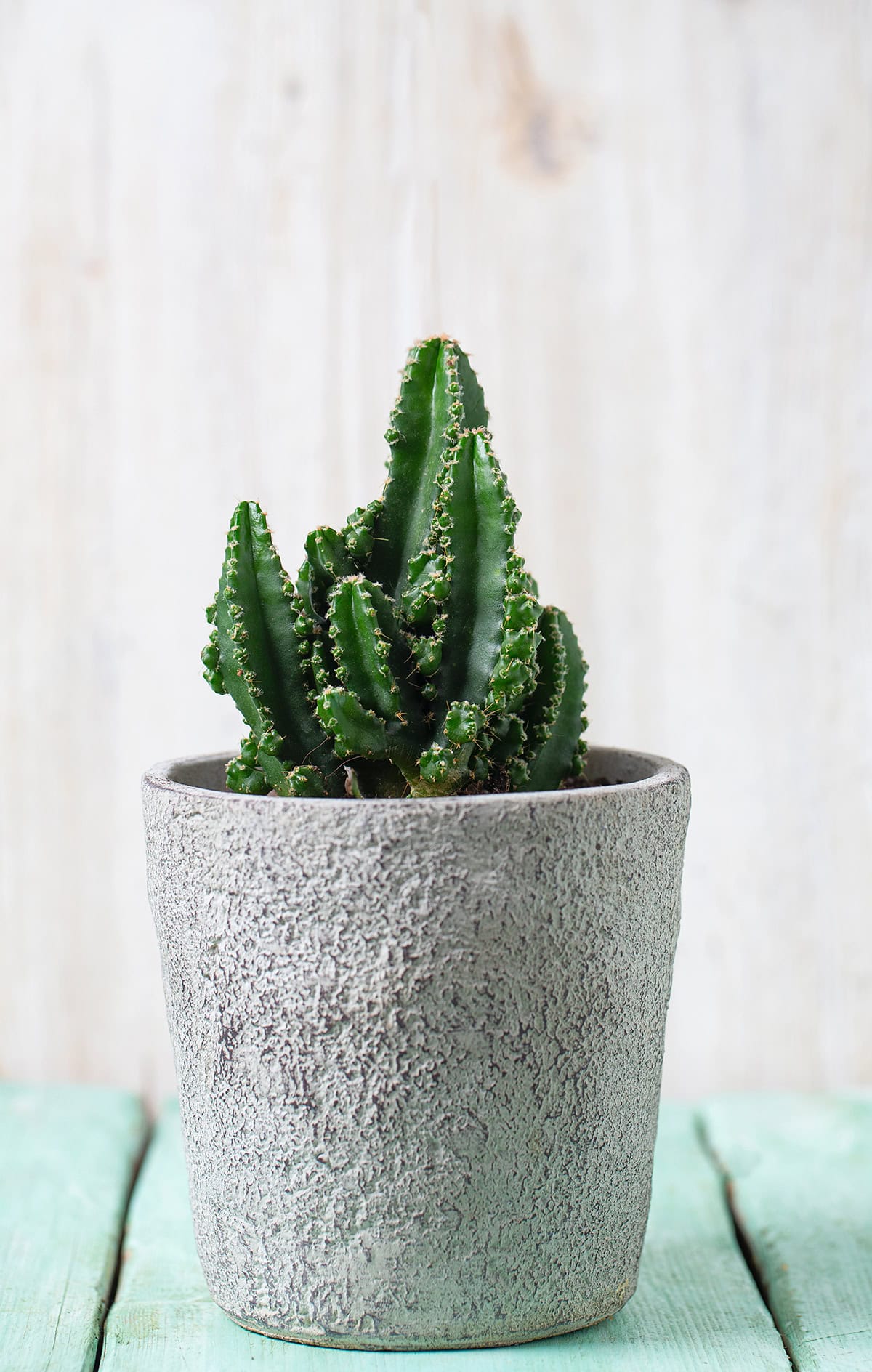
Upright stems stack up like a little castle. Grows slowly indoors. Likes bright but indirect light.
Water when dry. Overwatering is a quick way to lose it. Use a solid pot—it can get top-heavy.
Rarely flowers inside, but the quirky shape is enough on its own.
Torch Cactus (Echinopsis / Trichocereus Types)
Columnar, with the potential for huge, fragrant flowers if you get the conditions right. Needs a sunny spot to thrive.
Water more in summer, but don’t let it sit wet. Give it a winter break for better blooms.
Tends to get tall, so pick a sturdy pot.
Blue Columnar Cactus (Pilosocereus pachycladus)
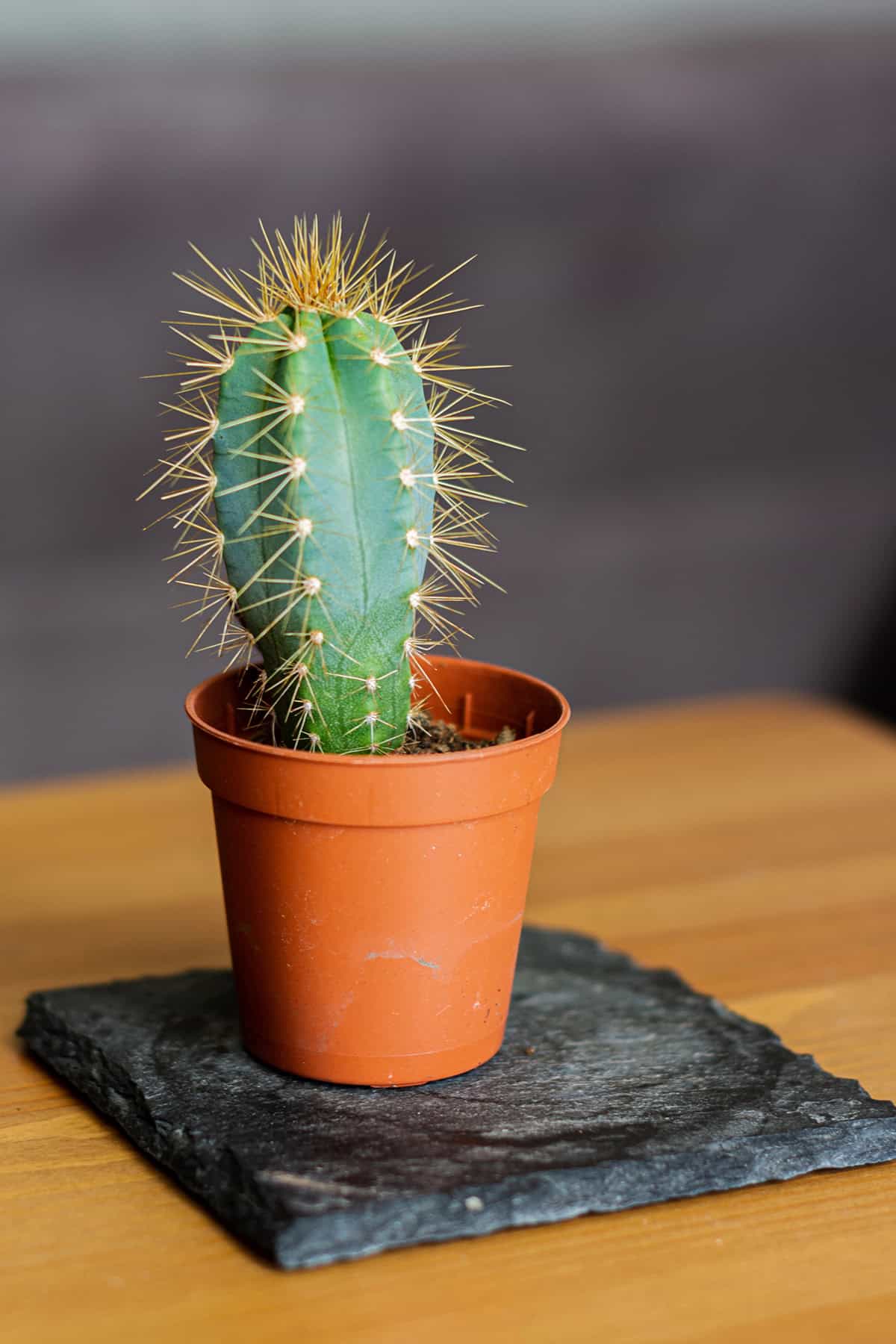
Blue-green skin is the main draw here. Needs strong light, or it’ll just turn green. Not a fan of cold drafts.
Water lightly, use well-draining soil, and keep it warm. Grows upright and makes a statement near a big window.
Peruvian Apple Cactus (Cereus repandus)
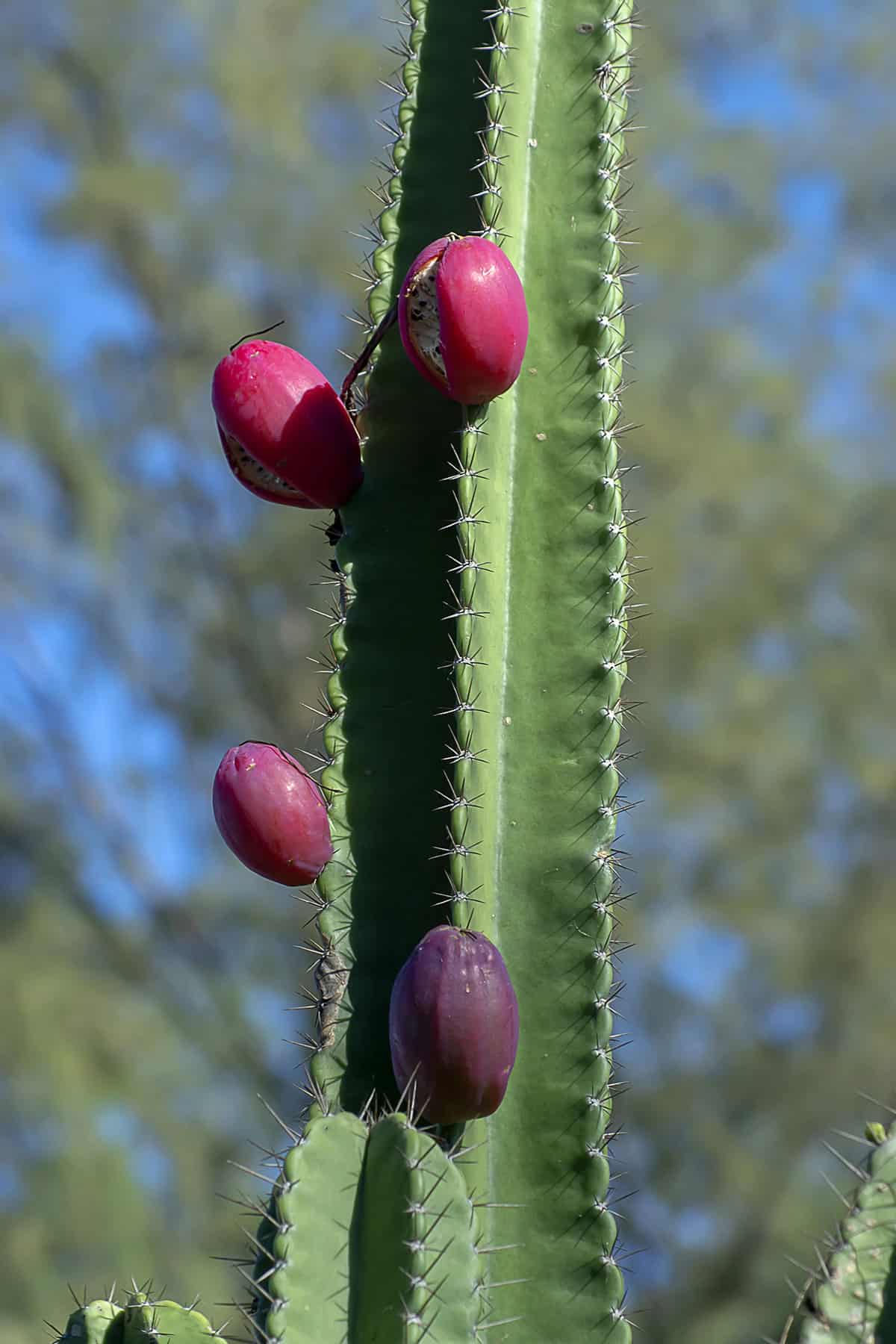
Tall, ribbed columns—grows fast with enough sun, but stays manageable indoors. Needs bright, direct light to keep its shape.
Only water when dry. Too much and it gets floppy. Likes a dry winter.
Can flower and fruit if you really nail the care, but most folks grow it for the sculptural look.
Night-Blooming Cereus (Selenicereus spp.)
Thin, climbing stems that love a trellis or hanging pot. Needs bright, indirect light—direct sun can be too much.
Water more during growth, but let it dry a bit between times. Cut back in winter.
Huge white flowers open at night, gone by morning. Keep conditions steady for your best shot at blooms.
Christmas Cactus (Schlumbergera spp.)
Flat, segmented stems—totally different from desert cacti. Likes bright, indirect light and cooler temps. Direct sun stresses it out.
Needs more water than most cacti, but don’t let it sit soggy. High humidity is a plus.
Blooms in winter if you get the light right. Consistent care is key.
Thanksgiving Cactus (Schlumbergera truncata)
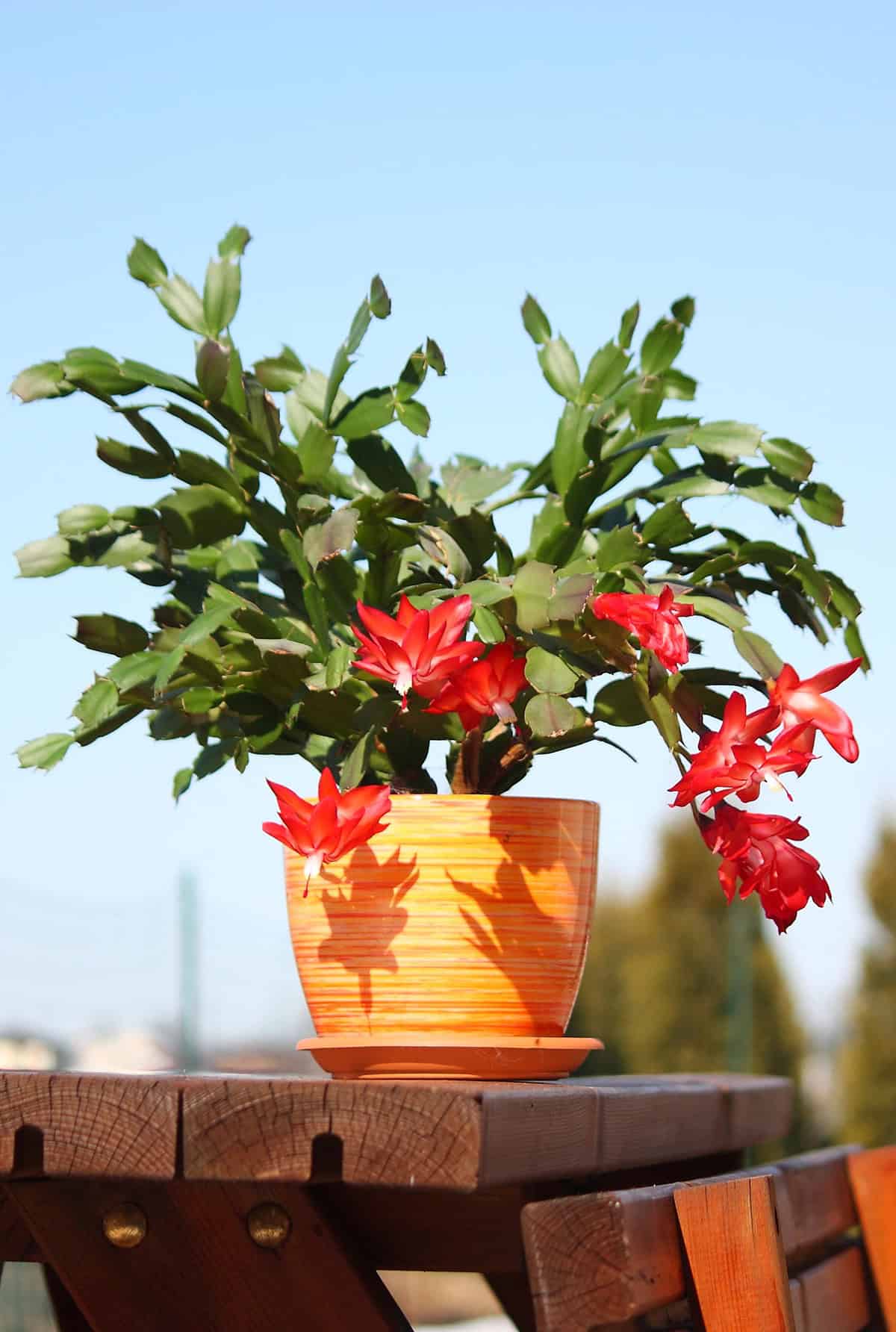
Pointy stem segments set this one apart. Needs bright, indirect light and doesn’t love dry, hot air.
Water when the top soil dries—don’t let it stay bone dry too long. Cooler nights help with buds.
Usually flowers a bit before Christmas cactus. Try not to move it once buds show up, or they might drop.
Orchid Cactus (Epiphyllum spp.)
Flat, arching stems that look almost leafy. Prefers bright, filtered light—direct sun is too harsh.
Water more frequently than desert types, but don’t drown it. Drainage is non-negotiable.
Big, fragrant flowers if you get the care right. Looks best in a hanging pot where the stems can spill over.
Ric Rac Cactus / Zigzag Cactus (Disocactus anguliger)
Those zigzaggy stems really stand out—hard to miss, honestly. If you want it to look its best, aim for bright but indirect light. Direct sun? Not its friend.
Watering’s pretty straightforward: keep things moderate while it’s growing, let the soil dry a bit before you go back in with the watering can. Once winter rolls around, back off on the water.
At night, you might catch its white flowers opening up and giving off a sweet scent. This one does well indoors, especially if the air’s moving a little—no stuffy corners, please.