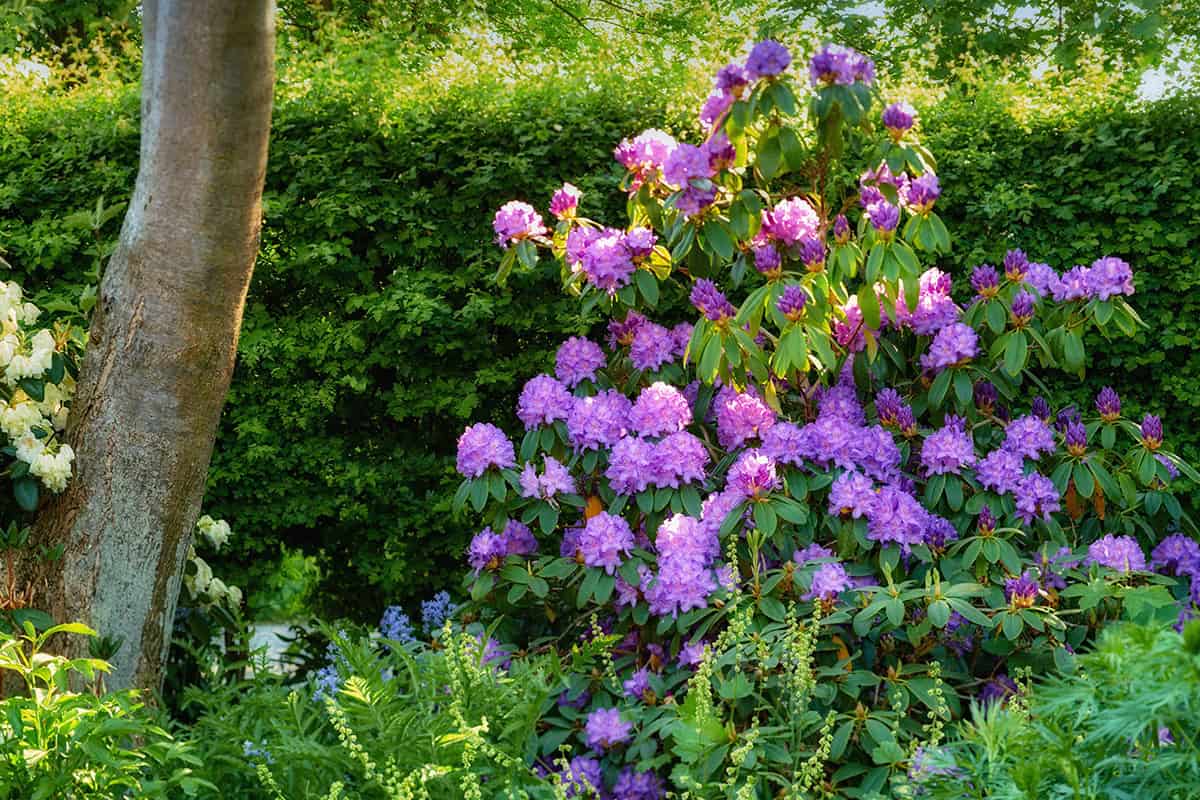
Under pine trees, the ground stays dry and the roots make digging a chore. Not much sunlight sneaks through, and the soil’s pretty acidic. Water? You’ll find the pines are greedy. Most classic garden picks just don’t cut it here. Still, you’ve got a solid list of perennials, ground covers, and shrubs that shrug off these tough conditions and fill out the space.
It’s all about picking varieties that don’t mind the shade or the dry, root-packed soil. Hosta, astilbe, pulmonaria, and a handful of evergreens manage just fine once they get going. Shallow-rooted plants tend to win this battle, and you won’t need to dig giant holes to give them a start.
Soil and mulch play a role, but honestly, the right plants do most of the heavy lifting. With a little care and some patience, you can turn those bare patches under your pines into something worth showing off.
Table of Contents
- Plants That Grow Well Under Pine Trees
- Vinca Minor (Periwinkle)
- Ajuga (Bugleweed)
- Lamium (Dead Nettle)
- Pachysandra (Japanese Spurge)
- Epimedium (Barrenwort)
- Hellebores (Lenten Rose)
- Heuchera (Coral Bells)
- Hardy Geranium (Geranium Macrorrhizum)
- Lily Of The Valley (Convallaria Majalis)
- Sweet Woodruff (Galium Odoratum)
- Ferns (Especially Christmas Fern Or Lady Fern)
- Carex (Shade Sedges)
- Solomon’s Seal (Polygonatum)
- Tiarella (Foamflower)
- Creeping Thyme
- Sedum (Stonecrop Varieties)
- Rhododendron
- Azalea
- Pieris Japonica
- Boxwood
Plants That Grow Well Under Pine Trees
Beneath mature pines, you’re dealing with hungry roots, thin soil, and a patchwork of light and shadow. Anything you plant needs to handle these lean, acidic, and dry conditions—no fuss, no drama.
Vinca Minor (Periwinkle)
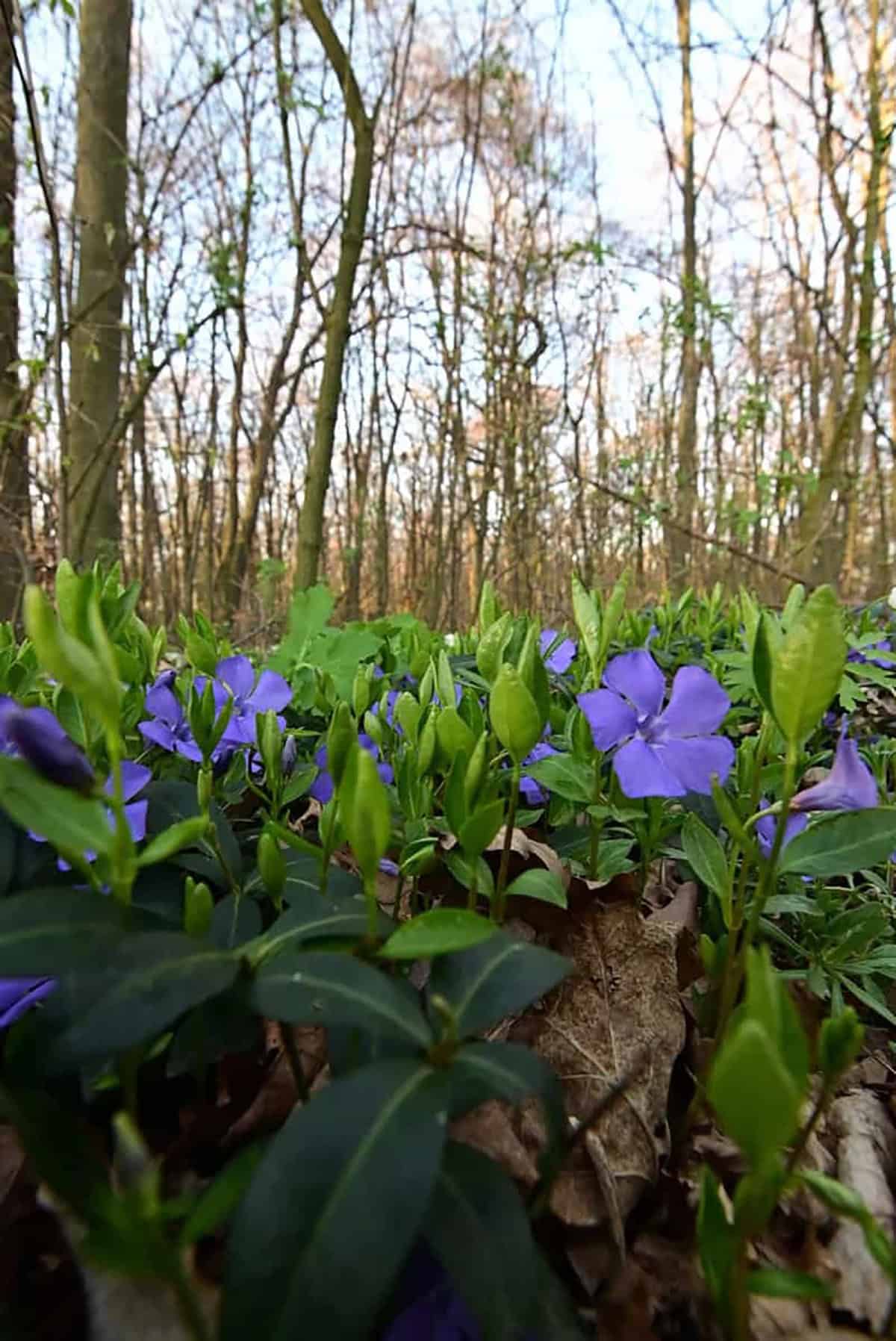
Evergreen and stubbornly persistent, periwinkle hugs the ground and weaves through tricky spots under pine branches. It’s a reliable weed-blocker, too.
The leaves keep their shine through winter, and in spring, blue or purple flowers pop up—sometimes again in fall, if you’re lucky.
Slip in small starts between the roots to keep disruption minimal. Once they settle, only the longest dry spells call for extra water. Watch the edges; this one likes to wander.
Ajuga (Bugleweed)
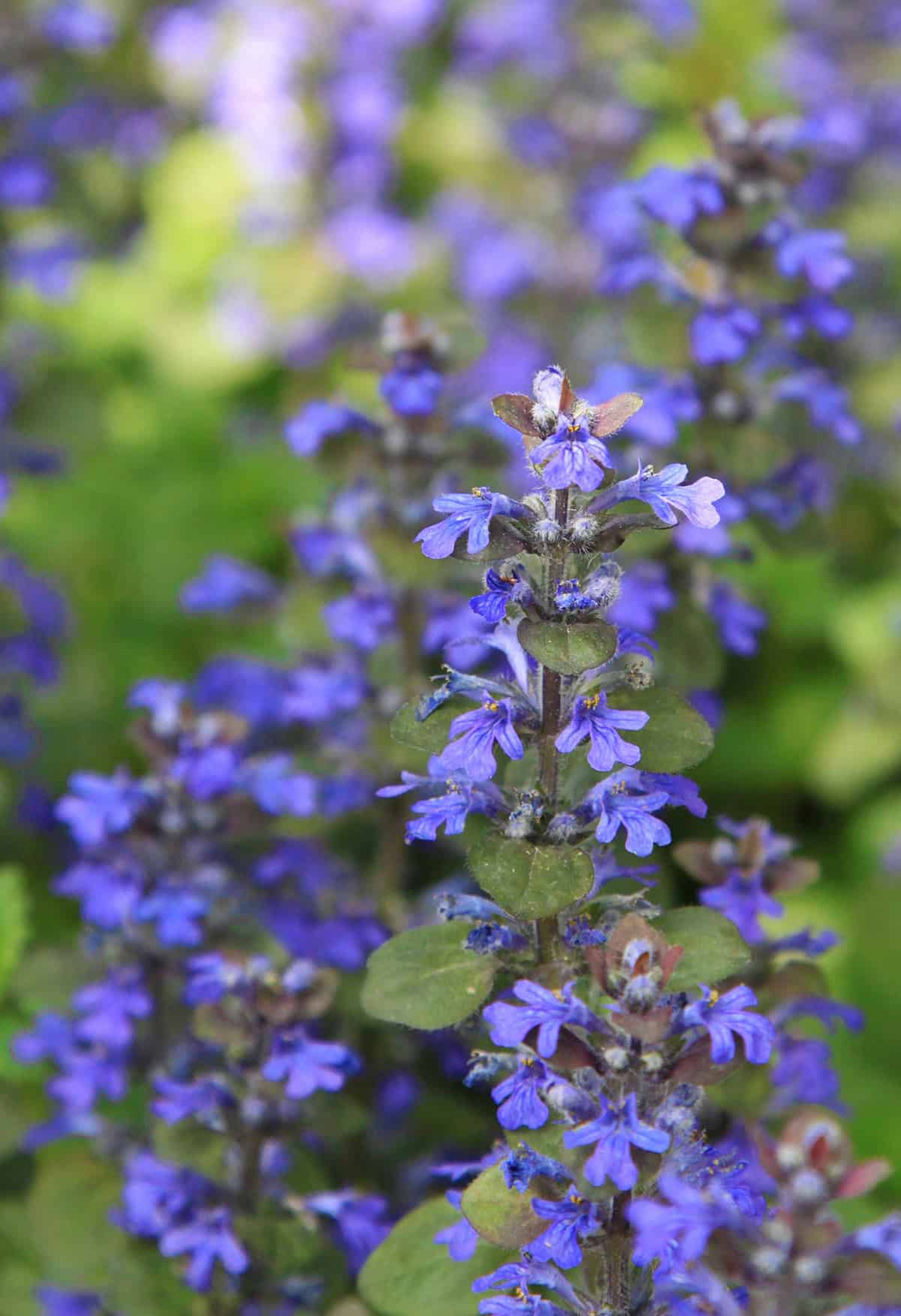
Where grass gives up, ajuga takes over with its low, spreading rosettes. It’s unfazed by shade and acid soil, thriving where others sulk.
Leaf colors shift from green to bronze or nearly purple, and short flower spikes in spring draw in pollinators.
Set them about a foot apart—coverage comes quickly. First year, keep them watered. If your summers are muggy, give them some breathing room to avoid rot.
Lamium (Dead Nettle)
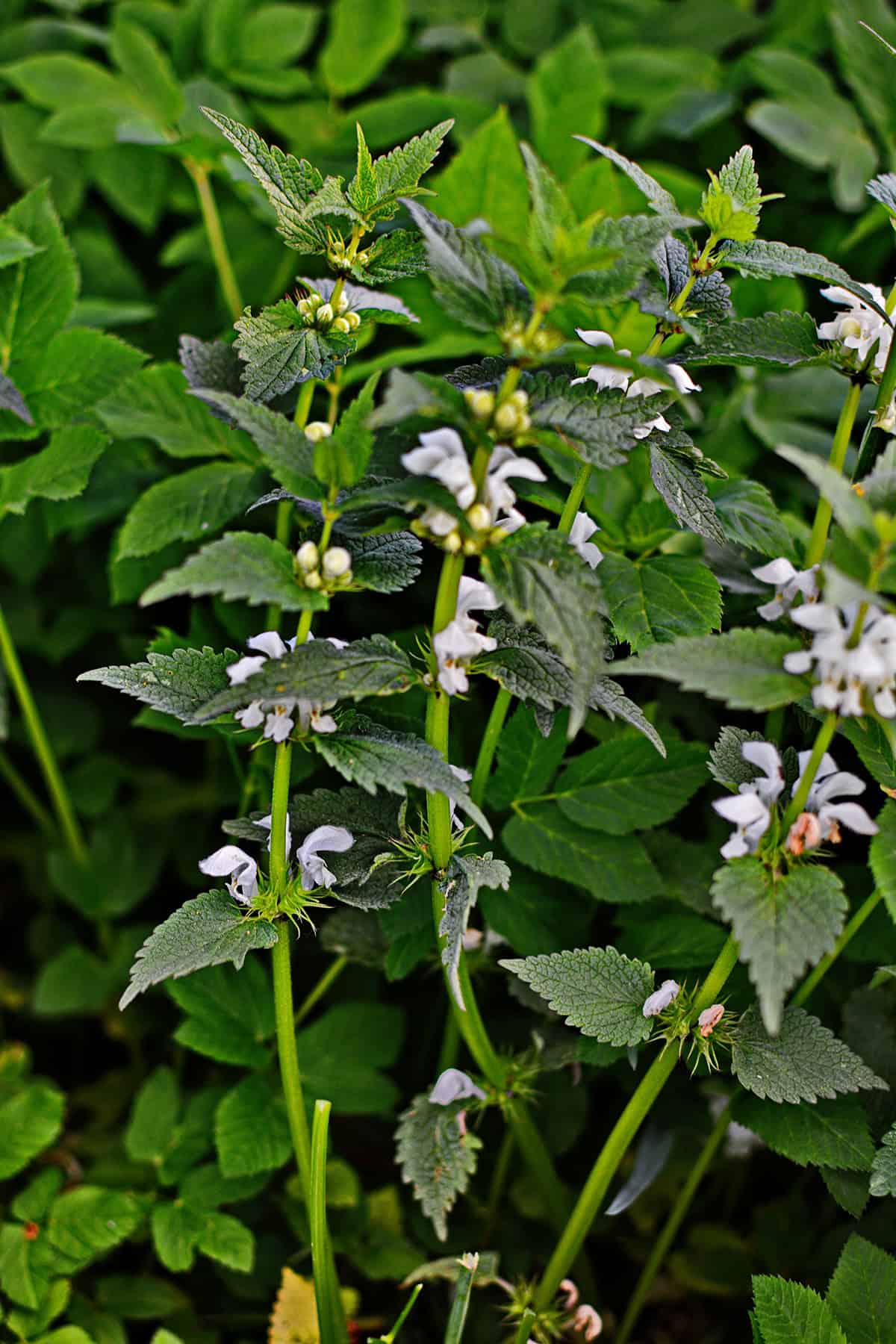
Dead nettle’s silver-splashed leaves lighten up those dim corners under the pines. It’s handy for softening the look around trunks and paths.
Flowers—pink, purple, or white—show up in late spring. The plant stays low, rooting wherever stems touch soil.
If it gets leggy in the heat, trim it back. Good drainage is key; too much water and it’ll rot. A thin mulch layer helps hold moisture without smothering the crown.
Pachysandra (Japanese Spurge)
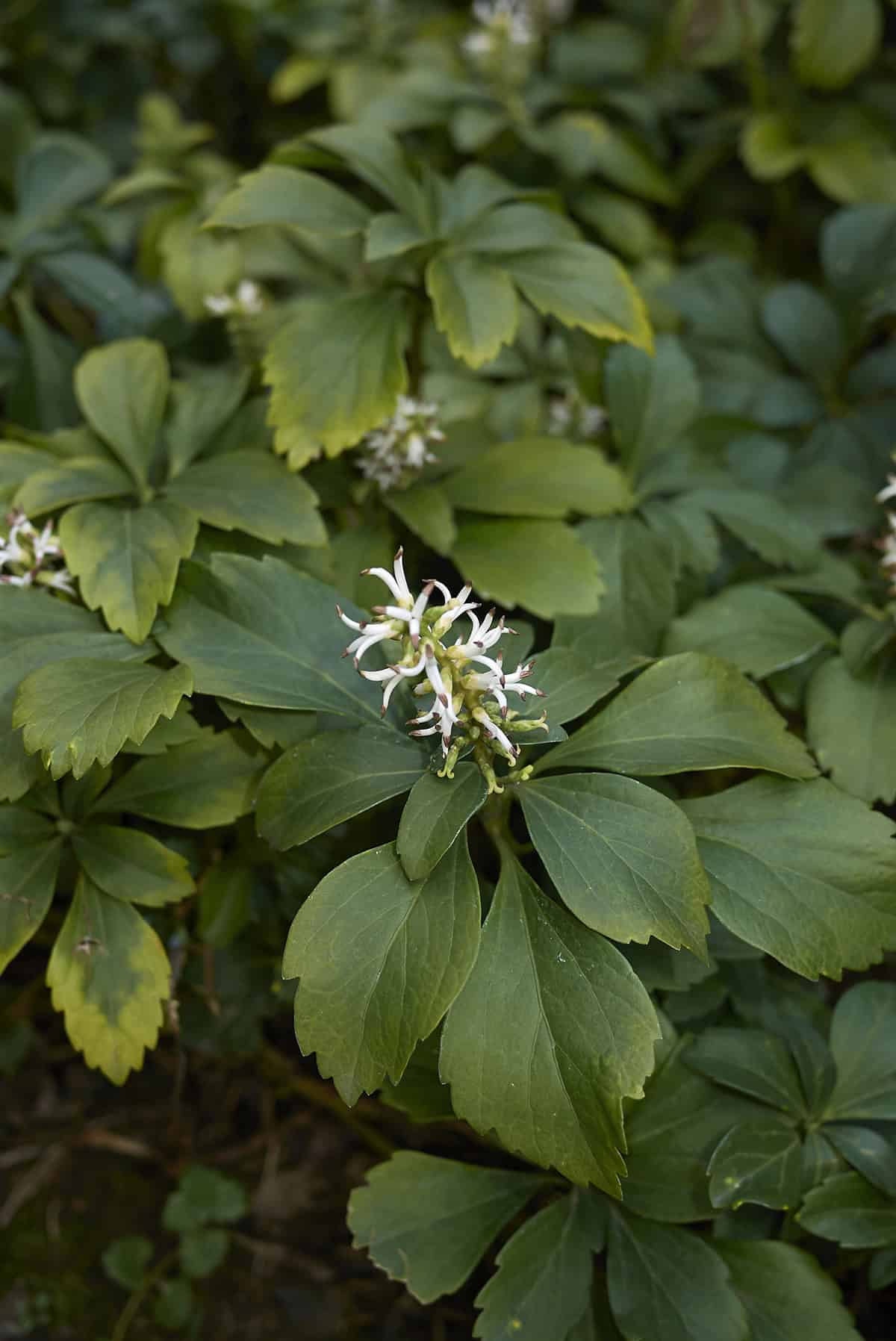
Dense, glossy leaves knit together into a thick mat, even in deep shade. Once established, it barely notices dry spells and stands up to root competition.
Spring brings small white flowers, but the foliage is what you’re really after. Slightly acidic to neutral soil keeps it happiest.
Plant in a staggered pattern for a full look. Water the first season, then let it fend for itself. Heavy foot traffic will wear it down, so pick your spots.
Epimedium (Barrenwort)
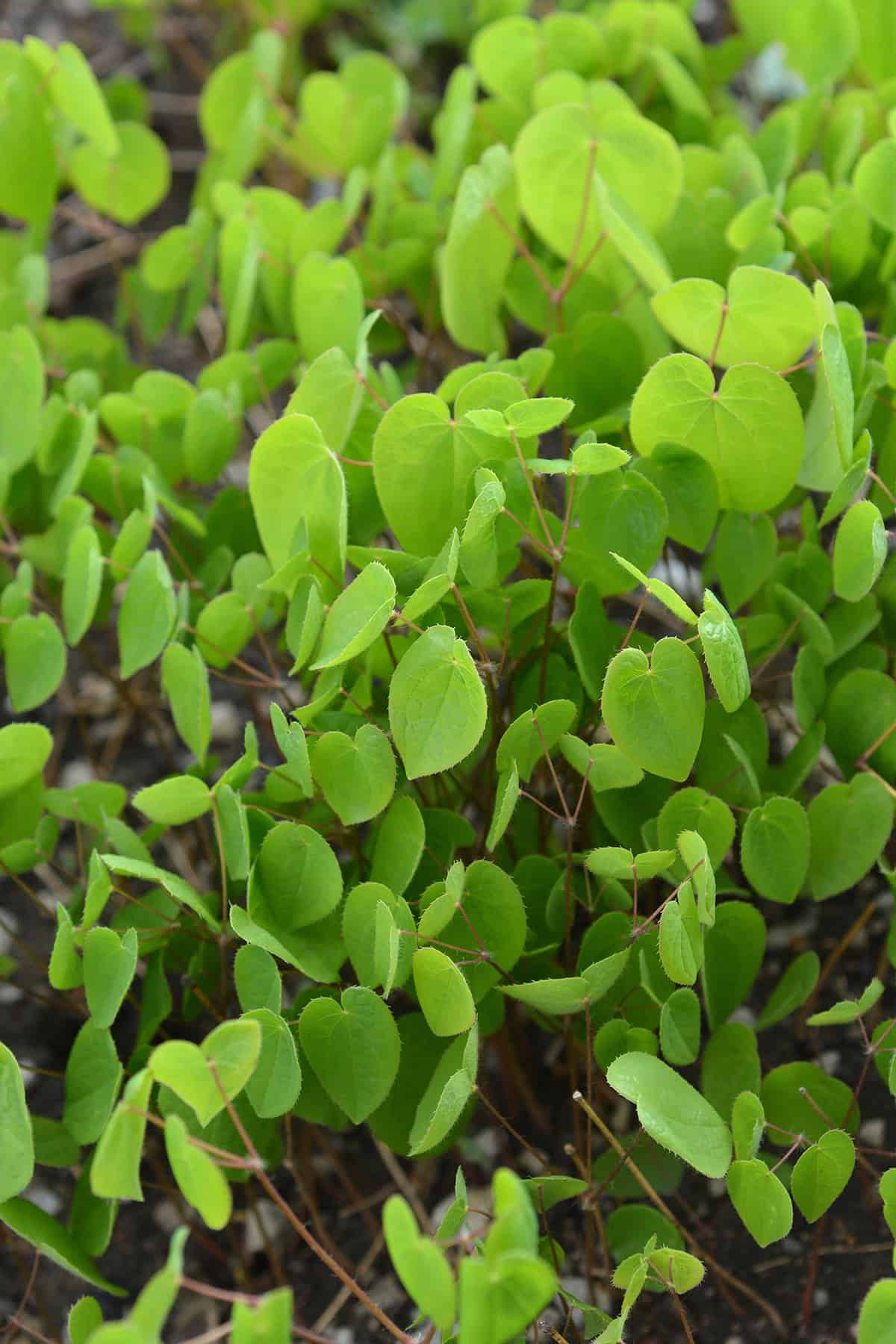
In early spring, leaves push up with hints of bronze or red, followed by delicate, dangling flowers. It’s got a subtle charm that works well in tough, dry shade.
Epimedium holds its own against pine roots and doesn’t fuss about poor soil.
Shear old leaves late winter so the new growth stands out. Every few years, split clumps to keep them vigorous. If the ground’s extra lean, a touch of compost won’t hurt.
Hellebores (Lenten Rose)
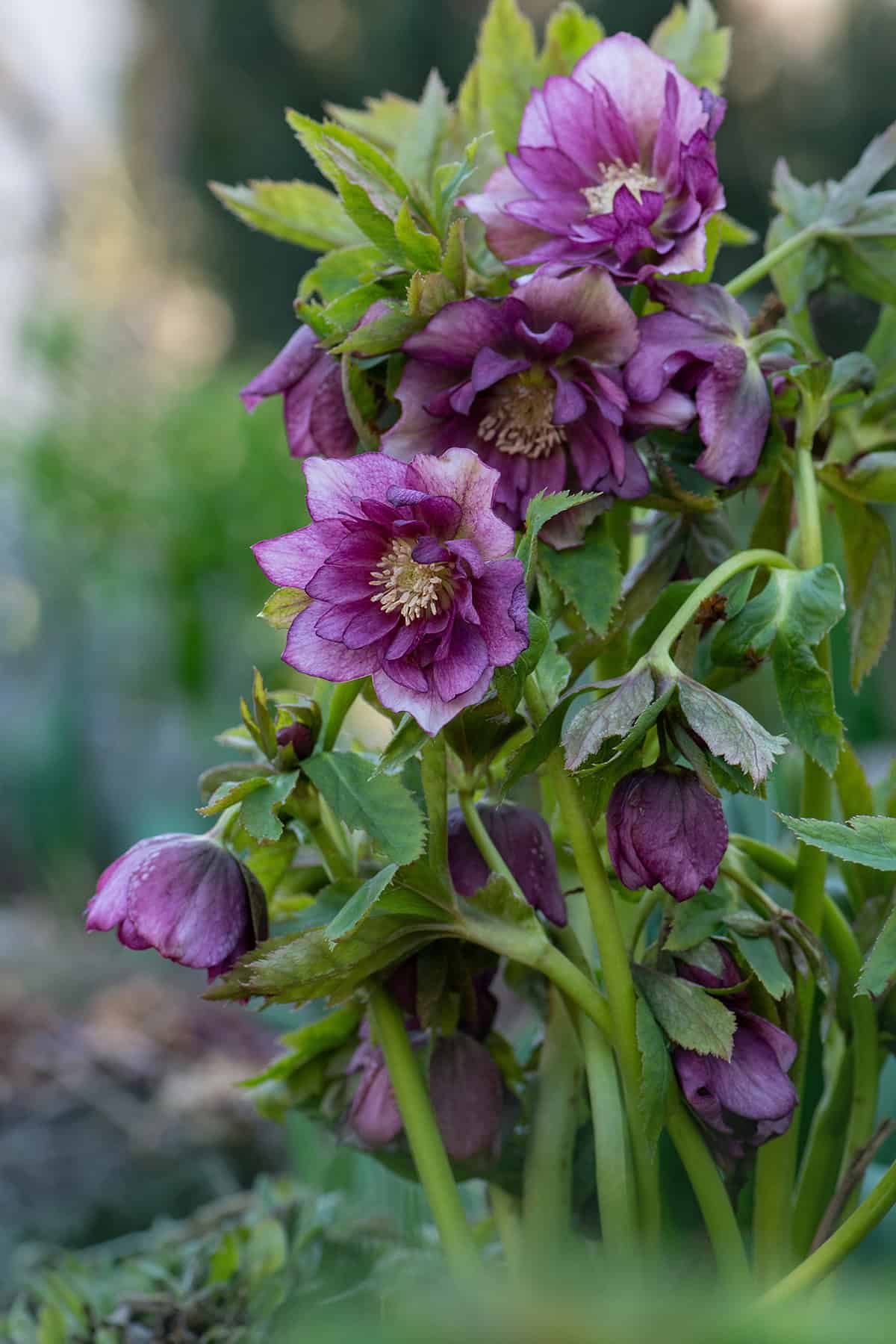
When winter drags on, hellebores are already blooming. Their flowers show up before most things even think about growing.
Thick, leathery leaves stick around year-round and deer usually ignore them. They’ll adjust to acidic soil and don’t mind the shade.
Set them at the right depth—too deep and they sulk. Cutting away old leaves in late winter helps keep things tidy. Once they settle in, they’re mostly hands-off.
Heuchera (Coral Bells)
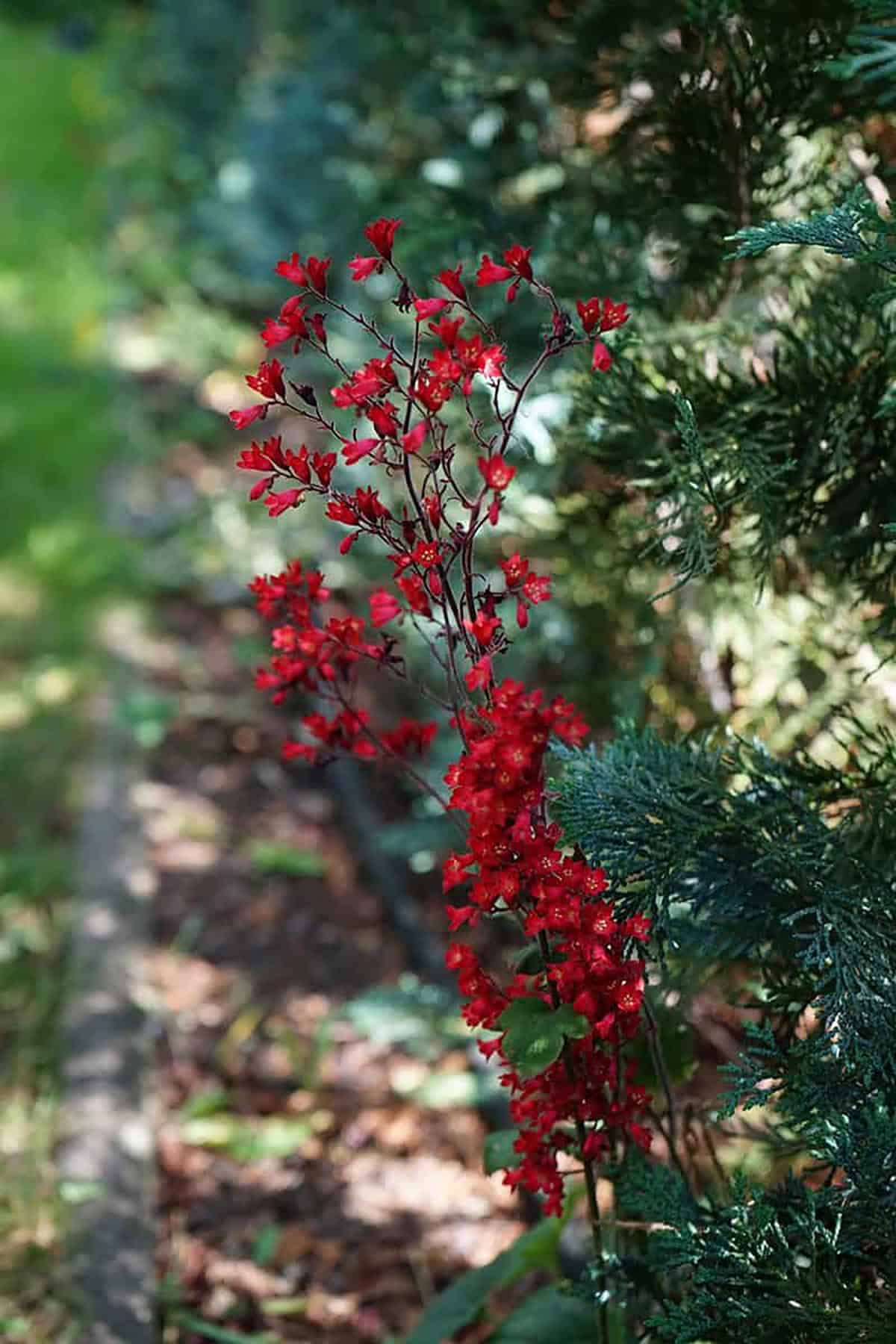
Foliage steals the show here, with shades from lime to deep burgundy. The leaves stand out against all those pine needles.
Slender flower stalks rise in late spring. Some types shrug off dry shade, but a bit of morning sun can help.
Keep the soil draining well and don’t bury the crown. Every few years, divide the clumps for best color. A light mulch keeps roots happy.
Hardy Geranium (Geranium Macrorrhizum)
Fragrant, textured leaves creep along the ground, making a slow but steady cover. Not many plants handle dry, rooty soil with such ease.
Late spring brings pink or magenta flowers, and in fall, the foliage can turn a fiery red.
After the blooms fade, a quick trim encourages fresh growth. It’s tough, shrugs off deer, and gradually spreads if given space.
Lily Of The Valley (Convallaria Majalis)
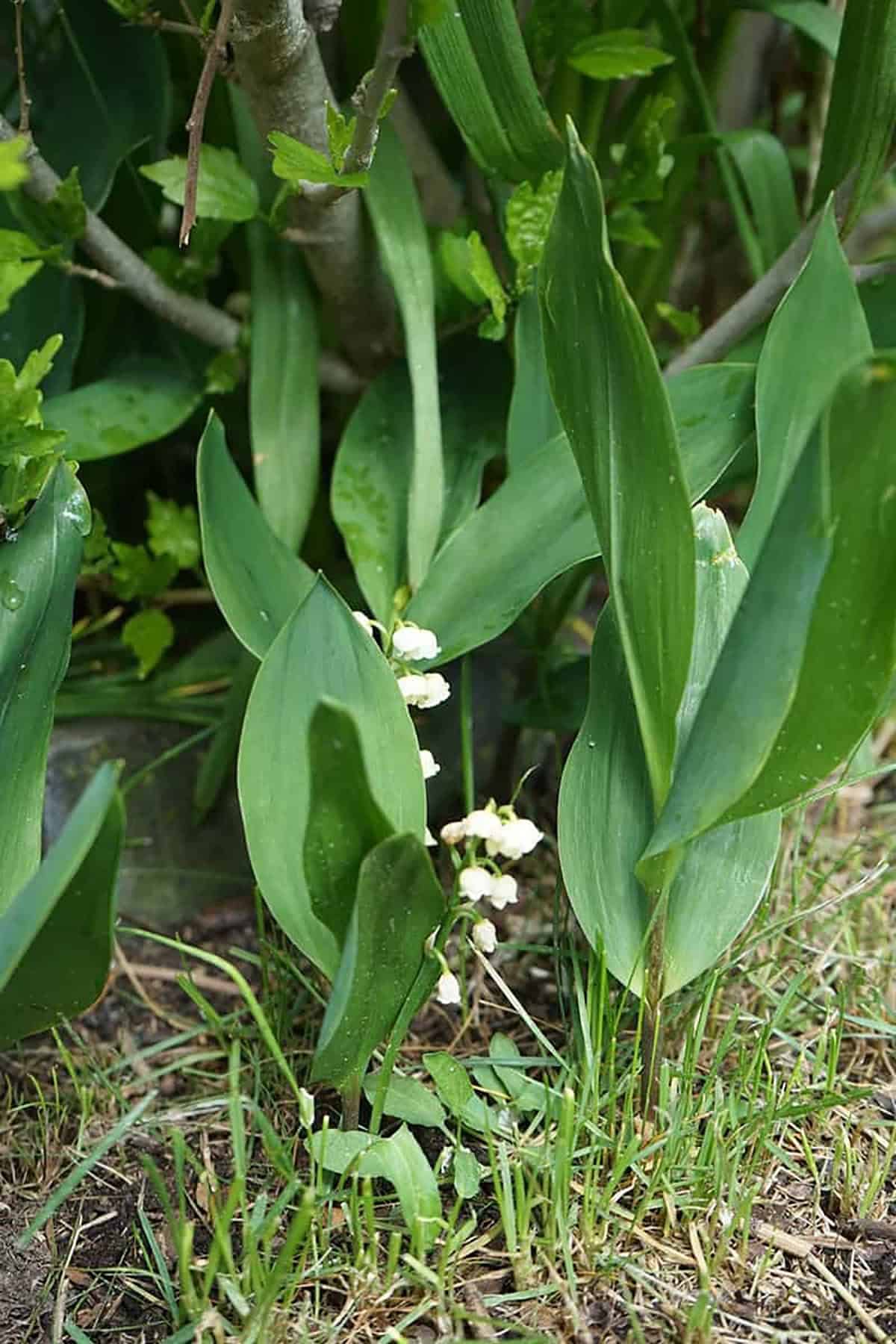
Those arching stems with white, bell-shaped flowers—hard to beat for spring fragrance in the shade.
Lily of the valley copes with dry or average shade and acidic soil, spreading underground to form dense patches.
It’s beautiful but can get out of hand, so split up clumps to rein it in. Toxic to pets and kids, so plant with care.
Sweet Woodruff (Galium Odoratum)
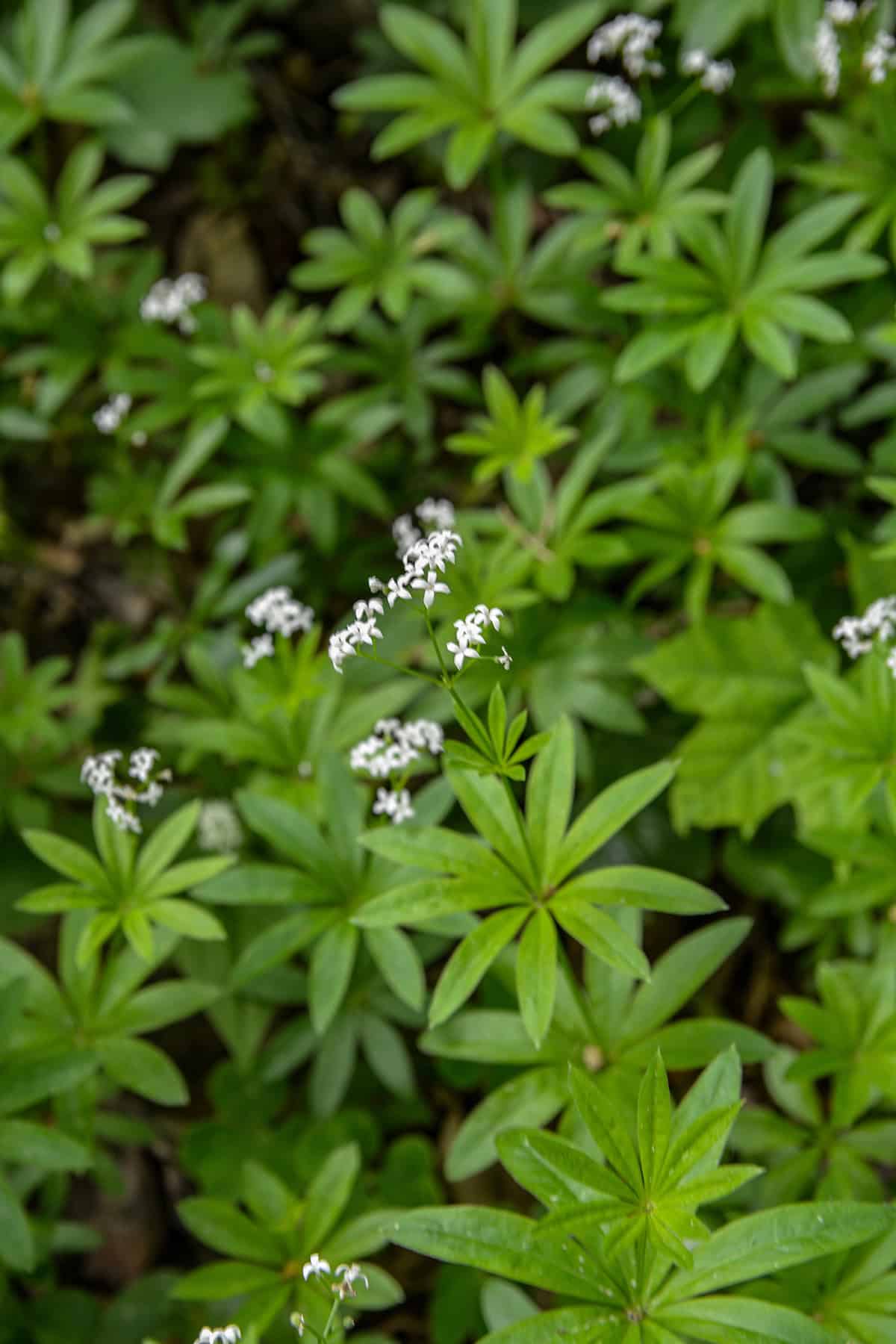
Soft, fine leaves make a gentle carpet in the shadows. Spring brings tiny white flowers just above the foliage.
Best used under widely spaced pines, where it fills gaps without smothering everything else. Needs decent drainage and a bit of moisture to get started.
If it gets scraggly in summer, a trim does wonders. It’s not aggressive, but hates bone-dry, compacted soil.
Ferns (Especially Christmas Fern Or Lady Fern)
That woodland vibe? Ferns nail it. Christmas fern keeps green through winter in many spots, while lady fern’s fronds arch gracefully.
Shade and acidic soil don’t faze them. After settling in, they manage with little water, though some moisture is welcome.
Set crowns level with the soil—no burying. Leaf compost perks up poor ground without digging deep. Old fronds can be cut back in early spring for a neat look.
Carex (Shade Sedges)
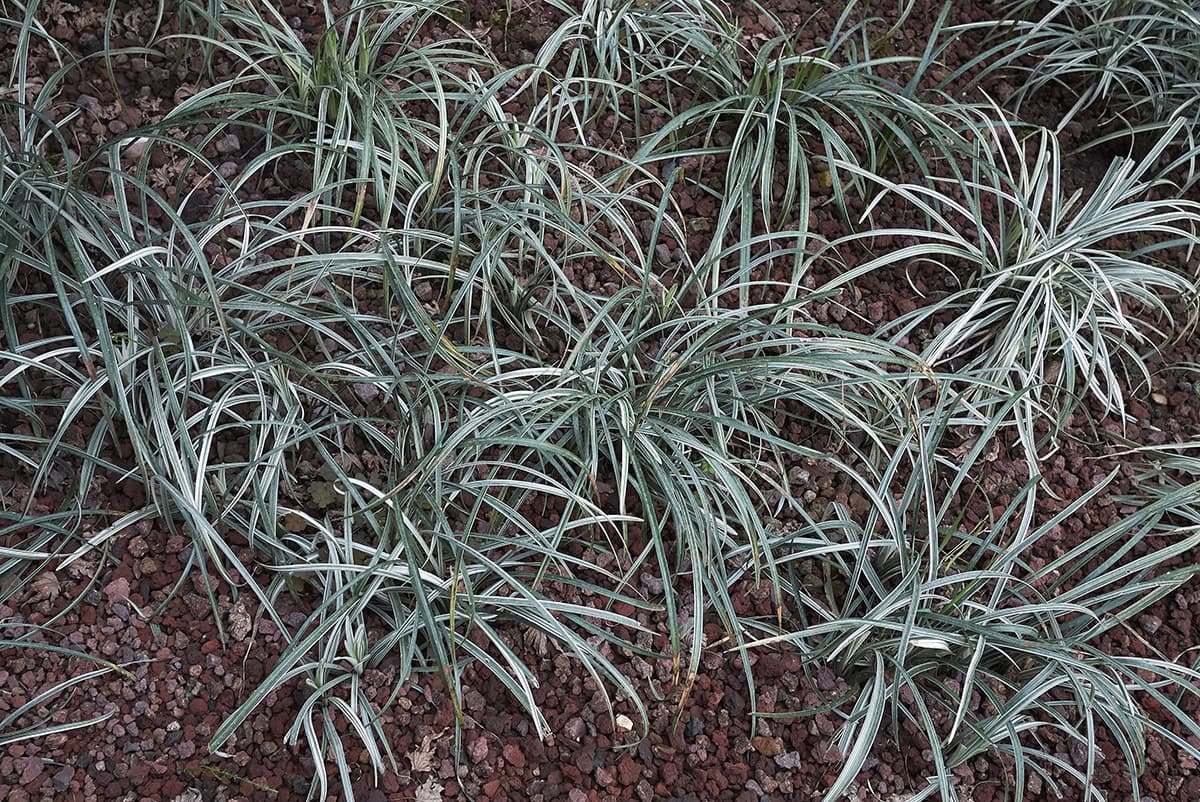
Looking for grassy texture without the sun requirement? Carex fits the bill. Plenty of species tolerate dry, acidic shade.
Clumps stay tidy, rarely need trimming, and suit spots where mowing isn’t an option. Some types spread, others keep to themselves.
Pick varieties that match your climate. Regular water the first season helps roots settle. If they look rough after winter, trim back the old leaves.
Solomon’s Seal (Polygonatum)
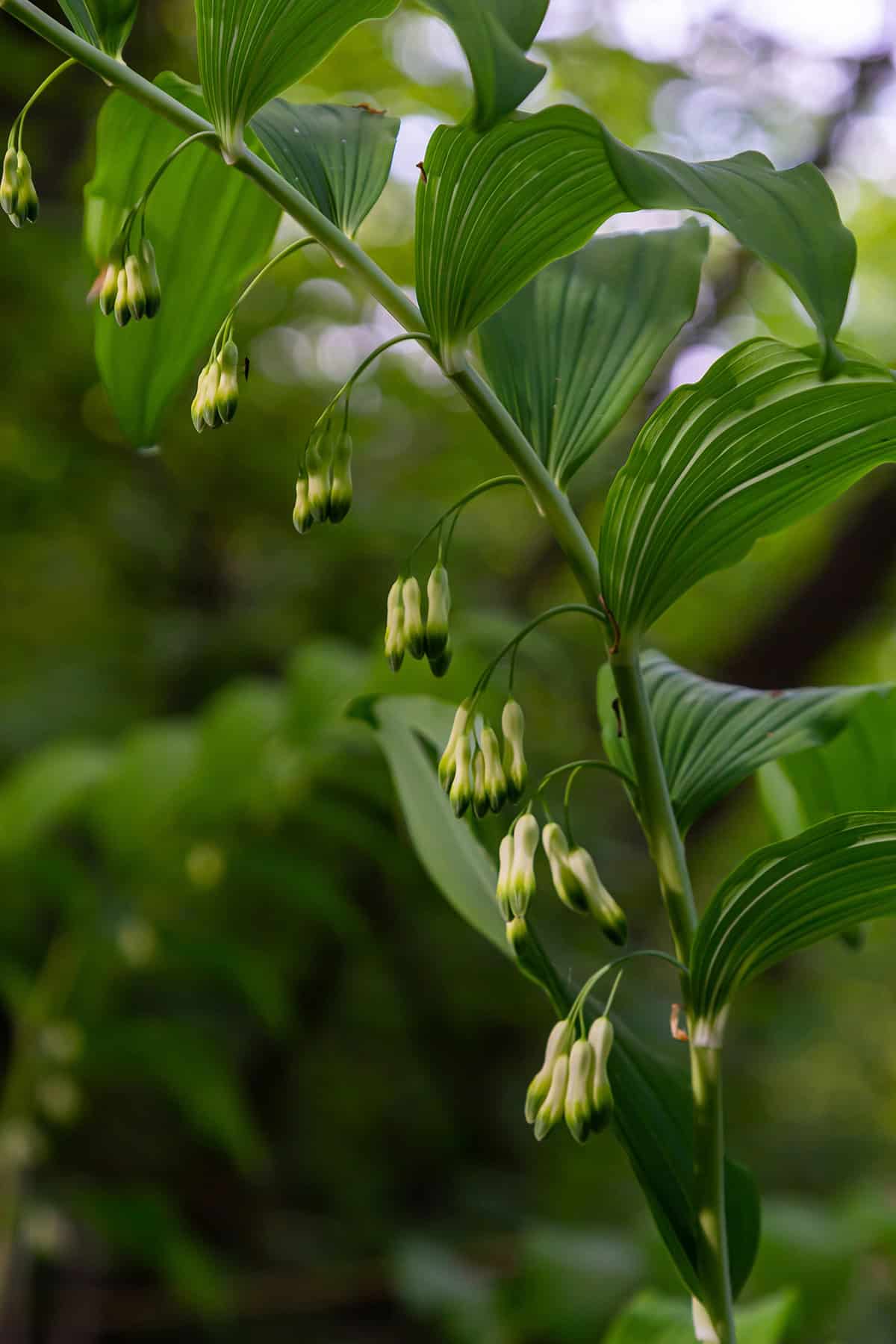
Graceful, arching stems hold pairs of leaves and little white flowers in spring. Adds vertical interest without hogging space.
It’s content in shade and manages with dry soil once mature. Spreads slowly by rhizomes, so you won’t find it taking over overnight.
Give it room to wander a bit. After frost, cut stems down. A light mulch keeps the soil from drying out too fast.
Tiarella (Foamflower)
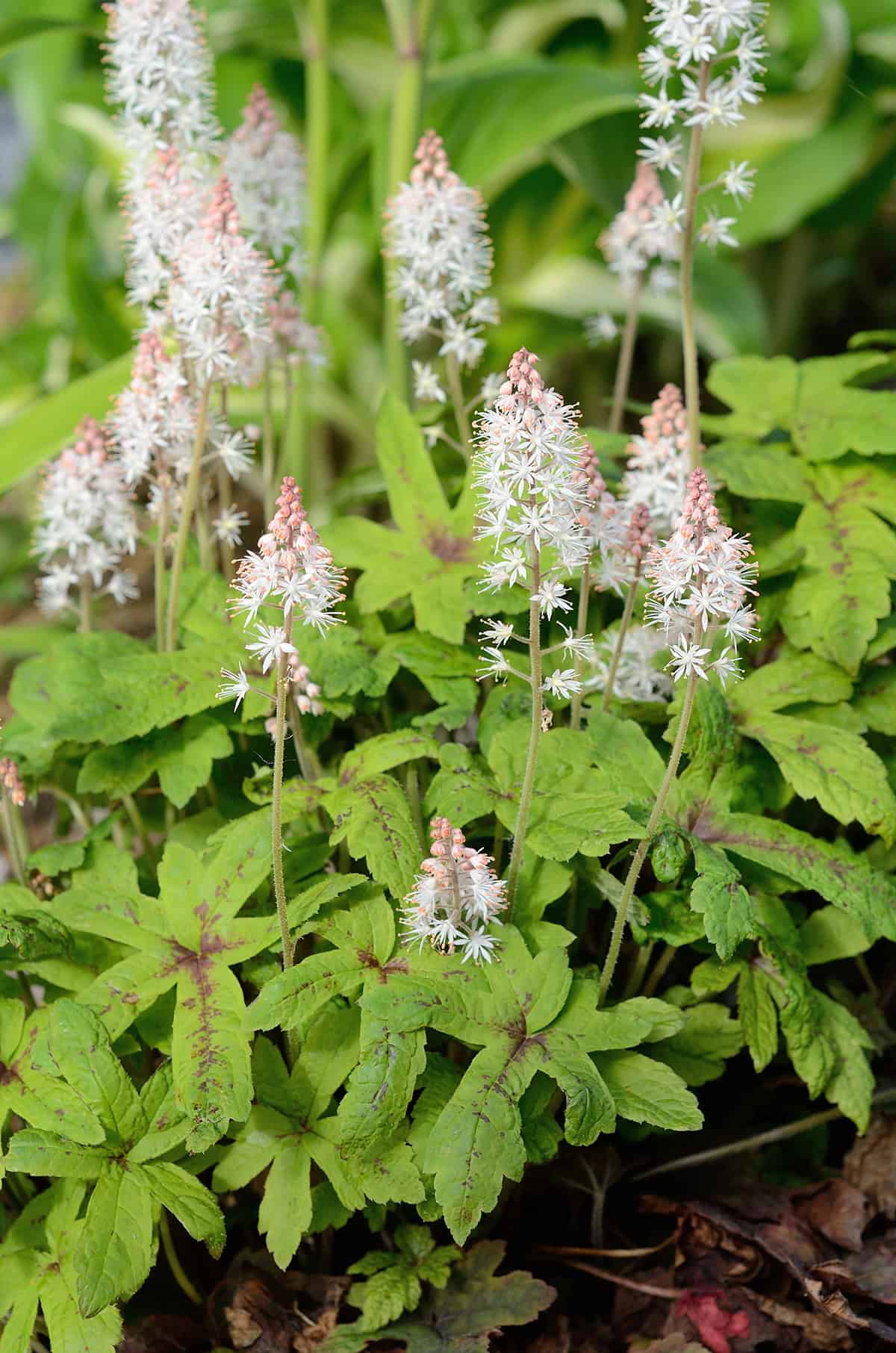
Lobed leaves, sometimes with bold dark markings, create a patchwork on the ground. Spring brings up airy flower spikes for a bit of sparkle in the shade.
Native to woodlands, it’s fine with acidic soil and some dryness. Clumps expand by short runners, but never aggressively.
Dividing every few years keeps things fresh. Crowns at soil level, please. Mulch helps keep moisture steady.
Creeping Thyme
At the sunny edges of your pines, creeping thyme works as a tough, fragrant groundcover. It’s not fussy about lean soil as long as there’s drainage.
Low-growing stems form a dense mat, and summer brings a flush of flowers for pollinators.
Skip deep shade—growth will thin out. Tuck it between exposed roots where light gets through. Keep watering minimal for best results.
Sedum (Stonecrop Varieties)
Some low sedums manage dry soil under open pine canopies, storing water in their fleshy leaves to get through drought.
Choose partial shade-tolerant types. Most want more sun, so stick to those that don’t mind filtered light.
Drainage is non-negotiable. Don’t overwater. Snip off old flower stalks to keep things tidy.
Rhododendron
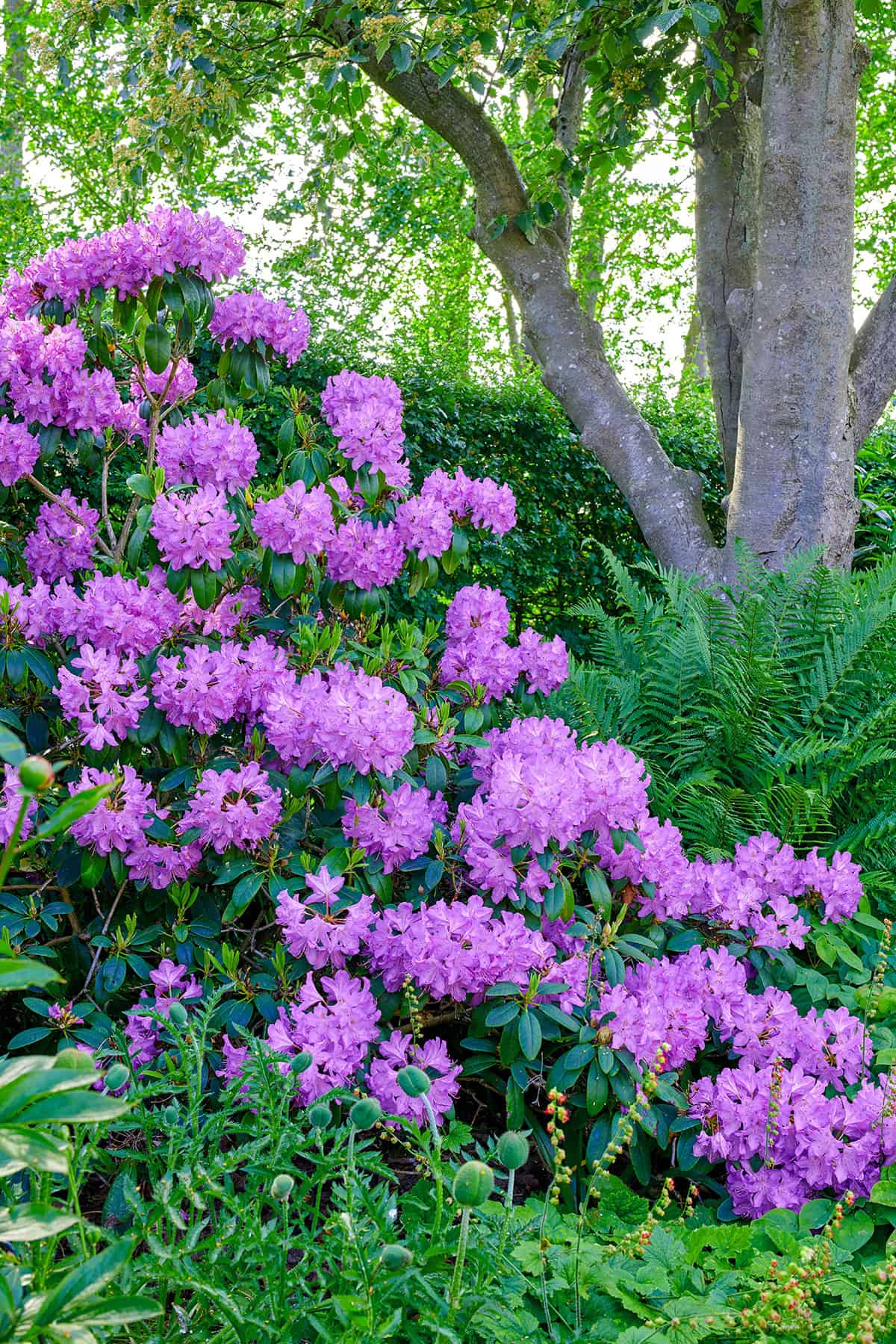
Acidic soil? Rhododendrons are right at home, offering bold spring blooms and evergreen structure under pines.
They’re happiest in partial shade, away from the harshest afternoon sun. Shallow roots mean they won’t fight the pines too much.
Set them high for good drainage, and during droughts, deep watering helps. Mulch keeps roots cool and moist.
Azalea
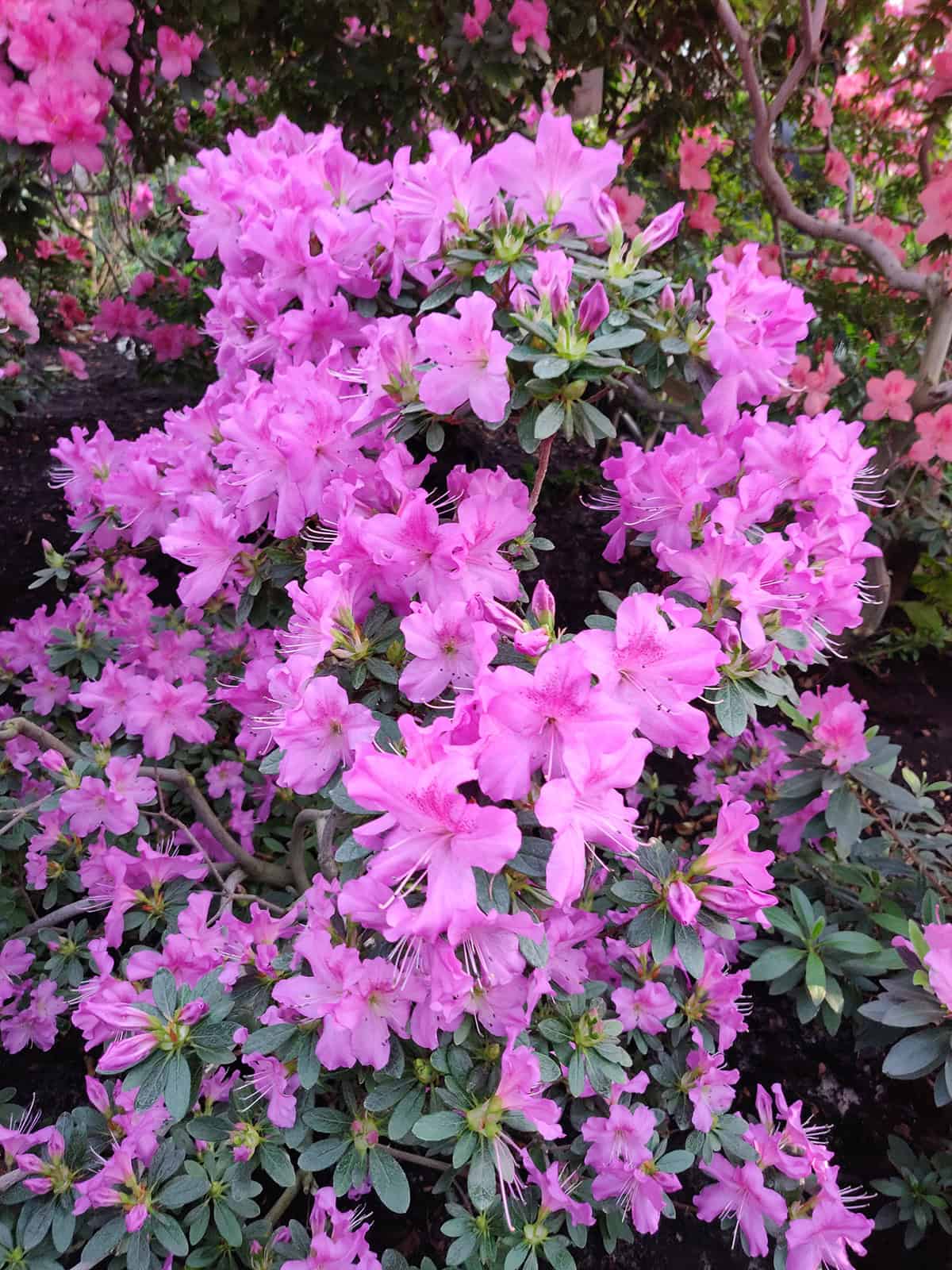
Spring brings a burst of color from azaleas in dappled shade. Acidic soils suit them, and both evergreen and deciduous types work well here.
Well-drained, organic-rich soil gives the best results. Don’t plant too deep—roots need to breathe. Prune right after flowering if shaping’s needed. Steady moisture keeps the blooms coming.
Pieris Japonica
Showy flower clusters in early spring and evergreen leaves—sometimes tinged red or bronze—make Pieris stand out under tall pines.
It’s picky about soil: acid and well-drained or it sulks. Shelter from wind and partial shade keep it at its best.
Give each plant some space for air movement. Water well, especially that first year. Mulch helps roots stay cool and happy.
Boxwood
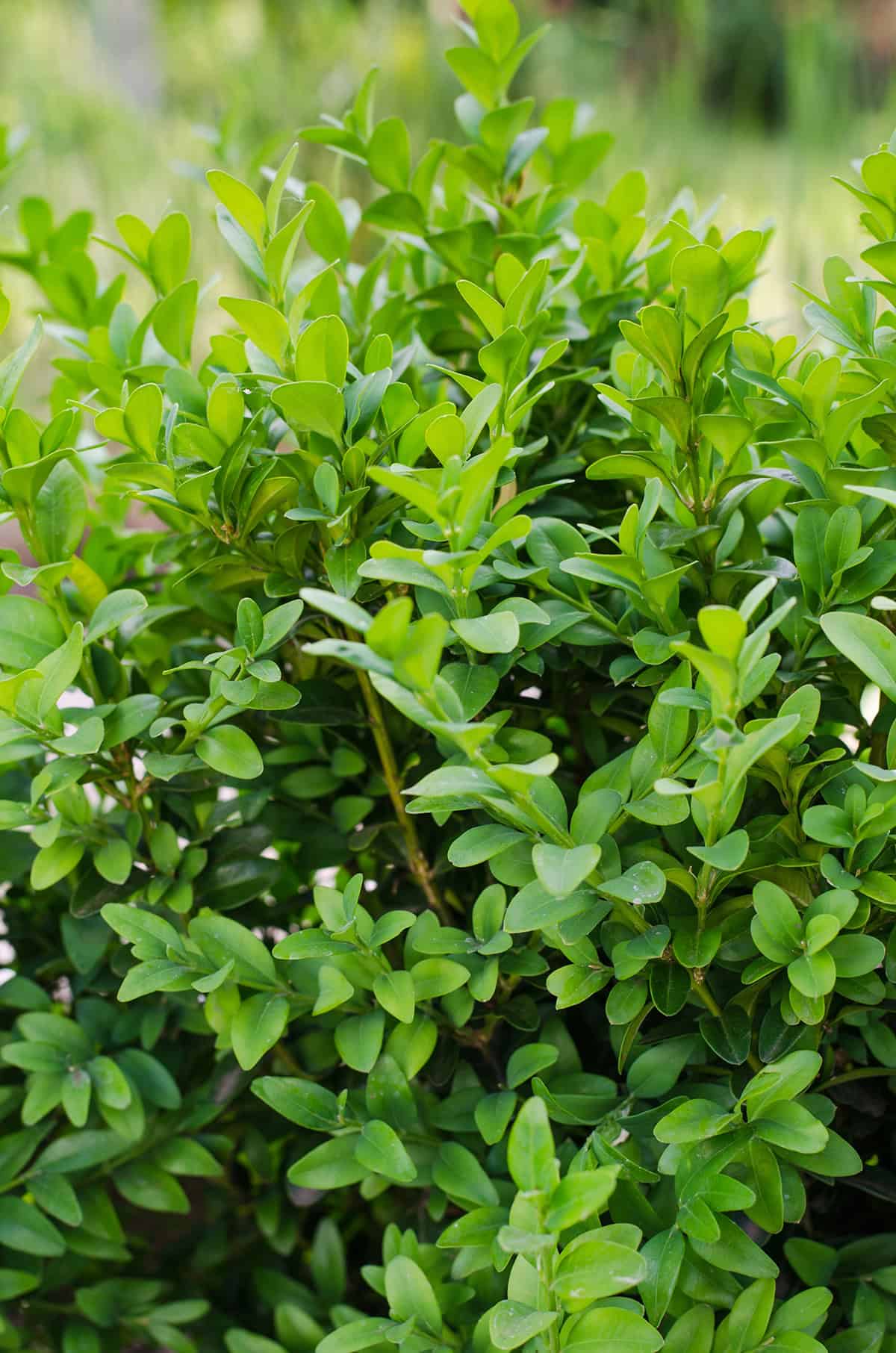
Thick, evergreen leaves carve out crisp lines and anchor shaded beds with a certain quiet formality. Once they settle in, plenty of cultivars shrug off partial shade and drier soil, so they’re not as fussy as their prim looks might suggest.
Low hedges, squat mounds, clipped balls—there’s a lot you can do with these, especially if you enjoy a bit of shaping. They’re happiest in soil that drains well, leaning toward acidic or neutral.
Skip soggy spots. Light trims now and then help them stay tidy. In colder climates, tossing on some winter protection can spare you the heartbreak of leaf scorch.