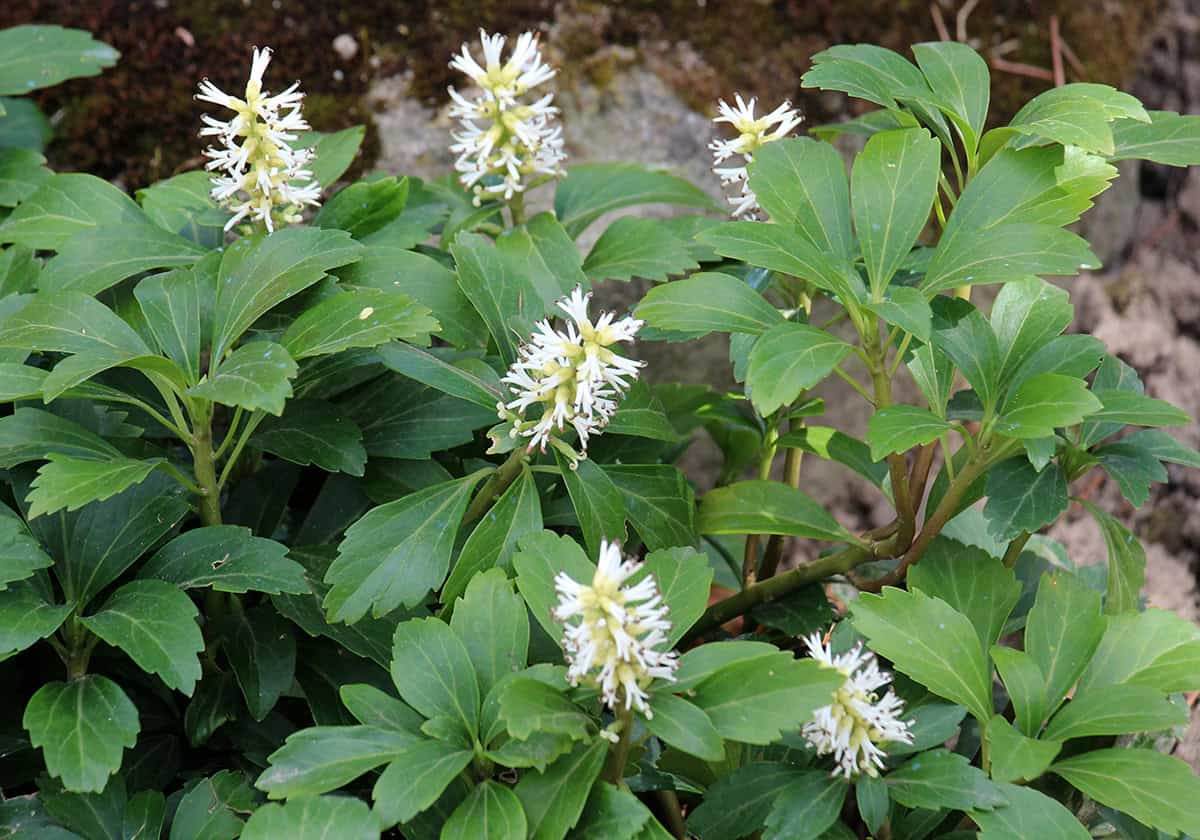
Clay soil can test the patience of even experienced gardeners. Dense texture, slow drainage, and compacted ground create challenges for many plants. This list of 20 hardy ground cover plants has the strength to handle clay soil while adding color, texture, and coverage to the landscape.
Table of Contents
- Hardy Ground Cover Plants That Tolerate Clay Soil
- Ajuga (Ajuga reptans)
- Vinca Minor (Periwinkle)
- Pachysandra (Pachysandra terminalis)
- Creeping Jenny (Lysimachia nummularia)
- Lamium (Lamium maculatum)
- Sweet Woodruff (Galium odoratum)
- Liriope (Liriope muscari)
- Mondo Grass (Ophiopogon japonicus)
- Hardy Geranium (Geranium macrorrhizum)
- Creeping Mazus (Mazus reptans)
- Lily Of The Valley (Convallaria majalis)
- Bugleweed (Ajuga)
- Epimedium (Barrenwort)
- Tiarella (Foamflower)
- Carex (Ornamental Sedges)
- Bishop’s Weed (Aegopodium podagraria)
- Dead Nettle (Lamium)
- Golden Ragwort (Packera aurea)
- Partridgeberry (Mitchella repens)
- Creeping Buttercup (Ranunculus repens)
Hardy Ground Cover Plants That Tolerate Clay Soil
Clay tends to stay soggy, packs down fast, and can feel chilly in spring. The following choices shrug off those challenges, spreading out to cover bare spots, block weeds, and stick around in sun or shade.
Ajuga (Ajuga reptans)
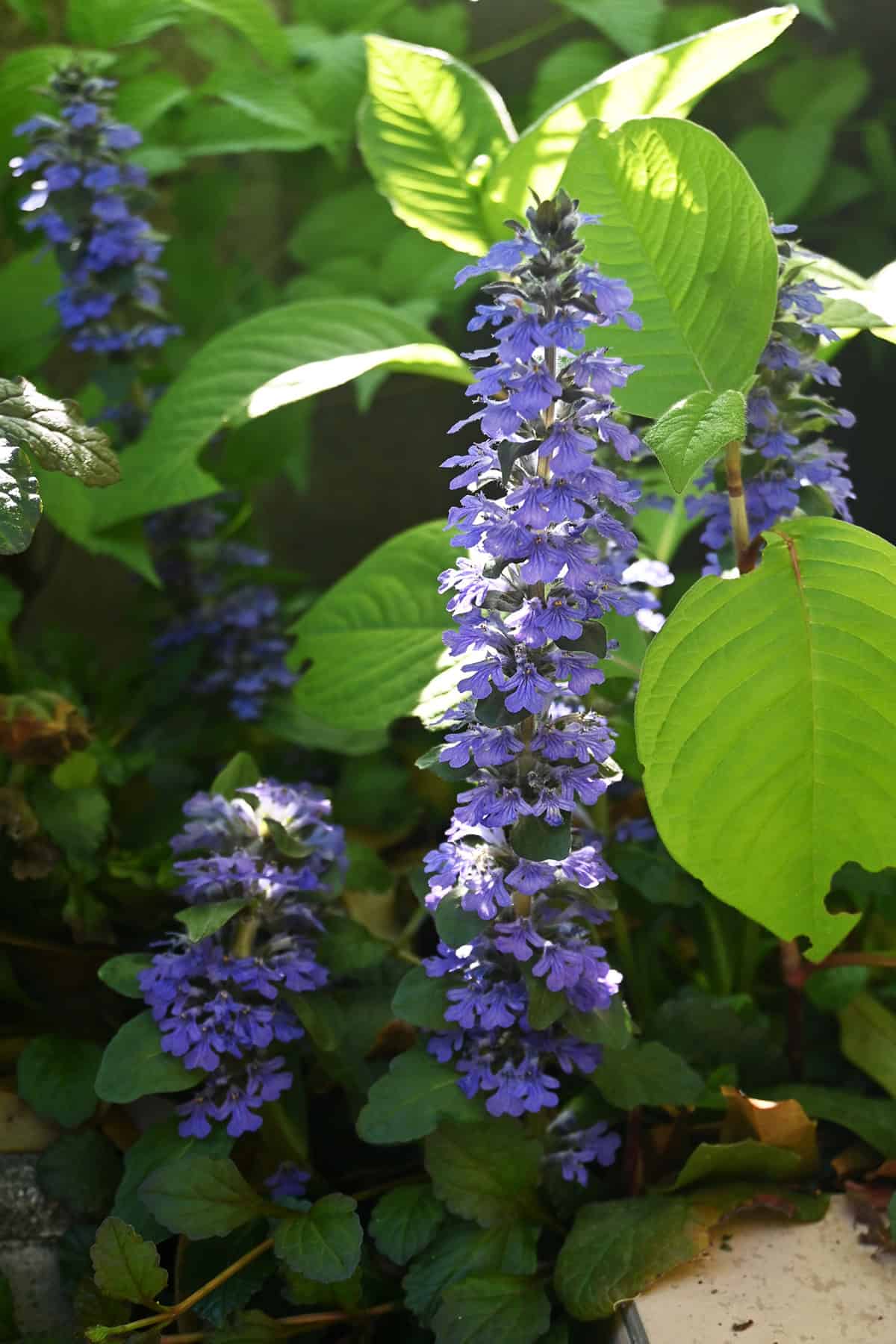
In spots where the soil feels heavy and water lingers, this mat-former fills in with surprising speed. Short runners dart out, weaving a patchwork even when clay feels like concrete.
Foliage shimmers from green to deep purple, and those blue flower spikes in spring? Pollinators seem to love them.
Sun or partial shade both work, as long as things don’t stay swampy for weeks on end. Snip back spent flower stalks if you want to keep things looking tidy and stop it from taking over more than you bargained for.
Vinca Minor (Periwinkle)
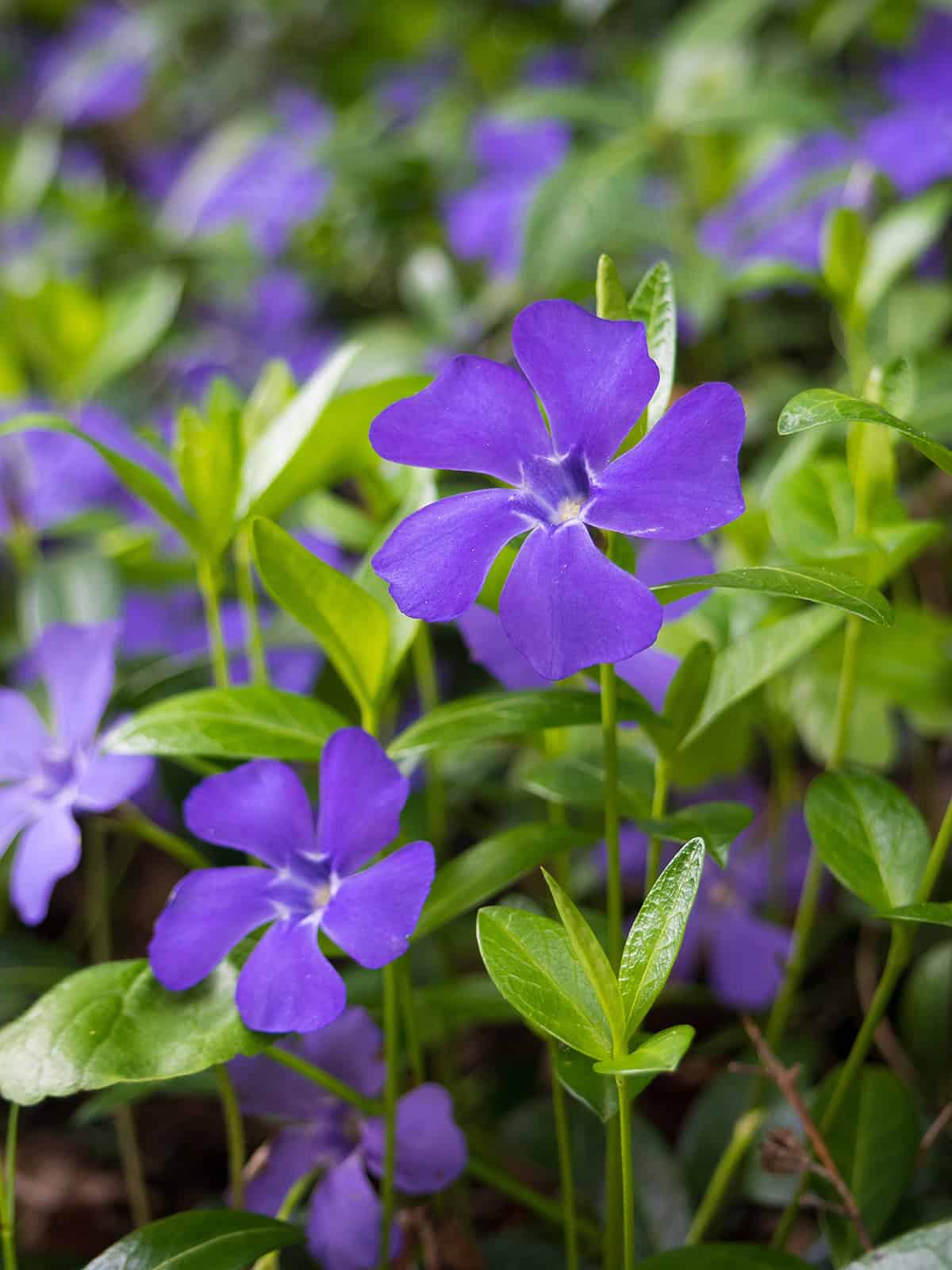
Once it settles in, periwinkle forms a thick, evergreen blanket—great for slopes that tend to wash out.
Partial to full shade is its sweet spot. Expect blue or violet blooms in spring, and a little encore in summer if you’re lucky.
Roots manage in clay if you loosen up that top layer. Give it space; those creeping stems root wherever they touch. It shrugs off deer and handles dry shade once established.
Pachysandra (Pachysandra terminalis)
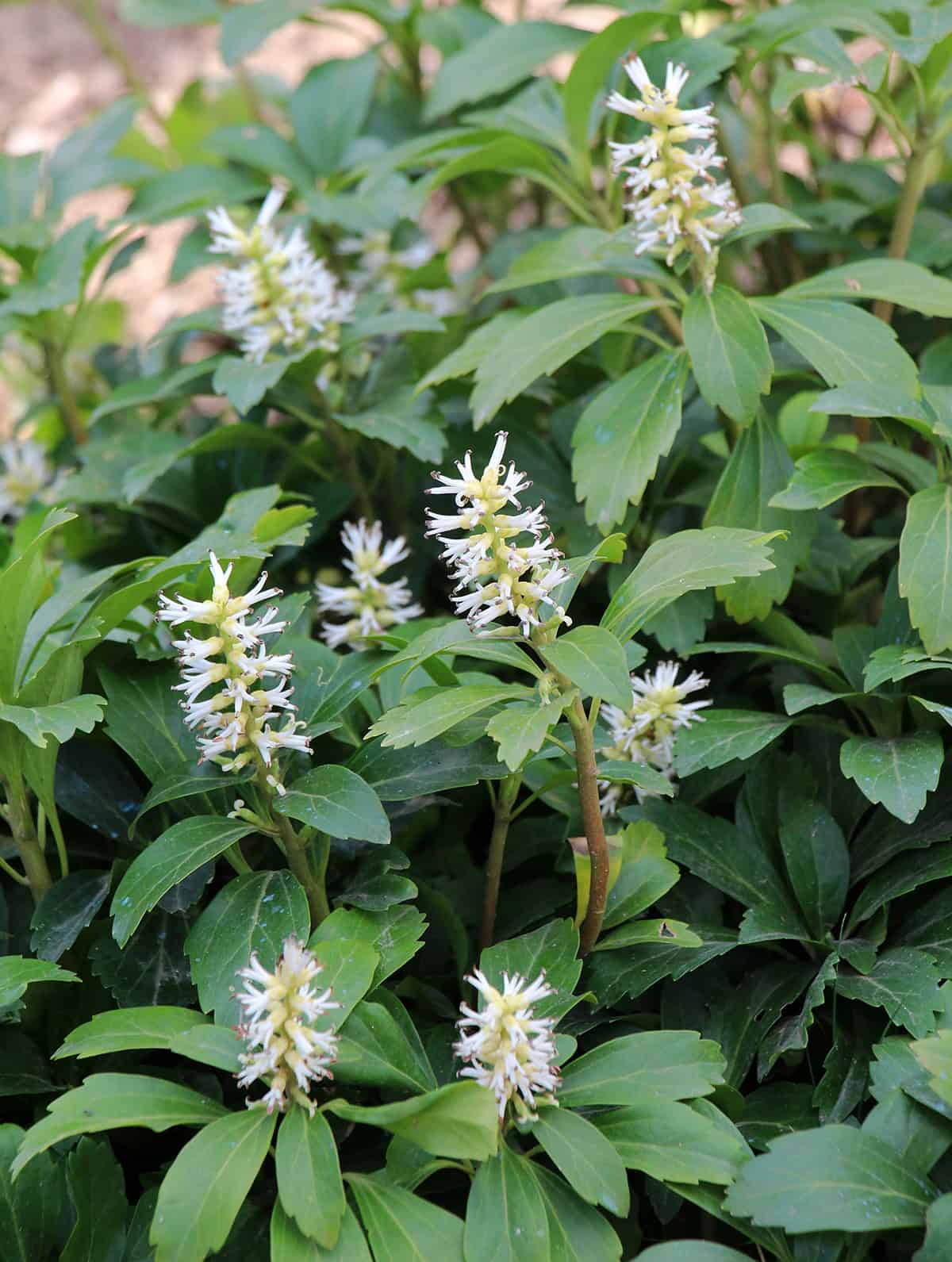
Deep shade, stubborn clay, and under-tree areas where grass gives up—this is where pachysandra steps in.
Thick, glossy leaves stick around through winter in many climates. Spring brings small white flowers, but honestly, the leaves steal the show.
Likes its clay moist and boosted with compost. Plant close for a solid carpet. Hot, full sun? Not its thing—leaves will burn and thin out.
Creeping Jenny (Lysimachia nummularia)
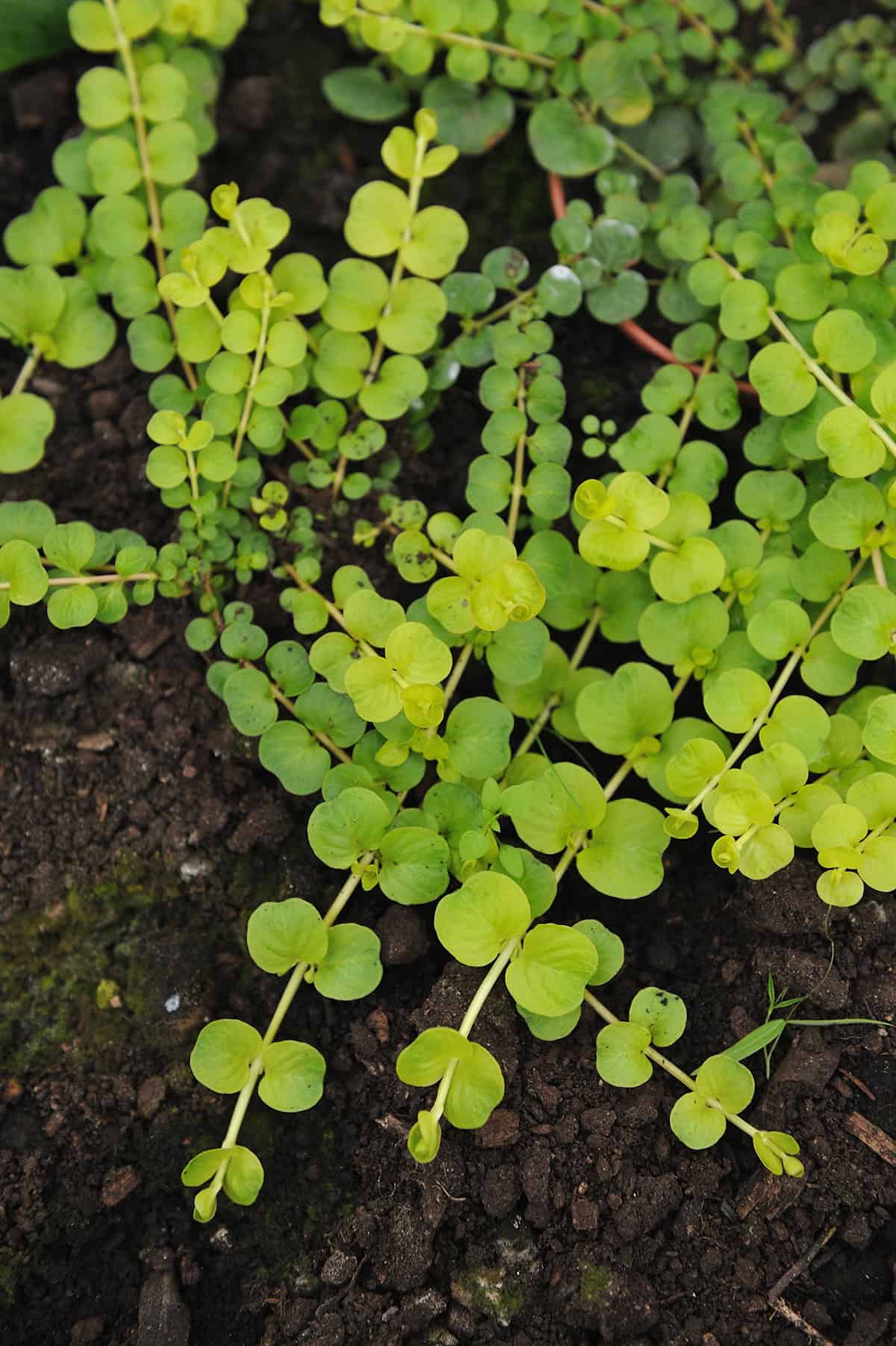
Bright green or golden coins trail along damp clay, catching the eye. It doesn’t mind wet spells at all.
Sun or partial shade both work, and cheerful yellow flowers pop up early in summer.
This one’s a sprinter—roots wherever stems touch the ground. Edging helps keep it in check, and trimming back wandering shoots keeps it from swallowing neighbors.
Lamium (Lamium maculatum)
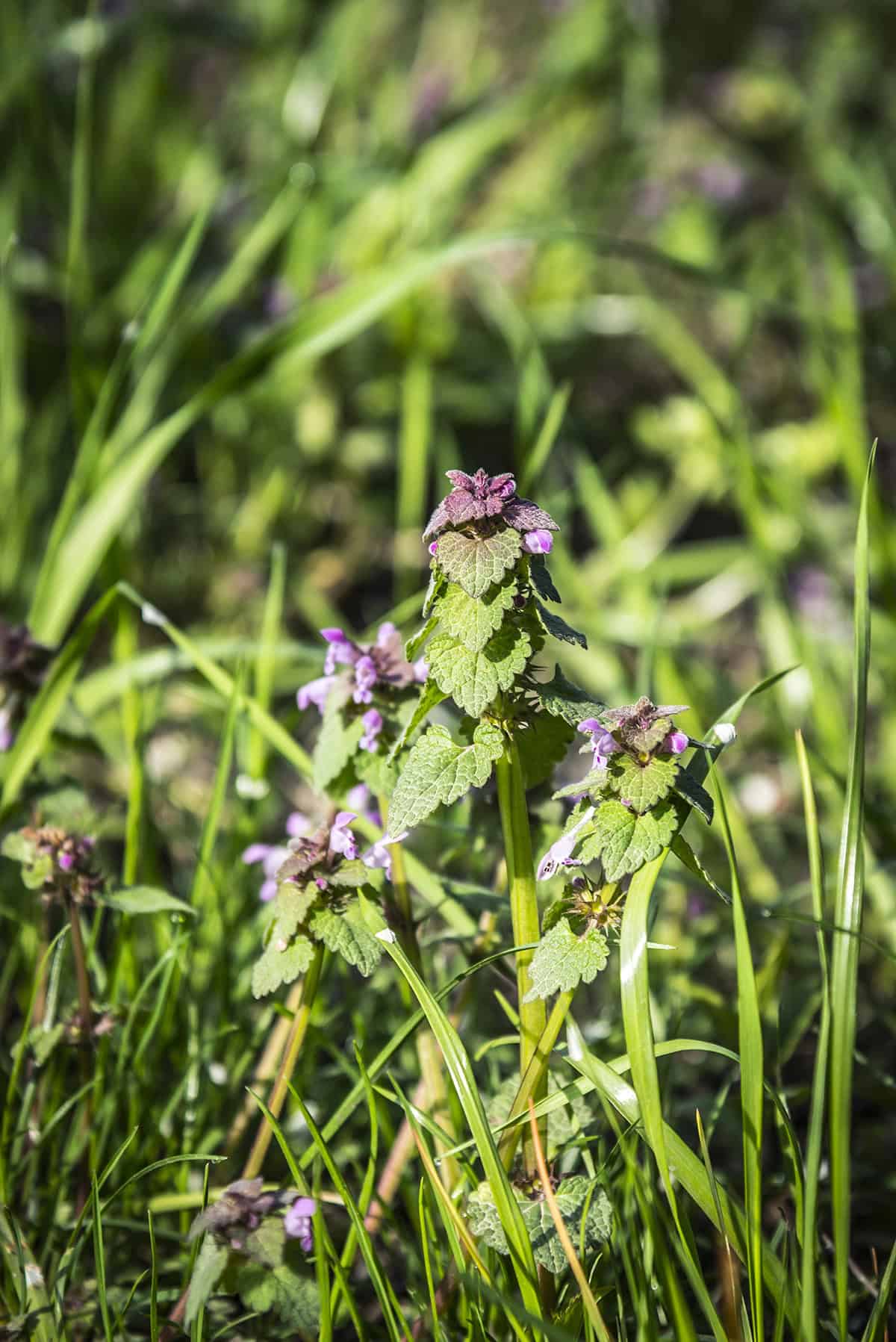
Silver-splashed leaves lift the mood in shaded clay beds, and the plant’s shallow roots don’t mind dense soil.
Spring brings pink, purple, or white flowers, sometimes with a repeat performance. Shade is where it shines.
Consistent moisture gets the best out of it. Snip back after blooms to perk up the leaves, and keep air moving to dodge leaf spots.
Sweet Woodruff (Galium odoratum)
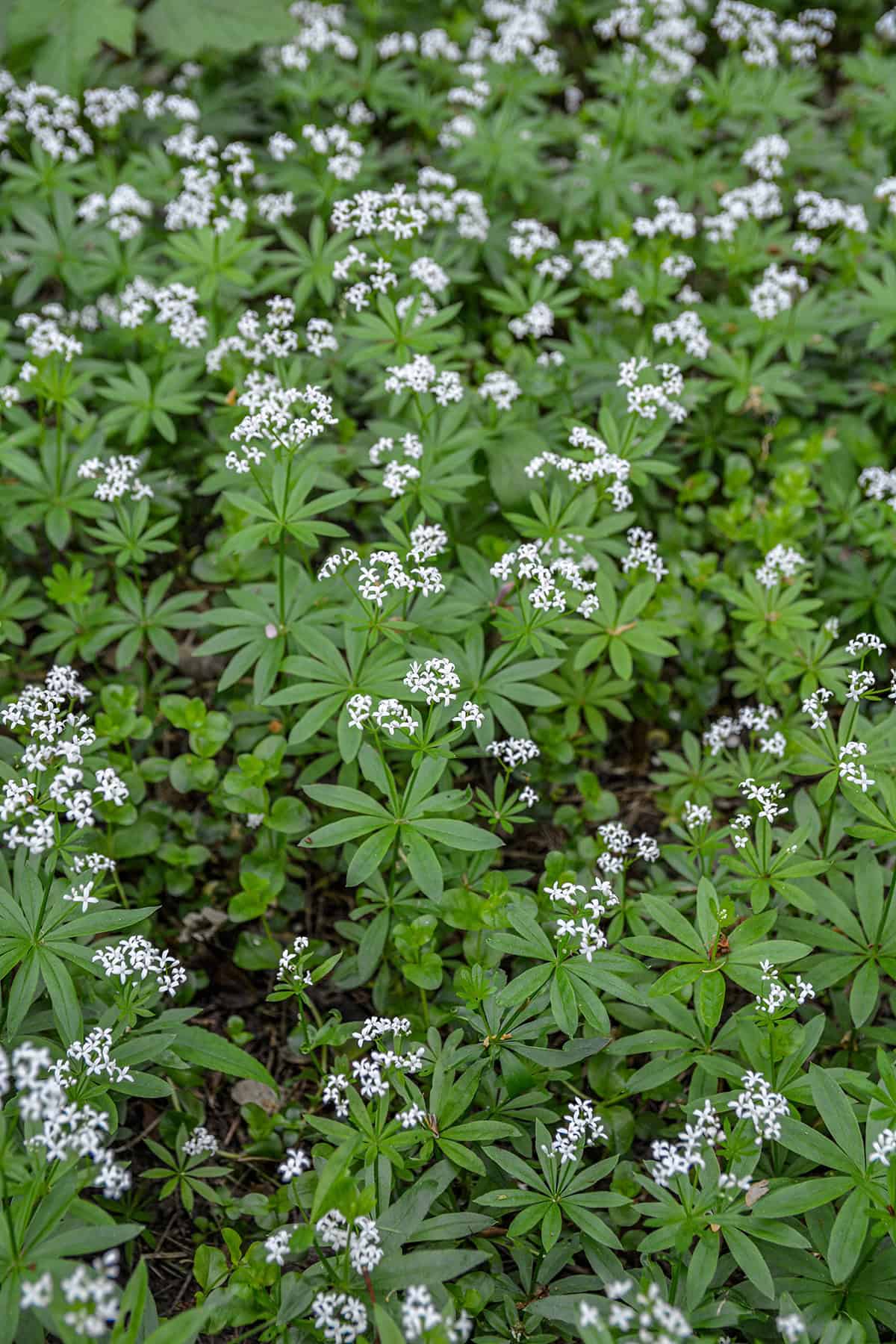
Cool, shaded clay under trees is prime real estate for this soft, whorled ground cover.
Late spring brings tiny white blooms, and the foliage gives off a gentle scent when crushed.
Prefers moist clay with a compost boost. Once it’s settled, it can handle brief dry spells. It’ll slowly spread by shallow roots—no rush, but steady.
Liriope (Liriope muscari)
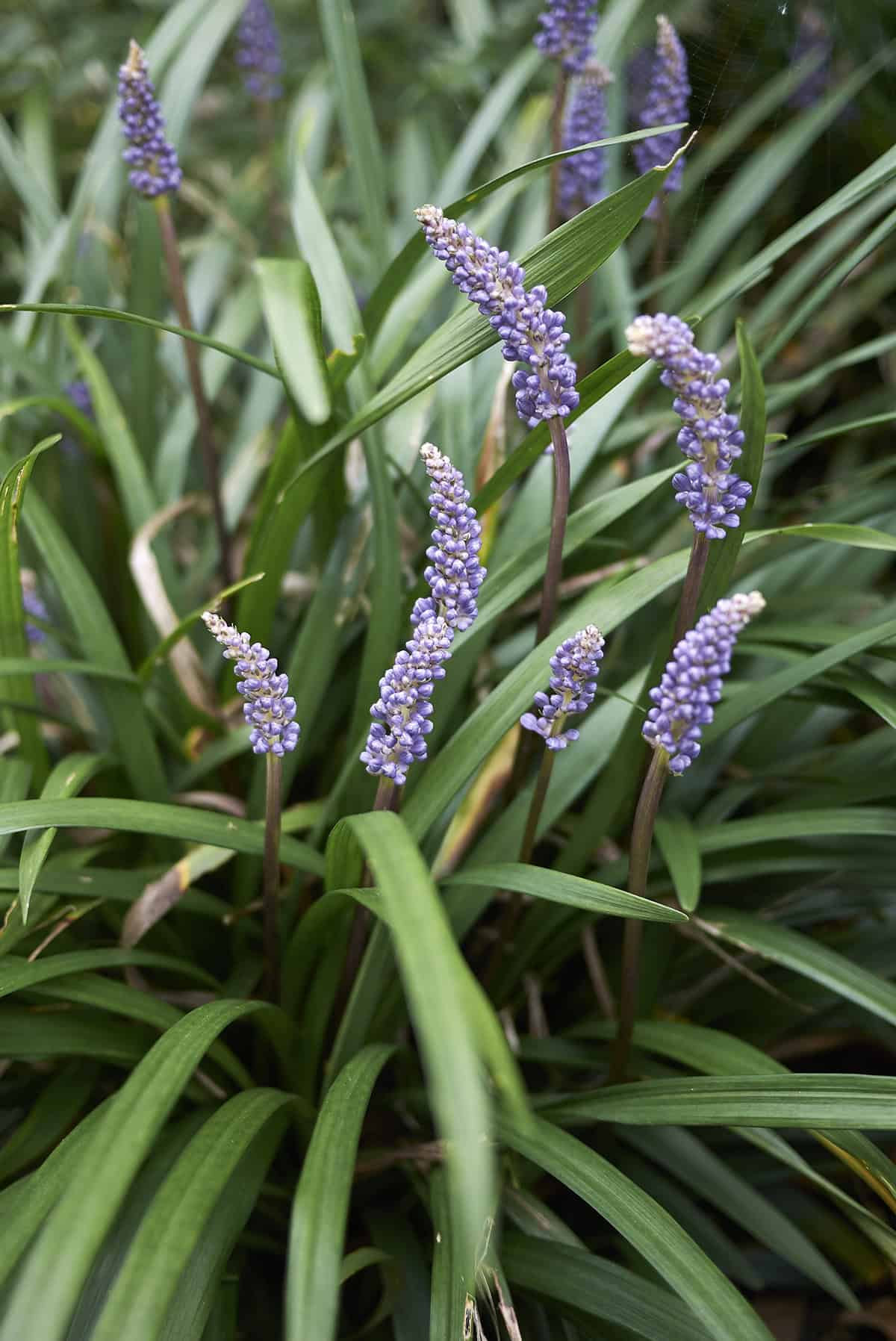
Strappy leaves add some order to unruly clay beds, and it’s far less fussy than most grasses.
Late summer brings up purple or lavender flower spikes, with dark berries showing up in fall.
Sun or shade, it adapts, as long as water doesn’t pool for too long. Cut back last year’s leaves in early spring for a fresh start.
Mondo Grass (Ophiopogon japonicus)
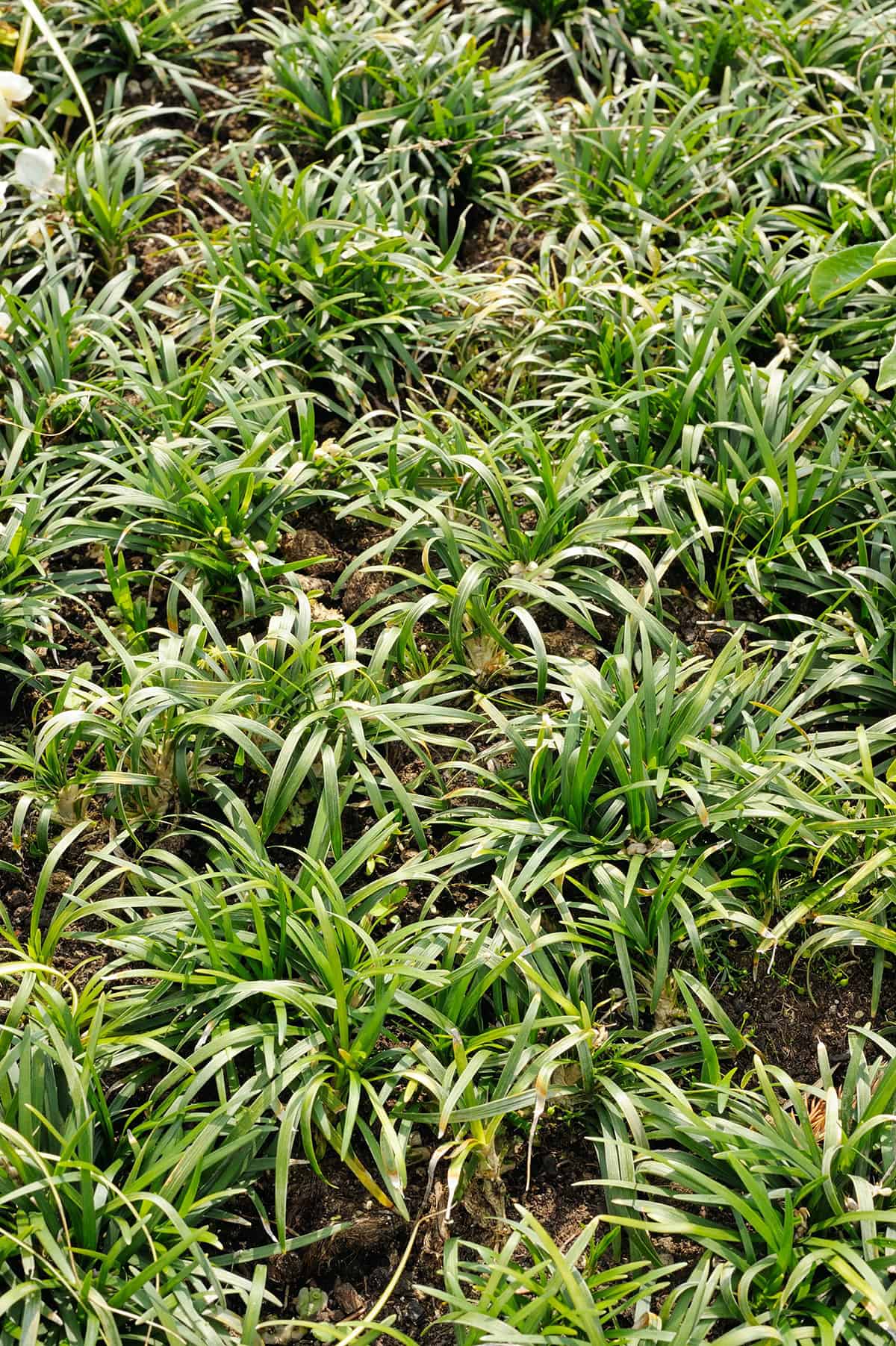
Edges, borders, or spots where you want a tidy, grassy look—mondo grass fits right in. Slow-draining clay isn’t a deal-breaker, unless it’s waterlogged.
Narrow leaves clump together, and in summer, small pale flowers show up, followed by dark berries.
Partial to full shade is best. Plant close for a quick fill, and divide every few years if clumps start to crowd each other in tight soil.
Hardy Geranium (Geranium macrorrhizum)
Heavy clay and dry shade don’t faze this perennial. It spreads with rhizomes, building a thick, weed-thwarting mat.
Leaves get fragrant and turn red or bronze in fall, while late spring brings pink or magenta blooms.
Great under shrubs or along borders, and deer usually pass it by. Trim back after flowering for a neater look.
Creeping Mazus (Mazus reptans)
For moist clay, especially between stepping stones or along paths, mazus is a solid pick.
Low-growing, it forms a tight mat with purple or blue flowers in late spring.
Likes sun or partial shade, and needs steady moisture. Avoid heavy foot traffic, since stems can bruise easily.
Lily Of The Valley (Convallaria majalis)
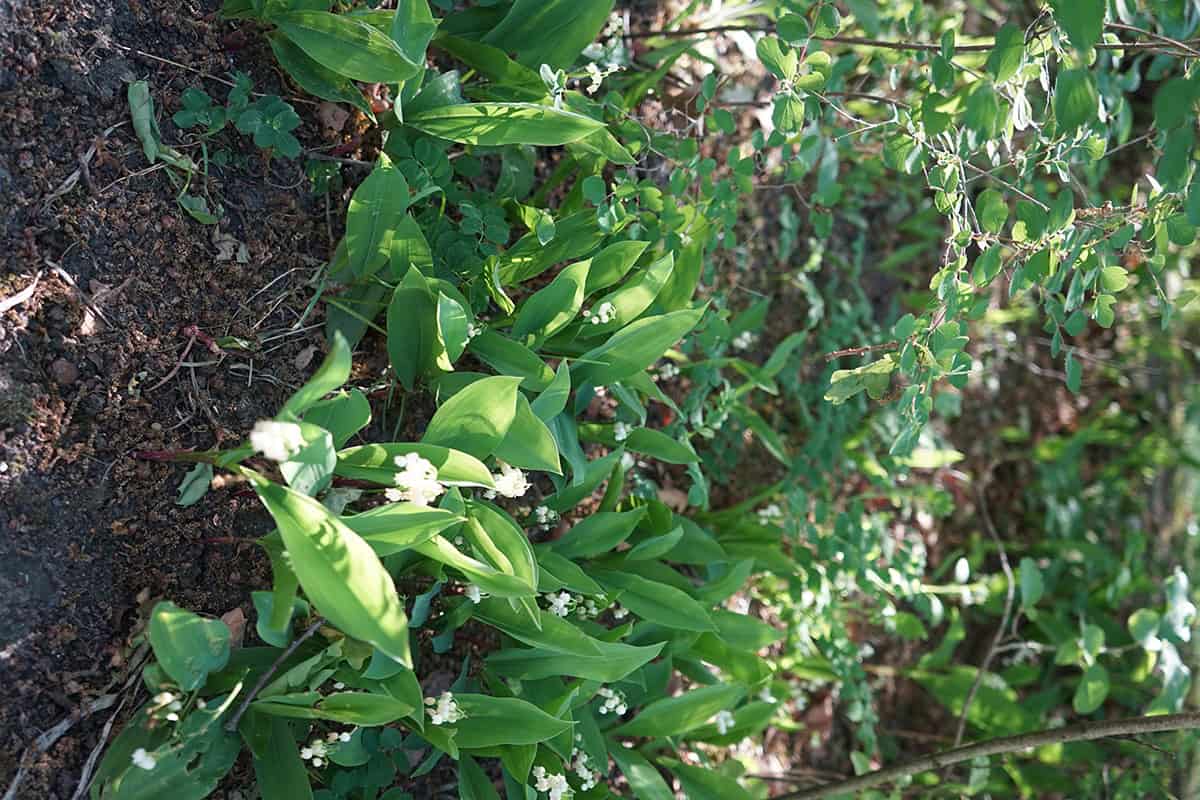
Dense, shaded clay is no problem for this rhizome-spreader. Over time, it forms colonies that hold their ground.
Spring brings arching stems with fragrant white bells, and the leaves stay upright through summer.
Full to partial shade is ideal. Keep things moist, and remember—every part’s toxic, so plant away from kids and pets.
Bugleweed (Ajuga)
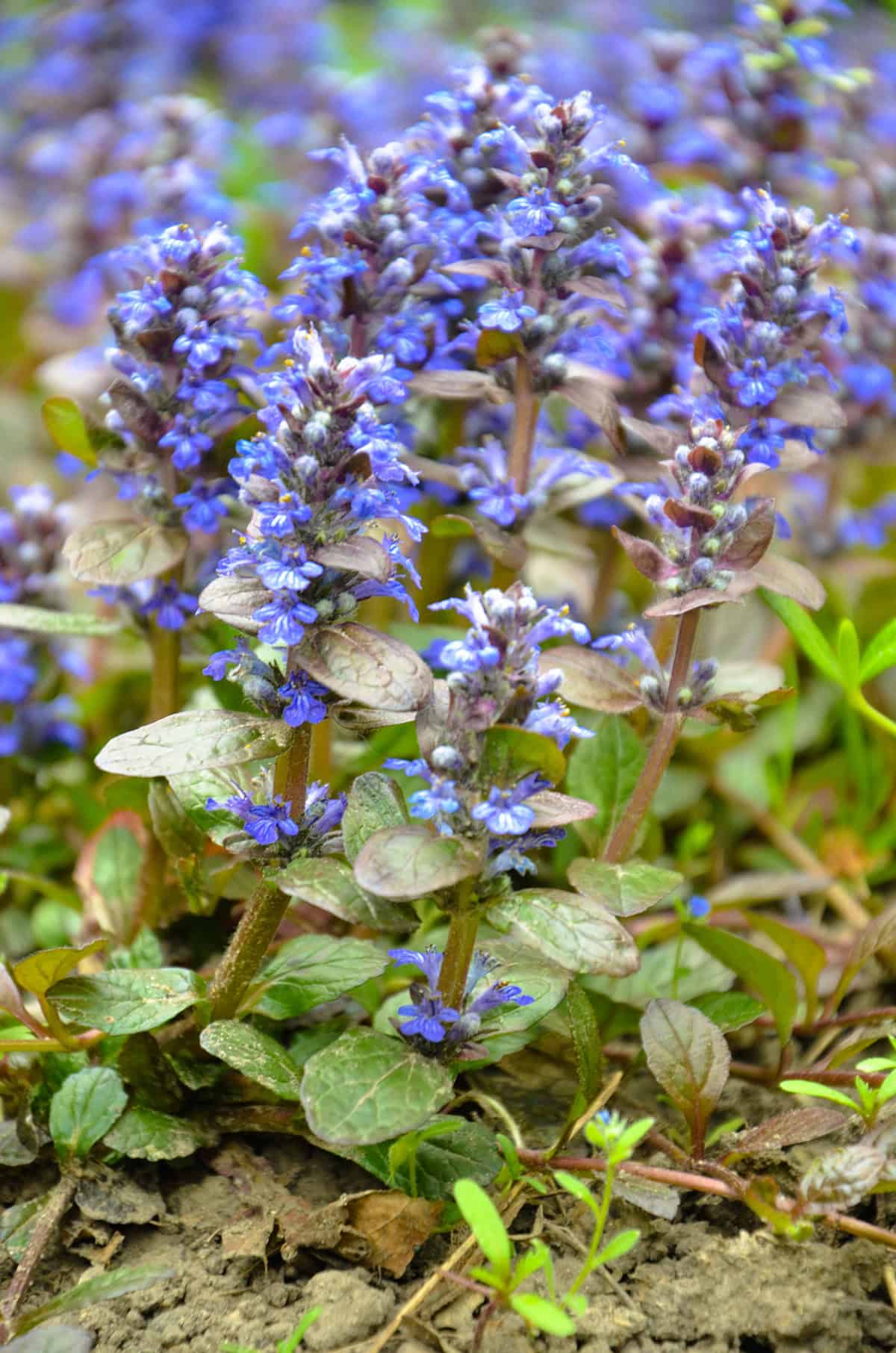
Bugleweed, close cousin to Ajuga reptans, is a fast filler for tough, heavy soil.
Expect foliage with bronze or purple hints, plus blue flower spikes in spring.
Handles sun or partial shade. Give it some space for air flow to avoid crown rot, and thin out if things get crowded.
Epimedium (Barrenwort)
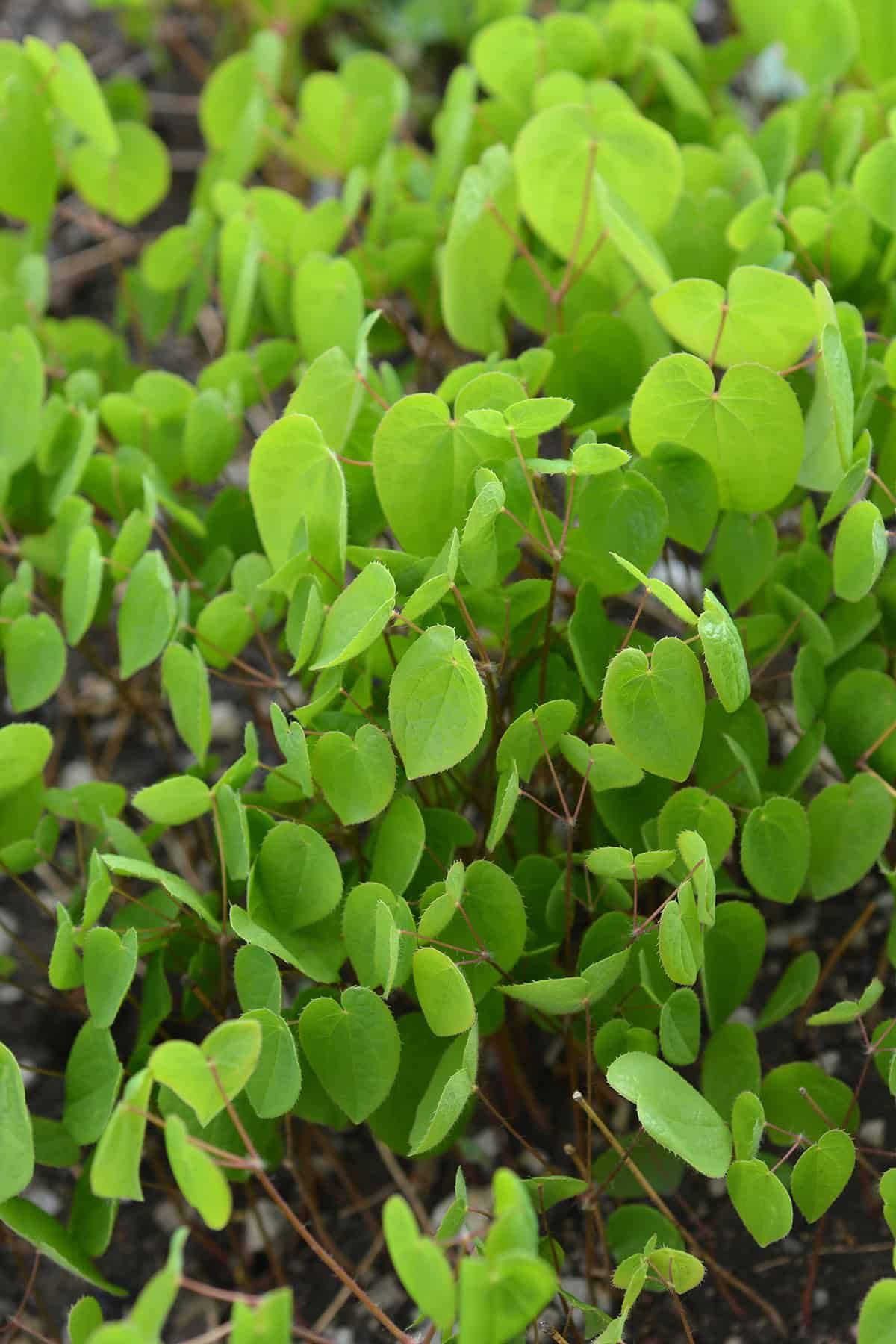
Dry shade and stubborn clay under trees? Epimedium just keeps going.
Heart-shaped leaves emerge with bronze tints in spring, and flowers—delicate, in yellow, pink, or white—hover above.
Partial to full shade is best, and mixing in compost at planting helps. Once it’s in, it’ll handle summer droughts better than most covers.
Tiarella (Foamflower)
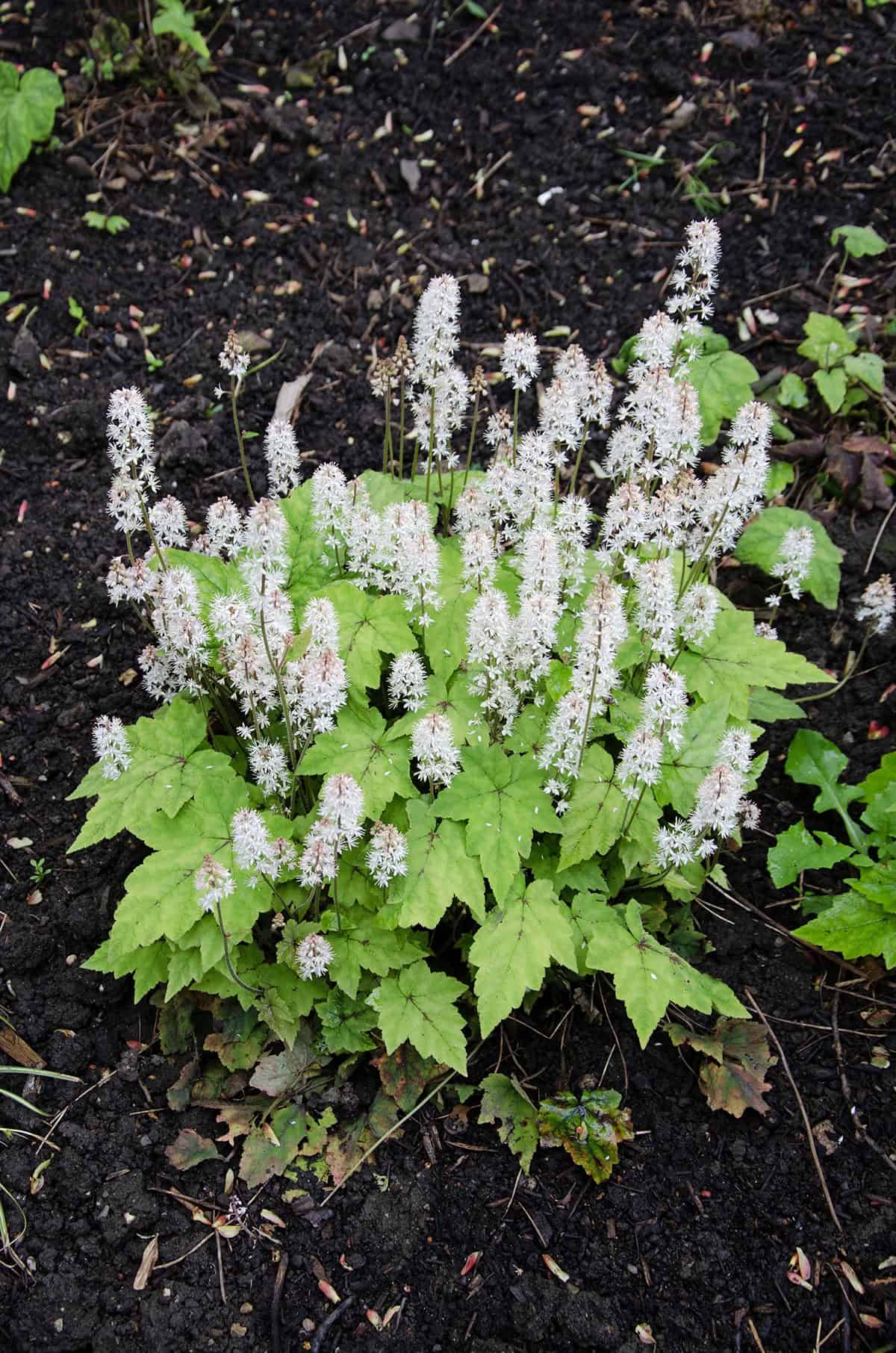
Woodland clay with steady moisture lets foamflower do its thing—short runners, loose clumps, and a soft feel.
Spring brings airy white or pale pink spikes, and leaves often have dark veins or centers.
Partial to full shade works. Keep it evenly moist, but not soggy. Every few years, divide to keep it thick.
Carex (Ornamental Sedges)
Many ornamental sedges don’t blink at heavy clay or the occasional wet spell. Sun or shade, you’ll find a species for most spots.
Leaves look grassy and can be green, blue, or variegated, forming clumps or slow-moving colonies.
Pick types suited to your area. Most like moist conditions and handle compaction better than lawn grass. Old growth can be trimmed in early spring if needed.
Bishop’s Weed (Aegopodium podagraria)
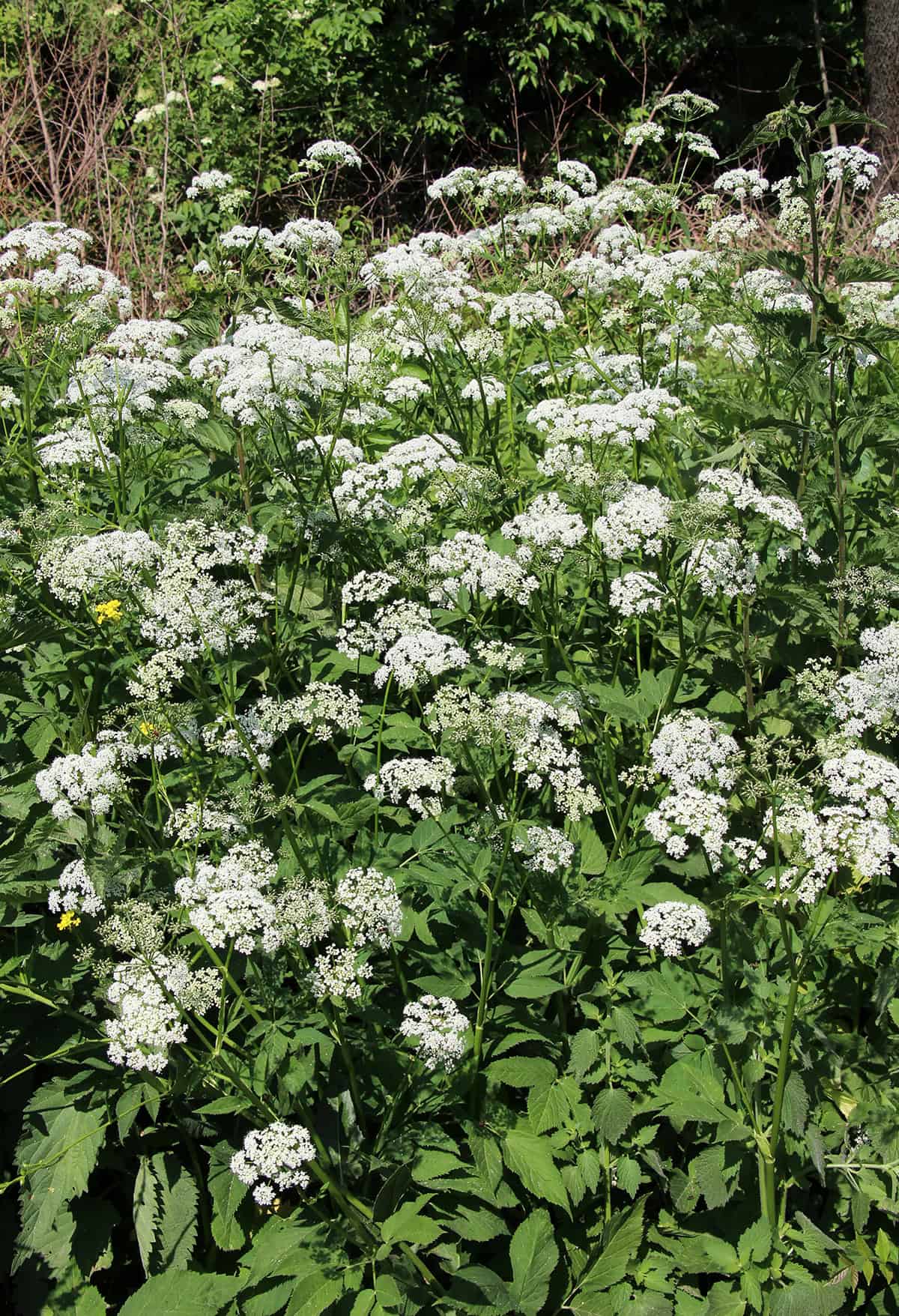
This one’s a bold spreader—use it only where you’ve got serious boundaries in place.
Variegated leaves brighten up shade, and early summer brings clusters of small white flowers.
Partial to full shade is fine. Roots move fast through clay, so install barriers if you don’t want it sneaking into other beds or lawns.
Dead Nettle (Lamium)
Shady clay beds get quick coverage and a pop of brightness from dead nettle.
Silvery leaves throw light into dark corners, with pink, purple, or white flowers in spring.
Likes soil on the moist side, but not soggy. A light trim after blooming helps keep it fresh. Puddled spots are best avoided.
Golden Ragwort (Packera aurea)
Moist, woodland clay is home turf for golden ragwort. It’s a good pick for rain gardens or soggy low spots.
Spring lights up with bright yellow flowers, while semi-evergreen leaves form a dense base.
Partial shade to full sun (in cooler areas) works. Handles wet seasons, helps lock down soil, and if you don’t want it to self-seed everywhere, just snap off old flower stalks.
Partridgeberry (Mitchella repens)
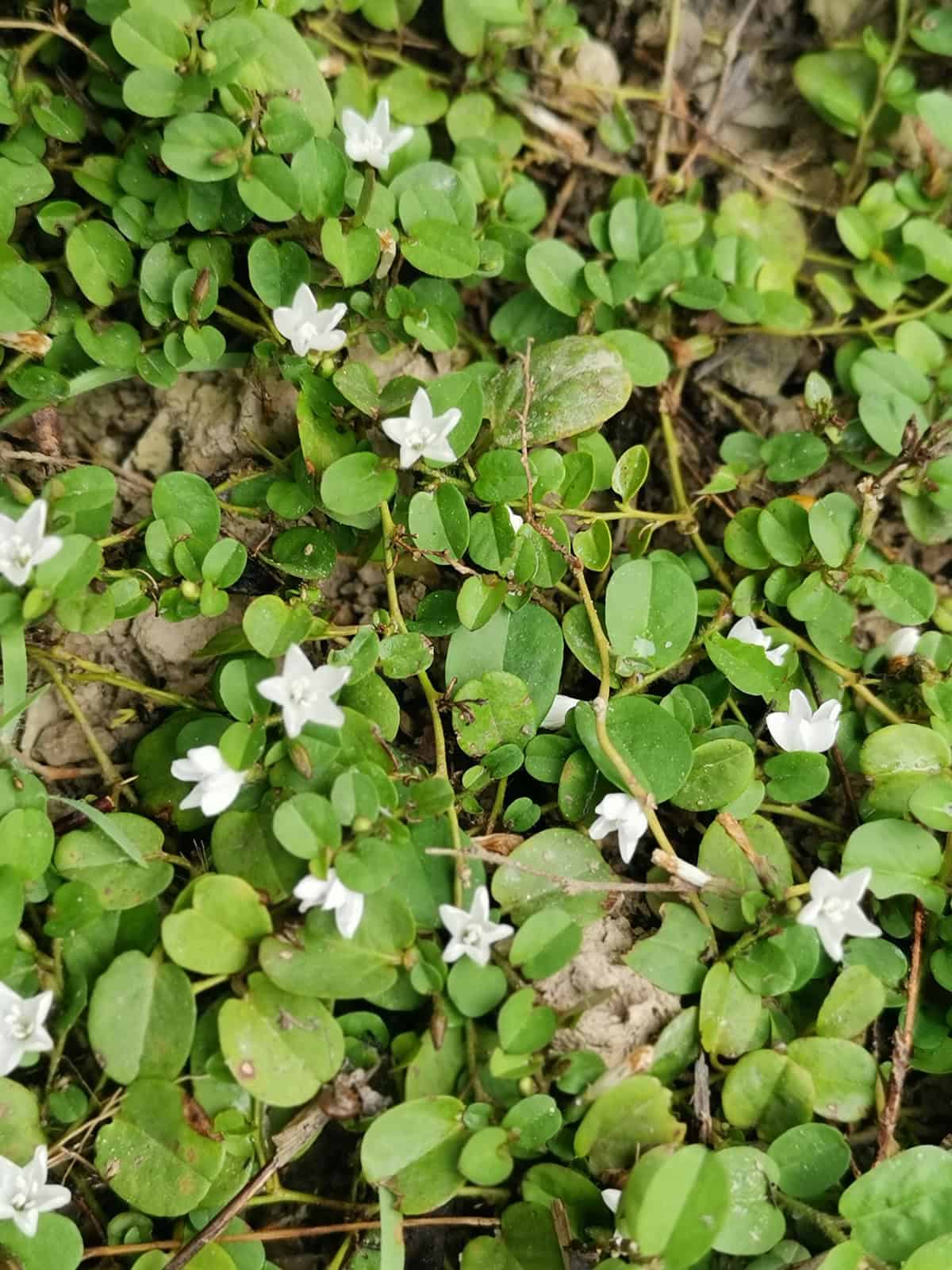
Acidic clay in shaded corners? Partridgeberry creeps in slowly, hugging the ground under trees.
Small white flowers open in late spring, followed by red berries that stick around into winter.
Likes moist, well-drained soil with some organic matter. Growth stays low and tight—just keep heavy feet away to avoid crushing stems.
Creeping Buttercup (Ranunculus repens)
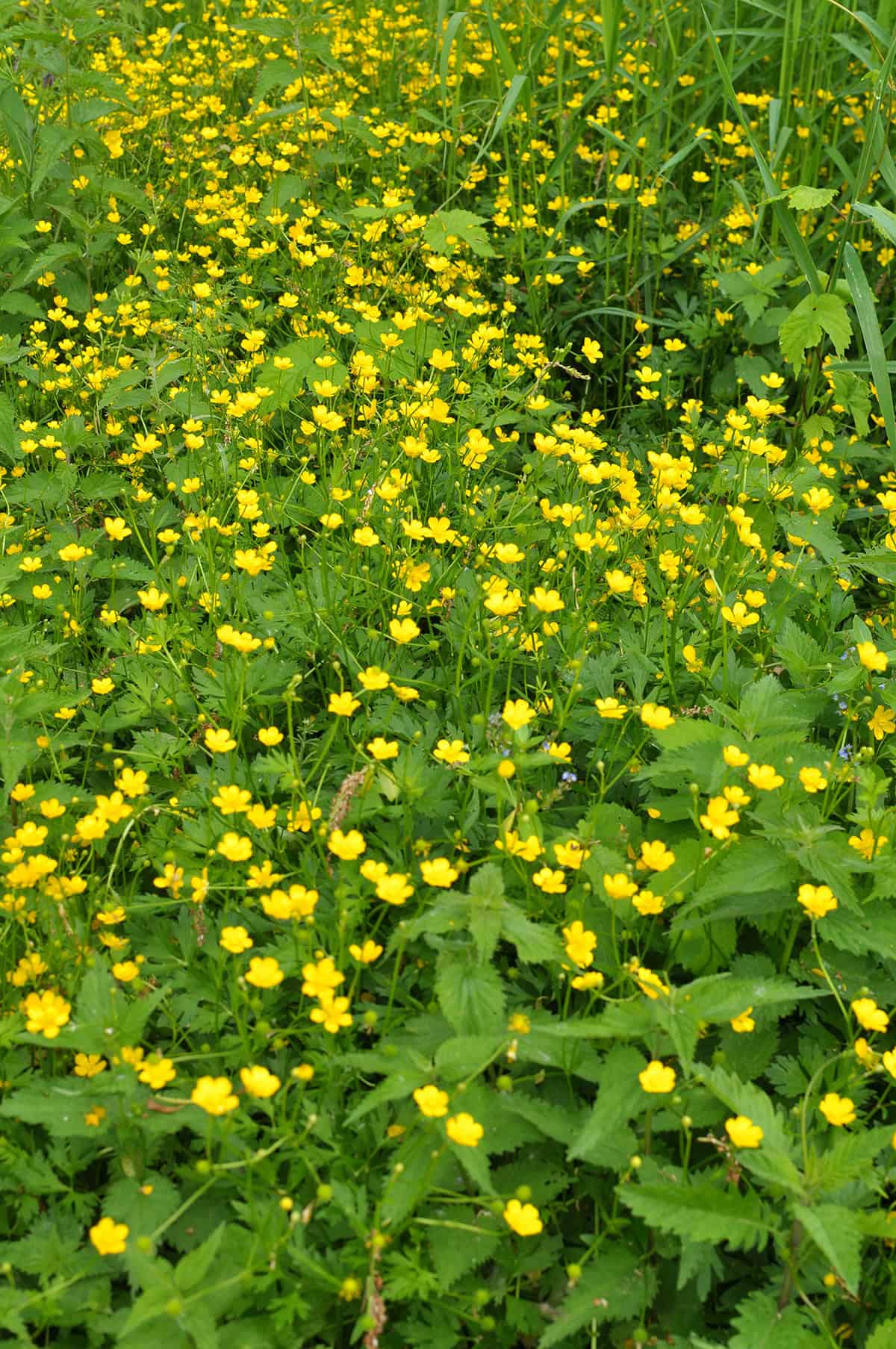
Stubborn patches of this weed seem to thrive where the ground stays soggy and heavy. Lawns with poor drainage become easy targets for its takeover.
In spring and early summer, those shiny yellow blooms pop up, catching the light. Stems snake along the soil, rooting wherever they touch and multiplying in no time.
If you’re not looking for a yard full of buttercup, be careful—this one’s aggressive. Better drainage can help slow it down. Yank up stray runners before they settle in for good.