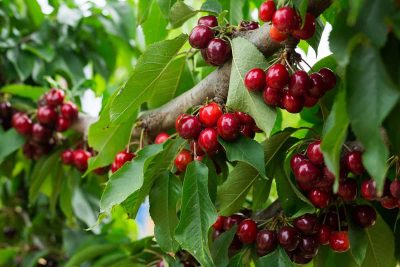
Cherry pits sprout after 60 to 90 days of cold, moist storage in the refrigerator. Get the stratifying, sowing and seedling care steps, plus a realistic timeline for the first harvest.
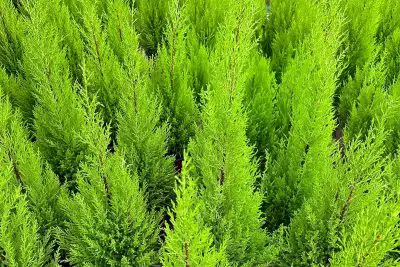
White, red, stone and bristlecone pines, with origin, height and hardiness zones for each of 30 species. Needle counts, cones and growing needs help match a pine to the yard.

Most pines grow 50 to 150 feet tall, and sugar and ponderosa pines top 250 feet. Typical heights for white, loblolly, longleaf and other pines, plus growth rates and the factors that limit them.

Green Giant arborvitae, Leyland cypress, holly, oak and 11 more trees for shade and privacy, with mature sizes, growth rates, spacing and the drawbacks to weigh before planting.

Dogwood leaves curl mostly from drought and summer heat, though powdery mildew, anthracnose, borers and aphids play a part too. Match the symptoms to the cause, then treat and prevent it.

A dwarfing rootstock, an 18- to 24-inch pot and 6 to 8 hours of sun are the keys to apples on a balcony or patio. Planting, feeding, pruning, pollination and winter care are covered step by step.

A fresh lemon seed, a cup of potting mix and a warm windowsill are enough to grow a lemon seedling at home. Peeling the seed coat speeds germination, and the sprout moves into a bigger pot once it reaches 3 to 4 inches tall.

Hickories (Carya) are tall, tough hardwoods of eastern North America, prized for shock-resistant wood and rich nuts. Fourteen species are described here with tips on telling them apart by bark, leaves and nuts, plus how to plant and care for one.

Most pine trees live between 100 and 500 years, and one Great Basin bristlecone pine in California has passed 4,800. Species, climate, soil and pests set the limit for each tree, and growth rings reveal how many years a pine has stood.

True cedars (Cedrus) come from the Atlas Mountains, Lebanon and the Himalayas, and North America’s “cedars” belong to entirely different genera. Leaves, cones, bark and fragrant wood help separate the six best-known species, along with notes on where each one grows.

Maple trees (Acer) include more than 100 species, many famous for fiery fall color and sweet sap. Their story begins in ancient China, and today gardeners tell them apart by palmate leaves, paired winged seeds and autumn color, with care needs that differ by species.

In identifying trees with thorns, you need to observe not only the presence of thorns but also the tree’s growth habits, leaves, and flowers. Keep in mind that thorny trees are often found in diverse environments, including tropical, subtropical, and temperate areas. Many of these trees also have practical uses, such as landscaping or cultural significance in various communities. This article will help you identify trees with thorns and explores a variety of trees with thorns.