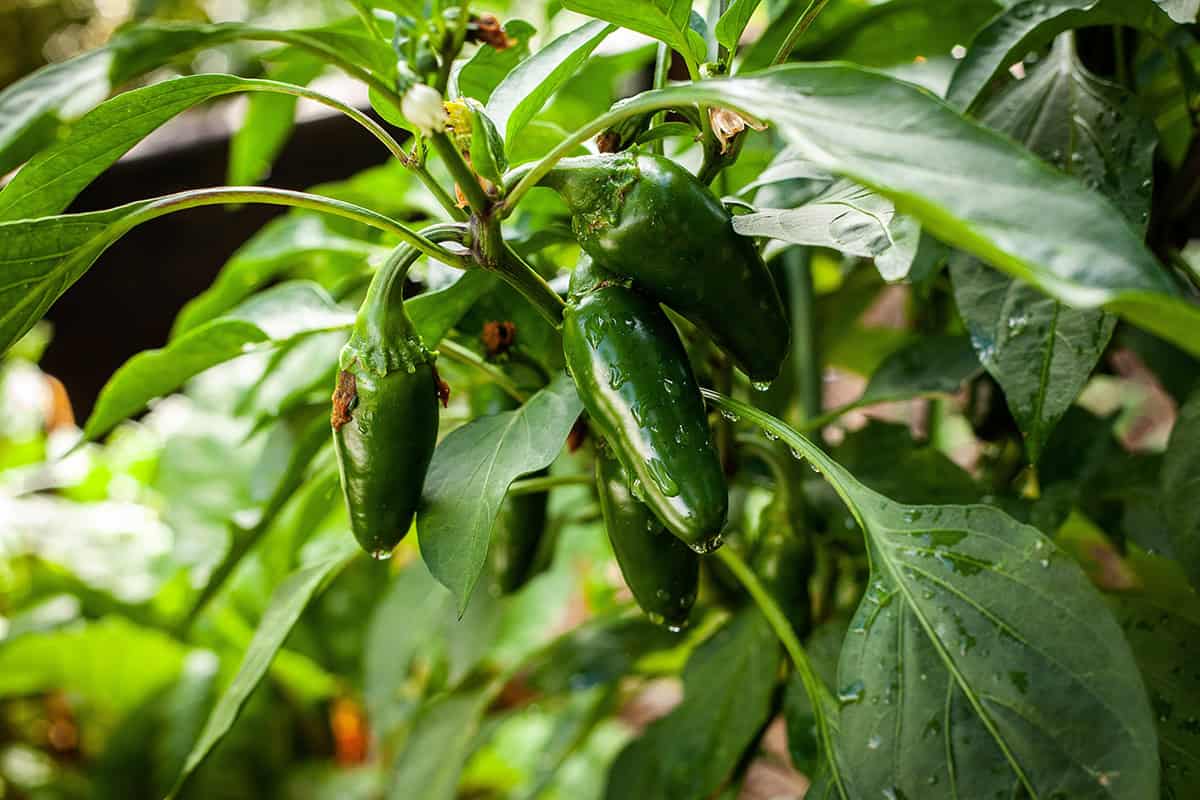
Jalapeño peppers are one of the easiest and most rewarding vegetables to grow at home. Healthy plants produce plenty of crisp, flavorful peppers throughout the growing season with just a little care. Read this guide to learn how to grow a productive jalapeño garden.
Table of Contents
Quick Growing & Care Summary
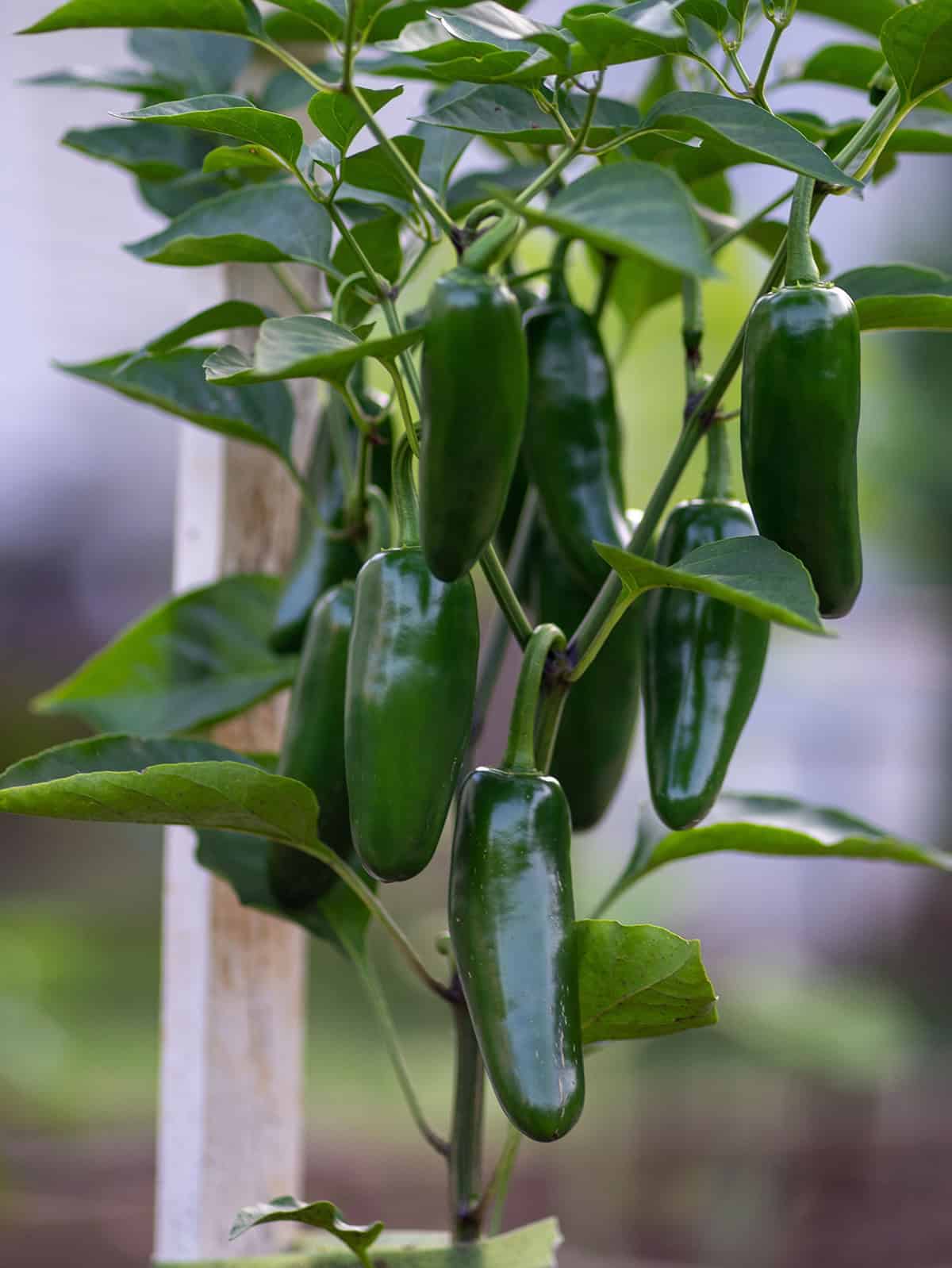
Light: Full sun, 6 to 8 hours per day
Soil: Well-draining, loamy soil with a pH of 6.0 to 6.8
Watering: Deep, consistent watering; about 1 inch per week
Temperature: Soil at least 70°F for transplanting; daytime highs between 70°F and 85°F are perfect
Humidity: Moderate—don’t let leaves stay wet for long stretches
Fertilizer: Balanced starter at planting, then switch to low-nitrogen once fruiting
USDA Hardiness Zones: Annual almost everywhere; perennial in Zones 9-11
Days to Harvest: 70–85 days from transplant
Mature Size: 24–36 inches tall, 18–24 inches wide
Propagation: Start seeds indoors 8 weeks before last frost
Jalapeños usually clock in at 2,500–8,000 Scoville Heat Units. A heat mat under your seed trays keeps germination steady, and a humidity dome makes early growth a lot less fussy.
Soil
Loose, loamy ground with just the right touch of fertility really sets the stage for thriving jalapeños. You want pH hovering between 6.0 and 6.8—too much deviation, and you’re asking for trouble. Soggy, compacted earth? That’s a recipe for headaches.
Blossom end rot, for instance, likes to show up when drainage is poor and calcium can’t make its way up to the fruit. The result: ugly, sunken spots on the peppers’ bottoms. Mixing in compost before planting helps even out moisture and drainage, and honestly, it’s just good practice.
Fusarium wilt, lurking in the soil for years, can sneak up and knock down your plants no matter how much you water. Rotating your peppers every few years is about the only way to keep it at bay.
Phytophthora blight, another unwelcome guest, thrives in waterlogged spots. Raised beds make a real difference here, letting excess water escape and keeping roots happier.
A couple inches of aged compost or manure before planting goes a long way. Fresh manure? Leave it out—too many risks. If you’re not sure about your soil, a test before spring will save you a lot of second-guessing.
Planting
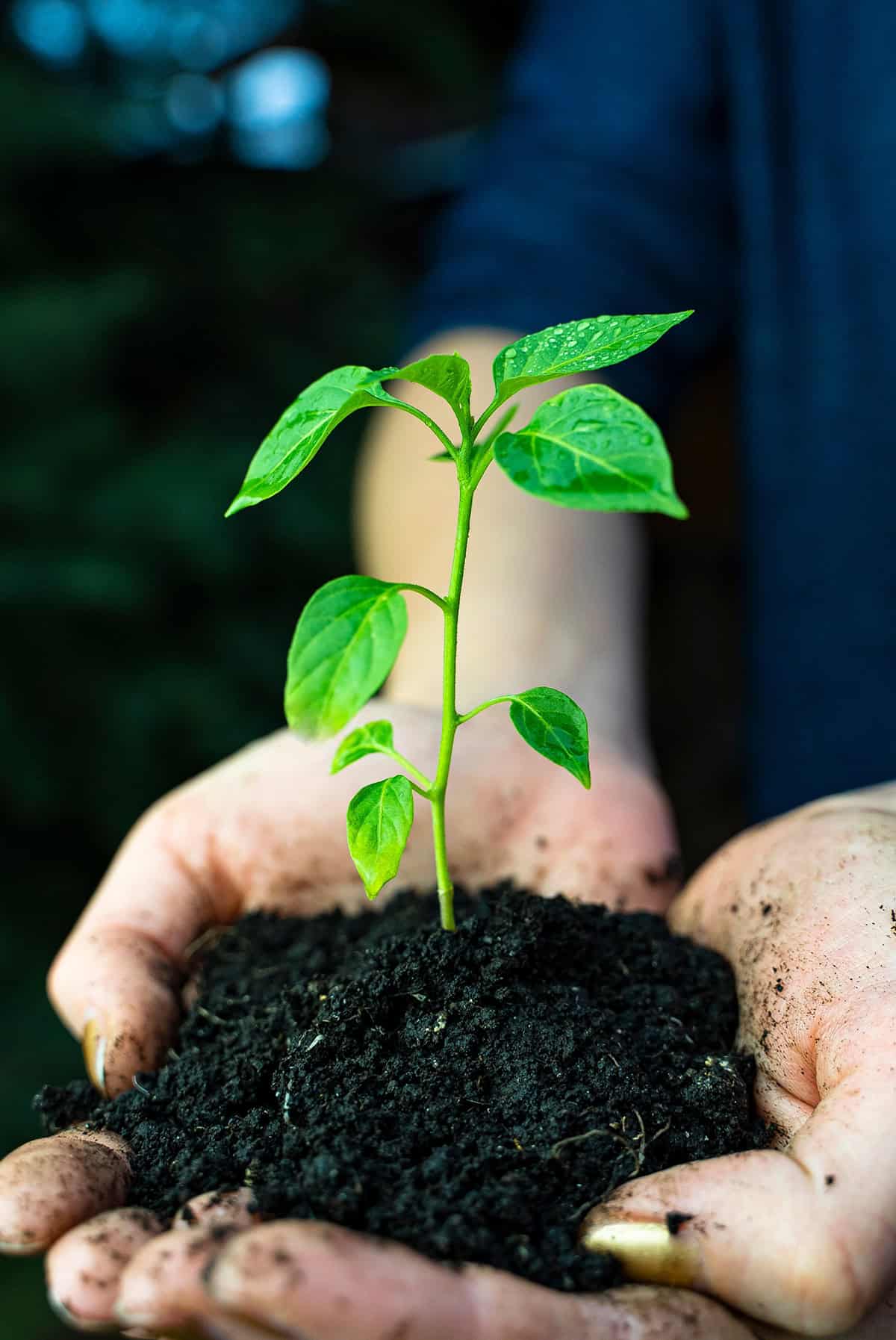
Bright, warm days and a little patience at the start really shape the whole season. Jalapeños started inside about eight weeks before the last frost date seem to get a head start that’s hard to beat.
Seeds need to be tucked in about a quarter inch deep in a sterile mix—soilless is best. A heat mat set around 80°F to 90°F keeps things moving. Usually, you’ll see sprouts in a week or so if temps stay up. As soon as those seedlings pop up, give them strong light from above or they’ll stretch and flop.
A humidity dome is handy at first but don’t forget to take it off once the seedlings break through; otherwise, you risk damping off.
Don’t rush them outside. Wait until nights are reliably above 50°F and the soil is at least 65°F. Cold earth just slows everything down.
When it’s time, give them space—about 18 inches between each, with rows 30 to 36 inches apart. Cloudy days or late afternoons are best for transplanting, and water them in well. If you’re using peat pots, bury the whole thing, rim and all, or you’ll end up with dry roots.
Variety Selection
The hunt for the right jalapeño variety is a little adventure in itself. Not all peppers are created equal—some are mild, some pack a punch, and others just look cool.
Mucho Nacho stands out for its hefty, four-inch fruits—perfect for stuffing and grilling. These plants don’t hold back on production, either.
TAM Jalapeño, from Texas A&M, is a smart pick for folks who want the flavor without the fire.
Early Jalapeño is a lifesaver for short, cool summers. It matures quickly, so you’re not left hanging when autumn sneaks up.
Purple Jalapeño, with its deep purple fruits that eventually turn red, adds a splash of drama to garden beds and containers alike.
Jalafuego, often favored by market growers, delivers on both yield and disease resistance. The fruits are shiny and firm—just what you want.
And if you’re curious about chipotle? That’s just a ripe, smoked jalapeño. Let your peppers redden on the plant, then dry or smoke them for that signature flavor.
Light
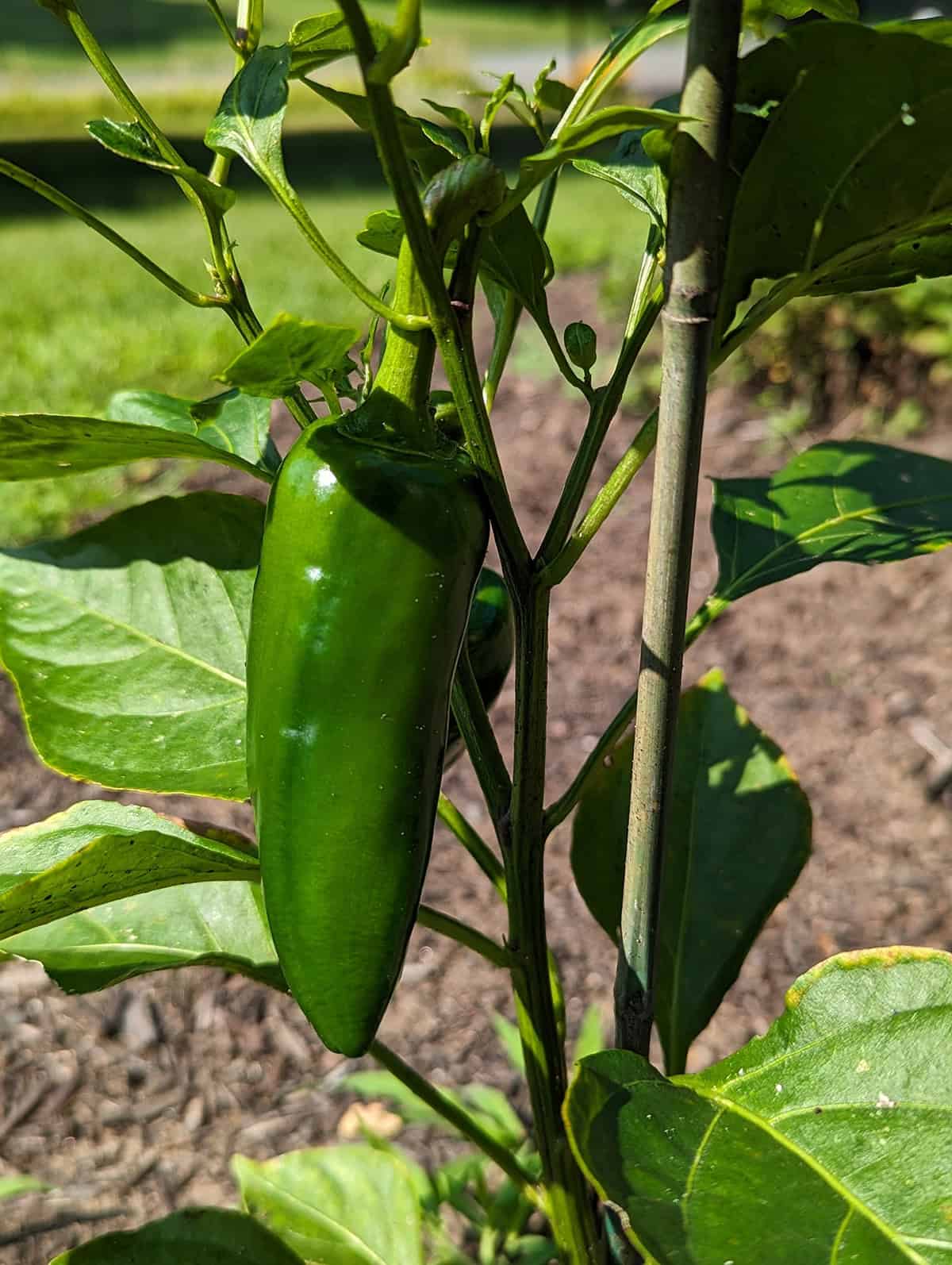
Early mornings in the garden, when the sun’s just starting to warm things up, are when jalapeños really wake up. They’re sun-lovers, needing at least six hours—eight is even better. More sun, more peppers, plain and simple.
If you’re gardening in a spot where afternoons get brutally hot—think over 90°F—some dappled shade in the late day can actually help keep blossoms from dropping. But in most areas, you’ll want to chase every bit of sunlight you can.
Indoors, seedlings get leggy fast without strong overhead light. Keep grow lights two to four inches above the tops, and don’t let up until they’re ready to move outside.
Water
Dry spells and forgetful watering habits have a way of sabotaging pepper crops. Keeping the soil consistently moist (but not soggy) is key—aim for about an inch per week, but be ready to adjust when the weather turns hot or if you’re dealing with sandy soil.
Always water at the base, not over the leaves. Wet foliage is just asking for fungal trouble. Drip irrigation or soaker hoses are a blessing for this.
Shallow watering doesn’t cut it. Roots stay near the surface and dry out too fast. Instead, soak the soil deeply, then let it dry a bit before the next round.
One quirky fact: slightly stressing the plants by letting the soil dry between waterings can crank up the heat in your peppers. If you’re a fan of the burn, it’s worth a try.
Feeding
Fertilizing jalapeños is a balancing act. Piling on nitrogen early in the season leads to bushes full of leaves but not much fruit—frustrating.
Mix in a balanced fertilizer (think 5-10-10 or similar) at planting time. That’ll get roots settled and plants off to a good start.
When flowers start to show, switch to something with less nitrogen. Too much at this stage just delays your peppers.
Capsaicin—the stuff that brings the heat—responds to growing conditions. Leaner soil and a little water stress can make for spicier peppers. If you’re chasing maximum heat, don’t overdo the fertilizer once fruiting begins.
A mid-season side-dressing of compost gives a gentle, slow-release boost that won’t overwhelm your plants.
Growth Time
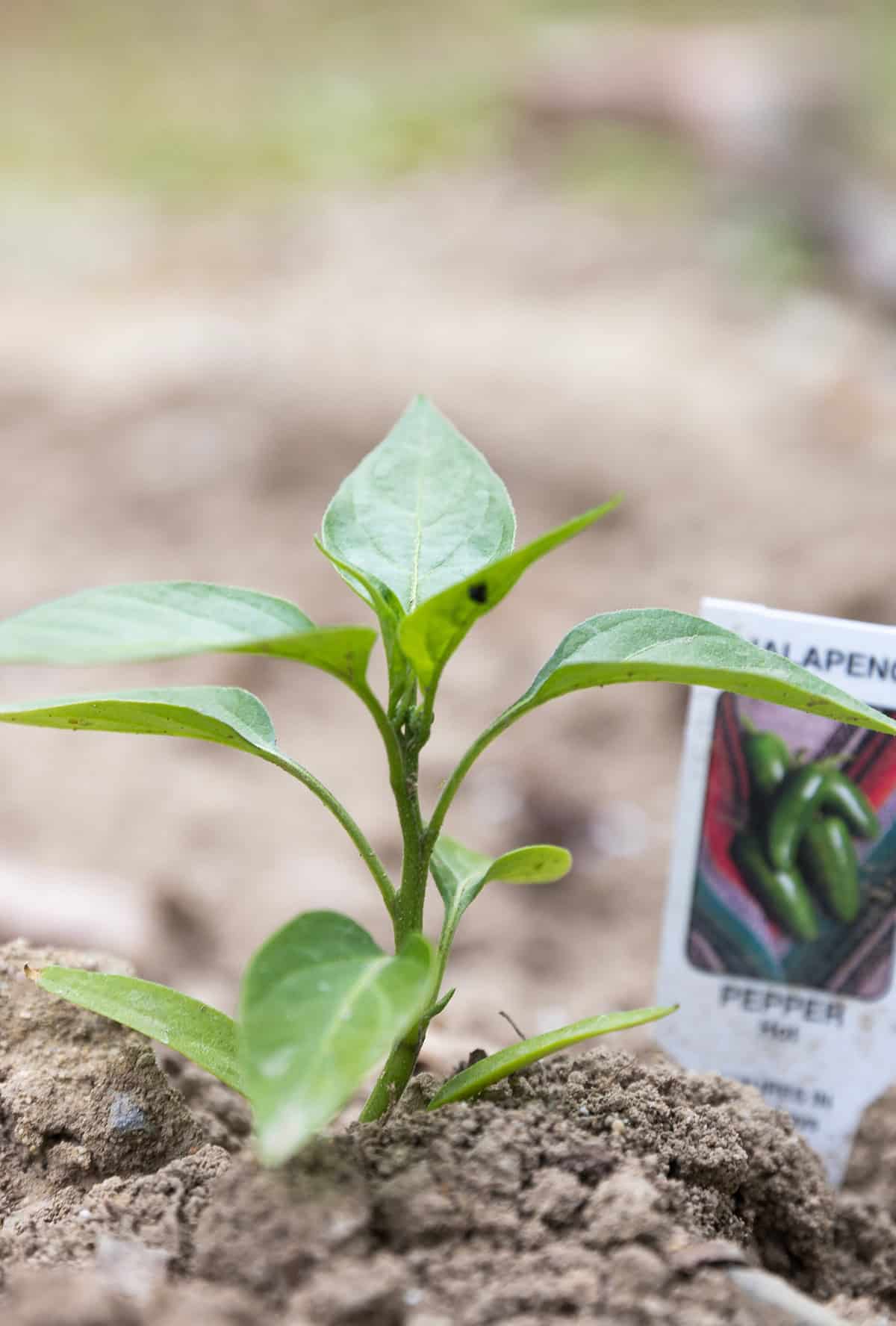
Patience pays off with jalapeños. From seed to first bite, you’re usually looking at 100 to 120 days. After transplanting, expect your first harvest in about 70 to 85 days, though weather and variety can slide that window a bit.
Seeds sprout in just over a week if the soil’s warm enough, then spend nearly two months growing indoors before the big move outside. Once settled in, it’s a waiting game for flowers and then those glossy green fruits.
Harvesting green peppers is totally fine, but if you leave them to ripen, they’ll turn red, sweeten up, and sometimes even get a little hotter.
Cool, cloudy summers or haphazard watering tend to drag things out, while steady warmth and sunshine speed everything along.
Growing In Containers
City balconies, patios, or just a cramped backyard—jalapeños don’t mind. They’re surprisingly happy in containers, as long as you give them enough room.
A five-gallon pot is the bare minimum, but ten gallons is even better for letting roots stretch out. Drainage holes are a must, or you’ll end up with waterlogged roots and sickly plants. Containers dry out fast, especially in summer, so expect to water more often—sometimes daily.
Skip garden soil for pots. It compacts and suffocates roots. Go with a good potting mix, ideally one with perlite or coarse sand for extra drainage.
Regular feeding is more important in containers, since nutrients wash out quickly. A diluted liquid fertilizer every couple of weeks keeps things moving along.
Set containers where they’ll soak up as much sun as possible. And if frost threatens, you can always drag them inside and stretch the season a little longer.
Harvest
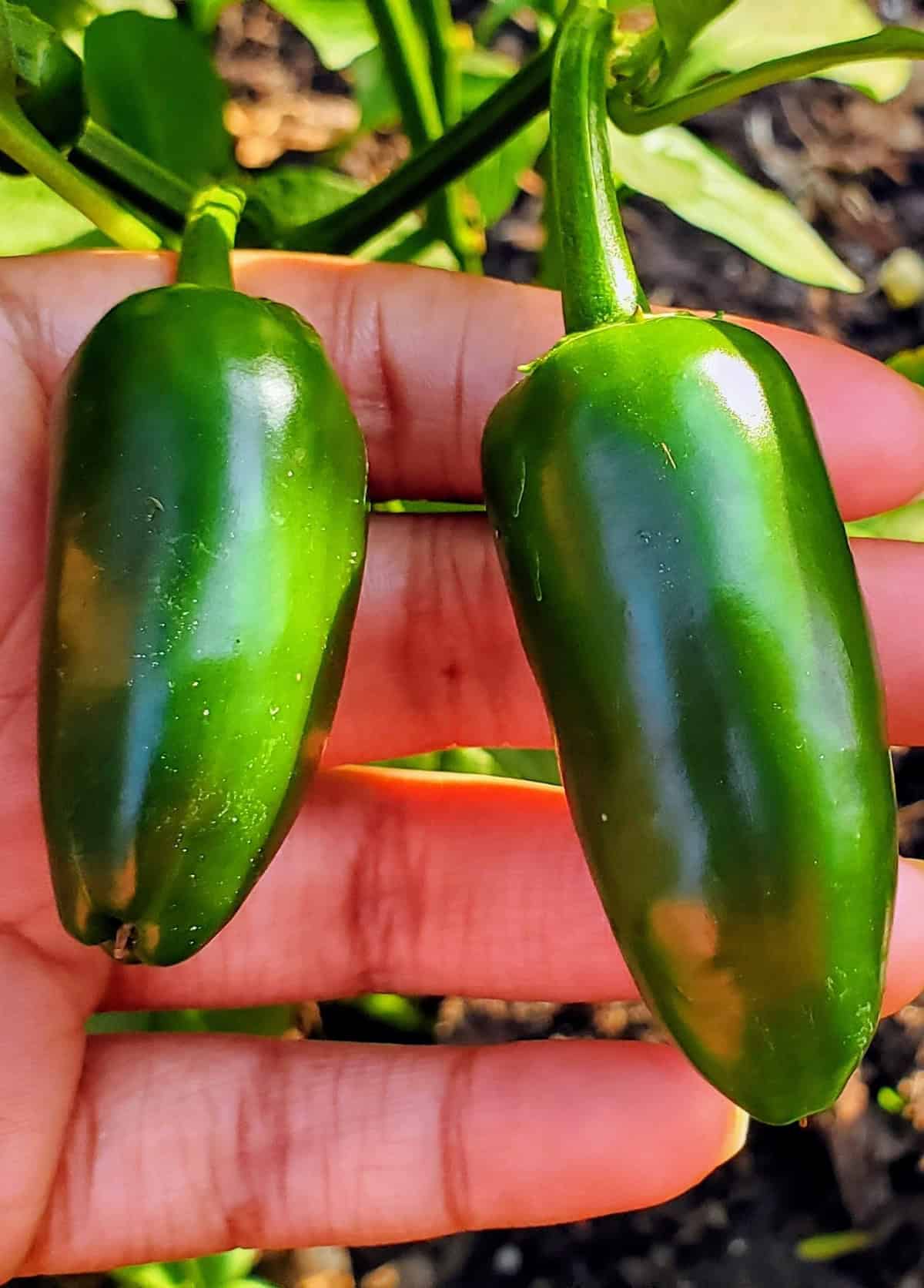
The thrill of snipping off your first jalapeño is hard to beat. Pick them when they’re dark green, firm, and about two to three inches long—no need to wait for them to turn red unless you want that extra sweetness and heat.
Use sharp scissors or pruners to cut the stem just above the fruit. Yanking them off can snap branches and stress the plant. Gloves are a good idea; capsaicin can burn your skin and eyes.
Frequent harvesting actually encourages the plant to set more fruit. Letting old, overripe peppers linger on the plant just slows everything down.
Red jalapeños bring a richer, sweeter flavor and are what you’ll use for homemade chipotles. If you’re planning to smoke or dry your own, let a few fruits ripen fully before picking.
Fresh jalapeños hold up for about a week in the fridge. For longer storage, freezing, pickling, or drying works well.
Common Problems And Troubleshooting
Even with careful attention, jalapeño plants sometimes just don’t cooperate. Spotting trouble early often means you can still save your crop.
Warm, muggy days seem to invite bacterial leaf spot, which starts off as tiny, wet-looking specks on the leaves. Before long, those spots turn brown and develop yellowish rings. This disease spreads fast when the weather’s damp. Try to keep water off the leaves, snip away affected branches right away, and honestly—don’t mess with the plants when they’re wet.
Some seasons, especially when rain keeps coming and the soil stays soggy, Phytophthora blight shows up. Plants wilt, stems darken, and sometimes the whole thing collapses overnight. Soggy roots are the real culprit here. If your garden doesn’t drain well, this one’s tough to avoid. Once it hits, get rid of the infected plants completely—don’t even think about tossing them in the compost.
Yellowing and wilting that creeps up one side of the plant? That’s often Fusarium wilt lurking in the soil. It’s frustrating because there’s no real fix once it takes hold. The only real defense is switching up where you plant peppers every year and picking resistant types if you can find them.
Fruits with dark, sunken scars on their bottoms usually mean blossom end rot. It’s not really about soil calcium—more often, it’s because watering has been erratic. Letting the soil dry out, then soaking it, throws the plant off. Keeping moisture levels steady usually clears this up.
Pests are their own kind of headache. Hornworms—giant, green caterpillars—can strip a plant of leaves in days. Plucking them off by hand is oddly satisfying, if a little gross. Down below, cucumber beetle larvae chew on roots, quietly weakening the plant. Aphids, meanwhile, crowd tender shoots and make leaves curl. A hard blast from the hose or a quick spray of insecticidal soap usually knocks them back without much fuss.