A perennial border can look tired long before the growing season ends. Cutting back the right plants at the right moment helps keep the garden looking fresh while encouraging another round of flowers. Read on to discover 26 perennials worth trimming for better performance.
Table of Contents
- 26 Perennials To Cut Back For More Blooms
- Salvia
- Catmint (Nepeta)
- Coreopsis
- Shasta Daisy (Leucanthemum)
- Black-Eyed Susan (Rudbeckia)
- Coneflower (Echinacea)
- Yarrow (Achillea)
- Blanket Flower (Gaillardia)
- Bee Balm (Monarda)
- Garden Phlox (Phlox paniculata)
- Veronica (Speedwell)
- Campanula (Bellflower)
- Delphinium
- Penstemon
- Scabiosa (Pincushion Flower)
- Gaura (Oenothera lindheimeri)
- Hardy Geranium (Geranium)
- Dianthus
- Balloon Flower (Platycodon)
- Asters
- Lavender
- Daylily (Hemerocallis)
- Tickseed (Coreopsis grandiflora)
- Threadleaf Coreopsis (Coreopsis verticillata)
- Purple Coneflower (Echinacea purpurea)
- Garden Mum (Chrysanthemum)
26 Perennials To Cut Back For More Blooms
With a few strategic snips, you can stretch out bloom time, boost plant structure, and get sturdier stems. Plenty of favorites reward you with a second round of flowers—if you time your cuts right.
Salvia
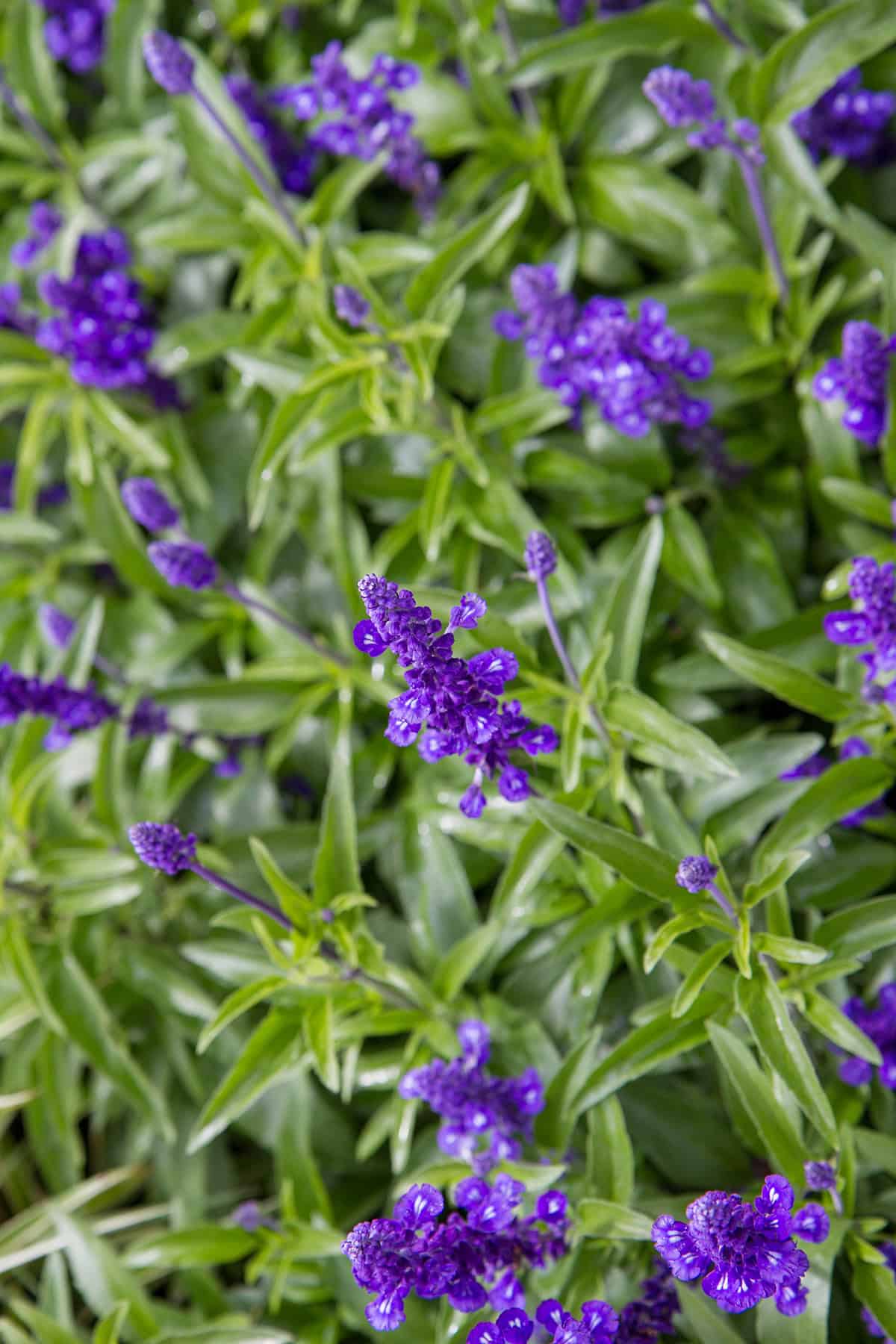
When the first flush of color fades, reach for the pruners. Trim back spent stems to the first healthy set of leaves, and more often than not, you’ll see new blooms by midsummer.
If the plant’s looking a bit lopsided, a quick shear can tidy things up. Don’t go hacking into woody bases, especially on older salvias. After you prune, a splash of water and a light feed can help kickstart new growth.
In colder zones, it’s smart to leave some top growth for winter cover; wait until spring to cut back hard when fresh shoots break ground.
Catmint (Nepeta)
After that first big bloom, catmint tends to look rough around the edges. Cut it back by a third—or even half—once the color dulls. Fresh stems pop up fast and bring another round of flowers.
Use sharp, clean shears and try to keep the mound even. Don’t chop into the woody crown. Watering after a trim helps with recovery.
If you skip pruning, stems can flop and split down the middle, especially in midsummer.
Coreopsis
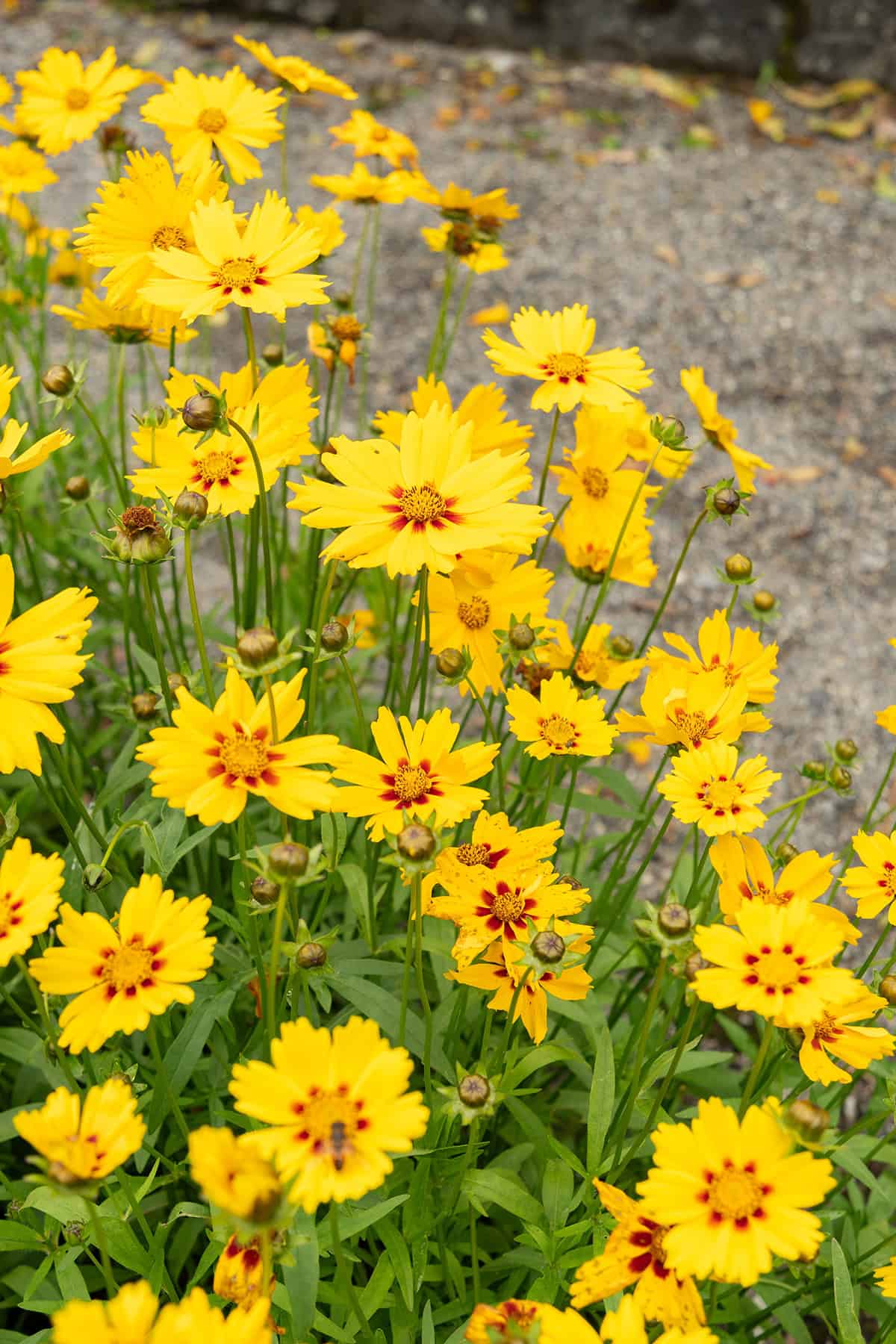
Once the early summer display is over, trim plants back by about a third. Most will bounce back with fresh blooms in just a few weeks.
Pinching off spent flowers one by one can keep things looking lively. If the plant gets sparse, a gentle shearing can do wonders. Feed and water to encourage new buds.
When frost blackens the leaves, cut stems down. Healthy crowns reappear each spring.
Shasta Daisy (Leucanthemum)
To keep the flowers coming, deadhead as soon as blooms fade—snip each stem back to a leaf node. This keeps energy flowing to new buds.
After the main show, take a few inches off the top to keep clumps tight and sometimes coax a smaller second bloom. Don’t cut into the leafy base.
Divide when things get crowded. Cut back fully in fall once foliage is spent.
Black-Eyed Susan (Rudbeckia)
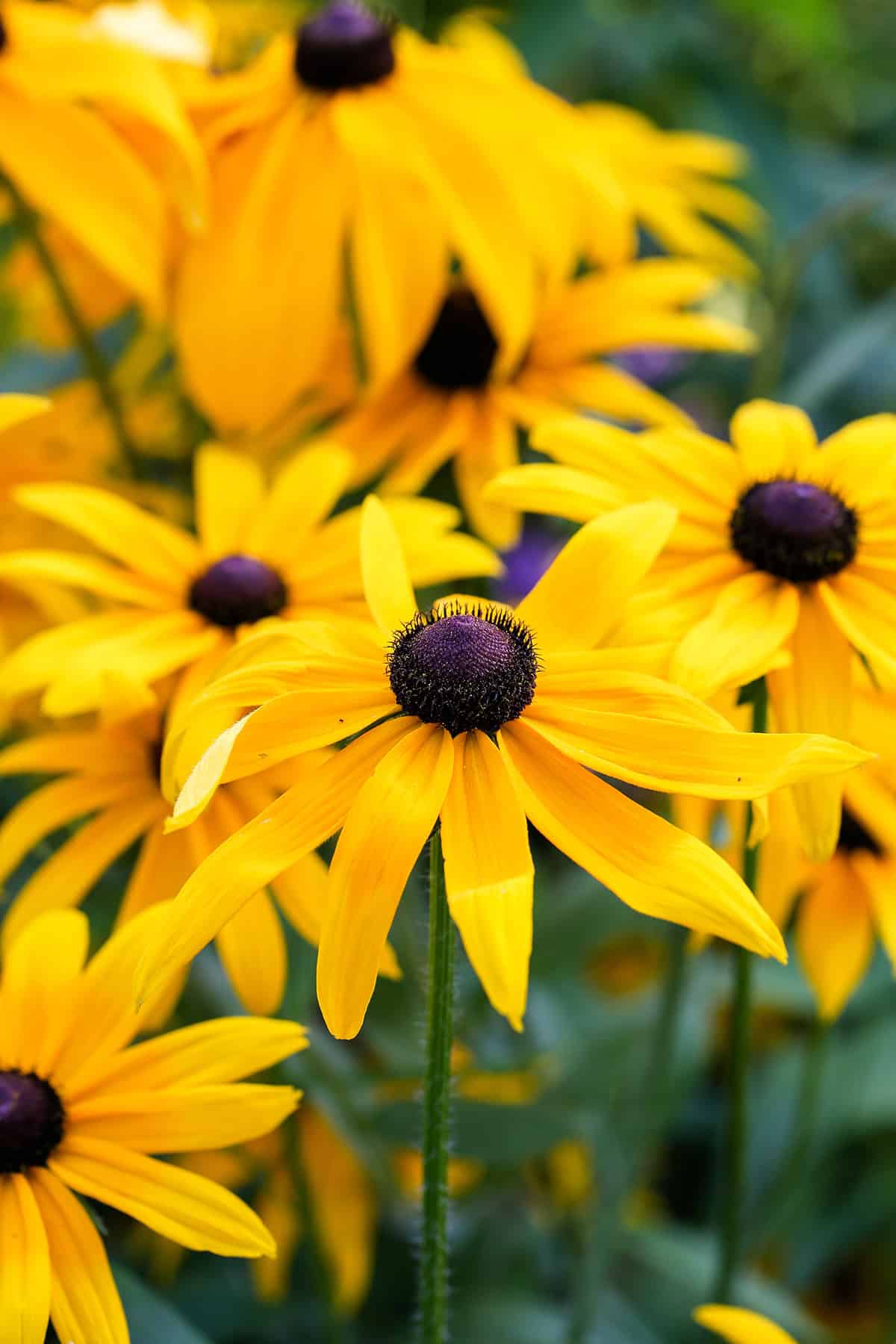
Spent blooms can make these look ragged—cut each stem back to a sturdy leaf. With regular deadheading, many types keep flowering until frost.
If plants start to sprawl, trim by a third early in the season to encourage branching and reduce height. Tall varieties might need a little support if the wind picks up.
Come late fall, cut stems to a few inches above the soil, unless you want to leave seeds for birds or some winter structure.
Coneflower (Echinacea)
Frequent deadheading keeps the color coming—cut spent stems back to a side bud or healthy leaf. Many cultivars respond with new buds all season.
Leaving a few seed heads for wildlife is always an option. If plants look tired by midsummer, a light trim can perk them up. Avoid chopping into the crown.
Once frost hits and foliage fades, cut back to ground level. New growth will push up in spring.
Yarrow (Achillea)
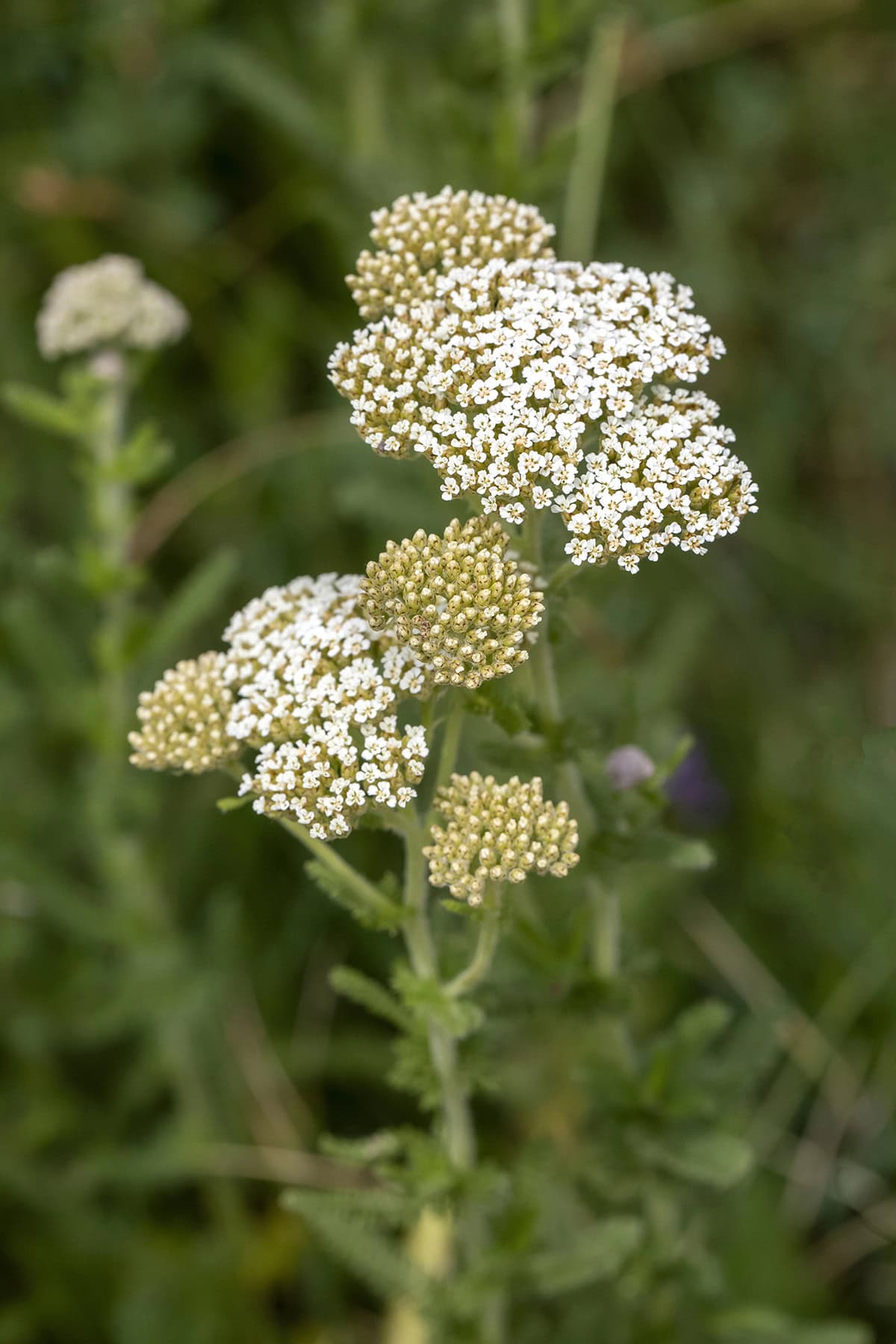
After the first flower clusters fade, trim stems down to a lower set of leaves. Often, this sparks another round of blooms. Prompt pruning keeps plants from getting floppy.
If things get leggy, a light all-over shear helps. Stay clear of woody growth near the base. Water if the weather’s dry.
Divide every few years to keep vigor up. Cut back in late fall or early spring.
Blanket Flower (Gaillardia)
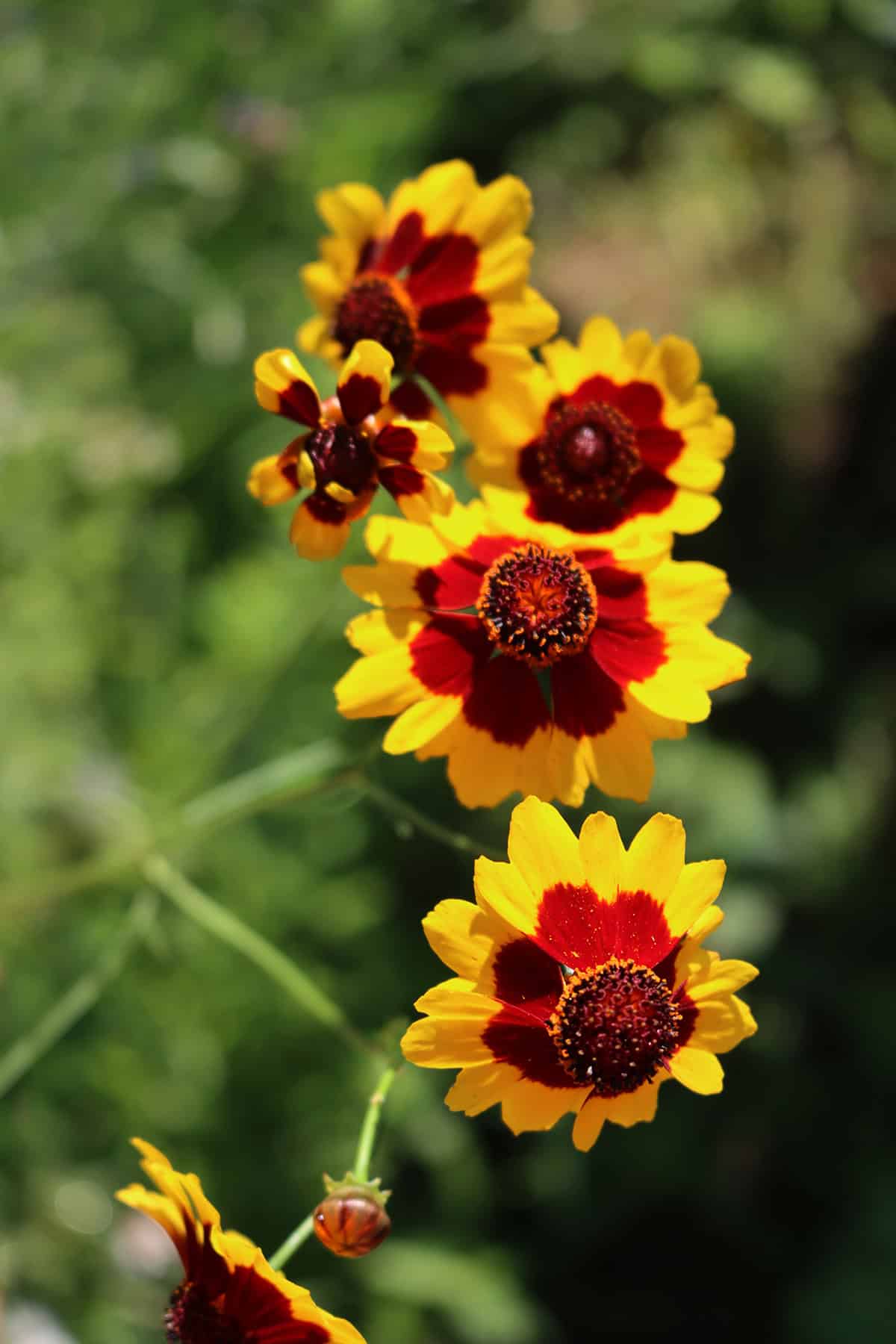
Snip off faded blooms to stop seed set and keep flowers coming. Cut stems back to a leaf joint for continuous color through summer.
If growth gets thin, a light midsummer shear can help. Avoid heavy pruning late in the season—plants need time to recover.
After frost, cut back if foliage is done, or leave some growth for winter protection in milder climates.
Bee Balm (Monarda)
Once the first flowers finish, cut stems back by about a third. Many types will send up a second flush. Better airflow from pruning also means less mildew.
Promptly remove old flower heads, cutting down to a strong pair of leaves. Thin out crowded stems in spring to keep disease at bay.
If mildew hits, a hard fall cut can help. Otherwise, healthy clumps reliably return each spring.
Garden Phlox (Phlox paniculata)
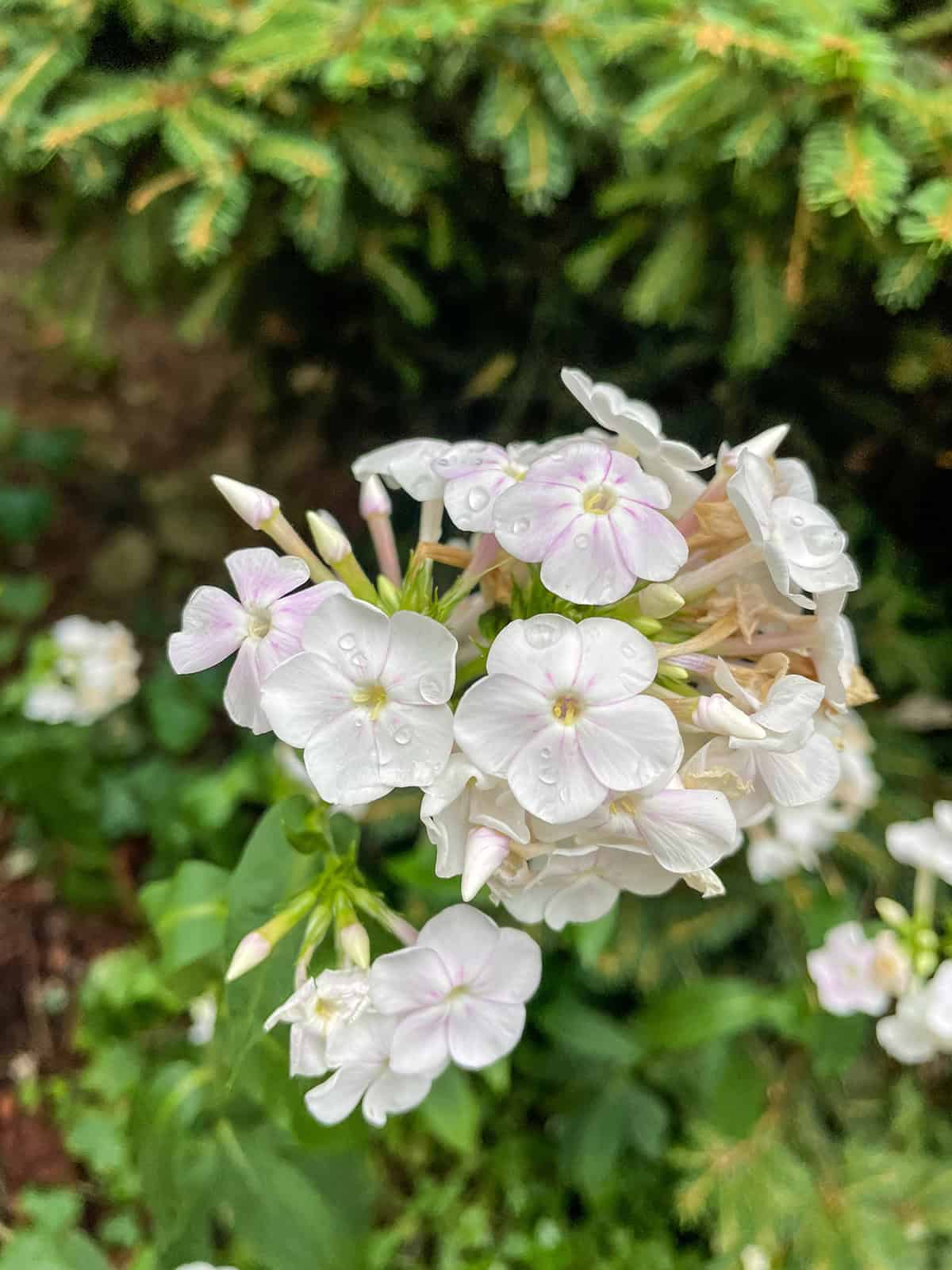
Snip off faded flower clusters to coax more blooms. Cut back to a side shoot or strong leaf set for a tidier, more productive plant.
Pinching stems in late spring can keep height in check and encourage branching. Good spacing helps with airflow and reduces disease.
After frost, cut to the ground and clear away debris for a clean start next year.
Veronica (Speedwell)
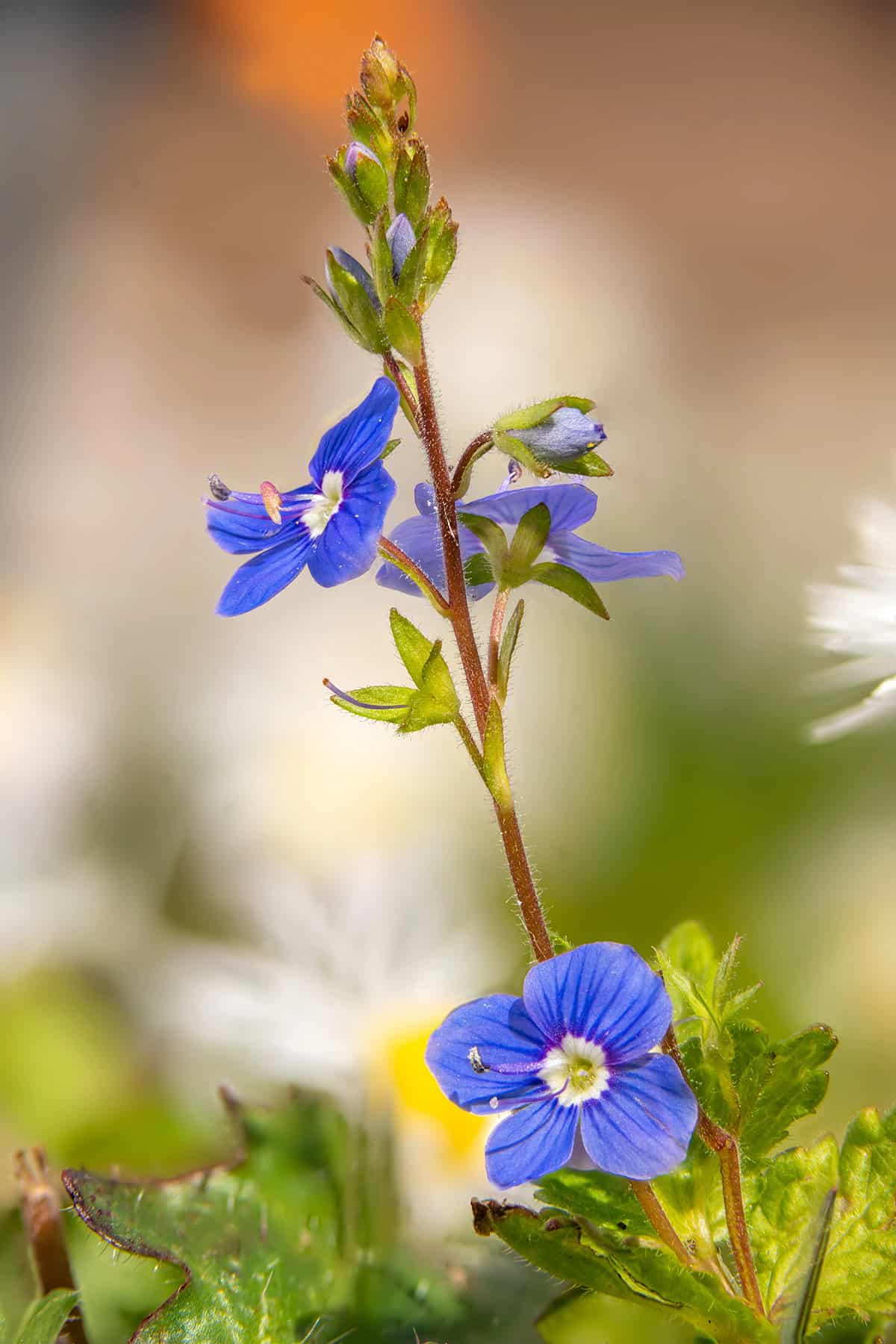
As soon as flower spikes lose their punch, trim down to the leafy mound. Quick pruning can spark a second round of blooms and keeps things compact.
Shear lightly after the main show; new spikes may show up soon. Don’t cut into the crown, though.
In fall, trim back anything that’s fading. The plant often keeps a dense, low base of foliage.
Campanula (Bellflower)
Regular deadheading keeps blooms coming. Cut stems back to a healthy leaf or side shoot—upright types especially bounce back with more flowers.
A gentle shear after peak bloom refreshes foliage and sometimes brings a few more blooms. Avoid hard cuts on low-growing types.
Once growth declines in late fall, tidy up as needed and divide clumps to keep them vigorous.
Delphinium
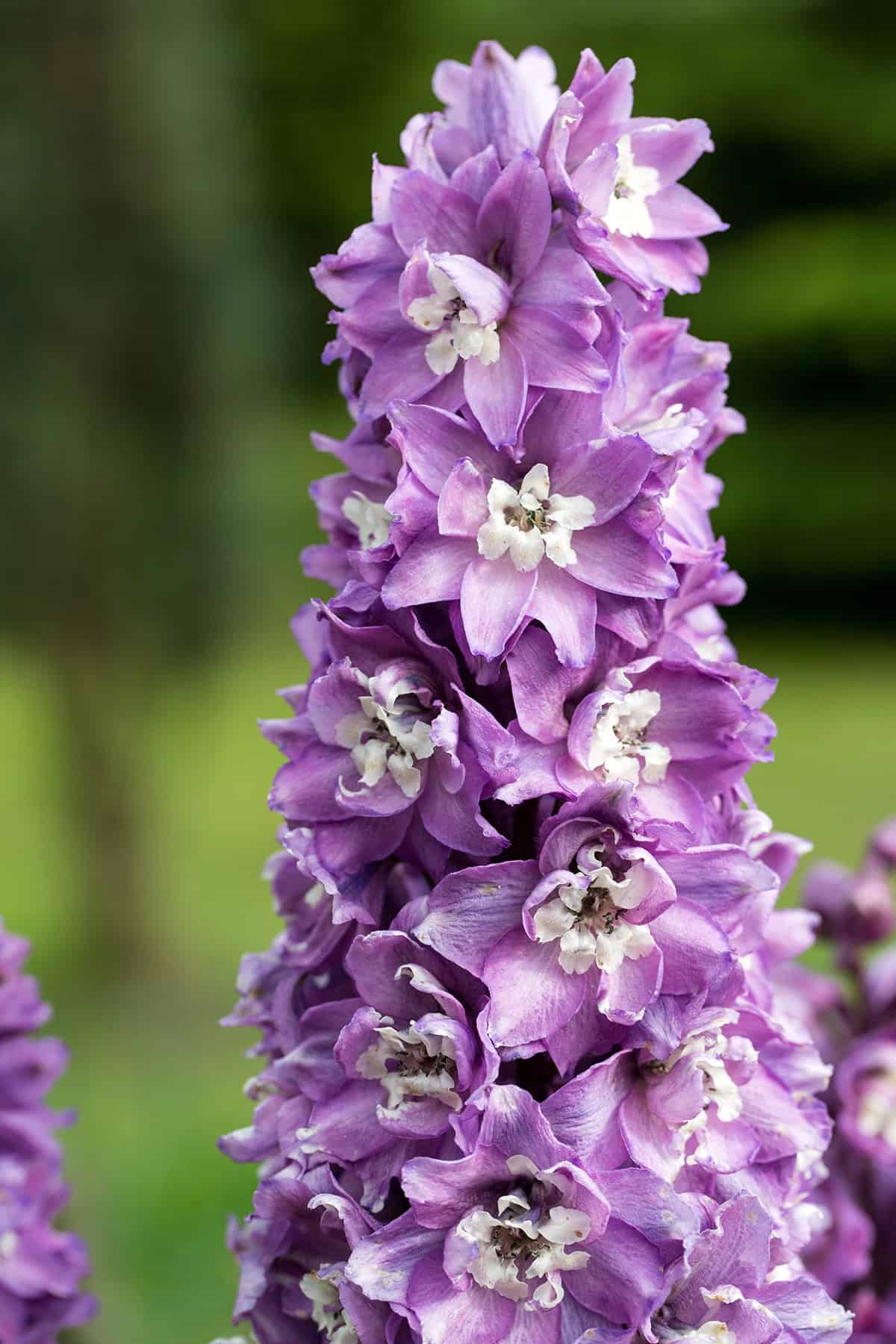
As soon as the last tall spikes finish, cut stems down to the base. A good feed and soak can encourage a second, smaller flush of flowers.
Stake early to support those heavy blooms. Only remove finished stems, leaving healthy leaves in place. Take care not to damage emerging shoots.
Cut to ground level in fall and clear away debris to limit disease issues.
Penstemon
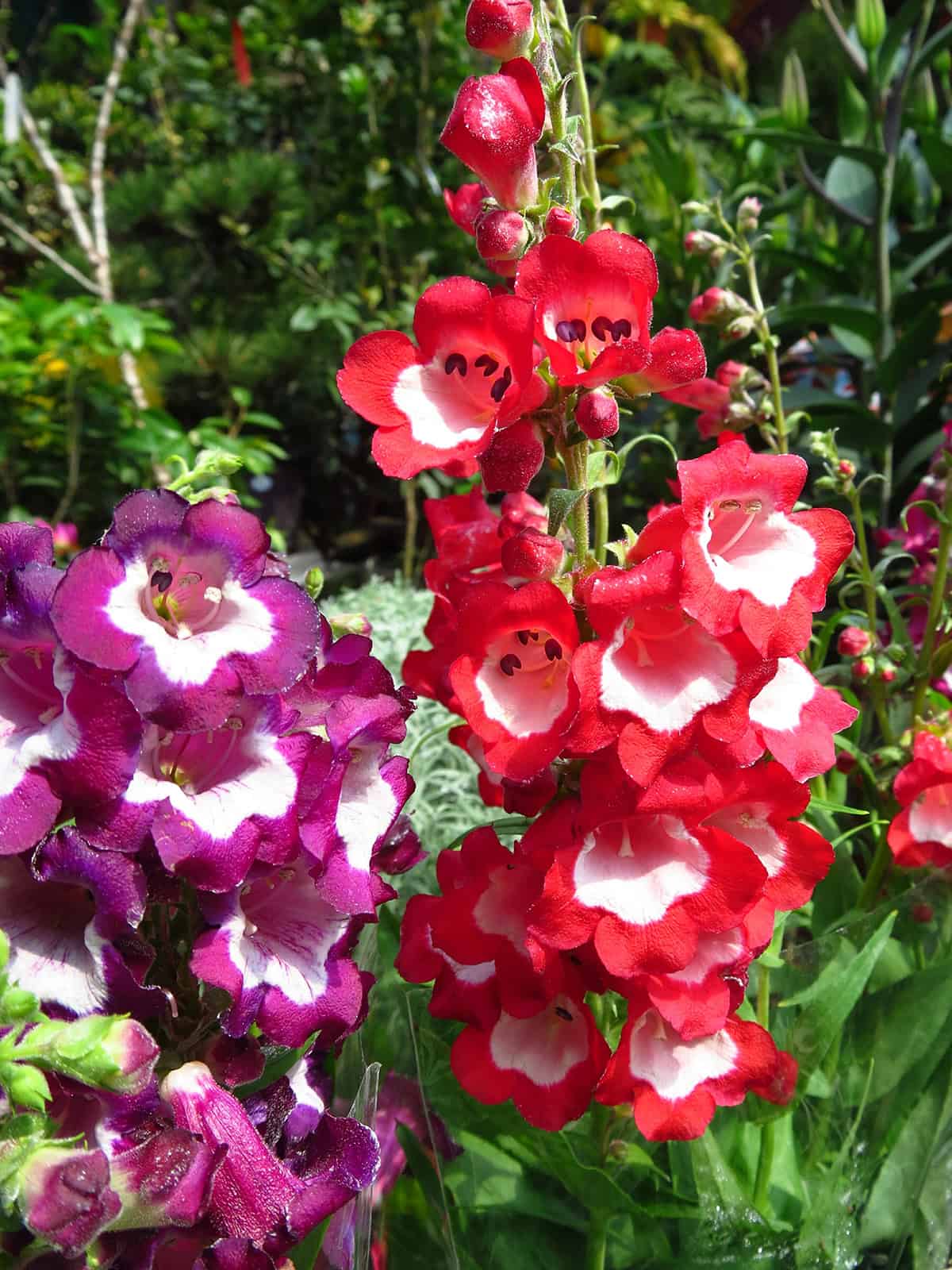
Spent flower spikes should go—cut back to a lower set of leaves to encourage branching and more blooms.
Don’t cut into woody bases. In colder areas, leave some top growth for winter, then trim back in spring when new shoots show.
Well-drained soil helps keep plants healthy, and regular pruning keeps them looking full.
Scabiosa (Pincushion Flower)
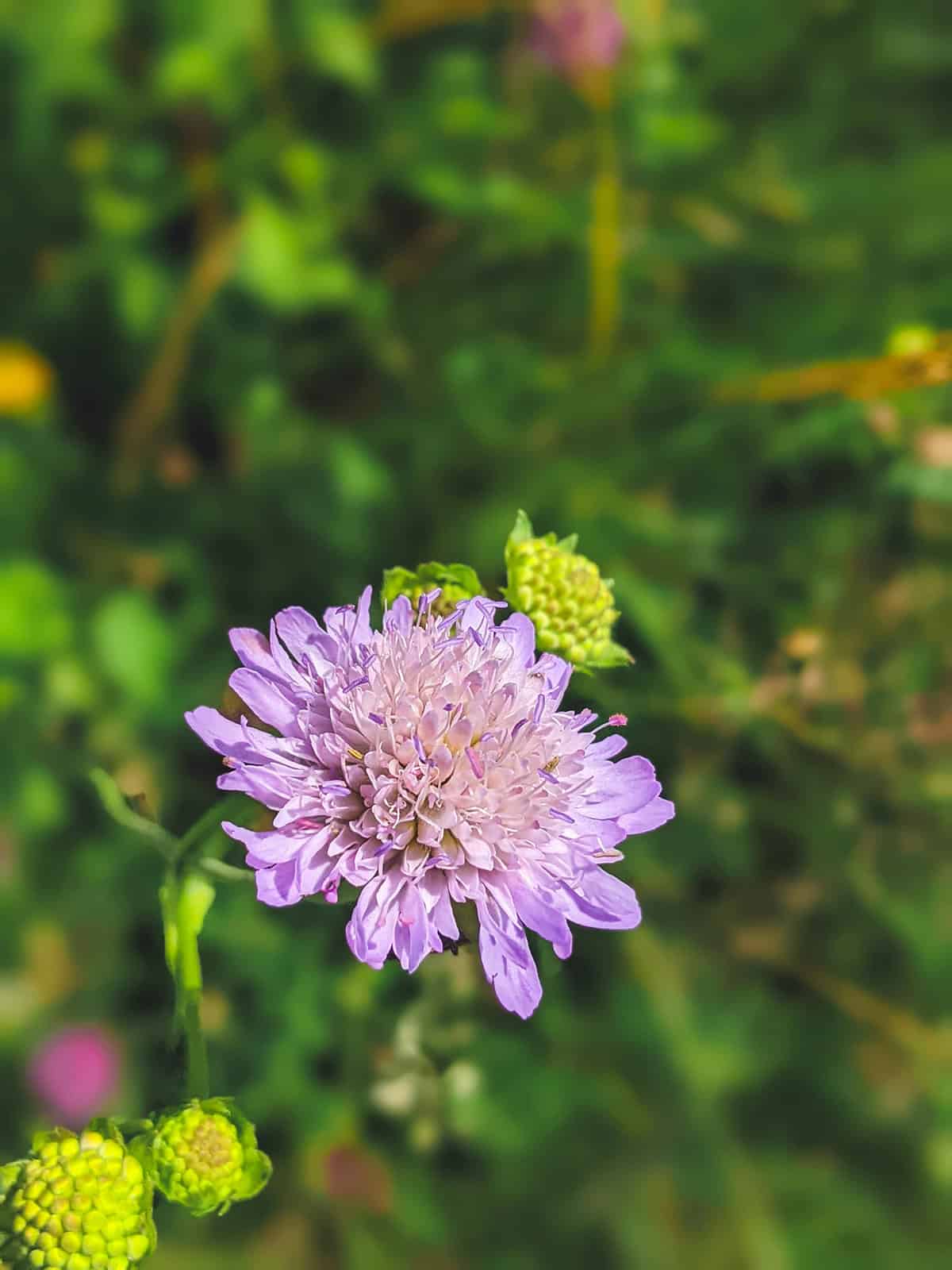
Pick off spent blooms regularly, trimming stems back to the base or a strong side shoot. This keeps the flowers coming and delays seed set.
If growth slows, a light midsummer shear can revitalize the plant. Avoid cutting into the crown.
Cut back once foliage fades in fall, and divide every few years for best results.
Gaura (Oenothera lindheimeri)
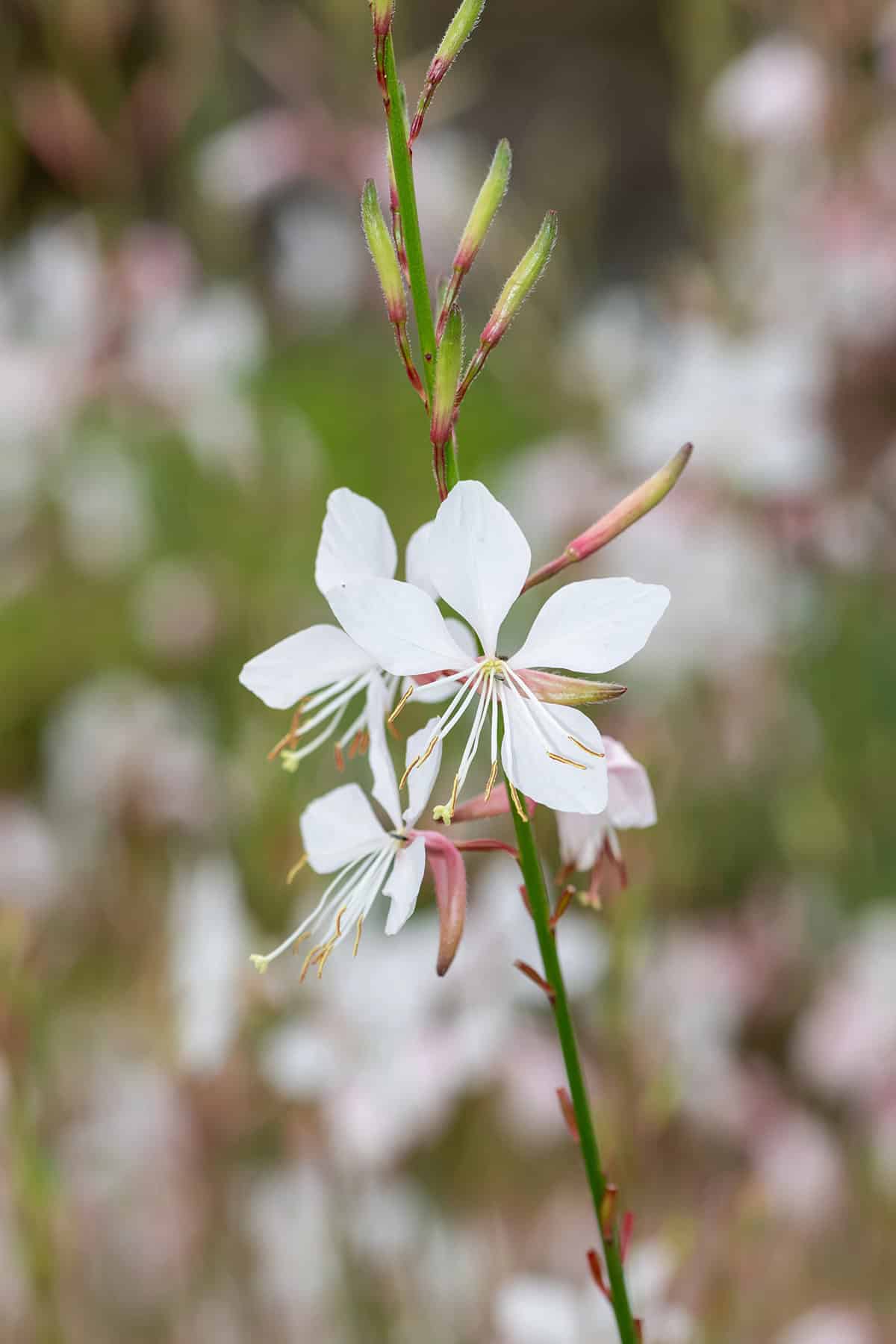
Tall, open growth can get unruly; shear back by a third in early summer to rein in height and encourage more flowering stems.
Light deadheading is optional—many types keep blooming without much fuss. Avoid cutting into woody bases late in the year.
In cold climates, wait until spring for a full cutback, leaving top growth as winter insulation.
Hardy Geranium (Geranium)
After flowering, a close shear to the ground can bring on fresh foliage and new blooms in just a few weeks. This keeps the plant dense and neat.
Remove any sickly leaves as you go. Steer clear of the central crown, and water lightly after pruning.
In fall, only tidy if necessary—many types prefer a spring cleanup.
Dianthus
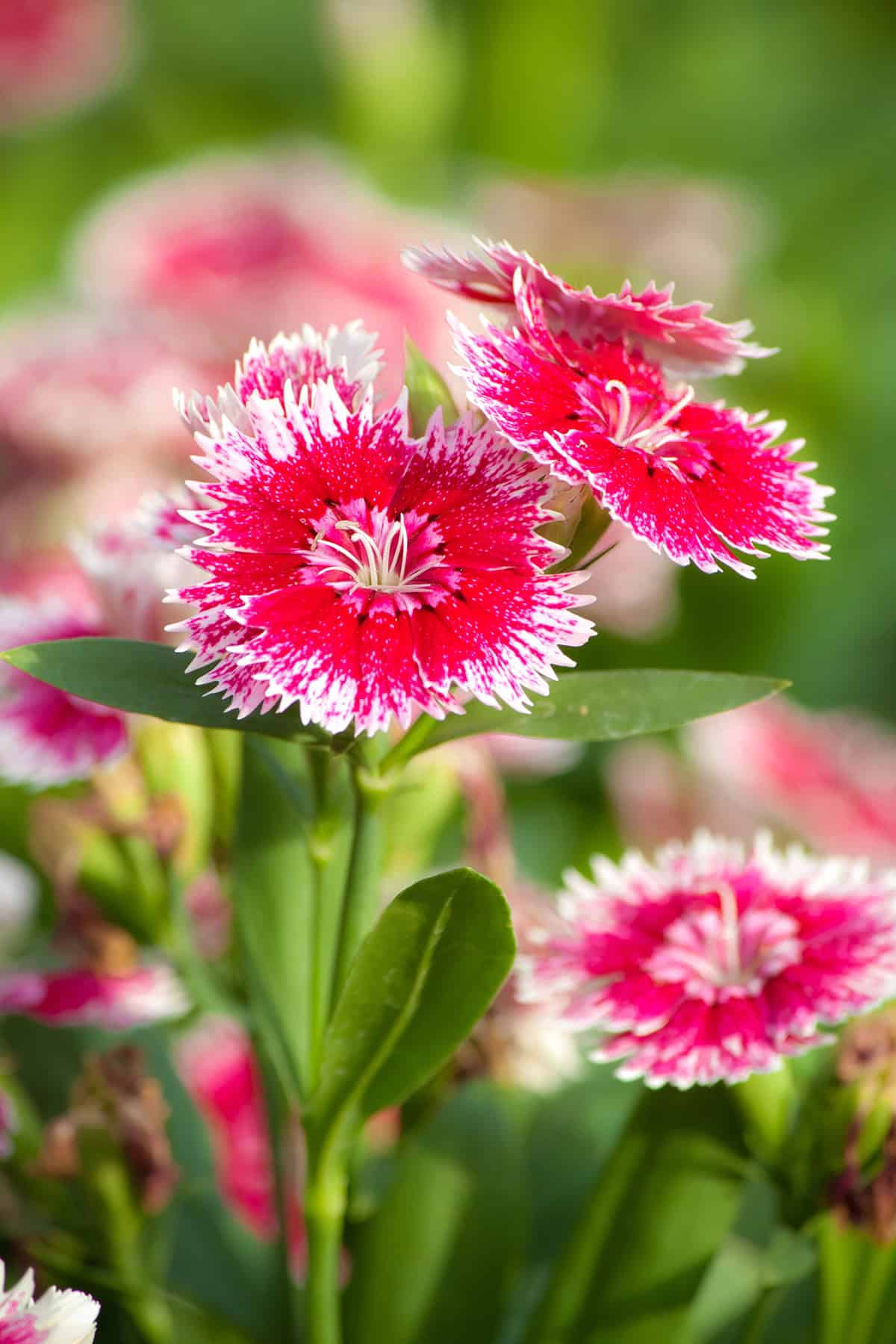
Spent flowers should be snipped back to a leaf node—regular deadheading means more blooms. Keep those cuts clean.
If the plant gets sparse, a light shear after the first flush can bring on new growth and buds. Don’t cut into woody stems.
A light trim in fall helps maintain shape. Good drainage is key for healthy crowns.
Balloon Flower (Platycodon)
Old stems are best left standing through winter so you remember where the plant is—cut them back in spring when new shoots poke through. This avoids accidental damage.
Deadheading after bloom can cut down on seed set, and sometimes you’ll get a lighter second bloom. Avoid heavy pruning during active growth.
If stems flop, a late spring pinch can help keep things upright.
Asters
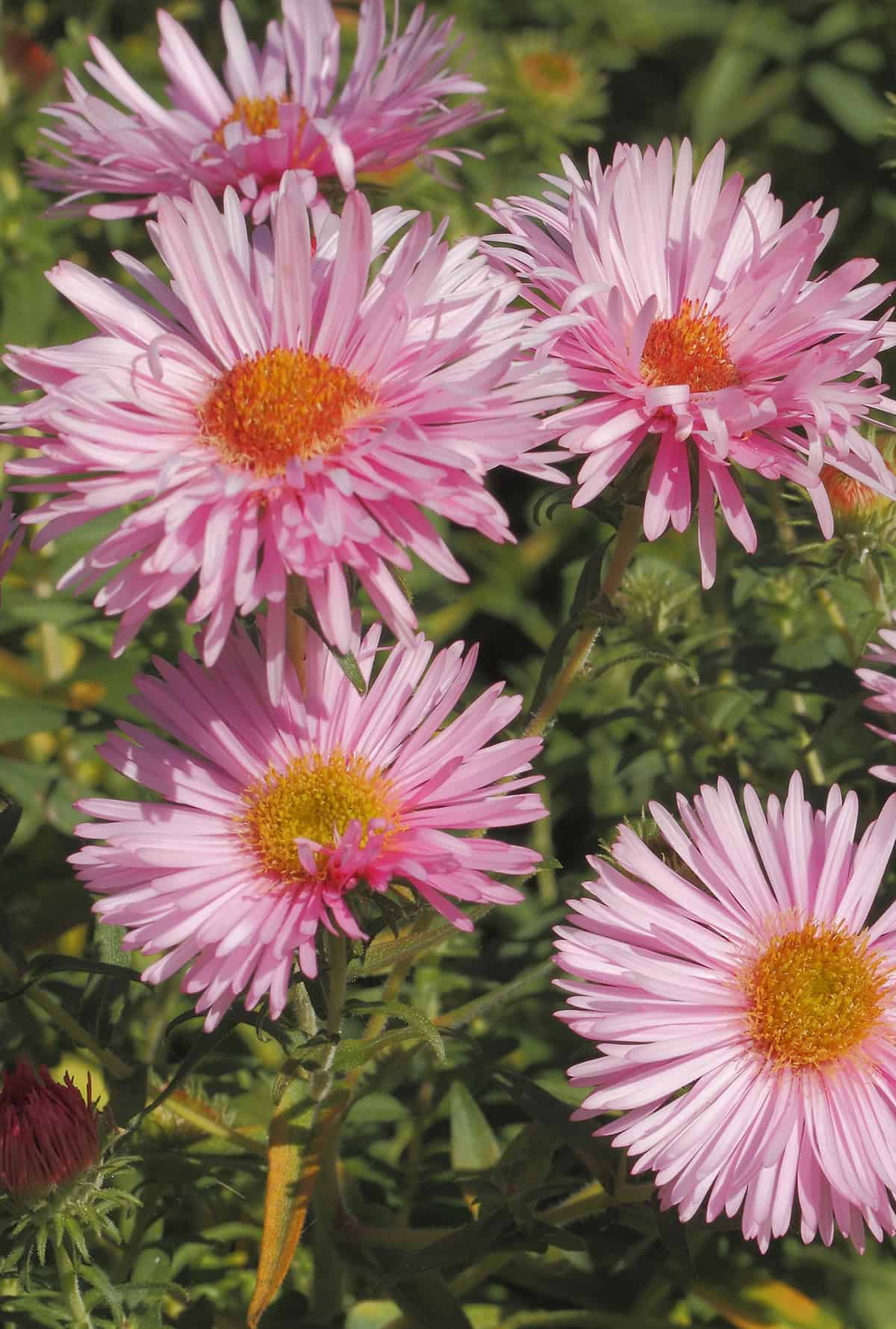
Pinching stems in late spring encourages bushiness and more flower heads come fall. Stop pinching by midsummer to let buds form.
Light deadheading can stretch out bloom time. Cut back after frost once foliage fades, or leave stems for some winter interest.
Divide crowded clumps every few years to keep air flowing and disease down.
Lavender
After flowering, trim off spent stems, cutting into soft green growth but steering clear of woody bases. This shapes the plant and sometimes brings a few more blooms.
A gentle shear in late summer can tidy things up, but don’t cut into bare wood—plants don’t recover well from that.
In spring, prune lightly to shape. Always make sure drainage is solid.
Daylily (Hemerocallis)
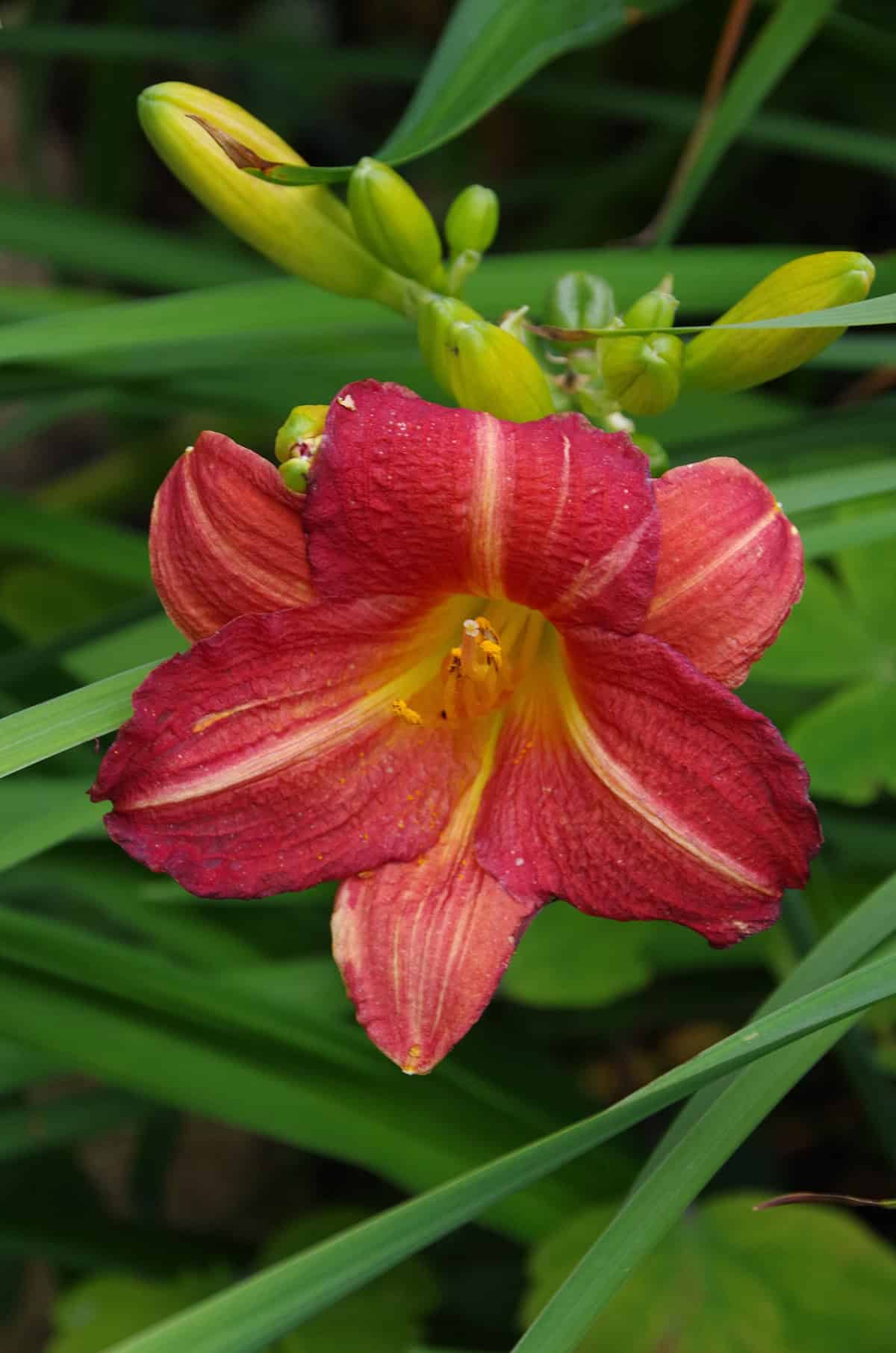
Spent flowers should come off daily during peak season. Once a stalk is done, cut it down to the base—beds stay tidy, and some varieties may rebloom.
If leaves start to look rough after flowering, shear them back a few inches. New foliage often follows. Don’t cut too close to the crown.
Divide clumps every few years and cut everything back after frost.
Tickseed (Coreopsis grandiflora)
Frequent deadheading stretches out summer bloom. Cut stems back to a healthy leaf to keep buds coming and prevent seeds.
A light shear after the main flush keeps things compact. Feed and water after pruning to help plants bounce back.
Cut back fully in fall after frost. Crowns return strong in spring.
Threadleaf Coreopsis (Coreopsis verticillata)
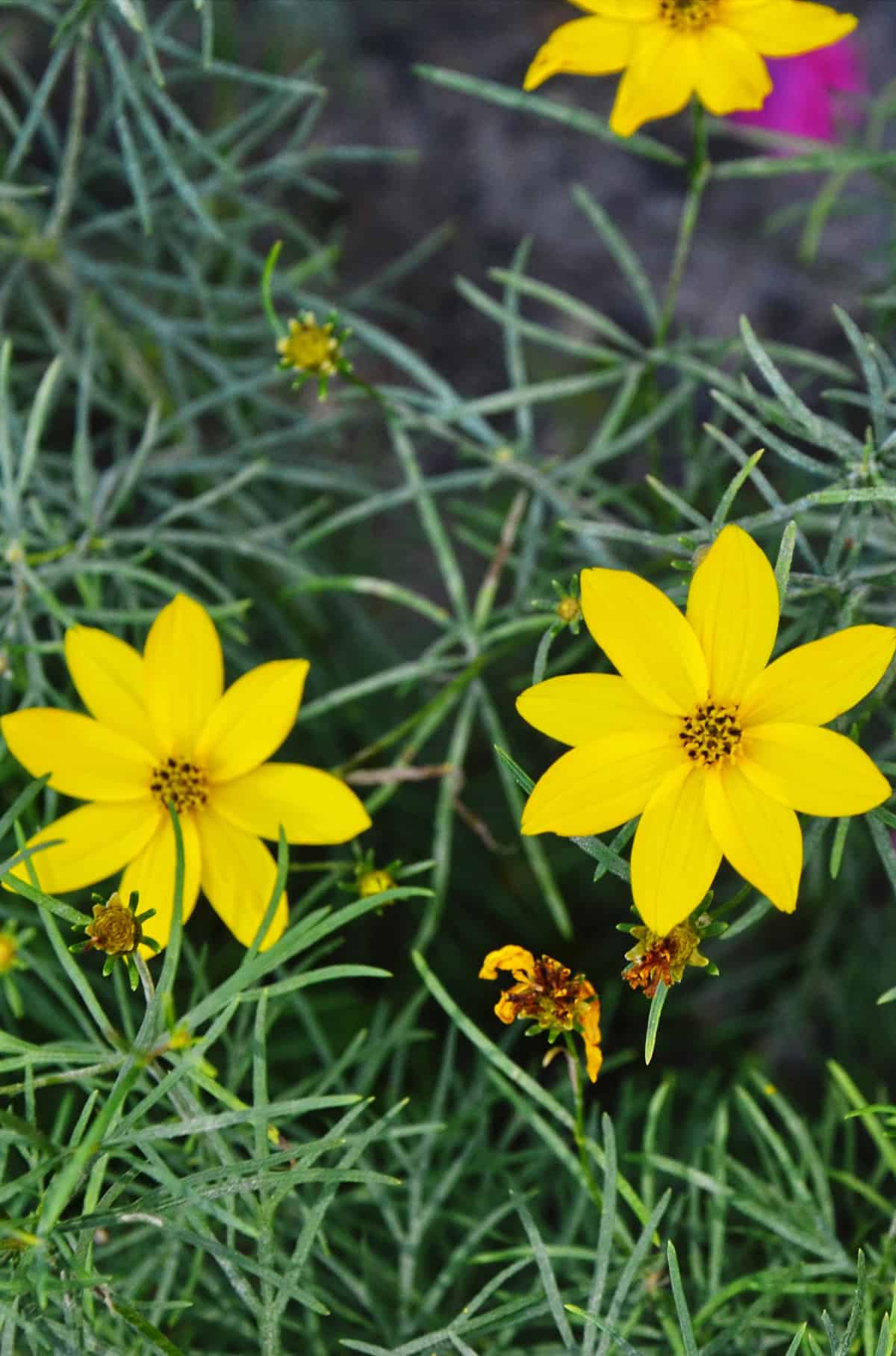
Fine, feathery leaves can look tired after heavy bloom. Shear by a third in midsummer for a fresh flush of stems and flowers.
Pick off spent blooms for tidiness if you like. Don’t cut into the woody base. Water if it’s dry after pruning.
Cut to the ground in fall or early spring. Divide as needed for vigor.
Purple Coneflower (Echinacea purpurea)
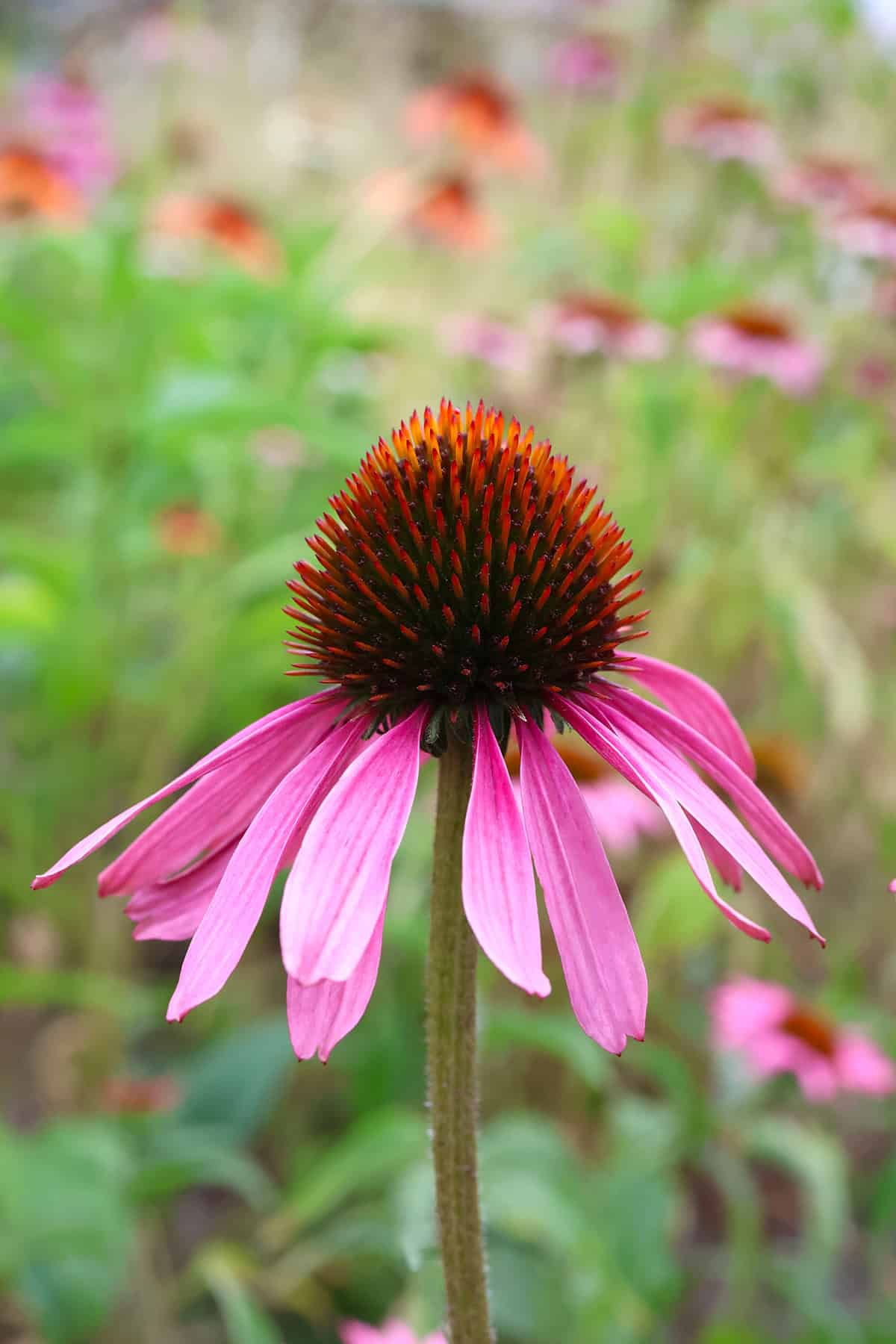
Deadheading encourages more buds—cut stems to a side shoot or healthy leaf. With regular trims, blooms often keep coming.
Leaving some seed heads for birds is always an option. Avoid heavy midsummer cuts into the crown, and water moderately after pruning.
After frost, cut back to ground level. Fresh shoots emerge in spring.
Garden Mum (Chrysanthemum)
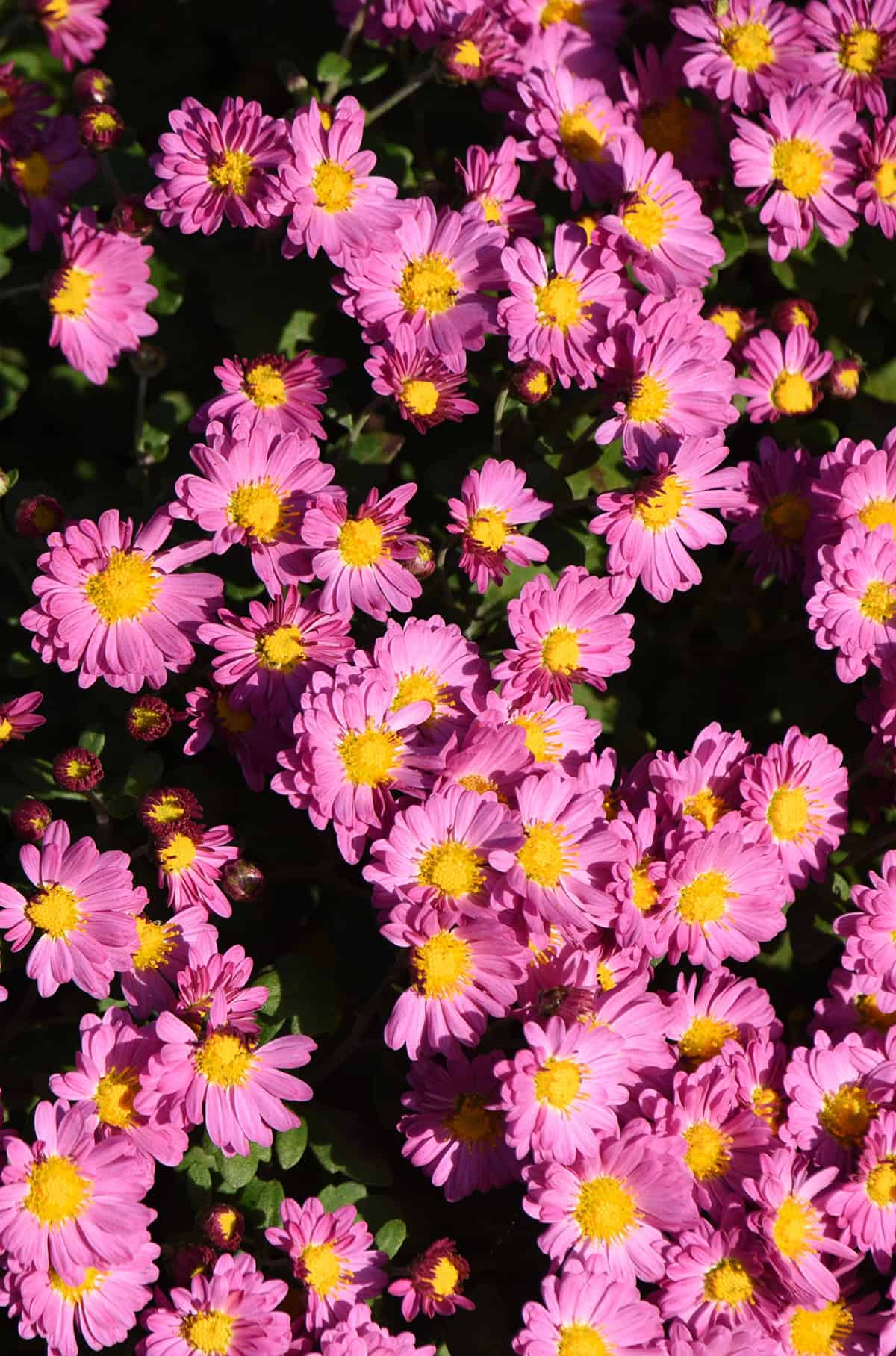
Early in the growing season, it’s worth giving stems a quick pinch every couple of weeks. By midsummer, though, it’s best to let them be so flower buds can finally set. This hands-on approach tends to pay off with fuller plants and a pretty wild show of blooms come fall.
Once autumn hits, snipping off those tired, spent flowers helps keep things looking lively a bit longer. After frost, cutting everything back to just a few inches above the ground does the trick. In chillier zones, tossing on some mulch isn’t a bad idea to help them through the winter.
Every few years, splitting up the clumps keeps roots vigorous and flowering robust. It’s a bit of work, but worth it for the payoff.