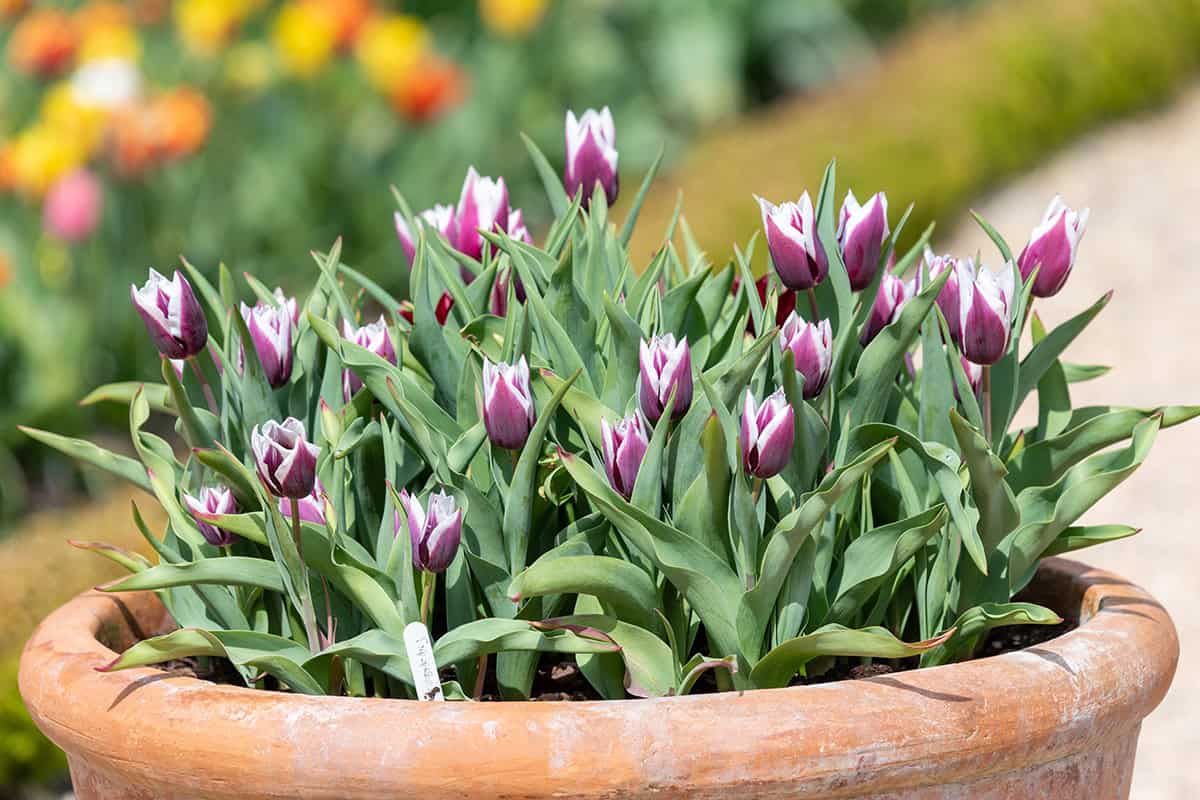
Ever tried tulips in pots? It’s a game-changer. You get to control the soil and water, dodge the worst pests, and skip the garden’s unpredictable mess. Containers keep things tidy and let you move those blooms wherever you want a splash of spring.
Even if you’re short on space, a balcony or front step can become a tulip showcase. The following tips cover choosing containers, planting depth, watering, and what to do with bulbs after flowering, so you can keep those pots looking good year after year.
Table of Contents
- 10 Tips To Grow Tulips In A Pot
- Choose The Right Pot Size And Depth
- Pick Healthy, High-Quality Tulip Bulbs
- Use A Well-Draining Potting Mix
- Plant Bulbs At The Correct Depth
- Space The Bulbs Properly In The Pot
- Water Tulips Carefully After Planting
- Place The Pot In A Sunny Location
- Give Tulips The Cold Period They Need
- Fertilize Lightly For Strong Blooms
- Protect Potted Tulips From Pests And Rot
10 Tips To Grow Tulips In A Pot
Everything from the pot’s width to the chill of winter shapes how your tulips turn out. It’s not rocket science, but each step—soil, spacing, sun, and a bit of pest watch—matters if you want sturdy, upright flowers.
Choose The Right Pot Size And Depth
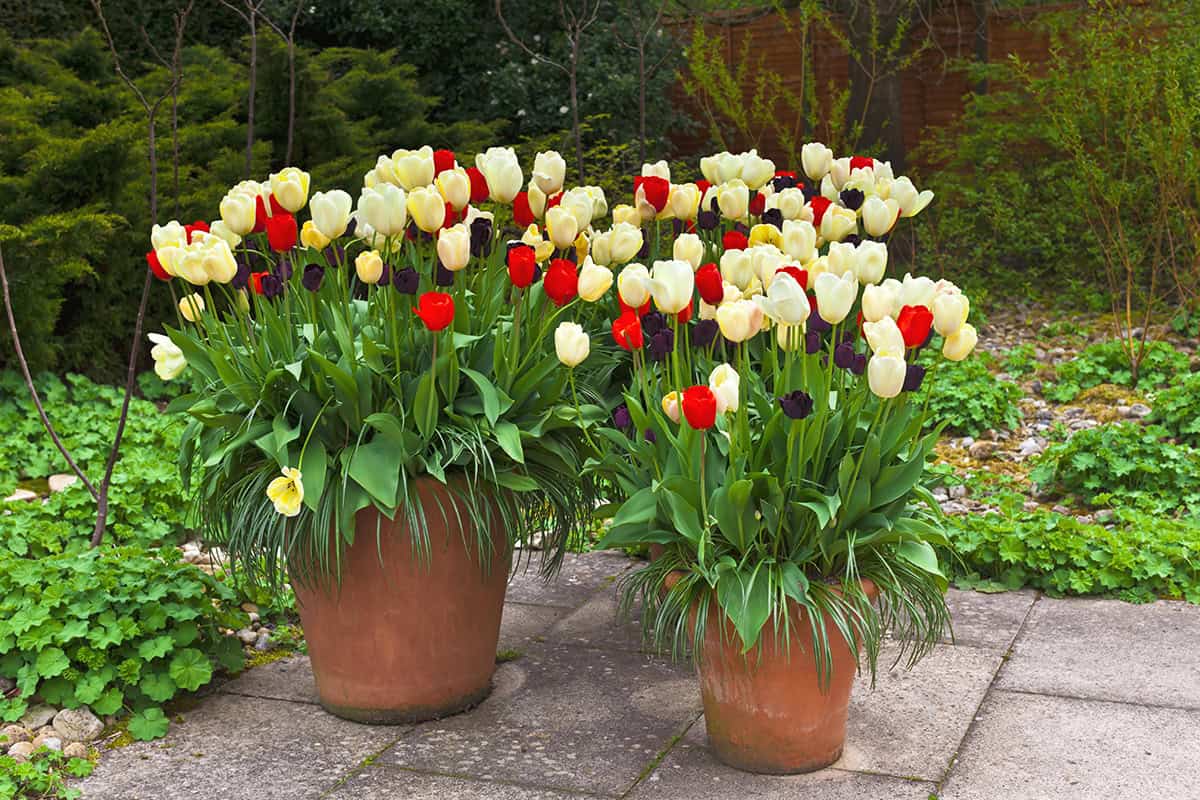
Look for a container that’s deep enough for roots to stretch—think 8 to 12 inches of soil. A wider pot (10 to 12 inches across) lets you tuck in several bulbs without squeezing them. Bigger pots also buffer against wild swings in moisture and temperature, which tulips appreciate, especially as winter creeps in.
Drainage is non-negotiable. Holes at the bottom keep bulbs from sitting in water and rotting. Heavy pots—clay or thick plastic—stand up to wind and don’t tip when those blooms get top-heavy.
Pick Healthy, High-Quality Tulip Bulbs
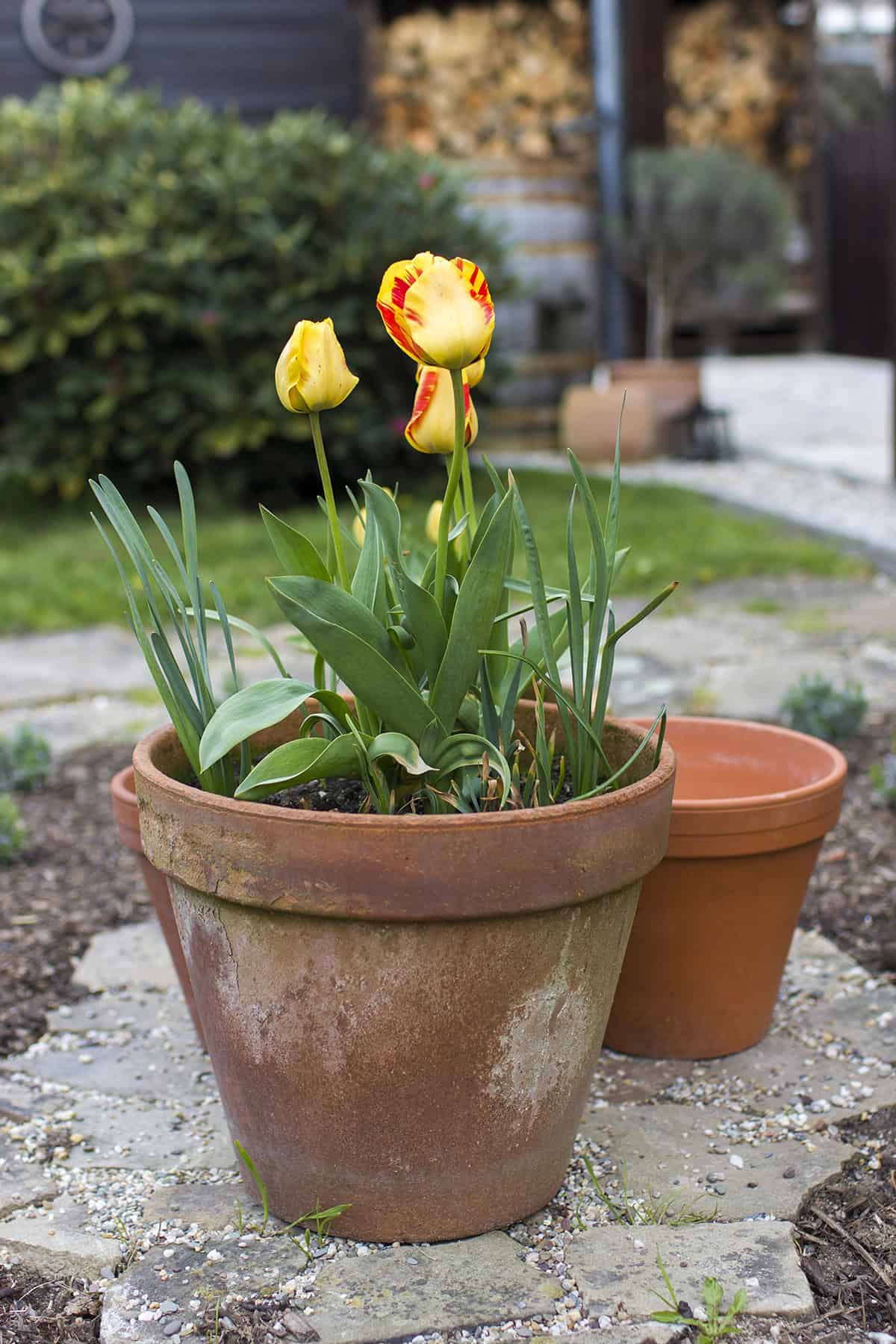
Go for bulbs that feel firm when you give them a gentle squeeze. Squishy or hollow? Pass. The outer skin should look dry and unbroken—skip anything with mold, cuts, or weird spots.
If you can, choose the biggest bulbs on offer. They usually deliver the showiest flowers. Smaller ones might bloom, but the results can be underwhelming. Stick with trusted suppliers and get them planted in fall for a proper spring display.
Use A Well-Draining Potting Mix
Garden dirt just doesn’t cut it in containers—it packs down, chokes roots, and holds too much water. A commercial potting mix made for containers gives roots the air and drainage they crave.
If the bagged mix feels heavy, toss in some coarse sand or perlite. Keep compost to a minimum; tulips want quick drainage after every watering, not a soggy mess.
Plant Bulbs At The Correct Depth
Depth really shapes how those stems hold up. In pots, aim for bulbs to sit with 2 to 3 inches of soil above them. If your container’s deep, go for a depth about twice or three times the bulb’s height.
When placing bulbs, angle the flat side toward the pot’s rim. That’s where the biggest leaf pops out, and it’ll naturally arch outward, framing your display with a bit of flair.
Space The Bulbs Properly In The Pot
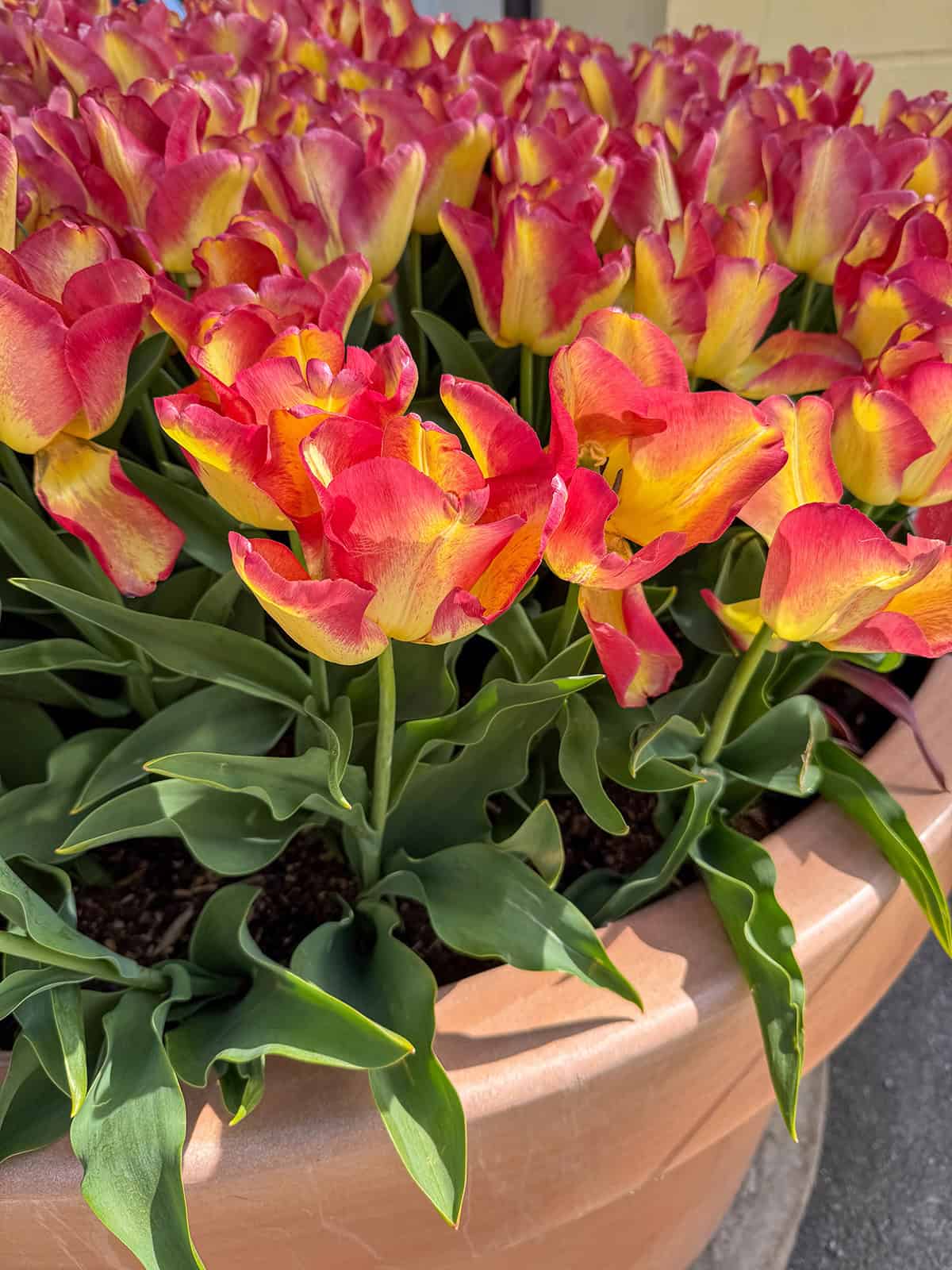
Pots let you plant bulbs closer than in the ground, but don’t cram them. Leave about half an inch to an inch between each bulb—close, but not touching.
Too much crowding leads to weak stems and scrawny flowers. Even in a 6-inch pot, you can fit a few bulbs if you arrange them evenly. The goal is a lush look without stunting their growth.
Water Tulips Carefully After Planting
Once bulbs are tucked in, give them a good soak so the soil settles. After that, let the top inch dry out before watering again—tulips hate wet feet and will rot if left soggy.
During winter, check every few weeks. If the soil’s bone dry, add just enough water to keep things barely moist, especially if your pots are sheltered from rain.
Place The Pot In A Sunny Location
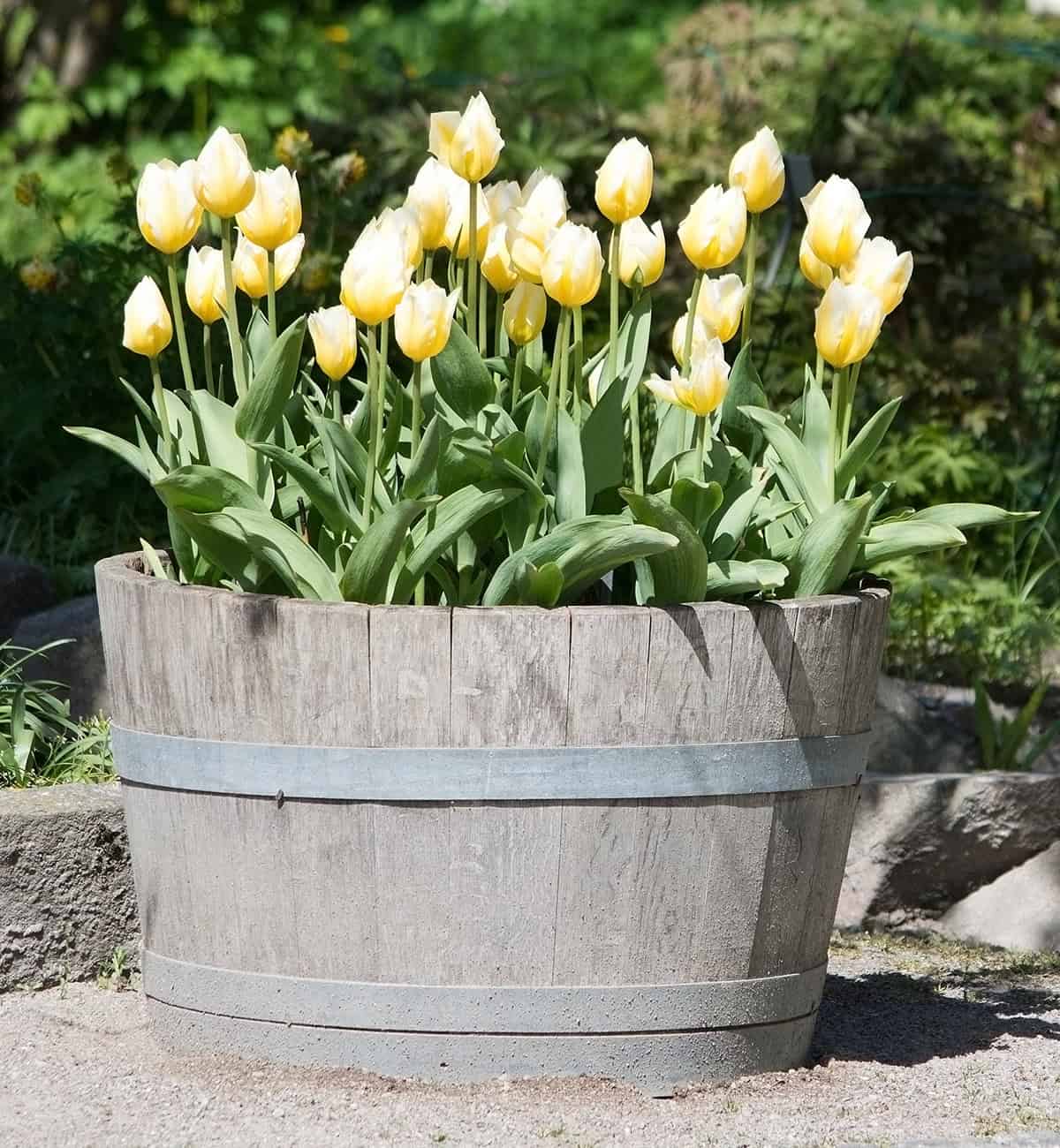
Direct sunlight is key for sturdy stems and vibrant color. Find a spot with at least six hours of sun—south or west-facing usually does the trick.
Once buds start to show color, you might want to pull the pot out of the harshest afternoon sun. Cooler temps help flowers last longer and keep petals from fading.
Give Tulips The Cold Period They Need
Without a solid chill (12 to 14 weeks at 35°F to 48°F), most tulips just won’t bloom right. In colder climates, leave pots outside for winter, but shield them from drenching rain or brutal freezes by tucking them near a wall or in an unheated garage.
For warmer areas, stash planted pots in the fridge—just keep them away from fruit, since the ethylene gas messes with flower formation.
Fertilize Lightly For Strong Blooms
Tulips in pots don’t want much food. Overdoing it means more leaves, fewer flowers. At planting, mix in a pinch of balanced, slow-release fertilizer—follow the label, don’t guess.
When green shoots poke through in spring, a single light liquid feed is enough. Stop feeding once the flowers fade. Let the leaves die back naturally so the bulbs can recharge for next year.
Protect Potted Tulips From Pests And Rot
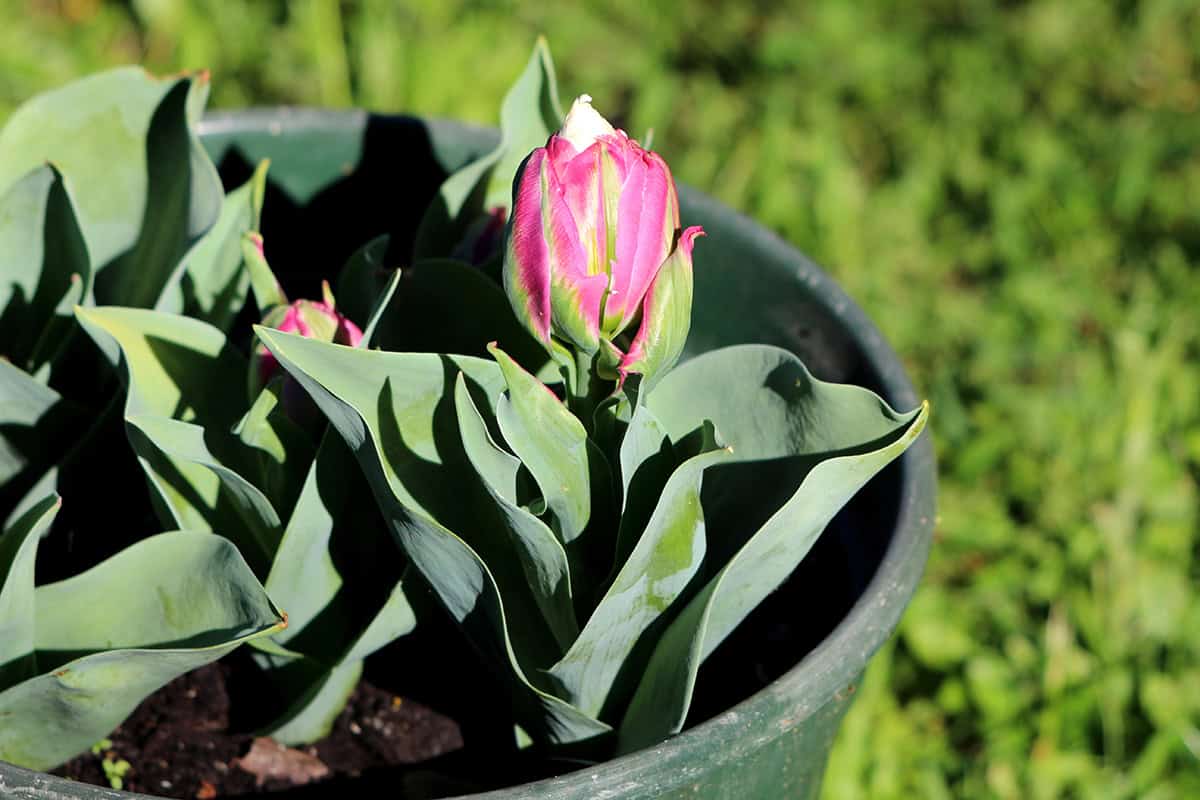
Soggy soil spells trouble—roots hate sitting in puddles. Always tip out water from saucers after you’ve watered, or you’re basically inviting rot.
Catch a whiff of something funky, or spot fuzzy mold creeping around? Don’t wait. Yank out any dodgy bulbs right away so the rest have a fighting chance.
Winter’s a buffet for rodents—they’ll dig right in if you let them. A layer of wire mesh over the pot keeps those little thieves at bay until green tips poke through. Fresh soil and clean tools each year? Yeah, it’s a bit of work, but it really does cut down on disease headaches.