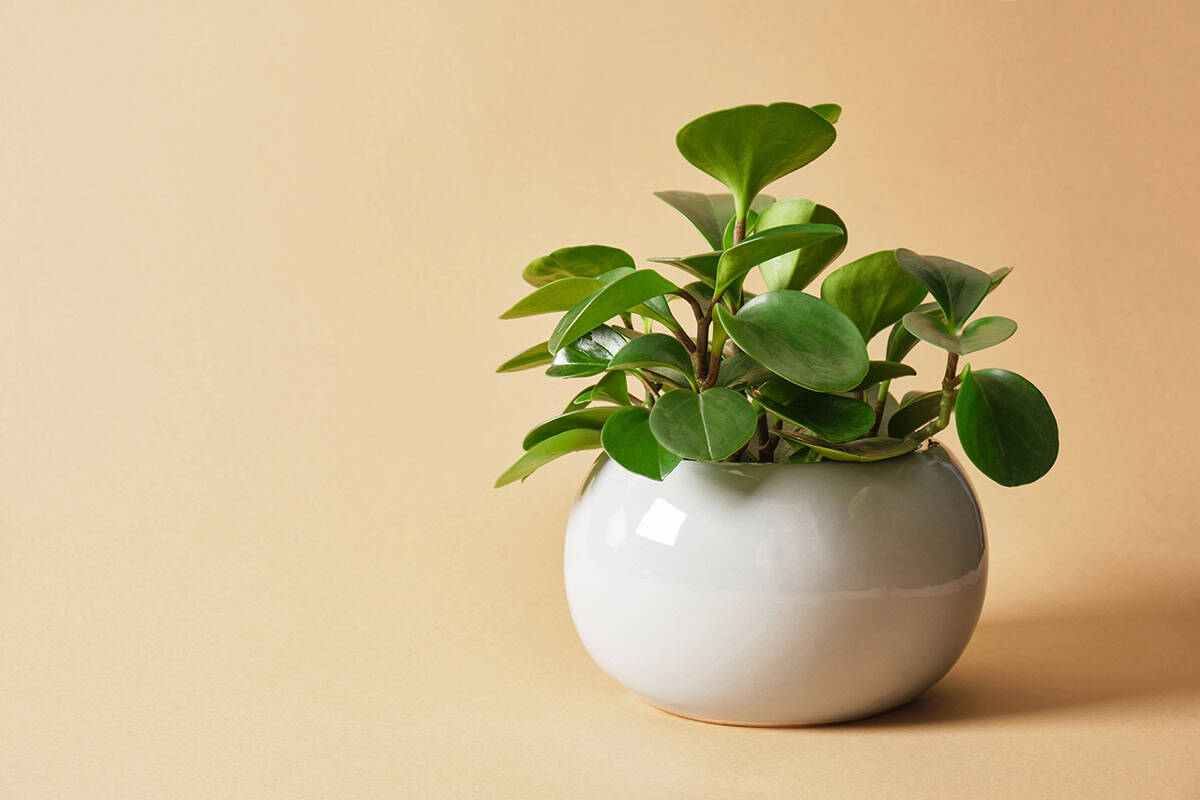
Thick, glossy leaves and a tidy, compact form make Peperomia obtusifolia a favorite for anyone wanting a low-fuss houseplant. Aim for bright, indirect light, well-drained soil, and let the top inch dry out before watering—this is the sweet spot for keeping it happy. It’s a tropical type that doesn’t take up much space, so it fits right in on a shelf or tucked into a corner of your desk.
Wondering how much sun is too much, or how dry is too dry? It’s not as tricky as it sounds. You’ll get the hang of its light, water, soil, temperature, and humidity needs pretty quickly. Once you do, root rot and leaf drop are the kind of problems you’ll rarely see.
If it ever gets leggy or out of shape, just grab your scissors—pruning is simple. And if you want more plants, propagation is easy. Troubleshooting? Most issues are minor if you catch them early.
Table of Contents
Quick Care Summary
Small spaces and indoor nooks suit Peperomia obtusifolia well. Those thick, shiny leaves don’t ask for much and the plant stays manageable without much fuss. Shelves, desktops, or even a crowded windowsill—it’s not picky.
Light: Prefers a spot with ample indirect light. Medium levels are fine, but growth slows. Direct sun? Not a good idea.
Soil: Go for a loose, draining mix. Anything made for houseplants or succulents does the trick. Drainage is key for healthy roots.
Watering: Wait until the top inch feels dry. Ease up in winter. Never let it sit in a puddle.
Temperature: Keep things between 65–80°F. Drafts and abrupt temperature swings are best avoided.
Humidity: Standard indoor air is fine. It’ll put up with dryness, but a little extra humidity won’t hurt in winter.
Fertilizer: Monthly feeding with diluted liquid fertilizer during spring and summer is enough. Skip it in fall and winter.
Propagation: Stem or leaf cuttings root easily in water or moist soil. You’ll see roots in a few weeks.
Peperomia Obtusifolia Overview
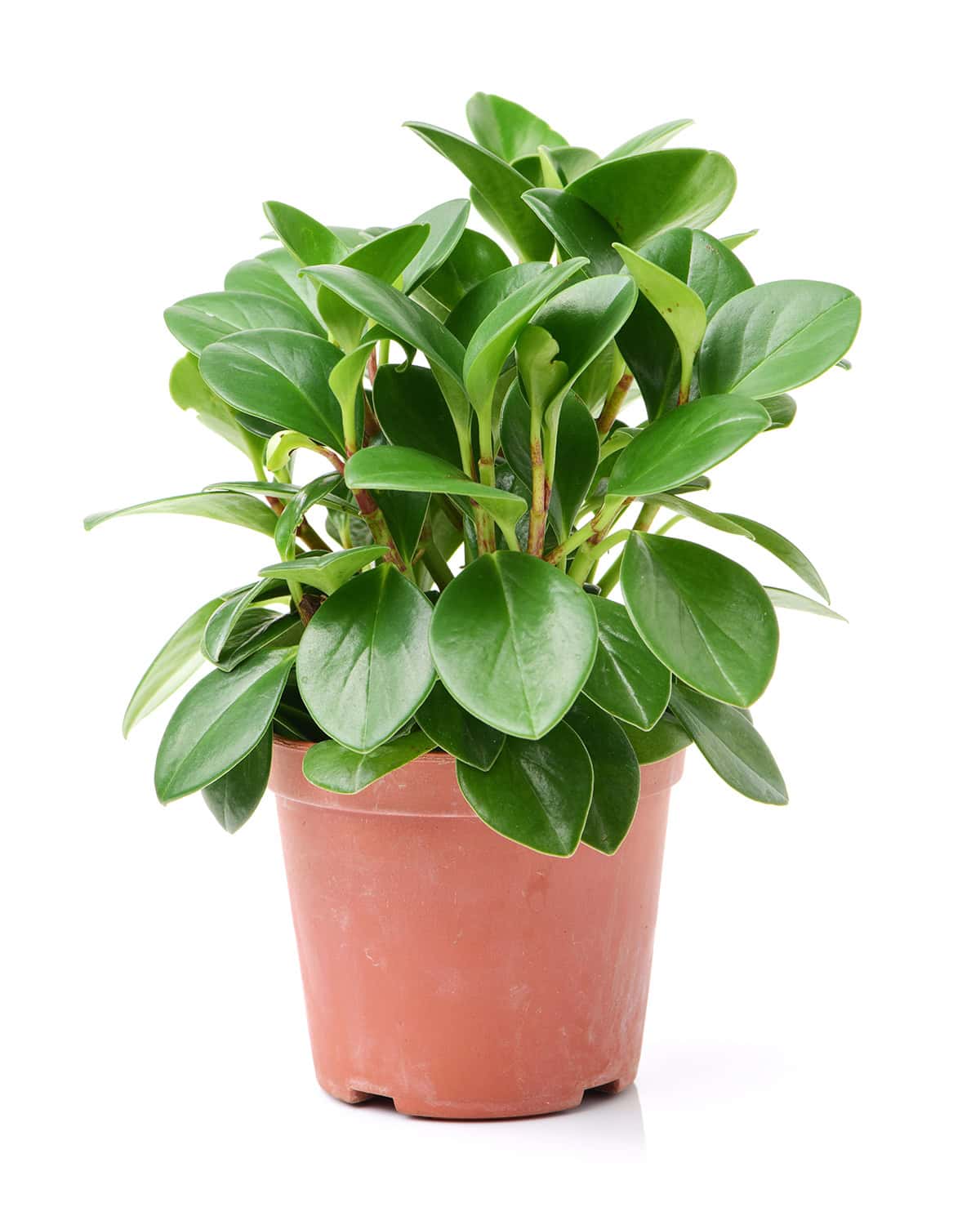
A chunky little tropical with a reputation for being easygoing, Peperomia obtusifolia—often called baby rubber plant—fits right into busy lives. It’s a go-to for desks, shelves, or anywhere you want a splash of green without the drama.
Those upright stems and rounded leaves do double duty, storing water and staying lush even if you forget a watering or two. Some varieties have creamy variegation, others stick with solid green. Either way, it’s pretty adaptable to whatever your home throws at it.
Quick Care Summary
- Light: Enjoys bright, indirect light; handles medium light
- Soil: Needs a well-draining mix, perlite or bark help
- Watering: Top inch dry before watering
- Temperature: 65–80°F (18–27°C)
- Humidity: Typical indoor humidity is fine
- Fertilizer: Balanced liquid food every 4–6 weeks, spring and summer
- Propagation: Stem or leaf cuttings work well
Minimal effort, maximum reward. Thick leaves mean less watering, and you won’t need any fancy gadgets.
Plant Overview
- Botanical name: Peperomia obtusifolia
- Common names: Baby rubber plant, American rubber plant, Florida peperomia
- Plant type: Tropical evergreen perennial
- Mature size: 8–12 inches tall and wide
- Growth rate: Moderate
- Toxicity: Non-toxic to cats and dogs
- Native region: Caribbean, Mexico, Central and South America, parts of Florida
Belonging to the pepper family, it keeps a bushy profile and doesn’t mind life in a pot. In warm climates, some folks even use it as a ground cover indoors.
Light
A spot with soft, filtered sunlight brings out the best in these glossy leaves. East or west windows, especially with a sheer curtain, tend to work well. Too much direct sun, especially in the afternoon, can scorch and fade the foliage—those brown spots aren’t a good sign.
If the plant is too far from the window, growth slows and the stems may stretch, losing that tidy look. Every few weeks, rotating the pot helps keep things even. Variegated types, with their creamy patches, crave a bit more light or they’ll lose their color. Deep shade, especially in winter, just isn’t ideal.
If you’re in a place with little natural light, an LED grow light can fill the gap. Just keep it near the leaves, but don’t let it touch.
Water
Moisture matters, but soggy soil is a no-go. Letting the top 1–2 inches dry out before watering is usually best. Since the leaves store water, a little dryness is safer than overdoing it.
Instead of sticking to a rigid schedule, just poke a finger in the soil. Most homes call for watering every week or two, less in winter. When you do water, use room-temp water and make sure it drains through. Dump out any water left in the saucer—roots hate sitting in it.
Yellowing leaves, mushy stems, or a funky smell? Those are red flags for overwatering and possible root rot. Underwatering shows up as limp or wrinkled leaves, but the plant usually perks up fast once you water.
Soil
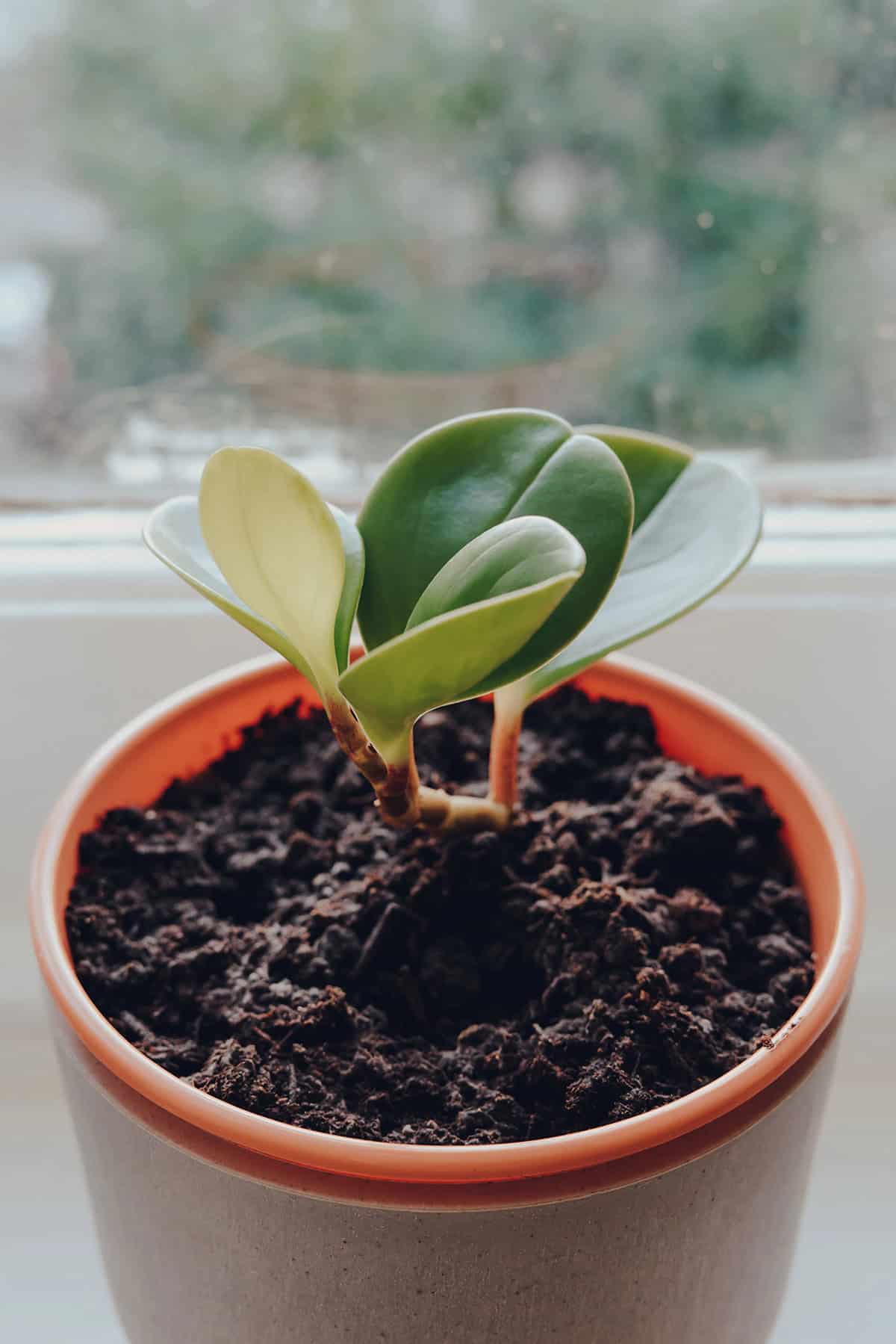
Loose, airy soil keeps roots happy. A mix that holds a bit of moisture but dries quickly is ideal. Heavy, dense soil just suffocates roots and leads to rot.
Start with a standard houseplant mix, but toss in some perlite or coarse sand for extra drainage. Orchid bark isn’t a bad addition either, since it helps with airflow. Aim for a pH around 6.0–7.0.
Skip garden soil in pots—it compacts and holds too much water. Always make sure your pot has a drainage hole, and don’t water until the top inch feels dry.
Temperature & Humidity
Stable warmth is the secret here. Somewhere between 60°F and 80°F is the comfort zone. Anything below 55°F, and you’ll probably see leaf damage or even drop. Quick temperature swings? Not a friend to this plant.
Keep it away from chilly windows, doors, or blasting heat vents. Dry air isn’t a huge problem, but if your home gets desert-dry in winter, a pebble tray or grouping plants can help. No need to go overboard with misting, though—too much moisture on the stems can cause rot.
Good airflow and well-drained soil do more for the plant’s health than any humidity hack. Consistent, balanced conditions keep those leaves thick and happy.
Fertilizer
A little food goes a long way. Use a balanced, water-soluble houseplant fertilizer—something like 10-10-10 or 20-20-20, but always at half strength. Once every four to six weeks in spring and summer is plenty.
Overdoing it with fertilizer just causes more harm than good—think crispy edges or salt crust on the soil. If that happens, flush the pot with distilled water and cut back on feeding.
Skip fertilizer entirely in fall and winter. Growth slows and extra nutrients just stress the roots. Always water before feeding to avoid burning them.
Potting & Repotting
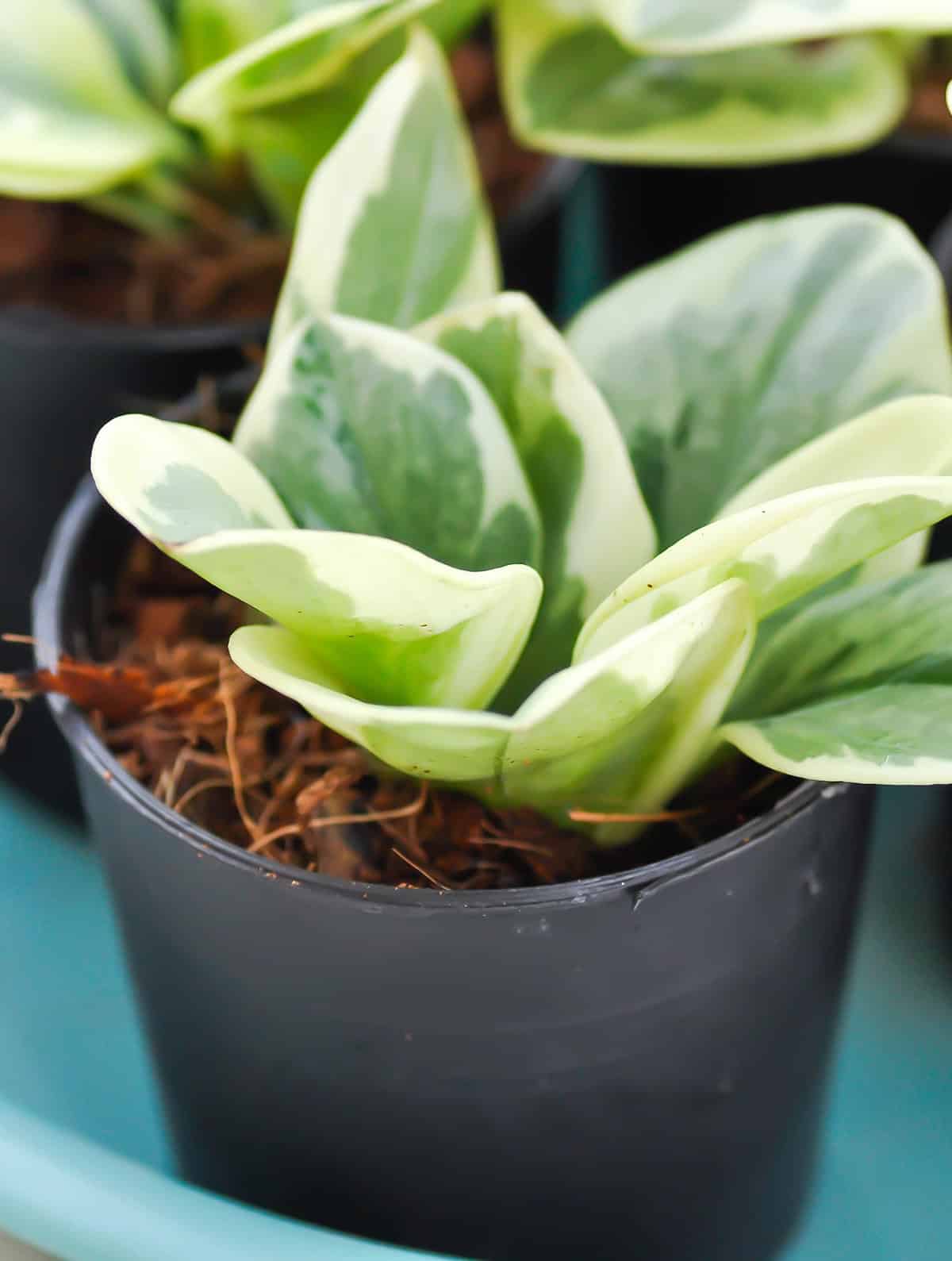
A pot with a drainage hole is non-negotiable. Pick one just a size up from the current root ball—too big, and the soil stays wet too long. Loose, fast-draining potting mix is the way to go, with extra perlite or bark if you want.
Repotting only needs to happen every couple of years, or when roots start circling or poking out the bottom. When it’s time, gently free the plant, tease apart any tight roots, and snip off anything mushy or dark.
Settle the plant in fresh soil so the top sits just below the rim, fill around the sides, and give it a light press to remove air pockets. Water once, then wait for the top layer to dry before watering again.
Pruning
Tidying up Peperomia obtusifolia is pretty straightforward. Whenever stems get too long or the shape turns awkward, a quick trim above a leaf node will do the job. Fresh shoots usually pop up right where you cut.
Yellow or damaged leaves should go as soon as you spot them. Snip close to the base, but don’t tear at the stem. Clean your scissors to keep disease at bay.
Pinching back tips encourages a bushier look, and it’s best done in spring or early summer when the plant is growing fastest. Heavy pruning in winter? Not recommended—the plant just won’t bounce back as quickly.
Propagation
Multiplying your plant is satisfying and simple. Most folks go with stem cuttings because they root quickly and reliably. Early spring or summer is prime time, thanks to warmer temps.
Snip a healthy stem with at least two leaves, cut just below a node, and strip off the lower leaf. Pop it into moist soil or a glass of water, then keep it in bright, indirect light. Roots usually show up within a few weeks.
Leaf cuttings work too—just take a mature leaf with a bit of stem, press it into moist soil, and wait for new growth at the base.
If your plant’s gotten big, you can divide it. Gently split the root ball so each section has roots and a few stems, then pot them up separately and water lightly.
Common Problems
Yellowing leaves and mushy stems almost always point to too much water. If the soil smells sour, root rot might be brewing. Let the soil dry out and check that your pot drains well.
Sudden leaf drop? Cold drafts, low light, or abrupt temperature changes are usually to blame. Keep things steady and the plant should recover.
If the stems start stretching and leaves spread out, it’s probably not getting enough light. Move it closer to a window, but avoid harsh sun that can scorch.
Pests like mealybugs, spider mites, or whiteflies sometimes show up, especially if the plant’s stressed. Check under leaves and along stems. Wipe away bugs with alcohol on a cotton swab, or use insecticidal soap if needed.
Varieties
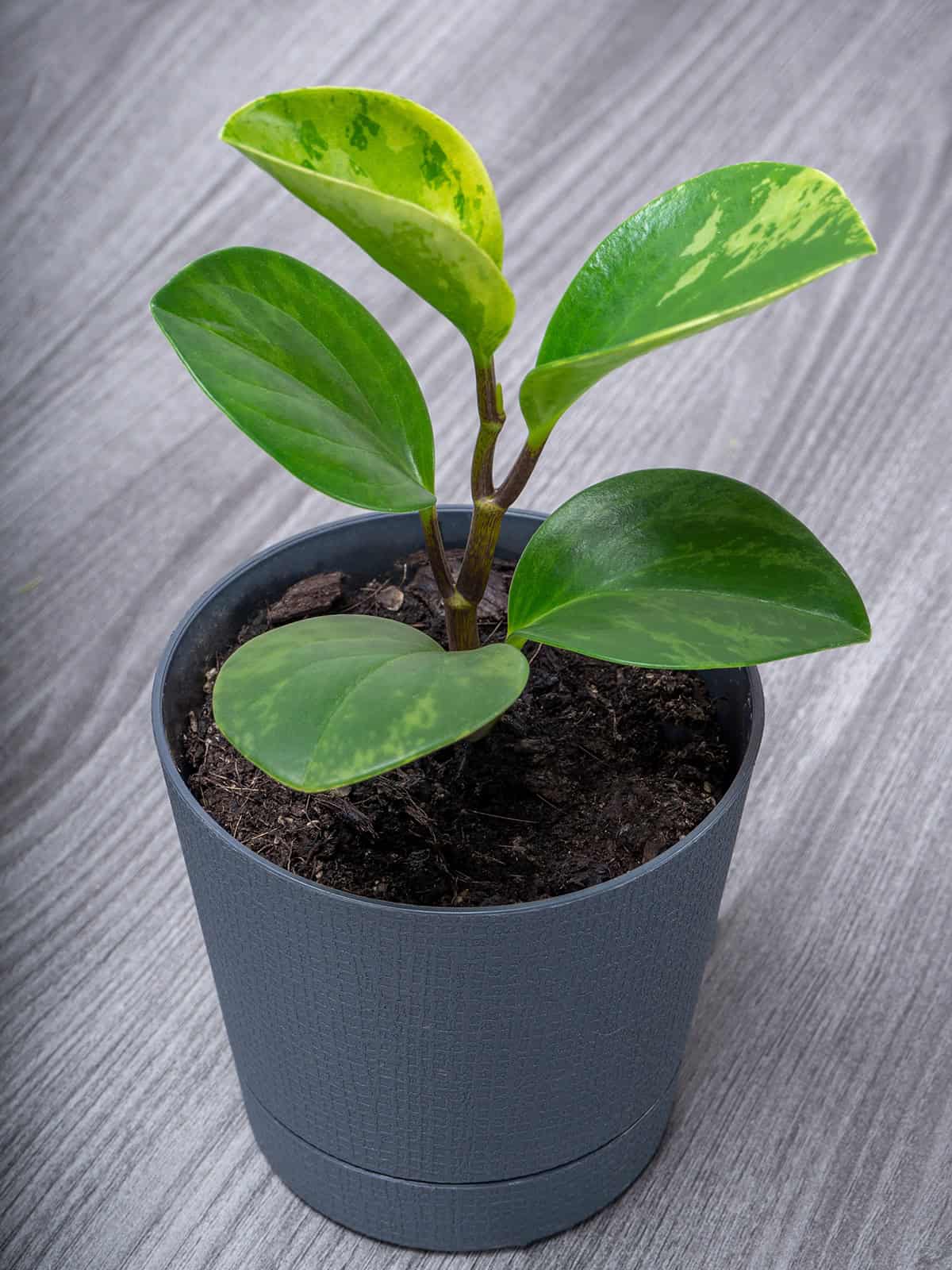
Step into any nursery and you’ll spot a surprising range of Peperomia obtusifolia options. While every one of them keeps those satisfyingly thick, rounded leaves and a tidy, compact vibe, the real differences show up in the foliage’s color and pattern—size hardly ever changes much.
Deep green, glossy leaves mark the classic version. It’s the sort of plant that shrugs off average light and the occasional missed watering. Honestly, it’s hard not to see why people stick these on crowded desks or neglected shelves.
Some folks gravitate toward the variegated types, which toss in creamy whites or pale streaks along the leaf edges or splashed across the center. ‘Variegata’ seems to pop up everywhere, probably because those unpredictable markings can liven up a dim corner without much effort.
A handful of cultivars lean toward gentler color shifts—think pale greens mingling with soft yellows. These tend to look their best if you can give them a spot with bright, indirect light. If they’re left in darker spots, that lovely variegation can fade out fast.
Then there are the dwarfs you’ll sometimes find tucked away at specialty shops. Growth stays slow and miniature, perfect for anyone who’s short on space but still wants a bit of green. No special tricks needed—just the usual well-drained soil and a careful hand with the watering can.
Picking one? It’s really about what catches your eye and what kind of light you have to offer. Every variety shares the same easygoing temperament; it all boils down to your color cravings and the room you’ve got.