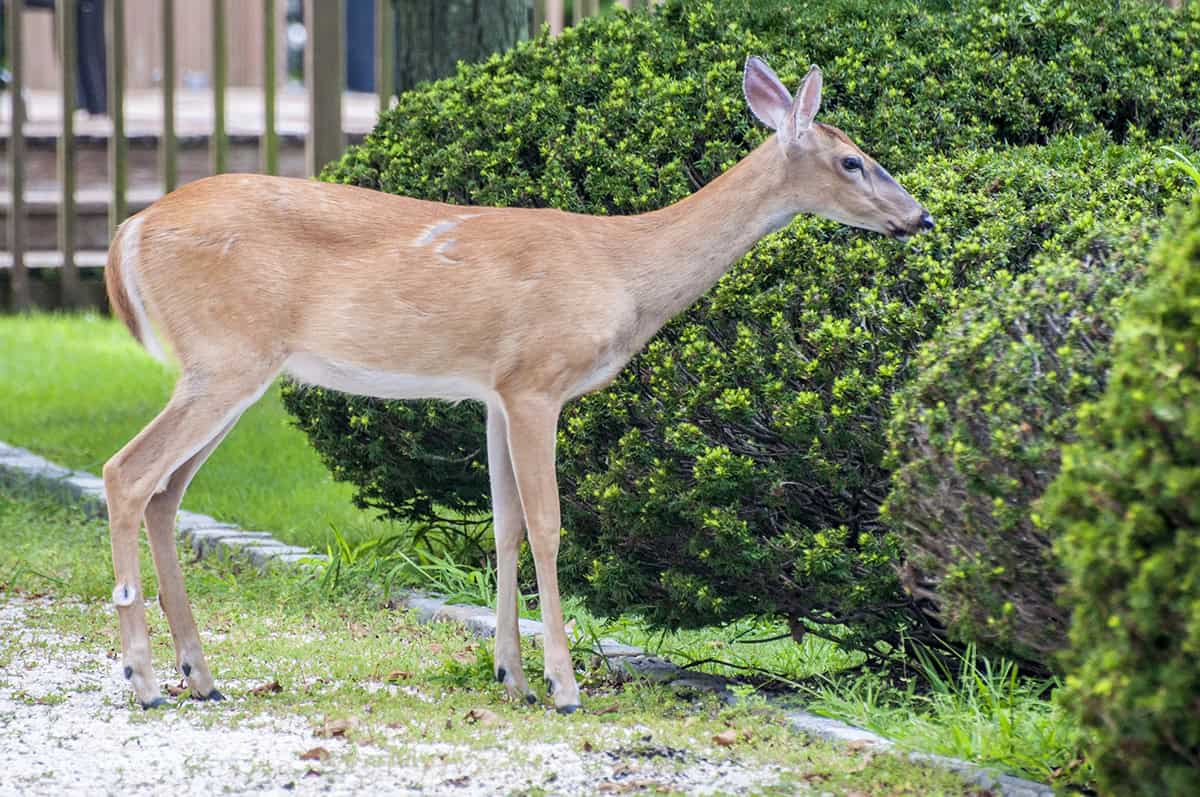
Many gardeners learn the hard way that not every plant survives in areas with heavy deer activity. Fortunately, plenty of attractive options hold up surprisingly well under those conditions. Explore this article to find deer-resistant plants that deserve a spot in your landscape.
Table of Contents
Deer-Resistant Plants
It’s often the strong fragrance, fuzzy leaves, toxic sap, or tough texture that tip the scales in your favor. With a bit of planning, you can work these qualities into your beds for color and structure—without offering up a buffet.
Lavender
That unmistakable lavender scent—soothing to humans, off-putting to deer. Gray, narrow leaves aren’t winning any popularity contests with wildlife either.
Stick it in a sunny, well-drained spot. Soggy roots are a death sentence, especially in winter. Give each plant breathing room to help fend off mildew.
English types handle cold better; French and Spanish lavenders like it mild. Snip blooms when they fade to keep things tidy. Works well lining borders, paths, or any dry slope that needs a lift.
Rosemary
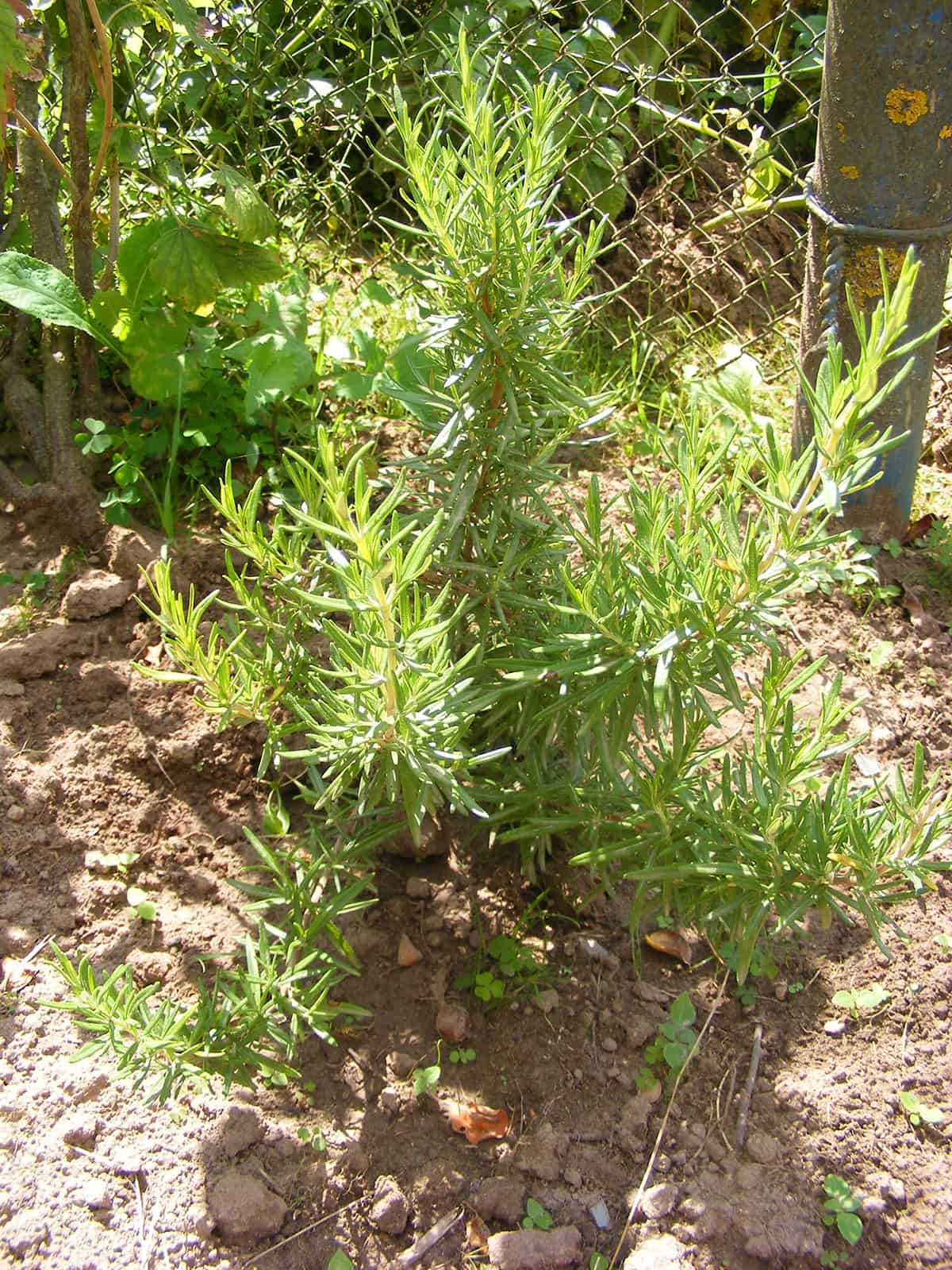
Walk by rosemary and you’ll get a whiff of why deer usually steer clear. The resinous, piney smell and those tough, needle-like leaves aren’t exactly appetizing.
Full sun, sharp drainage—rosemary doesn’t want wet feet. Northern gardeners might want to pot it up and bring it inside for winter.
Light pruning keeps it neat. Upright types can edge a path; trailing ones spill nicely from raised beds or over walls.
Sage (Salvia)
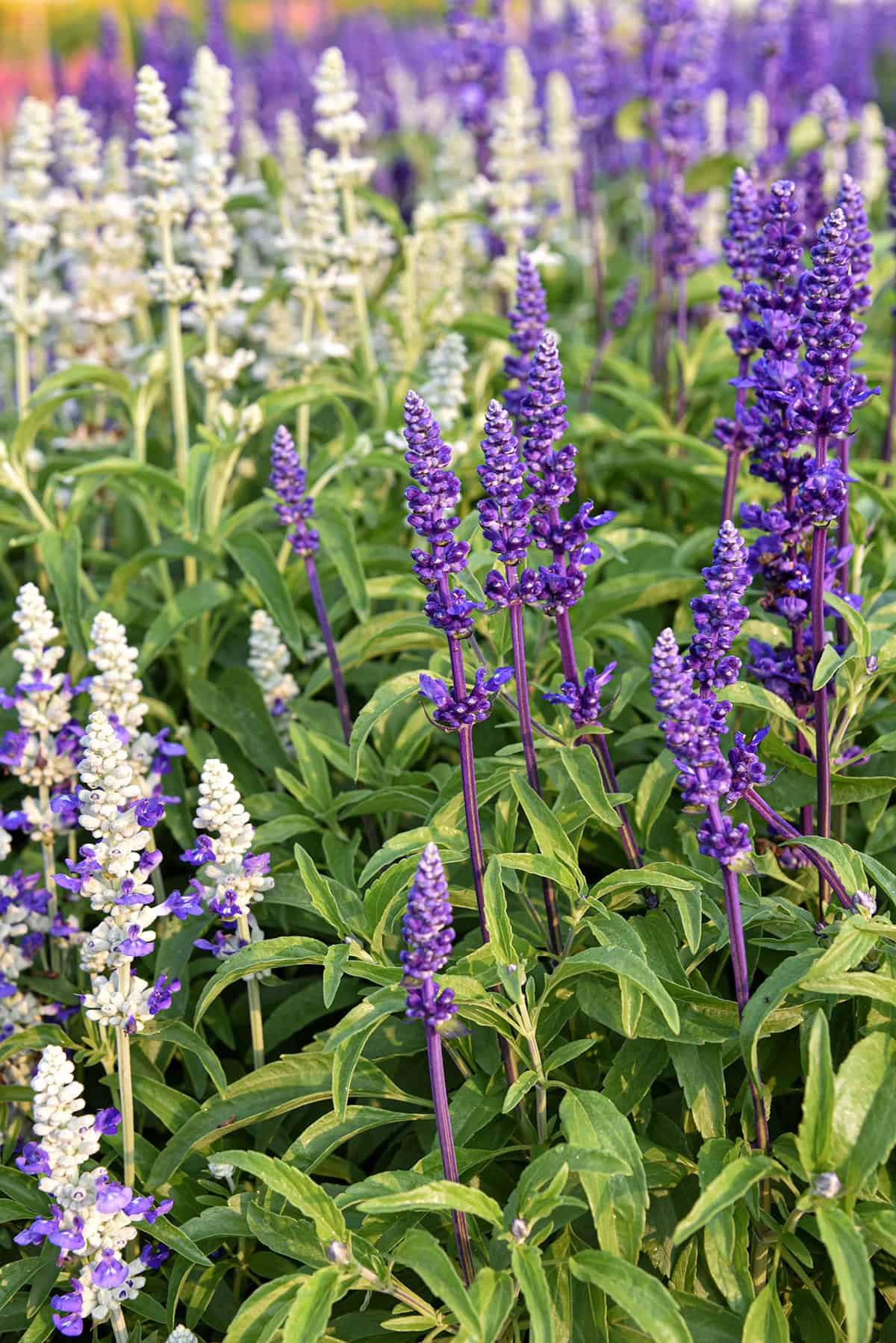
Sage brings a pungent, earthy aroma to the garden, and deer usually take the hint. Both culinary and ornamental types have textured, aromatic leaves that don’t invite nibbling.
Dry, sunny spots suit sage best. Heavy, wet clay? Not so much. Trim after flowering for a bushier, fresher look.
Perennial salvias bloom in a range of colors—blue, purple, pink, red. Pollinators love them. Replace older, woody plants every few years.
Russian Sage
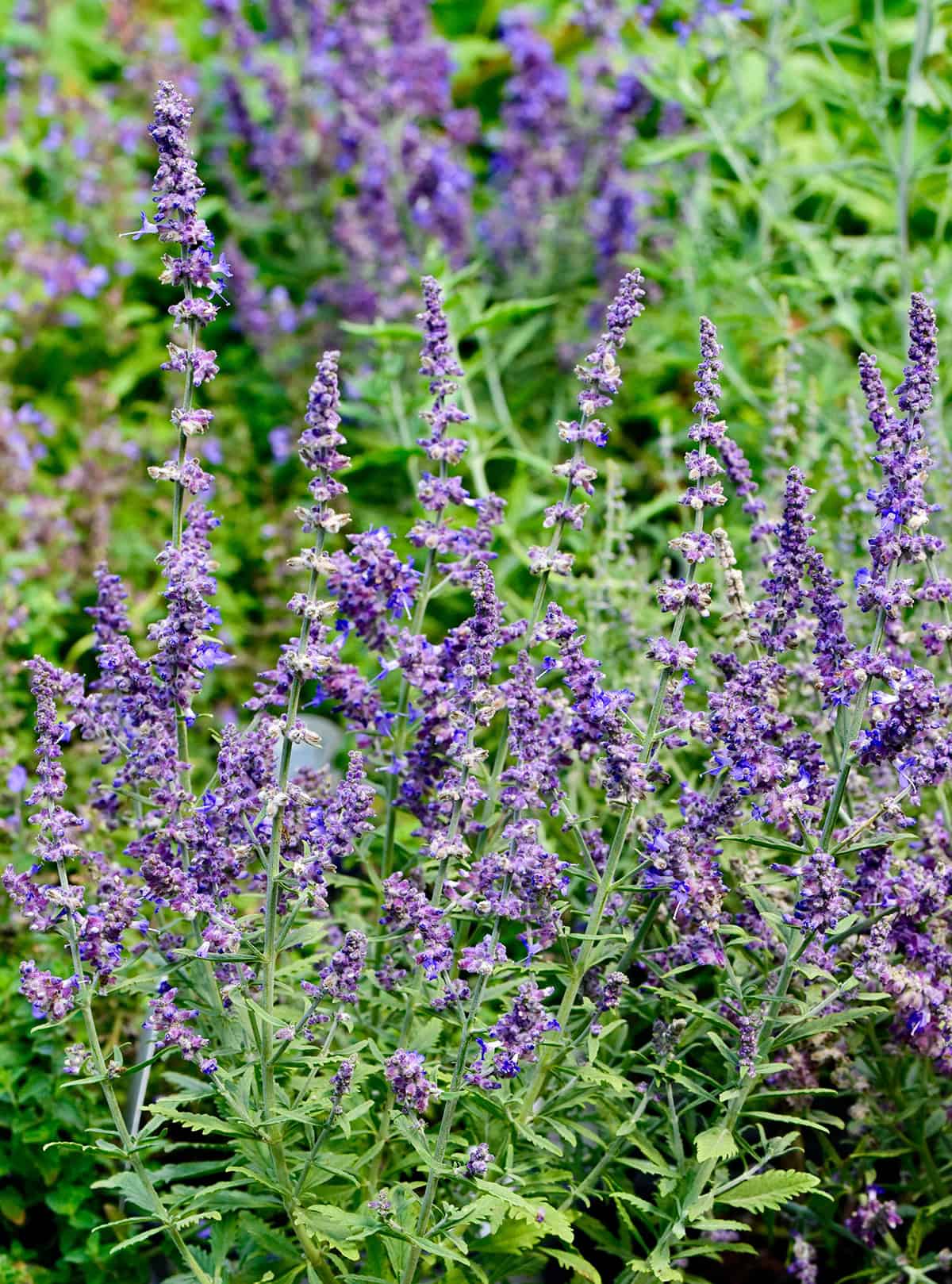
Airy purple flowers and silvery stems stand tall midsummer, but it’s the sharp scent and rough leaves that keep deer uninterested.
Lean, sunny sites are best. Too much fertilizer and the stems flop over. Space generously for airflow and sturdy growth.
Handles drought once roots are in. Cut it back hard in early spring, and it’ll bounce right back.
Thyme
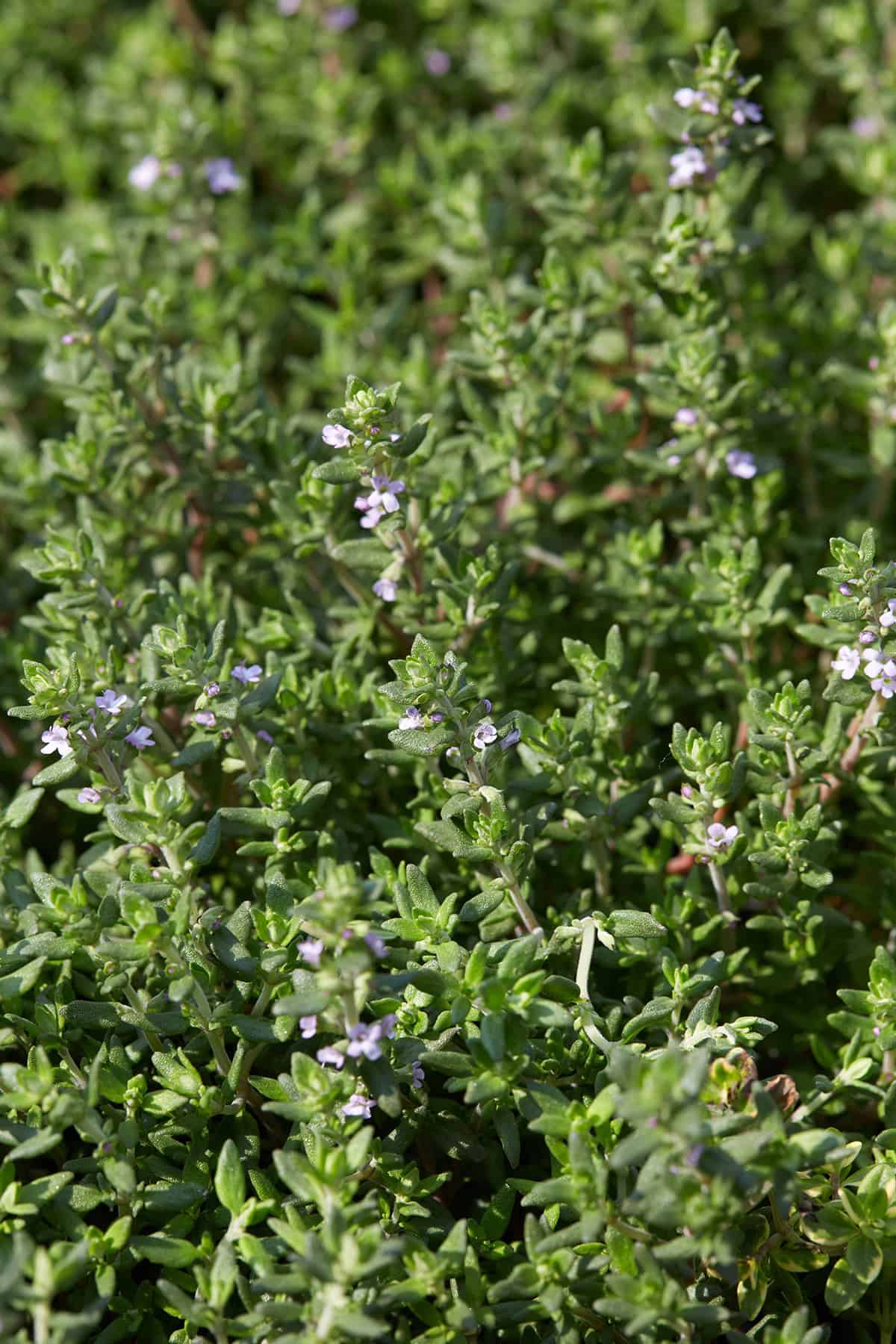
Crush the leaves underfoot and you’ll know why thyme is left alone. The strong herbal aroma lingers, and deer seem to get the message.
Rock gardens, gaps between pavers, sunny borders—anywhere with quick drainage works. Overwatering is a common killer.
Creeping types form mats, upright ones suit herb beds. Shear after bloom to keep things neat.
Oregano
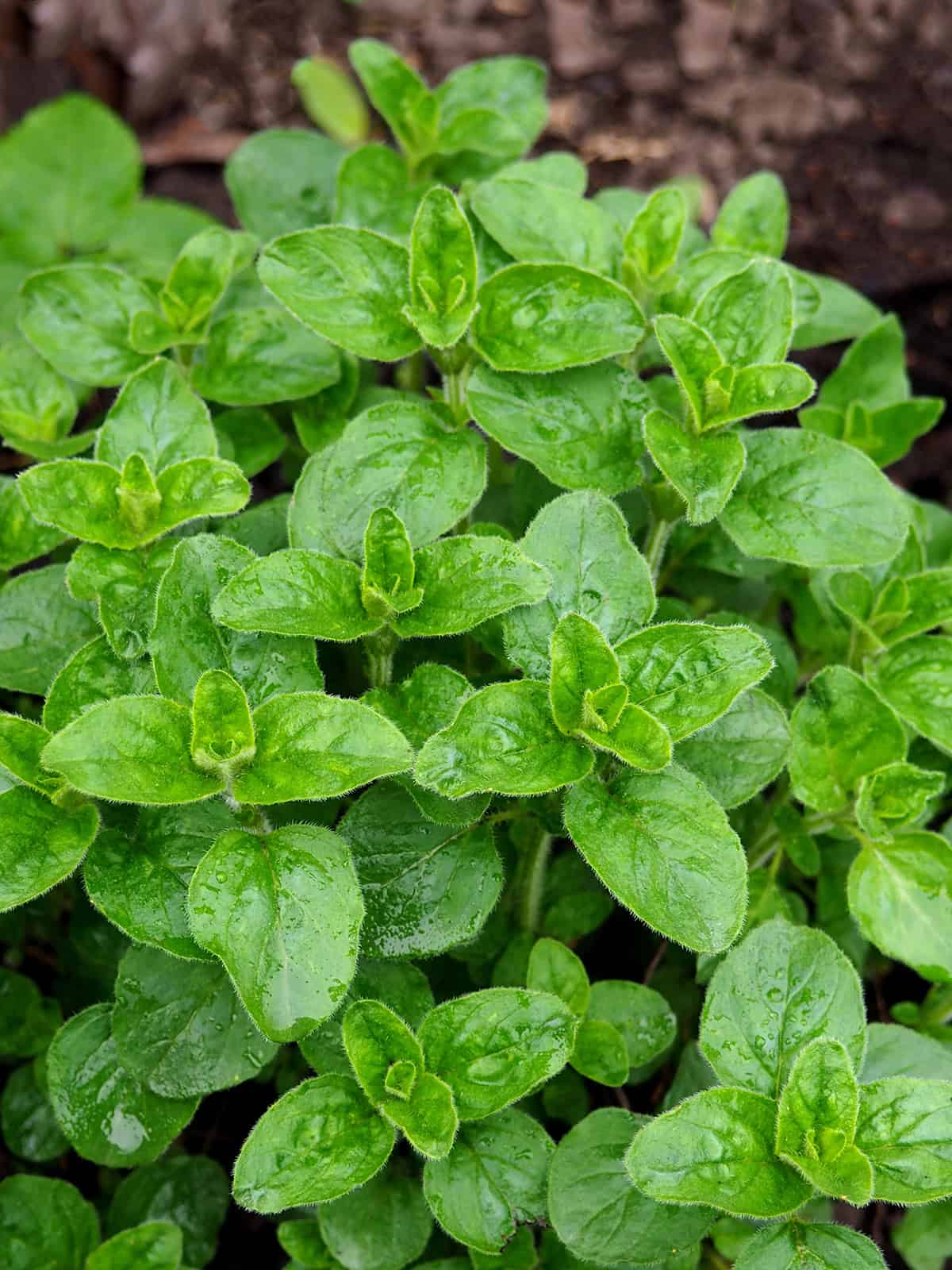
Oregano’s pungent leaves double as kitchen staple and deer deterrent. Most four-legged visitors don’t care for the flavor.
Sunny, average soil is all it asks. Drought isn’t a big deal once it’s settled in. Cut back after flowering to keep it from getting leggy.
Some forms spread with enthusiasm—divide every few years if you want to keep it in check. Frequent harvesting helps keep it compact.
Mint
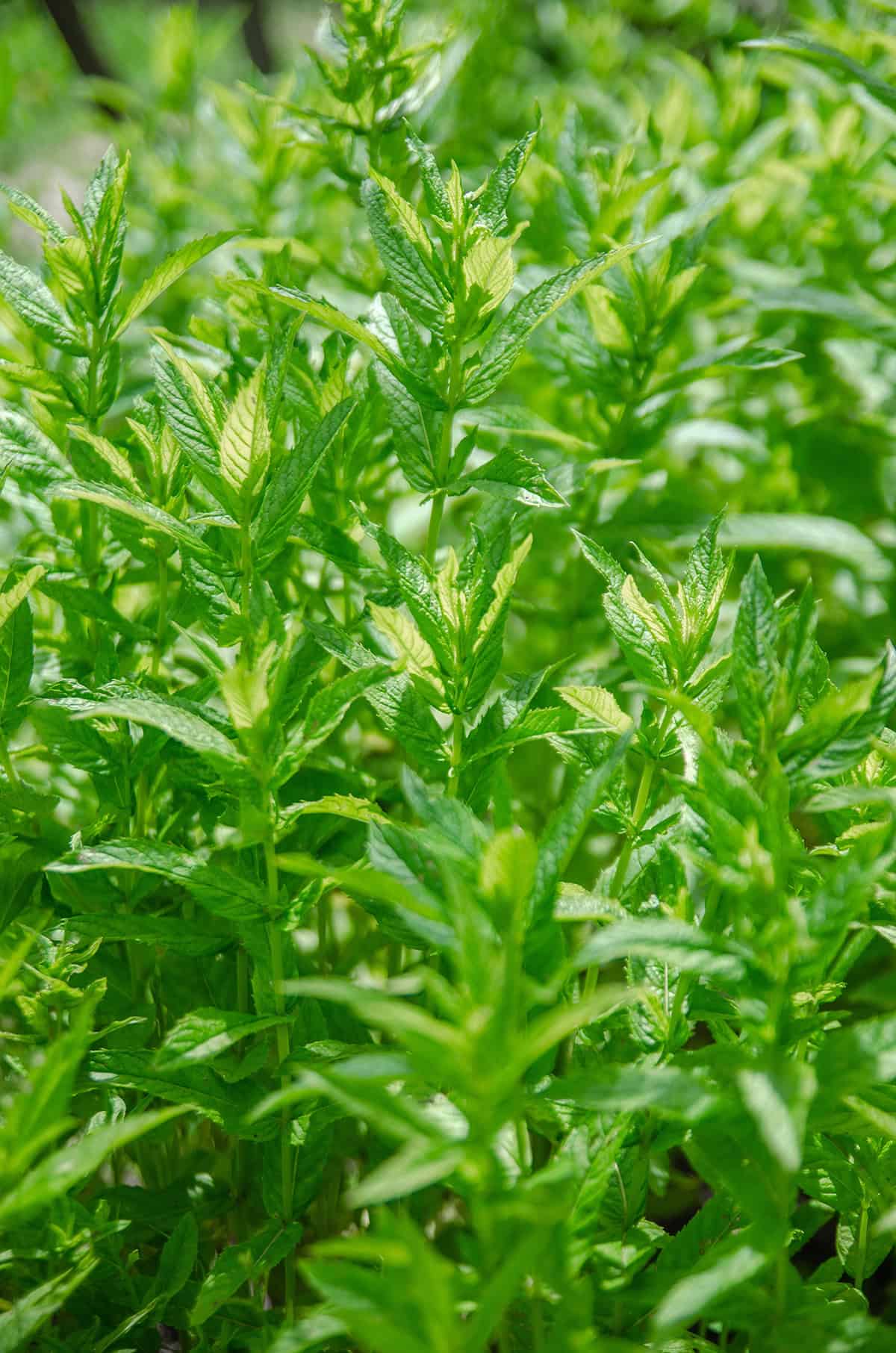
That menthol punch is a turnoff for deer, and mint’s aggressive growth means you’ll never lack leaves for tea or garnish.
Contain it, or it’ll take over—pots or raised beds work best. Full sun to part shade and moist soil keep it happy.
Trim often for bushiness. If you’re not fond of seedlings everywhere, snip off flowers before they set seed.
Catmint (Nepeta)
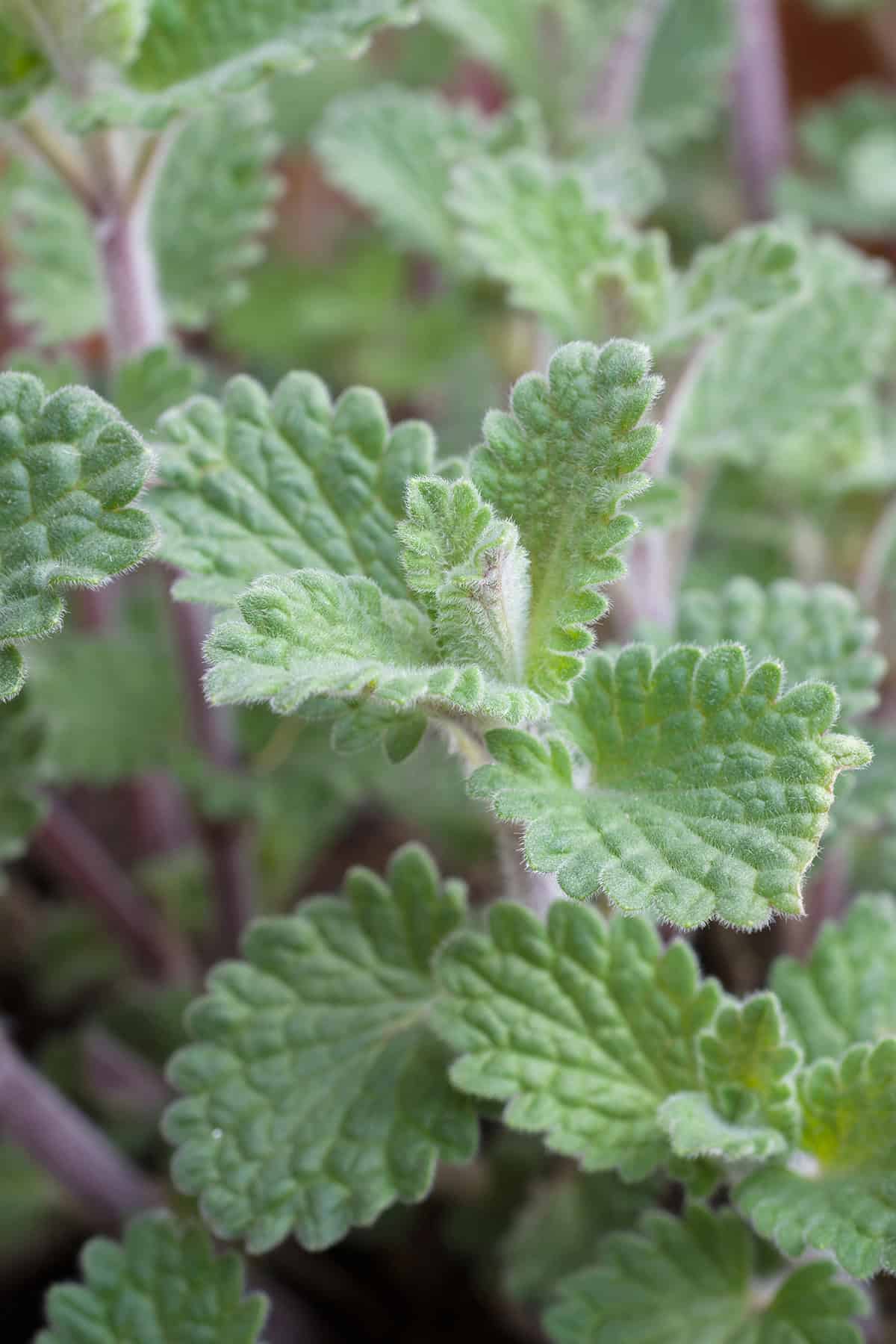
Soft, aromatic, gray-green foliage keeps deer from bothering catmint, while pollinators flock to its blue-lavender blooms.
Give it sun and well-drained soil; too much fertility means floppy growth. Handles dry spells with ease.
Shear after the first flush of flowers for a repeat show. Great along paths or sunny borders.
Lamb’s Ear
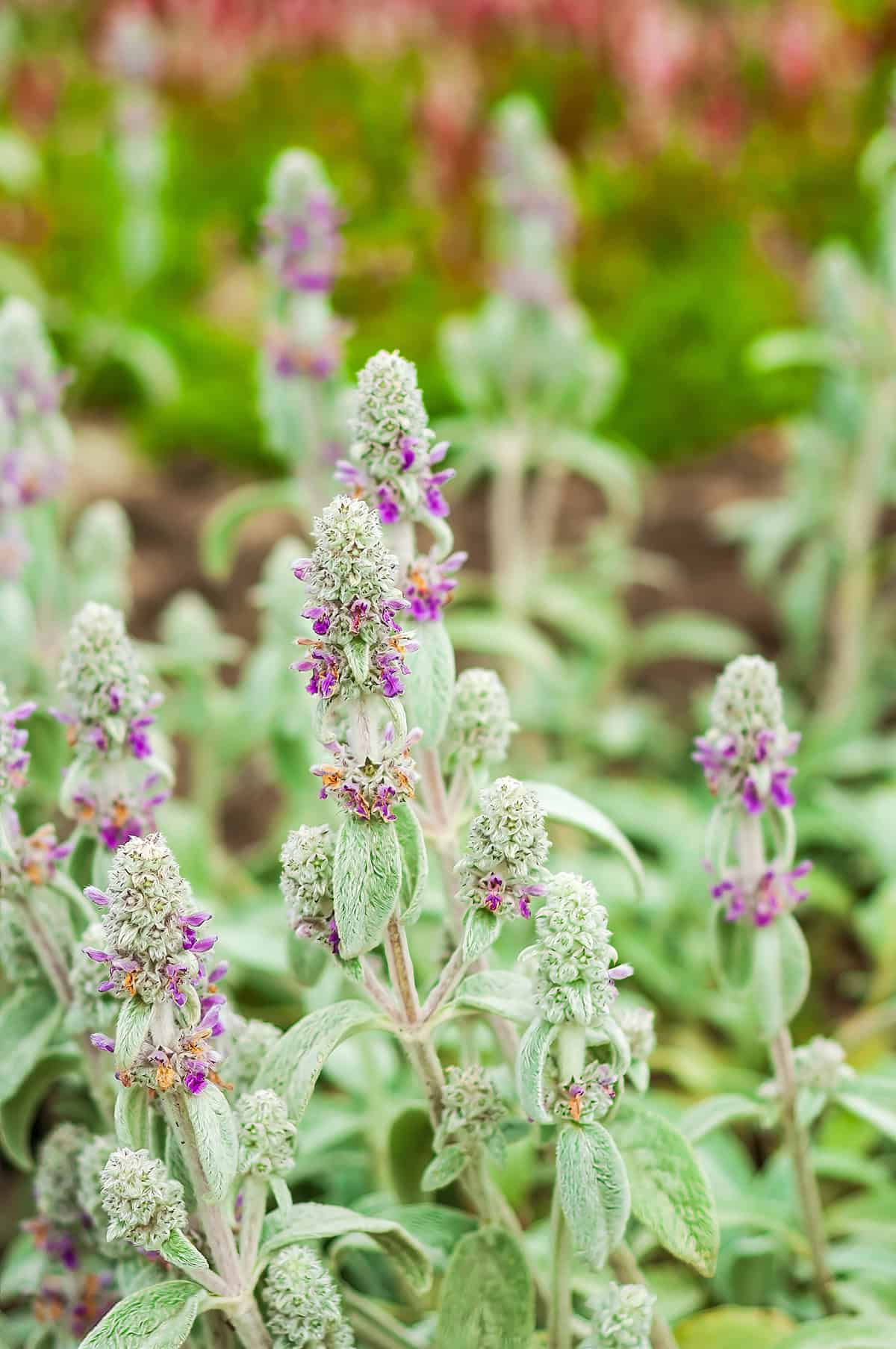
Touch those velvety leaves—fuzzy texture turns off deer and rabbits alike. The silver color pops against green companions.
Dry, sunny ground is key. Too much water and it’ll rot from the center out. Space for airflow, and divide clumps when they get thin in the middle.
Flower spikes are optional; remove for a tidier look.
Yarrow
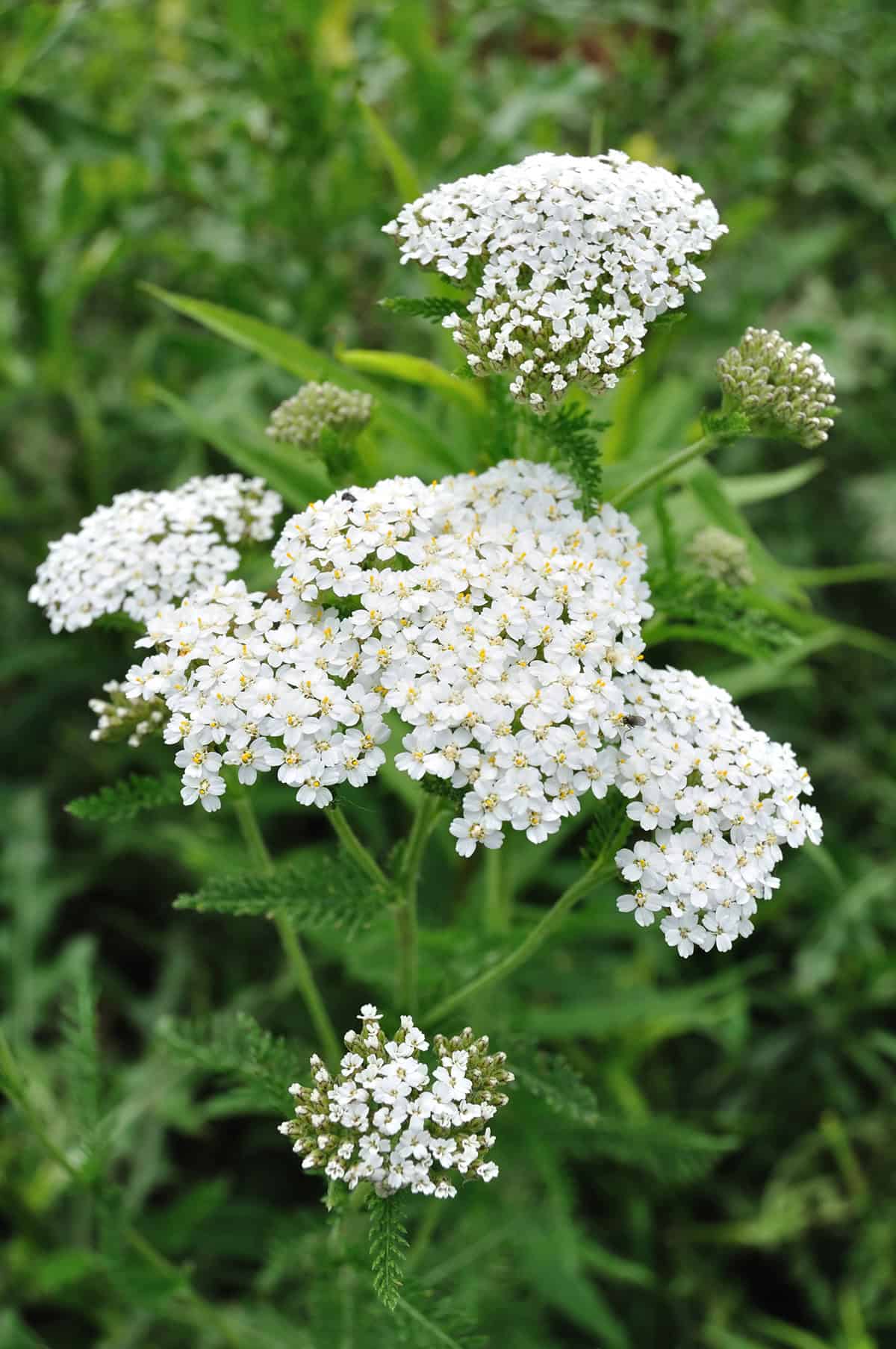
Ferny leaves and flat-topped blooms, but it’s the bitter taste and strong scent that keep yarrow off the menu.
Full sun, well-drained soil, and it’ll thrive even in poor spots. Don’t overfeed—too much fertilizer and the flowers suffer.
Snip back after flowering for a possible encore. Divide every few years to keep it vigorous.
Foxglove
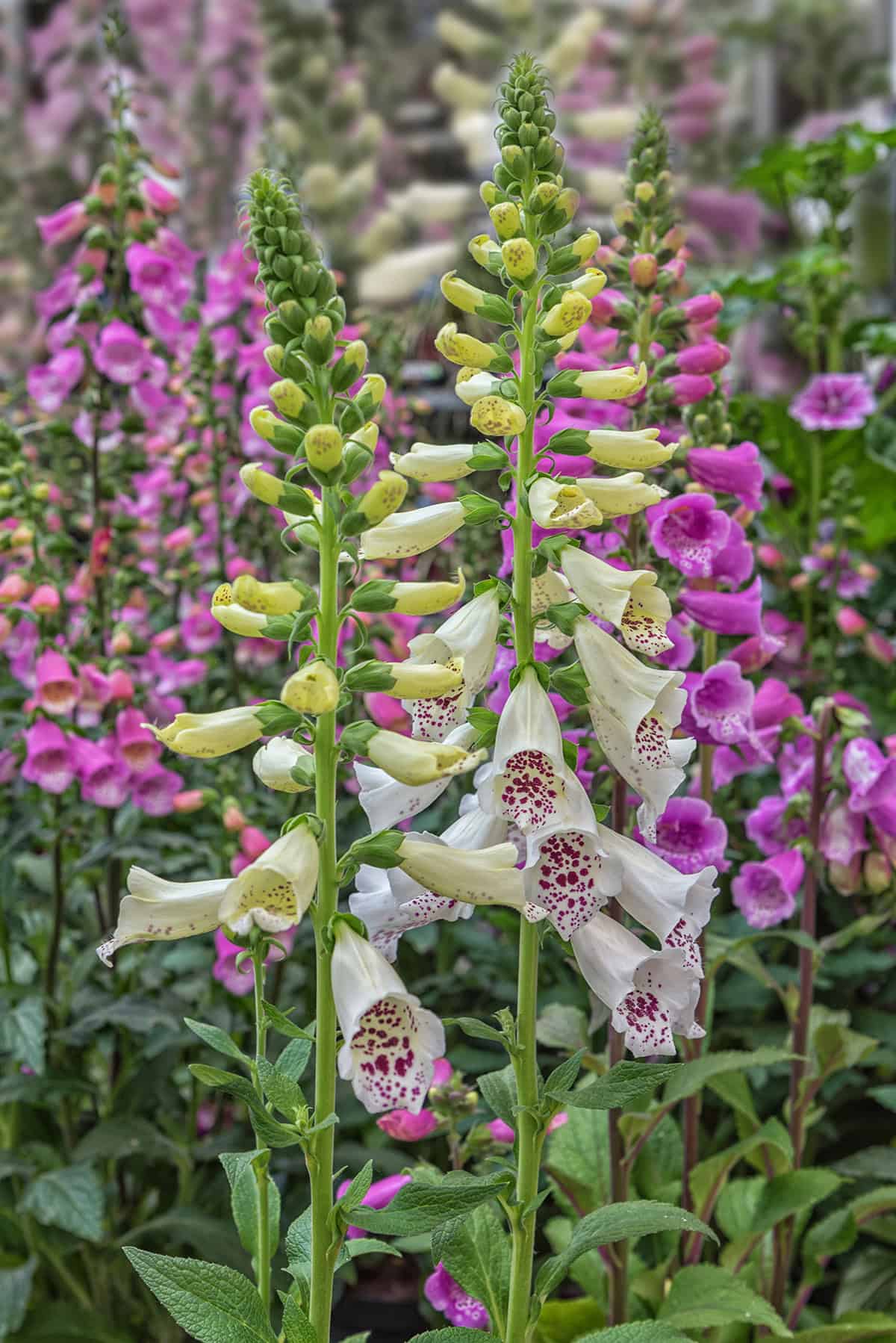
Those tall, dramatic spires aren’t just for show—foxglove is toxic to deer (and people, so don’t snack on it). That keeps most grazers away.
Partial shade and moist, well-drained soil suit it best. It often acts as a biennial, so let some plants go to seed for future blooms.
Gloves are a good idea when handling. Tuck it at the back of beds for vertical drama.
Daffodils
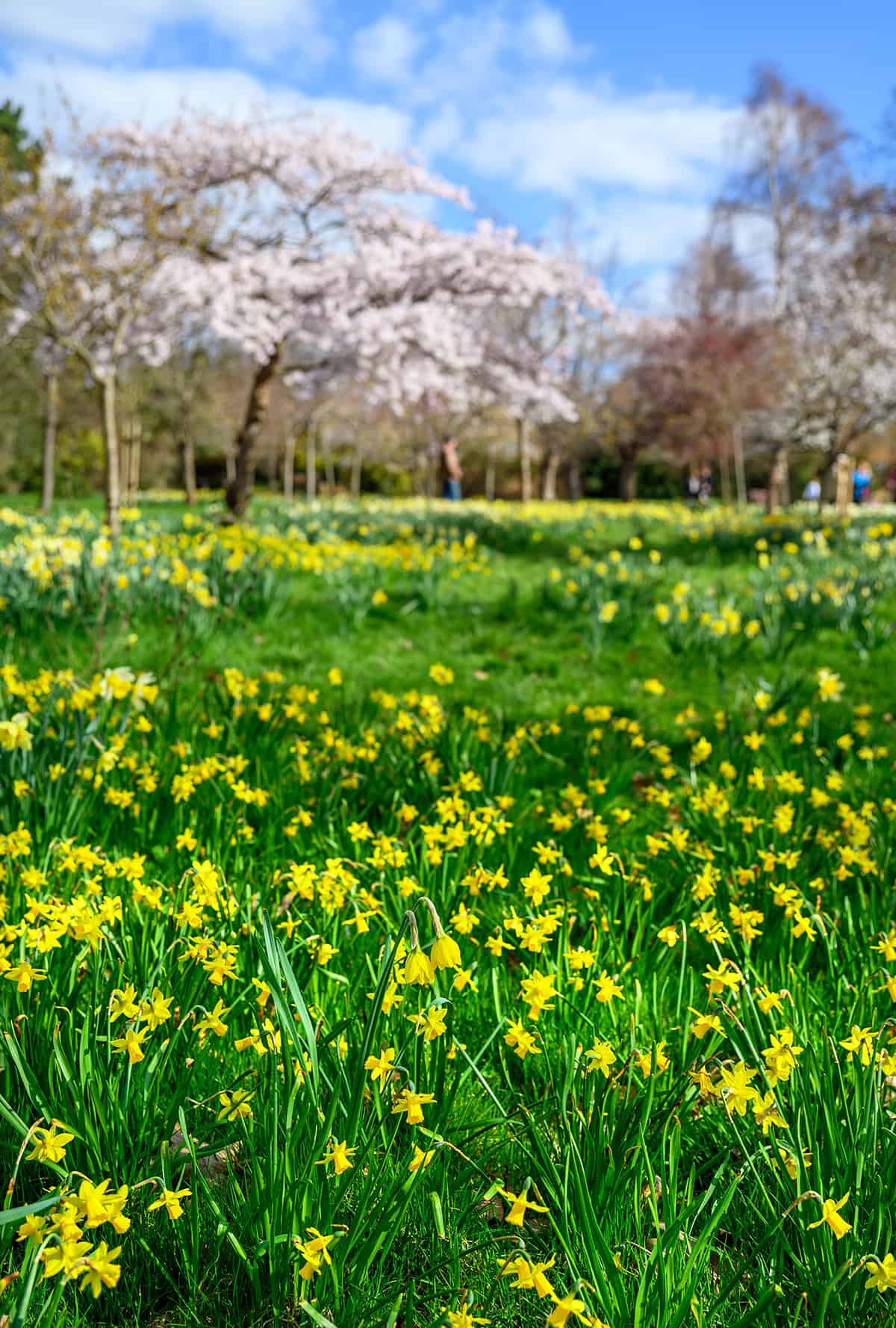
Few things say spring like daffodils. Their bulbs and foliage contain alkaloids that send deer looking elsewhere.
Plant in fall, in sun or part shade, making sure soil drains well. Let the leaves yellow naturally—don’t rush to tidy up.
They’ll return year after year. Divide when clumps get crowded.
Allium (Ornamental Onion)
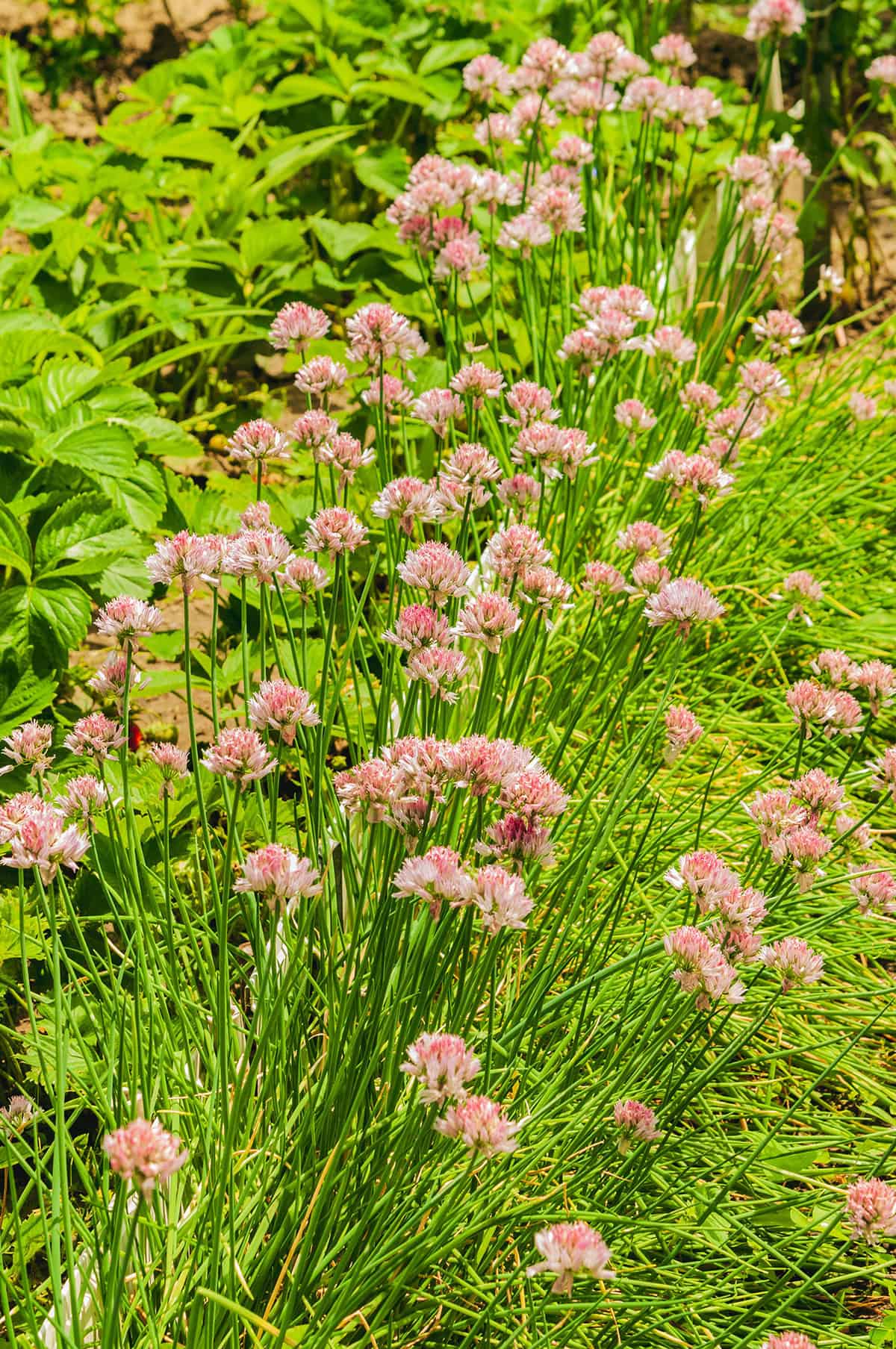
Big, round flower heads and a whiff of onion—ornamental alliums aren’t exactly appetizing to deer.
Bulbs go in during fall, in sunny, well-drained spots. Wet soil in dormancy spells trouble.
Stems shoot up in late spring. Even the faded seed heads look cool. Pair with bushy perennials to hide yellowing leaves.
Marigolds
Marigolds have a scent that’s divisive among humans and even less popular with deer. They’re often left untouched in mixed beds.
Full sun, average soil, and they’ll keep blooming if you regularly deadhead. Heat and dry spells don’t faze them.
Handy in veggie gardens and borders. French and African types offer different looks. Bonus: they help with some insect pests.
Dusty Miller
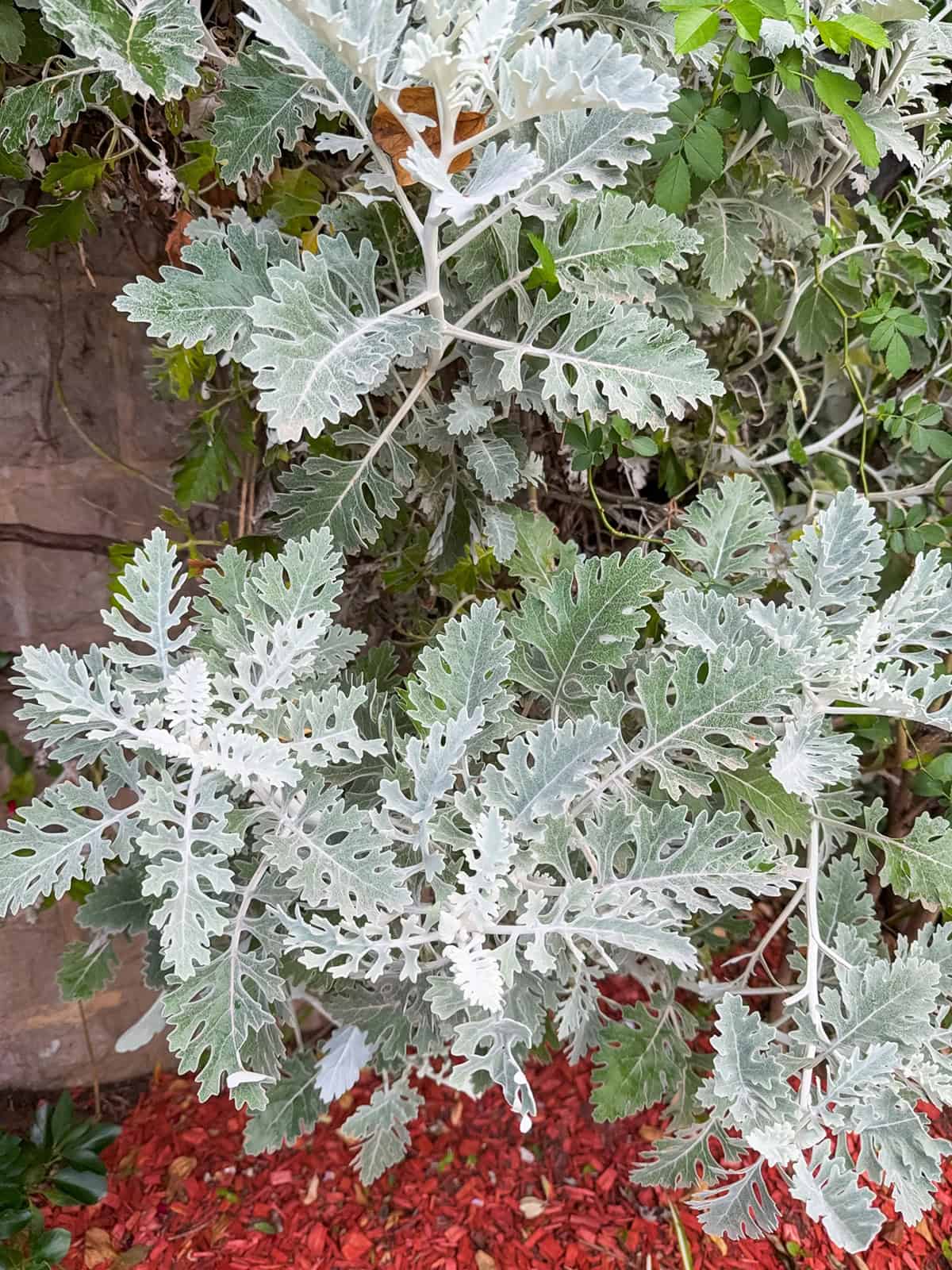
Silvery, fuzzy leaves are the calling card for dusty miller—and apparently, a big “no thanks” for deer.
Likes sun and dry, well-drained soil. Heavy, wet ground is a problem.
Mix with bright annuals for contrast. Occasional trims keep it tidy.
Boxwood
Boxwood’s dense, evergreen leaves have a scent and texture that deer seem to dislike. No wonder it’s a go-to for hedges and structure.
Partial to full sun and well-drained soil. In colder zones, shield from winter winds. Deep watering helps in dry spells.
Prune for shape, but keep an eye out for blight or leafminer. Good airflow helps prevent trouble.
Barberry
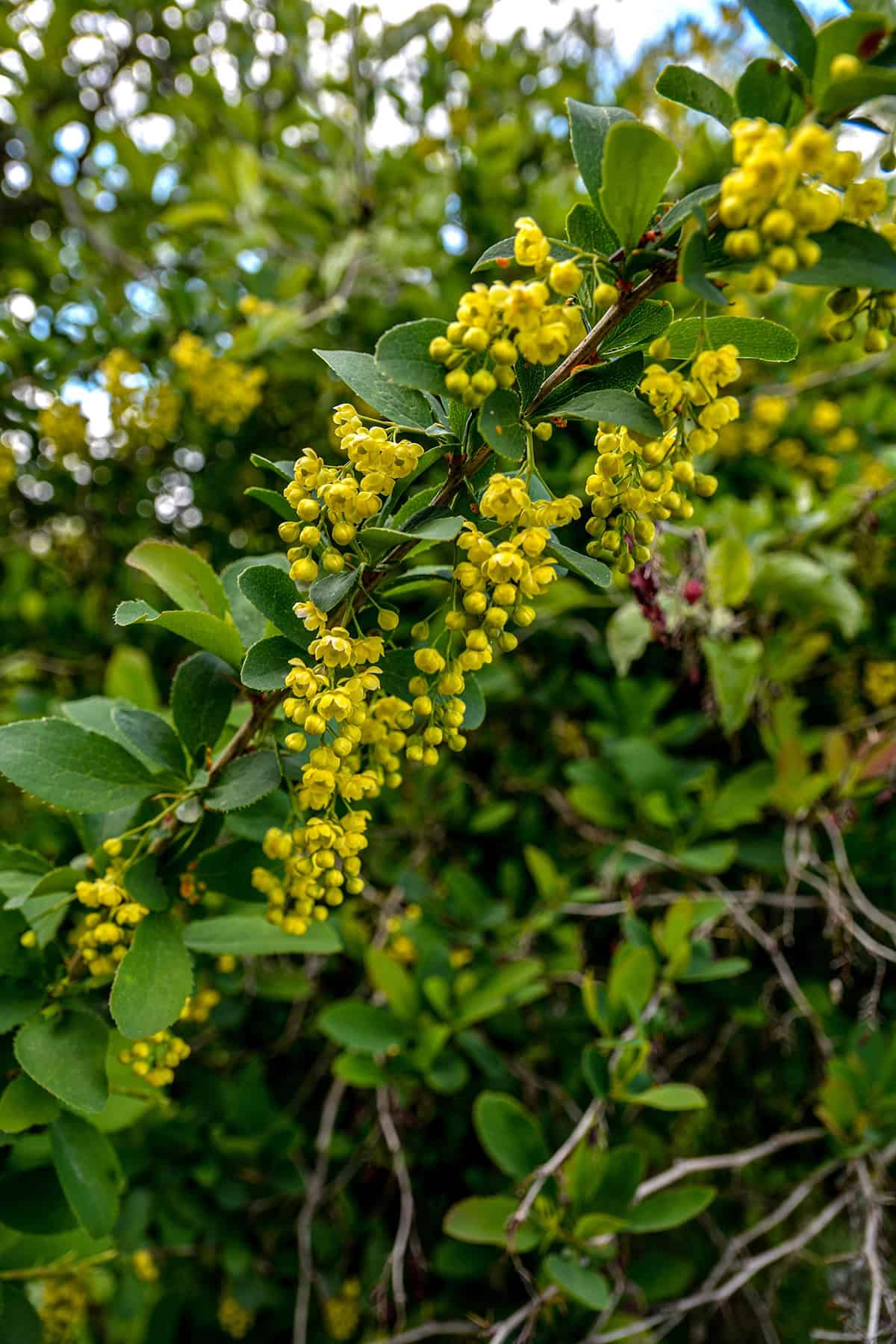
Spines and sharp-tasting leaves make barberry a tough sell for deer. Foliage comes in bold shades—red, gold, purple—for a punch of color.
Full sun to light shade works. It adapts to various soils if drainage’s decent. Some types are invasive—check local rules.
Great as a barrier hedge (wear gloves for pruning). Thorns mean business.
Juniper
Needle-like leaves and a pungent aroma keep deer uninterested in juniper. The evergreen foliage gives structure all year.
Plant in sunny, dry spots. Overwatering is a common mistake. Tolerates poor soil and drought.
Low forms for groundcover, upright for screens. Light pruning’s fine, but avoid cutting into old wood.
Butterfly Bush (Buddleia)
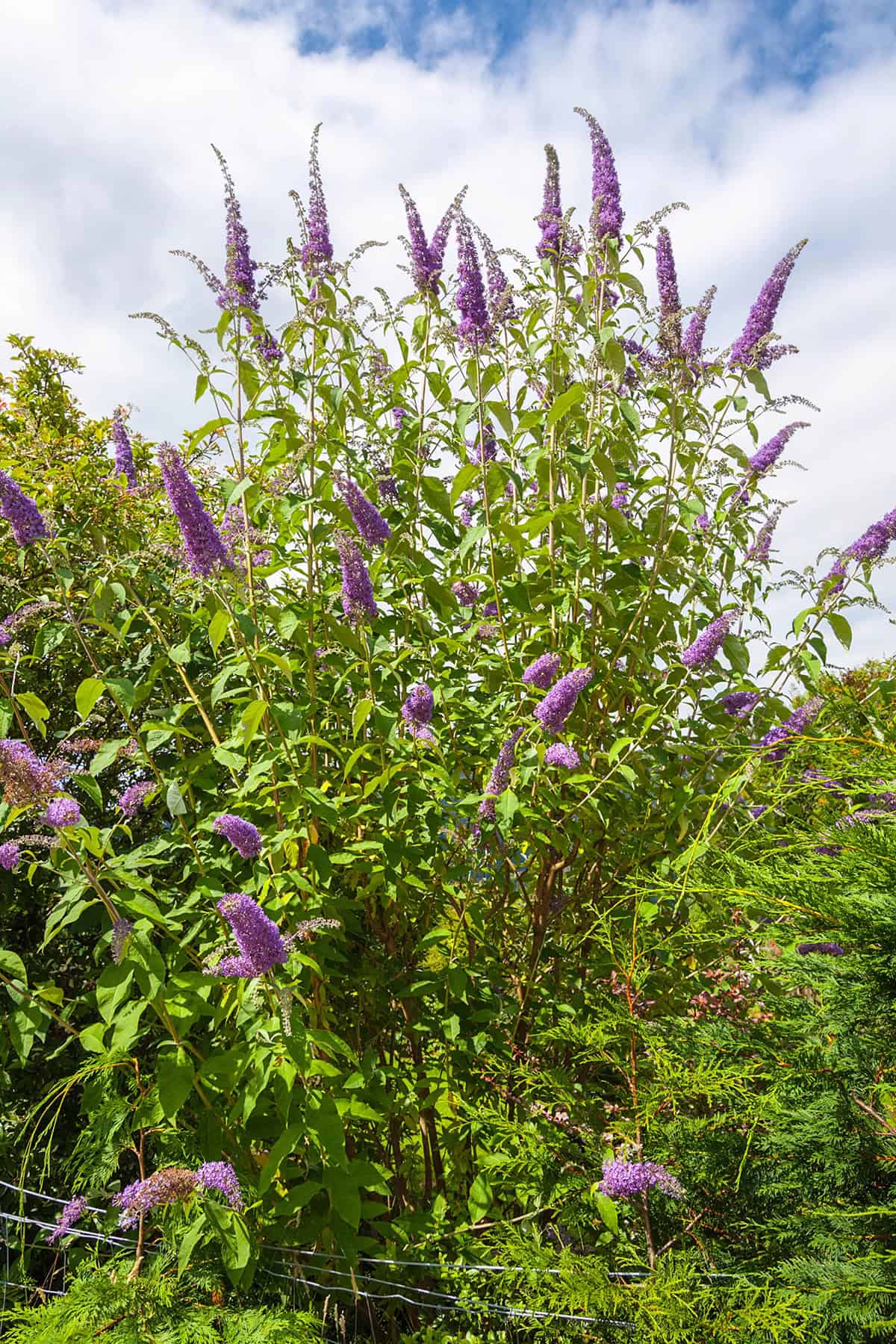
Butterfly bush stretches out with arching stems and fragrant, showy blooms. Deer typically pass by its coarse leaves.
Needs full sun and well-drained soil. In cold areas, treat as a dieback shrub—prune hard in early spring. Allow space for its mature size.
Flower spikes last through summer and draw pollinators. Invasive in some regions, so seek sterile varieties if that’s a concern.
Peony
Peonies offer big, lush blooms and divided leaves that deer rarely bother. Maybe it’s the taste, maybe the texture—either way, they’re left alone.
Plant crowns in fall, just below soil level, in full sun and rich, well-drained earth. Too deep and they won’t bloom.
Long-lived and low-maintenance. Heavy blooms may need support. Let foliage die back naturally for strong plants next year.
Bleeding Heart
Graceful, arching stems dotted with heart-shaped flowers—bleeding heart is ignored by deer, even as it draws plenty of human admiration.
Partial shade and moist, rich soil. Protect from hot afternoon sun. Mulch helps keep roots cool.
Foliage tends to fade in summer heat, so pair with later risers. Divide in early spring if needed.
Columbine
Columbine’s airy flowers and divided leaves rarely tempt deer. Spring brings a burst of color in countless combinations.
Sun to part shade, decent drainage, and moderate moisture. Too much fertilizer isn’t necessary.
Let some seed heads mature if you want self-sown seedlings. Deadhead to control spread.
Bee Balm (Monarda)
Bee balm’s spicy scent is a turnoff for deer and a beacon for bees and hummingbirds. Crush a leaf and you’ll smell why.
Likes sun to partial shade and moist, well-drained soil. Good airflow helps avoid powdery mildew. Divide every few years to keep it vigorous.
Vivid flowers stand out in borders or wild gardens. Trim after bloom for a neater look.
Hellebore
Thick, leathery foliage and toxic sap make hellebores a no-go for deer. They’re among the first perennials to bloom, often in late winter.
Partial to full shade, rich soil, and good drainage are ideal. Compost improves heavy ground. Avoid soggy spots.
Remove old leaves before flowers open for a tidy appearance. Plants settle in for the long haul, forming sturdy clumps over time.
Astilbe
Above a base of finely cut, almost lacy leaves, those soft plumes catch the eye and bring a bit of lightness to shadier corners. Deer usually pass them by, which is a relief if you’re tired of chewed stems.
Damp, shaded ground suits them best. Dry spells? Not their friend. A thick layer of mulch really helps keep roots happy when the weather gets stingy with rain.
Blooms shift from white to deep pinks and reds, depending on the variety. In a shady bed, they play well with hostas and ferns. When clumps start looking tired, dig and split them in spring for a fresh start.