Lavender grown from seed rarely matches its parent, and named varieties such as ‘Hidcote’ and ‘Munstead’ come true only from cuttings.
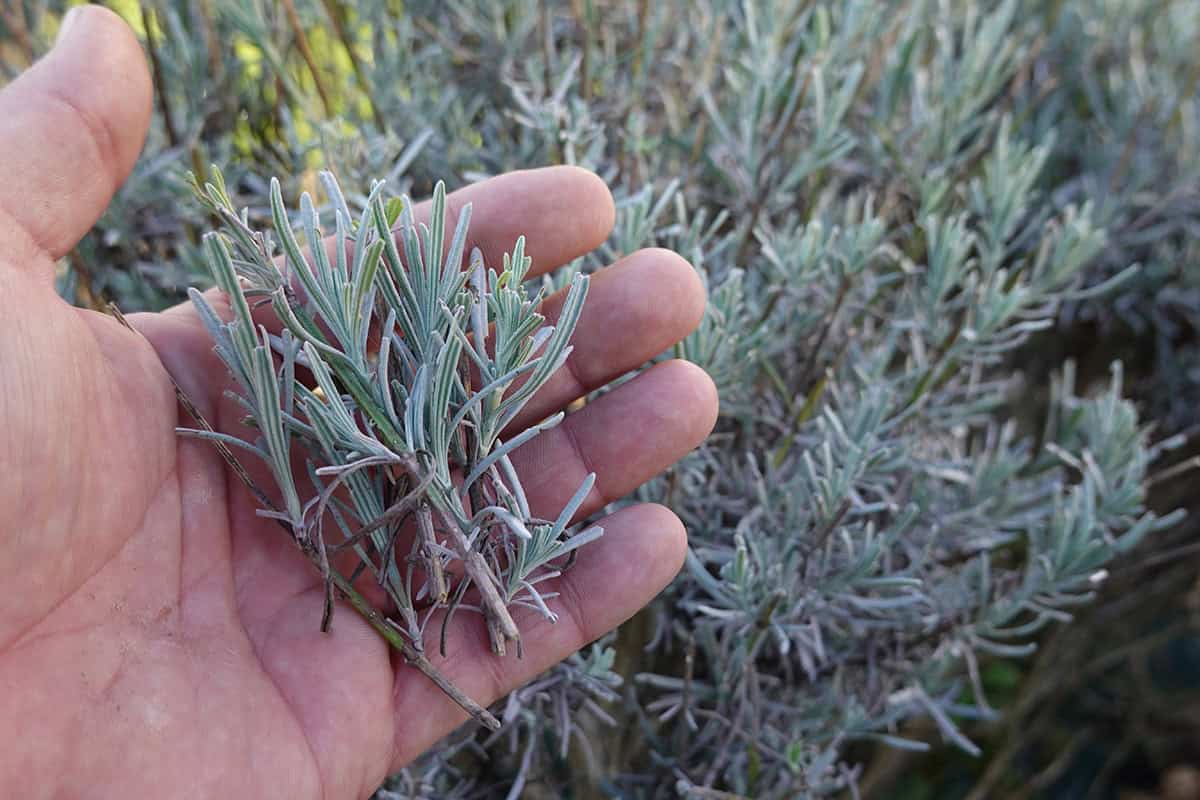
A 3- to 6-inch shoot of this year’s growth, stripped at the base and pushed into gritty mix, roots in four to six weeks. Moisture control decides most of the outcome, since lavender stems rot quickly in wet soil.
Flower buds on a cutting are the quiet saboteur here, and the steps explain why they come off.
Table of Contents
Propagating Lavender from Cuttings – What You Need to Know
Cuttings produce new lavender plants identical to the parent, with none of the unpredictability of seed.
Why Grow Lavender From Cuttings
Cuttings reproduce the parent’s scent, shape and flower color exactly, and seed-grown plants vary widely, especially from named varieties.
Cuttings also reach flowering size sooner, and the young plants tend to be sturdier than seedlings. For consistency, cuttings are the logical method.
Best Time To Take Cuttings
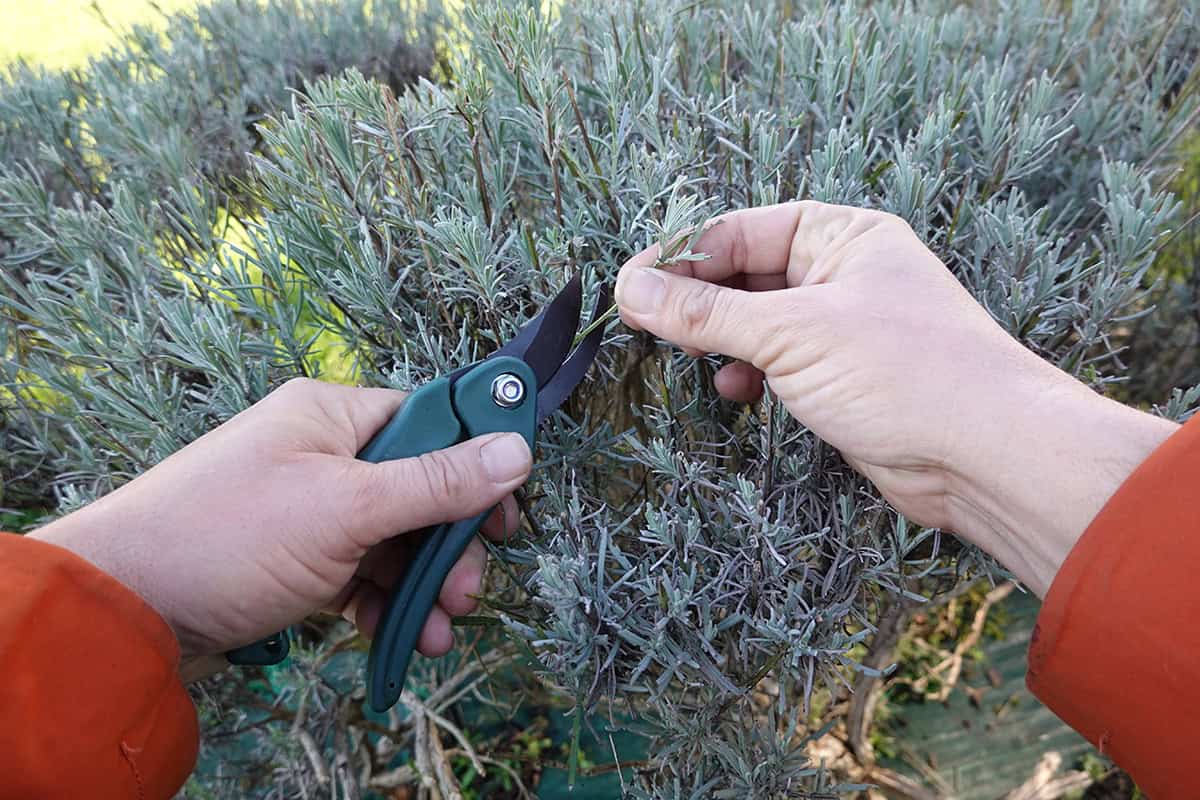
Lavender roots from two kinds of cuttings. Softwood cuttings come from fresh spring growth before flower buds form, and semi-ripe cuttings come from firm, green stems after the plants finish blooming in mid to late summer.
Skip stems with flower buds, since they put energy into blooming at the expense of roots, and choose healthy, pest-free shoots from the current season.
In mild climates, early autumn cuttings also succeed if they root before frost.
Tools And Materials Needed
Sharp, clean pruning shears or scissors make neat cuts, and dull blades crush the stems and slow rooting.
Fill small pots or trays with a sterile, well-draining mix, with perlite and coarse sand for airflow.
Rooting hormone improves success, especially on semi-ripe stems. A clear plastic cover or humidity dome helps in dry air if vented daily, since lavender dislikes stagnant, humid conditions.
Clean everything to prevent fungus, disinfect tools and use fresh pots and mix.
Step-By-Step Guide
Successful rooting comes down to three things, which are the right stems, careful preparation and the right conditions.
Select Healthy Stems
Choose healthy stems with no pests, disease or damage. Non-flowering shoots root best, since they direct all their energy into new roots.
Choose this year’s growth, firm but short of woody. These softwood and semi-ripe stems root most readily.
Cut in the morning while the plant is well hydrated, and take pieces 3 to 6 inches long with several sets of leaves. Avoid old, woody stems, which root slowly.
Prepare The Cuttings
Trim each cutting just below a leaf node with clean, sharp scissors, since roots form at the node.
Strip the lowest two to four sets of leaves and leave the top ones in place for photosynthesis.
Dip the cut end in rooting hormone and tap off the excess. Prepare the potting mix in advance so the cuttings never dry out.
Rooting The Cuttings
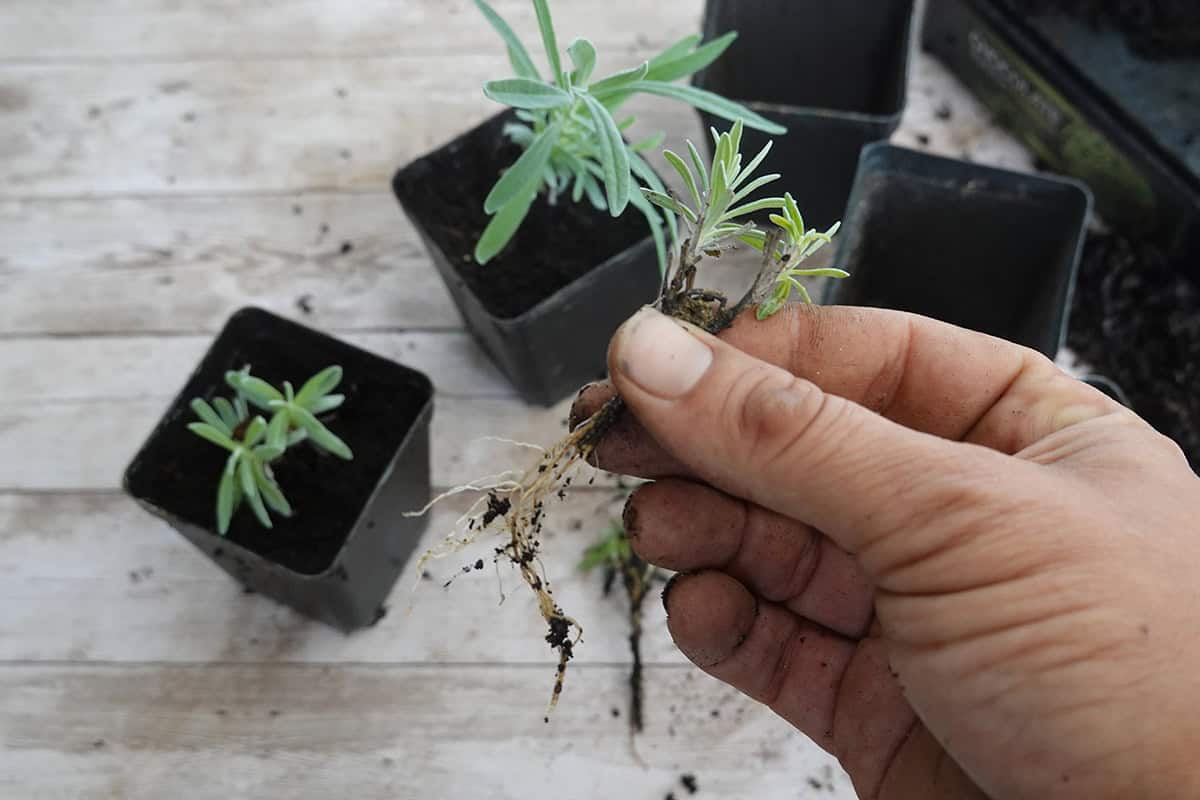
Insert the prepared stems into moist, well-draining mix, such as perlite with peat or coarse sand.
Push each cutting deep enough to bury at least one bare node, and space them so the leaves sit apart.
Water for moist, never soggy, mix. Place the container in bright light out of direct sun at around 70°F, and vent any plastic cover daily to prevent rot.
Caring For New Plants
After four to six weeks, tug gently on the stems, and resistance means roots have formed.
Once rooted, remove the cover gradually over several days. Place the plants in bright light and water sparingly.
When roots fill the pot, move each plant to its own container of well-draining soil. Harden them off outdoors for a week before planting them in the garden.
Common Mistakes To Avoid
Stems with flower buds root poorly, since the buds draw energy away from root growth, so choose non-flowering shoots or pinch off any buds.
Cuttings that dry out before planting rarely recover. Hold them in a damp paper towel in a cool spot until they go into the mix.
Heavy, soggy soil rots lavender, which roots best in a well-drained, sandy or gritty mix.
Crowded cuttings compete for light and air, so space them for airflow, which also reduces fungal problems.
Overwatering kills roots fast. Water only when the mix starts to dry, especially after the first few days.
Old, woody stems root slowly, if at all, and young, flexible shoots root readily and produce sturdier plants.
Dull blades crush stems that heal slowly, so use a clean, sharp blade for a smooth cut.