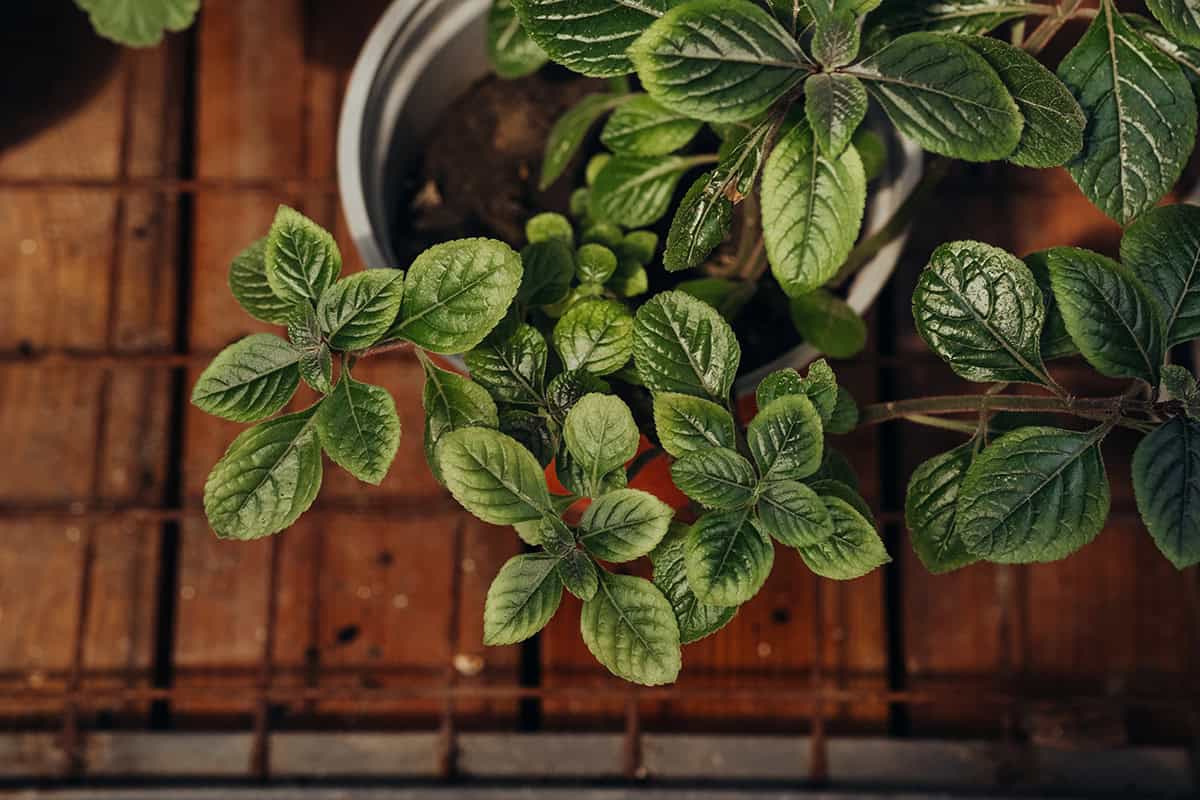
Swedish ivy trails long, soft stems covered in round, scalloped leaves with a glossy shine.
Despite the name, the plant hails from southern Africa and picked up its common name as a favorite window plant in Swedish homes. Cuttings root in a glass of water within two weeks, and a regular pinch produces a dense, full hanging basket.
Anyone hunting for the variegated form will want the final section, since several different Plectranthus share the label.
Table of Contents
Plant Overview
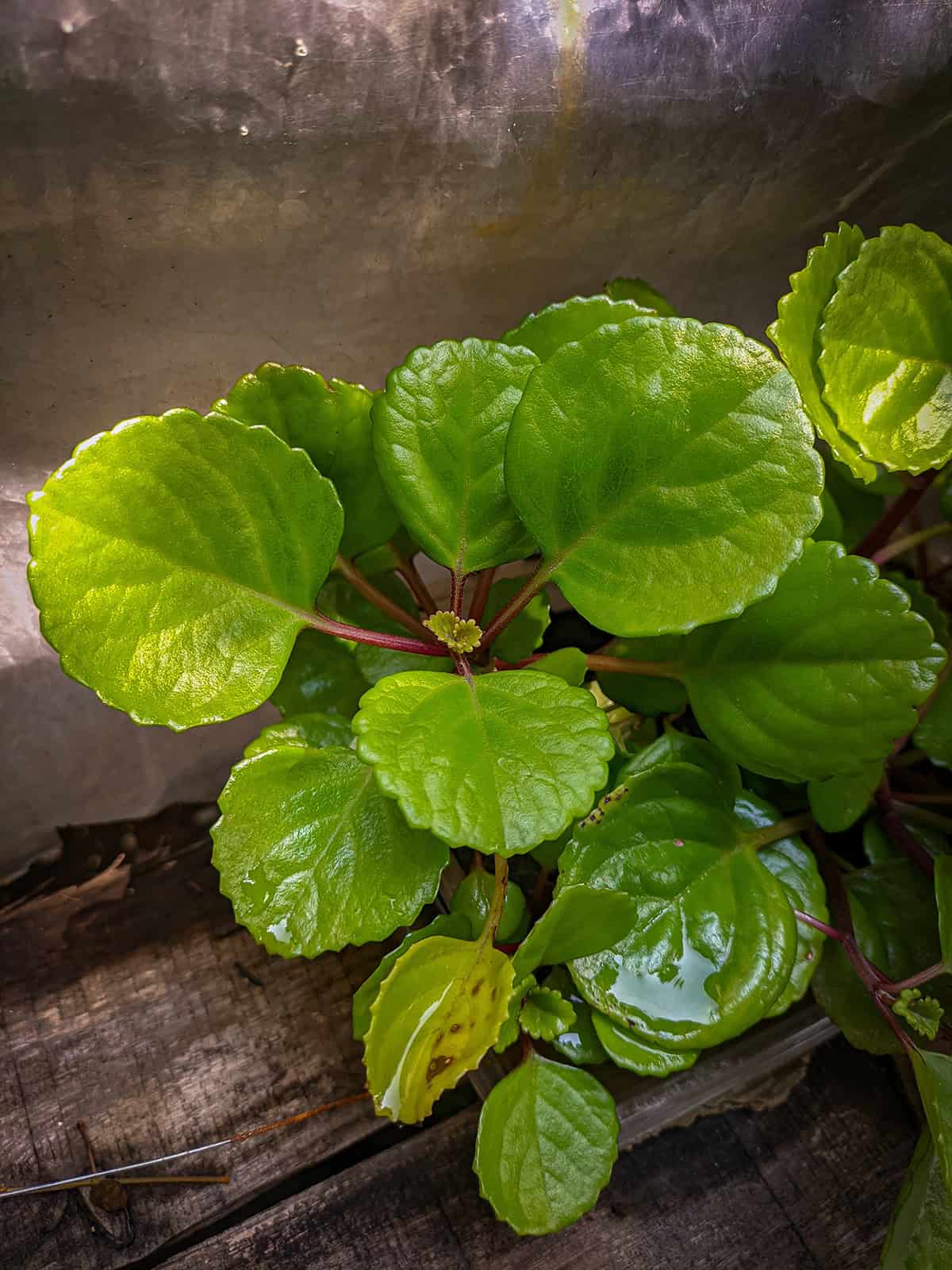
Swedish ivy grows as a low, trailing evergreen with stems that spill 2 feet or more over the edge of a pot. Small white or pale lavender flowers appear on short spikes now and then, mainly in spring, and the glossy foliage is the main attraction.
- Botanical name: Plectranthus verticillatus
- Common names: Swedish ivy, whorled plectranthus, Creeping Charlie (a name shared with other plants)
- Plant type: Evergreen perennial grown as a houseplant
- Mature size: 6–12 inches tall, stems trailing 2 feet or more
- Hardiness: USDA Zones 10–11
- Growth rate: Fast
- Toxicity: Non-toxic to cats and dogs
- Native region: South Africa, eSwatini and Mozambique
Quick Care Summary
- Light: Bright, indirect indoors; partial shade outdoors
- Soil: Loose, well-drained potting mix
- Watering: When the top inch of soil dries
- Temperature: 60–75°F; protect from frost
- Humidity: Average home levels
- Fertilizer: Balanced liquid at half strength, monthly in spring and summer
- Propagation: Stem cuttings in water or moist mix
Frequent pinching and bright, filtered light produce the fullest plants.
Light
Bright, filtered light produces the fullest Swedish ivy. An east- or north-facing window fits it well, and a sheer curtain softens a south or west window.
Too much direct sun fades the leaves, crisps the edges and dulls variegated forms. Scorched leaves are a cue to move the pot a few feet back from the glass.
In dim rooms, growth slows and stems stretch with wide gaps between leaves. Rotate the pot every week or two, or set an LED grow light about 12 inches above the plant for 12 to 14 hours a day.
Outdoors in summer, a patio or balcony out of the midday sun is a good home. Move the pot back inside before nights drop below 50°F.
Water
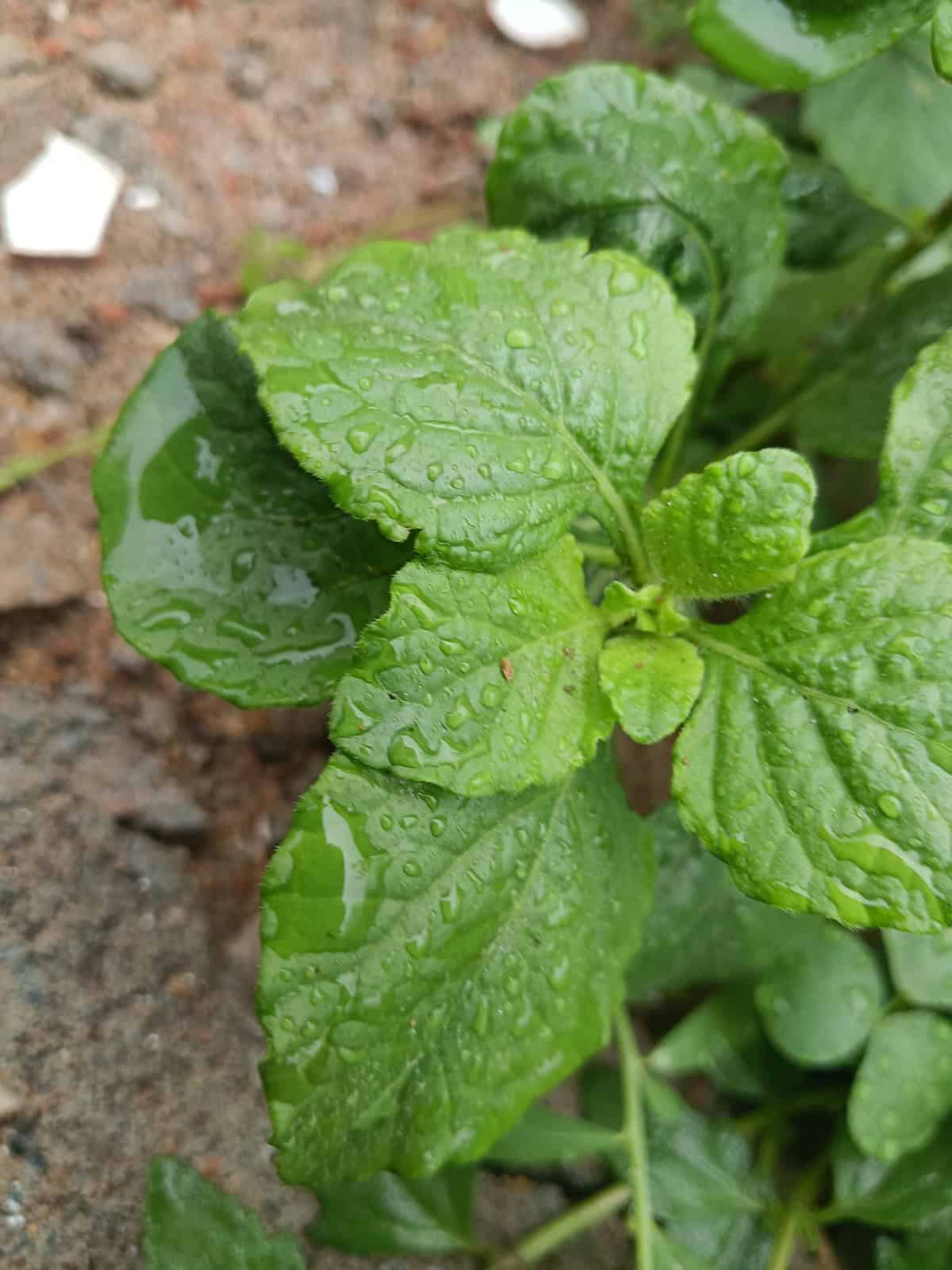
Water Swedish ivy when the top inch of soil dries, and pour slowly until water drains from the bottom. The soil should be lightly moist, never soggy.
Empty the saucer afterward, since standing water rots the roots. A pot with drainage holes and a loose mix prevent most watering trouble.
In winter, growth slows, and the surface may dry a little deeper between waterings. Wilting or yellow leaves call for a soil check before the next watering, because both thirst and soggy roots cause them.
Soil
Swedish ivy roots need air as well as moisture. A standard indoor potting mix with good drainage does the job, while heavy garden soil packs down and suffocates the roots.
A blend of peat or coco coir, pine bark and perlite holds a little water and drains the excess quickly. Replace the mix every year or two as it breaks down.
Temperature & Humidity
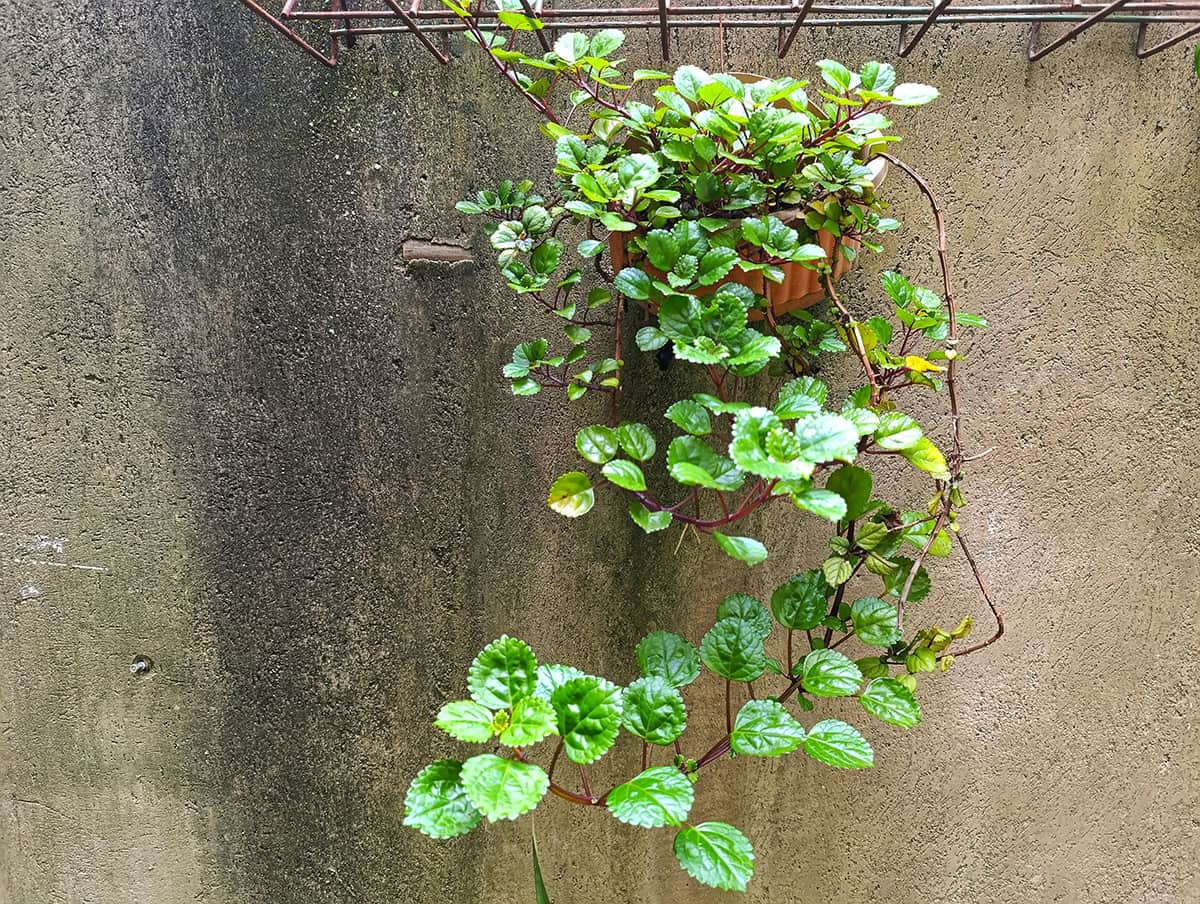
Average home temperatures between 65°F and 75°F produce steady growth. Brief dips to 50°F slow the plant down, and frost kills it.
Cold drafts from doors and windows lead to leaf drop and weak stems, and heating vents dry the leaves. A spot with steady temperatures produces the healthiest plant.
Swedish ivy handles ordinary household humidity. Very dry winter air may brown or curl the leaf edges, and a pebble tray or a spot away from heaters helps. Space plants for airflow to prevent fungal problems.
Fertilizer
Feed Swedish ivy once a month in spring and summer with a balanced water-soluble fertilizer at half strength. Weaker doses prevent salt buildup, which damages roots and weakens growth.
For more flowers, a formula with a little more phosphorus in spring, plus bright light, helps. High-nitrogen products push leaves at the expense of blooms.
Skip feeding in late fall and winter, then resume when new growth appears. Apply fertilizer to damp soil, and flush the pot with plain water every few months to clear salt residue.
Potting & Repotting
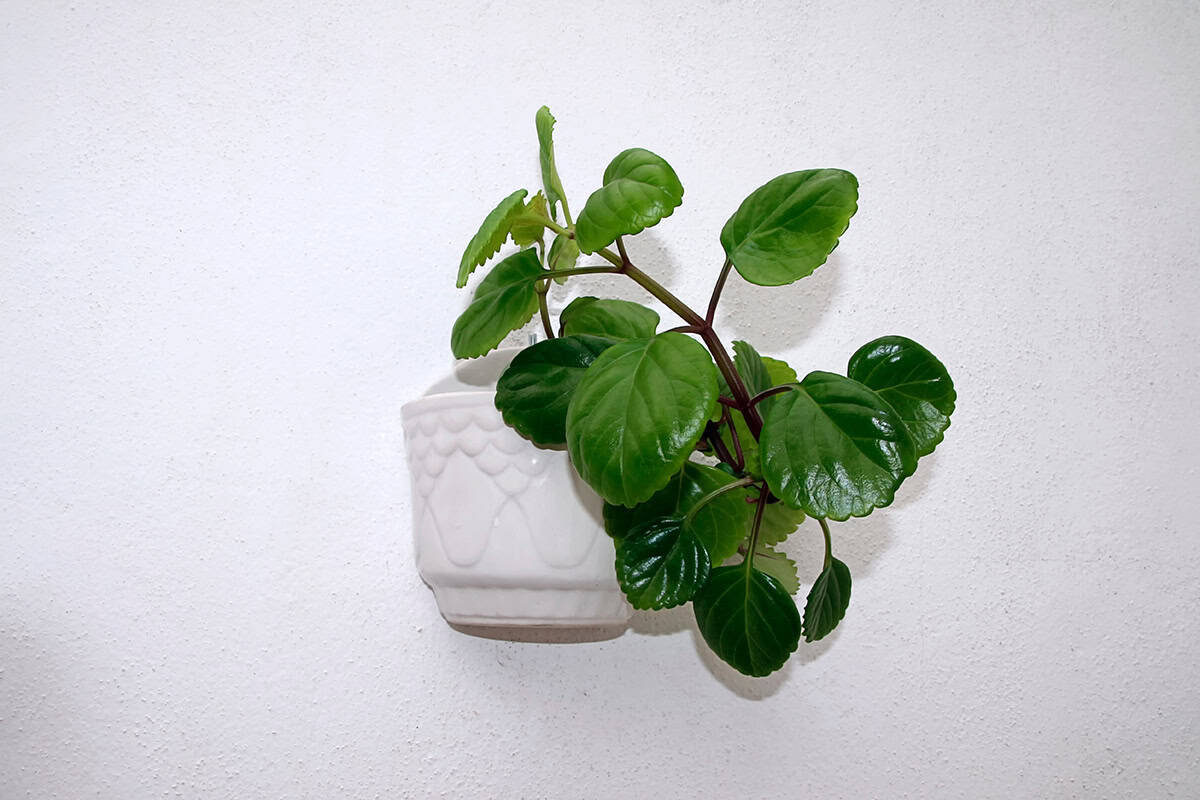
Repot in spring, about once a year, into a container one size larger with a drainage hole. Fast-growing roots fill small pots quickly.
Water the plant an hour beforehand, then slide it out and loosen the roots. Trim any that look dead or mushy. Set the root ball about an inch below the rim and fill around it with fresh, well-drained mix. A gravel layer at the bottom is unnecessary.
Firm the soil, water thoroughly and return the plant to bright, indirect light.
Pruning
Regular trims produce a compact, bushy Swedish ivy. Snip sprawling stems back with clean, sharp scissors whenever the plant loses its shape.
Pinched tips, especially after flowering, trigger side shoots and a fuller look. Leggy or uneven stems take a trim any time of year.
A hard prune by a third or even half sparks fresh growth on an older plant. Remove weak or damaged stems at the base for better airflow, and root the trimmings to fill out the pot.
Propagation
Cut a healthy stem 3 to 4 inches long, just below a node, and strip the leaves from the lower half.
Root the cutting in a glass of water or directly in moist, well-drained mix, in bright, indirect light. Roots appear within one to two weeks.
Move water-rooted cuttings to soil once the roots reach about an inch. Use a small pot with drainage, water lightly at first, and look for new leaves as a sign the plant has settled. Several cuttings in one pot fill a basket faster.
Common Problems
Pale, faded or crispy leaves point to too much direct sun. Move the pot to softer light, and new growth will recover its color.
Yellow leaves and mushy stems signal overwatering. Let the top inch of soil dry before watering, and empty the saucer each time.
Dry, crispy edges in a warm room mean the plant needs water sooner. Long, sparse stems are reaching for light, and they need a trim plus a brighter spot.
Spider mites, aphids, mealybugs and whiteflies appear on indoor plants now and then. Look for webbing or sticky spots under the leaves, rinse the plant and treat with insecticidal soap.
Brown or black spots point to bacterial leaf spot or poor airflow. Remove damaged leaves, water at the base and space plants farther apart.
Varieties
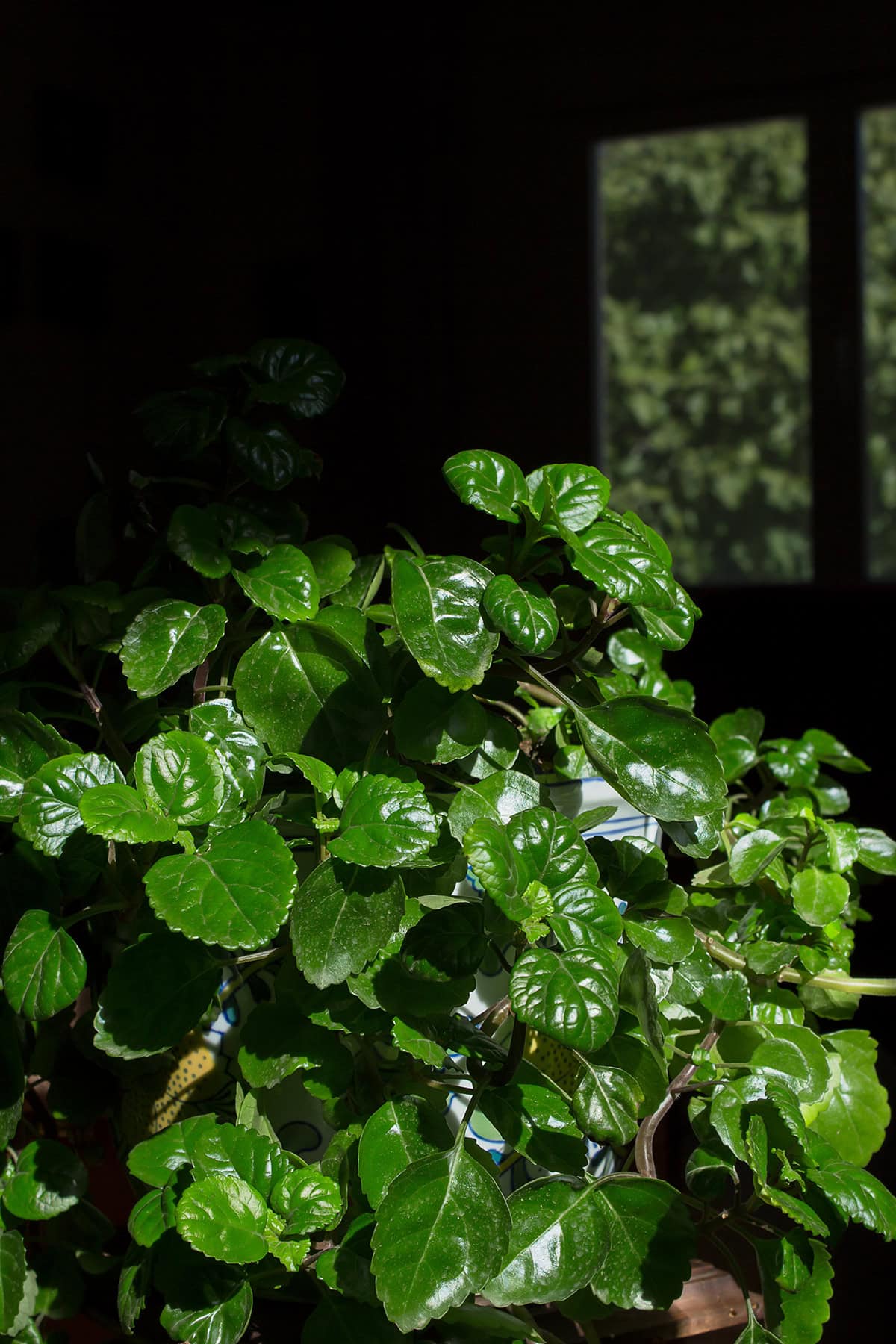
True Swedish ivy, Plectranthus verticillatus, has glossy, rounded, scalloped leaves on soft green stems. The name Creeping Charlie also gets applied to it, along with several unrelated trailing plants.
The variegated plant sold as Swedish ivy is most likely Plectranthus forsteri ‘Marginatus’, with fuzzier gray-green leaves edged in cream. Its color fades in low light, so it needs brighter conditions than the plain green form.
Plectranthus oertendahlii, known as candle plant or silver-leaf Swedish ivy, carries silver-veined leaves with purple undersides and forms a lower, more compact mat for small pots. Check the botanical name on the tag to buy the true P. verticillatus.