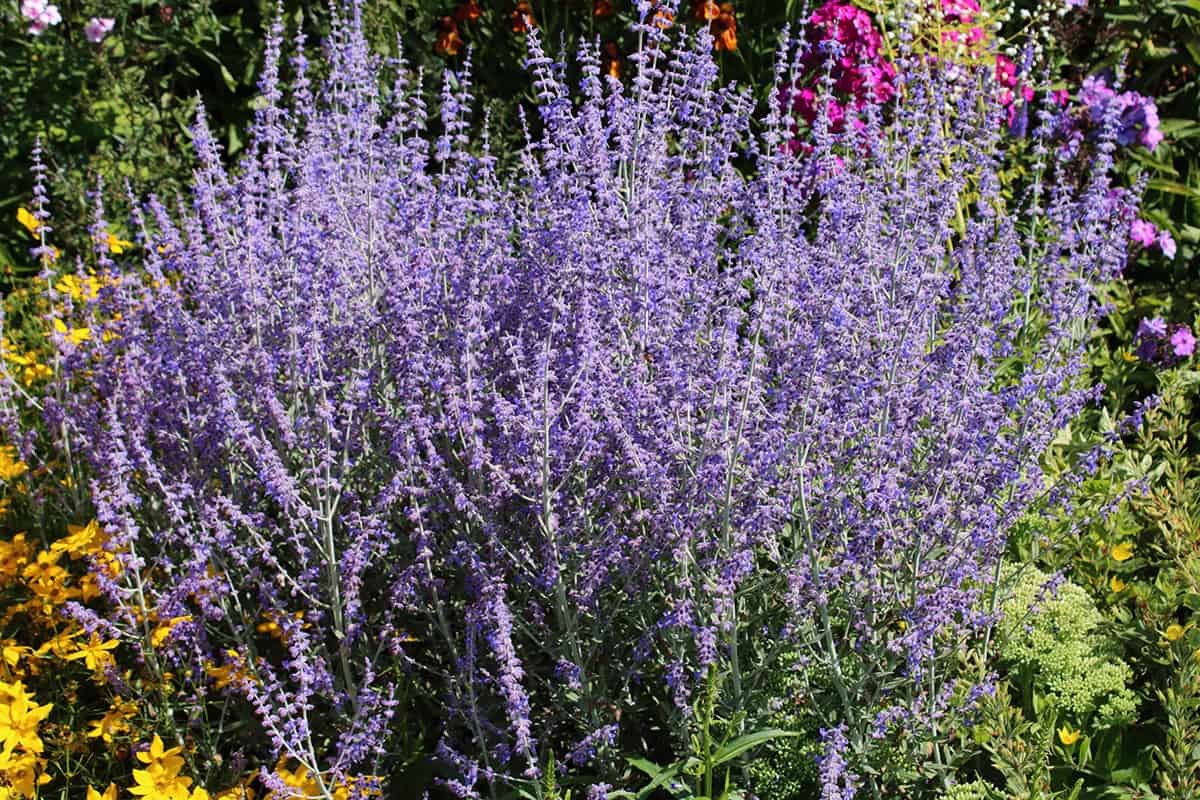
Russian sage brings a shot of color and structure to gardens that need a little something extra, and honestly, it barely asks for anything in return. Those purple-blue flower spikes and silvery leaves? They hold up even in scorching sun and dry soil. Stick it in a sunny spot with well-drained ground, don’t fuss with the watering can after the first season, and chop it back in early spring to keep it from getting leggy. Meet those basics, and you’ll have a perennial that just keeps coming back.
Curious how to keep it upright and looking great? You’ll find tips here on light, soil, watering, and seasonal care. If you’re not sure about pruning or how to start new plants, or you’re fighting floppy stems or soggy roots, you’ll find help for that, too. Plus, you’ll get a sense of what different varieties offer and how this Central Asian beauty slots into all kinds of garden styles.
Table of Contents
Quick Care Summary
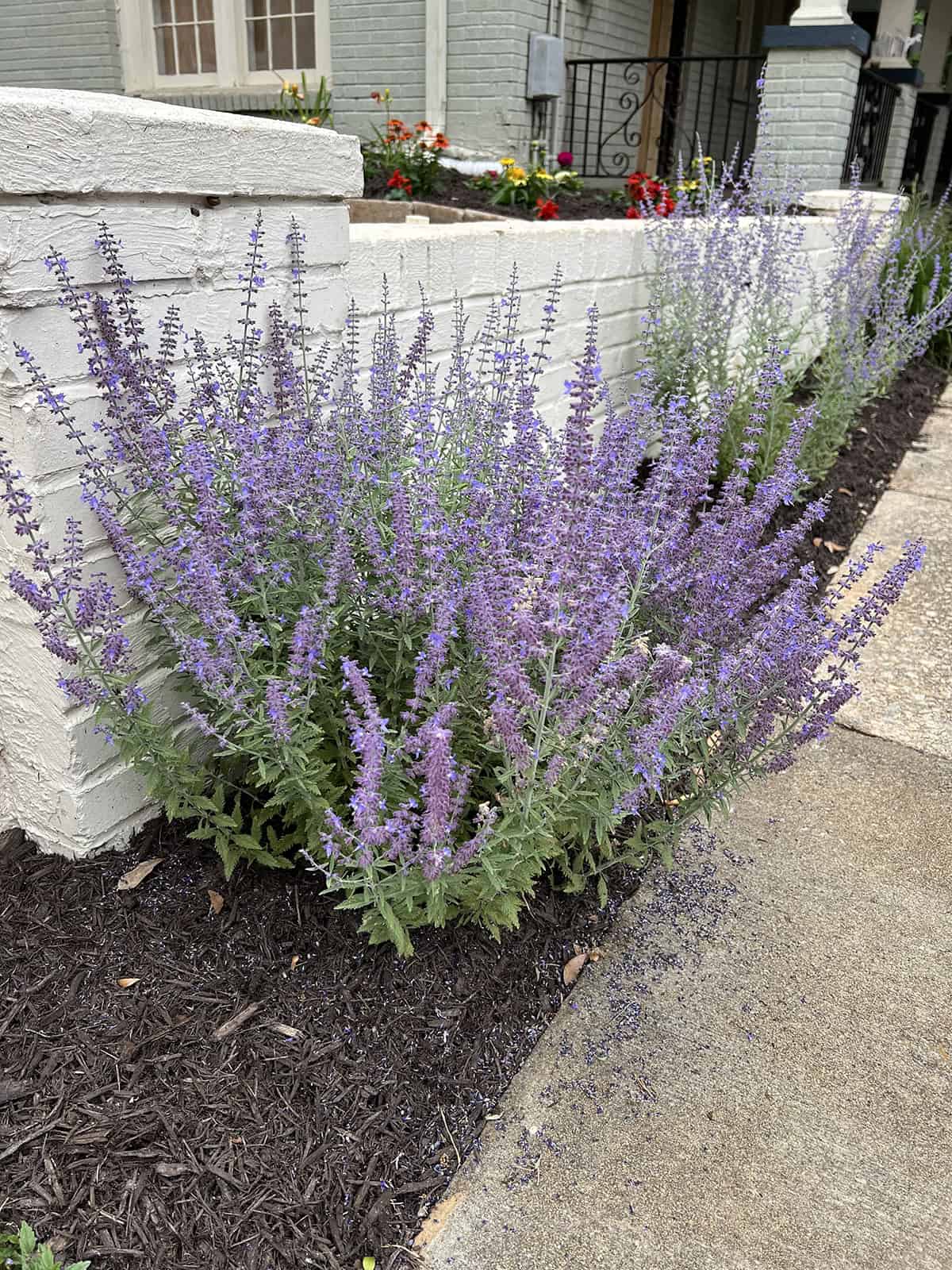
Hot, dry, and sunny—if your site checks those boxes, Russian sage is practically set. It shrugs off rich or soggy soil, and after it settles in, you can almost forget about it.
Light: Needs full sun to avoid floppy stems and washed-out flowers.
Soil: Anything well-drained, from average to sandy; handles alkaline soils just fine.
Watering: Go easy—regular drinks the first year, then let it dry out between waterings.
Temperature: Heat and cold aren’t a problem; USDA zones 4–9.
Humidity: Low to moderate, with a breeze if possible.
Fertilizer: Less is more; too much makes it lanky.
Propagation: Try softwood cuttings late spring or divide in early spring.
In early spring, cut the stems down to 6–8 inches. That’s how you get dense, bushy new growth. If you like winter interest, leave the stems up until spring.
Botanical name: Salvia yangii (formerly Perovskia atriplicifolia)
Common names: Russian sage
Plant type: Woody perennial shrub
Mature size: 3–5 feet tall, 2–4 feet wide
Growth rate: Moderate
Toxicity: Not considered toxic to pets or kids
Native region: Central and western Asia
Expect those silvery leaves and a haze of blue-purple flowers from midsummer into fall. Looks especially good mixed with grasses or other sun-lovers.
Plant Overview
From midsummer on, the garden can start to look a bit tired—unless you’ve got Russian sage. It throws up clouds of blue-violet blooms over narrow, silvery-green leaves, all on tall, open stems. The loose, upright shape plays well with grasses or pale-flowered perennials.
Heatwaves and drought? Not a big deal for this one. It actually seems to prefer lean, well-drained soil and full sun, especially in places where summer really turns up the dial. Once the roots are set, you won’t have to drag out the hose much.
Plant Details
- Botanical name: Salvia yangii (formerly Perovskia atriplicifolia)
- Common names: Russian sage
- Plant type: Herbaceous perennial, subshrub
- Mature size: 3–5 feet tall, 2–4 feet wide
- Growth rate: Moderate to quick in hot, sunny spots
- Toxicity: Not listed as toxic to pets; still, keep an eye on curious kids and animals
- Native region: Central Asia
Silvery stems and aromatic leaves help keep bugs and diseases at bay. If your soil is rich or your spot is shady, expect a bit of sprawl. Give it sun and lean soil if you want a tidy, upright look.
Quick Care Summary
- Light: Full sun
- Soil: Well-drained, average to sandy, even alkaline
- Watering: Minimal after it’s settled in
- Temperature: Loves heat; shrugs off cold winters
- Humidity: Best with dry air
- Fertilizer: Go easy
- Propagation: Softwood or semi-ripe cuttings; divide in spring
Light
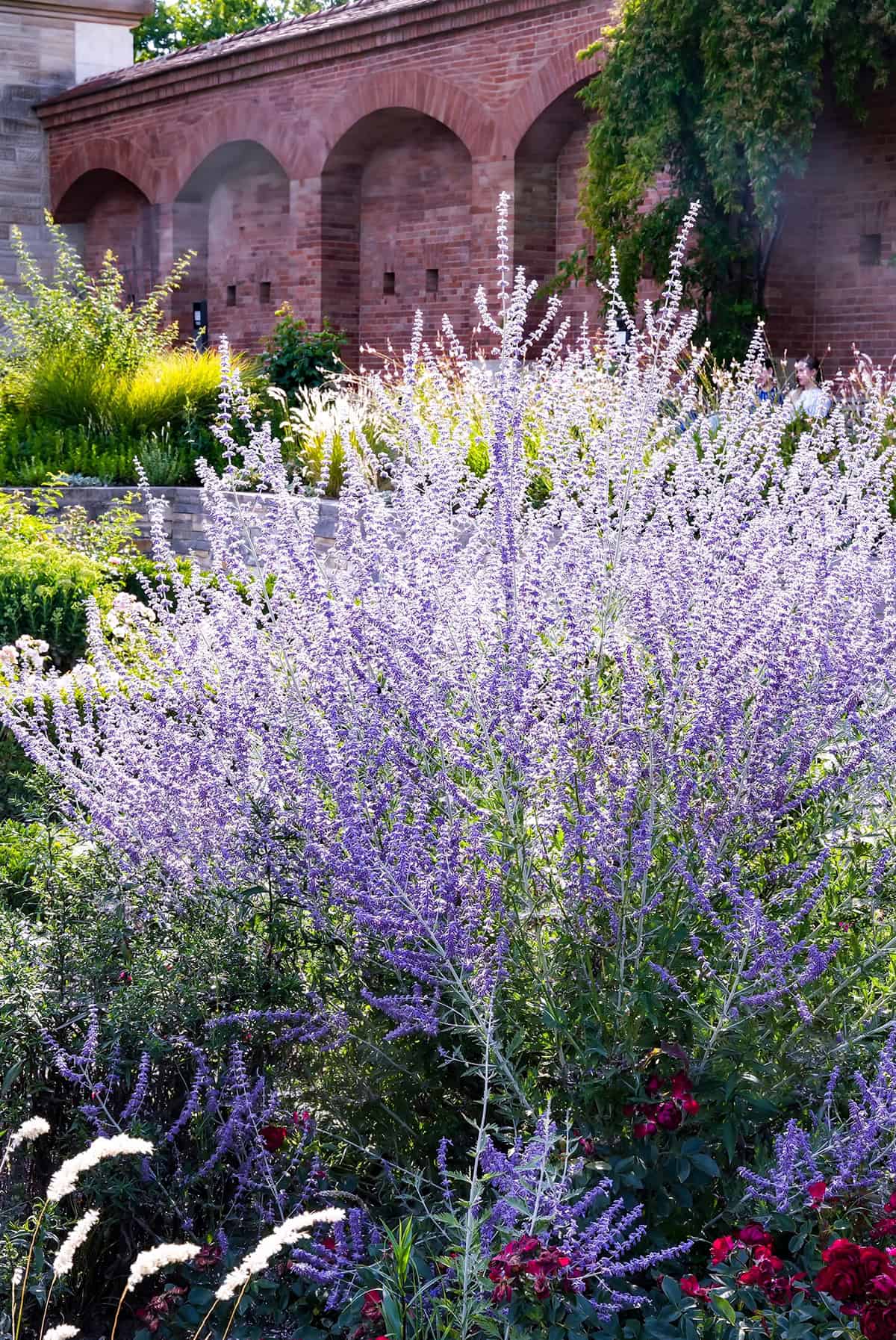
A garden spot that bakes in the sun all day is just what Russian sage craves. Aim for six, preferably eight, hours of direct sunlight. Bright exposure keeps stems sturdy and the plant compact.
Partial shade? Sure, but don’t expect the same show. Shade leads to floppy stems and fewer blooms—flowers might even look a bit dull. If you want vibrancy, go for a spot with clear morning-to-evening light. South or west beds are great. Even in blazing climates, strong sun won’t faze it as long as water doesn’t pool around the roots.
Crowding it under trees or next to tall fences? You’ll get less airflow, weaker stems, and a plant that sulks. Give it room and sun, and you’ll see those blooms keep coming well into fall.
Water
Dry gardens suit Russian sage just fine. Deep, infrequent watering is the way to go. Let the soil dry out before you water again—roots don’t want to sit in soggy ground.
During that first season, keep things moderately moist to help the roots settle in. Stick a finger in the soil; if the top few inches are dry, go ahead and water at the base. After that, in most climates, rain does the job.
Long, hot droughts might call for a soak every two or three weeks, but don’t overdo it. Cut back even more as fall and winter set in. Wet soil is the enemy here—root rot and stem decline follow if things stay damp.
Soil
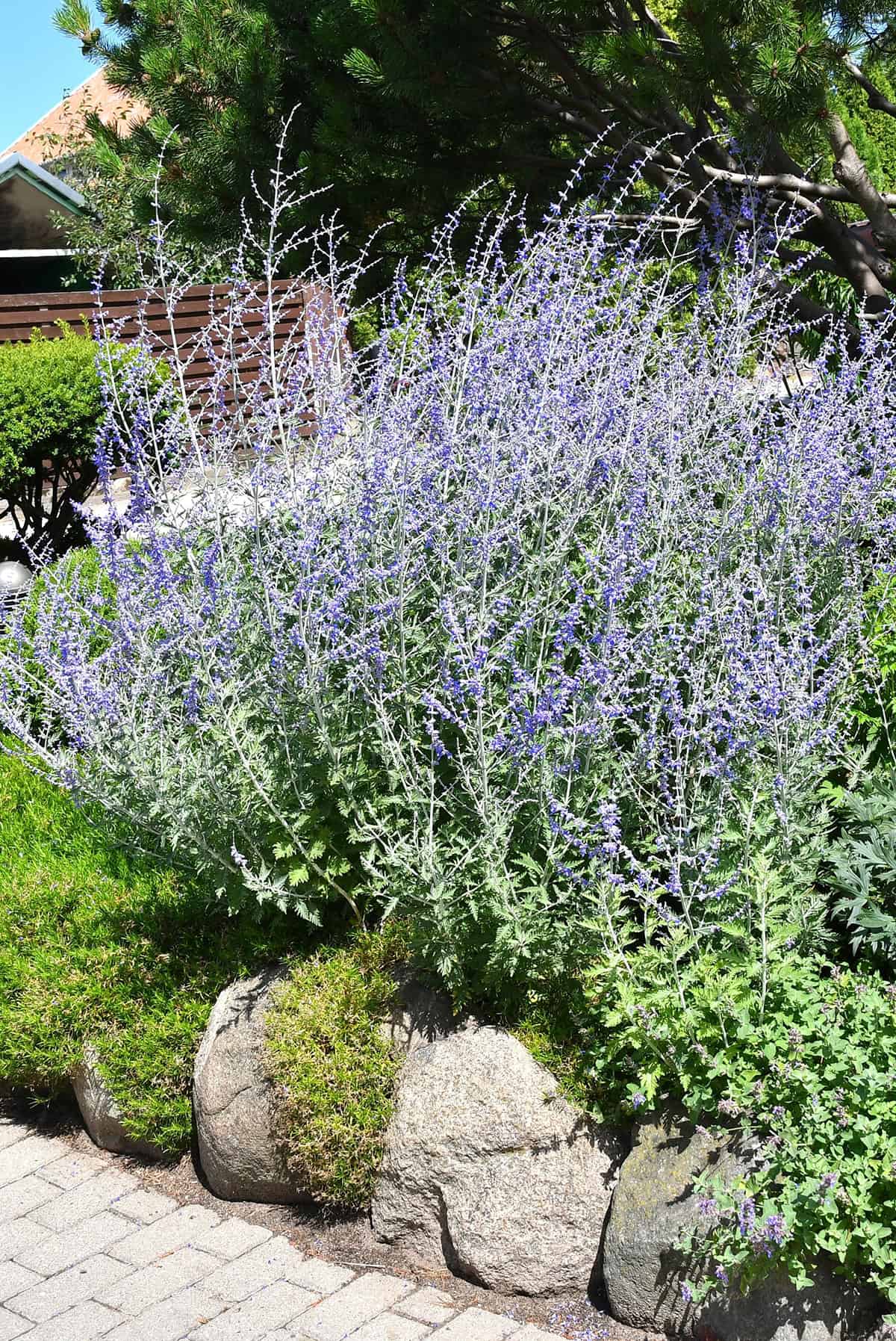
Gravelly, sandy, or just plain average soil—if it drains well, Russian sage will be happy. Clay that stays sticky after rain is where problems start. Roots suffocate in dense, wet ground.
If you’re dealing with heavy soil, work in some coarse sand or gravel to loosen things up. Raised beds or planting on a gentle slope can help if water tends to hang around.
This is not a plant that wants pampering with compost or rich amendments. Too much organic matter leads to floppy stems and fewer flowers. Neutral to slightly alkaline soil is preferred, but it’s not fussy.
Winter’s a risky time for wet ground. If you’re in an area where water pools, elevate the planting area. Good drainage is the one non-negotiable for long-term success.
Temperature & Humidity
From sweltering summers to biting winters, Russian sage takes it all in stride. It’s hardy in zones 4 through 9, and summer heat just makes it bloom better. Cold snaps aren’t a problem if the soil drains well.
High temps don’t burn the foliage or slow down the flowers. In fact, dry heat often brings out the best in it. The real threat is cold, wet soil—not the low air temperature itself. Make sure water drains away before winter sets in.
Dry air is much preferred. Fungal problems and collapsing stems are more likely in muggy climates, so aim for open, breezy spots if humidity is high. Avoid tucking it into crowded beds where moisture lingers after rain.
Fertilizer
Lean soil is the secret to sturdy, floriferous Russian sage. Skip the heavy hand with fertilizer. Rich ground just sends stems sprawling and cuts back on flowers.
If your soil is truly poor, a light sprinkle of balanced fertilizer in mid-spring is fine. Maybe another light dose in mid-summer if growth seems sluggish. Stick with low-nitrogen blends to avoid a burst of leafy, floppy growth.
Scatter fertilizer around the root zone, keeping it away from the main stem. Water it in so nutrients seep down.
Compost works, too—just a thin layer in spring is plenty. It helps the soil without forcing fast, soft growth.
Overfeeding is a common mistake. Too much fertilizer leads to weak stems and less drought resistance. This is a plant that thrives on a bit of neglect.
Potting & Repotting
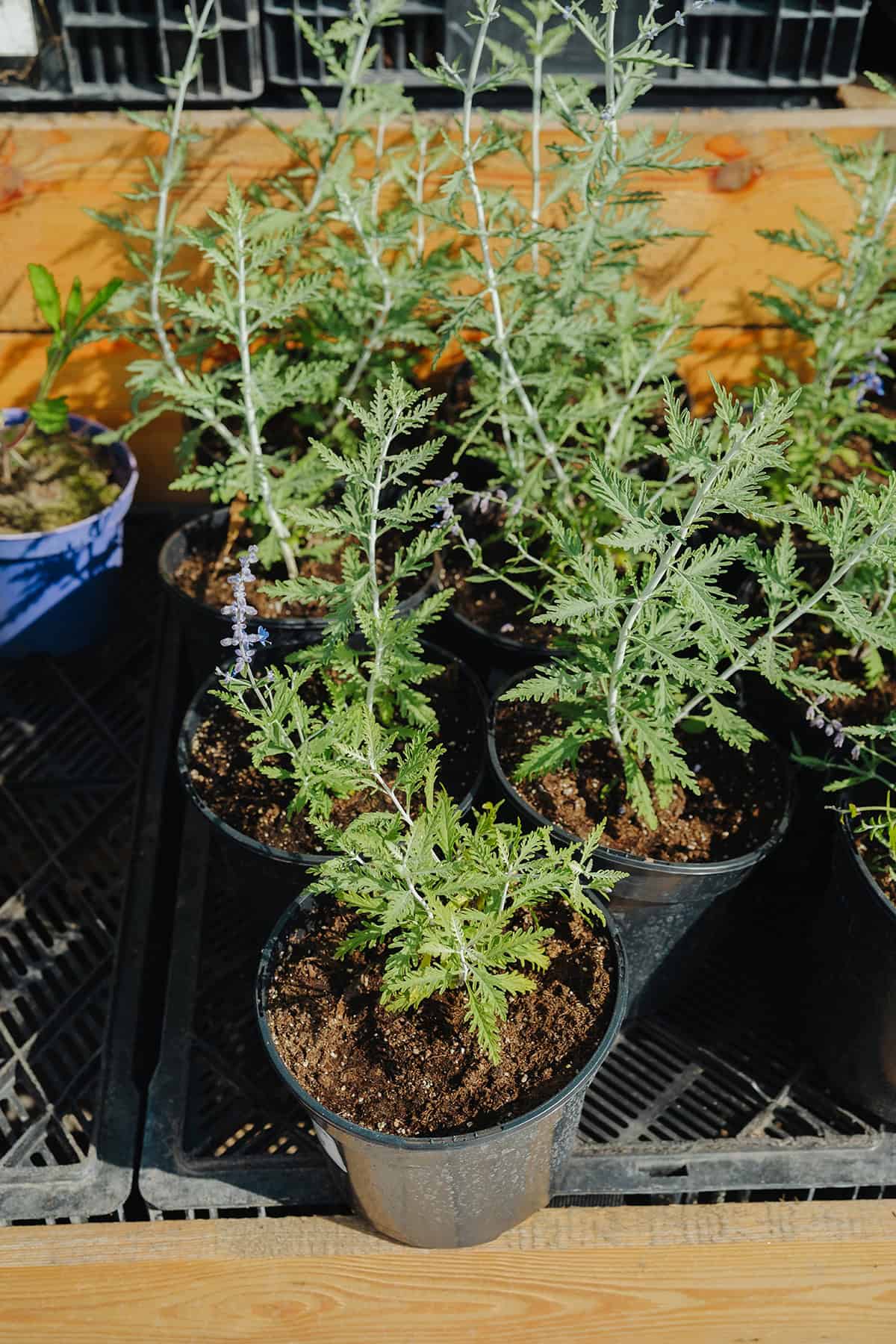
Container life works for Russian sage if you pay attention to drainage and sun. Go for a big pot—16 to 20 inches across, with several drainage holes. The woody base and deep roots need space.
Mix up a potting blend that drains quickly. Add sand or fine gravel to standard potting soil, and steer clear of heavy, moisture-holding mixes. Wet roots in winter are a fast track to plant loss.
Water deeply, then let the top inches dry out before the next soak. Containers dry faster than garden beds, so check more often during heatwaves. Ease up on water as the seasons cool.
Every couple of years, or when you see roots circling and growth slowing, it’s time to repot. Choose a slightly bigger container and refresh the soil. If the plant’s gotten crowded, you can divide it at this point—just separate the woody crowns and replant.
Pruning
Come early spring, once you spot fresh shoots at the base, it’s time to prune. Don’t cut in fall—leaving old stems up through winter helps shield the crown from cold snaps.
Trim last year’s growth down to about 6 to 8 inches above the soil. If all the new growth is at ground level, cut the whole thing back. Use sharp pruners to avoid splintering the woody stems.
This kind of hard pruning keeps the plant compact and prevents those floppy, split stems that show up in summer storms. Skip it, and you’ll likely end up with tall, open plants that can’t hold themselves up.
During the season, snip off any broken or unruly stems as needed. A light shear in early summer can tidy things up, but don’t get carried away after midsummer—late cuts can mean fewer flowers.
As clumps age, they tend to sprawl. Divide them in spring if the center gets bare. Good pruning habits keep the plant healthy, the shape neat, and the blooms coming, without much fuss.
Propagation
Starting new Russian sage plants? Cuttings are the go-to for most gardeners—they root quickly and match the parent. Seeds work, but they take longer and may not come out exactly the same. Both options need a healthy, mature plant.
For cuttings, snip a 4 to 6 inch softwood stem in late spring or early summer, just below a leaf node. Strip the lower leaves and stick the stem in moist, well-drained mix. Keep it lightly moist and in bright, indirect light until it roots.
Dividing is another easy route. In early spring, dig up the clump and split it into sections with strong roots and stems. Replant at the same depth and water well to help them settle.
If you’re starting from seed, sow indoors about six to eight weeks before your last frost. Use a light seed-starting mix and press seeds onto the surface—don’t bury them. Keep things warm and evenly moist until they sprout, then move the seedlings outside after frost risk passes.
Common Problems
Russian sage rarely gives gardeners much trouble. Pests and diseases are uncommon, and even deer tend to walk right by. Still, poor airflow or too much shade can make stems weak and flowers sparse.
Flopping stems are a frequent frustration. Usually, that’s a sign of too-rich soil or not enough sun. Stick to lean ground and full light to keep things upright.
Root issues pop up when the soil stays wet. This plant wants dry feet; clay or poorly drained beds spell trouble. Signs of root rot include yellowing leaves and dieback.
In colder climates, winter dieback can look alarming. Sometimes new growth just comes up late in spring—don’t rush to pull the plant. Wait for fresh shoots at the base before you prune; old stems help shield the crown from winter damage.
Varieties
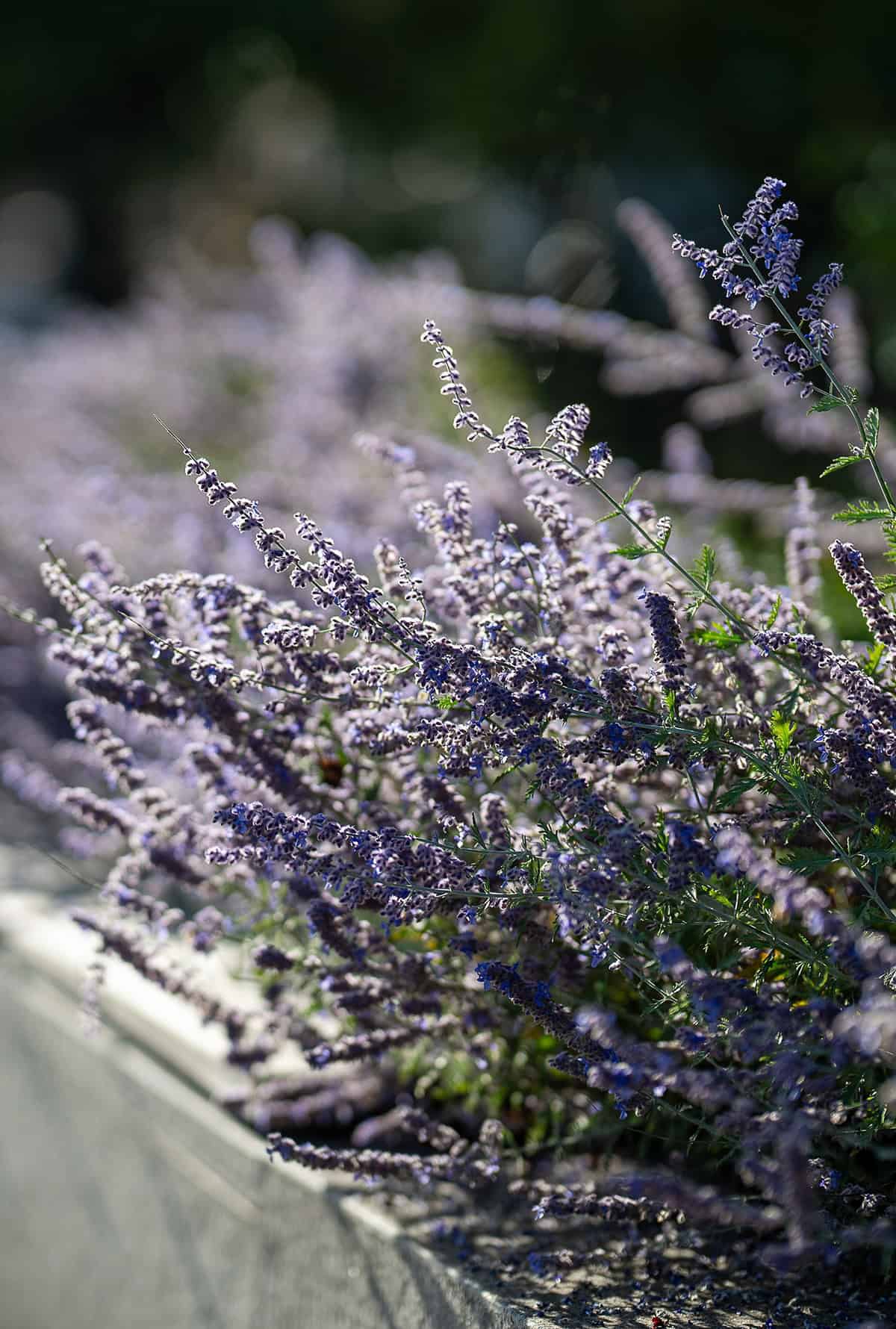
Among the available cultivars, you’ll notice a surprising range in size, flower density, and overall shape. Most trace their lineage to Salvia yangii (formerly Perovskia atriplicifolia), though breeders have tinkered with traits like stem strength and a more compact habit—honestly, anything to keep those stems from collapsing in richer soils or shadier spots.
‘Blue Spire’ tends to tower over the rest, stretching up to around four feet and flaunting those unmistakable lavender-blue flower spikes. In contrast, ‘Longin’ stands out for its more rigid, upright growth and finely divided leaves, which makes it a go-to for anyone craving crisp lines and tidy borders.
Not everyone wants a giant, though. For tighter spaces or patio containers, ‘Little Spire’ and ‘Denim ’n Lace’ keep things manageable at two to three feet. They’re easy to tuck into small gardens or squeeze up front without crowding out neighbors. Some of the newer introductions even seem less fussy about root rot, as long as drainage’s decent.
Blossoms hover somewhere between blue and violet, but the exact shade and vibrancy can shift a bit from one cultivar to the next. Foliage, meanwhile, drifts from soft gray to a cool silvery green, so you can play with contrast or blend things together depending on your mood—or, let’s be honest, whatever’s still in stock at the nursery.