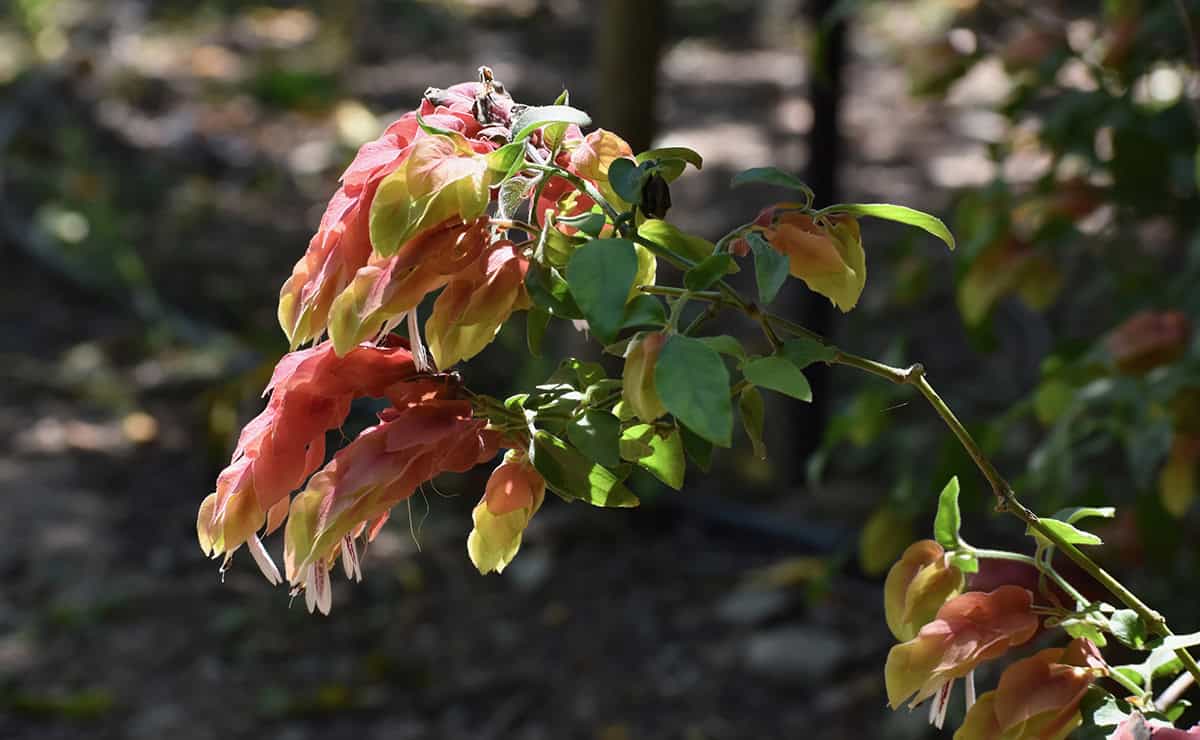
Few plants bring such a punch of color as the shrimp plant, with its quirky, layered bracts that look a bit like crustaceans and the delicate white flowers peeking out. Whether you tuck it in a sunny corner indoors or let it sprawl outdoors in a warm spot, it’s surprisingly forgiving. Give it the basics, and it’ll reward you with blooms that just keep coming.
For healthy shrimp plants, aim for bright light, rich soil that drains well, steady moisture, warmth, and a bit of pruning to keep things bushy. Meet those needs and you’ll get a dense, flower-packed shrub, even while it’s still young. It’s a good pick for containers, too—easy to move and manage.
Expect to juggle light and water, pick out the right soil, and time your fertilizer for the best results. Pruning, repotting, and troubleshooting common issues all play a part, but none of it’s rocket science. The steps below will help you keep your plant thriving season after season.
Table of Contents
Quick Care Summary
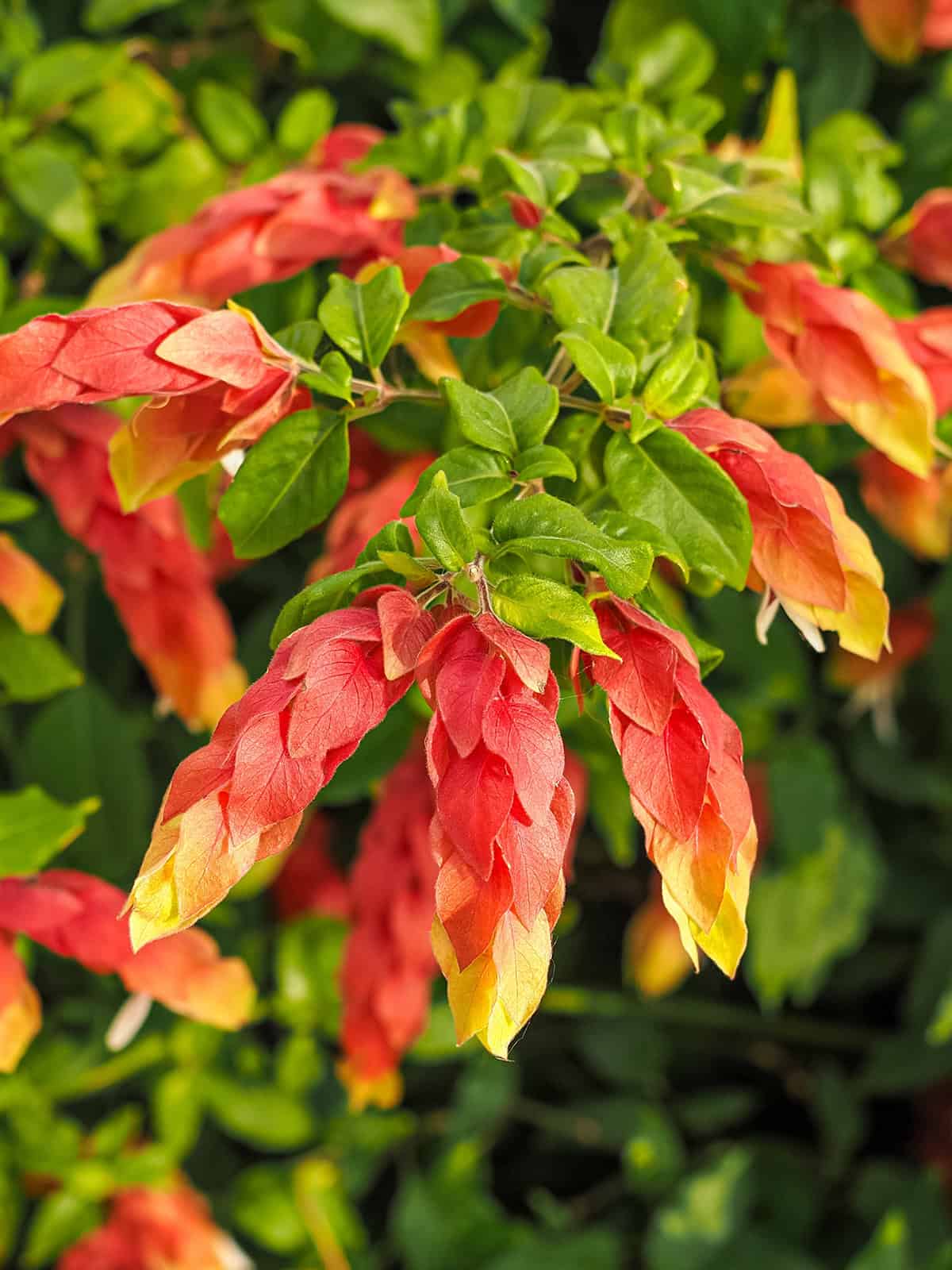
With its tropical roots, shrimp plant grows as a perennial shrub, sporting colorful bracts and those dainty white blooms. Outdoors, it’s happiest in frost-free spots, but it makes a lively houseplant in any bright room. Regular trims keep it looking fresh.
Plant Overview
- Botanical name: Justicia brandegeeana (common shrimp plant), Pachystachys lutea (golden shrimp plant)
- Common names: Shrimp plant, Mexican shrimp plant, golden shrimp plant
- Plant type: Evergreen perennial shrub
- Mature size: 2–5 feet tall and wide, depending on climate
- Growth rate: Moderate
- Toxicity: Not known as toxic to pets or children, but best not to eat it
- Native region: Mexico, Central and South America
Those layered bracts really do look like shrimp, especially when the plant’s grown outdoors in frost-free zones, where it can hit 5 feet tall and stay evergreen. In cooler places, it’s often kept in pots and brought inside when nights get chilly.
Essential Care
- Light: Full sun to partial shade; bright indirect light indoors
- Soil: Rich, well-drained soil with organic matter
- Watering: Keep soil lightly moist; let the top inch dry before watering again
- Temperature: 65–85°F; protect from frost
- Humidity: Moderate to high preferred
- Fertilizer: Balanced fertilizer during the growing season
- Propagation: Softwood or semi-ripe stem cuttings
Consistent moisture and reliable drainage go a long way. Prune lightly for a compact, lush look. A little fertilizer during growth spurts will keep both leaves and bracts looking their best.
Plant Overview
Bright, layered bracts and a tidy habit make shrimp plant a standout in sunny borders, containers, or even hummingbird gardens. It’s a solid choice for adding structure and color to warm spots indoors or out.
Originally from Mexico’s tropical zones (and in some cases, Southeast Asia), shrimp plant really leans into warmth and steady moisture. While frost will knock it back, roots often survive mild winters and bounce back. Indoors, strong light helps it live for years.
Plant Profile
- Botanical name: Justicia brandegeeana; also Pachystachys lutea for golden shrimp plant
- Common names: Shrimp plant, Mexican shrimp plant, golden shrimp plant
- Plant type: Tropical perennial shrub
- Mature size: 2–5 feet tall; 2–4 feet wide
- Growth rate: Moderate
- Toxicity: Not known as toxic to pets or children
- Native region: Mexico; related species from Central America and Southeast Asia
Color options range from pinkish-red bracts (Justicia brandegeeana) to the sunny yellow of Pachystachys lutea. The actual flowers are tiny and fleeting, but the bracts hang around and steal the show.
Quick Care Summary
- Light: Bright indirect light or partial sun
- Soil: Rich, well-drained soil with organic matter
- Watering: Keep soil lightly moist; avoid soggy roots
- Temperature: 65–85°F
- Humidity: متوسط to high
- Fertilizer: Balanced fertilizer during active growth
- Propagation: Softwood cuttings
Light
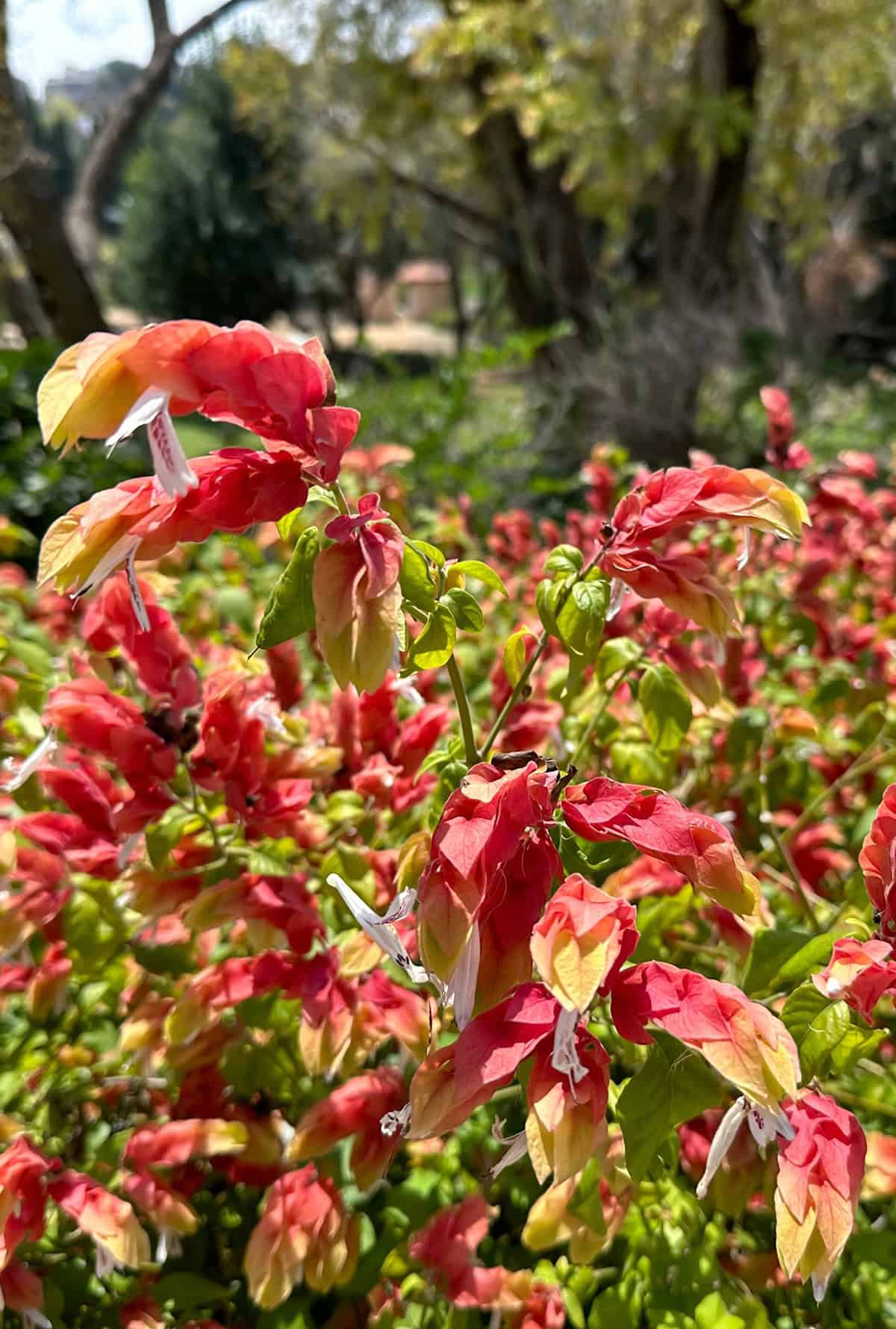
A lively shrimp plant craves plenty of light. In milder climates, full sun does wonders, but when the heat ramps up, a little shade in the afternoon keeps the colors sharp and the soil from drying out too quickly.
For outdoor spots, lean toward morning sun with dappled light later on. If the blooms start to drop off or stems look weak, chances are it’s not getting enough brightness—move it somewhere sunnier.
Indoors, a spot near a sunny window (south or west-facing) is ideal, but don’t let harsh rays scorch the leaves. Rotate the pot every so often so all sides get their share of the light.
Water
Moisture matters, but soggy roots are a no-go. During the growing season, check the top inch of soil—if it’s dry, it’s time to water. Outdoor plants in full sun may need a drink more often, especially as temperatures climb, while those in shade or pots might dry out faster.
As autumn and winter set in, cut back on watering. Let the top two inches dry out before reaching for the watering can again. Growth slows in cooler weather, so the plant uses less water.
Always go for soil that drains quickly. Standing water leads to root rot, so empty saucers after watering. Indoors, if the air is dry, a tray of pebbles and water or a nearby humidifier can help bump up the humidity.
Soil
Loose, well-aerated soil is key—shrimp plants dislike heavy, compacted ground. Before planting, work in plenty of compost or aged manure for structure and nutrients. The goal is soil that holds moisture but doesn’t stay soggy, with a pH leaning slightly acidic to neutral.
Container-grown plants do well in a high-quality potting mix designed for flowers, as long as it drains well. Make sure the pot has drainage holes, and freshen up the mix every year or two to keep things lively.
Temperature & Humidity
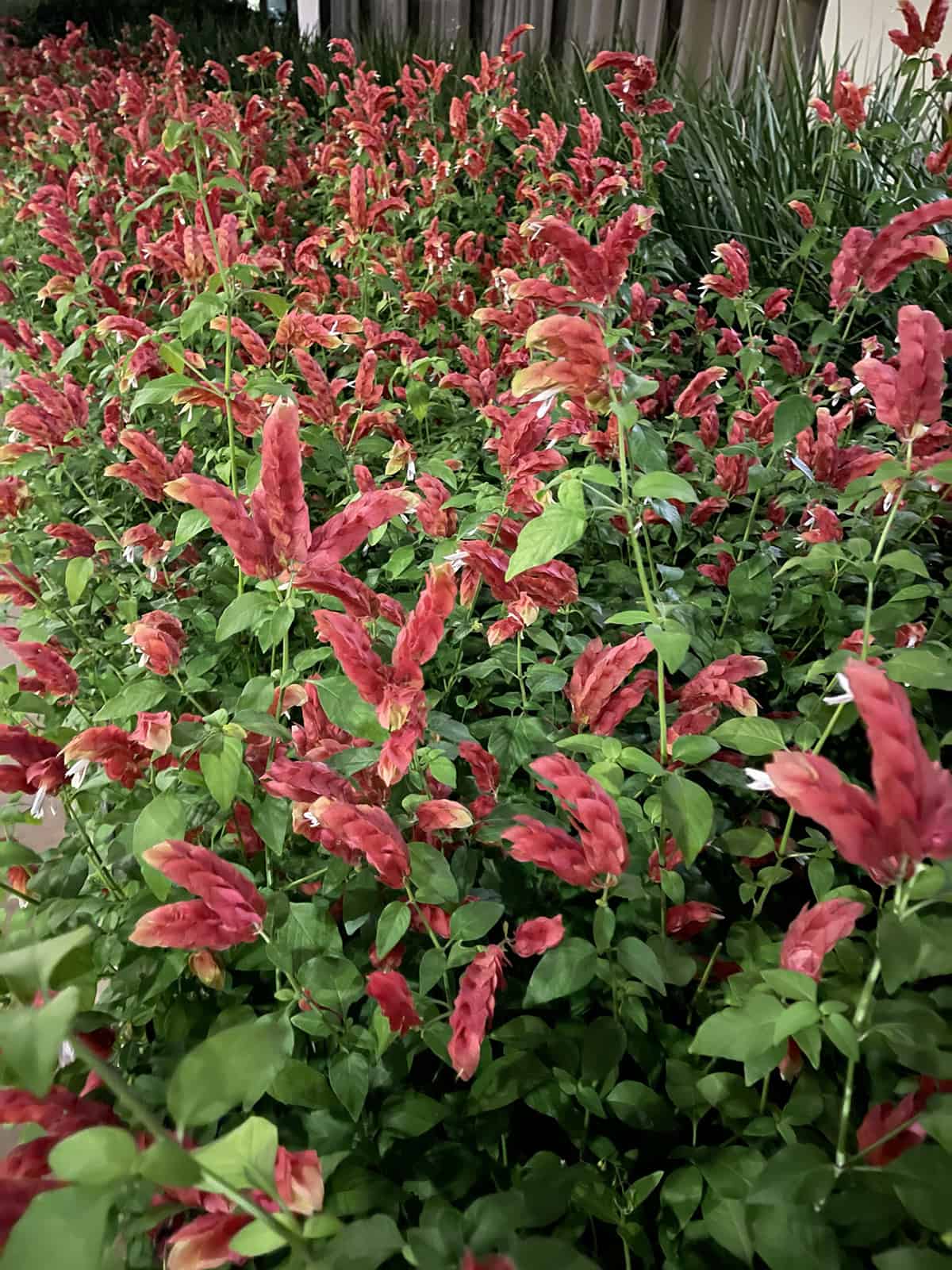
Warmth is non-negotiable. Temperatures between 65°F and 80°F (18°C to 27°C) keep the plant happy, though it can handle occasional hotter spells if the humidity is up. Drop below 60°F, and growth tends to slow down.
Frost is trouble—leaves blacken and stems turn mushy. If you’re in a cooler climate, bring potted plants inside before the first cold snap. Indoors, keep them away from chilly drafts and vents.
Humidity helps, especially for lush foliage and steady flowering. While average home humidity is usually fine, levels above 50% are even better. Dry air can crisp up the leaves, so add a humidifier or set the pot on moist pebbles if needed.
Outdoor plants in hot, humid regions thrive, but in dry climates, some afternoon shade and the occasional misting help prevent stress.
Fertilizer
A little food goes a long way. In spring and through early fall, feed shrimp plant with a balanced, water-soluble fertilizer every couple of weeks at half strength. Water first, then fertilize—this helps avoid burning the roots.
Slow-release options work too, especially for in-ground plants or big containers. Just follow the label and don’t overdo it. Too much fertilizer leads to lots of leaves but not many bracts.
If the soil is already rich with compost, you can ease up on supplemental feeding. Weak growth or pale leaves might mean it’s time for a soil test before adding more nutrients.
Potting & Repotting
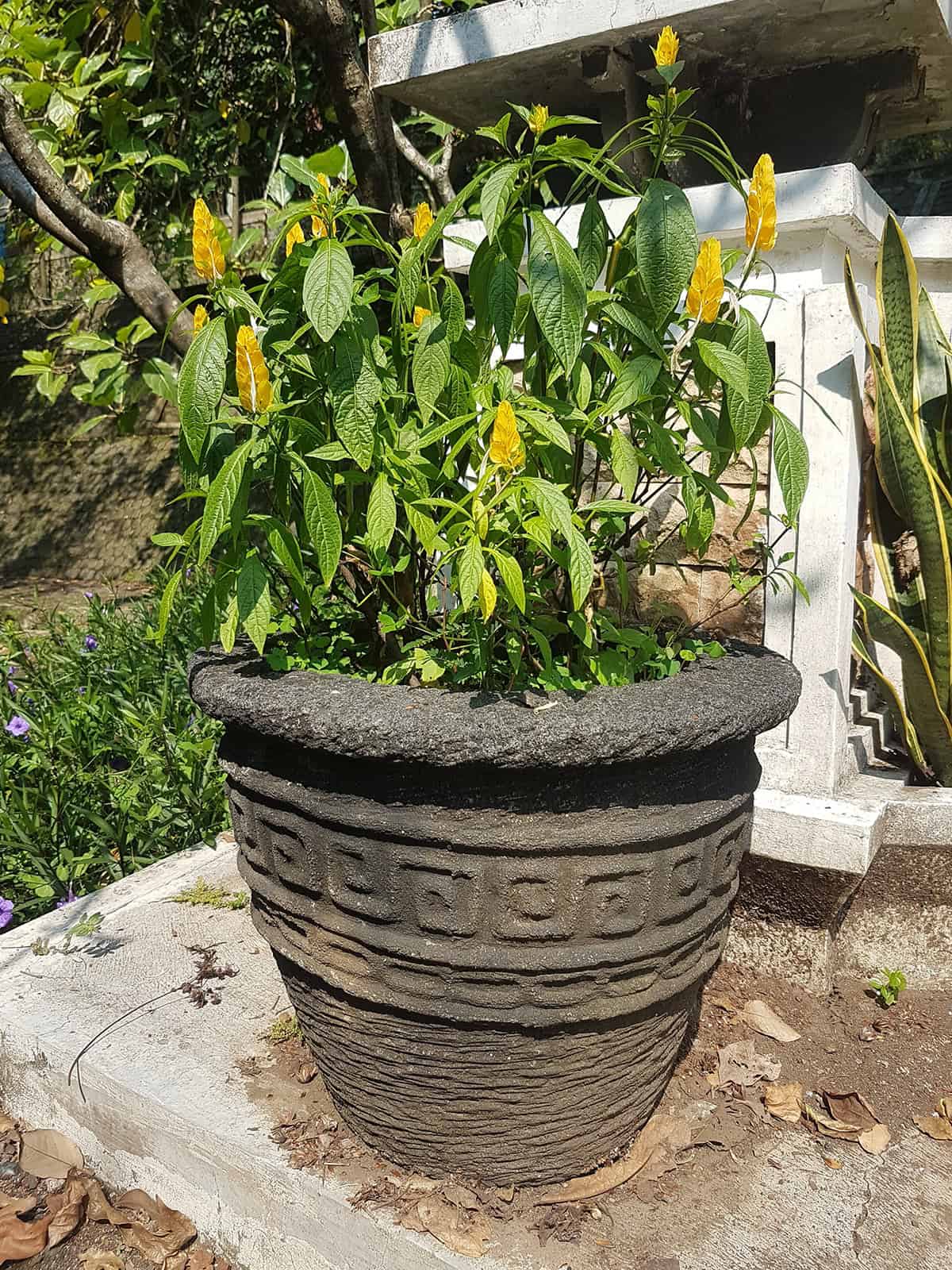
Drainage comes first—always use a container with proper holes. Don’t size up too much; just go one pot larger than the current root ball.
A loose, airy mix with peat or coco coir and perlite keeps roots happy. When repotting, keep the plant at the same depth—burying the crown causes problems. If you spot salt buildup, scrape off the crusty top layer before adding fresh mix.
Spring is the best time to repot, as new growth gets roots established quickly. Roots circling or poking out the bottom are a sure sign it’s time to move up a size.
After repotting, give it a good soak and let any extra water drain. Hold off on fertilizer for a couple of weeks while the plant settles in, and keep it in bright, indirect light.
Pruning
A little regular snipping keeps things bushy and neat. Without it, shrimp plants can get leggy and awkward. In spring and early summer, pinch soft tips to encourage branching and more bracts. Sharp, clean shears make the job easier—just snip above a leaf node.
Once a big flush of blooms fades, it’s worth cutting the plant back by up to a third. This keeps growth fresh and prevents stems from getting too woody. Steer clear of hacking into bare, leafless wood since it’s slow to recover.
Deadheading—removing old bracts and flower spikes—tidies up the plant and redirects energy to new growth. Thin out crowded stems in the center to boost airflow and light.
Indoor plants often just need a light trim; outdoor ones might need a harder prune at the start of the warm season. Always clean your tools before and after, and if frost nips the plant, wait for new growth before cutting back damaged parts.
Propagation
Cuttings are the way to go if you want more shrimp plants. Take a healthy, flexible stem (about 4–6 inches) in spring or early summer, snip just below a leaf node, and strip off the lower leaves.
Stick the cut end in moist, well-draining potting mix—something with peat and perlite works well. Keep the soil damp but not soaked, and place the pot in bright, indirect light. Warmth (above 65°F) speeds up rooting.
Roots usually show up after a few weeks. If you give the stem a gentle tug and feel resistance, it’s ready for a bigger pot or a spot outdoors (if your climate allows).
Softwood cuttings from new growth root especially fast, especially if humidity is high. Covering the pot with a clear lid or bag helps, but let it breathe daily to prevent mold.
Common Problems
Yellowing leaves? That’s often a sign of too much water or poor drainage. Let the top inch dry before watering again, and make sure the soil isn’t compacted.
If leaves wilt but the soil is still wet, root rot might be setting in. Pull the plant from its pot, trim off any mushy, dark roots, and replant in fresh, well-drained mix.
Sparse blooms and weak stems usually mean it’s not getting enough light. Move it somewhere brighter—shrimp plants thrive on strong, indirect sun.
Pests can show up, especially indoors. Keep an eye out for whiteflies, spider mites, and aphids—sticky leaves or fine webs are a giveaway. A quick rinse or a spritz of insecticidal soap usually does the trick.
Cold snaps blacken or mush up leaves, so protect outdoor plants if temperatures drop below 50°F. Indoors, steer clear of cold drafts and vents.
If leaves turn pale and growth stalls, a balanced fertilizer during the growing season should help. Just don’t overdo it—too much can cause salt buildup and burned tips.
Varieties
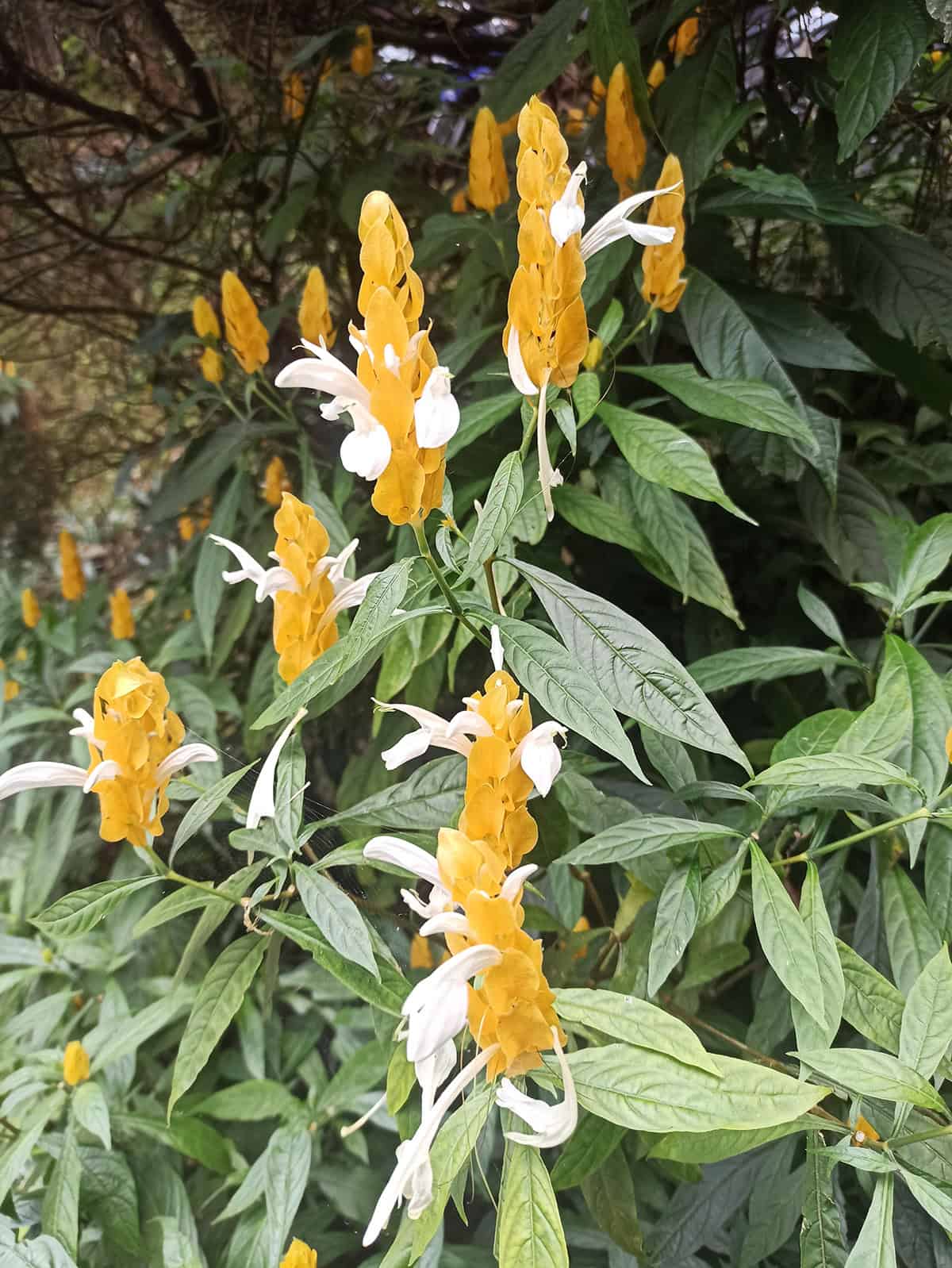
Shrimp plants come in all kinds of shapes and colors, though they share a quirky charm. Take Justicia brandegeeana—those arching stems and layered bracts in salmon, red, or yellow just steal the show. The bracts really do look a bit like shrimp, and then out pop delicate white flowers right at the tips. It’s a favorite for containers or tucked into a warm garden bed, where the colors catch the light.
With Pachystachys lutea, things get brighter. Those upright spikes, crowned with vivid yellow bracts and crisp white tubular flowers, stand out against glossy leaves. This one’s more compact, almost tidy, and adapts easily—happy outdoors where winters stay mild, or as a cheerful houseplant if you can give it plenty of sun.
Then there’s Phlogacanthus guttatus, which tends to go bigger and bolder. It’s got a more robust, shrub-like presence, and the orange to red flower clusters rise above broad, deep green leaves. In tropical gardens, this type fills out space and draws attention, especially when it’s in bloom.
Size and color can be all over the map, depending on the variety. Some types stay petite, barely reaching two feet in a pot, while others stretch up to five feet if the climate’s right. Matching your choice to the space and the light you’ve got—well, that’s half the fun.