You notice the Spanish lavender in your garden looking a little faded. You want healthier plants and more fragrant blooms. You wonder how to get the most out of this unique herb.
Spanish lavender grows best with full sun, well-drained soil, and regular pruning. You can grow stronger and longer-blooming plants by following a few simple steps. With the right care, your Spanish lavender can thrive and bloom from spring to fall.
You don’t need special tools or experience. Just learn the basics and pay attention to your plant’s needs. You’ll enjoy beautiful flowers and a pleasant scent all season.
Table of Contents
Light
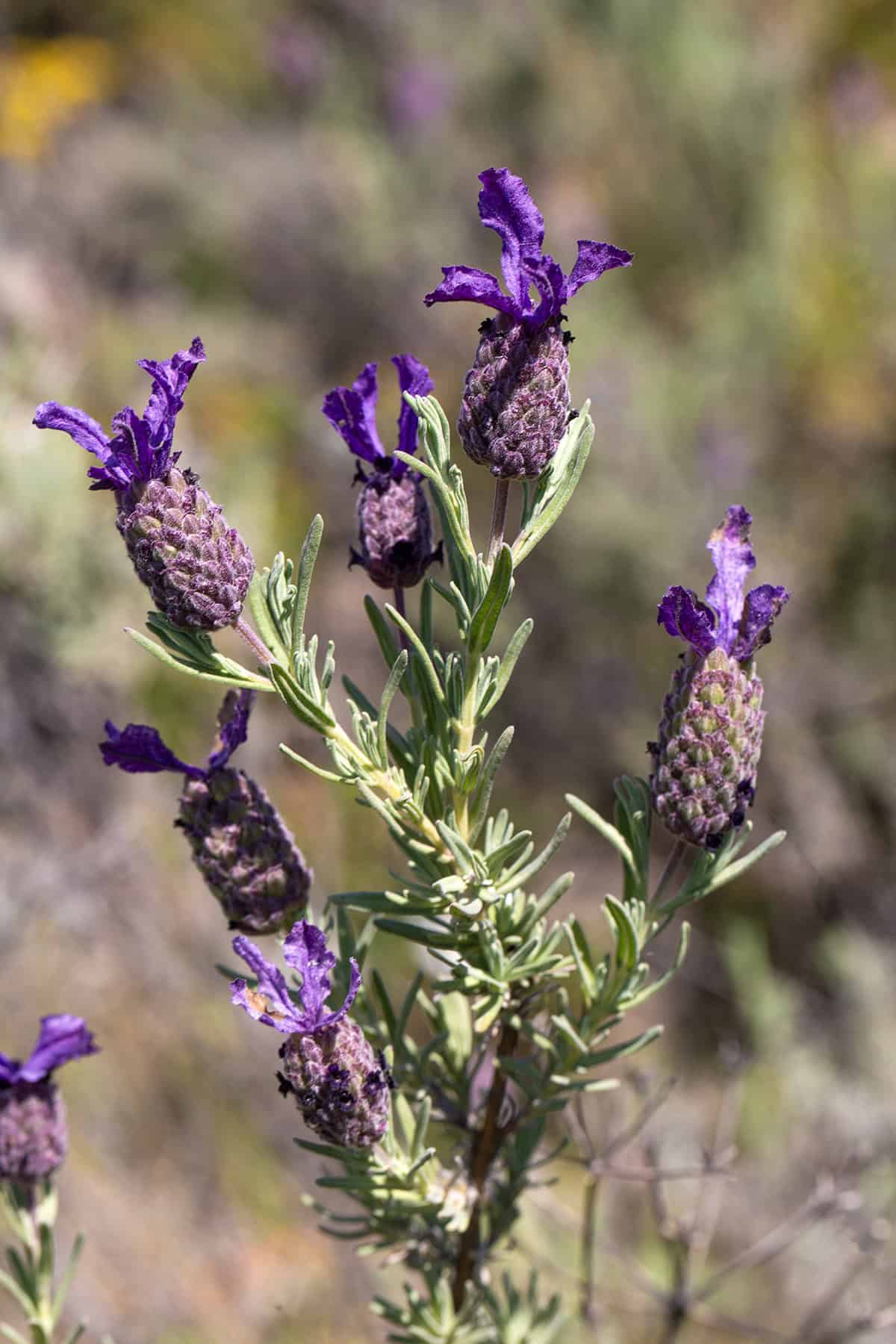
Spanish lavender thrives in bright conditions. You will get the most blooms if you give it full sun. Aim for at least six hours of direct sunlight each day.
Choose a spot in your garden that is open and free from heavy shade. Shade slows growth and reduces flowering. South-facing locations are usually best.
Indoor plants need a spot right by a sunny window. Without enough natural sunlight, this lavender becomes leggy and weak. Supplement with artificial lighting if necessary.
Sunlight keeps the plant compact and healthy. Too little light leads to spindly stems and few flowers. Your lavender looks greener and blooms longer with proper light.
Soil
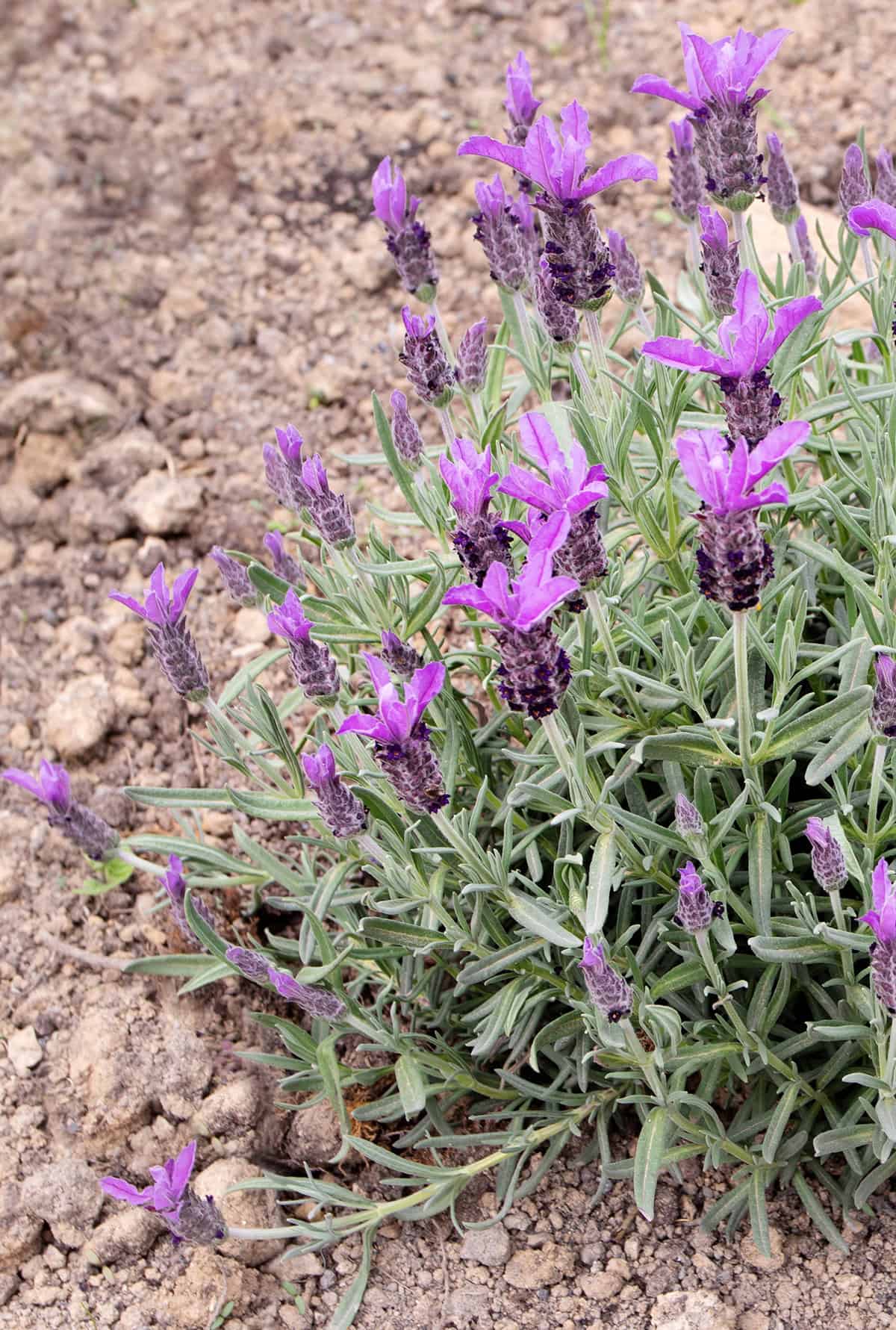
Choose soil that drains well and stays loose. Spanish lavender thrives in poor, sandy, or rocky soils. It does not grow well in heavy or soggy ground.
You should aim for a pH between 7 and 8. Neutral to slightly alkaline soil helps prevent root rot and supports healthy growth.
If your soil holds water, try mixing in coarse sand or gravel. Organic content should stay low, as rich soils lead to weak plants.
Compact or clay soil makes roots suffer. Raised beds, mounds, or containers give you more control.
Check after heavy rain to make sure water does not stay near the roots. Proper drainage is as important as sunlight for Spanish lavender.
Water
Spanish lavender needs much less water than most common garden plants. It prefers dry conditions and does not tolerate soggy soil. Let the top inch of soil dry before watering again.
Water deeply to reach the plant’s roots but do so infrequently. Frequent light watering raises the risk of root rot and fungal diseases. In general, you should water established plants once every two weeks during dry weather.
During the hottest weeks, you may need to give a light extra drink, but only if leaves begin to wilt. Newly planted lavender requires more water until roots form. After their first season, reduce watering to help the plant harden off.
Always use well-drained soil. If water pools or stands near the roots, the plant may suffer damage. Drip irrigation is best for consistent and controlled moisture without wetting the leaves.
Avoid watering late in the day to prevent soggy conditions during cool nights. This approach reduces rot and disease risk. Check the soil by touch before adding more water.
Temperature And Humidity
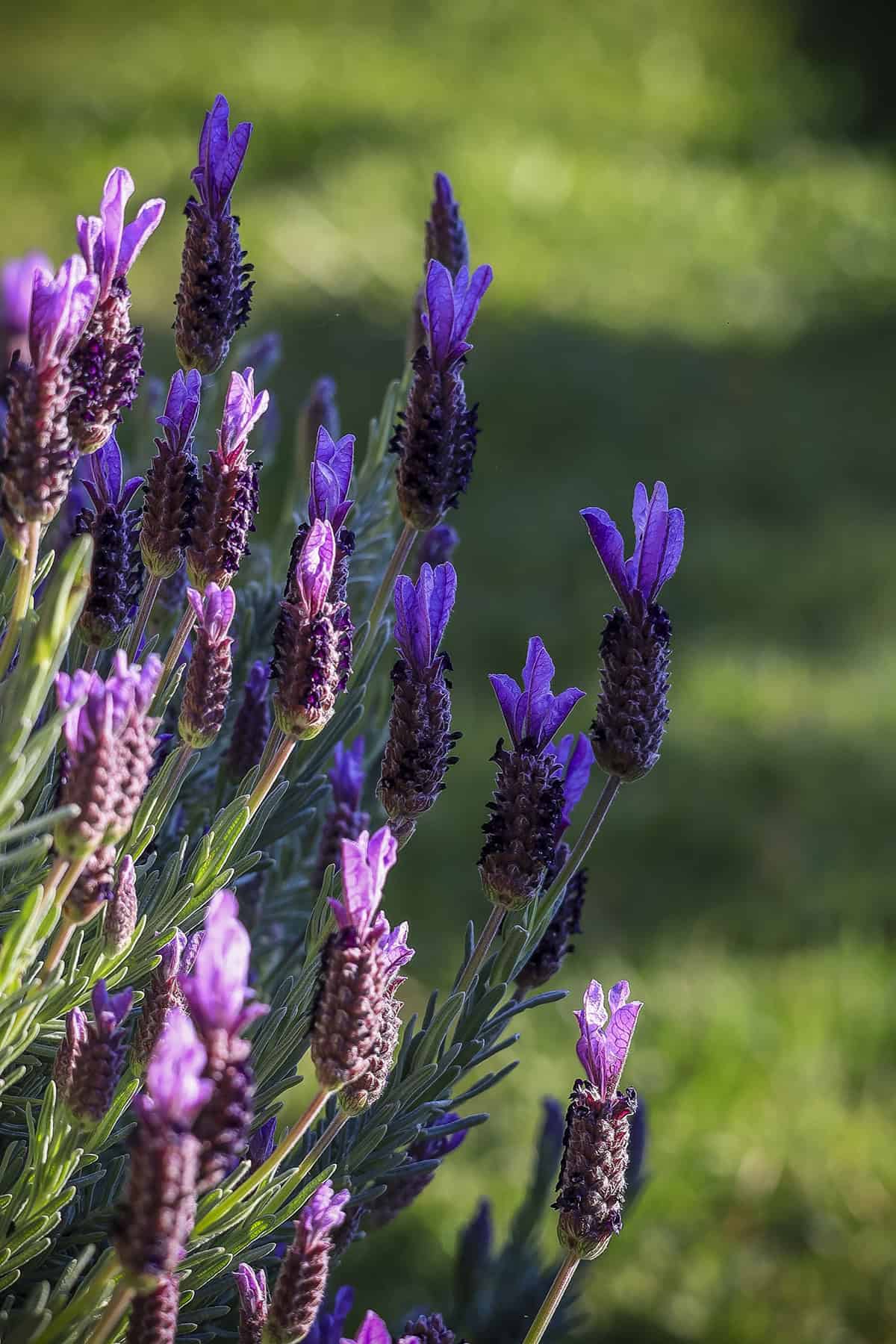
Spanish lavender thrives in warm climates. You should aim for daytime temperatures between 68°F and 80°F. When winter approaches, the plant tolerates mild frost in zones 7 to 9.
Humidity can be a challenge for this variety. High humidity and poorly drained soil may cause the roots to rot. You will see the best results if you maintain good air circulation and avoid excessive moisture.
Your lavender prefers dry conditions over damp or muggy environments. Water only when the soil dries out. In areas with humid summers, choose a site with full sun and space the plants apart.
If your winters are harsh or very wet, consider growing Spanish lavender in pots. This way, you can move the plants indoors or to a sheltered location. Keep the soil dry and protect the plant from cold, wet weather.
Fertilizer
Spanish lavender does not require much fertilizer. Healthy growth happens in poor to average soil. Rich soil or frequent feeding often leads to more leaves and fewer flowers.
Applying a small amount of balanced, slow-release fertilizer in early spring provides a gentle boost. Use a product with numbers like 10-10-10. Avoid high-nitrogen options since they can cause weak stems.
Add fertilizer only once each growing season. Wait until your plant shows active new growth. Do not feed during flowering because this disrupts the bloom cycle.
Excess fertilizer can harm or shorten the lifespan of your lavender. When in doubt, less is better. Many experienced gardeners skip feeding altogether if their soil drains well and plants look healthy.
Your plant will show slow growth or pale leaves when hungry for nutrients. If you see these signs, feed lightly and water well afterward to prevent root burn.
Propagation
You have several ways to propagate Spanish lavender. Most gardeners use cuttings for reliable results. Named varieties grow true to type only from cuttings or layering.
To use cuttings, select healthy stems that are not flowering. Cut a 3–4 inch section just below a leaf node. Remove the lower leaves and place the cutting in moist, well-draining soil. Keep the soil lightly moist until you see new growth.
Division also offers a method, though it works best in mature, well-established plants. Carefully lift the plant and separate small sections, each with roots and stems. Replant these sections in new locations.
Seed propagation is possible but not preferred for Spanish lavender. Seeds often do not produce plants identical to the parent. Named cultivars especially should not be grown from seed.
You may try layering by bending a low-growing stem to the ground and covering a section with soil. Roots may develop in several weeks, after which you can cut and transplant the new plant.
Keep cuttings or new divisions in a warm spot with bright, indirect light. Avoid excess watering, as this may cause rot. Rooting usually takes a few weeks, depending on temperature and humidity levels.
Pruning
Pruning Spanish lavender keeps plants healthy and encourages strong, bushy growth. You shape the plant and remove dead or straggly stems, which helps improve airflow and reduce disease.
Early spring is the best time. Wait until the threat of frost has passed. If you prune too late or in fall, you risk damaging tender growth or causing plant stress.
Cut back about one-third of the plant each year. Keep your cuts above the woody stems. Avoid cutting into old wood, as this can slow regrowth.
After the plant finishes flowering, trim spent blooms to help maintain a neat shape. This practice can also boost the chance of a second, lighter bloom in late summer or early fall.
Clean, sharp scissors or pruning shears work best. Always remove any dead or diseased material. Consistent pruning ensures your Spanish lavender remains vibrant and productive for years.
Potting And Repotting
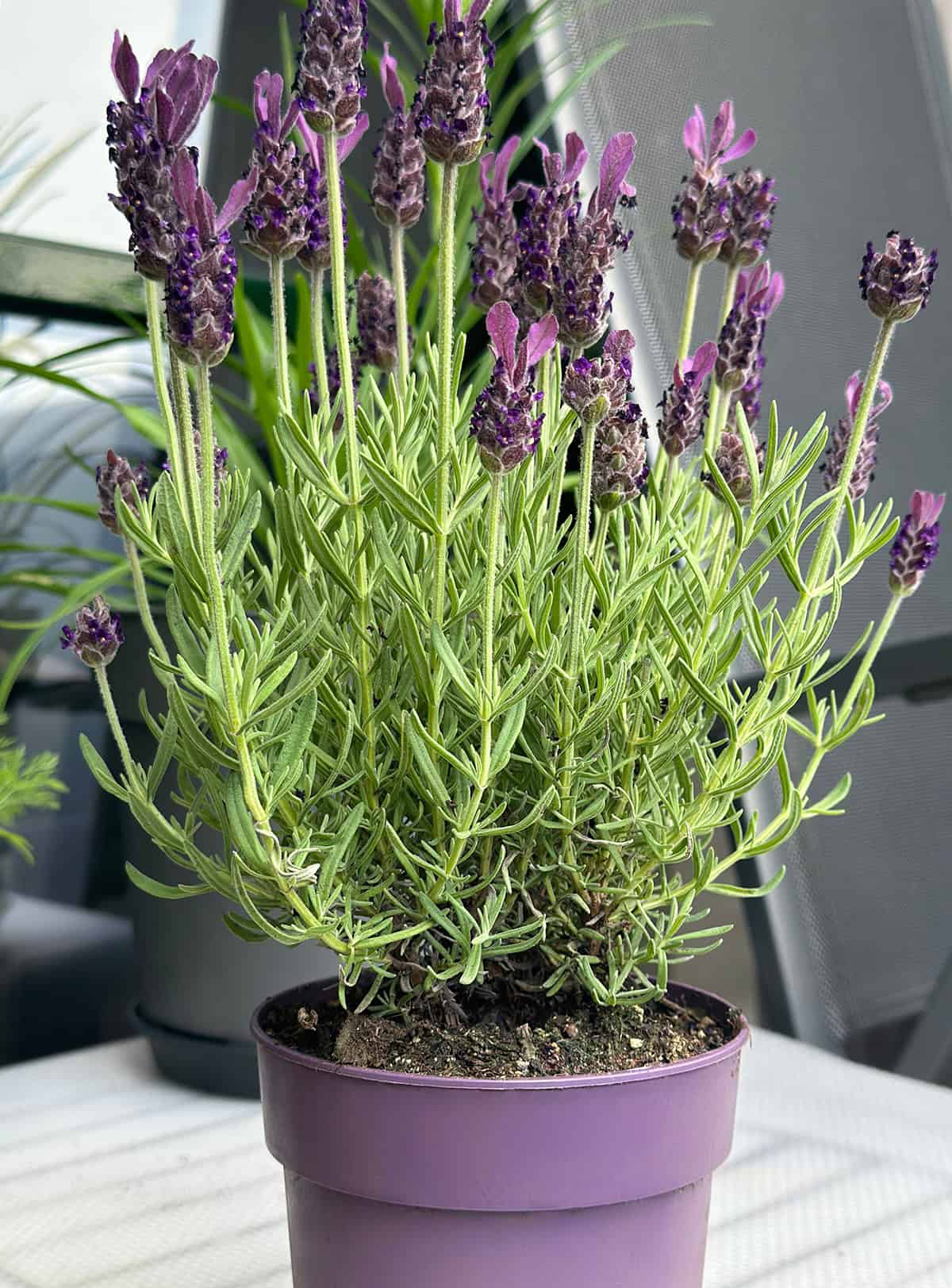
You need a container with drainage holes. Spanish lavender prefers dry roots. Choose a pot that is only a little bigger than the plant’s root ball.
Use a light, gritty potting mix. Avoid mixes with added fertilizer. Make sure the soil is well aerated and drains fast.
When you notice roots circling the pot, it’s time to move the plant to a new container. Pick a pot just one size larger. Gently remove the plant and shake off old soil.
Add fresh potting mix. Set the lavender at the same depth as before. Water lightly after potting, then let the soil dry before the next watering.
Repot every few years or when growth slows. Choose a sunny location for the pot. Keep the plant away from overly humid spots indoors.
Common Problems & Troubleshooting
You might see wilted leaves or drooping stems. This often means the soil is too wet. Spanish lavender prefers dry, well-draining soil. Avoid heavy clay and do not overwater.
Pests like aphids or whiteflies sometimes appear. You can rinse them off with a strong spray of water. Use insecticidal soap if you need extra help. Always check under the leaves for hidden insects.
Powdery mildew creates a white film on leaves. It grows when there is too much shade or humidity. Place your plants in direct sun and leave enough space between them for air to circulate.
Occasionally, roots rot if the plant stays wet. Make sure the pot or garden bed has drainage holes. You can lift the plant to check. Soft, black roots mean there is a problem.
Yellowing or dropping leaves may signal stress. Check for pests, soggy soil, or sudden weather changes. Adjust care and remove dead leaves to help your plant recover.
Leggy growth can make the plant look thin or floppy. Pruning after blooming keeps Spanish lavender compact. Trim faded flowers and soft stems to encourage bushy growth and new blooms.
Plant Varieties
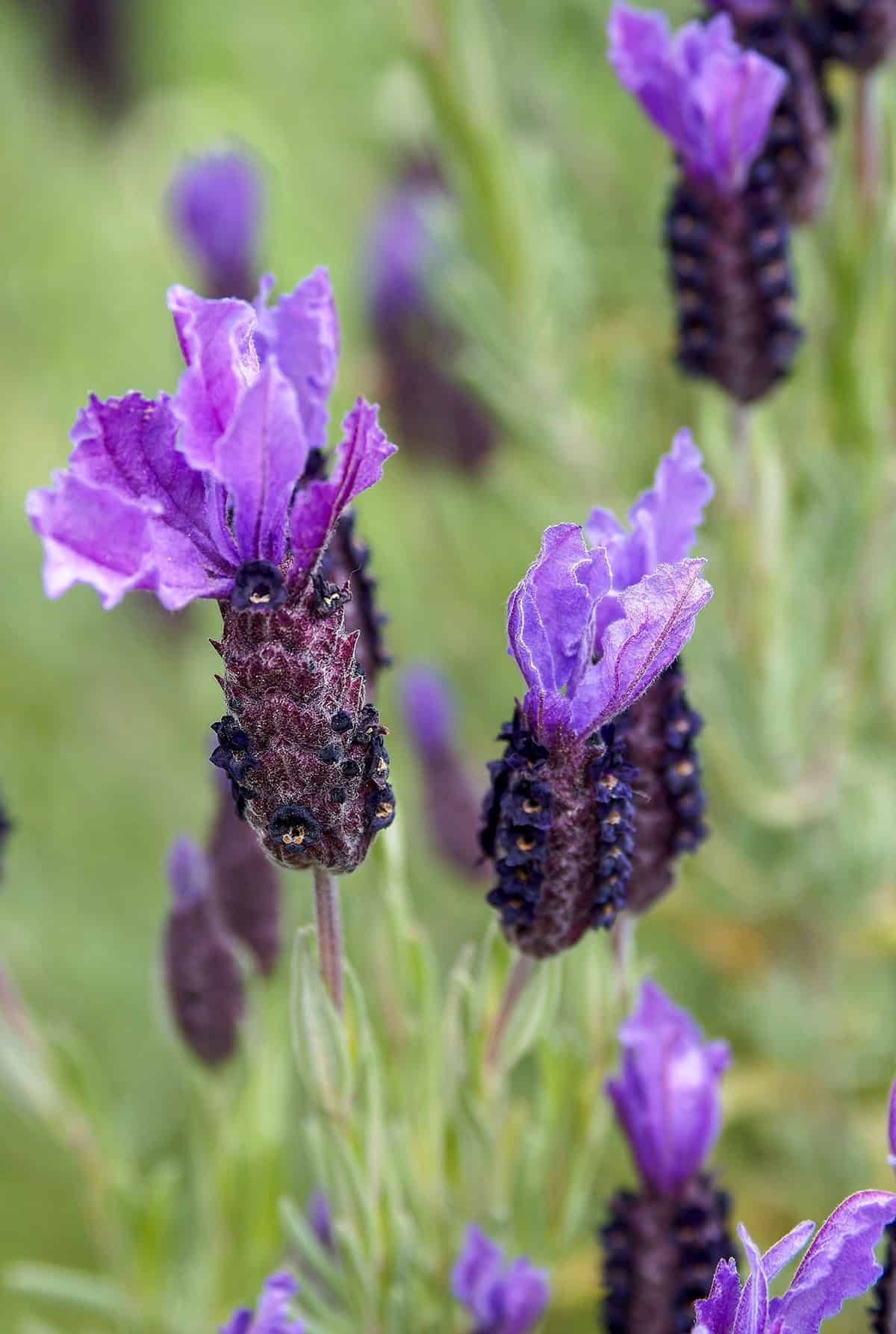
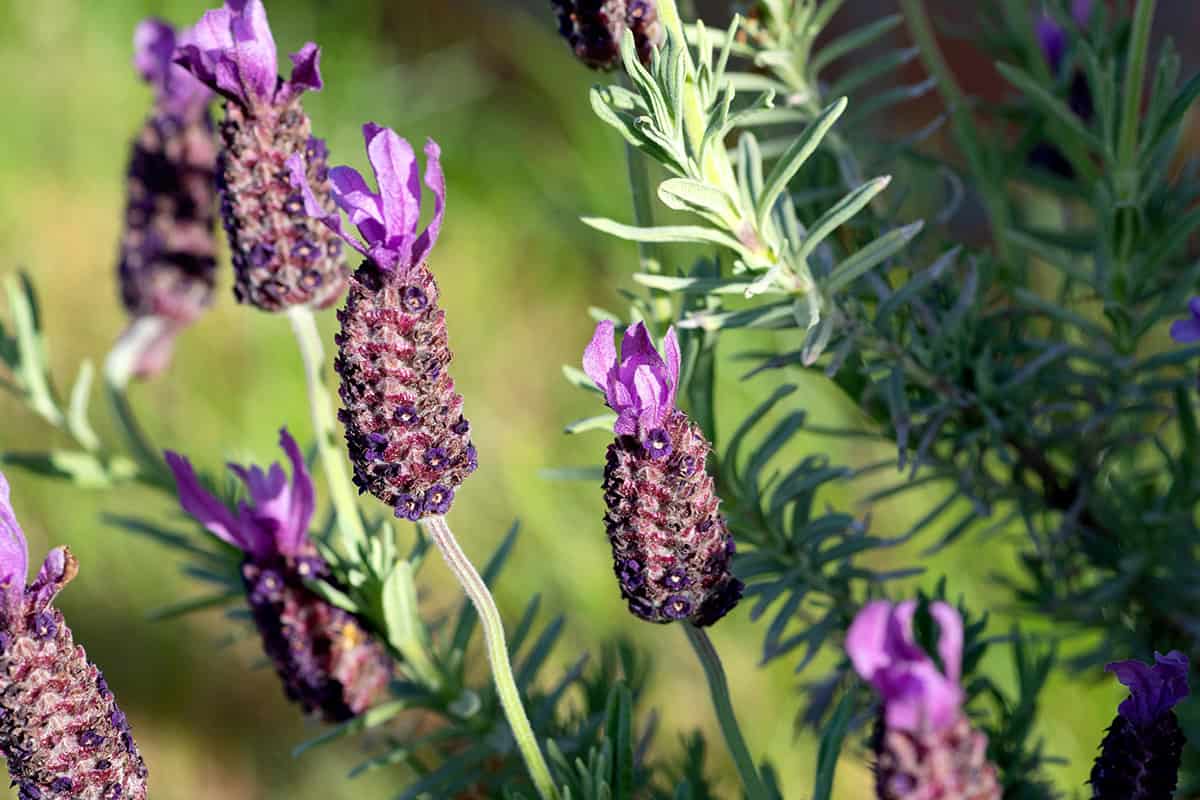
You find several main varieties of Spanish lavender, each with unique traits. Lavandula stoechas, sometimes called Butterfly Lavender or Bract Lavender, stands out because of its showy purple flower heads topped with colorful bracts. These bracts look like little rabbit ears.
This species grows up to two feet tall and wide. The flowers appear in spring and early summer. Spanish lavender blooms in waves, especially in warm climates.
The plant’s foliage is gray-green and evergreen. You may notice a subtle sweet scent from both leaves and flowers. Some gardeners choose Spanish lavender for its ornamental value more than its essential oils.
French and English lavenders differ in look and growing needs. Unlike those, Spanish lavender handles heat and humidity better. Try it where summer weather often challenges other lavender types.
If you want bold color and unique flowers, pick Spanish lavender. The bracts add texture and interest to garden beds or containers. Spanish lavender also attracts pollinators such as bees and butterflies.
This variety suits both landscape borders and patio pots. You may grow it as a specimen plant, massed for greater impact, or mixed in with drought-tolerant species. Spanish lavender gives your garden a Mediterranean touch.