
You want your garden to look colorful and inviting. Sweet Williams add bright clusters of blooms in reds, pinks, and whites that catch attention all season. It’s easy to enjoy these flowers in borders or containers with just a few care tips.
You can grow healthy, long-lasting Sweet Williams by providing well-drained soil, watering regularly but not excessively, and placing them in a spot with sun or partial shade. These resilient flowers need only basic care, making them a great choice for beginners and seasoned gardeners alike.
Learning how to keep your Sweet Williams thriving means you’ll get more blooms and stronger plants. With the right steps, your garden or balcony can stay vibrant and fresh. This guide shows you simple ways to get the best results.
Table of Contents
Light
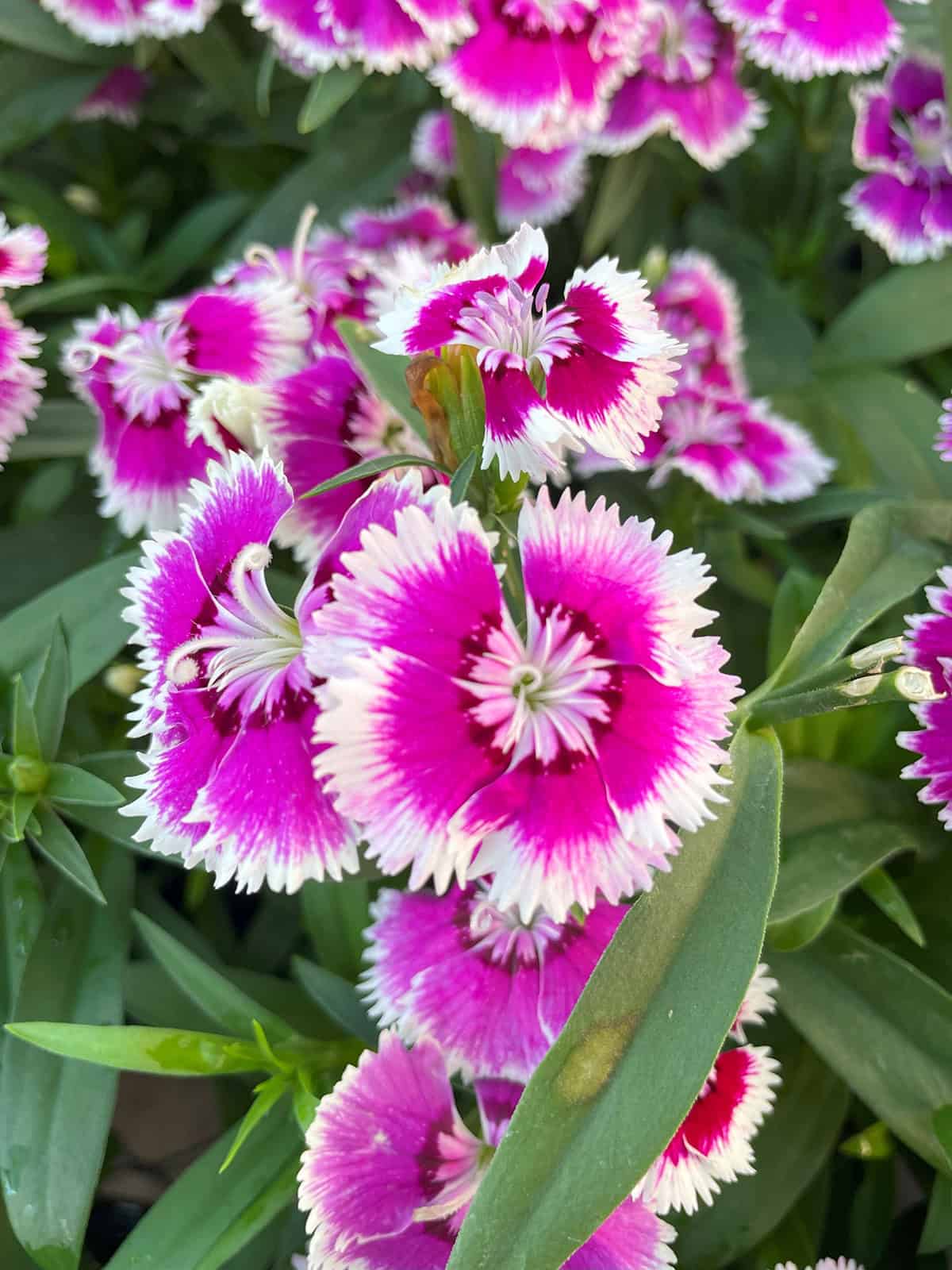
You need to give Sweet Williams plenty of sunlight for strong growth. These flowers do well with at least six hours of direct sunlight each day. Full sun usually leads to more flowers and brighter colors.
Partial shade also supports healthy plants, especially in hotter climates. Afternoon shade can help if you live in a region with intense summer heat. Sweet Williams adapt well and tolerate some shade without any major problems.
Check the light levels in your garden before planting. Sweet Williams bloom best when not crowded by larger, taller plants that block the sun. Use open spots or the front of flower beds for the best results.
If you notice your plants becoming leggy or not blooming much, move them to a sunnier place. Good light is key for compact, healthy growth and prolific blooms. You may see fewer flowers in low light conditions.
Aim for a balance. Too little sun limits flowering, while too much shade produces weaker stems. Your plants will reward you with better performance in bright, direct light.
Soil
For Sweet Williams, choosing the right soil makes a major difference. They do best in well-drained soil that does not collect water. Waterlogged areas put your plants at risk for root rot or fungal issues.
You can grow Sweet Williams in a variety of soils. However, they show a preference for neutral to slightly alkaline soil. A pH range from 6.5 to 7.5 works well for them.
If you have heavy clay, try to add compost or other organic matter. This helps air and water move through the soil. It also improves root health.
Soil that gets very compacted can stress your plants. Break up the soil to encourage growth. Easy root movement helps Sweet Williams create stronger blooms.
Avoid overwatering even with good soil. Let the top inch dry out between waterings. This supports healthy roots and reduces the chance of disease.
Water
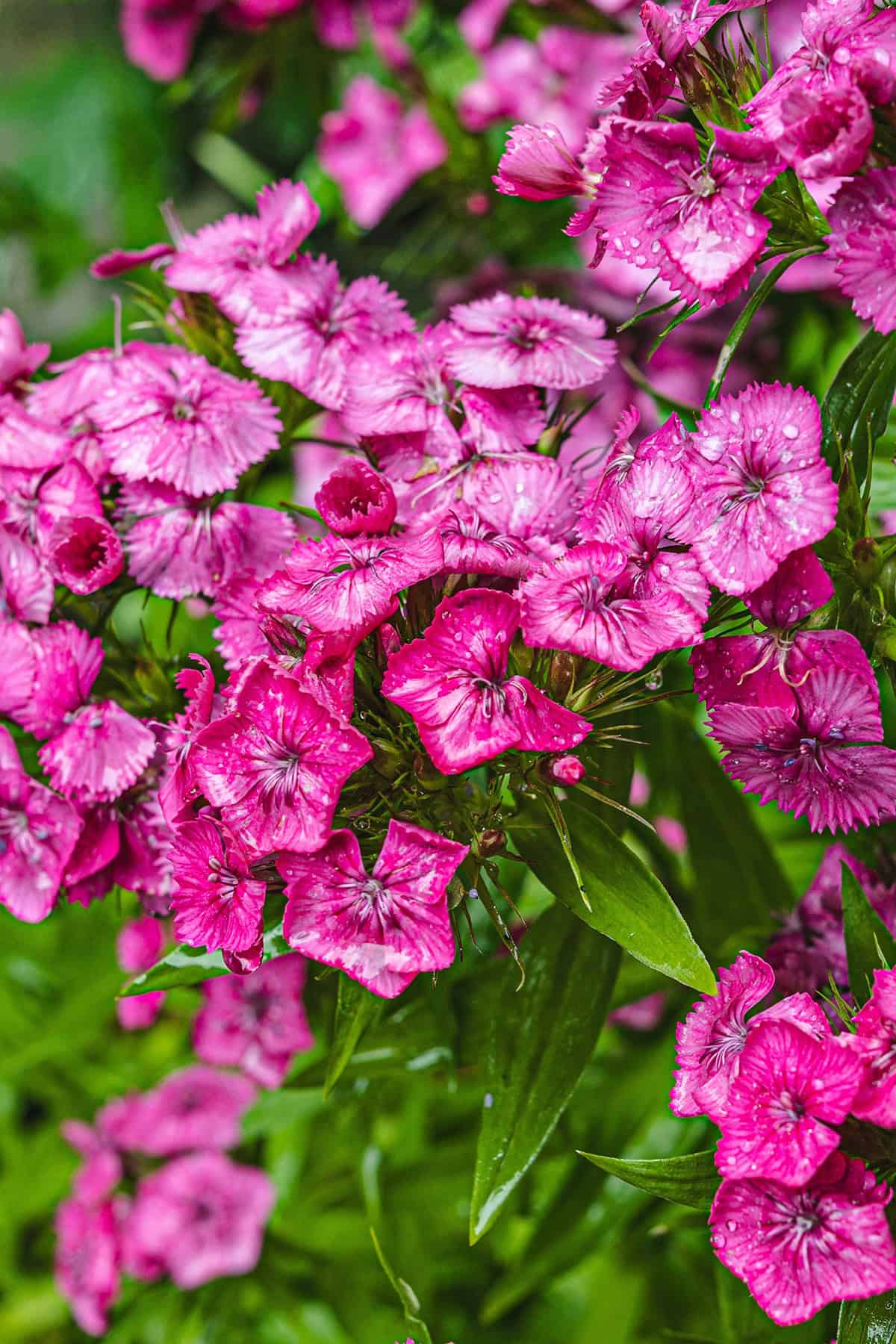
You need to keep Sweet William soil evenly moist, especially while plants grow and bloom. Soil should not stay soggy, since this can cause root rot. Let the surface dry slightly between waterings. Water deeply so roots grow strong.
Check the soil before you add more water. Insert your finger about an inch into the soil. If it feels dry at that depth, it is time to water.
Hot weather increases the need for water. Sweet Williams in full sun and sandy sites may need water more often. In cool, damp climates, less frequent watering is sufficient.
Sweet William tolerates some dryness, but long dry periods will reduce blooming. Overwatering causes problems, so avoid letting water stand around the roots. Use a watering can or a gentle spray to avoid washing away soil.
Try to water at the base of the plant, not on the leaves. This helps prevent fungal diseases. You may also mulch around your plants to help keep soil moisture steady. Water is vital, but correct technique helps deliver the best results.
Temperature And Humidity
You need to know that Sweet William grows best in cool to moderate temperatures. Ideal daytime temperatures range from 50°F to 70°F. Hot and humid conditions can cause stress and reduce blooms.
Cool nights help prolong flowering. A temperature drop at night is not harmful. Warm temperatures above 80°F for extended periods may slow growth and shorten flower life.
Humidity should stay low to moderate. High humidity increases the risk of fungal diseases. Good air circulation helps reduce excess moisture and protects your plants.
If you grow Sweet Williams indoors, avoid placing them in stuffy areas. Choose spots with fresh, moving air for healthier plants. You can use a small fan if needed.
Strong heat waves or humid spells are challenging. Provide temporary shade or water early in the morning during such periods. These small steps help your Sweet Williams stay robust.
Fertilizer
You will see the best results from Sweet Williams when you use the right fertilizer. Choose a balanced, slow-release fertilizer labeled for flowers. Brands marked 10-10-10 or similar work well.
Apply fertilizer in early spring after new growth appears. Add another application after the first round of blooms. Most Sweet Williams do not need heavy fertilization for healthy blooms.
Too much fertilizer may cause weak stems or leafy growth at the expense of flowers. Use fertilizer only two or three times during the growing season. Water the plants after each application to help nutrients reach the roots.
If your plants look healthy and produce many blooms, you can skip additional fertilizer. Always check the condition of the soil before each feeding. Over-fertilizing can harm your plants more than missing an application.
You do not need to fertilize if the garden soil is already rich and fertile. Sweet Williams grow best in well-drained soil that does not stay wet. Use compost or manure to boost soil nutrients if needed.
Propagation
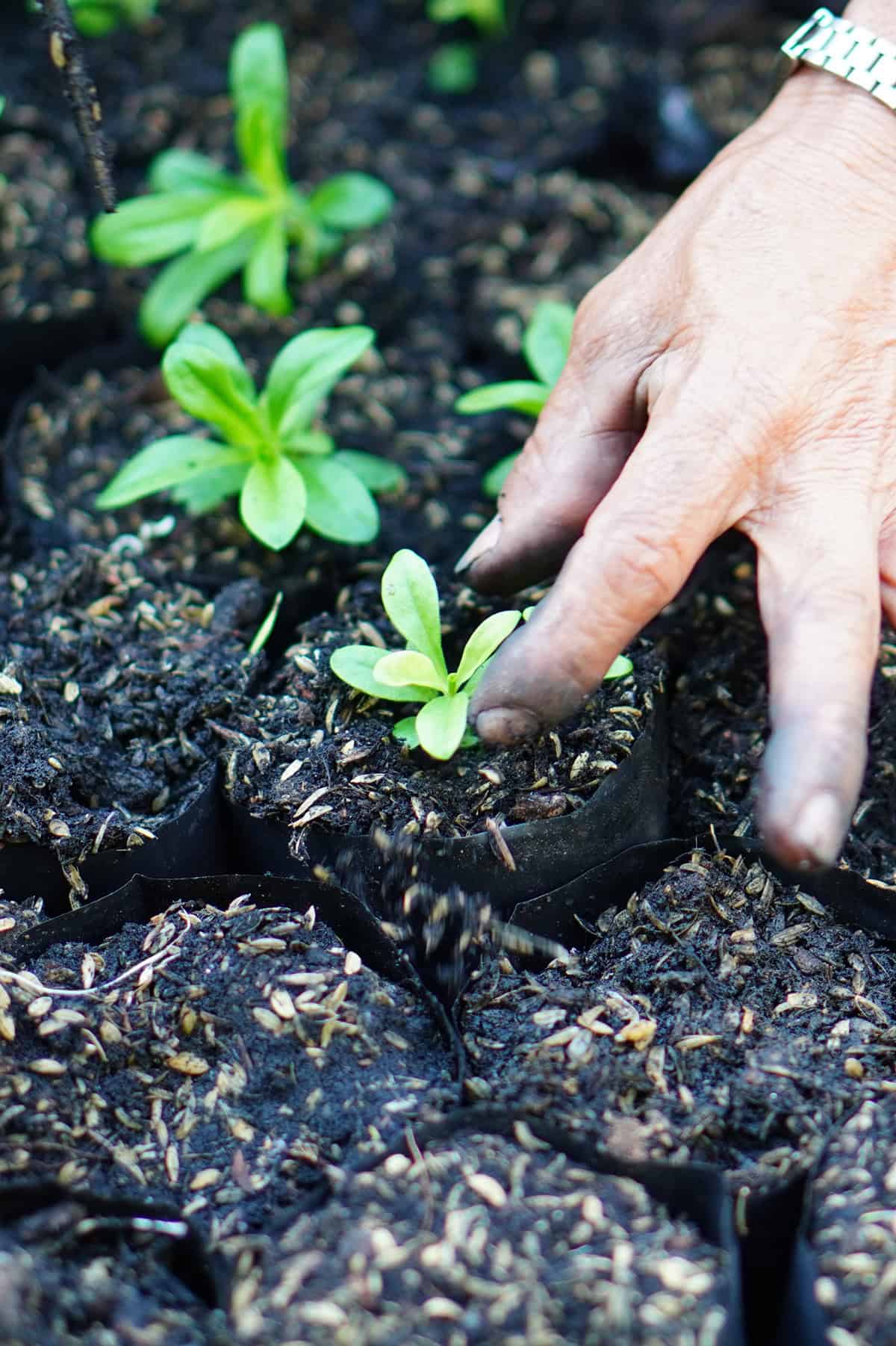
You have several options if you want to propagate Sweet William. The most common method is by seed. Seeds can go directly into the soil in late spring or early autumn. You can also start them indoors a few weeks before your frost date.
Many gardeners choose division as another method. You divide established clumps in early spring or fall. This method requires gently pulling apart the roots. Each section should have both roots and leafy growth.
Stem cuttings give you another route. You take non-flowering shoots in late spring or summer. Dip the cut end in rooting hormone and place in moist, well-drained soil. Keep the soil lightly damp until roots form.
Most methods need well-draining, moderately fertile soil and bright light. After planting, keep the soil consistently moist, but avoid soggy conditions. New plants benefit from protection from harsh midday sun during early growth.
Choose your propagation method based on your climate, space, and preference. Seeds bring genetic variety, while division and cuttings ensure plants identical to the parent. Using these strategies, you can enjoy Sweet Williams year after year.
Pruning
You need to prune Sweet Williams to keep them healthy and neat. Pruning helps old or dead flowers fall away, which encourages more blooms. Remove spent flower heads as soon as petals begin to fade.
Cut stems down to a healthy leaf set to control the plant’s shape. This step also prevents the plant from using energy on making seeds. Use clean, sharp scissors to avoid spreading disease.
Trim any yellow or dying leaves you see at the base. Take care not to remove too much healthy foliage. A light trim after a bloom flush can refresh the plant.
Carry out heavier pruning in late summer or after flowering if you want to keep your Sweet Williams compact. Doing this can promote a second round of flowers. Avoid cutting back too far into older wood.
Regular pruning also improves air circulation around the stems. This can lower the chances of fungal diseases. Pruning helps to create a tidy garden appearance and supports future growth.
Potting And Repotting
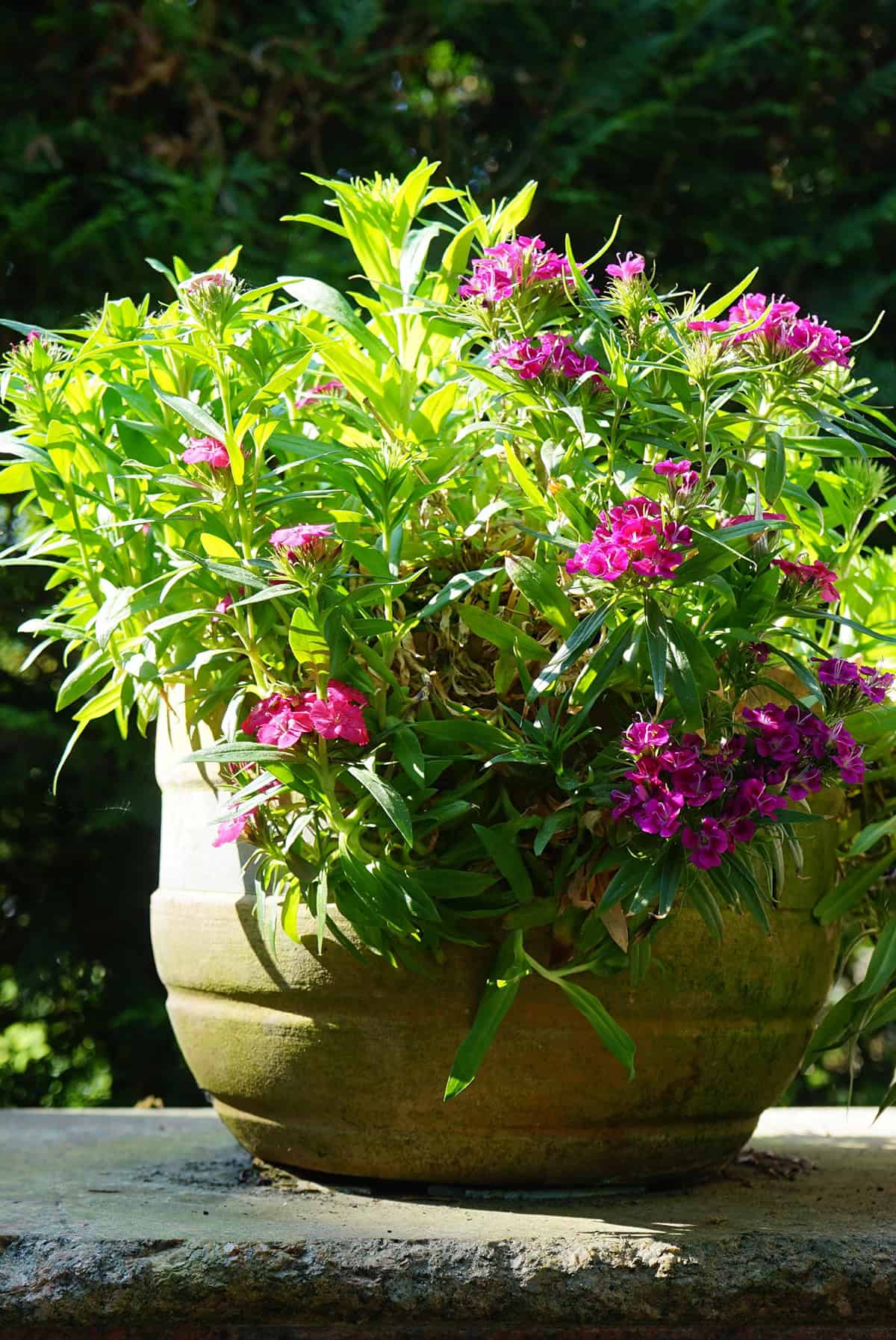
You want to use a well-draining potting mix when growing Sweet Williams in containers. A standard mix for flowering plants with extra perlite or coarse sand works well. The pot should have drainage holes to prevent soggy soil.
Choose a container just slightly larger than the root ball. Too much extra space can lead to overwatering issues. Fill the bottom of the pot with a bit of soil, place the plant, and add soil around the sides.
Press down the soil gently but firmly. Water after potting to help settle the soil around the roots. Keep the soil moist but not wet for the first week.
Sweet Williams may stay in the same pot for a season or more if growth is moderate. Repot when the roots begin to fill the container or when growth slows noticeably.
When repotting, move the plant to a container only one size up. Shake off old soil and trim any damaged or dead roots. Add fresh potting mix and water lightly.
Common Problems & Troubleshooting
Sweet Williams may face a few issues during their growing season. The most common problems are root rot, fungal diseases, and pest infestations. Flowers can also wilt or fail to bloom if growing conditions are not right.
Yellowing leaves or mushy stems can signal root rot. This often happens in poorly drained or wet soils. To help prevent rot, you need to plant Sweet Williams in well-draining soil and avoid overwatering.
You might notice spots or fuzz on leaves, which can indicate fungal infections. These thrive where air circulation is limited or where leaves stay wet. Make sure plants have space and water them at the base.
Pests like aphids, slugs, and caterpillars may appear on the leaves or stems. Slugs make holes in the foliage. Aphids cluster on new growth and may cause curling leaves. You can control these with manual removal, barriers, or insecticidal soap.
Sometimes, flowers look withered before they bloom. This can happen due to ethylene exposure or sudden changes in temperature. Remove any affected flowers to help the plant direct energy to healthy blooms.
If you notice sparse blooms or stunted growth, check for nutrient deficiencies. Sweet Williams prefer slightly alkaline soil and full sun or partial shade. Adjust care as needed to improve plant health.
Plant Varieties
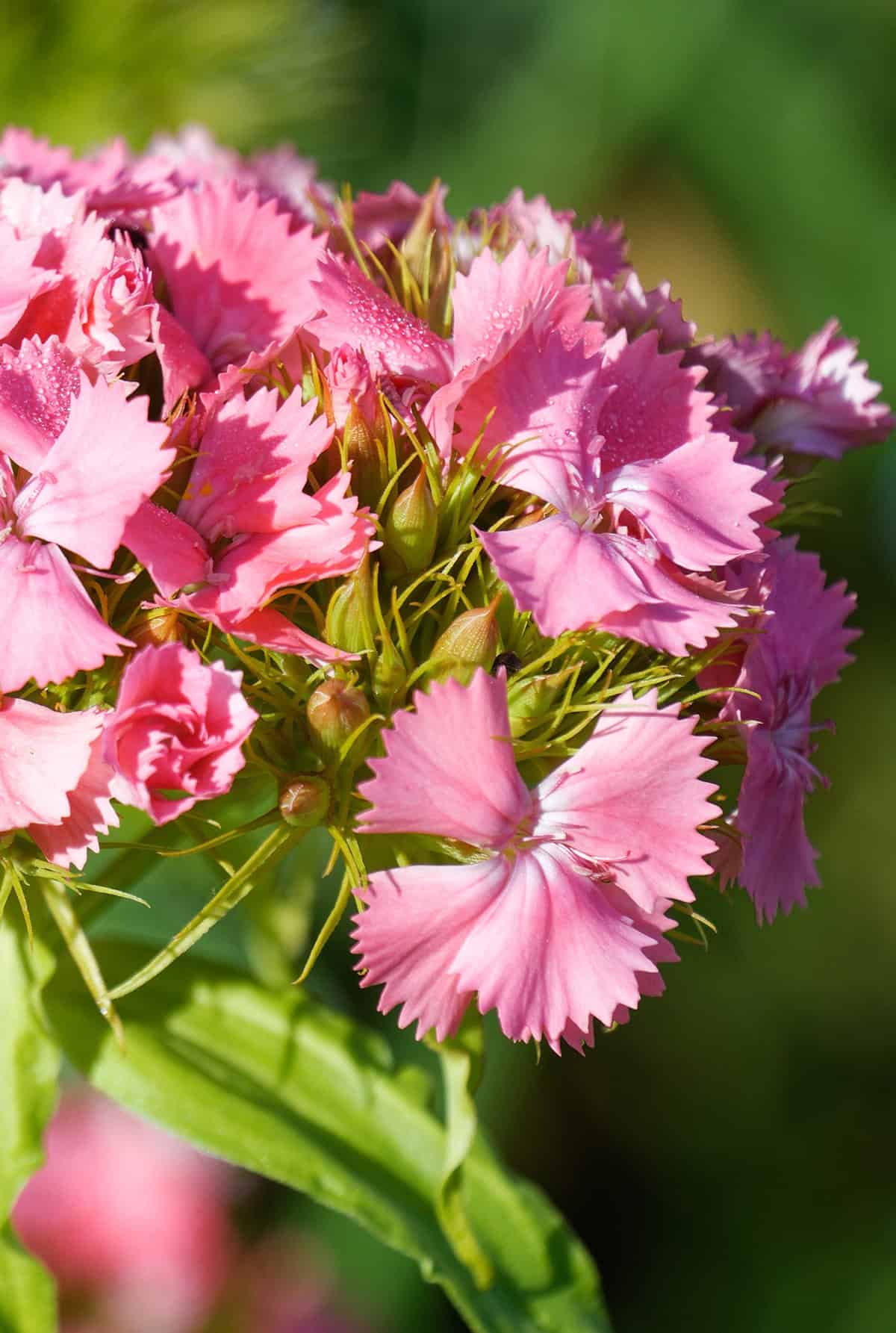
You will find that Sweet William, known scientifically as Dianthus barbatus, appears in a wide range of forms. Most types bloom in tight, rounded clusters. Flower colors include white, pink, red, and purple, sometimes in striking two-toned or patterned varieties.
You can grow single-flowered and double-flowered types. Single-flowered forms show off their simple, classic look, while double ones have extra petals for a fuller effect.
Some Sweet William varieties reach up to 24 inches tall. Others stay compact and are better suited for borders or containers. Each type brings unique height and flower density to your garden.
Many modern hybrids offer improved disease resistance. You may also find selections with longer blooming periods. Newer types aim for longer-lasting garden color.
A few popular named varieties include ‘Sooty’ with deep burgundy blooms, ‘Albus’ for white flowers, and ‘Newport Pink’ for soft pink. Some mixes provide a blend of several colors in a single packet.
Choose a variety based on your climate and light conditions. Some will tolerate partial shade, while others prefer full sun. This flexibility helps you match the plant to your space.