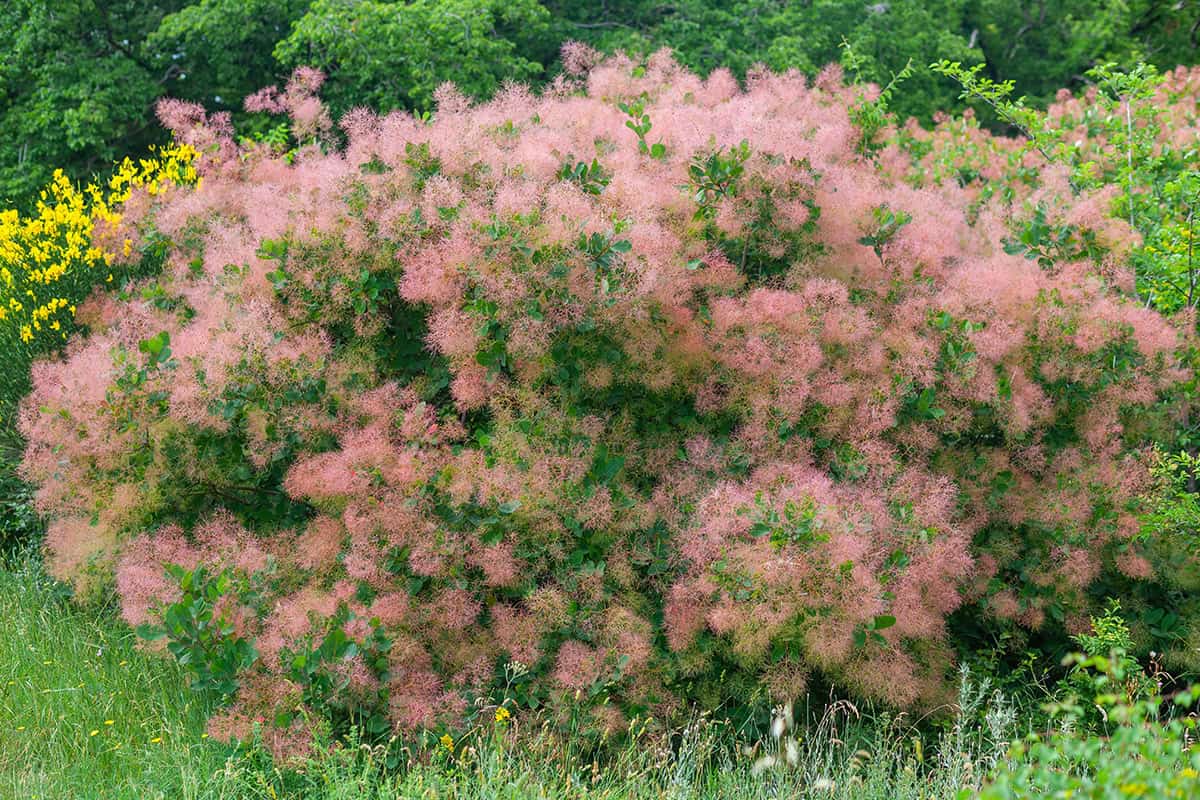
You see a Purple Smoke Bush in a neighbor’s yard, covered in bold, feathery purple plumes that stop you in your tracks. This unique plant has color that lasts through the seasons and stands out in any garden. You keep thinking about how you could have that same showpiece at home.
You can grow and care for a Purple Smoke Bush by giving it full sun, well-drained soil, and light watering once established. It thrives with minimal attention and needs only occasional pruning to keep a neat shape. This shrub brings beauty with little effort.
Growing one fits in almost any landscape. You do not have to be an expert gardener. This guide will show you each step to enjoy those striking purple leaves and the cloud-like flowers in your own space.
Table of Contents
Light
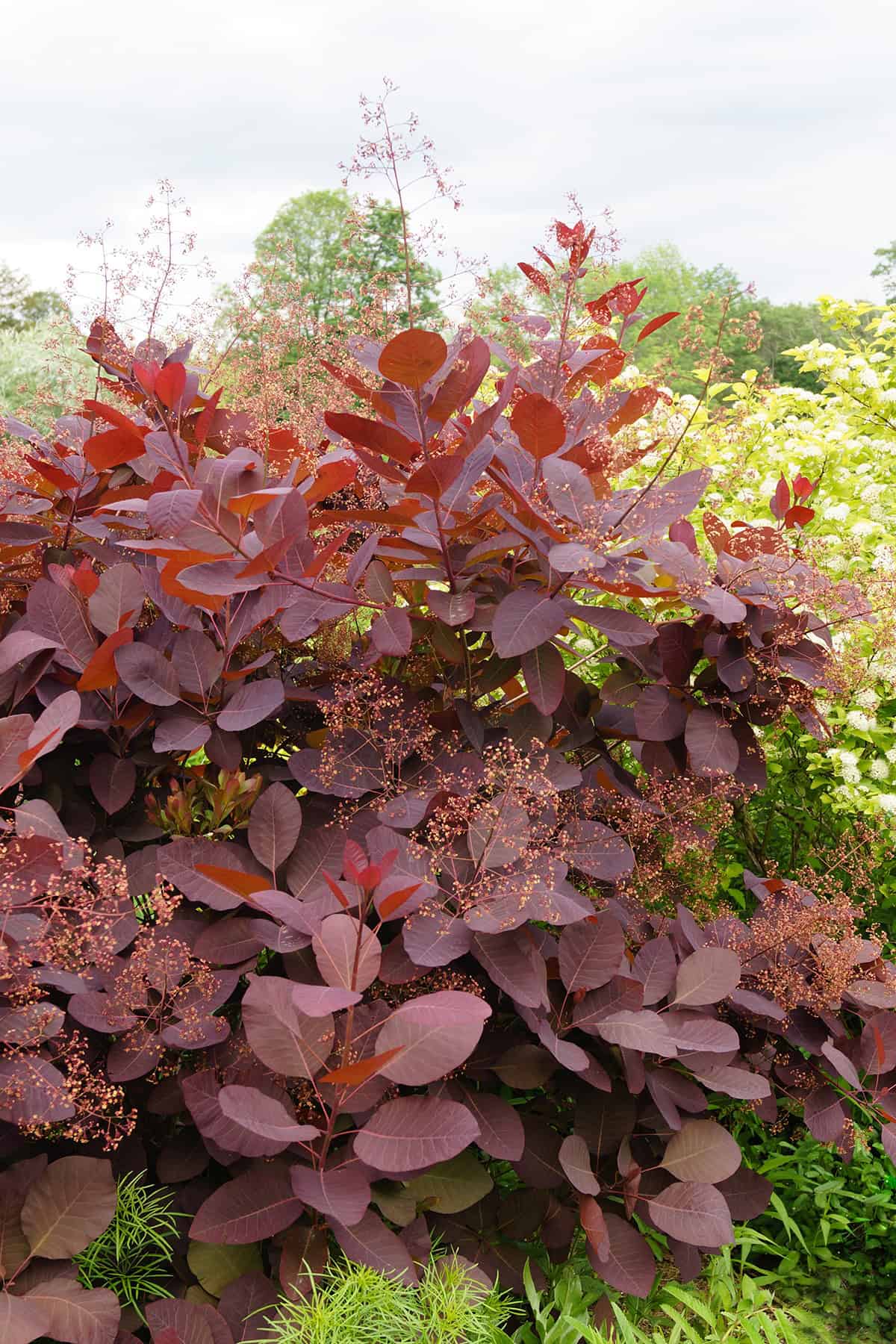
You need full sun to grow a healthy Purple Smoke Bush. This plant thrives in a spot that gets at least six hours of direct sunlight each day. Less sunlight will cause fewer flowers and duller leaf color.
Choose a location in your garden that stays bright all day. Deep shade causes the plant to become leggy and sparse. You may also notice less of the rich purple foliage if you place it somewhere too shady.
If you want the deepest purple color, sunlight is essential. Bright conditions help develop the unique leaf tones that make the shrub stand out. Your Purple Smoke Bush will reward good light with more vibrant growth and flower clusters.
You can grow it near walls or fences, as long as there is open sky overhead. Other trees or large plants should not block the sun for long periods during the day. This will help your plant keep its shape and look attractive from spring to fall.
Soil
You need well-drained soil for a healthy Purple Smoke Bush. It dislikes standing water and may struggle in heavy, soggy ground. Sandy or loamy options help roots breathe and avoid root rot.
Try to pick soil that stays loose and does not pack down. You do not have to aim for perfect conditions, because this plant tolerates a wide range. Many gardeners succeed even with average garden soil.
If your soil is dense or clay-based, you can improve it with compost or fine mulch. This adds structure and helps with drainage. Avoid mixing in large amounts of fertilizer at planting.
The Purple Smoke Bush thrives in slightly acidic to neutral pH but adapts to other ranges. A pH between 6.0 and 7.5 works well for most varieties. Test your soil with a kit if you are unsure.
Avoid placing your shrub in a low spot that collects rainwater. Consistently wet soil may cause root disease. Choose a raised bed or mound in areas that do not drain well.
Water
You need to provide regular moisture for young Purple Smoke Bush plants, especially in the first year. Water deeply once a week in the absence of rain. This helps roots grow strong and deep.
After the plant becomes established, it handles periods of dryness well. Mature bushes tolerate drought but do better with occasional watering during extended dry spells. Always check the soil before watering to avoid soggy conditions.
Use your finger to test the soil. Water if the top two inches feel dry. Avoid watering if soil feels moist as overwatering can lead to root rot.
Purple Smoke Bush thrives in well-draining soil. Make sure water does not pool around the roots. Wet, heavy soil may stress the plant or cause disease.
During summer heatwaves, increase your watering frequency to prevent leaf scorch. Early morning is the best time to water, as it allows leaves to dry quickly. This simple step can reduce the risk of fungal diseases.
Temperature And Humidity
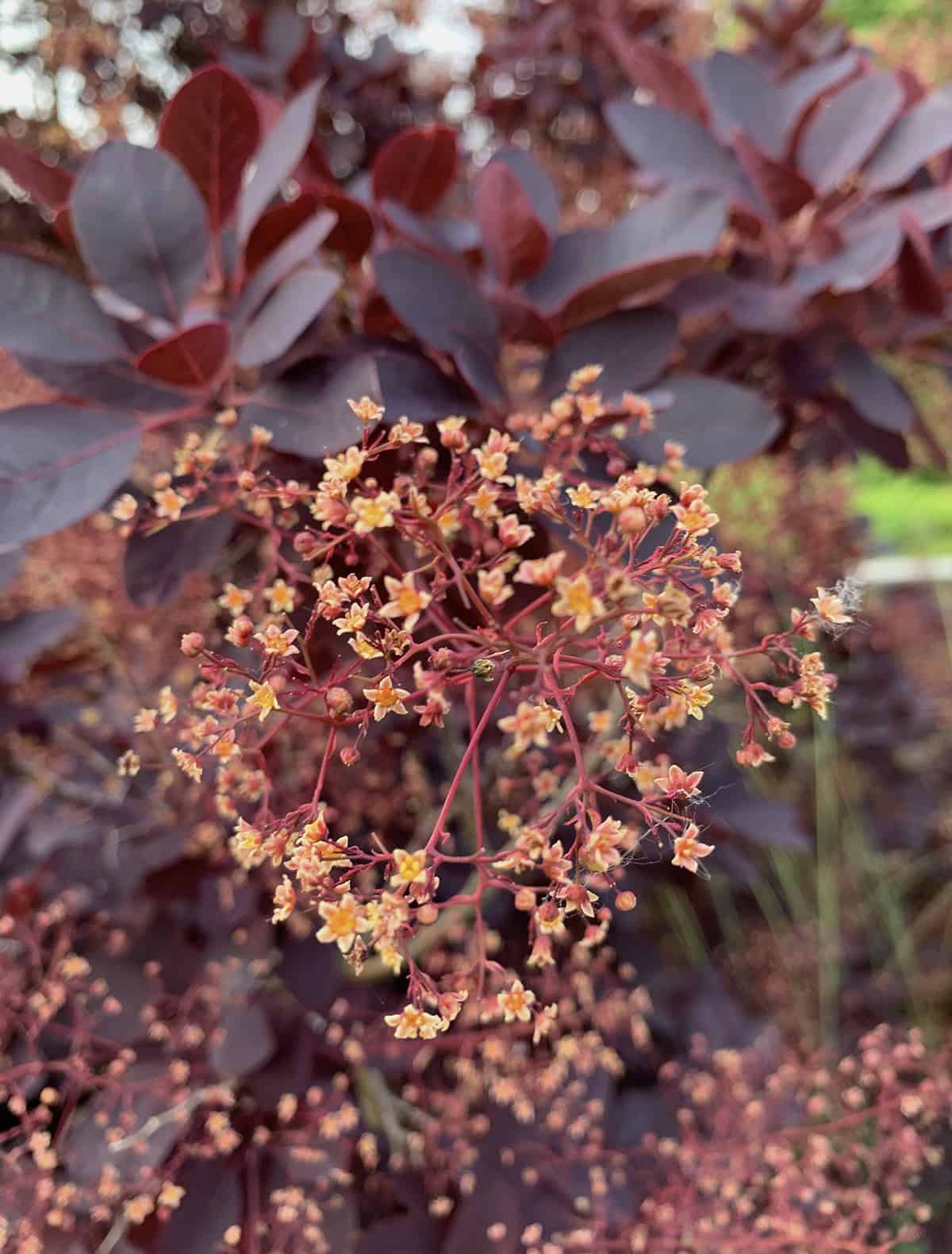
Purple Smoke Bush grows best in regions with distinct seasonal changes. You want to plant it in USDA hardiness zones 4 to 9. Cold winters help the plant set strong roots and come back healthy each year.
Aim for temperatures above -20°F in winter. The plant can handle some heat, but extreme, prolonged high temperatures may cause stress. Protection from harsh, drying winds will help keep it healthier.
Humidity should stay moderate for best growth. If your area is very humid, choose a planting spot with good air flow to prevent fungal problems. In drier climates, Purple Smoke Bush stays drought-tolerant after it gets established.
You do not need to mist the leaves or add extra humidity indoors. Outdoors in most gardens, natural humidity is sufficient. This shrub does not need special humidity management.
During sudden weather shifts, you might notice leaf color changes or slower growth. Stay attentive and water if drought persists, but do not let the soil remain soggy. The plant is adaptable within the typical range of garden conditions.
Fertilizer
You do not need to fertilize Purple Smoke Bush often. This shrub grows well in average, well-drained soil. Heavy feeding can reduce its drought tolerance and encourage weak, leggy growth.
Apply a balanced, slow-release fertilizer in early spring only if your soil is poor or if you see stunted growth. You should avoid high-nitrogen fertilizers, which may lead to lush foliage but fewer blooms and a weaker plant structure.
Check your soil before adding any nutrients. Purple Smoke Bush prefers a more neutral soil pH. Too much fertilizer may cause more harm than good.
Mulch around the base of the plant can help hold moisture and improve the soil as it breaks down. Organic matter, such as compost, can be gently mixed into the soil each year to support healthy growth.
Monitor your shrub for signs of nutrient deficiency, like yellowing leaves or poor leaf development. Address only if necessary. This plant often thrives with minimal supplemental feeding.
Propagation
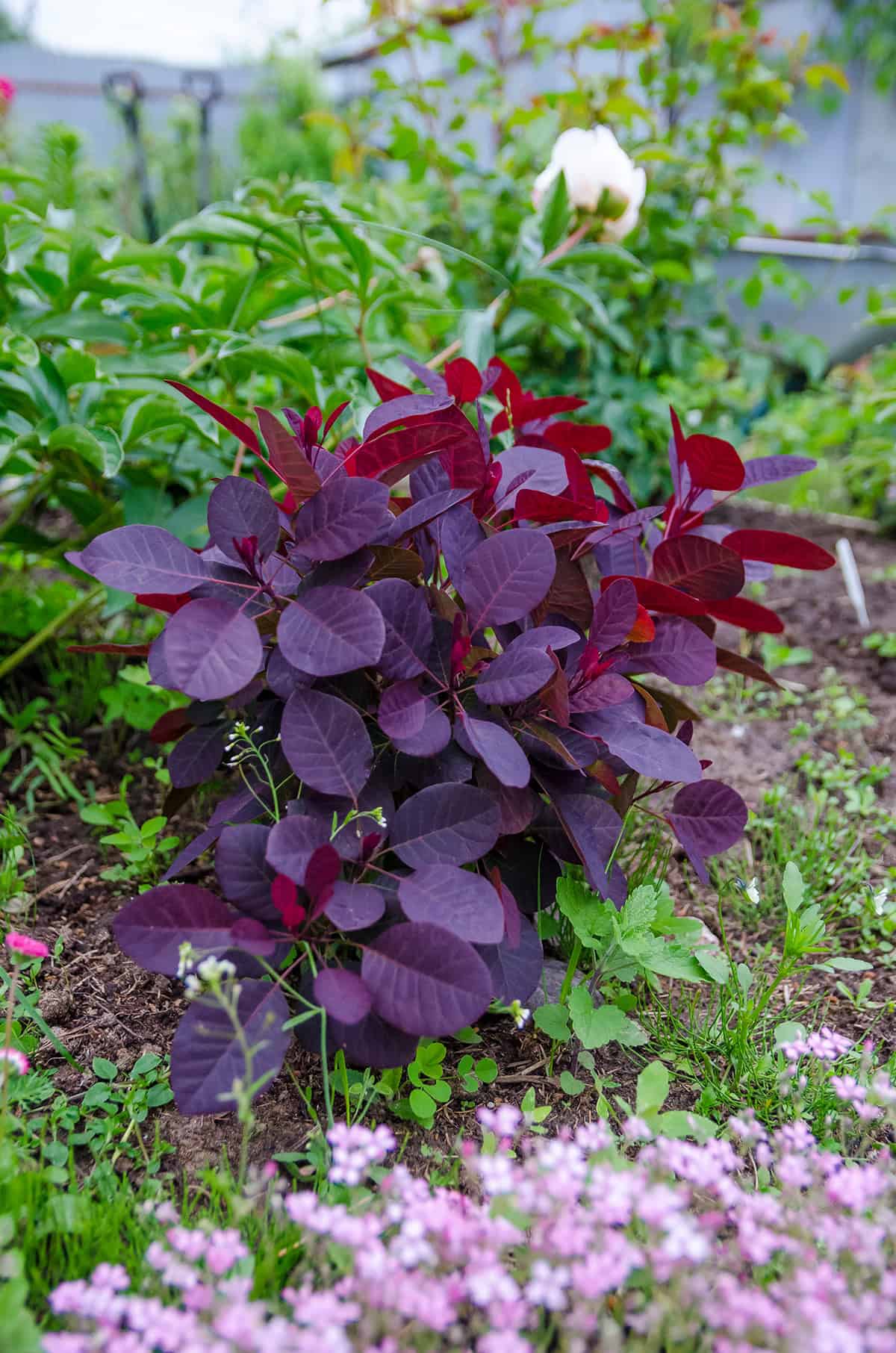
You can propagate Purple Smoke Bush using stem cuttings or seeds. Most gardeners find stem cuttings the easiest method. Take cuttings in early winter for the best results.
Select a healthy, non-flowering stem near the tip. Use sharp and clean pruning shears. Each cutting should be several inches long and have at least two sets of nodes.
Remove leaves from the lower half of the cutting. Dip the cut end in rooting hormone if you want to encourage roots. Place the cutting in a small container with well-drained, moist soil.
Keep the soil lightly moist but not soggy. Place the container in a warm, bright spot with indirect sunlight. Roots usually form within a few weeks.
You may see new growth once roots establish. Slowly acclimate rooted cuttings to outdoor conditions before planting them in your garden. Handle new plants carefully to avoid damaging fragile roots.
Plant seeds in late winter or early spring if you choose to grow from seed. Germination may take time, so patience is important. Use well-drained soil and provide consistent moisture.
Both methods can produce healthy plants if conditions are right. Success often depends on careful preparation and patience. Healthy, vigorous cuttings or seeds lead to the best results.
Pruning
You should prune your purple smoke bush to manage its size and improve its shape. Pruning helps encourage bushier growth and vibrant new foliage. Many gardeners prune it if it gets too large or starts to look untidy.
Late winter or very early spring is the best time to prune. This timing gives the plant a full season to regrow. Cutting it back then also avoids interfering with new leaf or flower buds. Prune 6 to 8 inches above the ground if you want to rejuvenate the entire shrub.
If you want more flowers, avoid heavy pruning. Flowers develop on older wood, so only remove dead, damaged, or crowded branches. Use sharp, clean tools to make clean cuts and prevent disease.
When you prune more lightly, you keep the bush’s natural shape. Removing just a few branches each year can help air circulation. This method also keeps the bush healthy without losing its colorful leaves and unique plumes.
If your plant’s leaves have started fading or turning green, pruning may help restore richer purple color. Plants in too much shade or those that become leggy will benefit from a harder cut. Aim to prune with a clear goal each season, whether that’s for shape, size, or color.
Potting And Repotting
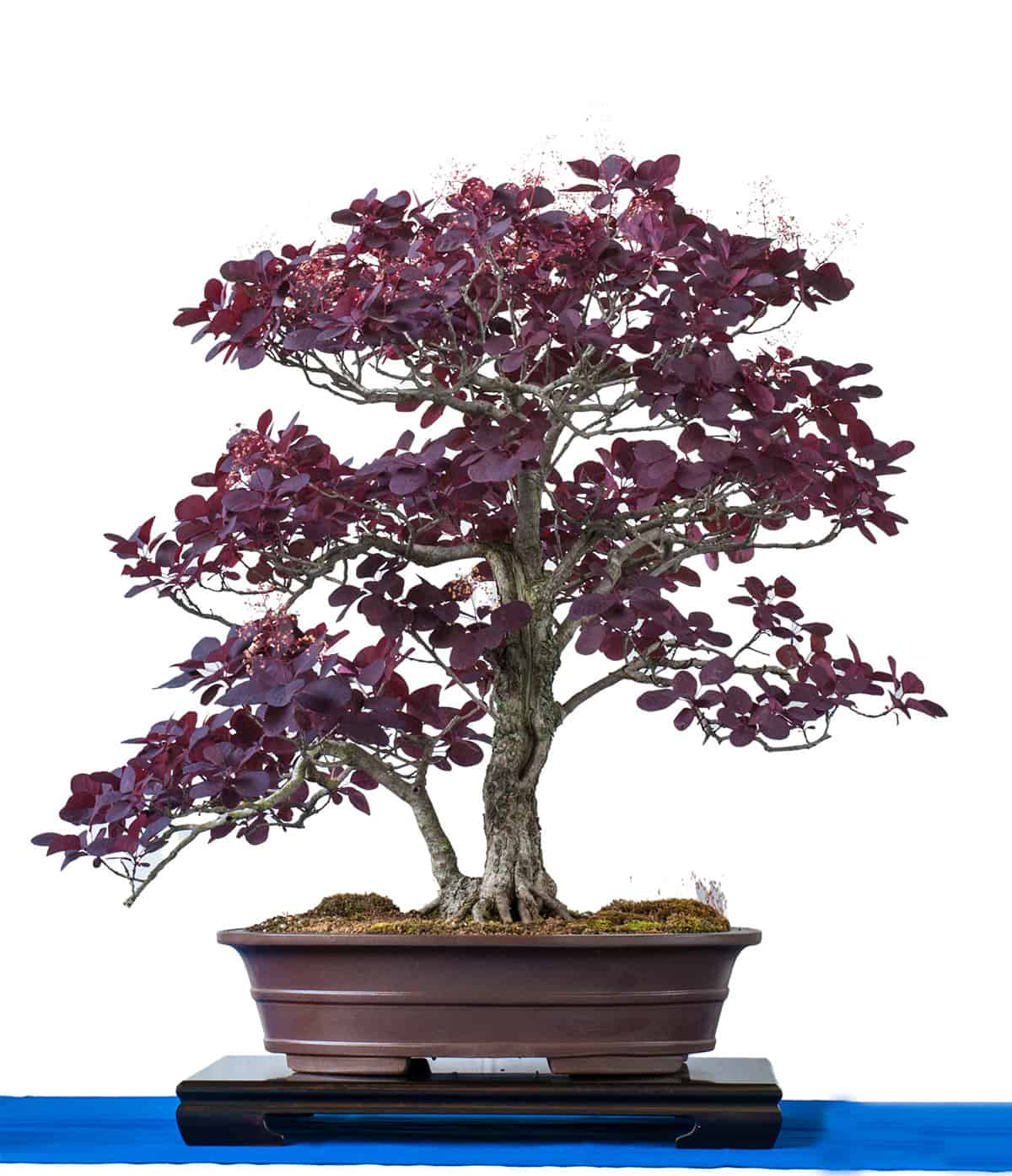
You can grow Purple Smoke Bush in large containers, though it reaches its full size in the ground. Choose a pot with drainage holes. The pot should be at least 18 inches wide and deep.
Use a high-quality potting mix that drains well. Avoid heavy clay-based soil. Water thoroughly after planting, but do not let roots sit in water.
Check the plant’s roots every two to three years. If roots circle the container or crowd the pot, it is time to repot. Move the bush to a container only one or two sizes larger.
Remove the bush carefully. Loosen the roots gently before placing it in a new pot. Add fresh potting mix around the root ball.
After repotting, water deeply. Place the bush in a sunny location. Monitor soil moisture closely for the next few weeks.
A container-grown Purple Smoke Bush may need more water and fertilizer than those in the ground. Watch for signs of stress, such as wilted leaves or slow growth. Repot as needed to keep the plant vigorous.
Common Problems & Troubleshooting
You may notice purple smoke bush leaves with brown or crusty spots. Dry, brown patches often indicate issues like verticillium wilt or leaf spot. These problems cause leaves or branches to wilt or collapse.
Leaf scorch can also affect your plant, especially in hot and dry weather. Leaves may show purplish stains or edges that look burnt. In drought conditions, make sure you give your bush enough water.
Some smoke bushes die back each winter, then regrow from the base. Cold winters can trigger this dieback, particularly in young plants. Protecting the roots and trunk with mulch can help limit damage.
Watch for signs of pests or disease, but know that most purple smoke bushes resist major insects. If you see poor leaf color or stunted growth, check soil drainage and sun exposure. Both poor drainage and too much shade prevent healthy development.
Rarely, you may see the color of the leaves shift or fade. This can happen if the plant is a seedling, not a true ‘Royal Purple’ cultivar, or if it lacks enough sunlight. Always buy from reputable nurseries to ensure you get the variety you want.
Plant Varieties

You can find several varieties of Purple Smoke Bush. Each offers unique foliage colors and growth habits. Some types work better for small gardens, while others get much larger.
‘Royal Purple’ is one of the most popular. You will see deep purple leaves that become even brighter in autumn. This variety stands out for its bold color and is easy to find at nurseries.
‘Nordine’ comes from a hardy selection. The leaves appear purplish-red and keep their shade longer through summer. In fall, they turn orange-yellow, giving extra color to your yard.
The common form, Cotinus coggygria, grows with green or blue-green leaves. Some cultivars also show smoky plumes in pink or buff colors.
If you want dramatic shades, try ‘Velvet Cloak’ or ‘Grace’. These cultivars offer rich purple or red tones and create a strong visual impact. Choose a variety that matches both your space and style needs.
Most varieties reach between 10 and 20 feet tall. Compact options work best for smaller spaces. Try combining several for year-round interest.