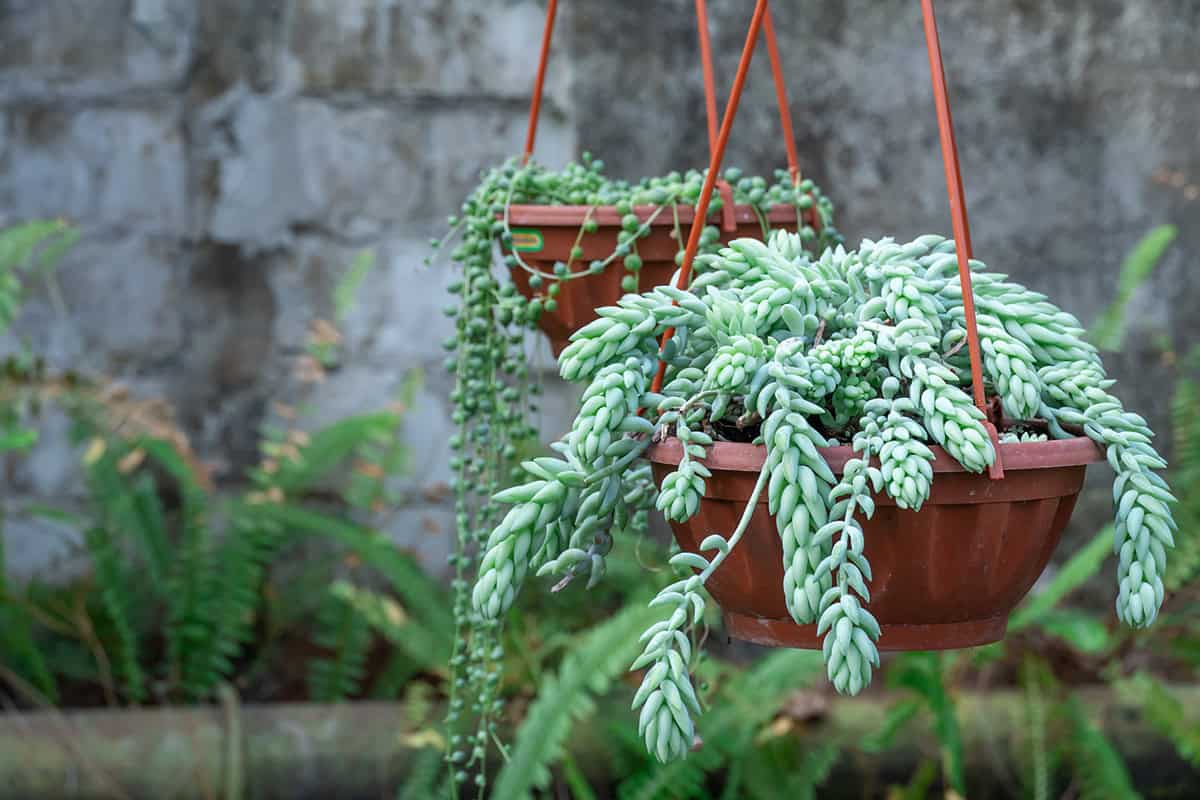
You place Sedum morganianum, also known as Burro’s Tail, on your windowsill. After a few weeks, you see the trailing stems growing longer, covered in plump blue-green leaves. You want to keep it healthy and attractive, but you’re not sure how much water or sunlight it really needs.
You can grow and care for Sedum morganianum easily by providing bright light, well-draining soil, and careful watering. This low-maintenance succulent adds a unique look to any indoor space and thrives with just a few key steps.
With the right routine, your Burro’s Tail will reward you with lush, trailing stems. Learn how you can avoid common problems and make your plant thrive.
Table of Contents
Light
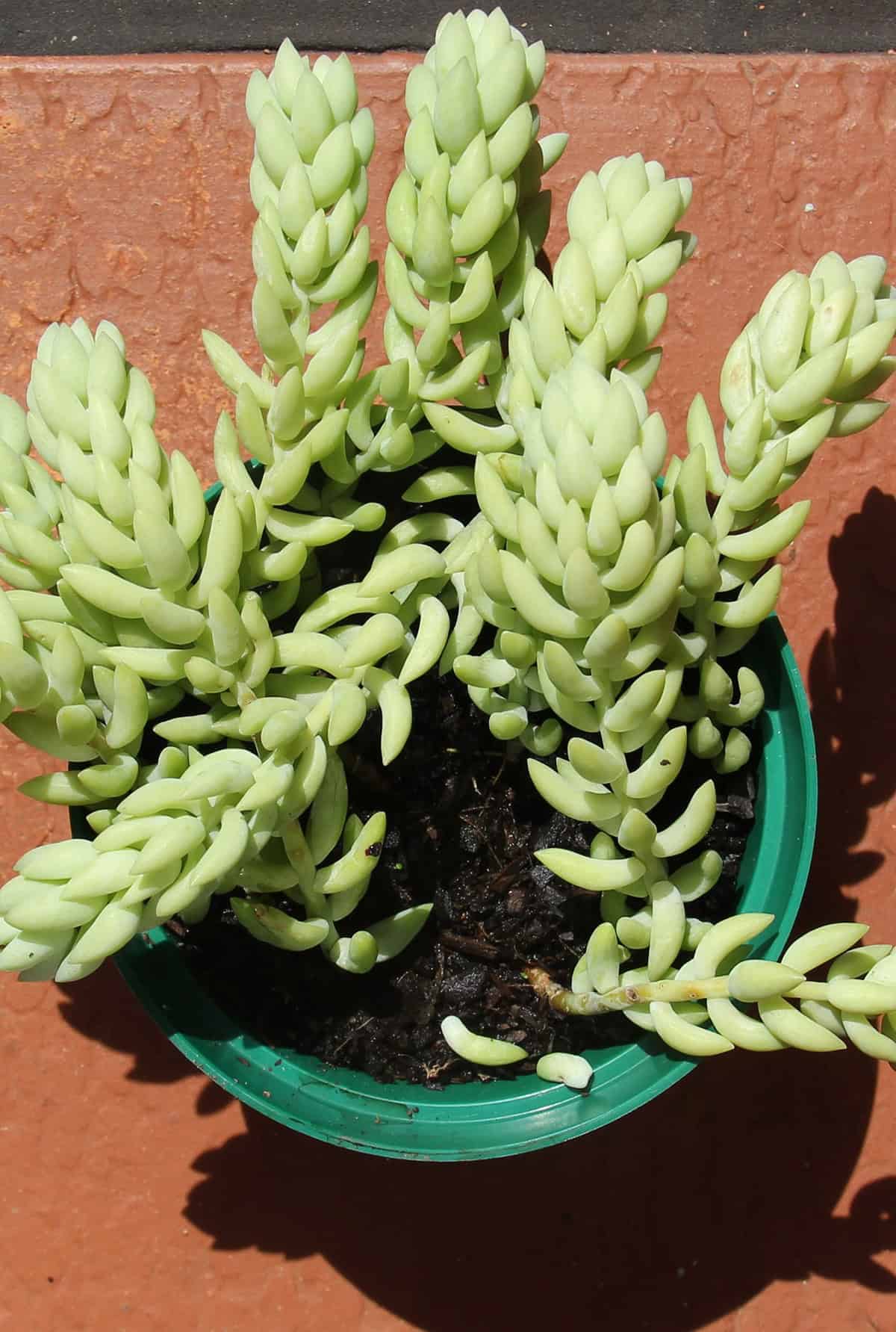
You will see the best growth from Sedum morganianum when you provide bright light. Place your plant near a sunny window. A spot with plenty of natural light keeps the leaves firm and helps the stems stay compact.
Direct sunlight for several hours is fine, especially in the morning. Too much strong afternoon sun may scorch the leaves, so a bit of shade during the hottest part of the day is beneficial.
Artificial grow lights work if you do not have enough sunlight indoors. Keep your plant under the lights for at least 10 to 14 hours each day to prevent weak or stretched stems.
Your Sedum can also spend time outdoors during the warm months. Move your plant back inside if nighttime temperatures drop below 50°F. Transition the plant slowly to avoid sunburn.
If your plant gets too little light, you may notice elongated, sparse stems or leaves that turn pale. Give it more light if you see these signs. Proper lighting helps maintain a healthy, attractive plant.
Soil
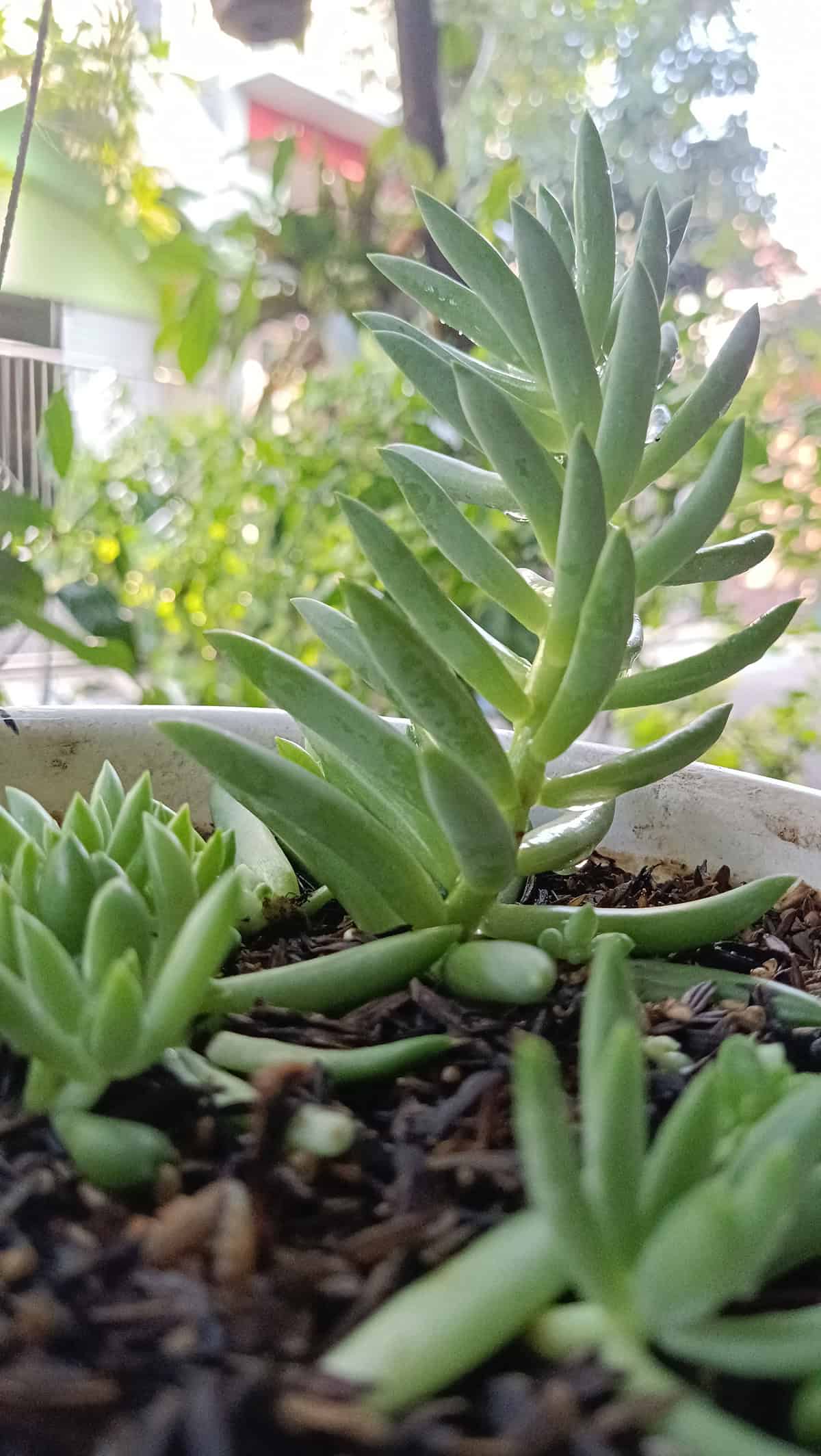
You need soil that drains quickly for Sedum morganianum. Choose a cactus or succulent mix because regular potting soil holds too much moisture. Excess water can cause root rot in this plant.
Good soil should feel gritty. Mix sand or perlite into standard potting soil to create the right texture if you cannot find a premade mix. This helps water flow through without pooling.
Soil pH must be neutral to slightly alkaline. Avoid acidic soil because it does not suit this succulent. Check the pH level on the bag if you are unsure.
Replace the soil if it stays wet long after watering. Your plant will thrive if roots have access to air and do not sit in soggy conditions. Well-draining soil supports healthy growth and keeps leaves firm.
Water
You need to let the soil dry out completely between waterings. Sedum morganianum stores water in its leaves. Too much moisture in the soil can lead to root rot.
Water the plant thoroughly, then let excess water drain away. Always use a pot with drainage holes. Do not let the plant sit in standing water.
In warm months, check the soil weekly. Only water if the top inch of soil is dry. During winter, cut back on watering and check the soil less often.
This succulent copes well with some neglect. Consistent overwatering causes leaves to become mushy and fall off. Dry conditions help the plant stay healthy.
Your climate and indoor temperature can change how often you need to water. Monitor humidity and sunlight levels for signals to adjust your care routine.
Temperature And Humidity
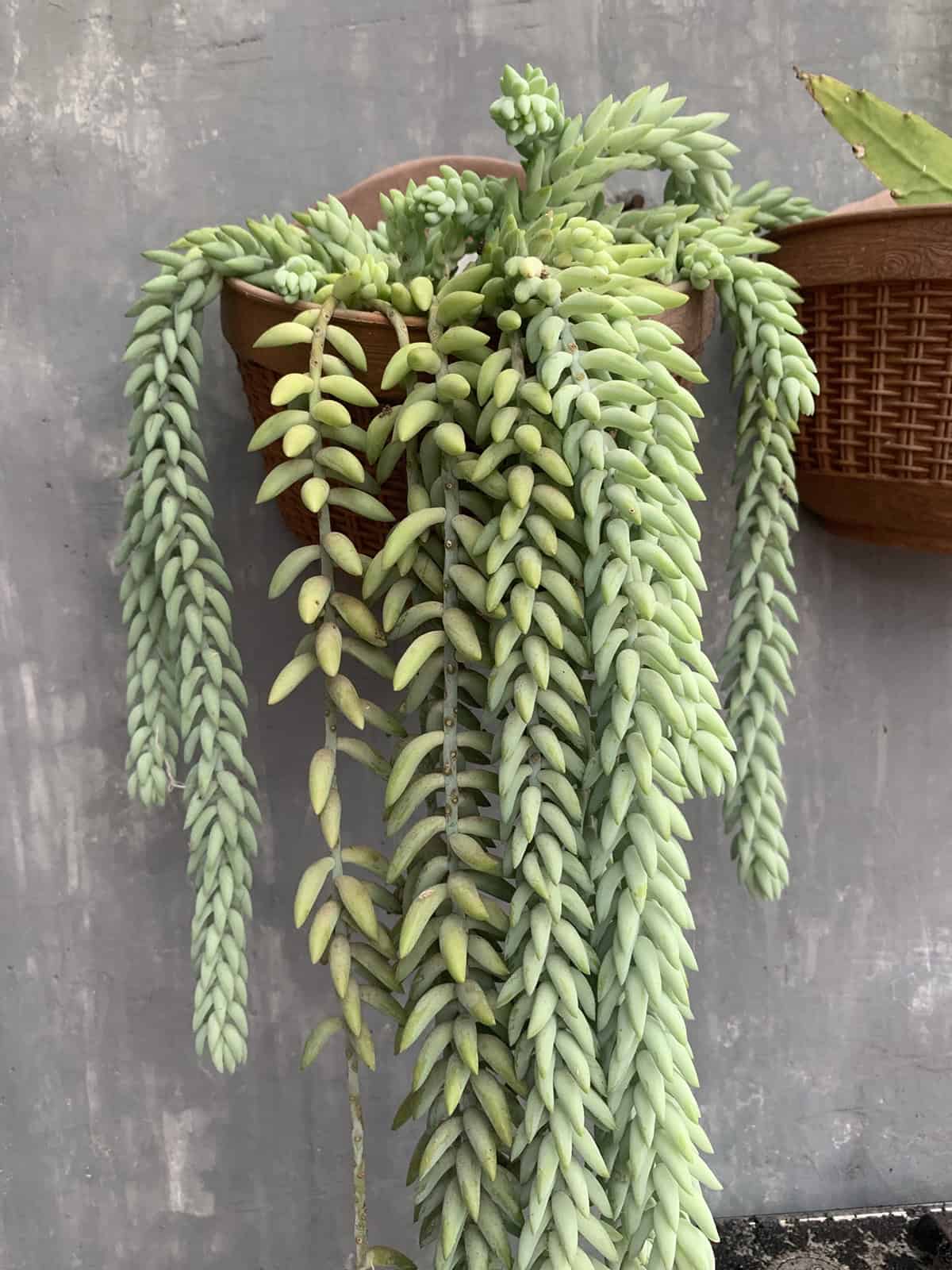
You should keep Sedum morganianum in a warm spot. The plant prefers temperatures between 65°F and 75°F during the day. It can take cooler temperatures at night, but not below 50°F. Avoid exposing it to frost, as freezing temperatures may damage or kill the plant.
During summer, you may move your plant outdoors if nights stay above 50°F. Indoors, make sure your plant is safe from drafts and sudden temperature changes. These may stress the plant or cause leaf drop.
Humidity needs for Sedum morganianum are quite low. It thrives in average to dry indoor air. High humidity is not required, and excess moisture may harm the roots.
If you live in a very humid climate, always ensure good airflow around the plant. Wet foliage or stagnant air may cause rot or fungal issues. Use a terra cotta pot to help soil dry out faster.
Fertilizer
You do not need to fertilize Sedum morganianum often. This succulent grows well in nutrient-poor soil and does not demand high fertility. Use a diluted balanced fertilizer only during the active growing season.
Choose a water-soluble fertilizer labeled for succulents or houseplants. Apply at half the recommended strength. Limit feeding to once every month in spring and summer. Skip fertilizing in fall and winter because the plant slows growth.
Excess fertilizer can lead to weak, stretched stems and root rot. Salt buildup in the soil harms the roots. Always water thoroughly after applying fertilizer to flush out any residues.
Focus on keeping the soil well-drained and limiting feeding for healthy growth. A light hand with fertilizer keeps the leaves firm and prevents damage. Use a simple care routine instead of heavy feeding.
Propagation
You can easily multiply Sedum morganianum at home. The most common methods are leaf cuttings and stem cuttings. Both require only a few basic steps.
Remove a healthy leaf or section of stem from the main plant. Let it dry for a day or two so the cut end can callous over. Callousing helps prevent rot.
After the cut end dries, place it on top of well-draining succulent soil. You do not need to bury the leaf or stem deeply. Mist the soil lightly to keep it very slightly moist.
Roots usually form within a few weeks. Make sure the soil never stays soggy. Bright, indirect light helps the process.
Stem cuttings tend to grow faster than leaves. Leaves may take longer to produce new shoots. Small new plants eventually appear at the base of the cuttings.
Patience makes a difference with Burro’s Tail propagation. New growth may take time, but most cuttings root successfully. You do not need any special equipment.
Pruning
You rarely need to prune Sedum morganianum. The plant naturally forms long trailing stems. These can reach 18 to 24 inches.
If you see damaged or dried stems, you should remove them. Use clean, sharp scissors or pruning shears. Cut just above a healthy node or leaf.
Don’t cut healthy stems unless you want to control the shape or length. Cutting may help your plant fill out or prevent stems from becoming too leggy. You may also trim to remove any fallen or yellowing leaves.
Pruning can encourage new growth at the base. After trimming, avoid overwatering. Make sure your plant is not in direct, hot sunlight after you prune.
Any healthy cuttings you take can be used for propagation. Let them callous for a few days before planting. This reduces the risk of rot and supports strong rooting.
Potting And Repotting
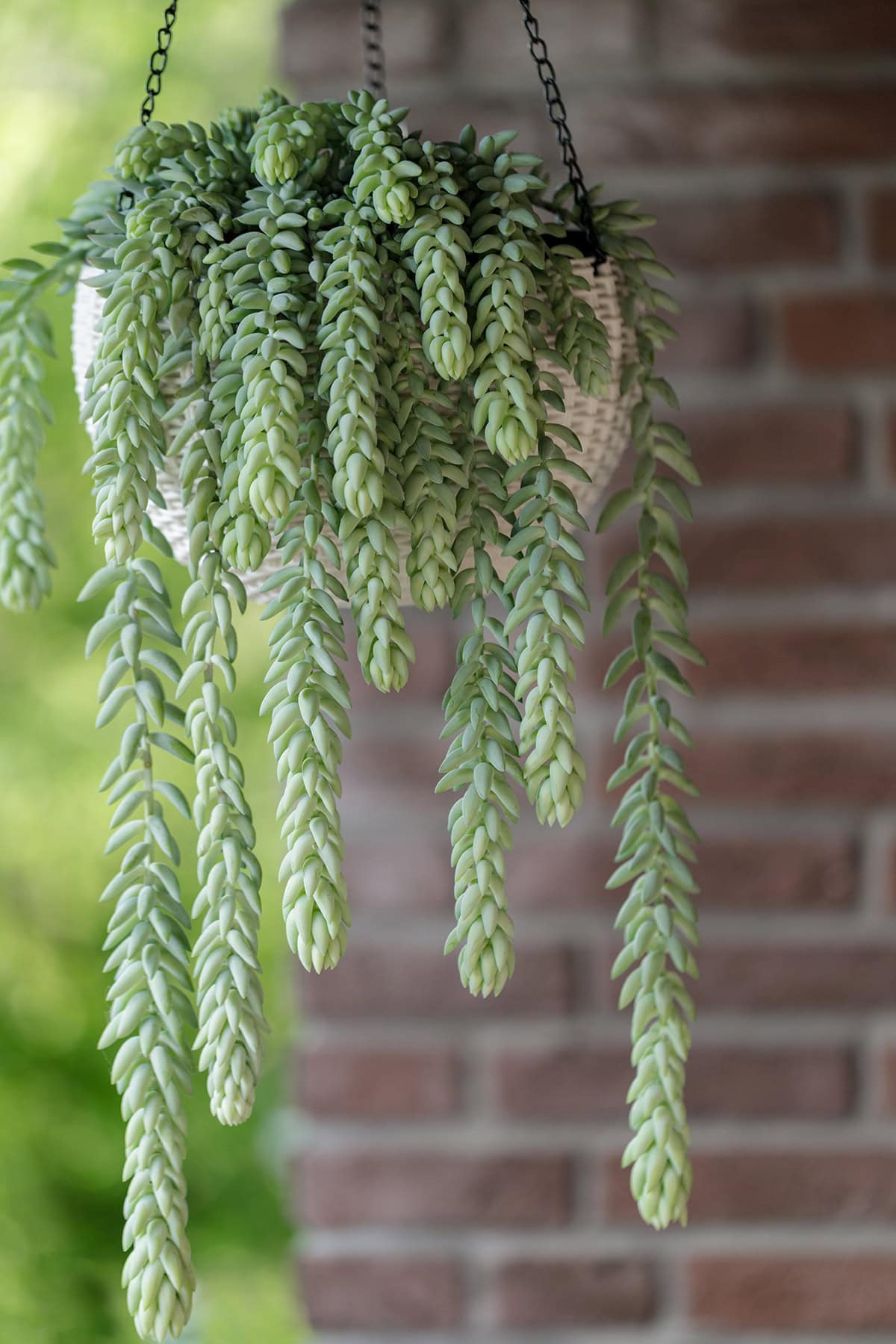
You should select a hanging basket or container with drainage holes. Sedum morganianum’s long, trailing stems look best when allowed to cascade. Use a well-draining soil mix made for succulents.
Avoid pots without drainage, since roots can rot if water builds up. When potting, position the plant so the stems drape naturally over the container’s edge. Gently fill in soil around the roots. Leave some space at the top for watering.
Repot when roots outgrow the pot or if the plant becomes top-heavy. This is usually every two to three years. Choose a pot just 3 to 4 inches wider than the last one.
Remove the plant carefully. Support the stems to keep them from breaking. Place the plant in its new pot at the same depth as before. Add fresh soil, press it in gently, and water lightly.
Let the top inch of soil dry out before the next watering. Sedum morganianum prefers drier conditions. Wait to fertilize until new growth appears after repotting. Keep the plant out of direct sun for a few days while it adjusts.
Common Problems & Troubleshooting
Many people notice leaves falling off Sedum morganianum. This often means you watered the plant too much or moved it too often. Let the soil dry out before watering again.
Pale or wrinkled leaves can signal underwatering. Water deeply but let extra water drain away. Bright, indirect light keeps the plant healthy.
Soft, mushy stems may suggest root rot. This usually happens if the roots sit in wet soil for too long. Repot with fresh, fast-draining soil if you see this.
Yellow spots or brown patches may appear from too much direct afternoon sun. Move your plant to a spot with plenty of light but no harsh rays.
Mealybugs or aphids sometimes gather between the leaves. You may see white or sticky residue. Remove pests by wiping leaves with a cotton swab dipped in rubbing alcohol.
Dropping stems usually happen when the pot gets bumped. Keep the plant in a safe spot. Handle each stem carefully because they break easily.
New growth stops if light is too low. Place your Sedum morganianum near a bright window for the best results. Good airflow also helps prevent fungal spots on its leaves.
Plant Varieties
You will notice Sedum morganianum most often called Burro’s Tail or Donkey’s Tail. These names refer to the plant’s long, trailing stems and overlapping, plump blue-green leaves that look like an animal’s tail.
Within Sedum morganianum, you may see slight differences between plants. Some have denser or slightly longer leaves. Others show a bluish tint more strongly or have a more pronounced sheen on the foliage.
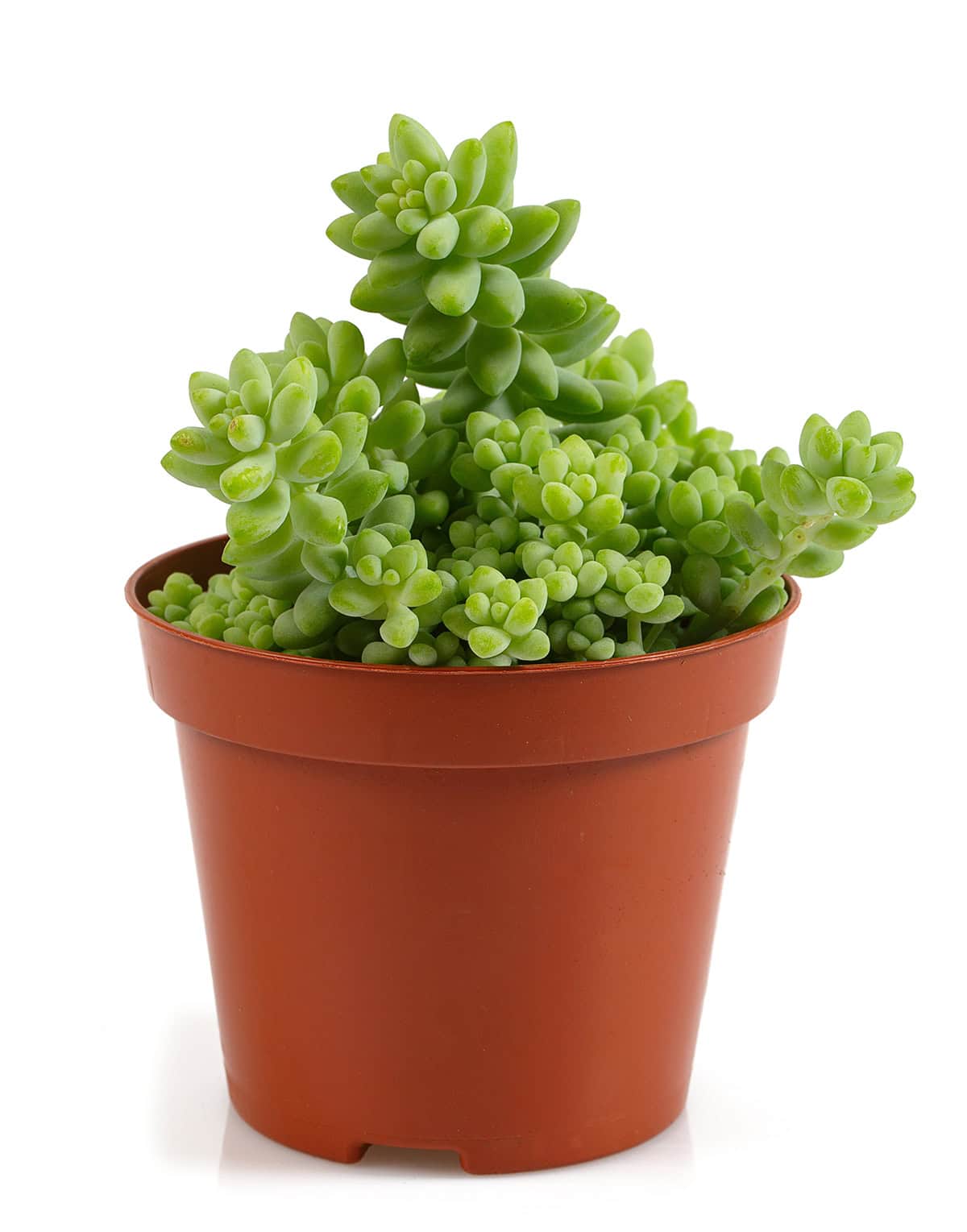
Occasionally, nurseries list a related form called Sedum morganianum ‘Burrito’. It has rounder, bead-like leaves compared to the main species. ‘Burrito’ usually has shorter stems and the leaf tips are not as pointed.
Every variety of Sedum morganianum grows in much the same way. Tails range from around 18 inches to three feet in length. The shape and texture of the leaves help each type stand out when you see them in hanging baskets or pots on a shelf.
You will also find hybrids and other Sedum species used for trailing looks, but classic Burro’s Tail and ‘Burrito’ remain the most well-known options for indoor gardeners. Each form brings an attractive and unique accent to your plant collection.