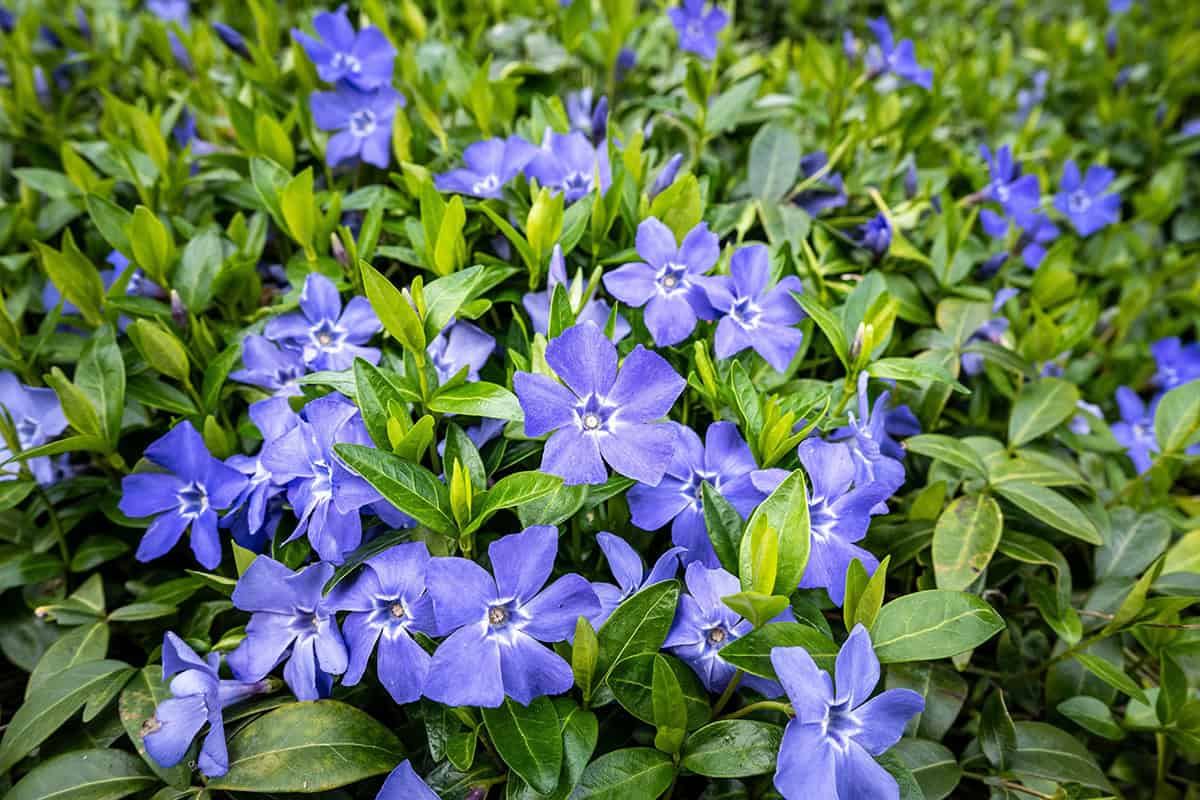
You notice a bare patch in the yard that never seems to thrive. Minor vines can quickly turn that space into a dense, green cover with seasonal blooms. To grow and care for minor vines, give them the right light, soil, water, and routine maintenance to keep them healthy year-round.
These hardy plants spread fast and handle different growing conditions, but they need proper placement to avoid becoming invasive. You can train them to climb or let them form a low groundcover. With the right care, they stay attractive and manageable.
Learning the best light exposure, soil type, and watering schedule helps prevent common problems. You will also need to know when to prune, how to propagate, and which varieties suit your space. This guide walks you through each step so your vines stay lush without taking over.
Table of Contents
Light
Vinca minor grows best with full sun to partial shade. You can plant it where it receives at least four hours of direct sunlight each day. In cooler climates, more sun encourages stronger growth and more flowers.
Low-light areas are possible for this plant, but growth may slow. Fewer flowers will form, and stems can stretch toward available light. You can trim back leggy stems to keep the plant compact.
If you grow Vinca minor indoors or in shaded spots, consider supplemental lighting. Standard fluorescent or LED grow lights can help maintain healthy foliage. Position lights close enough to provide adequate intensity without overheating the leaves.
Bright, indirect light also works well in many garden settings. Avoid locations with deep shade for most of the day, as this reduces vigor. A balance of light and shade helps maintain dense coverage and consistent flowering.
Soil
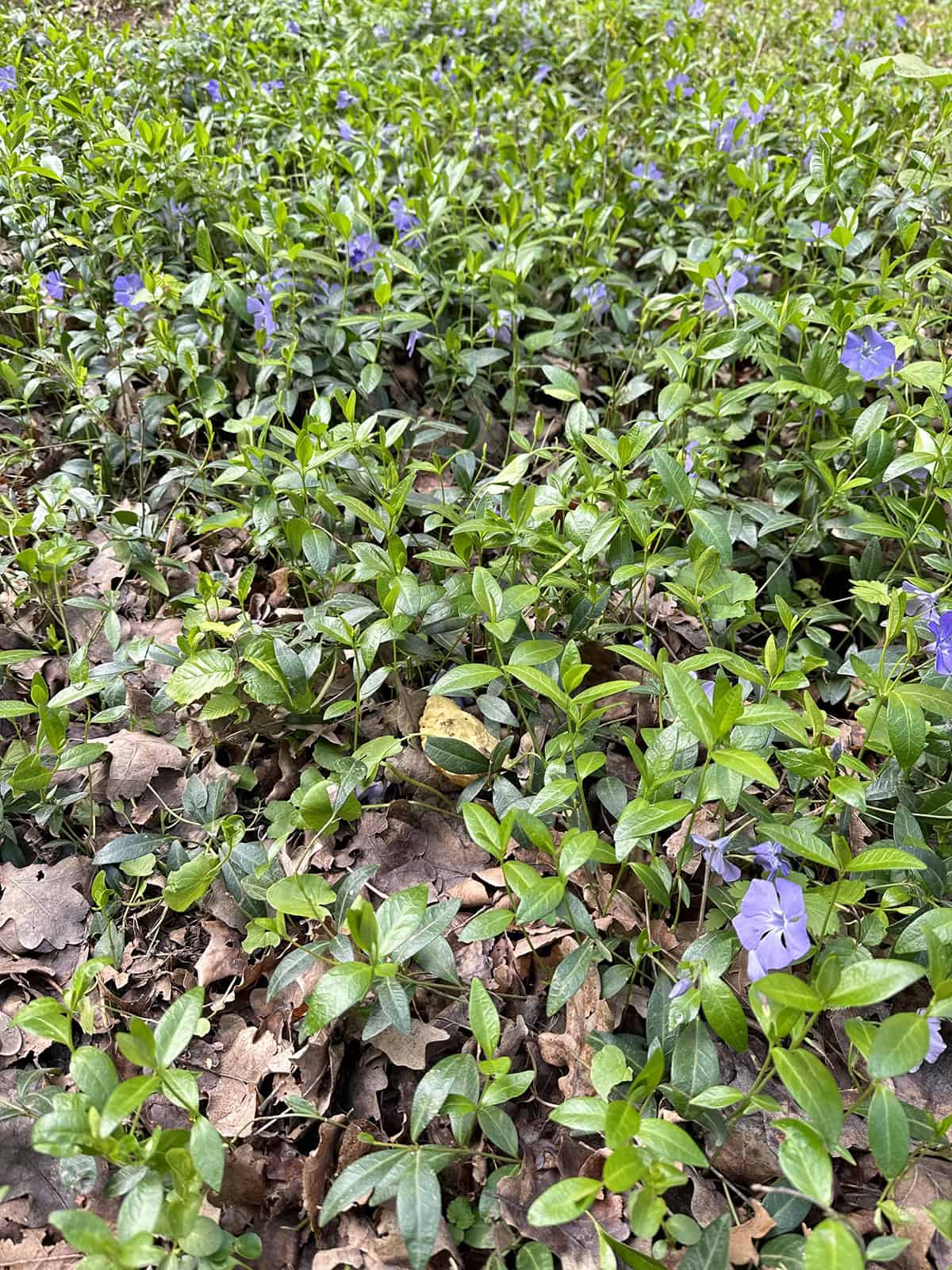
Healthy soil gives minor vines the structure and nutrients they need to grow well. You should check the texture and drainage before planting. Poorly drained areas can cause root rot and slow growth.
Minor vines grow best in soil that is deep, loose, and well-drained. You can improve compacted soil by mixing in organic matter such as compost. This helps hold moisture without creating waterlogged conditions.
Test your soil pH before planting. Most minor vines prefer slightly acidic to neutral soil in the range of 6.0 to 7.0. Adjust the pH with lime or sulfur if needed.
Water moves more evenly through soil with good structure. Organic matter also supports beneficial microbes that help roots absorb nutrients. Avoid disturbing the soil too often, as this can damage its structure.
If your soil is sandy, you may need to add compost regularly to improve water retention. In heavy clay, add coarse materials to improve drainage and aeration. This helps roots spread more easily.
Water
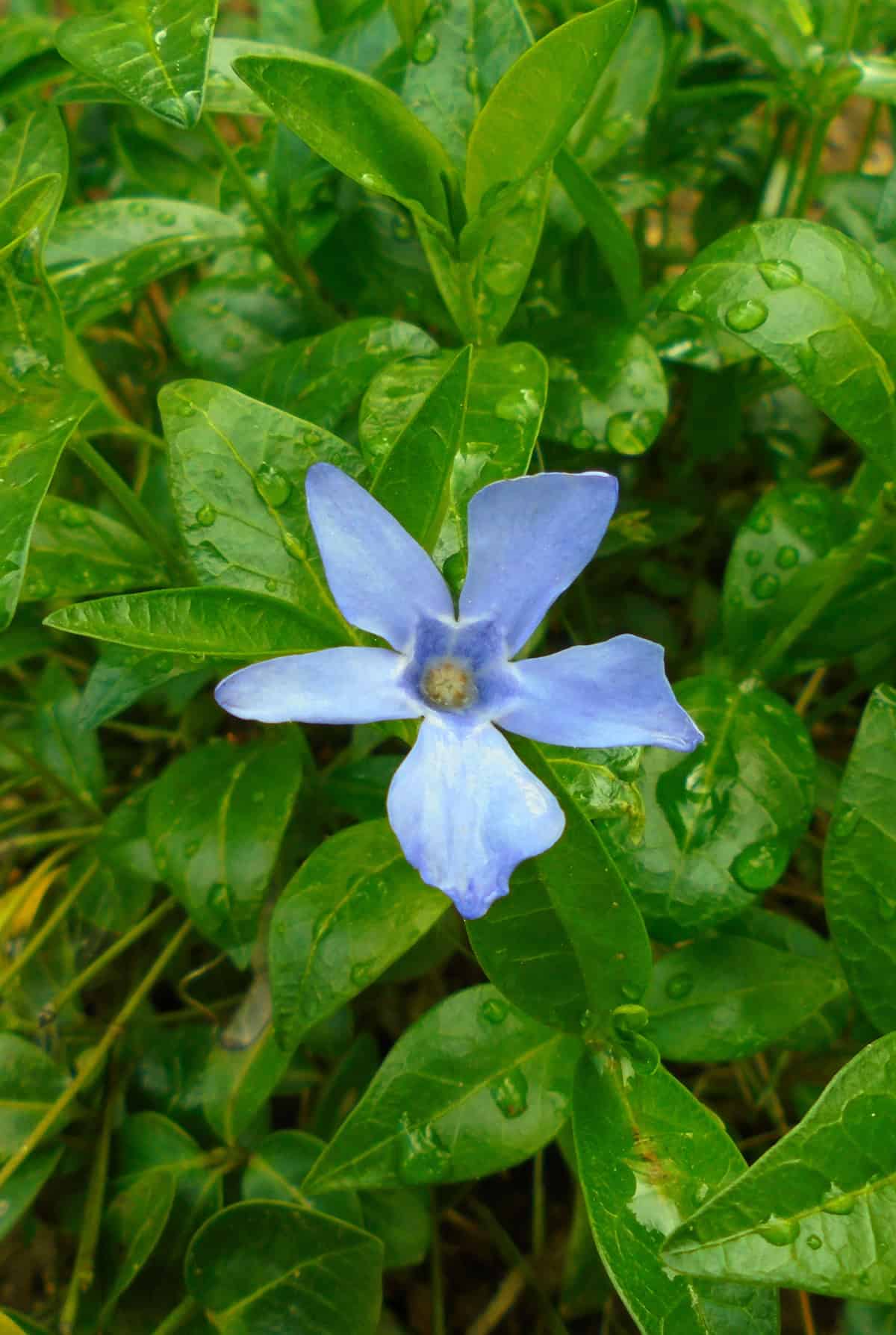
You need to give minor vines consistent moisture during their first growing season. This helps the roots establish well. After that, they tolerate short dry periods but still benefit from regular watering.
Water deeply so moisture reaches at least 6 inches into the soil. Deep watering encourages stronger root systems. Shallow watering can lead to weaker roots and reduced drought tolerance.
Check soil moisture before watering. Press your finger into the soil about two inches deep. If it feels dry, it’s time to water.
Early morning is the best time to water. This reduces evaporation and allows leaves to dry during the day. Wet leaves overnight can increase the risk of disease.
During hot or windy weather, you may need to water more often. Sandy soils drain faster and require more frequent watering than clay soils. Adjust your schedule based on your site’s conditions.
Temperature And Humidity
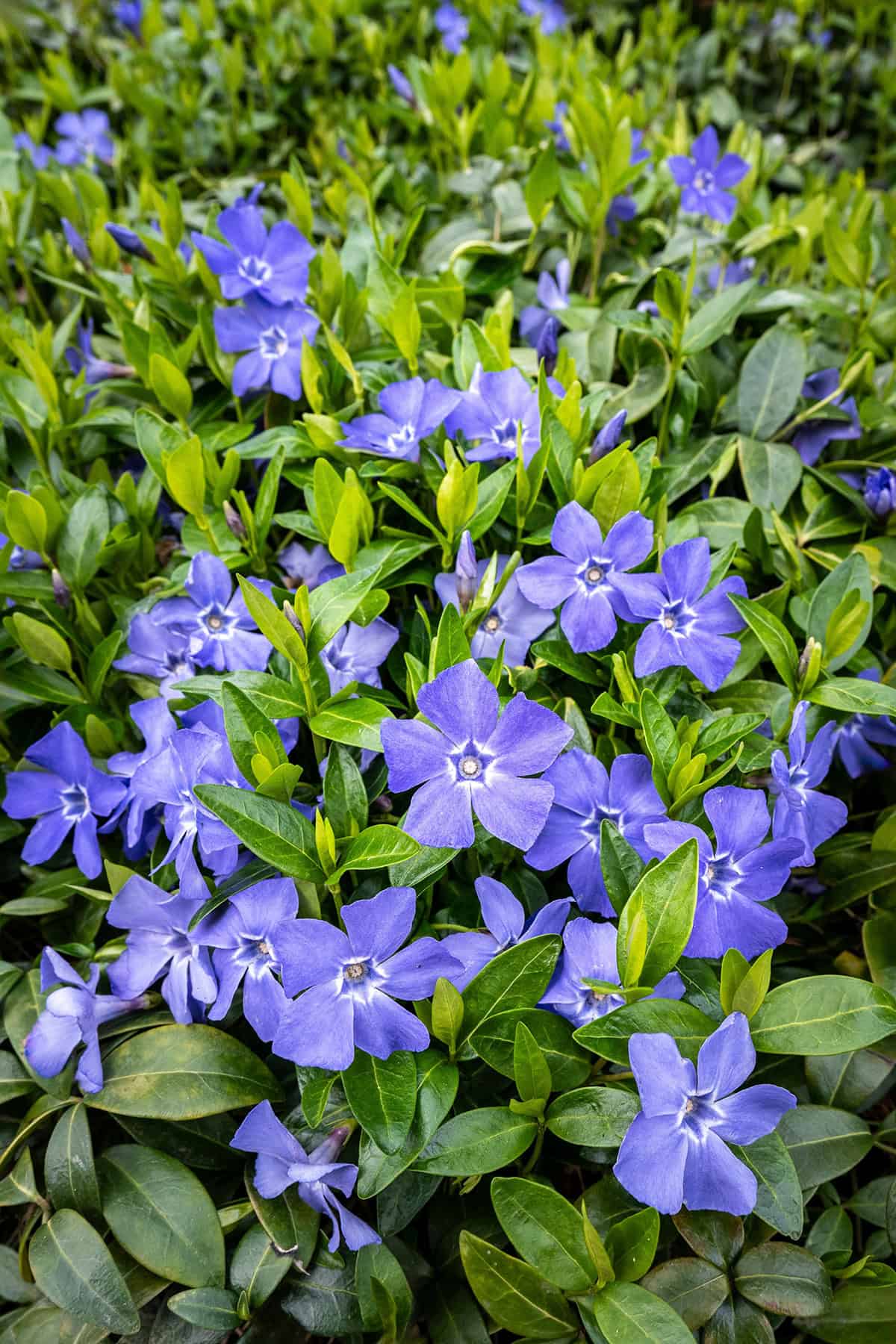
Your vines will grow best when temperatures match their natural range. Most minor vines prefer mild to warm conditions between 60°F and 80°F. Cooler temperatures can slow growth, while extreme heat can cause stress.
Humidity plays a role in leaf health and disease prevention. Moderate humidity levels between 40% and 60% are suitable for many species. Excess moisture in the air can increase the risk of fungal problems.
If you live in a hot climate, provide afternoon shade to prevent leaf scorch. In cooler areas, plant vines where they receive maximum sunlight. This helps maintain steady growth and supports flowering.
Dry indoor or outdoor air can cause leaf edges to brown. You can lightly mist foliage or place water nearby to raise humidity. Avoid keeping the air too damp for extended periods.
Seasonal changes may require adjustments. In summer, watch for heat stress and water loss. In winter, protect vines from frost with covers or by moving containers indoors.
Fertilizer
You need to match your fertilizer choice to the type of vine you grow. Minor vines often respond well to balanced formulas such as 10-10-10. A soil test helps you know the exact nutrient needs before applying anything.
Apply fertilizer at the right time to avoid stressing the plant. Early spring before new growth appears is usually best. Fall feeding works for woody vines but avoid mid-summer applications unless correcting a deficiency.
Use small amounts for young vines to prevent root damage. Too much nitrogen can push leafy growth at the expense of flowers. Spread the fertilizer evenly around the root zone and keep it away from the stem.
Check the vine’s growth and leaf color during the season. Pale leaves may signal a nitrogen shortage, while poor flowering can mean low phosphorus. Adjust your feeding schedule based on these signs.
Water the soil after fertilizing to help nutrients move to the roots. Dry soil can reduce nutrient uptake and increase the risk of fertilizer burn. Keep the soil moist but not soggy in the days after application.
Propagation
You can propagate minor vines like Vinca minor from stem cuttings. This method produces plants identical to the parent. It works well for maintaining specific traits.
Choose healthy, pest-free shoots from the current season’s growth. Softwood cuttings root faster than hardwood ones. Take cuttings about 4 to 6 inches long.
Remove the lower leaves to expose nodes. Place the cuttings in a clean rooting medium such as sand, perlite, or a mix of peat and perlite. Keep the medium moist but not waterlogged.
Maintain a warm, humid environment. You can use a clear cover to trap moisture. Good light without direct sun helps prevent stress.
Roots often form within 2 to 4 weeks under proper conditions. Once rooted, move the young plants into small pots. Gradually adapt them to outdoor conditions before planting.
Pruning
You need to prune minor vines to control size and maintain shape. Regular cuts help prevent overgrowth and keep the plant healthy. This also improves air circulation around the foliage.
Remove any dead, damaged, or diseased stems first. Cut them back to healthy tissue. This reduces the risk of pests and fungal problems.
Trim back vigorous shoots that grow outside the desired area. This keeps the vine from crowding nearby plants or structures. Shortening stems can also encourage new growth closer to the base.
For flowering vines, prune at the right time for the species. Some bloom on new growth, while others bloom on old wood. Cutting at the wrong time can reduce flowers.
Make clean cuts with sharp tools. Dull blades can crush stems and slow healing. Always cut just above a leaf node or bud facing the desired direction of growth.
Potting And Repotting
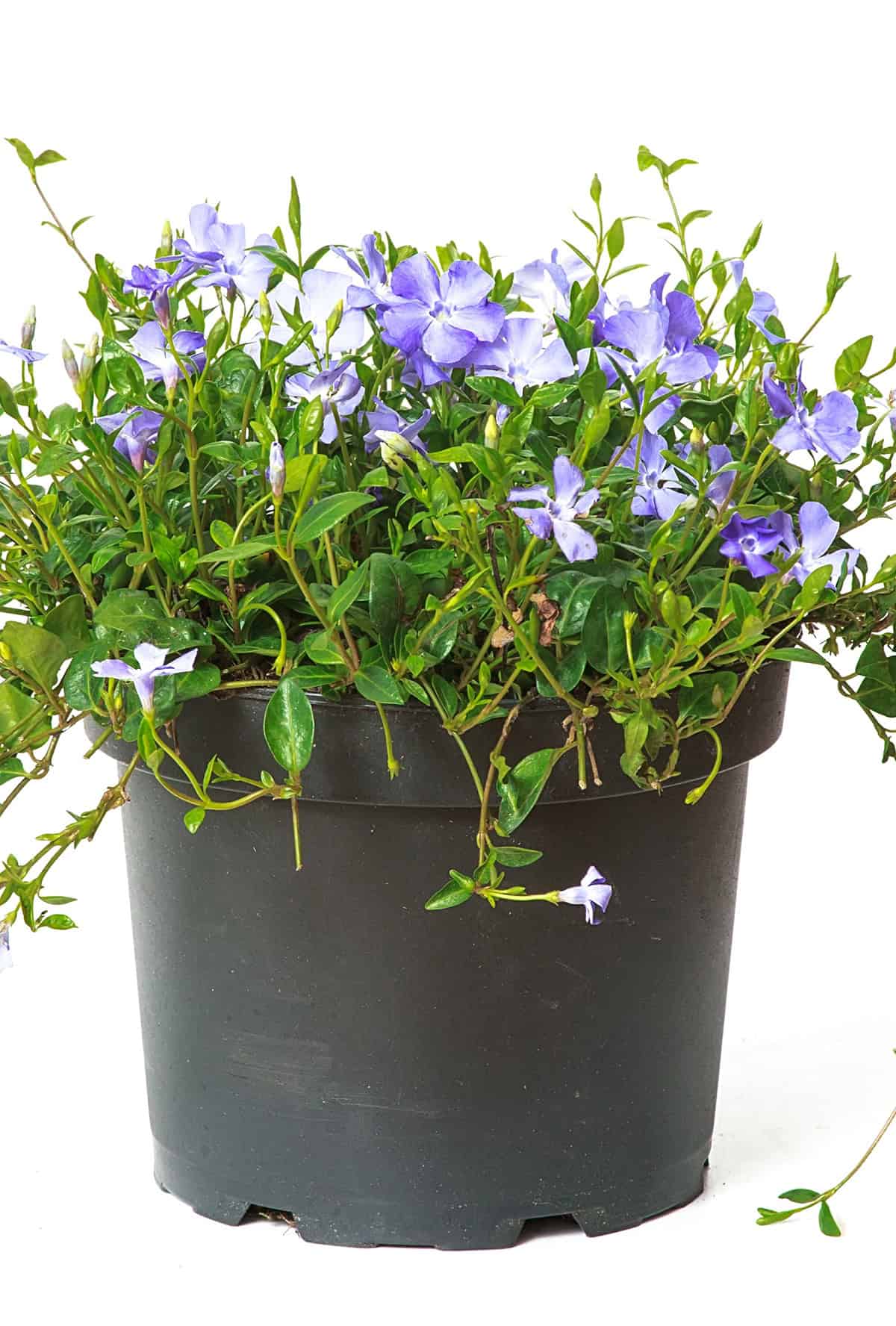
You should choose a container with drainage holes to prevent excess water from damaging the roots. Select a size that allows space for moderate root growth. A pot that is too large can hold excess moisture and lead to root problems.
When planting a minor vine for the first time, use a high-quality potting mix suited for your plant type. For species like cissus or small jasmine, a standard indoor mix works well. Specialty mixes may be better for vines with unique soil needs.
Repot when roots fill the container or begin to grow through the drainage holes. Fast-growing vines may need this yearly. Slower growers can stay in the same pot for two to three years.
To repot, gently remove the vine from its old container. Loosen compacted roots without breaking them. Place the plant at the same depth in fresh potting mix.
Water thoroughly after repotting to settle the soil around the roots. Leave space at the top of the pot for easier watering. Keep the plant in moderate light for a few days to reduce stress.
Common Problems & Troubleshooting
Vines can grow too fast and overwhelm nearby plants. You may see them climbing over structures or blocking sunlight from other vegetation. Pruning at the right time keeps them in check.
Weak or thin growth often points to poor pruning or competition from nearby trees. You should remove competing roots and ensure the vine gets enough light. Balanced fertilization also supports stronger stems and leaves.
Pests such as aphids, spider mites, and scale can damage foliage and slow growth. Inspect leaves regularly for spots, webbing, or sticky residue. Early treatment with appropriate controls prevents larger infestations.
Fungal diseases like powdery mildew or leaf spot appear in humid or poorly ventilated areas. You can reduce the risk by spacing plants correctly and avoiding overhead watering. Remove and discard infected leaves to slow spread.
If flowers or fruit fail to develop, check for nutrient deficiencies or excessive shade. Some vines need full sun for reliable blooms. Adjust the growing location or improve soil fertility to restore production.
Plant Varieties
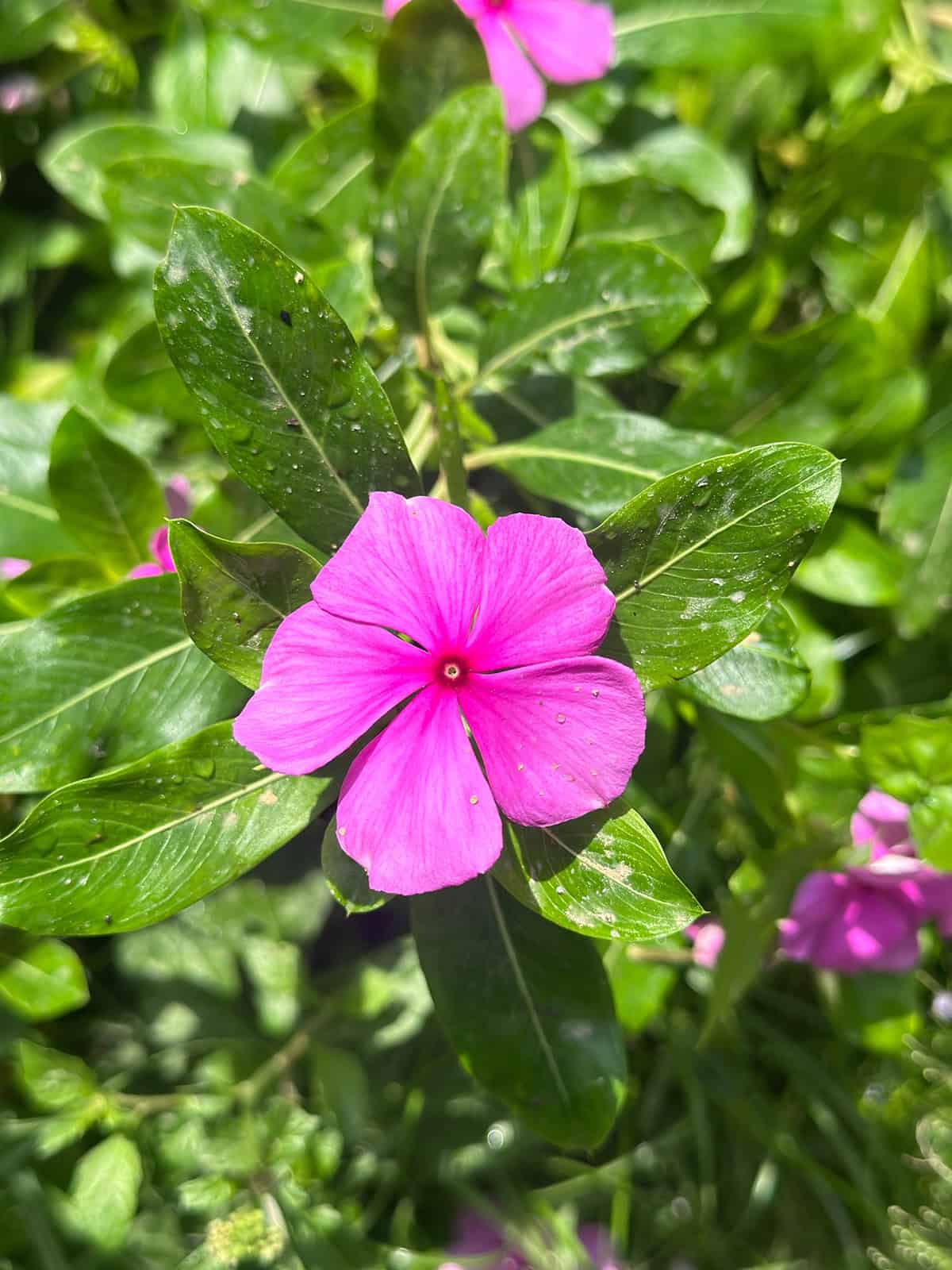
You can choose from several types of minor vines, each with distinct growth habits and appearances. Some stay compact, while others spread quickly across the ground. Selecting the right one depends on your space, climate, and desired look.
Vinca minor is one of the most common evergreen groundcovers for shaded areas. It forms dense mats with trailing stems that can root where they touch the soil. The flowers are small and can be purple, blue, or white.
Certain cultivars offer unique foliage and blooms. Variegated forms have leaves edged in cream or yellow, adding contrast to darker garden areas. Double-flowered varieties provide a fuller look compared to the single-flowered types.
You may also encounter Vinca major, which has larger leaves and flowers than Vinca minor. It grows faster but often needs more care and control to prevent unwanted spread.
Some gardeners prefer newer hybrid or ornamental selections for specific colors or improved growth control. These may be better suited for containers or defined planting areas where you want to limit spread.