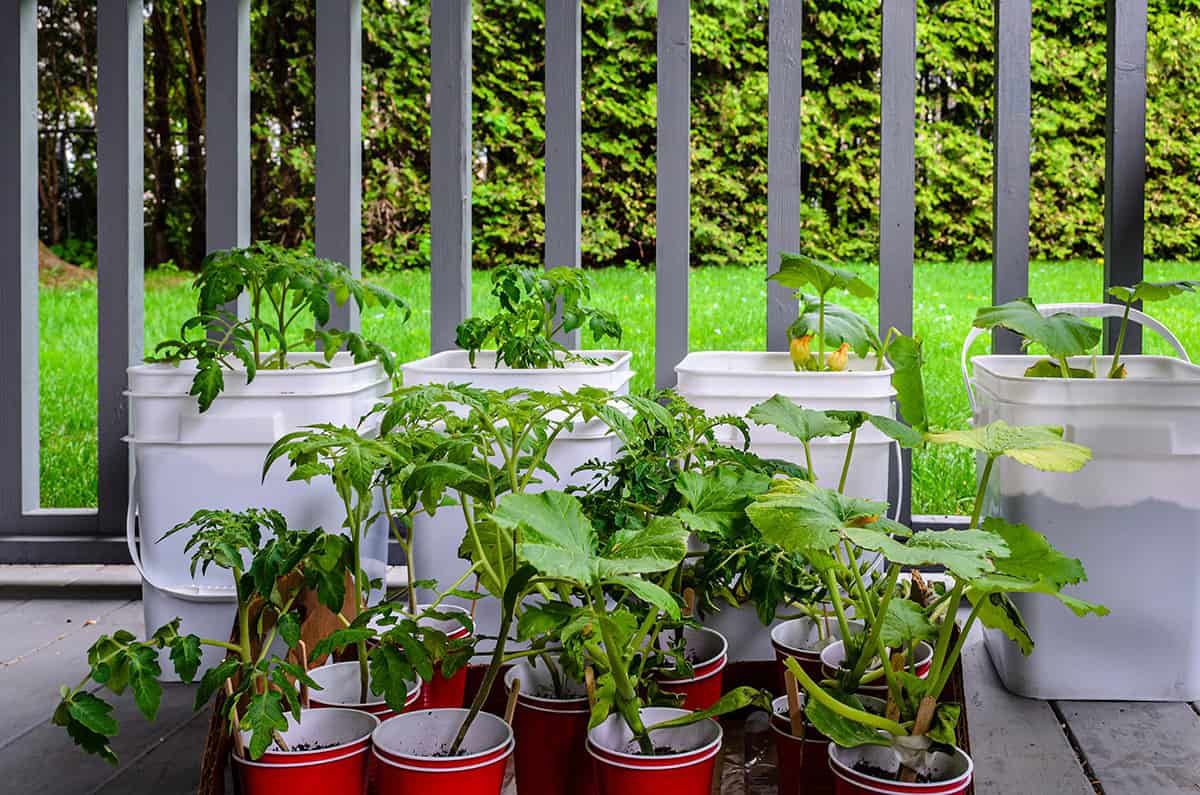
A porch rail with five or six hours of sun is enough for a steady supply of herbs and salad greens, and most of the herbs here barely notice they live in pots.
Sun lovers like basil, rosemary and tomatoes want the brightest corner. Mint, parsley, lettuce and spinach tolerate a little shade, a help on east-facing porches.
Radishes on this list are ready in under a month, a quick reward as the slower crops catch up.
Table of Contents
20 Common Herbs And Veggies You Can Grow On Your Porch
Herbs and vegetables adapt readily to pots, even in tight spaces, as long as they receive decent sun, steady water and a little attention.
Basil
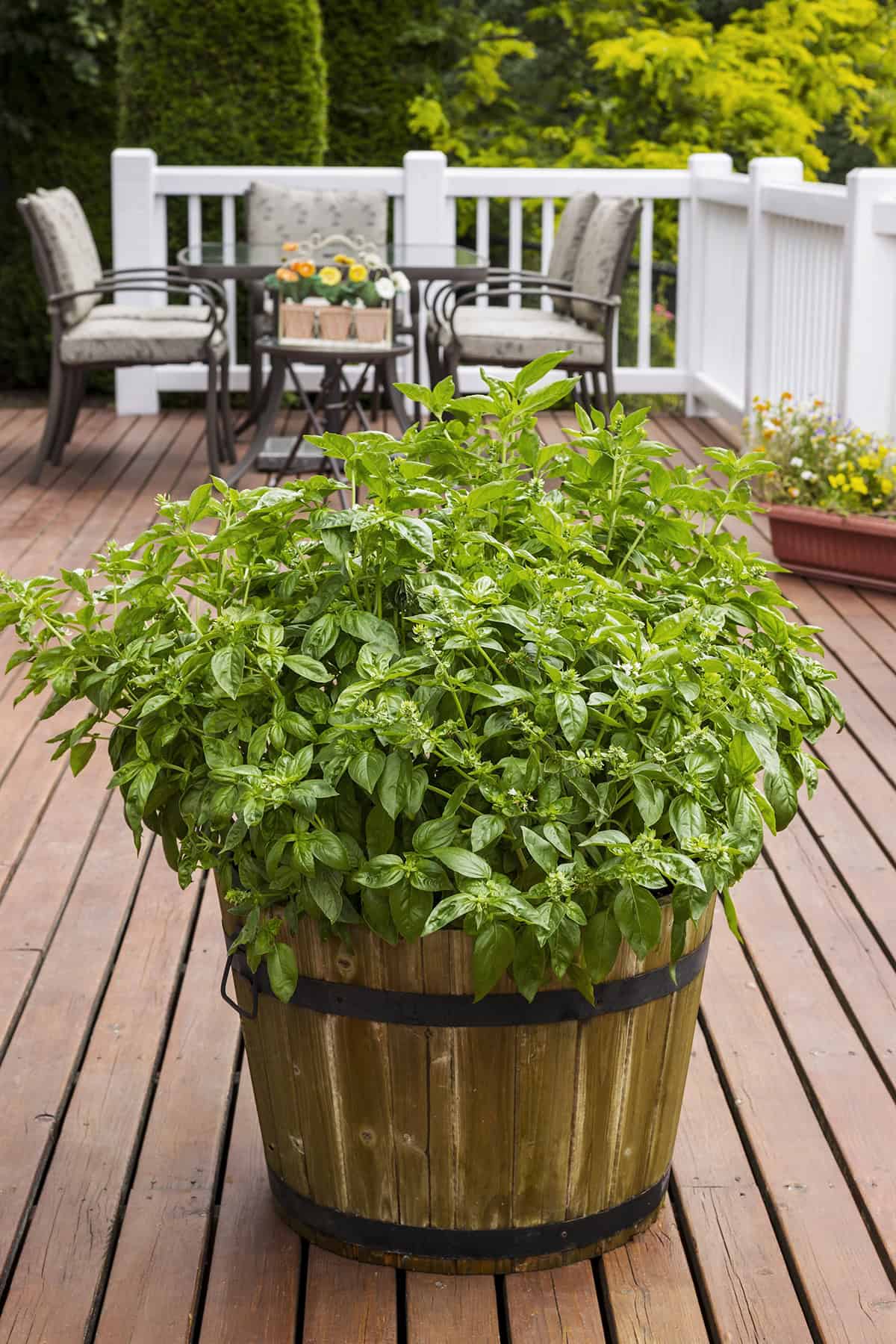
Basil loves warmth and needs at least six hours of sun a day. Plant it in well-draining soil and water before the pot dries out completely.
Pinch off the growing tips for a bushier plant and later flowering. Regular harvests produce more leaves and a healthier plant.
Sweet basil is the classic, and Thai and lemon basil add variety. Protect it from chilly nights, since cold damages the leaves.
Mint
Mint spreads aggressively in the ground, so a container is the right home for it. Use a medium pot with rich, moist soil.
Partial sun is best, since intense afternoon heat scorches the leaves.
Frequent harvests produce a compact plant. Spearmint and peppermint are the standards for tea and the kitchen.
Parsley
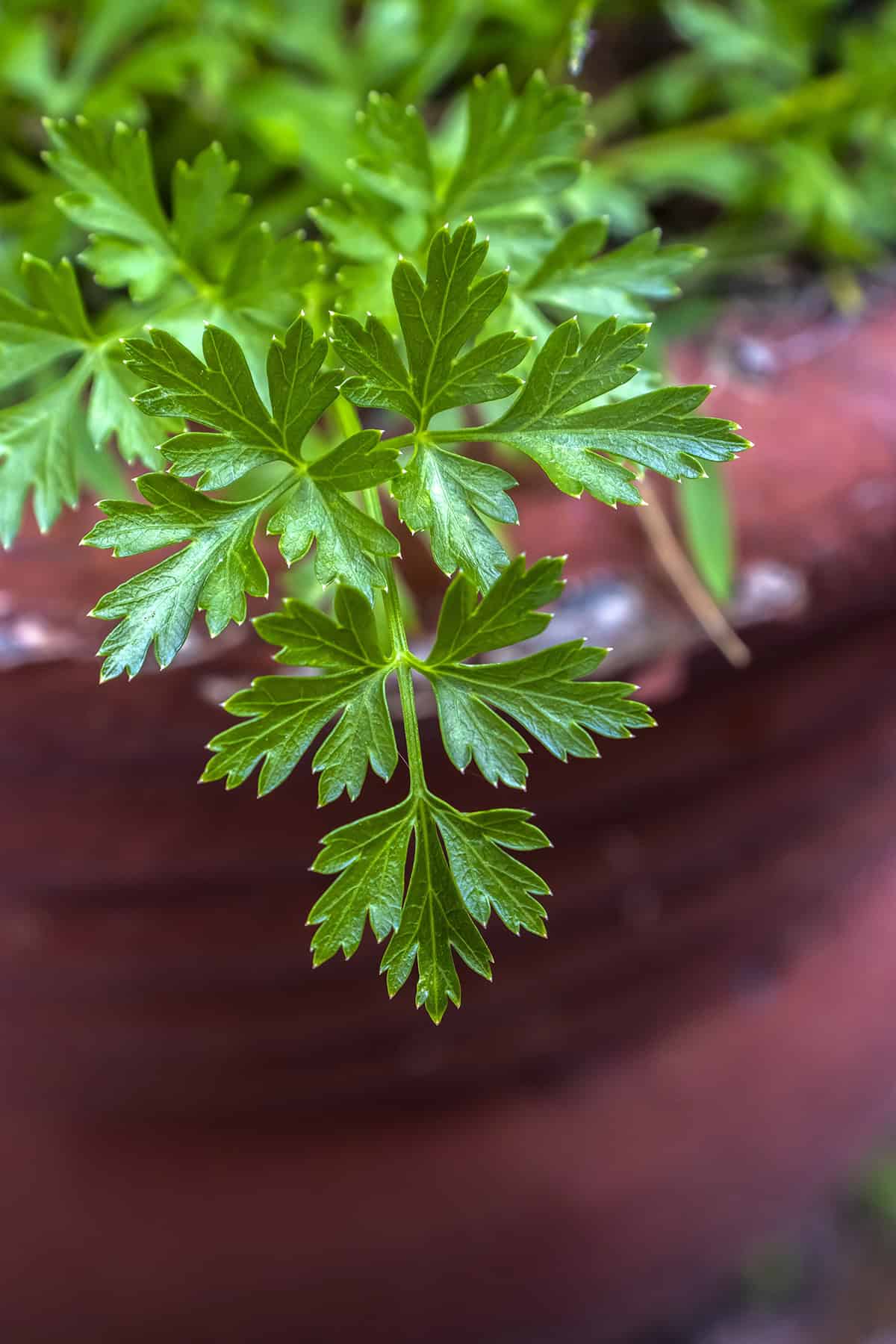
Parsley starts slowly, so patience helps. Grow it from seed or a small transplant in a pot with drainage.
Full sun is ideal, and some shade helps in hot weather. Water regularly so the soil never dries out completely.
Flat-leaf parsley has a stronger flavor for cooking, and curly parsley is more decorative. Snip the outer stems so the center produces more.
Chives
Tough and perennial, chives return each year with some protection from harsh cold. They grow well in small pots of fertile, well-drained soil.
Place them in a sunny spot for the best flavor, and cut the leaves about 2 inches above the soil at harvest.
The purple flowers are edible and attract bees. Divide crowded clumps every few years.
Rosemary
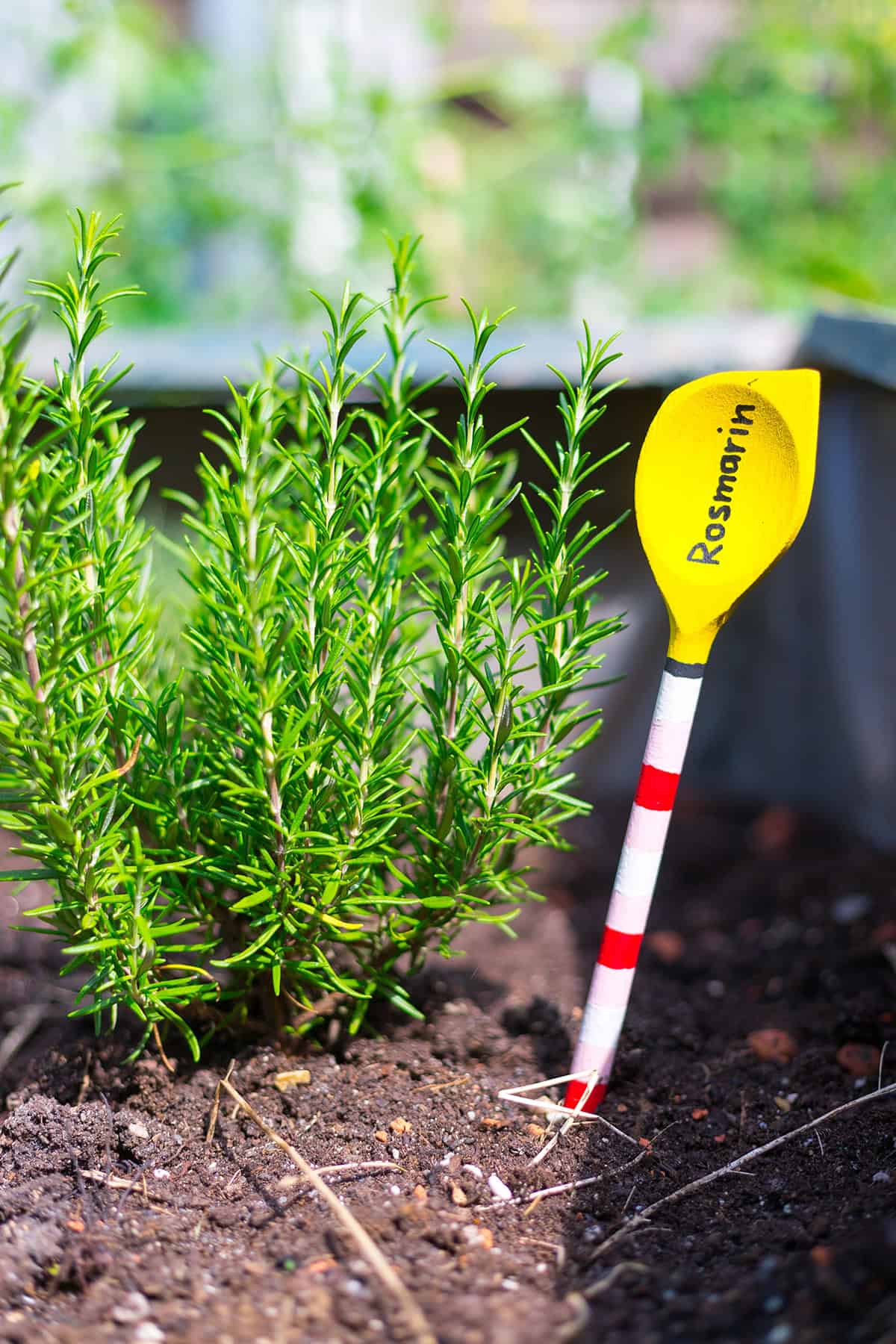
Rosemary needs plenty of sun and soil that drains quickly. Clay pots are ideal, since they release excess moisture.
Regular pruning shapes the plant and encourages new shoots.
Moved indoors before a hard freeze, rosemary lives for years in a container.
Thyme
Thyme grows best in dry, sunny spots in sandy or gritty soil that protects the roots from rot.
It needs little water, so let the soil dry out between waterings.
Trim the stems regularly for cooking, which also produces a tidy, vigorous plant. Lemon thyme has a zesty flavor, and common thyme is the traditional choice.
Oregano
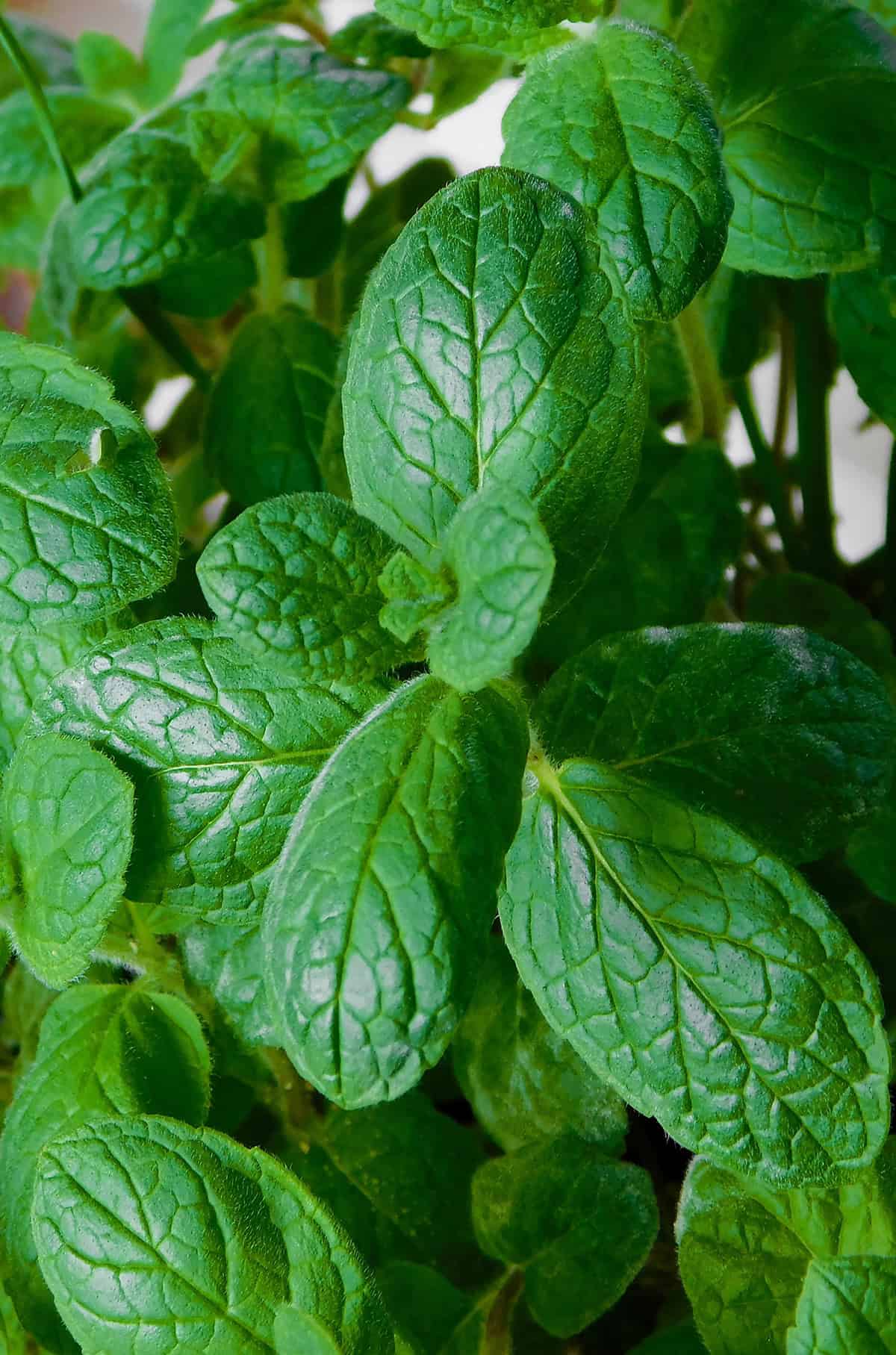
Oregano likes full sun and light, well-drained soil, and established plants need little water.
The flavor peaks just before flowering, so harvest then, and cut stems back for bushier growth.
Greek oregano has a strong, pungent flavor and Italian oregano a milder one, and both shine in savory dishes.
Sage
Sage thrives in a sunny spot with sandy soil, and too much water causes problems, so water sparingly.
Prune after flowering for a neat shape, and take no more than a third of the leaves at each harvest.
Common sage is a kitchen staple, and purple and golden types add color.
Cilantro (Coriander)
Cilantro likes cool temperatures and a little shade during hot spells. It bolts fast in heat, so sow new seeds every couple of weeks for a steady supply.
Harvest leaves once the plants reach about 6 inches, and let a few plants flower and set seed for coriander.
Water for damp, never soaked, soil.
Dill
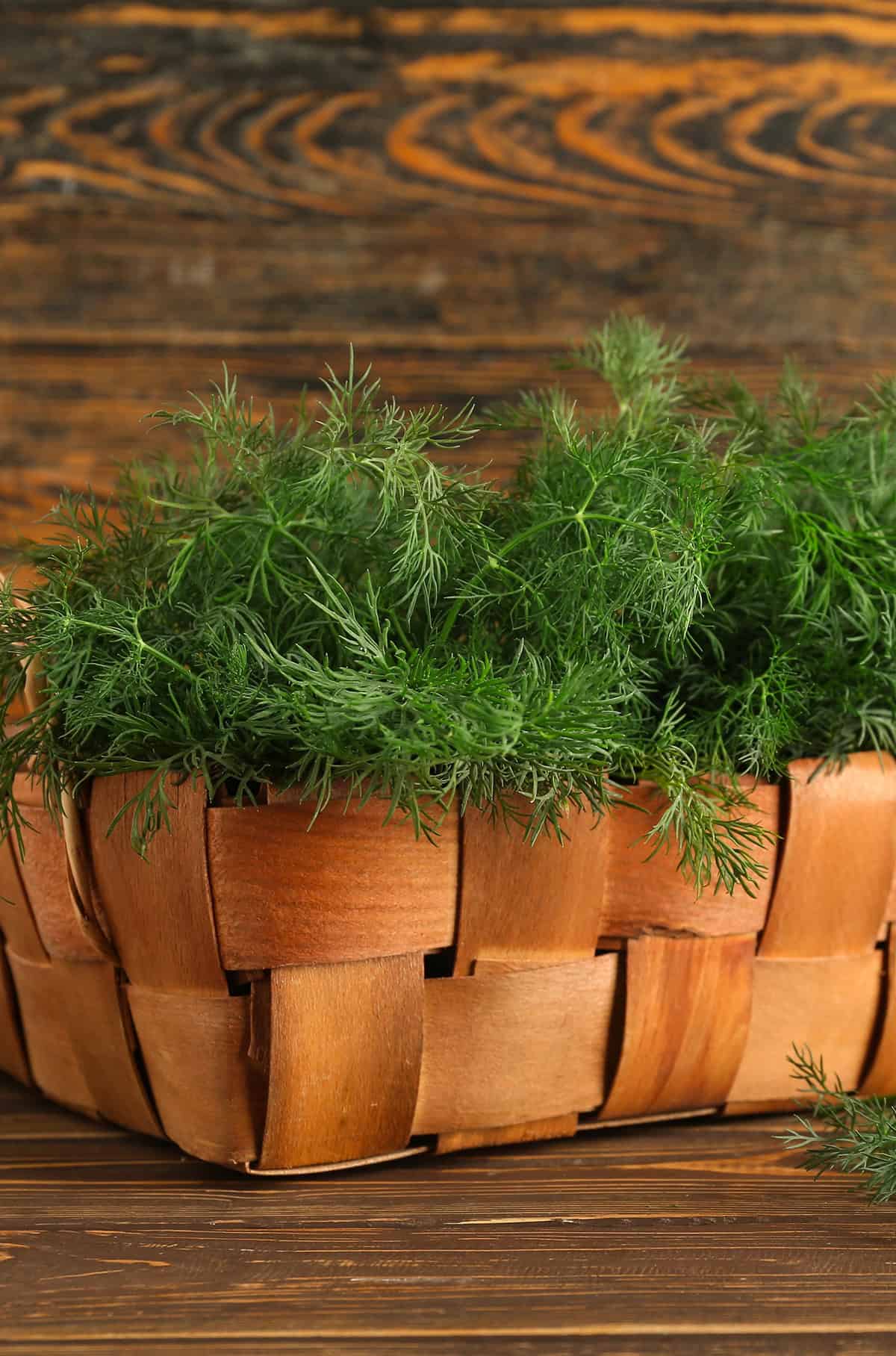
Dill grows fast in full sun and loose soil, and its height calls for a deep pot.
Pick the leaves for fresh flavor, or let the plant flower for seeds, which taste different.
Dill dislikes transplanting, so sow seeds where they will grow.
Lettuce
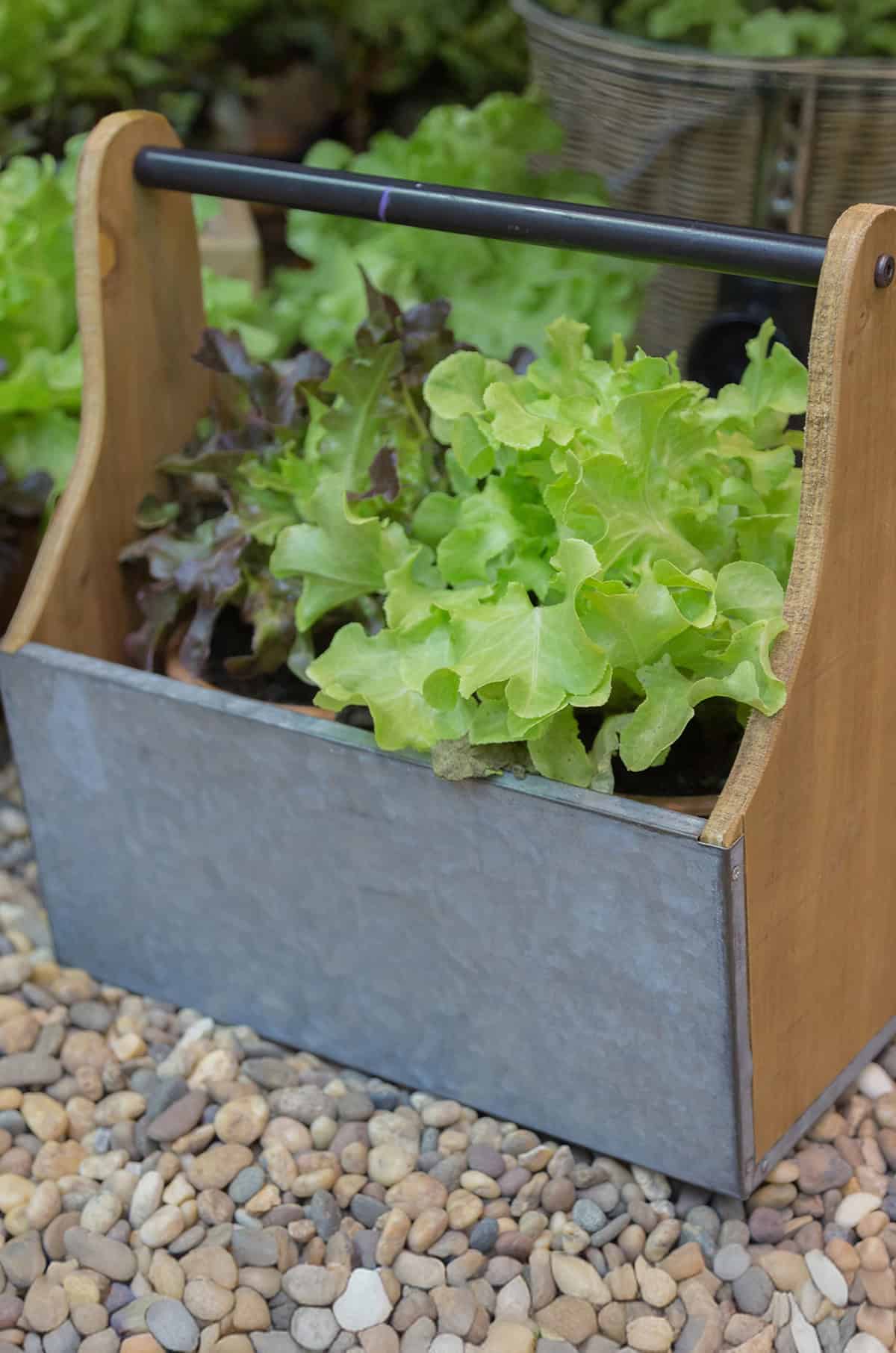
Lettuce grows quickly in cool weather and needs steady moisture. Seeds grow well in shallow pots of rich soil.
Partial shade delays bolting in hot weather. Harvest the outer leaves for a longer harvest.
Loose-leaf types are far easier in containers than head lettuce.
Spinach
Spinach prefers cool temperatures and partial shade. Sow seeds directly in pots in spring or fall.
Water regularly so the soil is moist, and pick the leaves young for the most tender results.
It bolts in summer heat, so replace it with heat-tolerant greens such as chard when summer arrives.
Kale
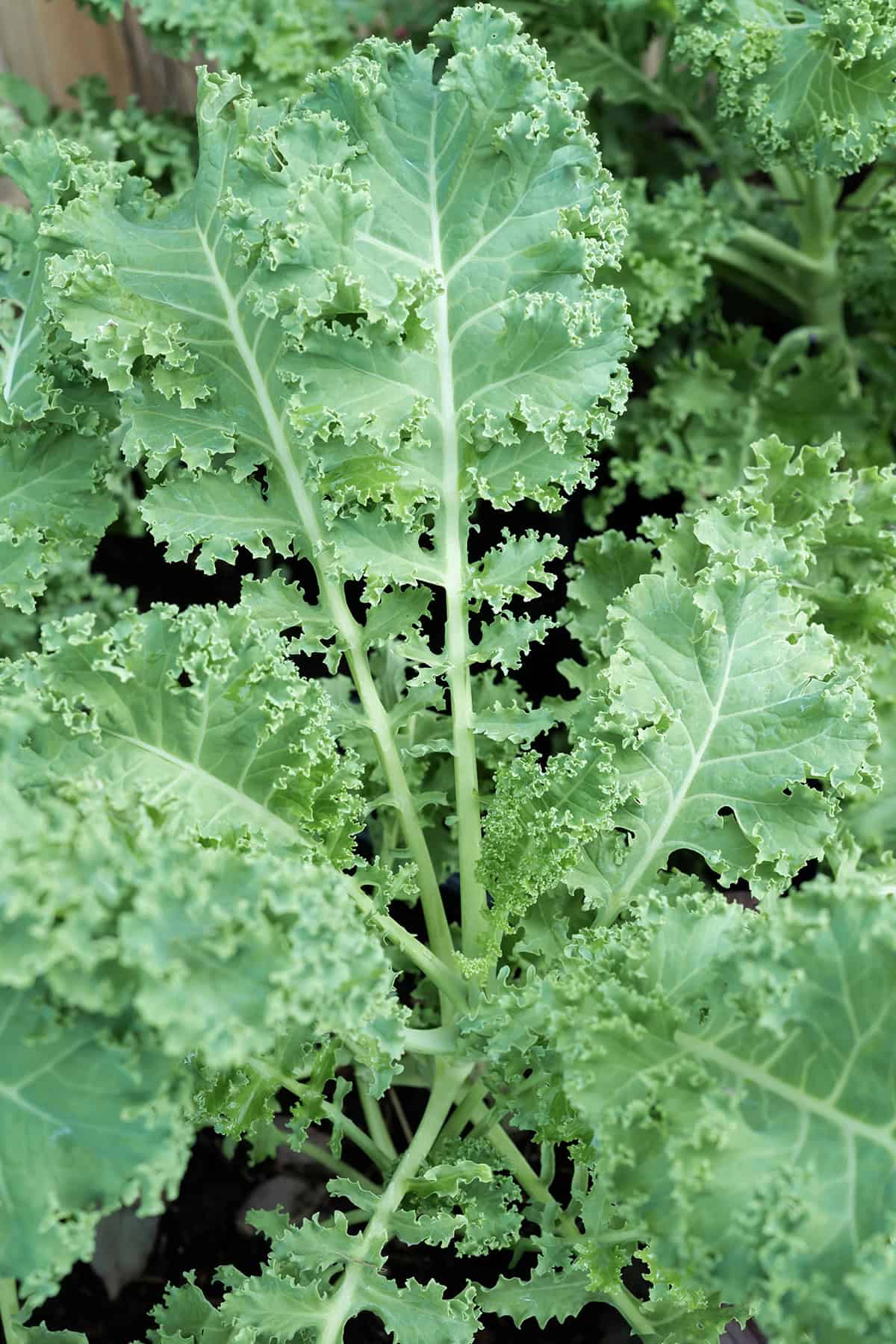
Kale handles cold well and produces into winter in mild regions. Use a deep pot with rich, well-drained soil.
Harvest from the bottom up as the plant grows taller.
Curly kale is the usual choice, and lacinato kale is smoother and milder.
Swiss Chard
Swiss chard grows in cool and warm weather alike and adds bright stems and big leaves to a porch.
Pick the outer leaves so the plant produces more.
Full sun is best, though it tolerates some shade. Water regularly for moist soil.
Green Onions (Scallions)
Green onions grow quickly from seed or from the root ends of grocery-store scallions. A shallow pot of rich soil is all they need.
They like full sun and are ready once the stems reach about pencil thickness.
Cut just above the roots, and they regrow.
Radishes
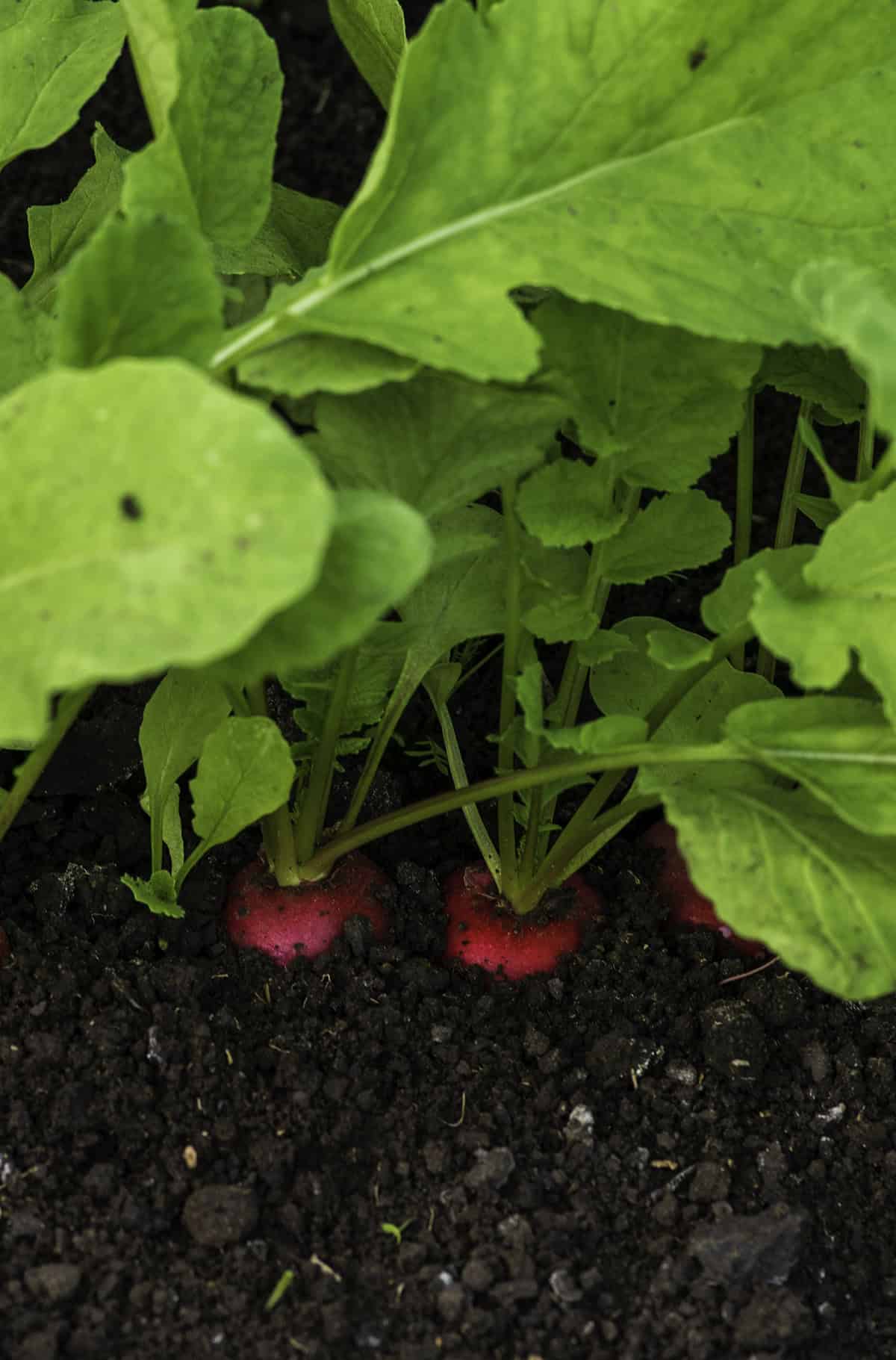
Many radish varieties mature in under a month. Shallow containers of loose soil are fine.
Sow seeds every couple of weeks for a steady supply.
Place them in full sun and water regularly to prevent woody roots.
Cherry Tomatoes
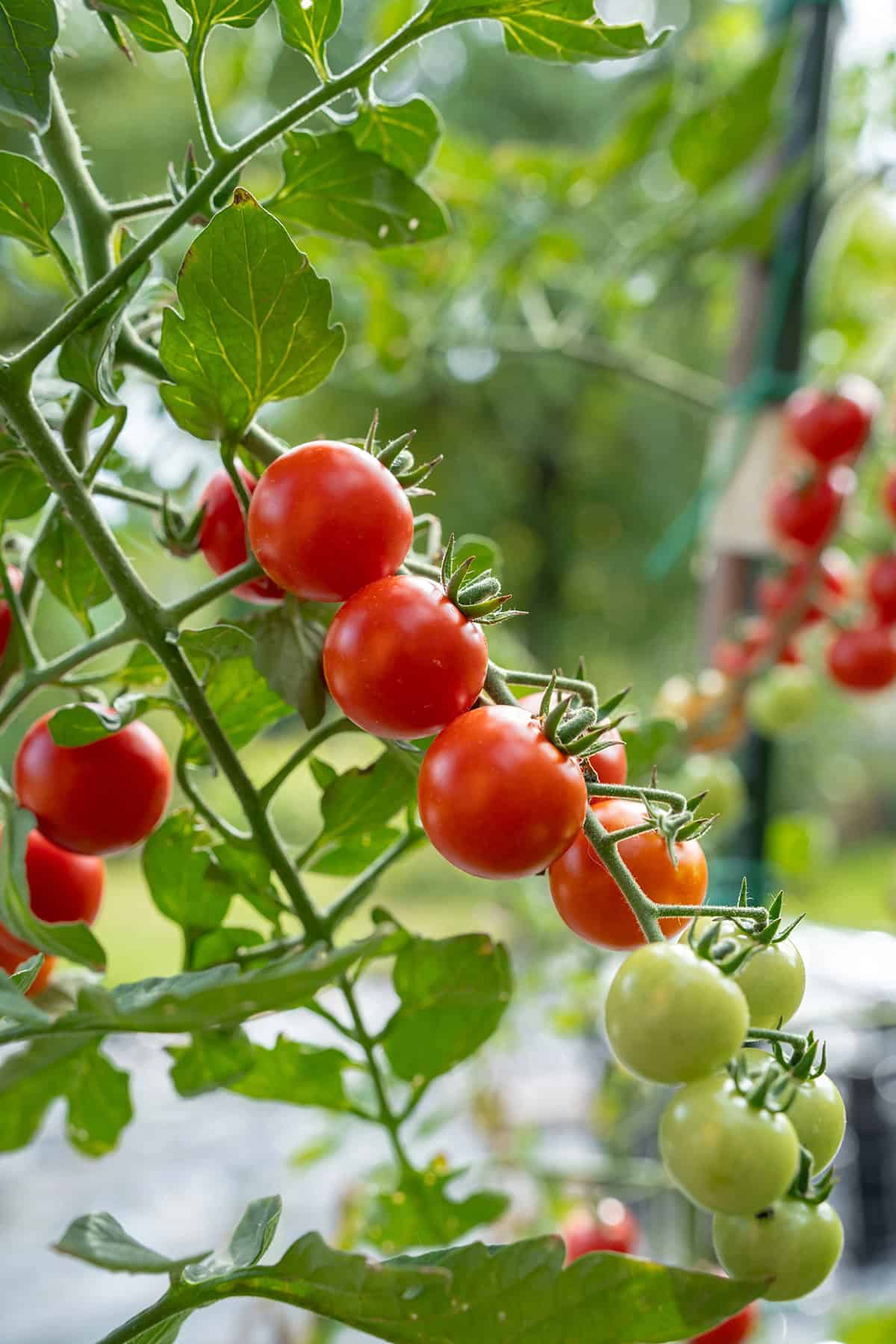
Cherry tomatoes need big pots of at least 5 gallons, rich soil and full sun.
Use stakes or cages to support the plants and lift the fruit off the ground.
Water deeply and consistently to prevent split fruit. Determinate and dwarf varieties fit small spaces best.
Peppers (Bell Or Chili)
Peppers love heat and sun. Choose a large container with good drainage.
Pick bell peppers green, or wait for them to ripen to red, yellow or orange.
Chili peppers produce heavily even in modest pots. Water for moist, never soggy, soil.
Carrots (In Deep Containers)
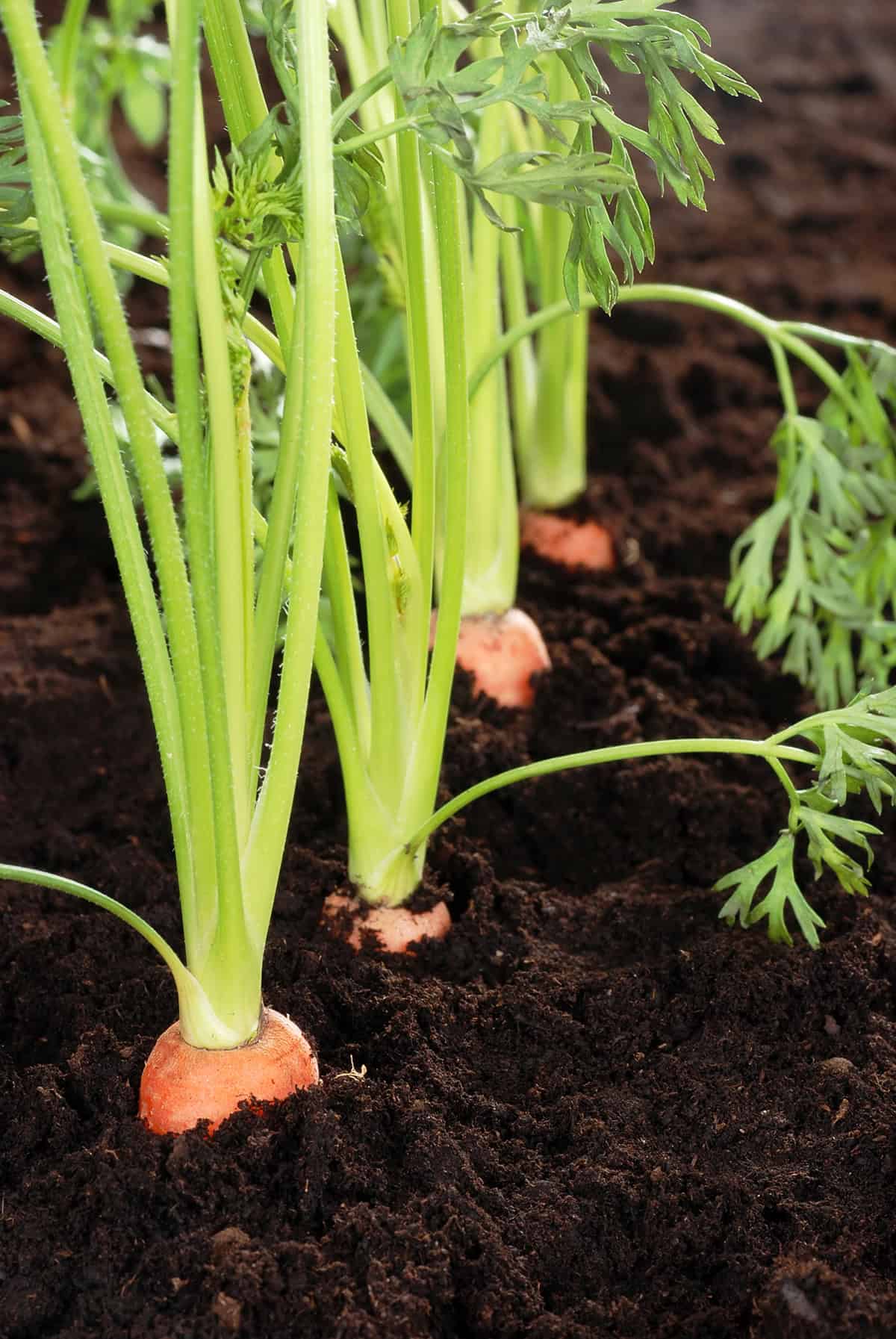
Carrots need a deep pot, at least 12 inches, filled with loose, stone-free soil.
Thin the seedlings so the roots have space to grow straight.
Provide full sun and steady moisture, and harvest once the roots reach the size listed for your variety.
Bush Beans
Few container crops match the ease of bush beans in a wide pot at least 8 inches deep with plenty of sun. Sow the seeds after the last frost once the soil warms.
Pick the pods while they are firm and before the seeds bulge, since older pods grow tough. Regular picking encourages more beans.