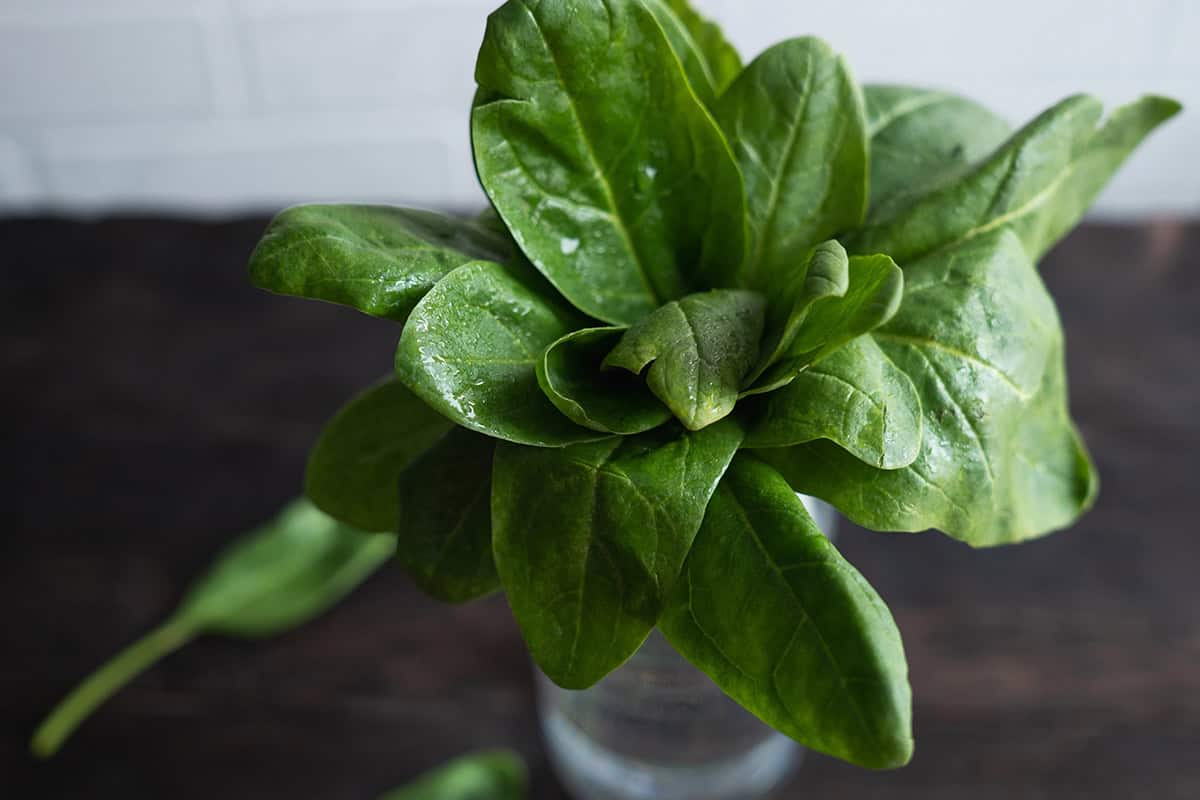
Indoor spinach? Absolutely doable—even when your garden beds are abandoned for the season. With just a sunny window or a modest grow light, you can keep greens coming. Control is the real perk here: you get to decide when and how your spinach grows, right down to the last leaf.
Start seeds in shallow, well-drained containers with rich soil, give them plenty of light, steady water, and keep things on the cool side. Harvest leaves as they size up. Picking the right varieties, not crowding your seedlings, and dialing in the light are all part of the routine. Get the watering right—don’t drown or parch them—and you’ll avoid most headaches.
Harvesting can be ongoing if you snip leaves right. If light’s weak or the soil dries out, you’ll spot the signs, but most issues have a fix. With a bit of planning, you’ll always have fresh greens close at hand.
Table of Contents
Variety Selection
Some types just do better indoors, especially those bred for cooler temps and compact size. Spinach likes it mild and doesn’t care much for long, hot days. Most common varieties will work under lights, but fresher seed makes a difference—old seed just doesn’t pop up as reliably.
Smooth-leaf varieties? Flat, easy to wash, great for salads. Savoy types are crinkled and a bit heartier. Either can thrive if you stay on top of light and water.
Short on space? Compact or baby-leaf strains are your friend. They’re quick, fit in small pots, and picking them young sidesteps bitterness. If your place runs warm, bolt-resistant types buy you time before plants start thinking about flowering.
Rooms that won’t cool off below 70°F? You might have to look at alternatives like New Zealand or Malabar spinach—different flavor and growth, but they’ll survive the heat. Only bother if keeping things cool isn’t an option.
Labels that mention spring or fall production usually mean those varieties won’t mind the cool, shorter days inside. Match your choice to your conditions for the best shot at a steady harvest.
Planting
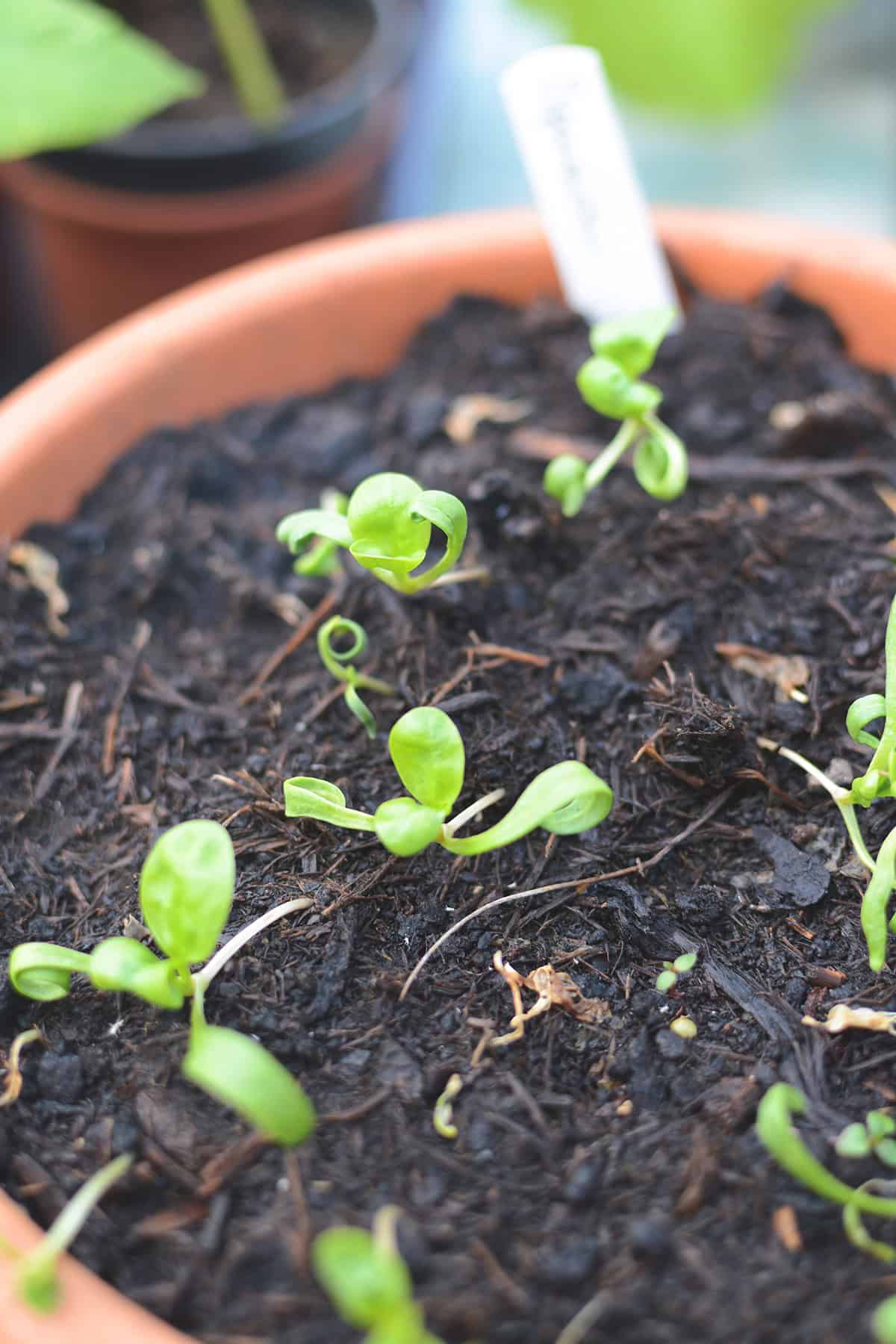
Grab a container that drains well, fill it with good soil, and tuck in your seeds at the right depth. Don’t crowd them, but don’t waste space either. When you’re in charge of the environment, spinach can move from seed to salad surprisingly fast.
Container and Drainage
Look for pots at least 6 to 8 inches deep. Roots won’t go far, but they do want space to ramble. Wider pots mean more plants and fewer refills.
Drainage holes are non-negotiable—soggy roots are a quick way to lose your crop. Use a saucer if you must, but don’t let water sit around.
Plastic pots hold moisture longer (handy if your place is dry), while fabric dries out in a hurry. Either works; just adjust your watering routine.
Soil
Loose, fertile potting mix is the way to go. Skip garden dirt—it compacts and suffocates roots inside. Compost or old organic matter in the mix is a bonus.
Drainage matters, but so does holding enough water. Aim for a pH near neutral, 6.5 to 7.0—most store-bought veggie mixes land in that zone.
Don’t over-pack the soil. A gentle press to settle it, then a pre-sow watering helps seeds find their place.
Sowing Seeds
Half an inch deep is about right. Cover, press lightly, and water gently—no blasting seeds out of place.
Keep things between 50°F and 70°F. Too much warmth and the plants will bolt. Nighttime coolness helps keep leaves coming.
Sprouting usually takes a week or two. If the soil dries out, you’ll wait longer—or see nothing at all.
Spacing
Once seedlings hit 2 inches, thin them out to 3 inches apart. Too close, and they fight for everything.
Harvesting baby greens? You can cheat them a bit closer. For bigger leaves, stick with the wider spacing.
Doesn’t matter if you’re in a round pot—just avoid clumps. Even spacing helps air flow and keeps disease at bay.
Growth Time
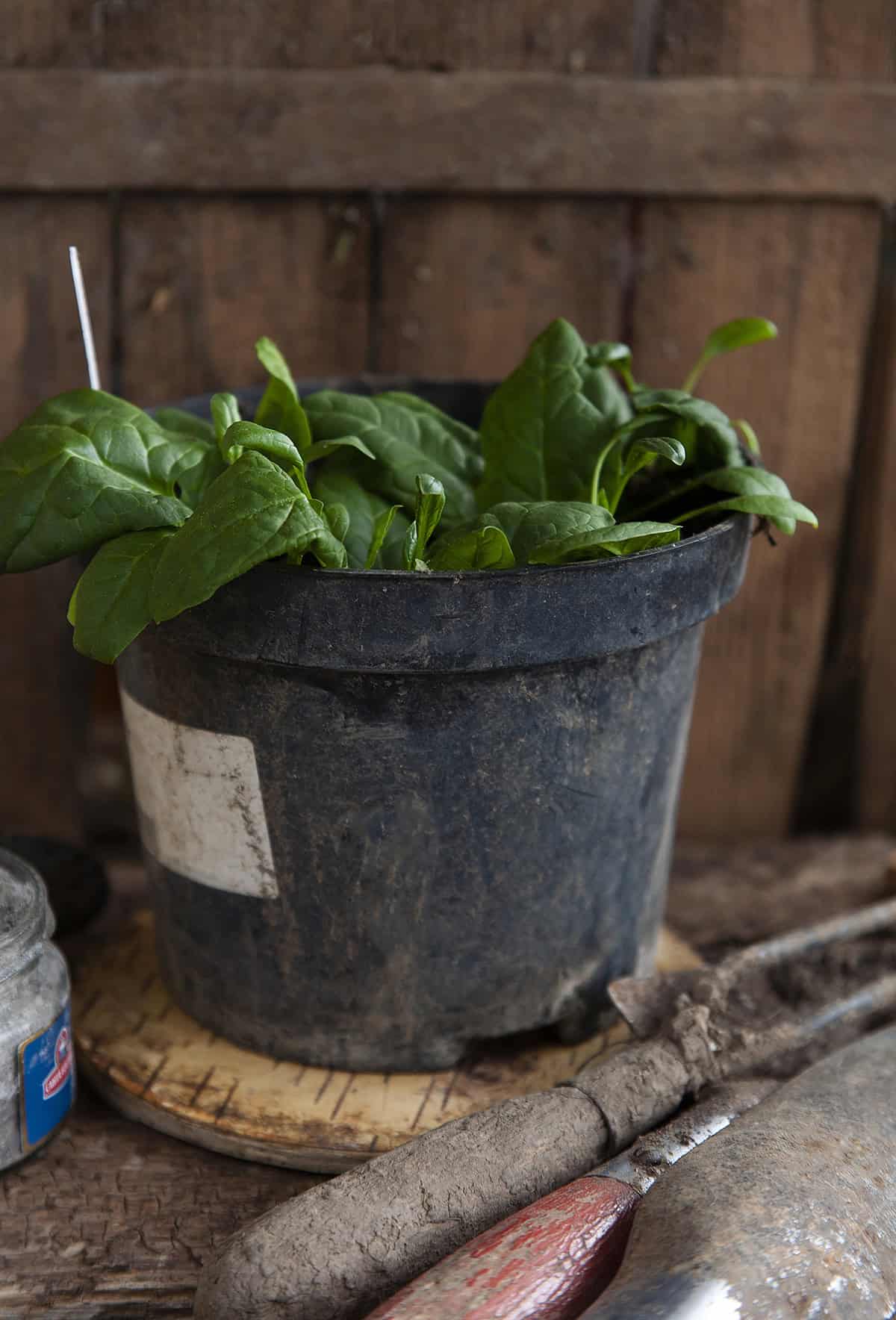
Baby leaves show up in about three weeks. Full-size ones? Give it a month or a bit more. Cooler rooms mean sweeter, more tender greens.
Snip the outside leaves first, letting the center keep growing. If you spot a tall stalk, that’s bolting—flavor will tank fast.
Stagger new plantings every couple weeks if you want a constant supply. Fresh seed is worth it for reliable sprouting.
Light
Strong, direct light is the secret sauce. South-facing windows are best, especially in the darker months. Six hours of sun is the bare minimum; more is better if you want lush greens. Skimp on light and the plants will stretch, leaves will shrink, and you’ll be disappointed.
No sun? No problem—full-spectrum LED grow lights fill the gap. Keep them 6 to 12 inches above your greens. Twelve to fourteen hours is about right; a cheap timer makes it effortless.
Pale leaves and leggy growth are your warning signs. Compact, deep green plants mean you’ve nailed it. Give your pots a turn every so often so everyone gets their share of the glow.
Water
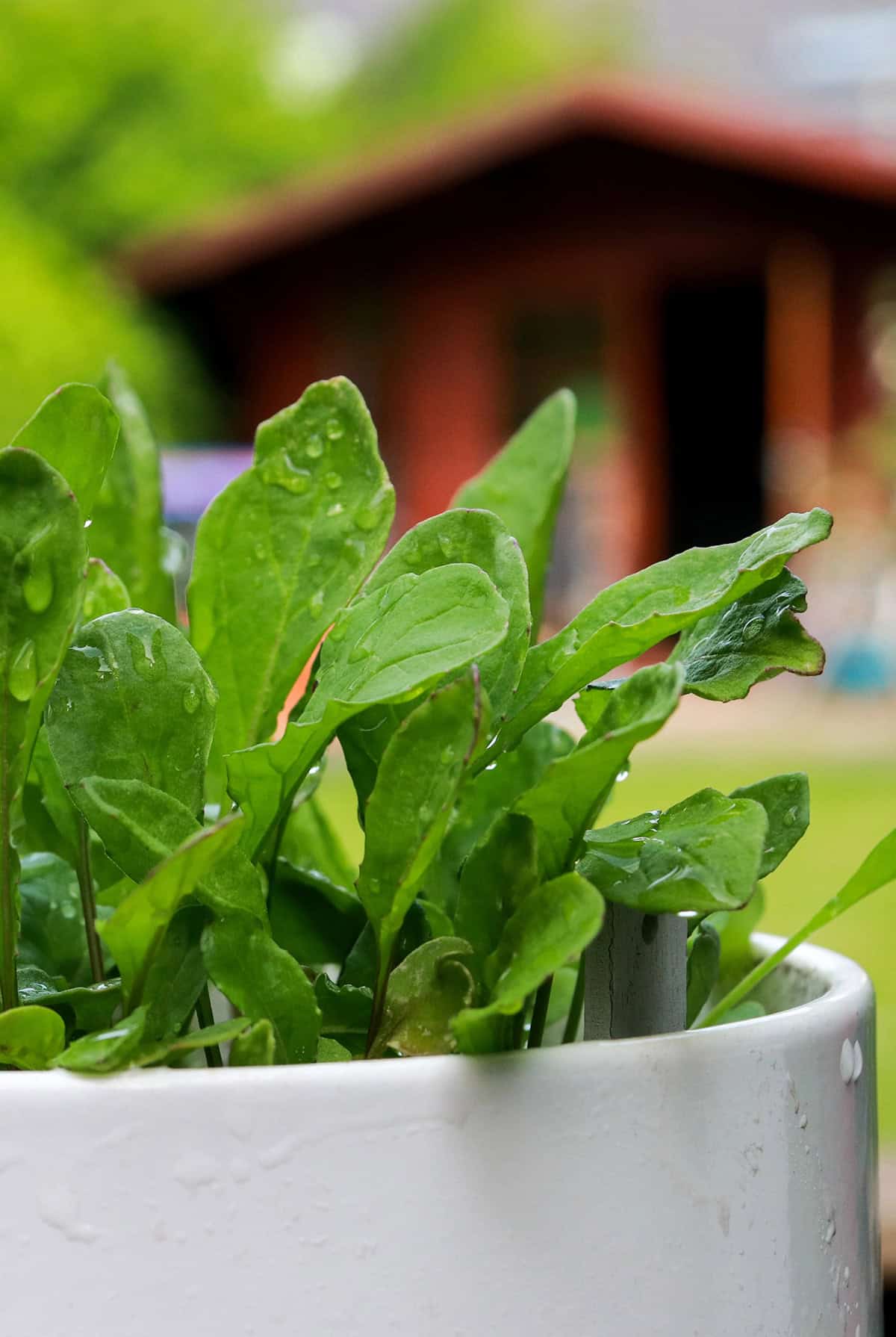
Consistent moisture is the difference between tender leaves and tough, bitter ones. Stick your finger in the soil; if the top inch is dry, it’s time to water. Pour slowly until it trickles out the bottom—no need to drown them.
Indoor pots dry out faster than garden soil, especially if you’ve got heat or sun blasting in. Smaller pots dry out quicker, so check them more often.
Roughly an inch of water a week works for most setups, but honestly, it depends on your room and container. Adjust as needed—no strict rules here.
Drainage is critical. Empty water from saucers after each watering. Soggy roots are a death sentence.
Try to keep water off the leaves. Aim for the soil, not the foliage. Steady moisture delays bolting and keeps leaves coming.
Feeding
Nutrients run out fast in pots, so start with a good mix—compost or a balanced organic fertilizer is helpful. Early on, that’s usually enough to get roots and leaves going. But as plants grow, they’ll need more.
Once true leaves show, use a diluted liquid fertilizer heavy on nitrogen. That’s what leafy greens crave. Go half-strength every couple weeks. Once a month, flush with plain water to clear out salts.
Keep an eye on color and size. Pale leaves or slow growth mean they’re hungry. Too much fertilizer, though, and you’ll get weak, bland leaves. It’s a balancing act.
Harvest
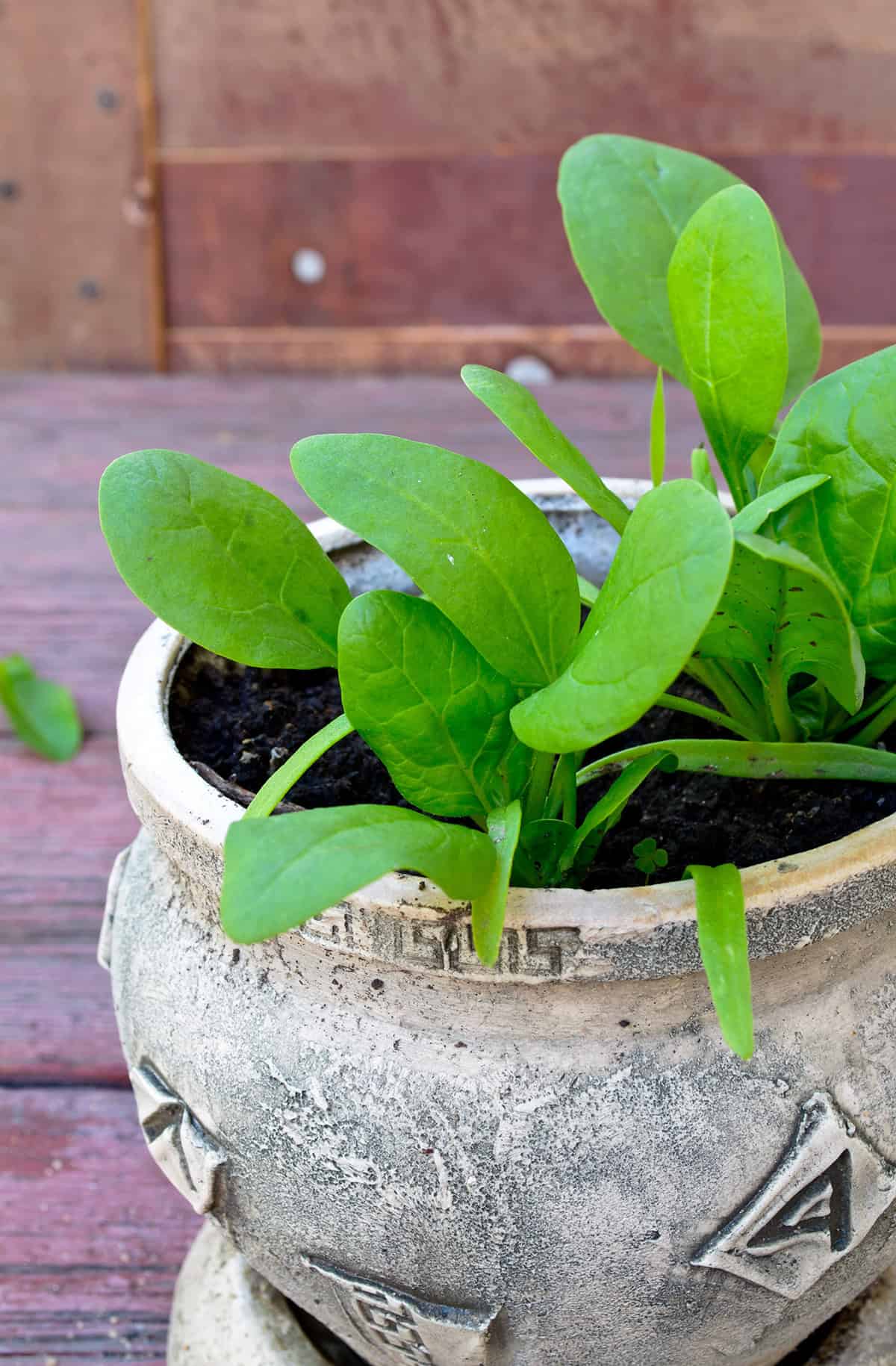
Leaves about 3 to 4 inches? That’s your cue. Cool rooms and steady light speed things up. Check in often so you catch them at their best.
Take the outer leaves first, snipping near the base with sharp scissors. Don’t touch the center—that’s where new growth comes from.
Leave at least half the plant each time to keep it going strong. Well-cared-for spinach bounces back quickly if you’re not too greedy.
Want to clear out the pot? Cut an inch above the soil. Some types will regrow if you leave the crown, but once plants bolt, it’s over—bitter leaves aren’t worth eating.
Rinse in cool water, dry thoroughly, and stash in the fridge. Use within a week for the best flavor and crunch.
Regrowth
Multiple harvests are possible if you cut smart—always leave the center crown and at least an inch of growth. New leaves should push through in a few days if you keep things moist and bright.
Dry soil slows everything down. Keep containers in strong light and avoid letting the room heat up, or you’ll see bolting and leaf production will stall.
After a couple rounds, leaves might get smaller or start tasting off, especially if a flower stalk appears. Pull out bolting plants, reseed, and keep the cycle going every few weeks for a steady stash of greens.
Problems
Even in a spotless apartment, pests find their way onto spinach—aphids love those soft new leaves, and they’re sneaky about hitching rides on anything green. Sometimes cutworms or cabbage loopers show up too, especially if a window’s left open or you bring in fresh plants. Quarantine newbies and peek under leaves now and then; you’ll catch trouble early that way.
Leaf spots and fuzzy patches underneath? That’s likely downy mildew or white rust, both of which can turn a healthy crop into a mess overnight. Seedlings sometimes just collapse at the base—a sure sign of damping-off, usually from soggy soil or old potting mix. Sterile soil and careful watering help, but honestly, luck plays a part.
Germination can be hit or miss. Spinach seeds stubbornly refuse to sprout if it’s too warm, but they also hate the cold. A cool, steady spot and consistent moisture seem to help, but if the room heats up, expect bolting and leaves that taste like regret.
Yellowing or stunted plants often point to weak lighting or skimpy nutrients. Twelve to fourteen hours under a decent grow light makes a big difference, and a little balanced fertilizer perks up faded leaves. Still, sometimes it’s just a waiting game.
Pack too many in a pot, and suddenly the leaves shrink and airflow drops. Crowding sets up a perfect storm for disease and scraggly growth. Give them room to breathe—it’s worth sacrificing a few seedlings for healthier harvests.