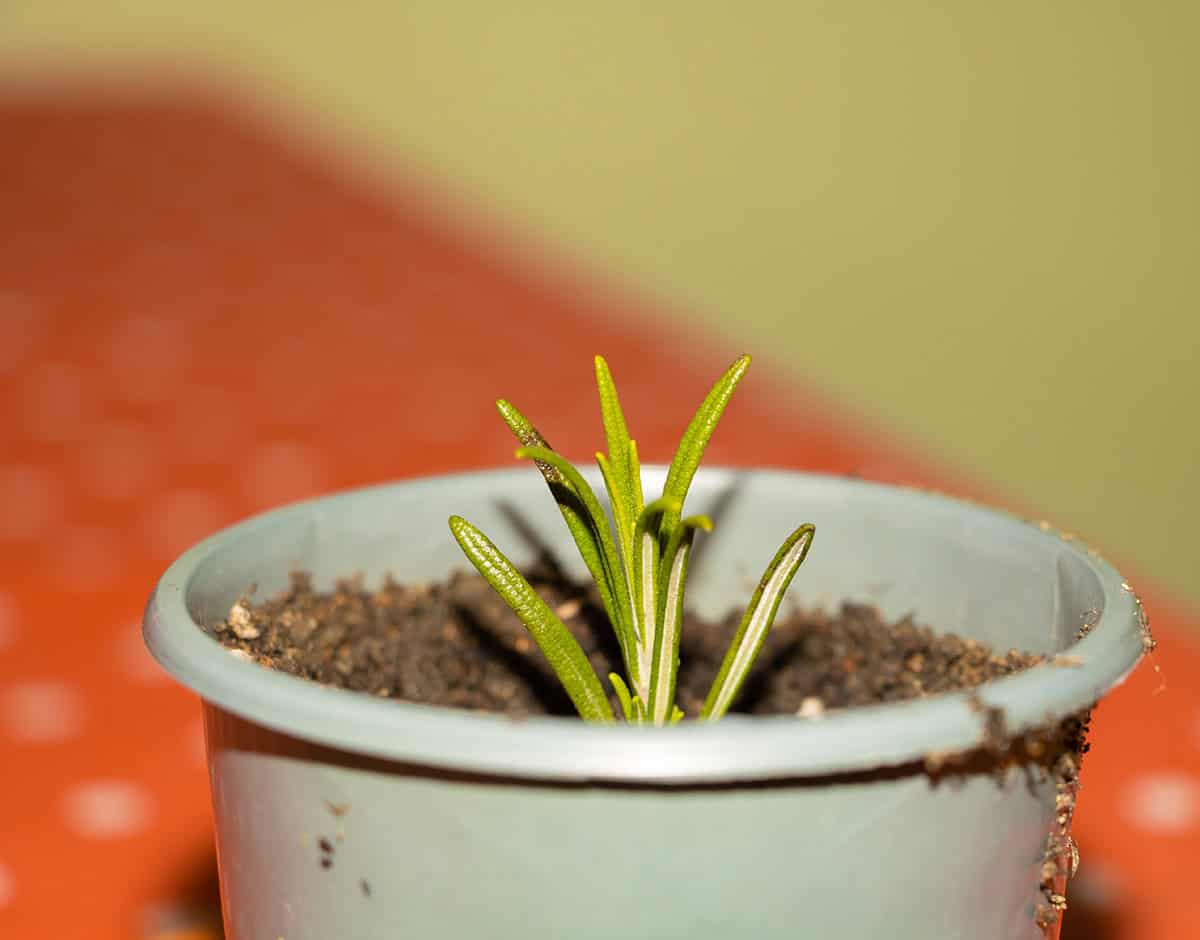
You bring home a rosemary plant, toss it in a few dishes, and before you know it, you’re wishing you had more—without paying for another one. Good news: with one healthy stem, you can multiply your rosemary and keep it coming for years.
Honestly, it doesn’t take much. Just a bit of timing, some basic tools, and a little patience. Whether you’ve got a backyard bed or a tiny kitchen pot, this works. Most of what you need is probably already at home.
Table of Contents
Best Time To Propagate
Timing matters more than people think. Early summer is usually the sweet spot—stems are still flexible, not tough and woody. Those younger bits root faster, no question.
Late summer into early fall can work, too. Warm soil and mild air help roots settle in before winter hits. If your winters are gentle, honestly, you can get away with taking cuttings almost any time, just skip the extremes. Try mid-morning, once dew’s gone but before it’s blazing hot.
After the plant finishes flowering in late spring, you can grab some healthy shoots. Just make sure you’re not picking stems with blooms—flowers steal energy from root growth, and you want all the help you can get.
Tools And Materials You Need
You’ll want sharp scissors or pruning shears for cutting. Dull blades can crush stems, and nobody wants that. Clean them first to avoid spreading anything nasty.
Grab a small pot or container with drainage holes—rosemary hates soggy feet. Use a fresh, well-draining potting mix. Nothing fancy, just not heavy or dense.
A clean surface helps keep things tidy. A spray bottle is handy for misting—keeps things just damp, not drenched.
Rooting hormone? Totally optional, but it can give your cuttings a little boost. If you’ve got some, dip the cut end before planting.
If your air’s dry, a clear plastic bag or dome over the pot helps keep humidity up while roots form. And if you’re dealing with woody stems, gloves save your hands from scratches and dirt.
Methods To Propagate Rosemary
Starting with a healthy plant makes all the difference. There are a couple ways to go about it, depending on what you’ve got and how patient you are.
From Cuttings
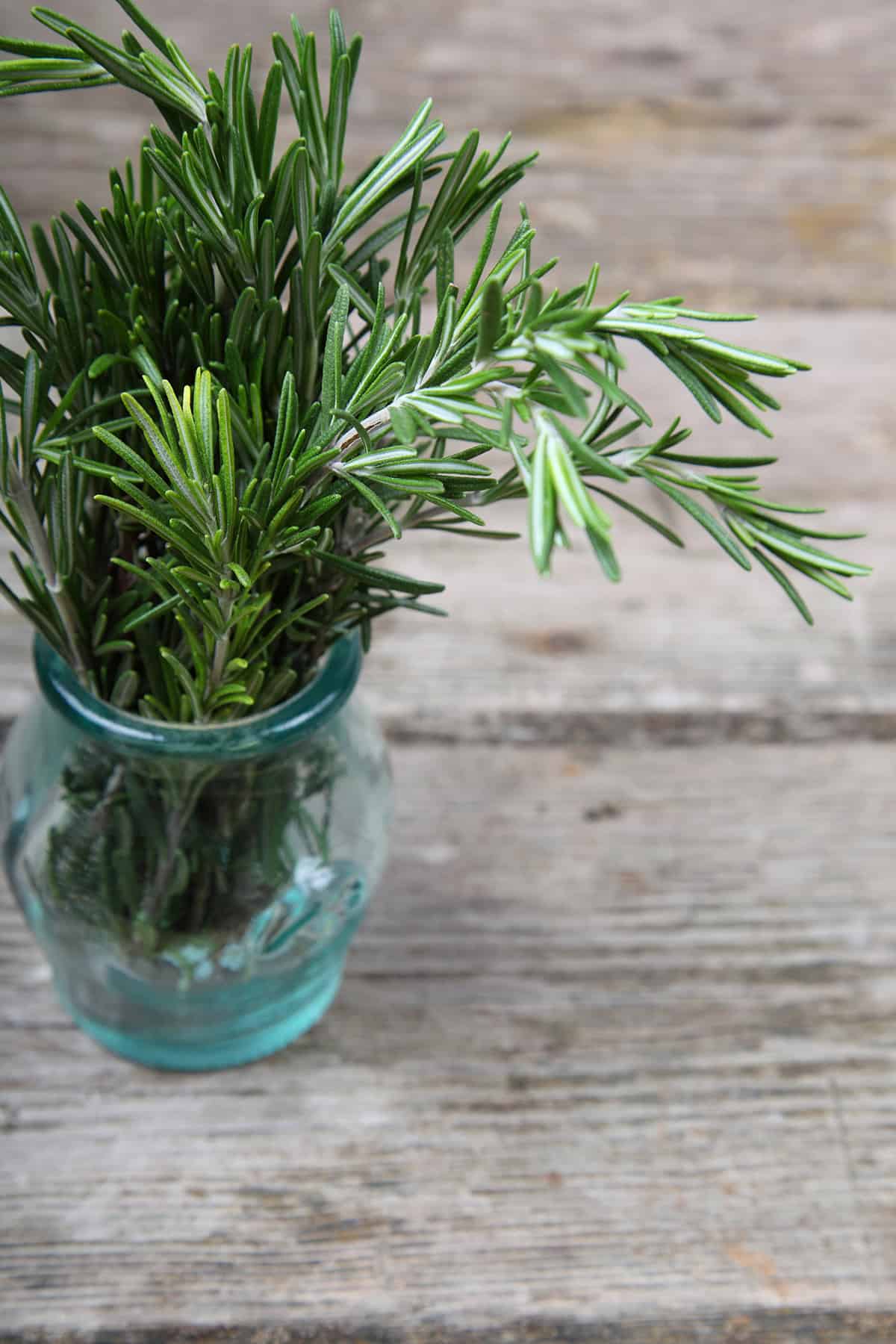
Cuttings are the classic move. Pick firm, green, non-flowering stems about 4–6 inches long. Strip the leaves off the bottom third—this keeps things tidy and gives roots room to grow. Rooting hormone can help, but it’s not a dealbreaker.
Stick the cuttings into moist, well-draining soil or a sand-perlite mix. Bright, indirect light is best. Keep things just moist, not soggy. With luck, roots show up in three to six weeks.
From Layering
If your plant’s already big, layering is surprisingly easy. Pick a low branch you can bend to the ground. Scrape a little bark off where it’ll touch the soil, then pin it down with a rock or some wire. Cover that spot with soil and keep it damp. Once it roots, snip it from the mother plant and pot it up.
From Seeds
Seeds are slow and honestly a bit unpredictable, but sometimes you want to try. Use fresh ones for better odds. Sow them in a shallow tray with light starter mix, press them in, cover lightly, and keep moist but not soaked. Warmth and bright light help—germination can take a couple weeks or more. Plants from seed might surprise you by looking or tasting a little different, so it’s more for experimenting than stocking your kitchen fast.
How To Care For New Plants
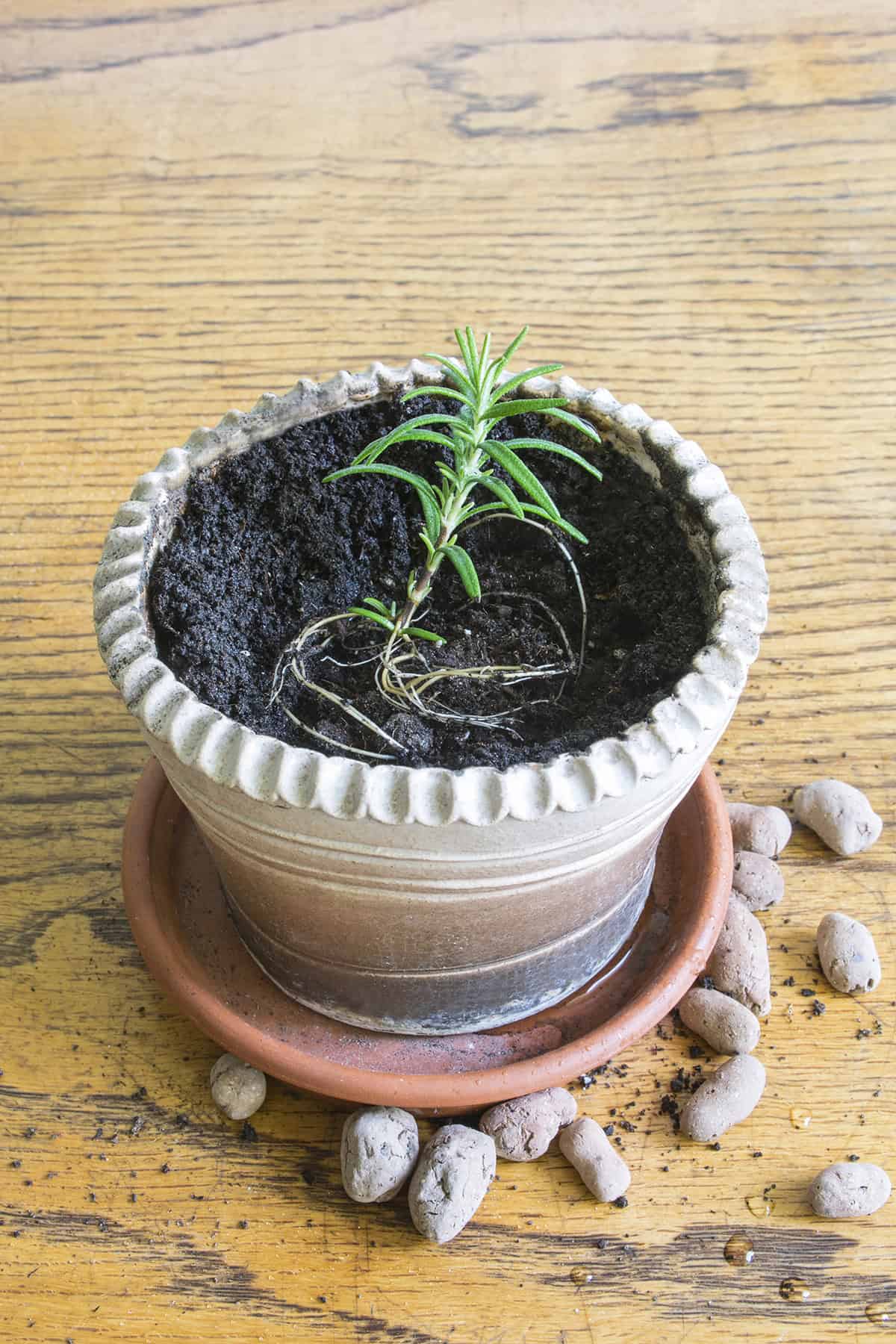
Light is key—aim for at least six hours of direct sun. A sunny window or a good spot outside works. Skip the shady corners if you want decent growth.
Water regularly at first, just enough to keep soil slightly moist. Once roots are set, let the soil dry out a bit between waterings. Rosemary doesn’t love wet feet.
Use a well-draining soil mix, ideally something sandy. Heavy soils just spell trouble.
Protect young plants from wild temperature swings. Outdoors, move them if weather gets rough. Indoors, don’t park them right next to heaters or drafty windows.
After a few weeks, pinch off the tips—this encourages bushier growth and more stems for you. Yank out any dead or weak bits when you see them.
Fertilizer isn’t a must, but you can feed lightly with a balanced, water-soluble mix once a month during the main growing season. Don’t go overboard—too much can mess with the flavor.
Common Mistakes To Avoid
Starting from seed is tempting, but it’s slow and not always rewarding. Cuttings are just easier and give you a stronger plant. Always pick healthy, green stems from established plants.
Don’t plant rosemary in soggy or dense soil—it’ll rot. Good drainage and airflow are your friends. Heavy clay is a hard no.
Cuttings from sick or weak plants rarely make it. Go for stems that look strong and damage-free, and always use clean, sharp tools.
Direct, harsh sun can fry new cuttings before they root. Stick to bright, indirect light while they’re getting started. Keep the soil just moist, never swampy.
Transplanting too soon is a classic mistake. Wait until roots are really established before potting up or moving outside, and be gentle with those roots.
If your air’s bone-dry, humidity drops can slow things down. Covering with a clear container or bag helps keep things humid while roots form.
Mixing rosemary with thirsty herbs is asking for trouble. Rosemary likes things on the drier side, so don’t crowd it with plants that want constant moisture.
When To Transplant Outdoors

Wait until the last frost is behind you before moving rosemary outside. Those chilly nights can really mess with young plants, stunting their growth if you’re not careful. Double-check your area’s frost dates—it’s worth the hassle.
At first, just set the plant out for a few hours each day, somewhere with a bit of shade or shelter. Gradually let it soak up more sun over about a week. No need to rush this part.
Make sure the soil feels warm and drains well. If it’s still cold or muddy, it’s not time yet. Above 55°F is ideal for roots to settle in. Soggy or packed dirt? That’s a no-go.
If you’re growing rosemary in pots, you have a bit more flexibility—try putting them outside during the day, then hauling them back in at night. It’s a little extra work, but the plant will thank you for the gentle adjustment.
Keep an eye on the weather while you’re doing all this. If it looks like temps might dip near freezing at night, just bring the plant inside. It’s a bit of a dance, but it’ll keep things healthy.