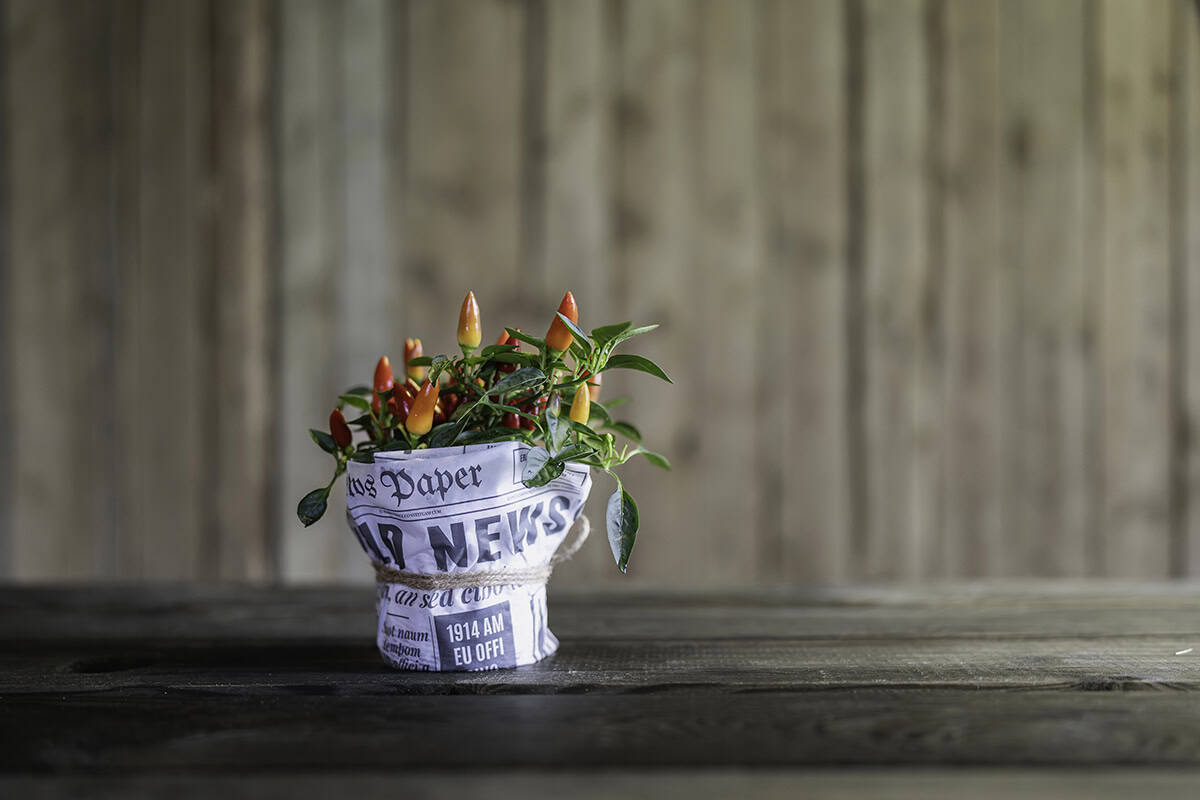
Growing fresh food inside isn’t just possible—it’s surprisingly easy with the right plants and a bit of sunlight. Herbs, leafy greens, compact veggies, and even a few fruits can handle containers and a bright windowsill. Indoor gardens squeeze into apartments and tight corners, and you get to decide exactly how much water or care they get. Herbs, salad greens, microgreens, small peppers, tomatoes, and even edible flowers all play nice indoors, as long as you give them decent drainage and enough light.
When you’ve got a sunny window or a grow light, the seasons don’t matter much—plants just keep going. Containers with a well-draining mix save you from root rot headaches. Let’s get into which edible plants actually work indoors and what you’ll need to keep them happy. Fresh flavor stays close, even if the only dirt you see is in a pot.
Table of Contents
Edible Plants You Can Grow Indoors
Some plants just seem to thrive inside, given enough light, warmth, and a pot that drains well. A south- or west-facing window usually does the trick, but grow lights (12 to 16 hours) can pick up the slack when sunlight falls short.
Basil
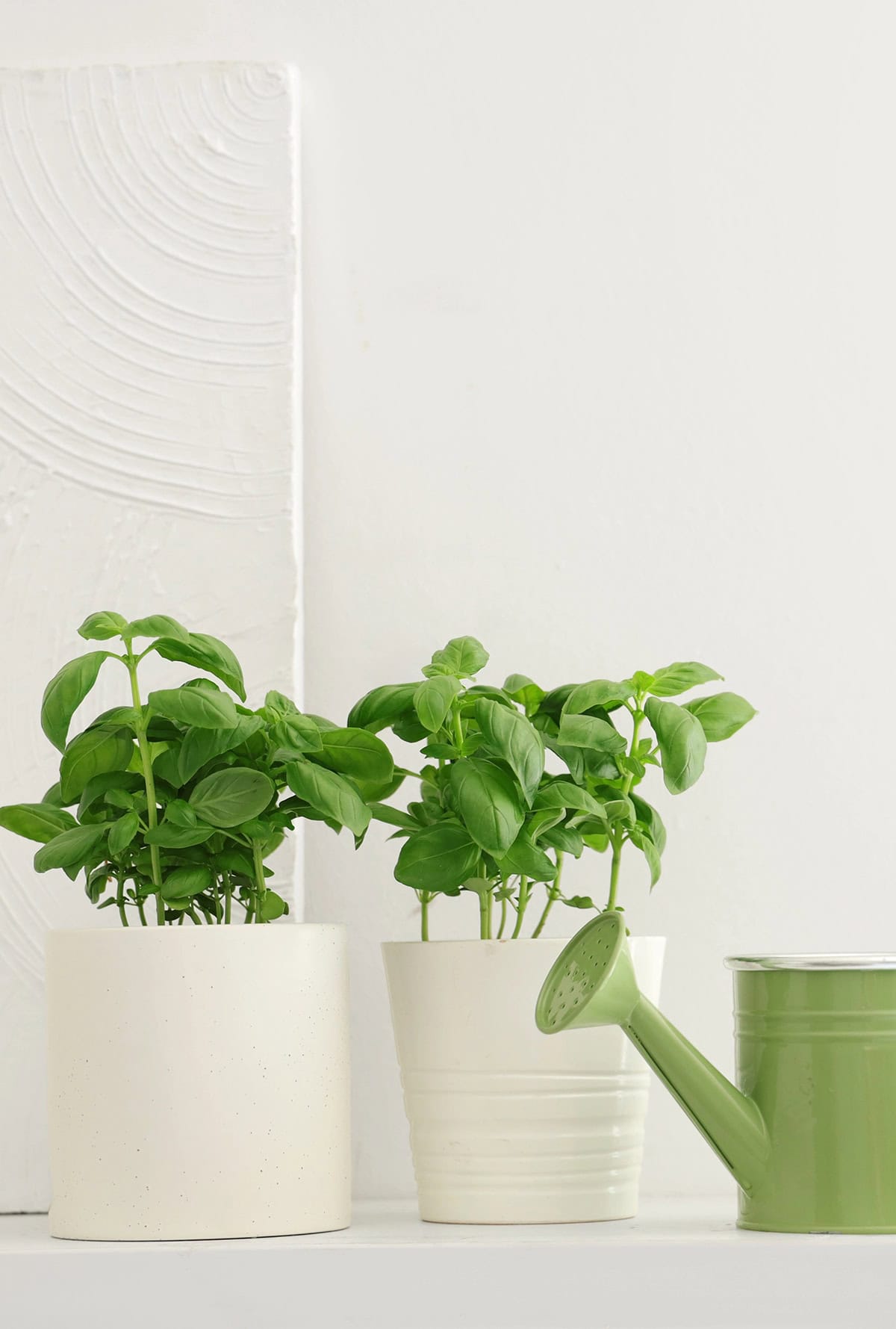
Nothing beats the smell of basil on a kitchen windowsill. It needs at least six hours of direct sun—otherwise, you’ll want a grow light or you’ll end up with floppy stems.
Pick a loose, well-drained mix and a pot that lets water escape. Water when the top inch dries out. Wet feet? Roots won’t be happy.
Once it hits six inches, pinch the top leaves. That keeps it bushy and slows down flowers. Snip leaves often and you’ll get better flavor and more growth.
Mint
Mint isn’t fussy about light, though it’s sturdier with a few bright hours. A sunny window or extra lighting helps keep it from getting leggy.
Give it its own pot—trust me, it’ll take over if you don’t. Keep the soil slightly damp, but don’t drown it.
Trim stems back often to keep it in check and encourage fresh leaves. Regular cutting keeps the flavor sharp and the plant from getting woody.
Parsley
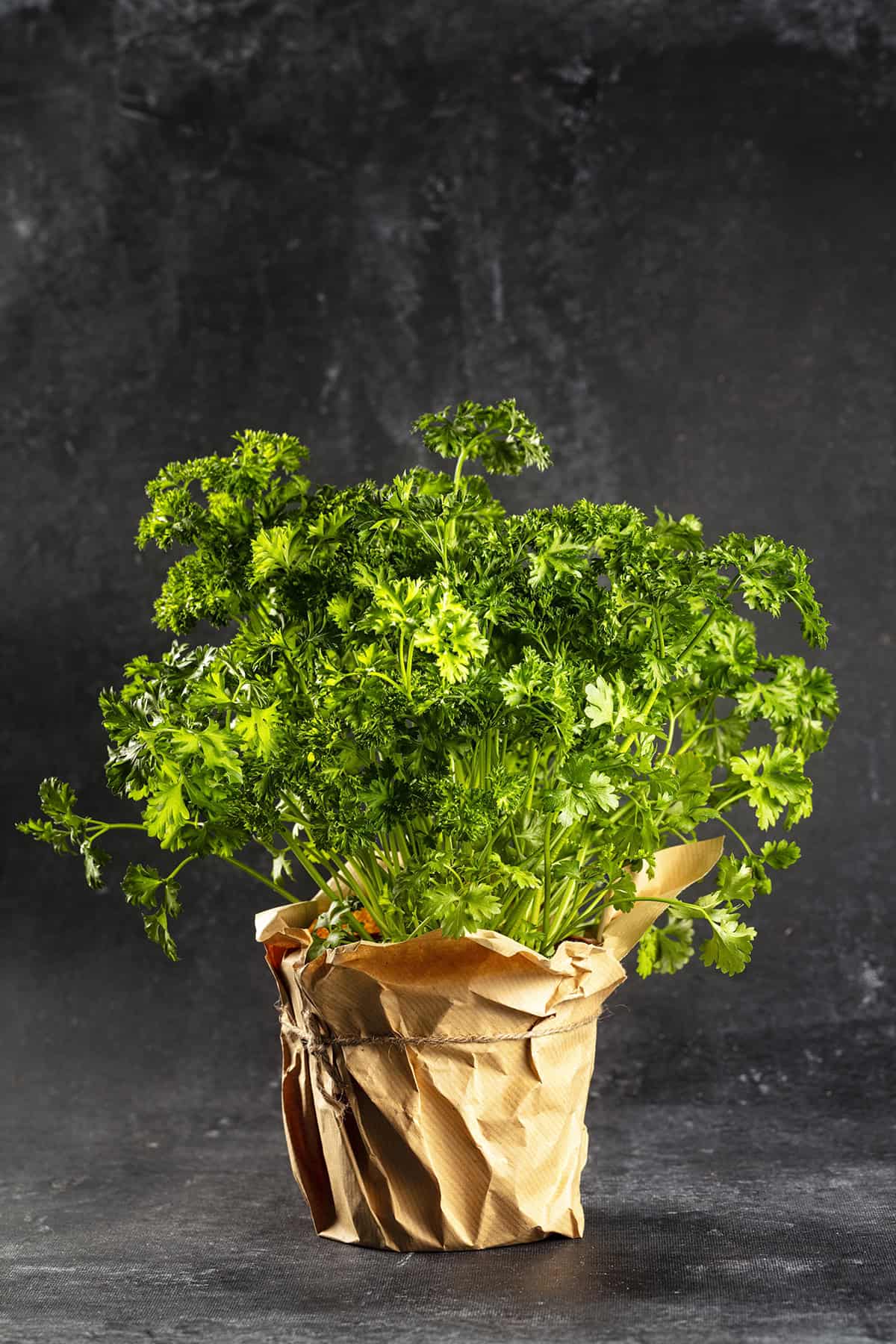
Bunches of flat or curly parsley settle into indoor pots just fine. They want six hours of strong light for steady leaves.
Go for a deep pot—parsley likes to stretch its taproot. Water when the top dries out, but don’t let it go bone dry.
Seeds can test your patience, sometimes taking three weeks to sprout. Snip outer stems first and let the center keep pushing new growth.
Chives
Chives squeeze onto even the narrowest sill. They really need a bright spot—six hours or more—otherwise, you’ll see floppy, pale leaves.
Good drainage and steady moisture keep them content. Humidity? They’re not picky.
Cut blades down to two inches above the dirt and you’ll see new shoots in no time. Harvests can be frequent if you keep at it.
Cilantro (Coriander)
Cilantro likes it cool—think 60 to 70°F. Too much heat and it bolts, leaving you with bitter leaves.
Strong light for at least six hours keeps it going. Use a deep pot, since those roots want space.
Skip transplanting—sow seeds right where they’ll stay. Take outer leaves first and reseed every few weeks if you want a steady stash.
Thyme
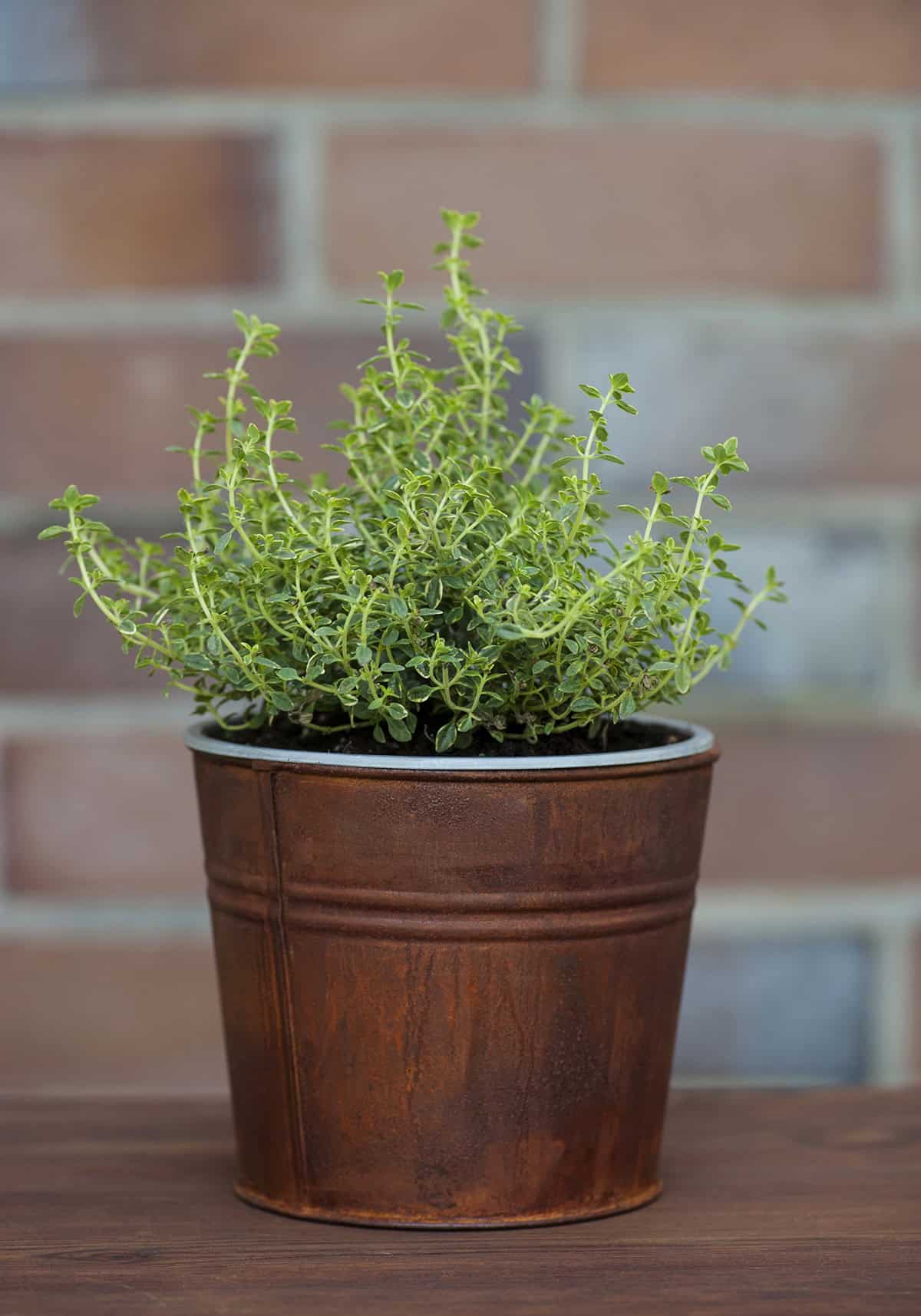
Sun pours in and thyme perks up. It prefers dry soil, so don’t overdo it with the watering can.
Let the topsoil dry out before another drink. Too much water and the flavor suffers.
Light trims keep it neat. Good airflow helps avoid any musty problems on crowded stems.
Oregano
Oregano soaks up sun and stays compact. South-facing windows or a grow light help keep the flavor bold.
Let the soil dry a bit between waterings; soggy roots aren’t its thing.
Snip stems above a leaf node to get more branching and avoid spindly growth.
Rosemary
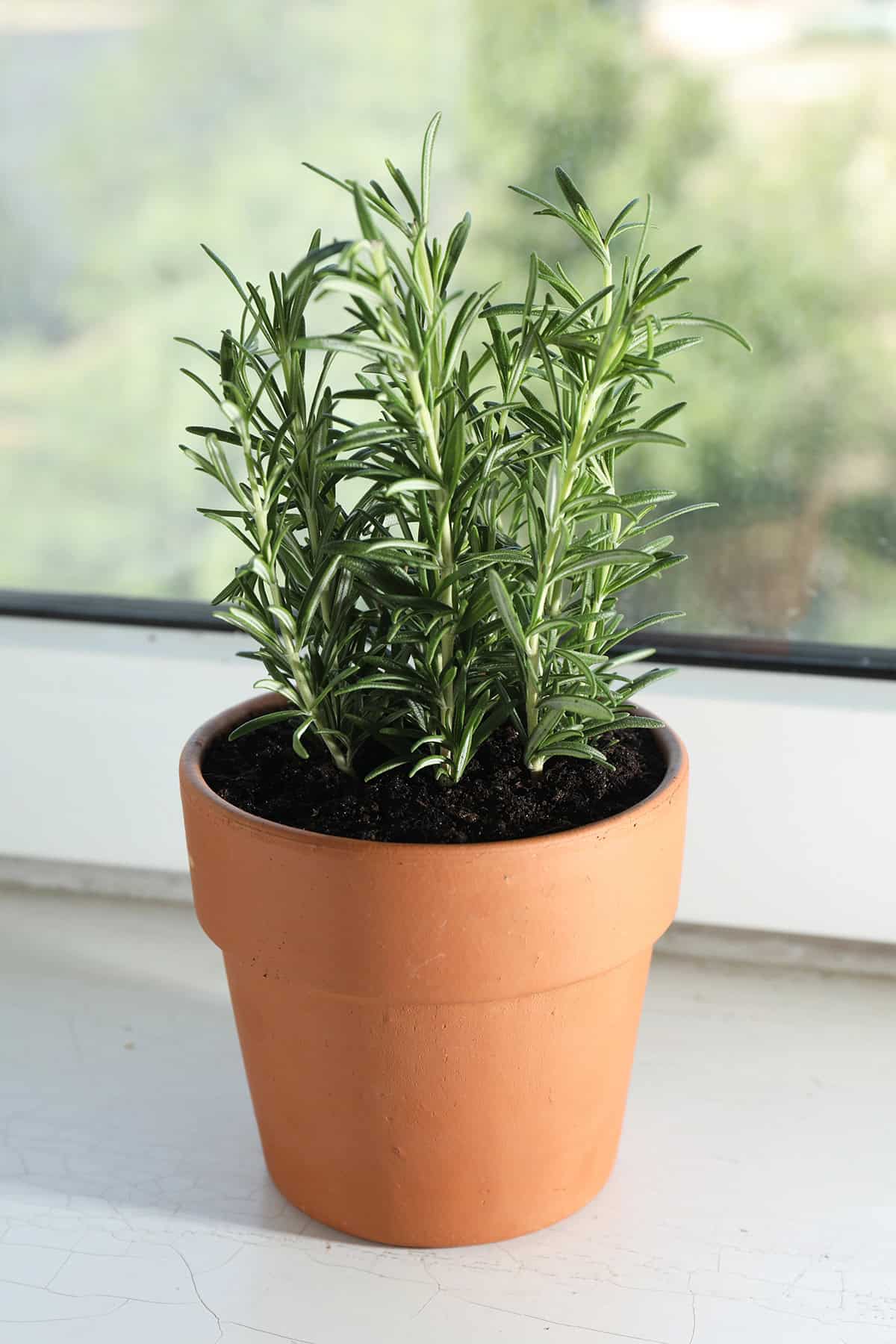
Rosemary craves intense light and a breeze. Six to eight hours of direct sun is ideal.
Sandy, well-drained soil keeps the roots healthy. Allow the soil to dry out a bit before watering again.
Dry winter air can crisp up the leaf tips. A light mist now and then helps, but don’t soak the foliage.
Sage
Sage loves a sunbath. Give it at least six hours of strong light for dense, aromatic leaves.
Well-drained soil is a must. Water when the top inch dries, and skip the fertilizer overload—too much dulls the taste.
Pinch the tips to keep it bushy, and don’t be afraid to swap out old plants when they get woody and tired.
Green Onions (Scallions)
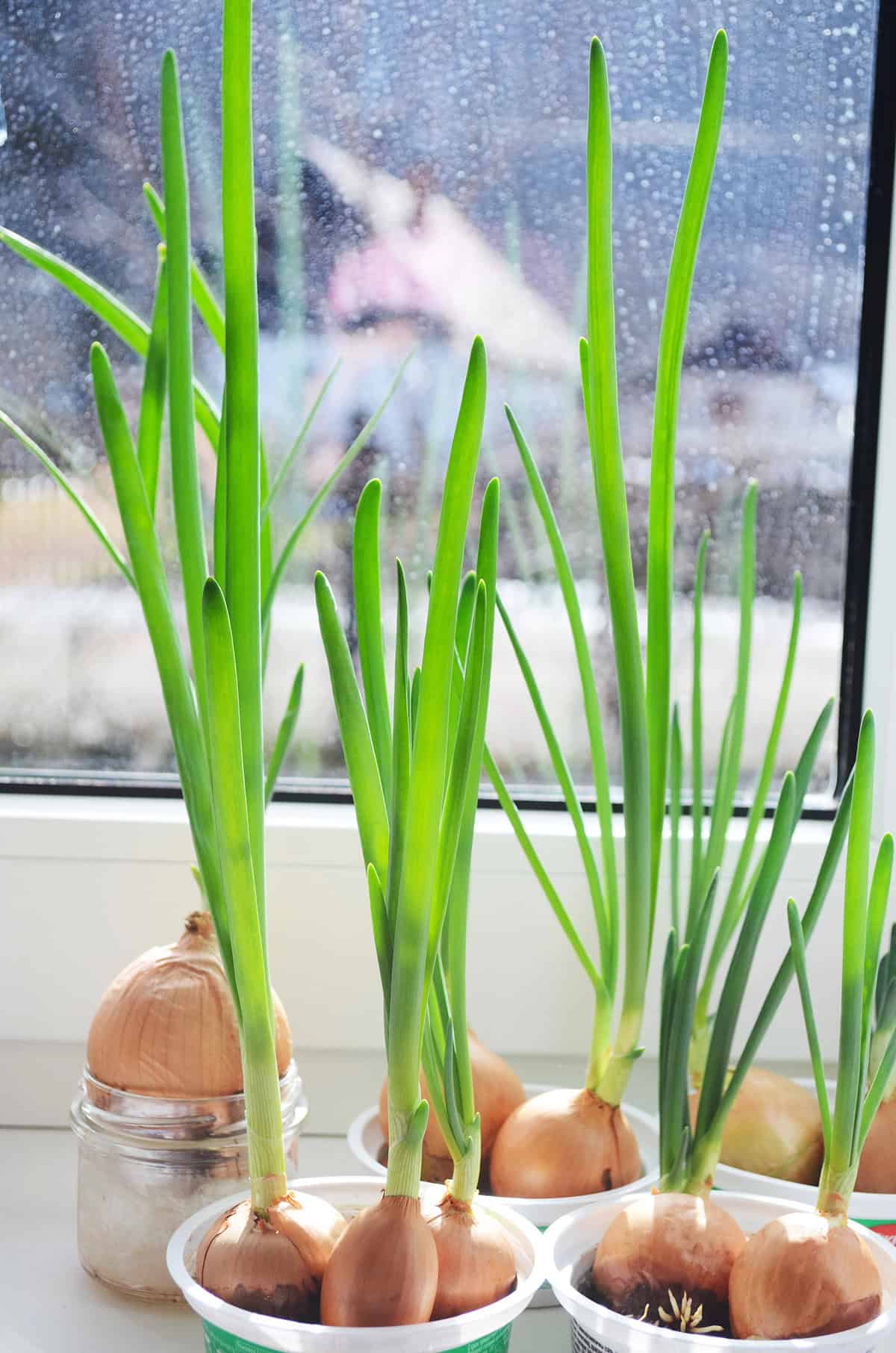
Old green onion roots? Pop them in water and they’ll regrow. Change the water every few days to keep things fresh.
For more growth, move them to soil after roots appear. They’ll need bright light for new greens.
Snip the tops as you need them. The base keeps sending up new shoots for a while.
Garlic Greens
Stick a garlic clove in a pot, pointy end up, an inch deep. They sprout fast indoors.
Bright light and a little water go a long way. Keep the soil just barely moist.
Once the greens hit six to eight inches, snip them for a mild, garlicky kick in your cooking.
Lettuce
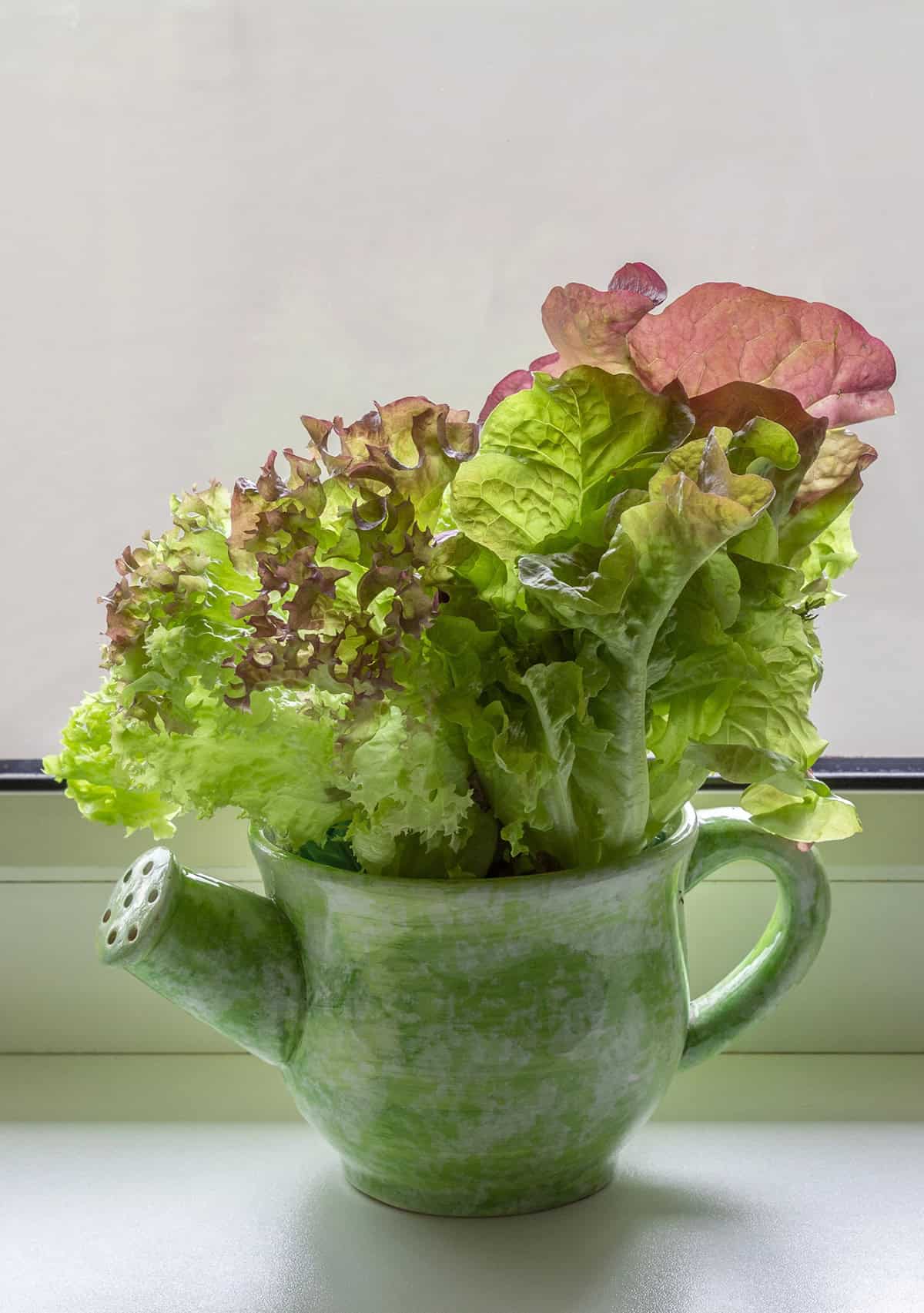
Lettuce sits happily in shallow pots. It’s all about the light—12 to 14 hours a day gives you lush leaves.
Keep the soil moist but not soggy. Drainage keeps roots healthy.
Pick outer leaves when they’re a few inches long. The center keeps producing if you harvest gently.
Spinach
Spinach appreciates a cool room, around 60 to 70°F. Strong light keeps it sturdy.
Use a pot at least six inches deep. Even moisture helps avoid bitter leaves.
Take outer leaves first, letting the rest fill in. Picking regularly slows down bolting.
Arugula (Rocket)
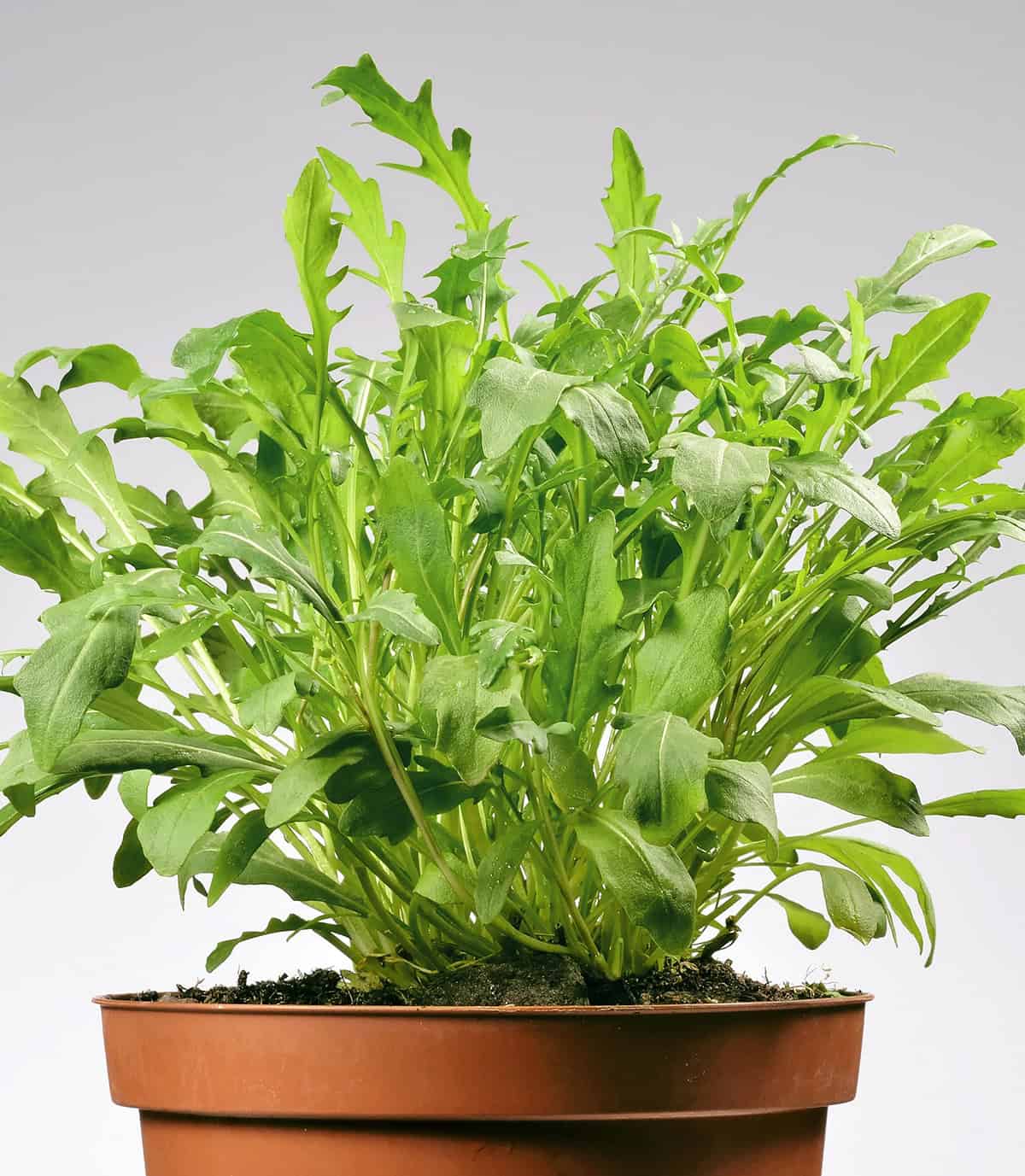
Arugula rockets up from seed, sometimes ready in a month. Six hours of bright light daily is usually enough.
Consistent moisture makes for tender leaves. If the soil dries out, the flavor gets sharper—maybe too sharp for some.
Harvest when the leaves are still young. Replant every few weeks to keep the salad bowl full.
Microgreens
A shallow tray and a thin layer of potting mix set the stage for microgreens. Seeds get scattered thickly and pressed in.
As soon as you see sprouts, move trays under bright light. Gentle watering keeps them happy.
Snip at the first true leaf stage—usually in two weeks. Sharp scissors work best for a clean cut.
Cherry Tomatoes
Small, bushy tomato varieties make the most sense indoors. They’ll need 14 to 16 hours of strong light to set fruit.
Pick a sturdy pot, at least a foot wide, and add a stake or cage for backup. Water deep when the top inch dries out.
Sometimes a gentle shake helps pollinate flowers. Use a balanced fertilizer when they’re flowering and setting fruit.
Chili Peppers
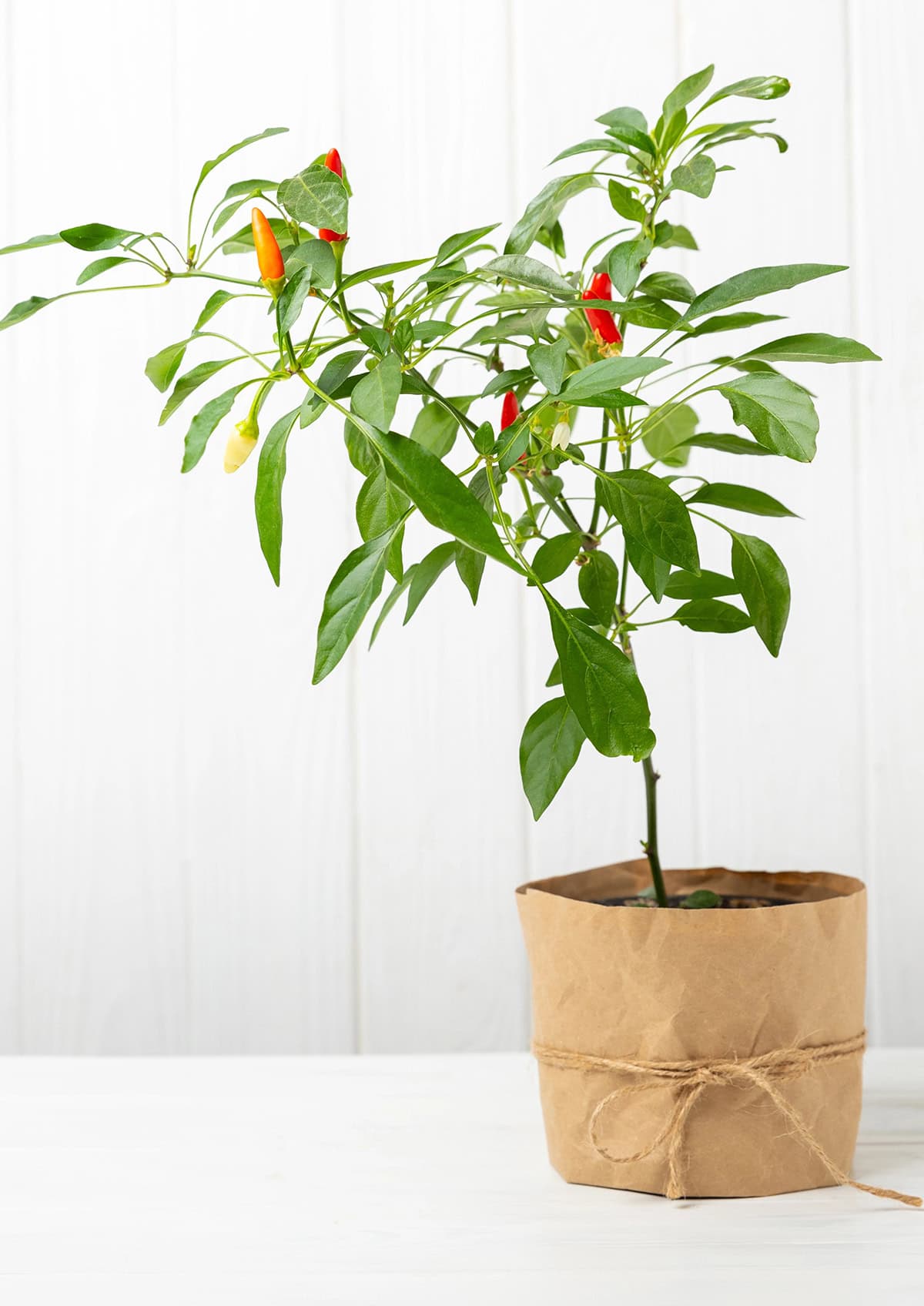
Chilies don’t mind pots, as long as they get the brightest spot you have—supplemental light helps, too.
Keep them warm (above 65°F) and let the top inch of soil dry before watering again.
Flowers usually self-pollinate, but a light tap on the stems can help. Pick peppers when they’re fully colored for the best flavor.
Bell Peppers
Go for dwarf bell pepper types indoors. They’re happiest with 14 to 16 hours of strong light to get decent-sized fruit.
Pots should be 10 to 12 inches wide, with soil that stays moist but not soggy.
As fruit sets, stems might need a little support. Harvest when the peppers hit the size and color you like.
Strawberries
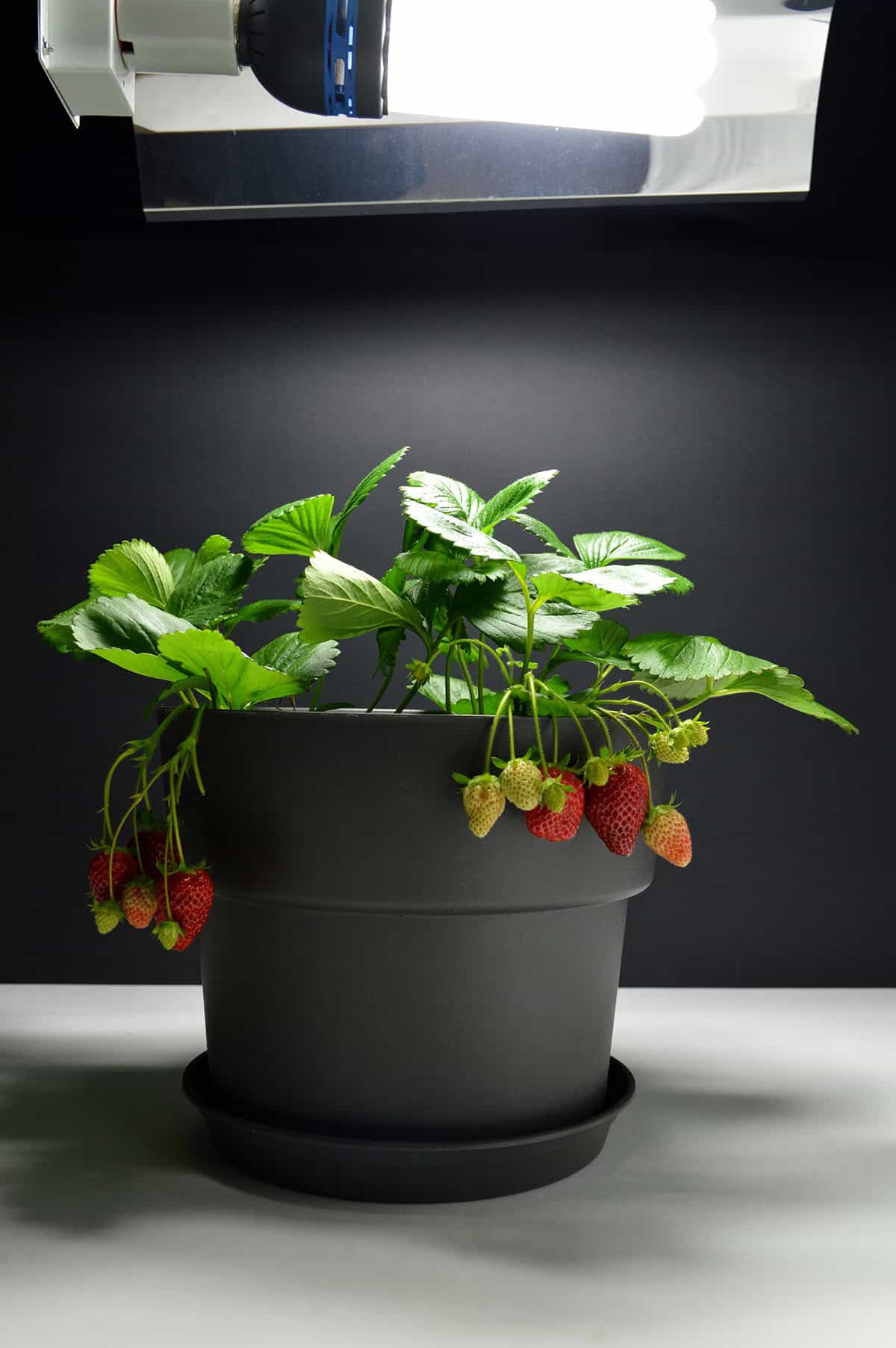
Day-neutral or everbearing strawberries can fruit indoors if you give them enough light—aim for at least eight hours.
Good drainage is key. Water when the top layer dries out.
Hand pollination helps indoors. A tiny brush moves pollen between flowers for better berries.
Dwarf Lemon Tree
A grafted dwarf lemon tree feels at home in a roomy pot. Bright light—eight to twelve hours a day—keeps it going.
Temperatures between 65 and 75°F work best. Water deep, but let the top couple inches dry out before the next soak.
Hand pollination is often needed for indoor citrus. Use a citrus fertilizer during growth spurts to fuel blooms and fruit.
Ginger
Earthy, knobby rhizomes with plump little buds—those are the ones worth grabbing for planting. Tuck them into a roomy container, at least a foot wide, and give them space to sprawl.
Morning sun works best, but steer clear of that punishing afternoon glare. They really sulk if temperatures dip below 50°F, and seem happiest when it stays above 68°F.
Soil should stay damp but never soggy. After a few months, you can sneak out a piece or two from the edges and let the rest keep pushing out new growth.