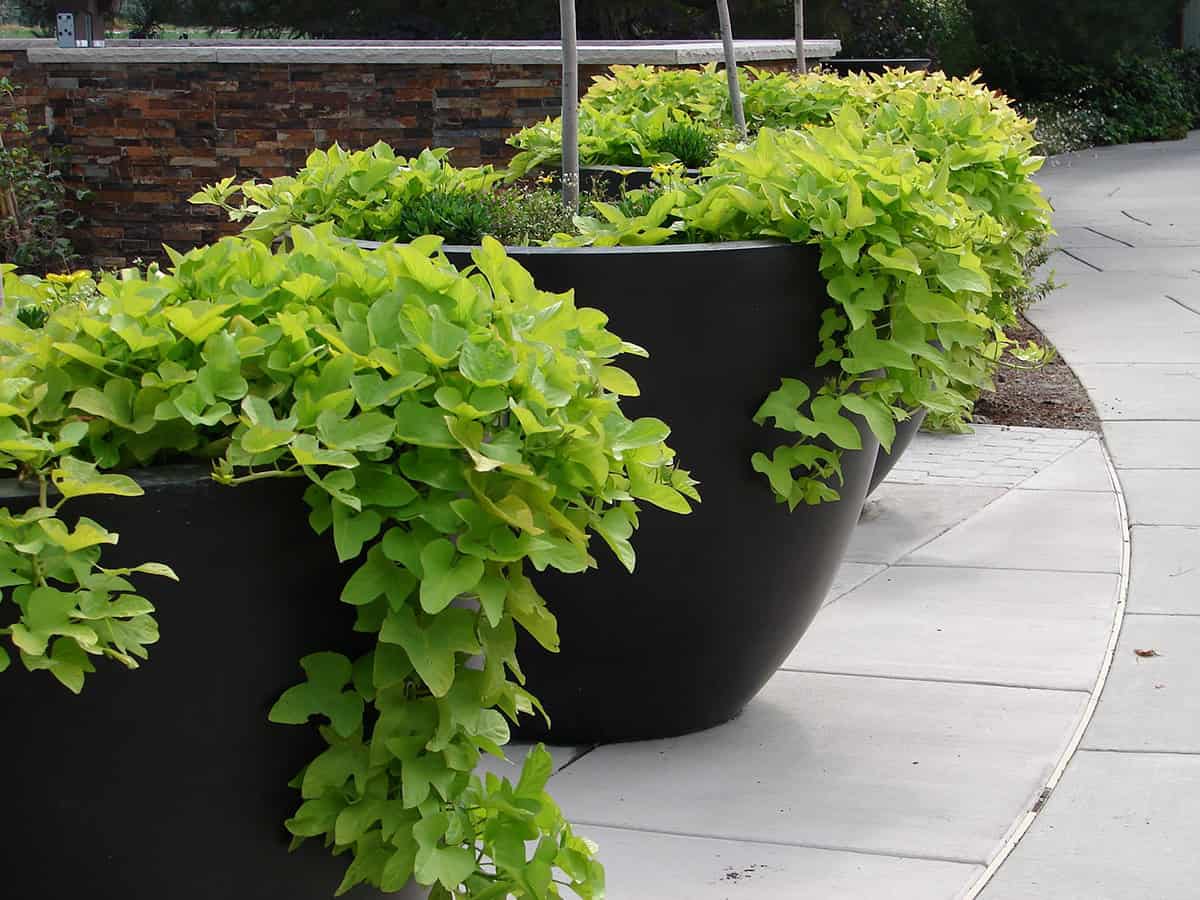
You spot a pot on your patio with rich soil, but nothing is growing in it. That space could give you fresh sweet potatoes in just a few months. You don’t need a big garden or a lot of tools to get started.
You can grow your own sweet potatoes on a balcony, deck, or small backyard. This guide shows you every step, from choosing slips to the easiest ways to care for your plants in containers.
Table of Contents
Choose the Right Sweet Potato Variety
Picking the right variety really boosts your chances of a good harvest in containers. Some types just handle small spaces and limited soil a lot better than others.
Best Types for Container Growing
Certain sweet potato varieties do better in containers because they have compact vines and form roots efficiently. Beauregard is a popular choice for pots thanks to its adaptability and solid yields. Centennial works well in tight areas and shrugs off a lot of common diseases. Vardaman’s bushy, tidy vines are a nice fit if you’re short on space.
Look for varieties that mature in about 100-120 days—Beauregard fits this window—since containers dry out faster and a shorter growing season helps reduce stress. Orange-fleshed types like Covington taste great and pack in nutrients. It’s best to skip sprawling types; they just want more room than a container can give.
Where to Buy Slips or Starters
Slips are those young shoots you’ll use to start your plants. Certified, disease-free slips are available at local nurseries or reputable online garden centers. Many folks stick with companies that specialize in edible plant starts for quality and accurate varieties.
You can try growing slips from store-bought sweet potatoes, but certified ones help you dodge pests and disease issues. If you want to avoid surprises, go for labeled, disease-free starter plants. Most sellers ship slips in late spring once things warm up, so order ahead if you can.
Pick the Right Container
Success with sweet potatoes really depends on your choice of container. Size and drainage are key for healthy roots and easy harvesting.
Minimum Size Requirements
A 10-gallon container gives sweet potato vines plenty of soil and space for roots to develop. Smaller pots just don’t cut it—they’ll cramp growth and limit your harvest. Go for at least 12 inches of depth per plant, and consider a separate pot for each one.
Wide bases let tubers spread out underground, while deeper containers support longer roots. More soil means better water retention and steadier temperatures. Shallow pots dry out too quickly and stunt root growth, so it’s really not worth the risk.
Drainage and Material Tips
Drainage is a must to keep roots healthy and avoid rot. Make sure your container has several holes at the bottom—water should run out easily after you water.
Fabric pots are great for airflow, but sturdy plastic and clay work too if they drain well. Just skip anything without holes, or you’ll end up with soggy roots.
Pick materials that can handle the weight of wet soil and growing vines. Thick plastic or tough fabric options usually last a whole season. If your pots will sit in full sun, lighter colors are better—they reflect heat and help keep roots from overheating.
Prepare the Potting Mix
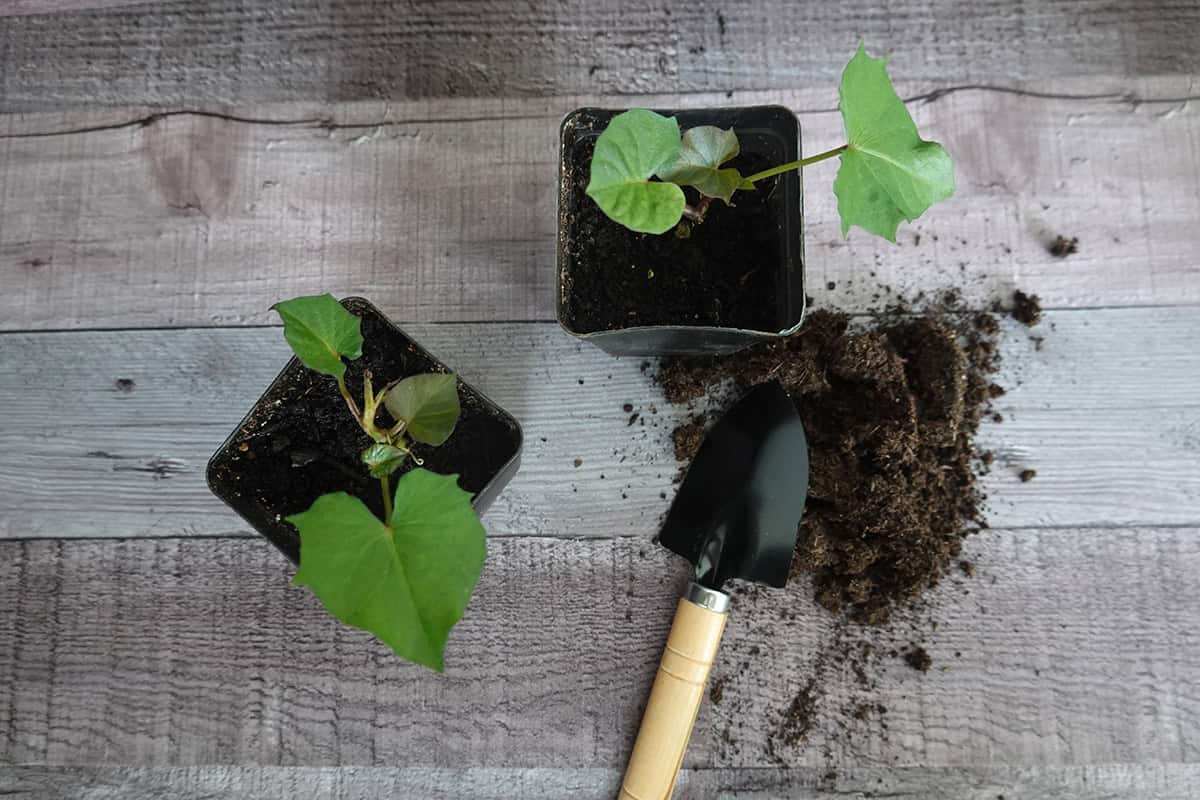
Getting the potting mix right makes all the difference for sweet potatoes. They need a blend that drains well, holds nutrients, and stays loose so roots can stretch out.
Soil Type and Ingredients
You’ll want a quality potting mix, not plain garden soil. Peat moss or coconut coir helps retain moisture, while perlite or coarse sand improves drainage. Compost brings in nutrients for strong growth.
Keep the pH between 6.2 and 6.5. If things are too acidic, add a touch of lime. Mixing half potting mix and half compost works well, but keep topsoil under 10% or you’ll risk compaction. Whatever you use, make sure it’s light and free of big clumps.
Avoiding Compaction in Containers
Roots need air as much as water. Heavy, compacted soil suffocates them and holds too much moisture—hello, root rot. Stick with light, airy mixes made for containers.
If your mix feels dense, toss in more perlite or coarse sand. Always double-check that your pot drains well so excess water doesn’t hang around.
When you fill your container, don’t press the soil down. Just let it settle naturally after watering. If needed, top it off later, but don’t pack it tight—roots appreciate those air pockets.
Plant Your Sweet Potato Slips
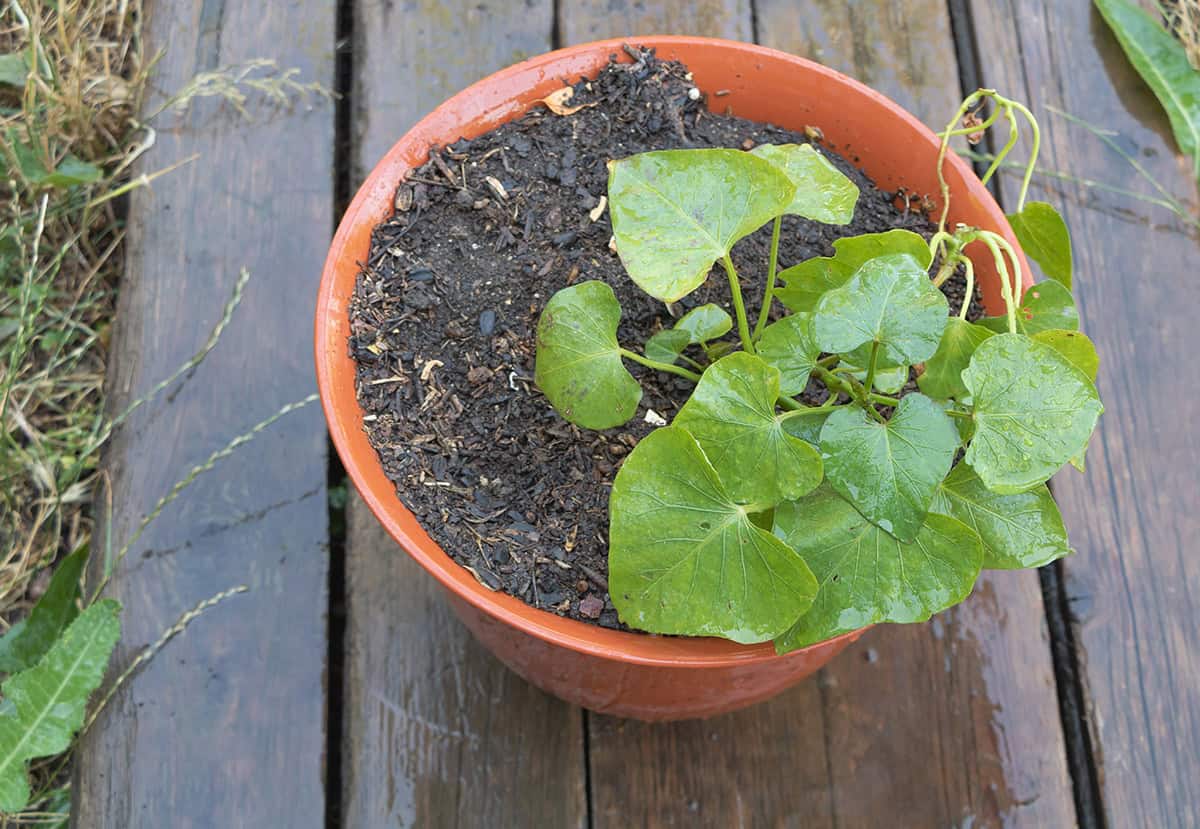
Getting the planting depth and spacing right at the start sets you up for healthy vines and a good harvest.
How Deep and How Many Per Pot
Plant slips about 3 to 4 inches deep, with the roots and lower stem covered by soil. This helps them establish quickly and stay moist.
For a 5-gallon pot, stick to one slip. In something larger, you can try two, but don’t overdo it—crowded plants compete and end up producing smaller tubers. Look for slips with roots and at least a couple of leaves. Water them in well after planting.
Keep the soil slightly damp for the first week to help the slips settle in and start growing.
Spacing and Positioning
Give each slip at least a foot of space. That way, vines can spread and tubers have room to form. Don’t jam slips together—they’ll just fight for resources.
Set slips closer to the edge of the container so leaves can spill over as they grow. Aim for at least 6 hours of sunlight a day. If light’s uneven, rotate the pots every week or so.
Try to keep vines off wet ground to avoid rot. If things get crowded, guide or trellis the vines to keep everything tidy and productive.
Care and Maintenance
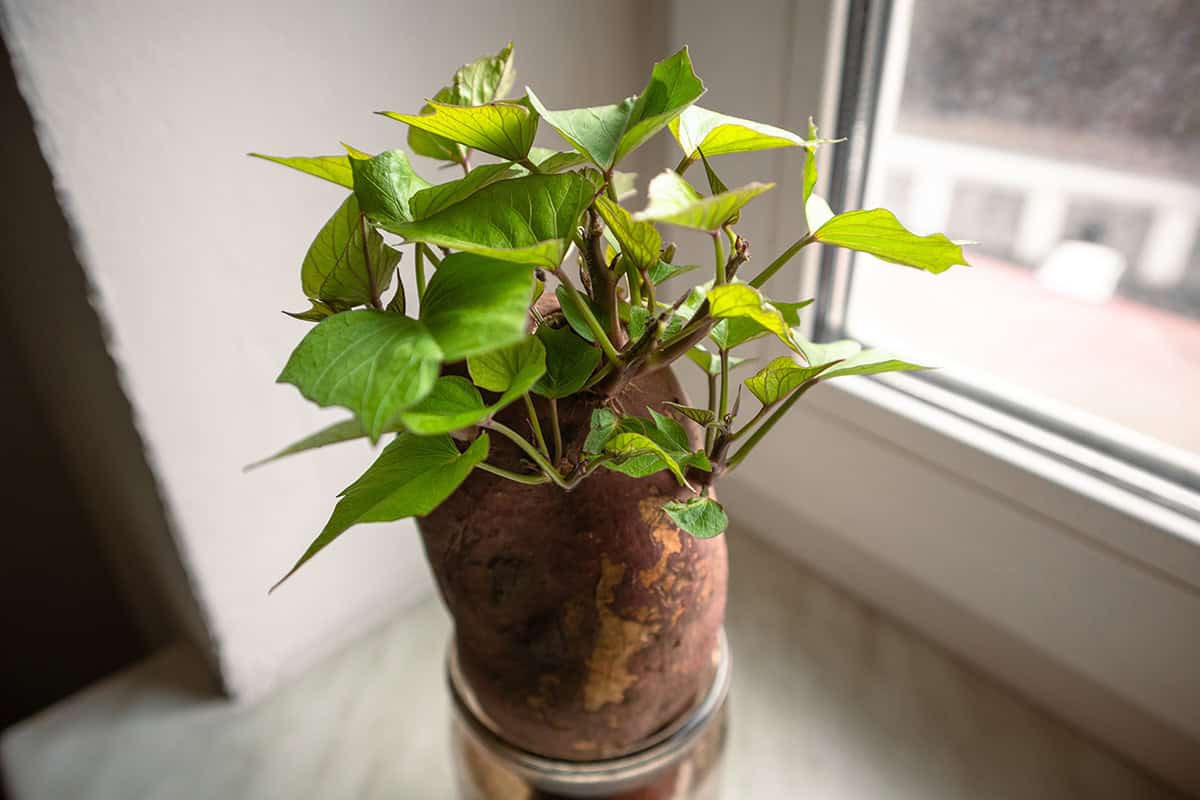
Sweet potatoes need the right balance of light, moisture, and nutrients. A little attention goes a long way toward healthy vines and a solid harvest from containers.
Sunlight and Temperature
Full sun is best—shoot for 6 to 8 hours daily. Without enough light, growth slows and yields drop off.
Wait until nighttime temps stay above 65°F before putting containers outside. A late frost or chilly night can really set the plants back. If it gets below 50°F, bring them in or cover up. Containers heat up fast in the sun, so check the soil temperature now and then—sweet potatoes like it warm. Shaded spots just don’t cut it, even in summer.
Watering Schedule
Keep the soil evenly moist but never soggy. Dry soil stunts tuber growth, but wet feet cause rot. Usually, you’ll water once or twice a week when it’s cool, more often during hot spells.
Stick your finger into the soil—if the top inch feels dry, it’s time to water until you see it draining out. Self-watering pots can help, but don’t let them flood after heavy rain.
Try not to get the leaves wet to avoid fungal issues. Water at the base of the plant. In long dry spells, check plants more than once a day; containers dry out way faster than garden beds.
Fertilizing
Fertilize before planting slips with a balanced, slow-release fertilizer mixed into the soil. Too much and you’ll just get a jungle of leaves with few tubers.
About a month in, switch to a low-nitrogen fertilizer to help roots mature. Repeat every few weeks if plants are growing well.
Container plants burn through nutrients quickly. If leaves yellow or vines look weak, they’re probably hungry. Follow fertilizer directions and skip anything high in nitrogen, like bone meal or manure-based products.
Harvesting and Storage Tips
Harvesting at the right time and handling your crop gently is the secret to sweet potatoes that taste great and store well.
Signs They’re Ready to Harvest
Watch for leaves turning yellow—that’s a sign your sweet potatoes are mature. If you planted in spring, most container-grown crops are ready by late summer or early fall. Roots about 1½ to 2 inches thick are usually good to go, but you might find some bigger ones if conditions were ideal.
Dig them up before frost, since cold can ruin the roots and cut storage time. Use your hands or a small fork to lift the soil and find the tubers. Be gentle—skins are thin and bruise easily right after harvest.
Curing and Storing Sweet Potatoes
After harvest, sweet potatoes really benefit from curing—it helps heal up any nicks and toughens the skin. Basically, keep them for about a week somewhere warm (think 80–85°F) and humid, close to 90 percent humidity. During this time, the starches start turning into sugars, which makes them taste so much better.
When that’s done, stash them in a spot with good airflow, ideally around 55–60°F. The fridge isn’t your friend here; it’s just too cold and can mess up the texture. Make sure the roots stay dry and out of direct light, since too much moisture or sun can lead to sprouting or even rot. If you get it right, they’ll keep for months, which is honestly pretty great.