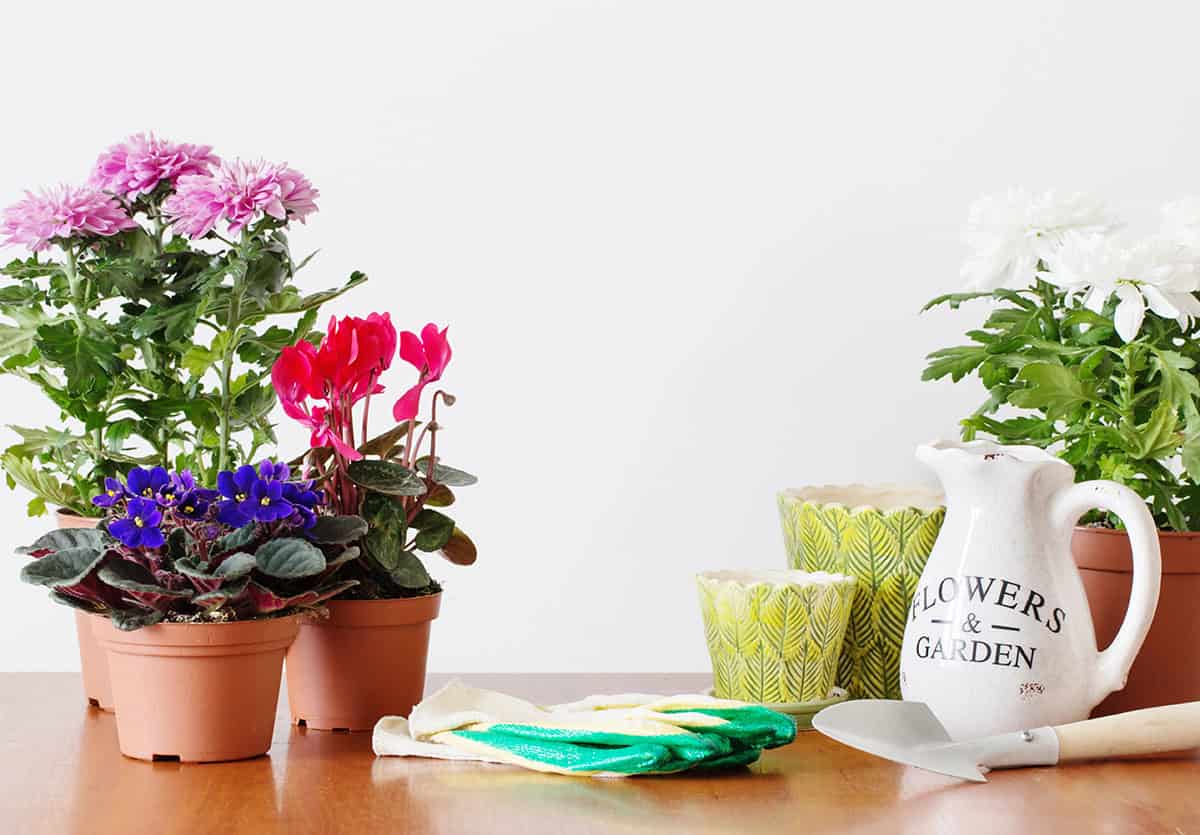
A handful of houseplants flower in repeated waves through the year, and each one has a trigger that sets the next round of buds in motion. Kalanchoe needs six weeks of long nights, and a moth orchid tends to rebloom from a node on its old spike.
African violets head the list, since few houseplants match their habit of blooming nearly nonstop on a bright windowsill.
Table of Contents
- Indoor Plants That Bloom Again And Again
- African Violet (Saintpaulia)
- Anthurium (Flamingo Flower)
- Peace Lily (Spathiphyllum)
- Crown Of Thorns (Euphorbia Milii)
- Kalanchoe (Kalanchoe Blossfeldiana)
- Streptocarpus (Cape Primrose)
- Wax Begonia
- Phalaenopsis Orchid (Moth Orchid)
- Lipstick Plant (Aeschynanthus)
- Goldfish Plant (Nematanthus)
- Shrimp Plant (Justicia Brandegeeana)
- Hoya (Wax Plant)
- Abutilon (Flowering Maple)
- Oxalis (Purple Shamrock)
- Geranium (Pelargonium)
- Impatiens (Busy Lizzie Or New Guinea Impatiens)
- Miniature Roses (Indoor Varieties)
- Crossandra
- Pentas
- Clerodendrum Thomsoniae (Bleeding Heart Vine)
- Ixora (Dwarf Indoor Varieties)
- Ruellia (Mexican Petunia Types)
- Christmas Cactus (Schlumbergera)
- Flame Violet (Episcia)
- Angel Wing Begonia (Cane Begonia)
Indoor Plants That Bloom Again And Again
Many houseplants flower more than once a year when light, water and feeding are dialed in. A rest period triggers new buds on some, and a timely trim or dose of fertilizer on others.
African Violet (Saintpaulia)
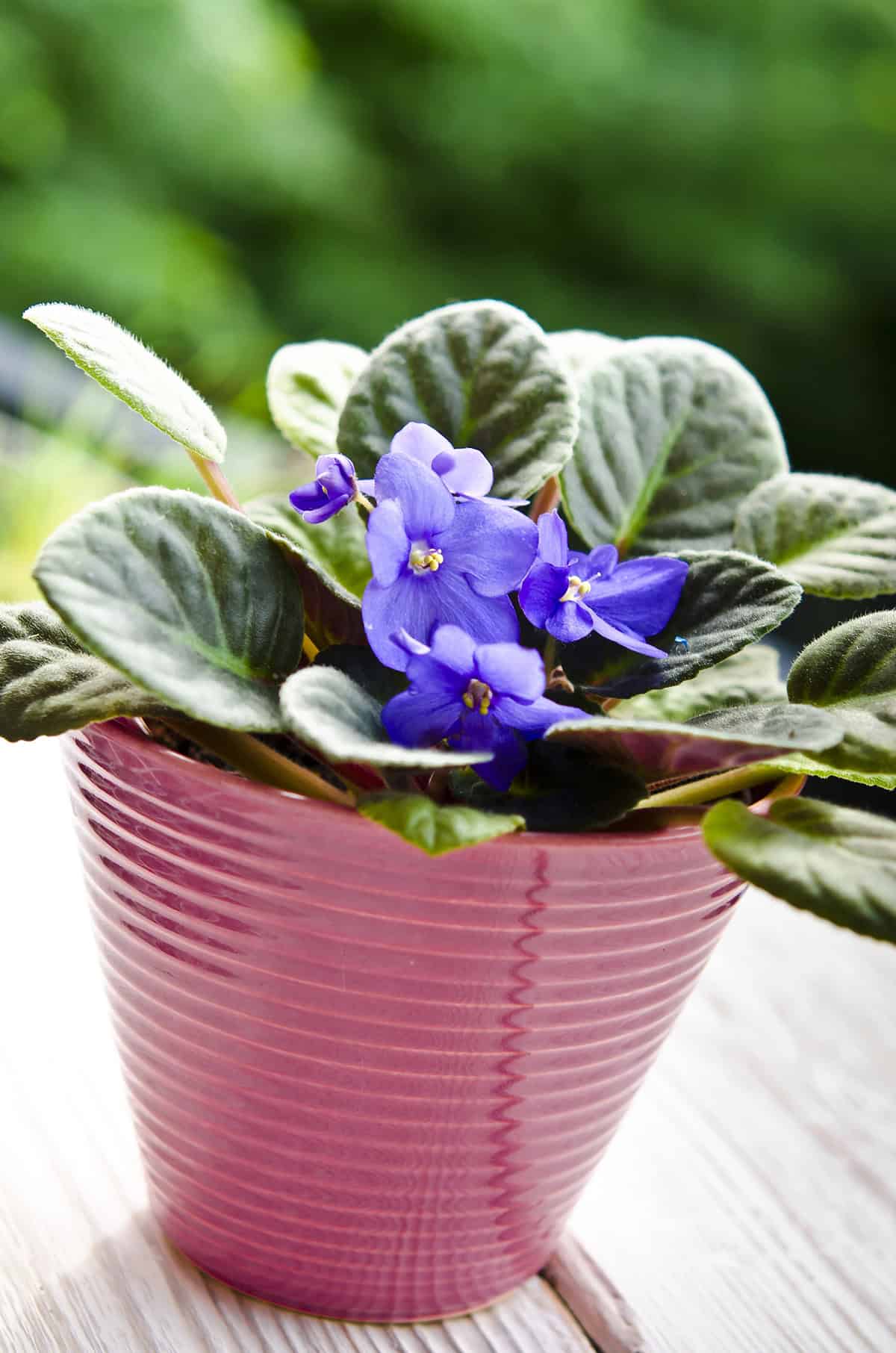
African violets grow compact and bloom several times a year, a rare combination on a windowsill. Bright, indirect light and temperatures between 65 and 75°F are what they need.
The soil should be slightly moist and never soggy. Watering from below protects the leaves and crown from spots and rot, and a fertilizer made for African violets every two weeks supports steady flowering.
Snip off spent blooms to encourage new ones, and repot once a year in a loose, light mix.
Anthurium (Flamingo Flower)
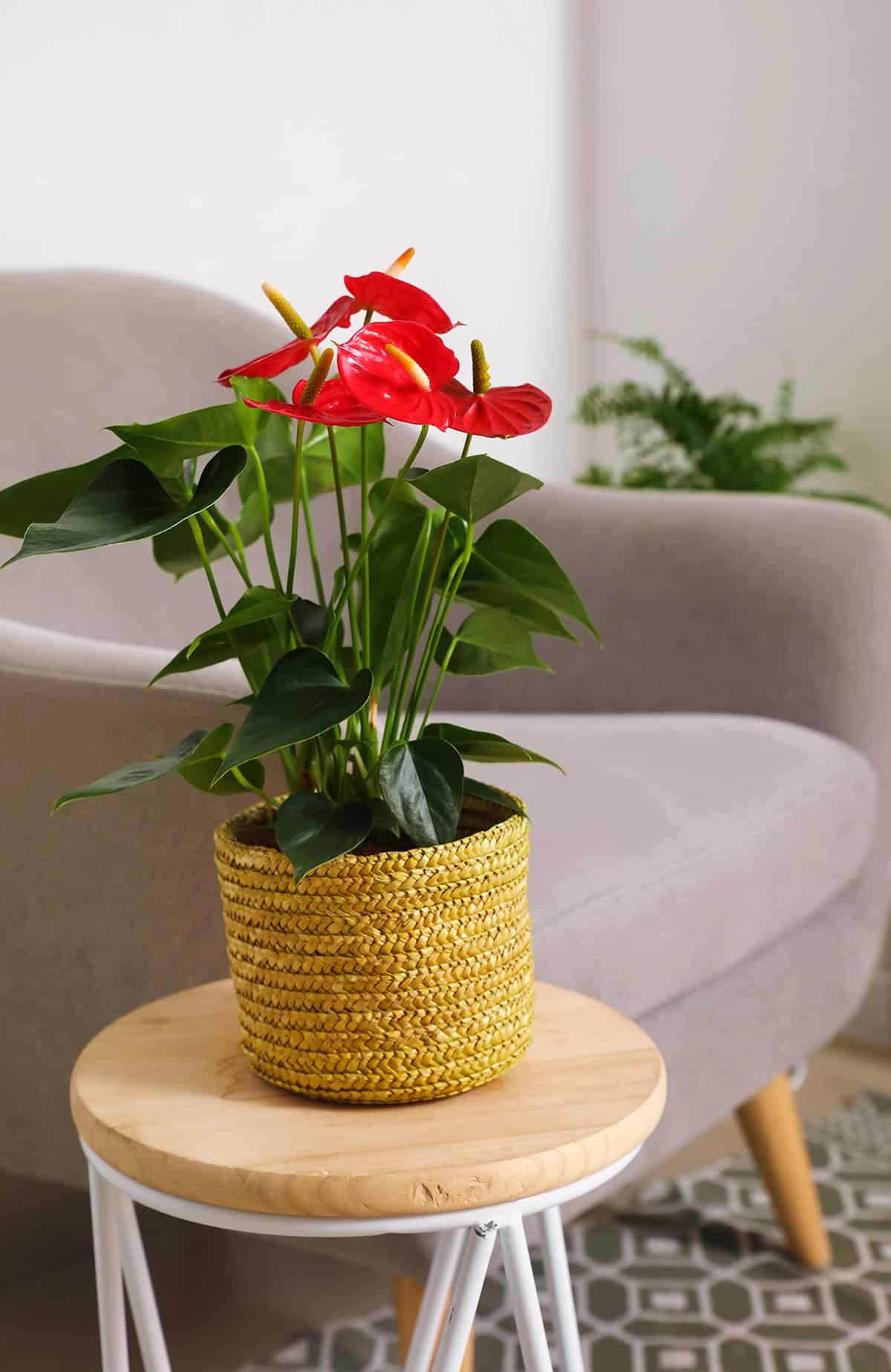
Anthurium spathes last for months in bright, filtered light, and healthy plants bloom several times a year.
Let the top inch of soil dry before watering again. High humidity helps, so a bright bathroom is a good spot.
Feed lightly during active growth, and cut spent flowers at the base to encourage new ones.
Peace Lily (Spathiphyllum)
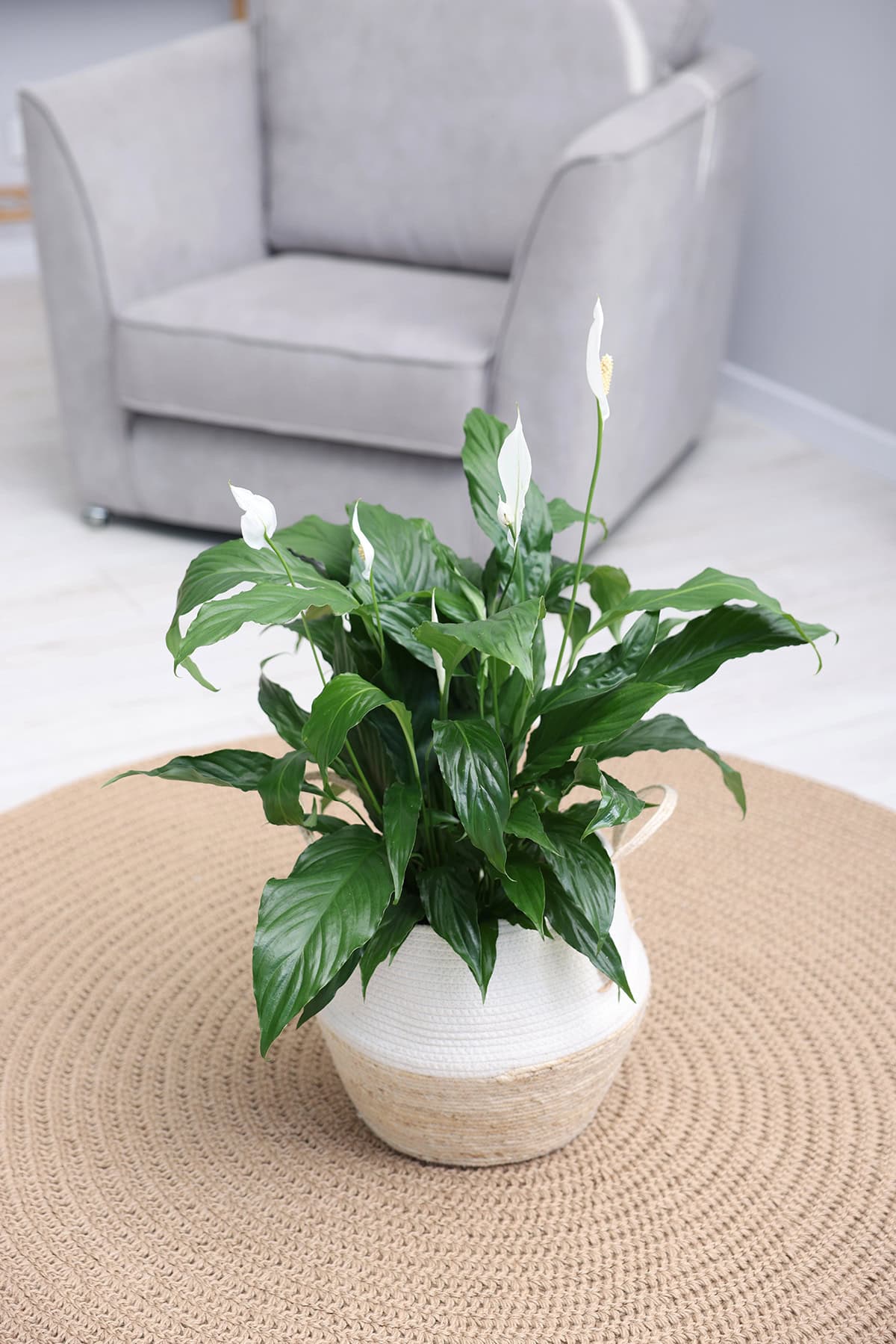
Peace lilies produce white blooms more than once a year in moderate to bright, indirect light. Low light produces lush leaves and few flowers.
Water when the top inch of soil is dry. Drooping leaves recover quickly after a drink, though repeated wilting stresses the plant.
Feed with a balanced fertilizer every six weeks or so, and remove faded flowers to encourage more.
Crown Of Thorns (Euphorbia Milii)
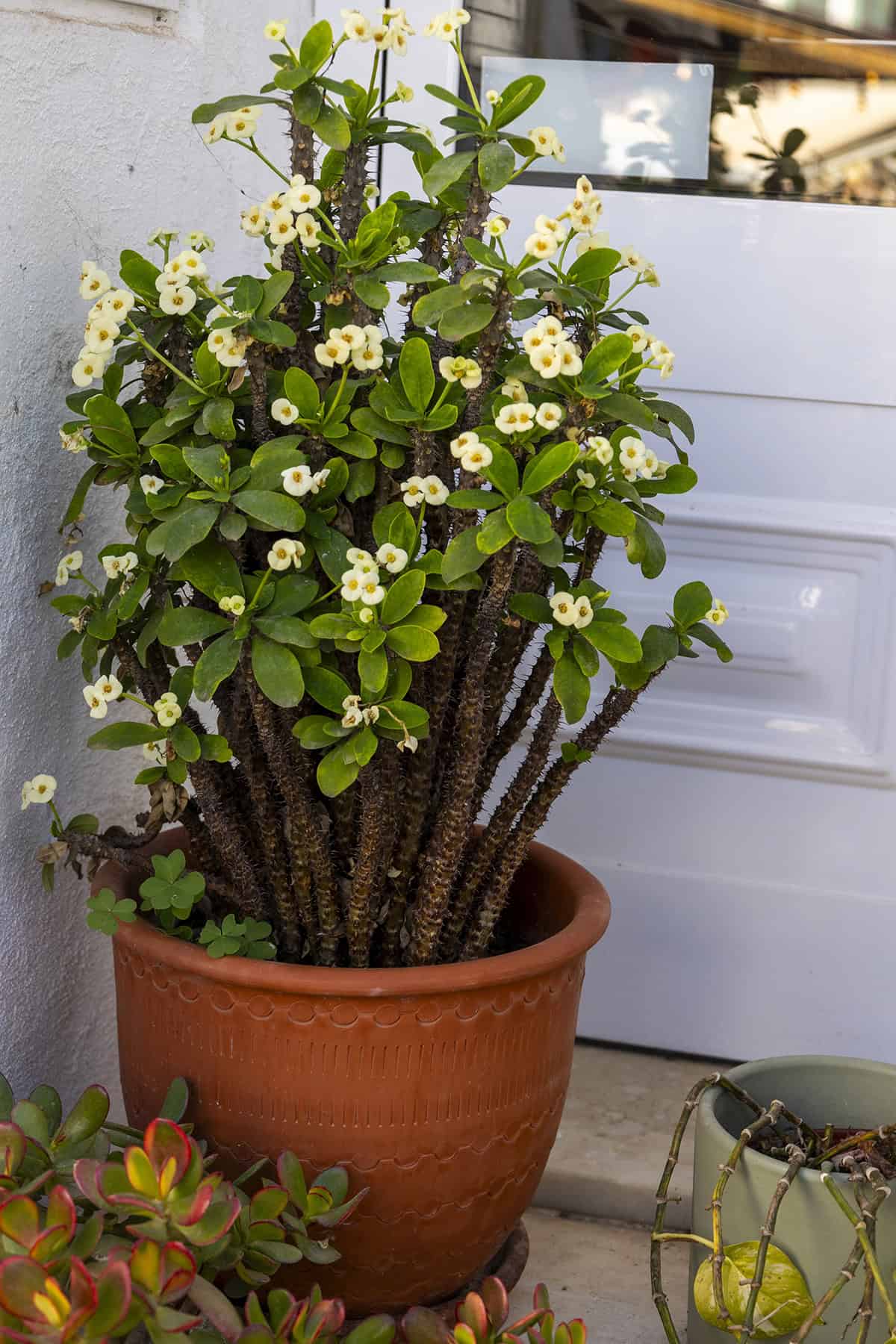
Crown of thorns looks prickly, but its small, bright bracts appear nearly year-round in a sunny spot.
Let the soil dry out almost completely before watering, since excess water rots the roots and reduces blooms.
Use a sharp-draining cactus mix and feed lightly during new growth. Wear gloves when handling it, since the milky sap irritates skin.
Kalanchoe (Kalanchoe Blossfeldiana)
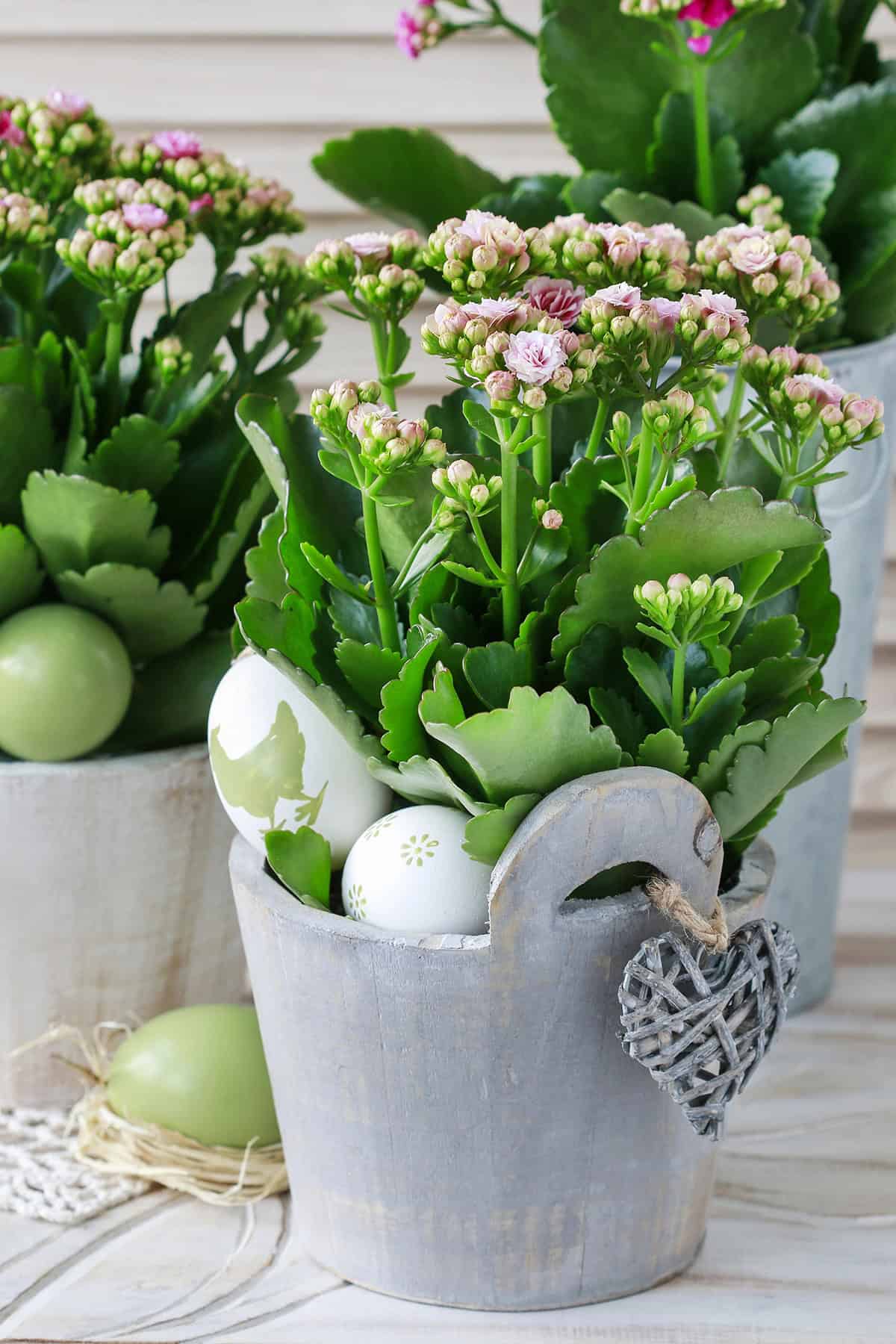
Kalanchoe flowers again after a stretch of short days. Once the first flush fades, provide 14 hours of uninterrupted darkness each night for about six weeks, and new buds follow.
Water sparingly so the soil is just barely moist. Bright daytime light matters too.
Deadhead and feed modestly. The long-night treatment repeats every year.
Streptocarpus (Cape Primrose)
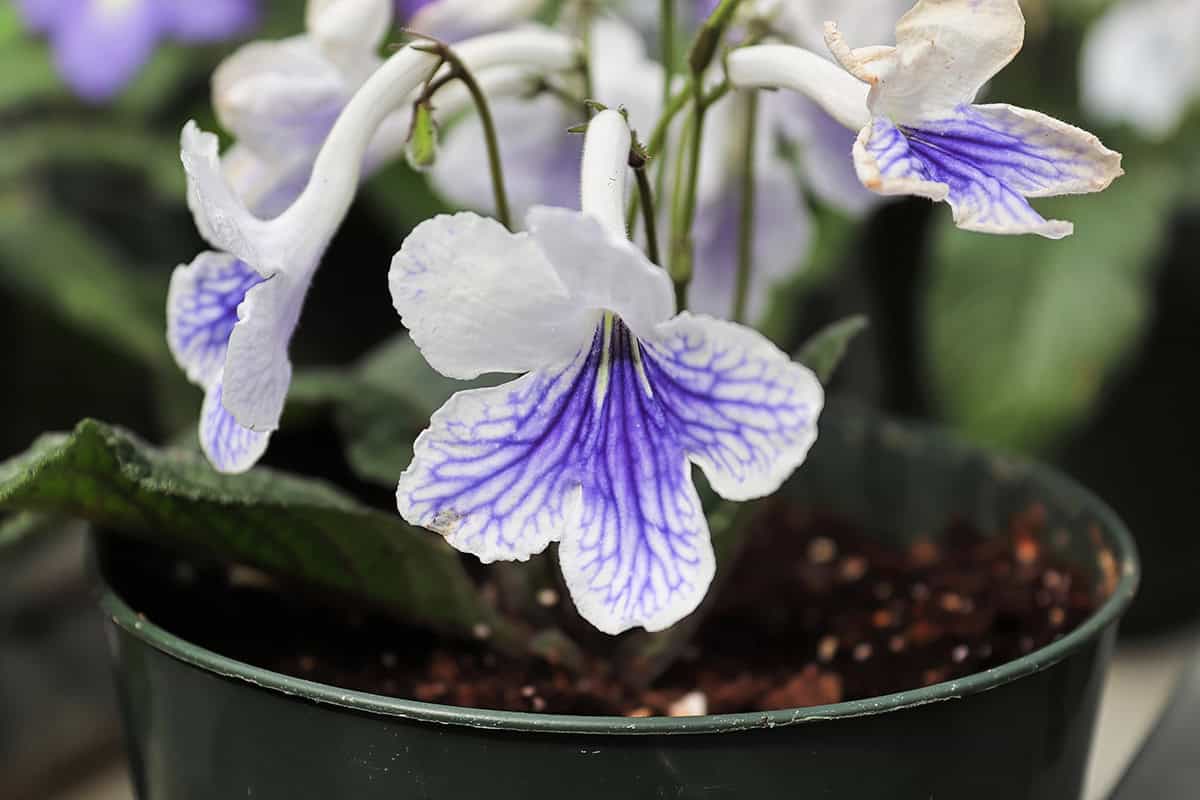
Cape primrose produces wave after wave of trumpet-shaped flowers above velvety leaves. Bright, indirect light and cool temperatures encourage steady blooming.
Let the top layer of soil dry before watering, and avoid splashing water on the crown.
Feed with a weak fertilizer every two weeks, and pick off faded flowers to prolong the display.
Wax Begonia
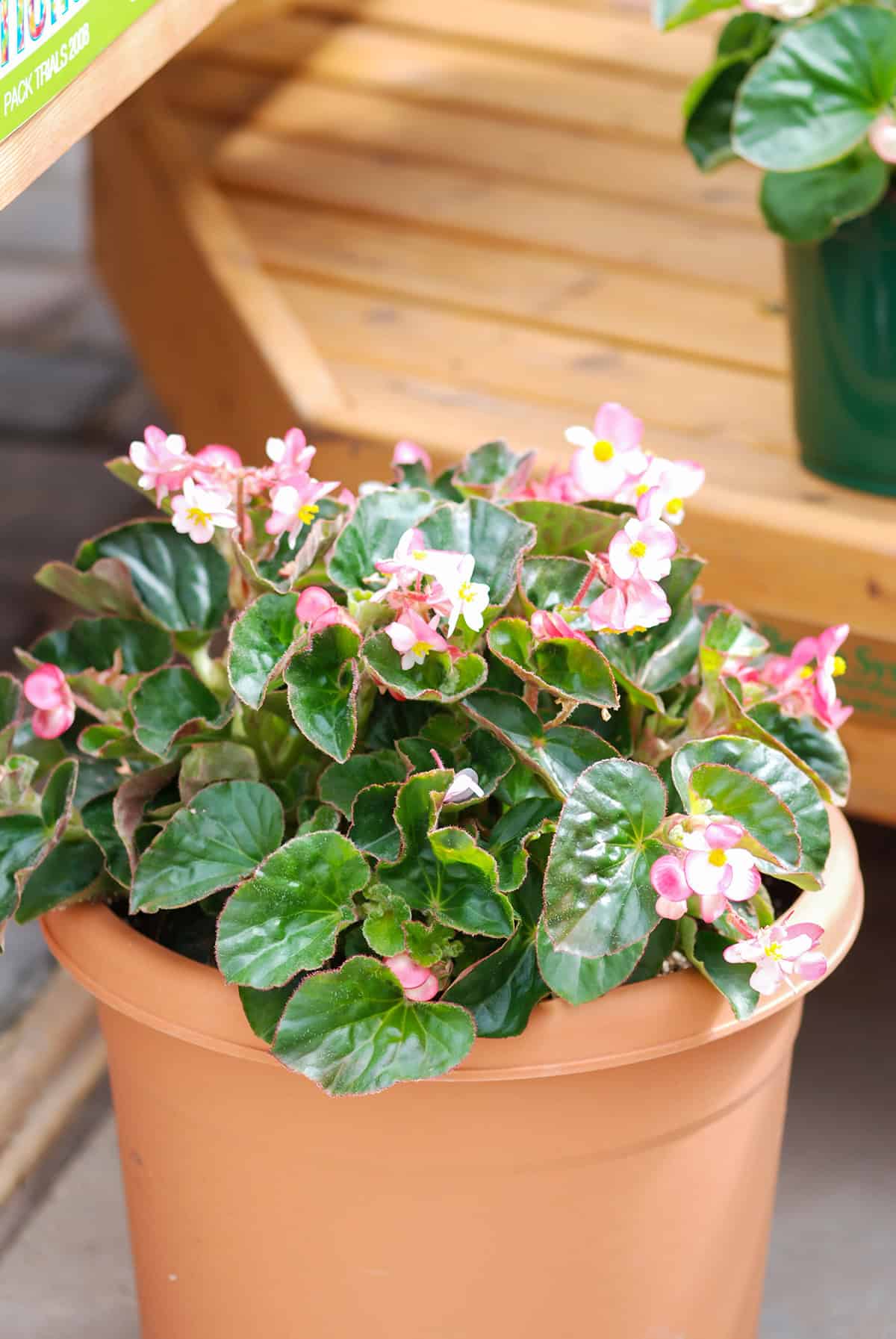
Wax begonias flower for months in bright, indirect light, the key to steady bud production.
The soil should be lightly moist and never soggy. Good airflow prevents powdery mildew.
Pinch back leggy stems, and feed lightly now and then for continuous blooms.
Phalaenopsis Orchid (Moth Orchid)
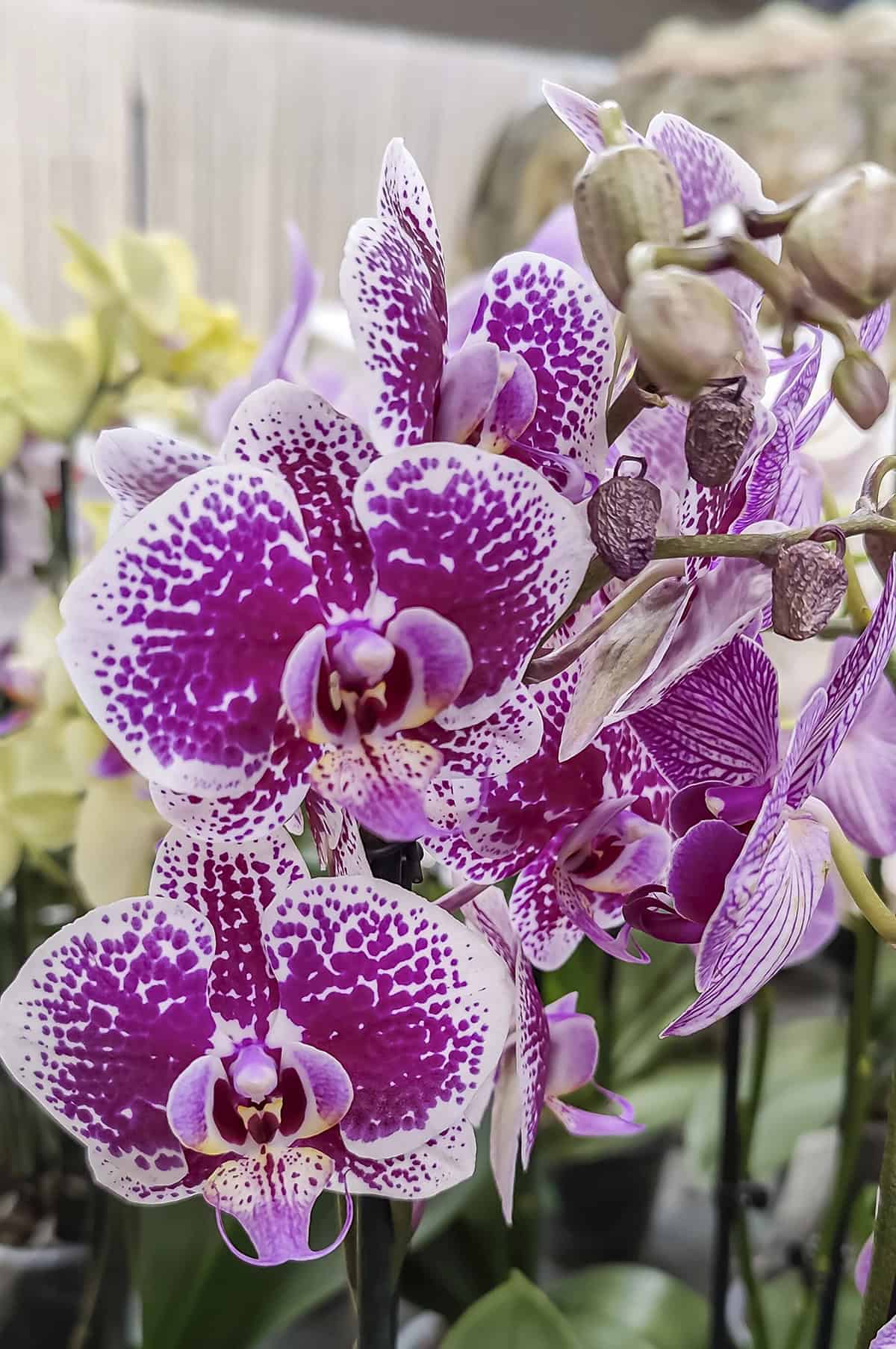
Moth orchids carry arching sprays that last for months. After they fade, cut the spike just above a node, and a side spike follows in many cases.
Bright, indirect light is ideal, with warm days and slightly cooler nights. Water thoroughly, then let the bark dry out.
Feed with diluted orchid fertilizer every two weeks. A few weeks of nights around 60°F in fall triggers a new spike on stubborn plants.
Lipstick Plant (Aeschynanthus)
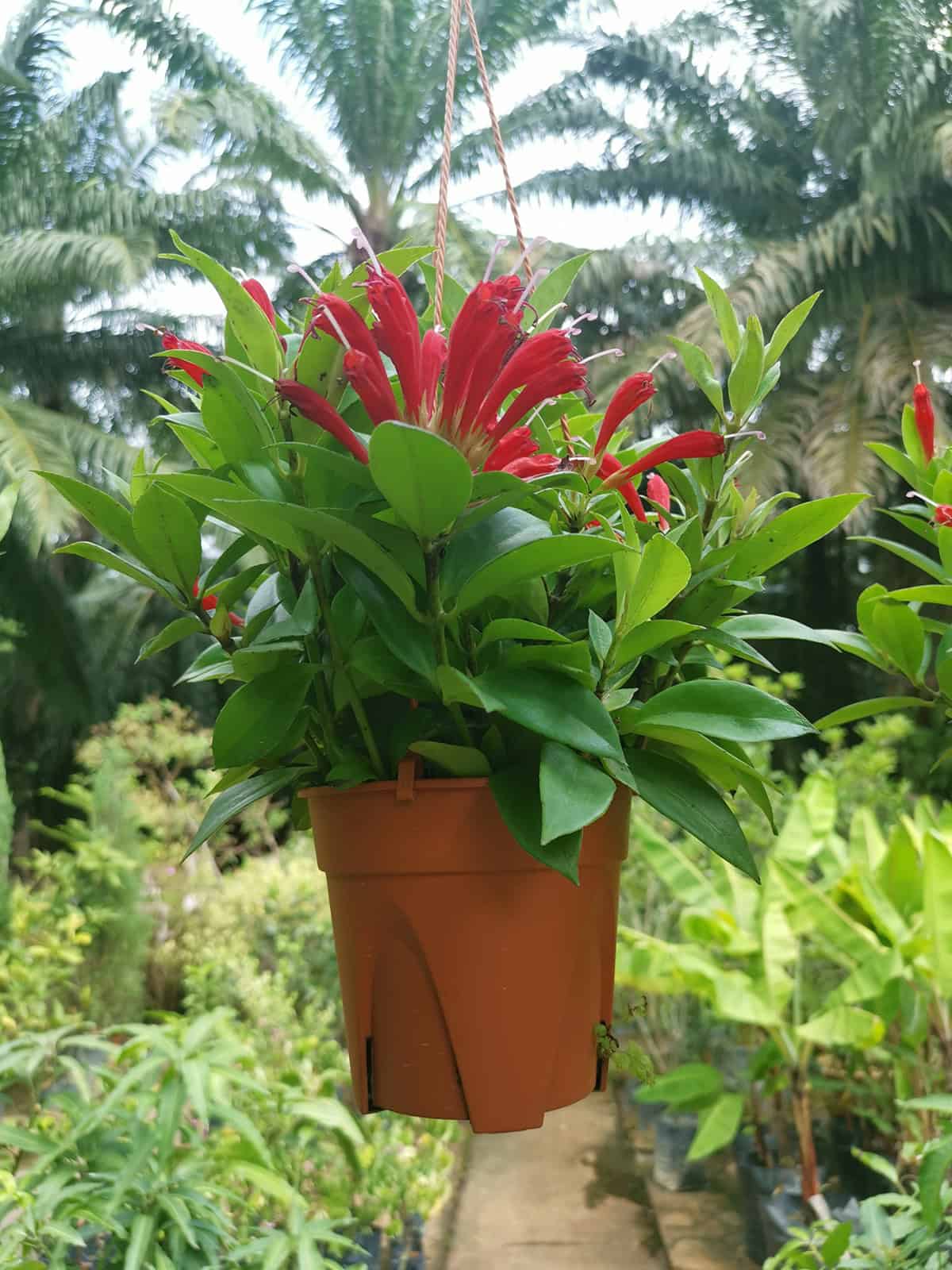
Red, tubular flowers appear at the stem tips of this trailing plant in strong, indirect light, and several flushes a year are common.
Let the top inch of soil dry before watering, and protect the plant from cold drafts.
Light pruning after flowering produces a bushier plant, and monthly feeding during the growing season supports more blooms.
Goldfish Plant (Nematanthus)
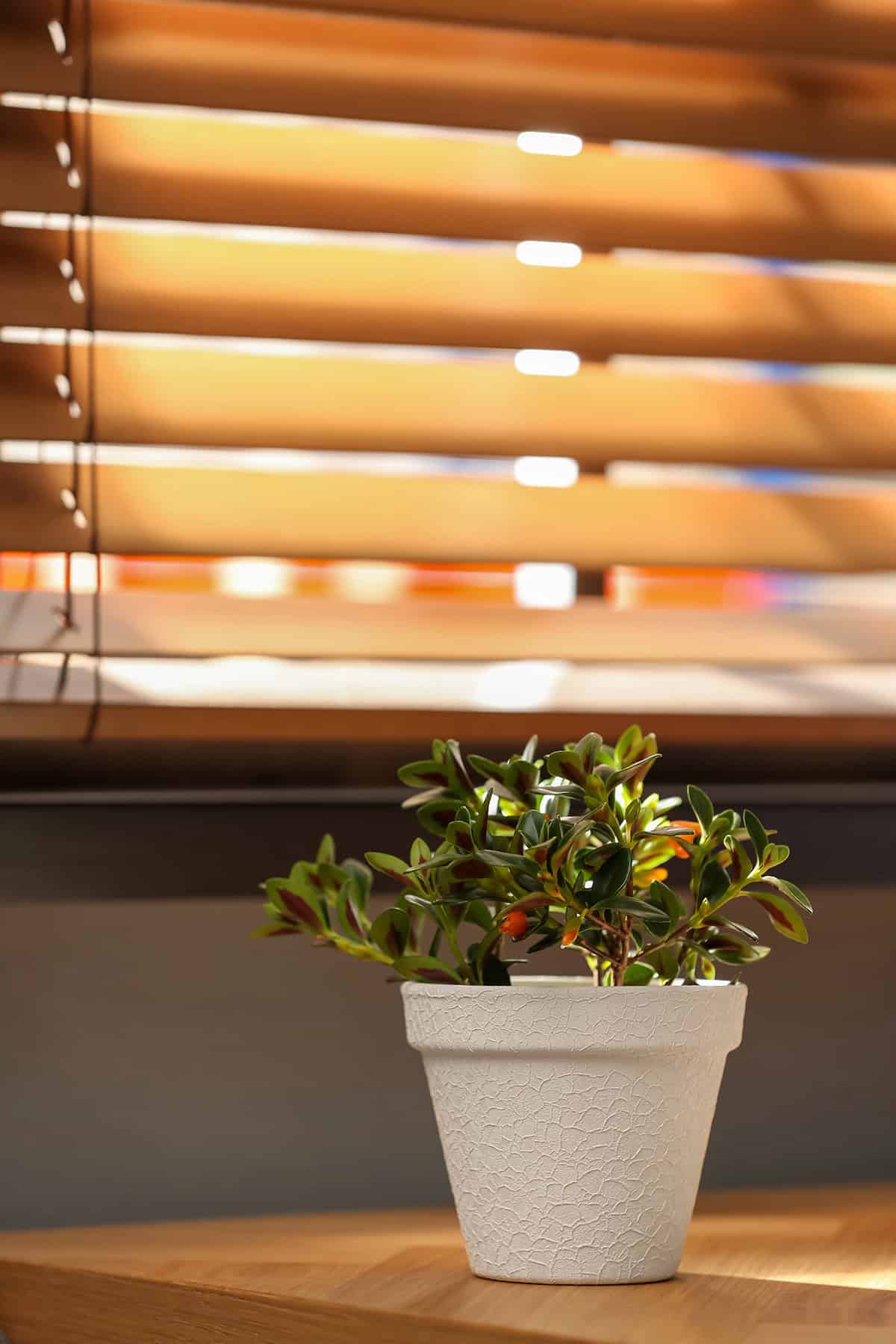
The quirky orange flowers of goldfish plant need steady, bright, indirect light to reappear. Humidity helps too.
The soil should be lightly moist, since dry air and dry soil both reduce buds.
Trim after flowering for shape, and fertilize in spring and summer.
Shrimp Plant (Justicia Brandegeeana)
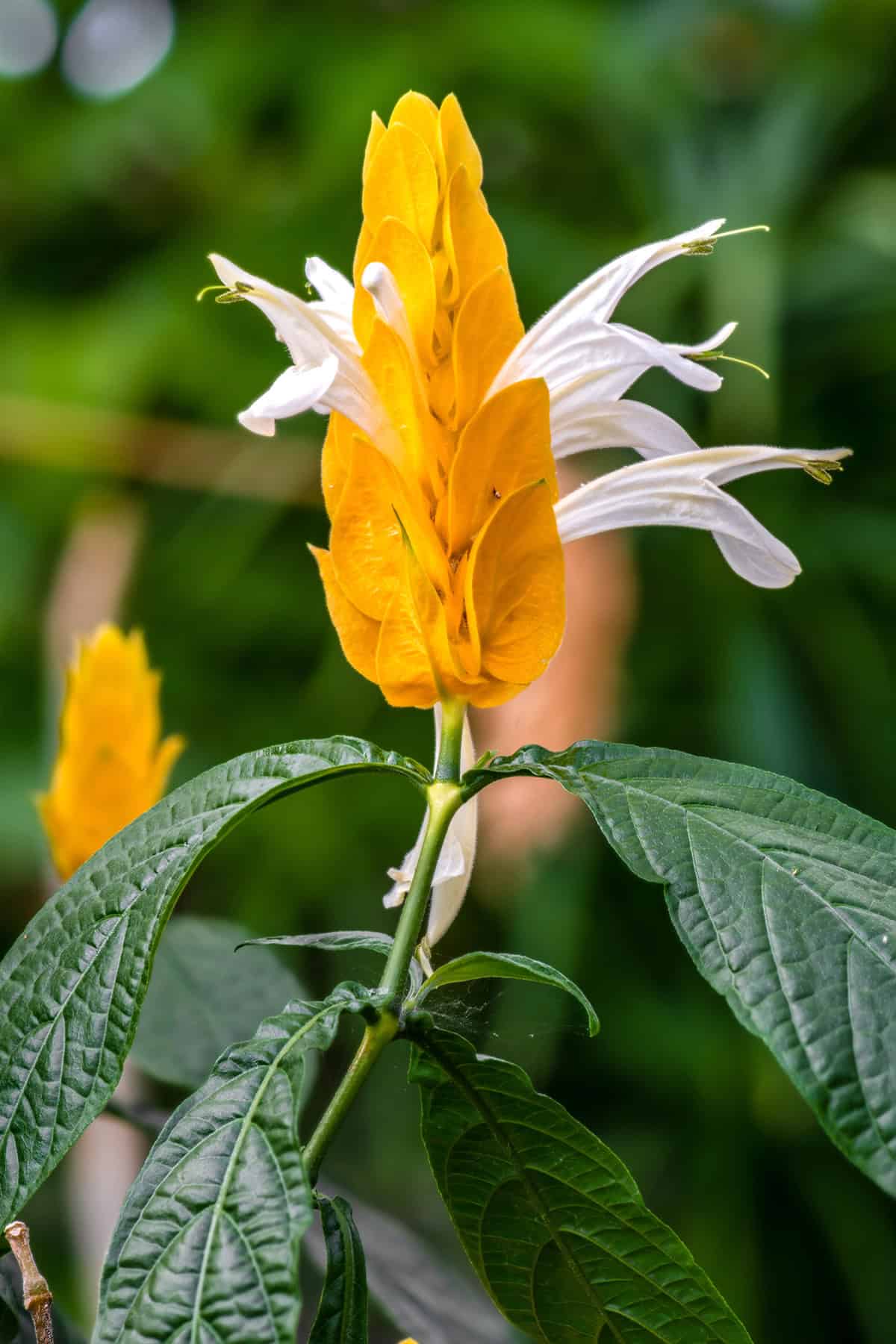
Layered bracts that resemble shrimp last for weeks, and bright spots produce the most flowers.
Water when the top of the soil is dry, and fertilize during periods of fast growth.
Prune after flowering to encourage branching, since the new shoots carry more blooms.
Hoya (Wax Plant)
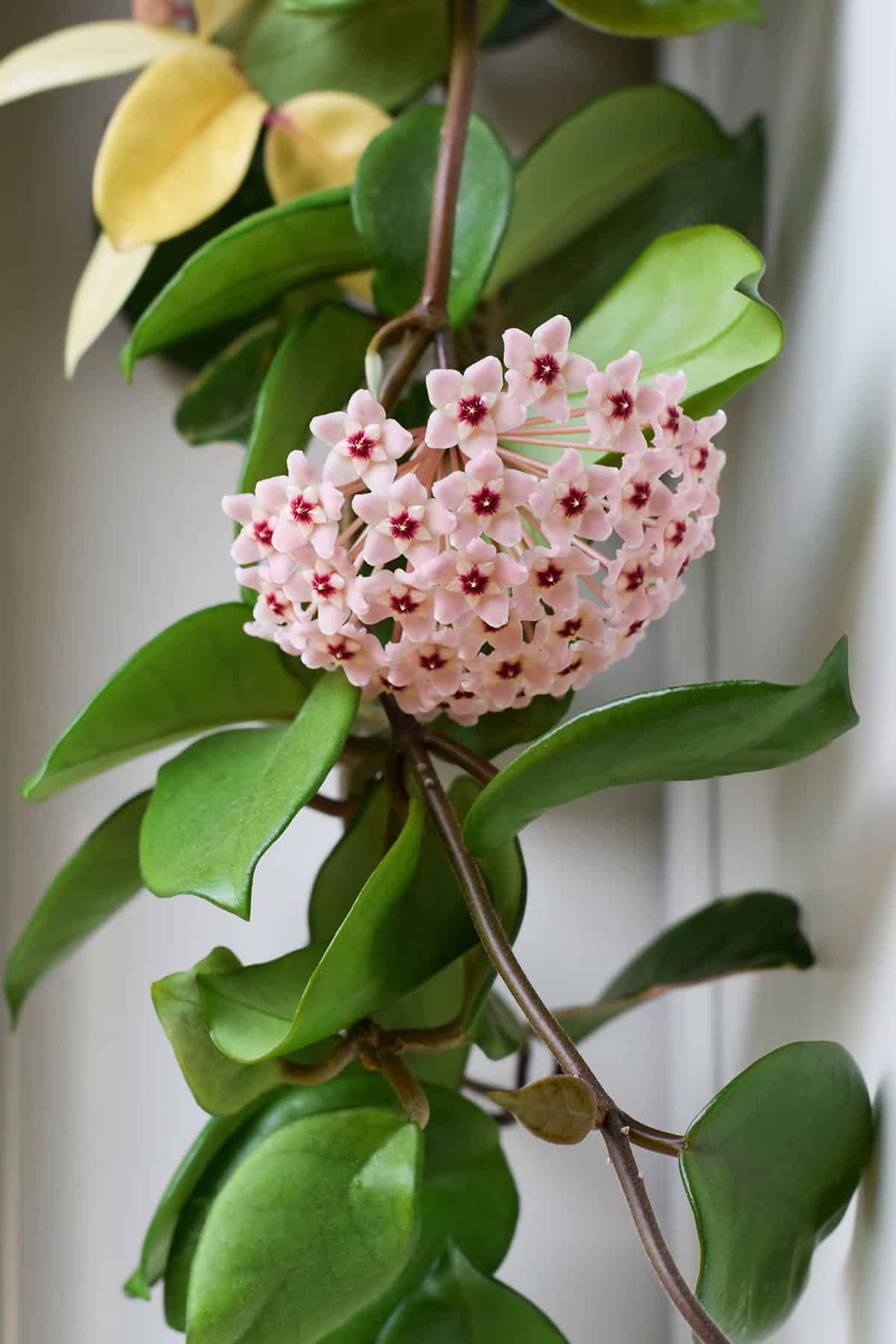
Hoyas return with clusters of starry, waxy flowers each year in bright light, especially when slightly root-bound.
Let the soil dry out between waterings, and avoid moving the plant once buds form, since it drops them easily.
Feed sparingly. Leave the old flower spurs in place, because new clusters form on the same spurs.
Abutilon (Flowering Maple)
Bell-shaped flowers dangle from arching stems in strong sun, and indoor plants bloom repeatedly with enough light.
Water for evenly moist soil and feed regularly during growth. Prune to control size and encourage branching.
Cool nights help bud set. Watch for whiteflies and aphids, which reduce flowering.
Oxalis (Purple Shamrock)
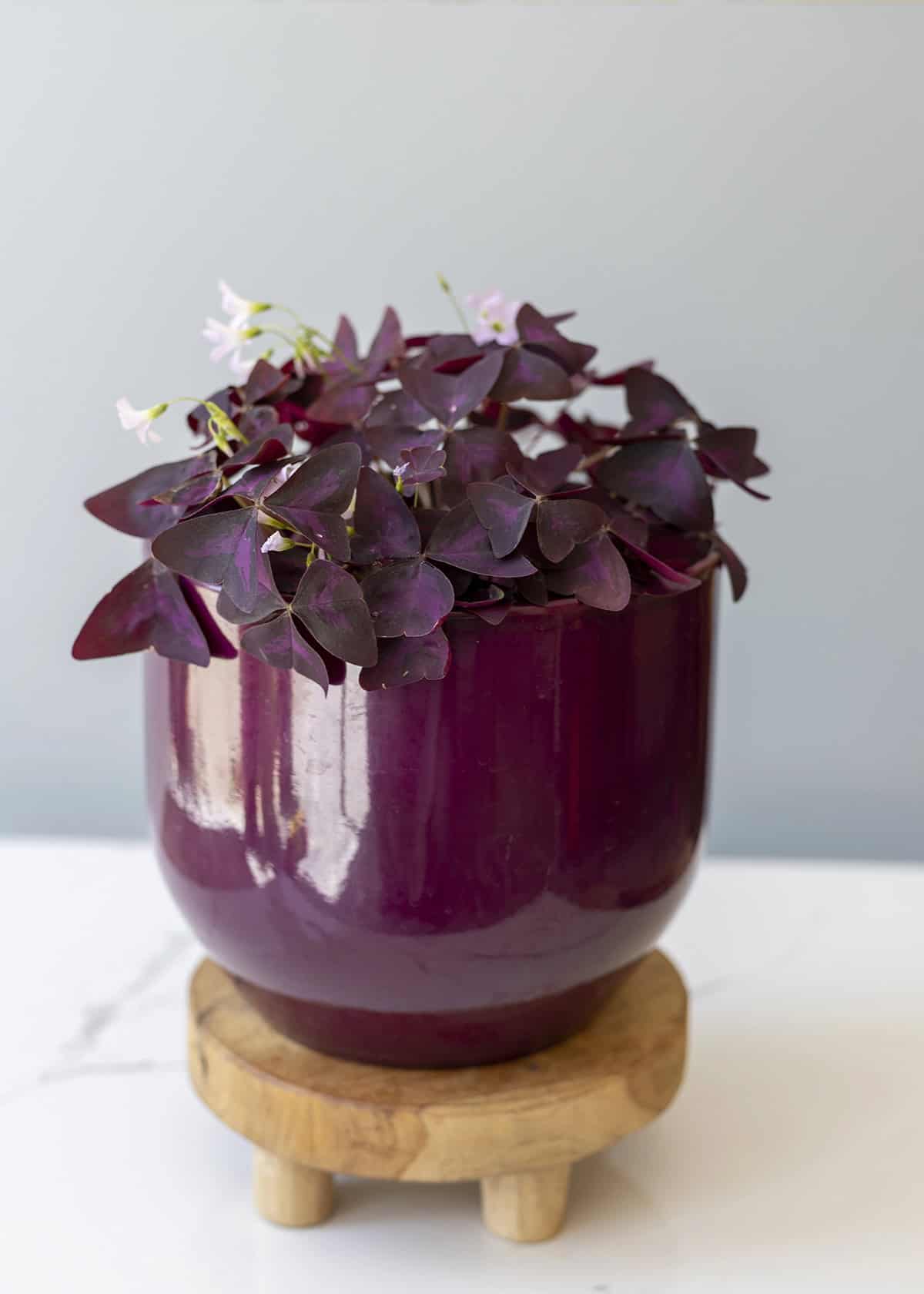
Purple shamrock folds its triangular leaves at night, and small pink or white flowers rise above them. After a long flush of blooms, it needs a rest before the next round.
Water when the soil is dry. Once flowering slows and leaves decline, cut back on water and let the plant go dormant for a few weeks in a cool spot.
Resume normal care when new growth appears. Bright light produces the best leaf color and the most flowers.
Geranium (Pelargonium)
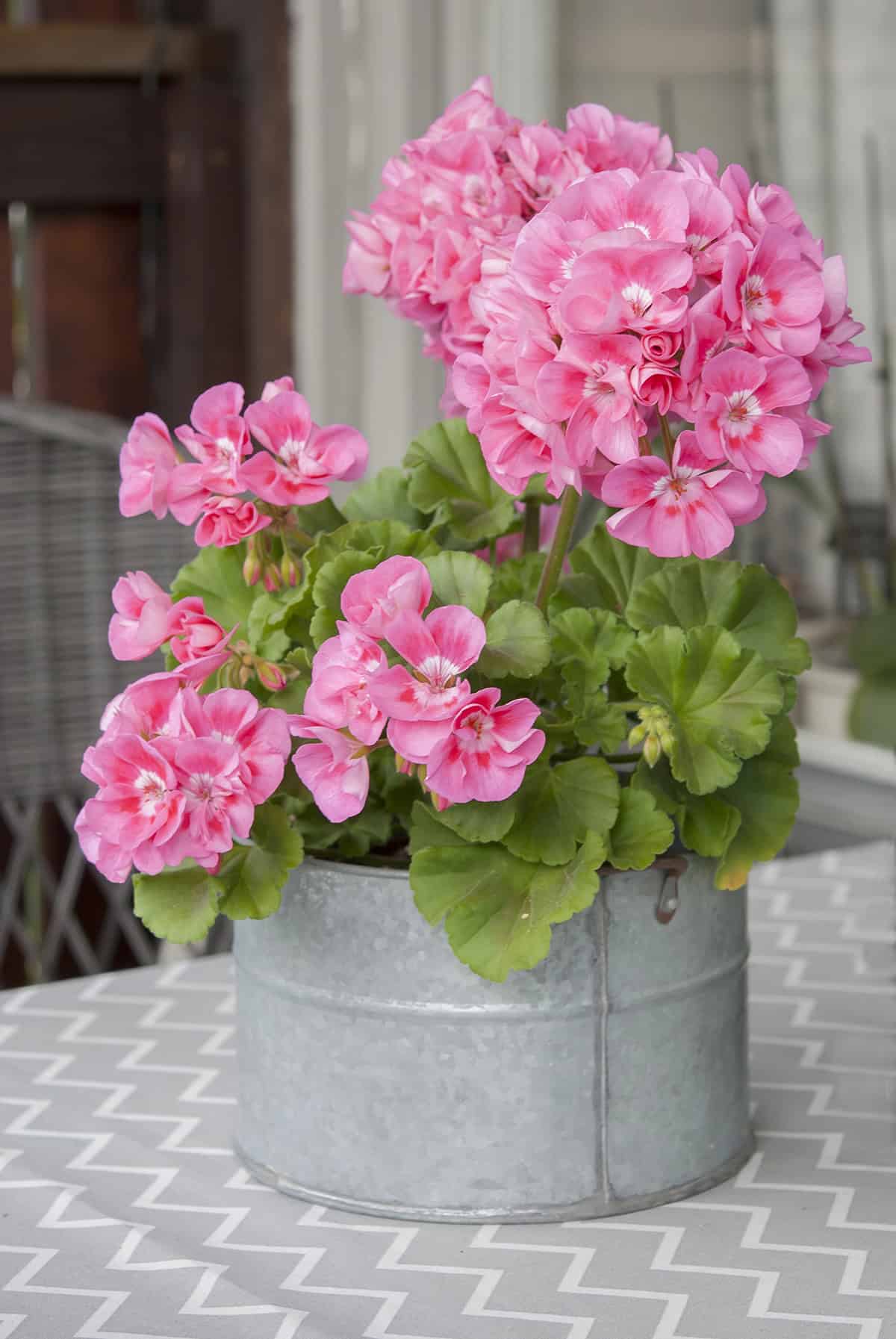
Geraniums bloom for months indoors in a sunny window, the single biggest factor in their flowering.
Let the soil dry slightly between waterings. Snip off spent blooms and pinch stems for a bushier plant.
Feed every two weeks during growth, and provide good air movement to prevent disease.
Impatiens (Busy Lizzie Or New Guinea Impatiens)
Impatiens produce reliable color in bright, indirect light, and New Guinea types tolerate more sun, a help on a bright sill.
The soil needs steady moisture, since dry spells cause bud drop.
Light feeding and regular deadheading produce a steady supply of flowers. Warm rooms are essential.
Miniature Roses (Indoor Varieties)
Miniature roses rebloom indoors with strong light, so a sunny window or a grow light is essential.
Water deeply when the top inch dries, and use a pot with good drainage, since the roots rot easily.
Prune lightly after each flush of flowers, and feed regularly during active growth. Spider mites love dry indoor air, so check the undersides of the leaves.
Crossandra
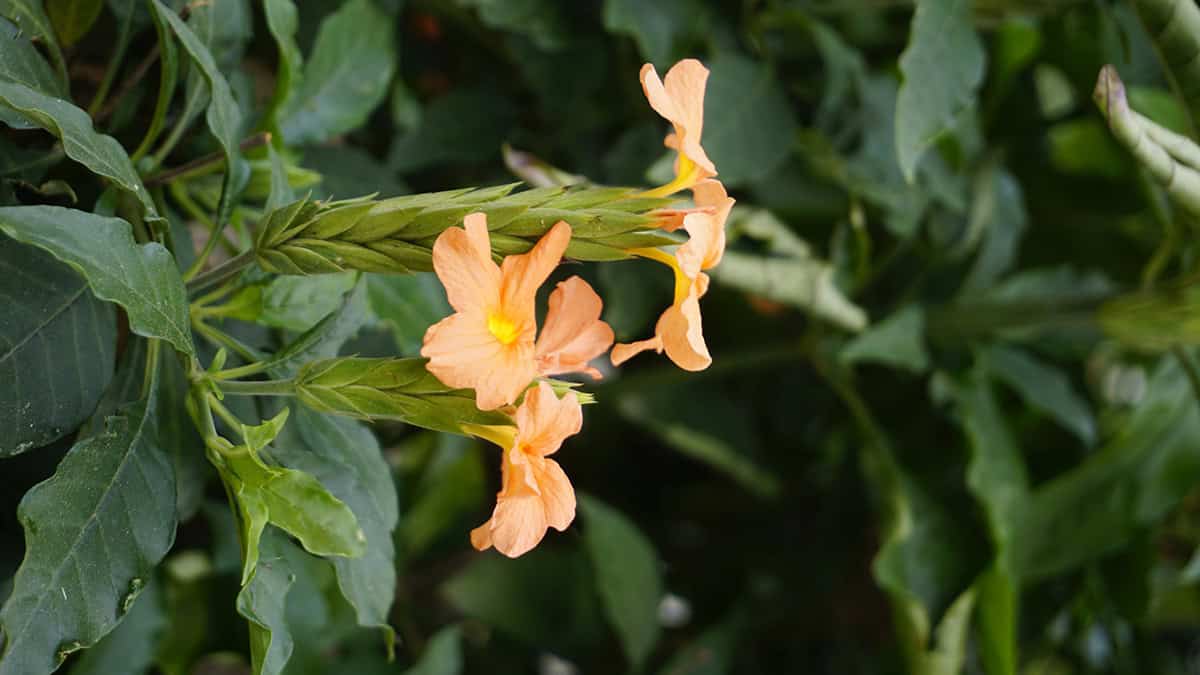
Crossandra carries glossy leaves and fiery orange blooms in consistently warm rooms. Strong, filtered light produces a steady supply of flowers.
Water for evenly moist soil, avoid cold drafts and raise the humidity where possible.
Remove spent flower spikes and feed monthly during growth. Consistent conditions pay off with continuous blooms.
Pentas
Pentas produce clusters of star-shaped flowers under intense light, and a very bright window or a grow light makes the difference.
Let the top of the soil dry before watering again, since excess water reduces blooms.
Pinch the stems to encourage branching, and feed regularly for more buds.
Clerodendrum Thomsoniae (Bleeding Heart Vine)
Bleeding heart vine produces waves of white calyces with vivid red flowers in high light, and it responds well to regular trimming.
Water when the surface dries. Moderate humidity and a trellis or stake for climbing help it thrive.
Prune after flowering to shape the vine, since it blooms on new growth. A short, slightly drier rest in winter sets up the next round.
Ixora (Dwarf Indoor Varieties)
Dwarf ixora covers itself in clusters of small flowers when it gets bright light, warmth and humidity.
The soil should be moist and slightly acidic. Hard water raises the pH and causes yellow leaves, so rainwater or filtered water is better.
Feed with a fertilizer for acid-loving plants. Stable conditions encourage steady bud set.
Ruellia (Mexican Petunia Types)
Ruellia produces trumpet-shaped blooms in strong light, and dwarf varieties grow neat and compact indoors.
Water when the top inch dries, and provide warmth and moderate humidity.
Prune for shape and feed during growth for more flowers. Mexican petunia (Ruellia simplex) spreads aggressively outdoors in warm regions, so grow it only in pots there.
Christmas Cactus (Schlumbergera)
Christmas cactus blooms in late fall or winter, and a healthy plant flowers again in spring in many homes. Long, cool nights trigger the buds.
Water when the top inch of soil dries, and use a fast-draining mix. For new buds, place it where it receives 12 to 14 hours of darkness each night and temperatures around 55 to 65°F for about six weeks.
Avoid moving the plant once buds form, since sudden changes cause bud drop. Feed monthly from spring to late summer.
Flame Violet (Episcia)
A trailing cousin of the African violet, flame violet carries patterned bronze or silver leaves and small red, orange or pink flowers that reappear through the warm months.
Bright, indirect light and high humidity are essential, so a terrarium or a humid bathroom produces the best results. Temperatures above 65°F prevent leaf damage.
Water for evenly moist soil and avoid wetting the leaves. Feed lightly every two weeks during growth, and pin down runners to fill the pot.
Angel Wing Begonia (Cane Begonia)
Angel wing begonias produce drooping clusters of pink, red or white flowers on tall, cane-like stems, and they bloom on and off for much of the year in bright, indirect light.
Wait until the top inch of soil is dry before watering, since soggy soil quickly leads to root rot. Good air circulation prevents mildew.
Snip off faded flower clusters and cut back tall canes in spring to encourage branching. Feed every two weeks during active growth for steady blooms.