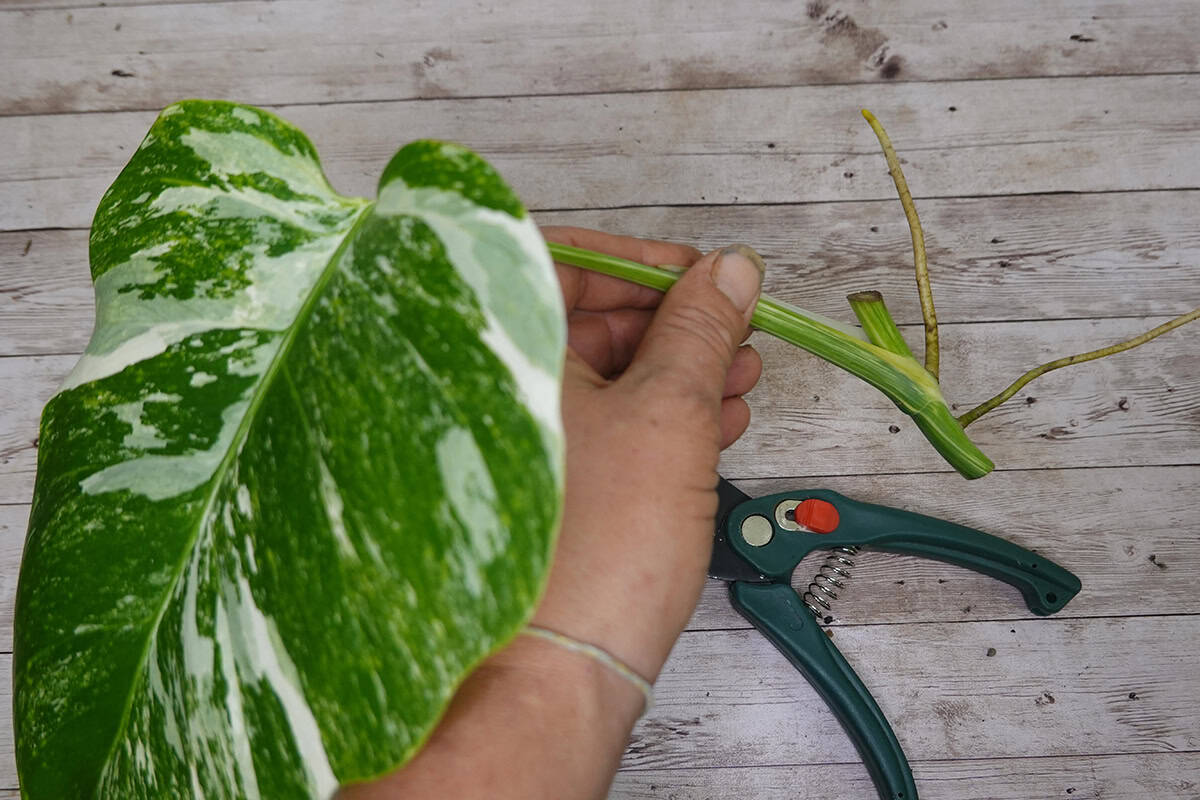
Plant lovers know the excitement of spotting tiny roots appear on a cutting. That small moment can turn one plant into several and make an indoor garden feel much more abundant. Take a look through this list of easy houseplants you can propagate from cuttings.
Table of Contents
- 20+ Houseplants You Can Propagate From Cuttings
- Pothos (Epipremnum aureum)
- Heartleaf Philodendron (Philodendron hederaceum)
- Monstera deliciosa
- Monstera adansonii
- Tradescantia zebrina
- Tradescantia fluminensis
- Coleus
- Begonia (Cane or Rex Types)
- African Violet (Leaf Cuttings)
- Christmas Cactus (Schlumbergera)
- Jade Plant (Crassula ovata)
- Kalanchoe
- Peperomia obtusifolia
- Rubber Plant (Ficus elastica)
- Dracaena
- Ti Plant (Cordyline fruticosa)
- Polka Dot Plant (Hypoestes)
- Purple Heart (Tradescantia pallida)
- English Ivy (Hedera helix)
- Lipstick Plant (Aeschynanthus)
- Hoya (Wax Plant)
- Geranium (Pelargonium)
- Wandering Dude (Tradescantia)
- Scindapsus pictus (Satin Pothos)
- Syngonium (Arrowhead Plant)
- Swedish Ivy (Plectranthus verticillatus)
20+ Houseplants You Can Propagate From Cuttings
Some of the most common houseplants root like champs from a simple stem or leaf cutting. As long as your tools are clean and the parent plant is healthy, you’re set up for a wave of new growth—no need for complicated routines.
Pothos (Epipremnum aureum)
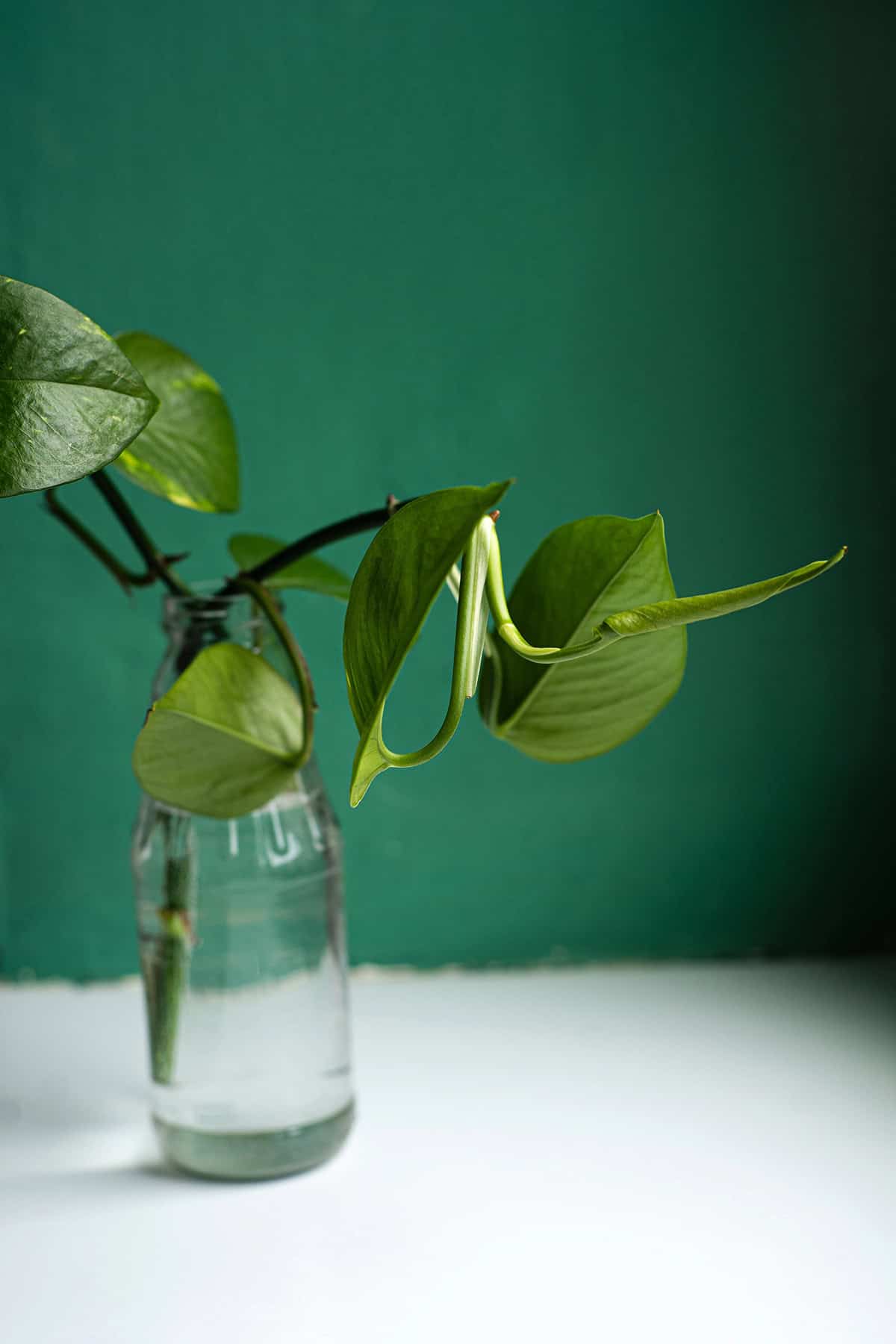
Trailing vines and a forgiving nature make pothos a favorite for propagation. Snip a segment with at least one node, strip off the lower leaf, and drop the node into water or a damp potting mix.
Roots usually show up in a week or two if the light’s good but not harsh. If you’re using water, swap it every few days. Once those roots hit about two inches, it’s time for soil.
Keep things just damp—not soggy—while the plant settles in. Cutting back leggy vines does double duty: keeps the plant neat and gives you more material to root.
Heartleaf Philodendron (Philodendron hederaceum)
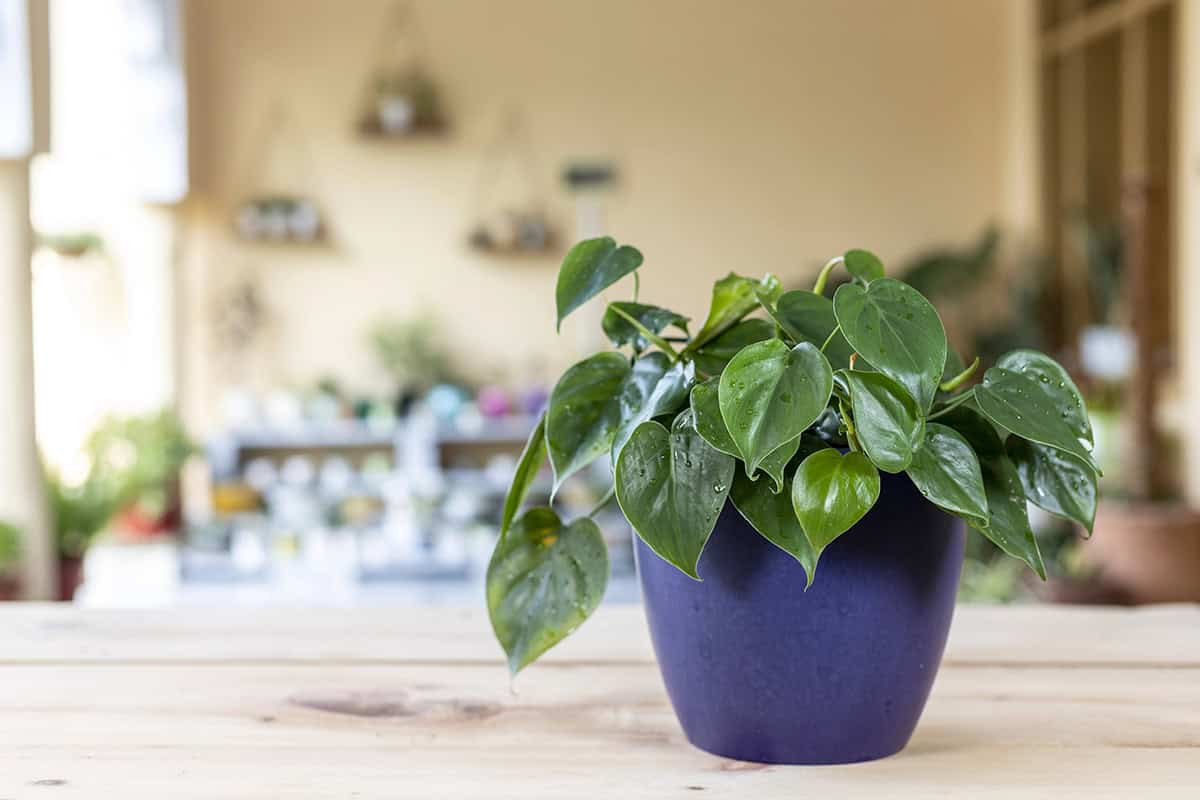
Trailing stems on this plant respond fast to a clean cut. Pick a healthy vine, snip just below a node, and keep a leaf or two on the cutting.
Pop the node in water or a loose, airy mix. Give it warmth and bright, filtered light. Roots tend to show up within two or three weeks.
Once it’s in soil, let the top layer dry out between waterings. Pinching the tips now and then keeps it bushy.
Monstera deliciosa
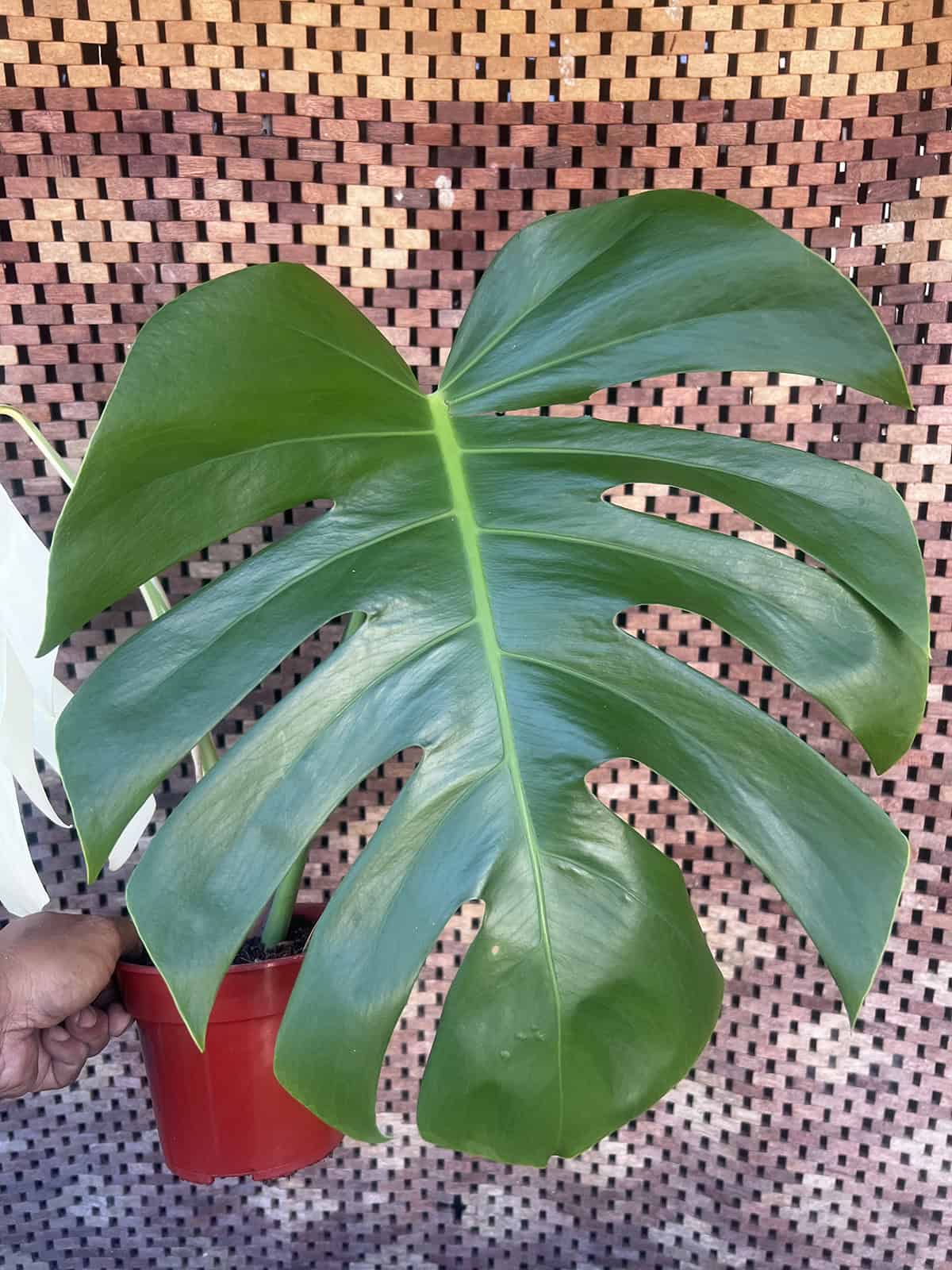
Big leaves, dramatic splits—monstera cuttings need a visible node and, if you can, an aerial root. Cut just below the node, leaving at least one leaf attached.
Stand the node in water, but keep the leaf dry. Roots can take their sweet time, sometimes several weeks. Change the water often.
When roots get a few inches long, move to a chunky soil blend with bark or perlite. Support is helpful; a moss pole or stake keeps the stem upright.
Monstera adansonii
These quirky, holey leaves belong to a plant that roots faster than its big cousin. Find a healthy vine with a clear node, snip below it, and you’re halfway done.
Water works great for rooting, but moist soil does the trick too. Bright, filtered light helps. Expect roots in two or three weeks.
Once roots turn strong and white, transplant. Keep the soil moist, but not soggy.
Tradescantia zebrina
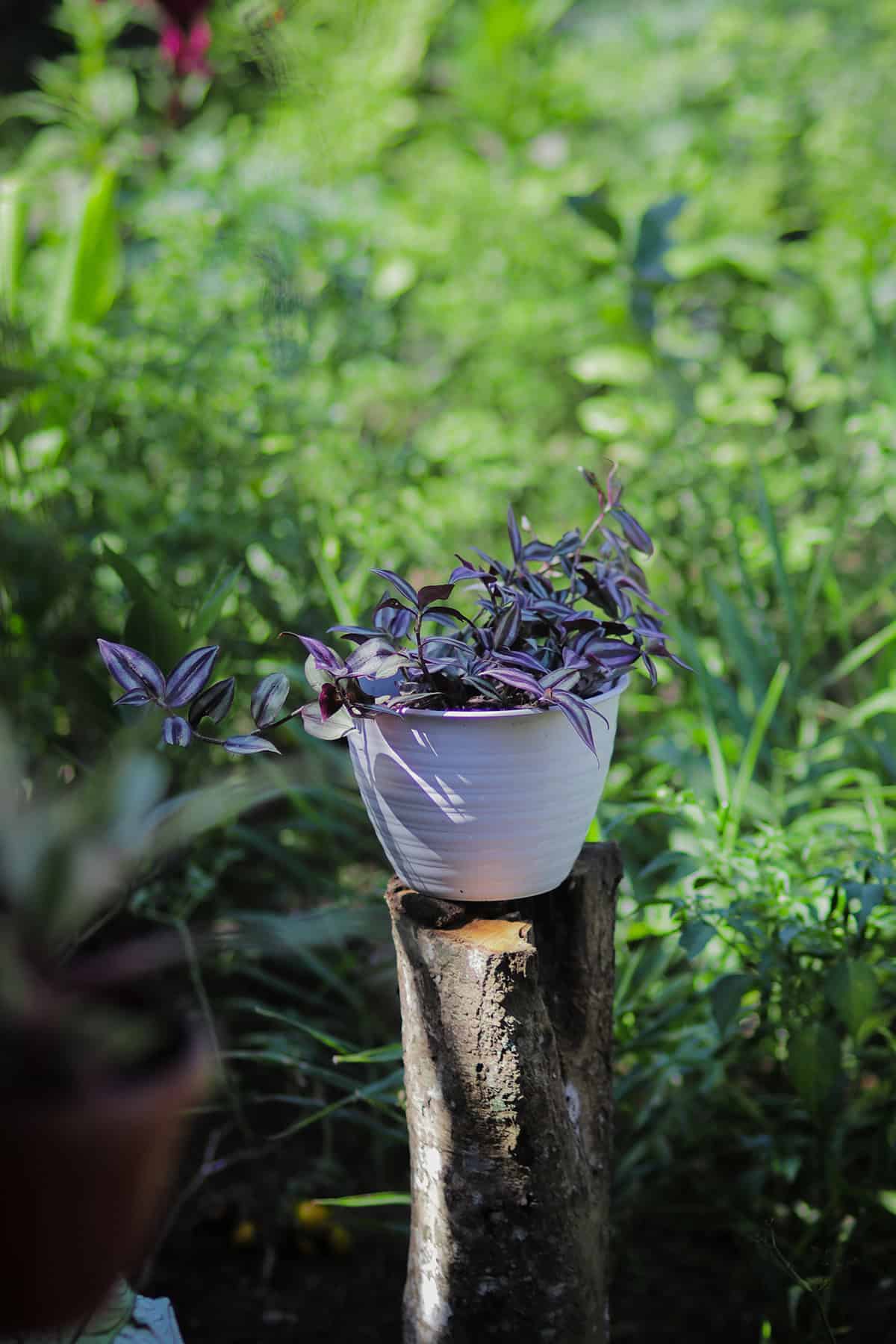
Vivid purple and silver stripes make this one a standout. Any healthy stem section works—just cut a piece about four to six inches long, removing the lower leaves.
Stick the stem in water or moist potting mix. Roots often pop up in less than two weeks.
Pinching back growth keeps the plant full. Bright light keeps colors bold.
Tradescantia fluminensis
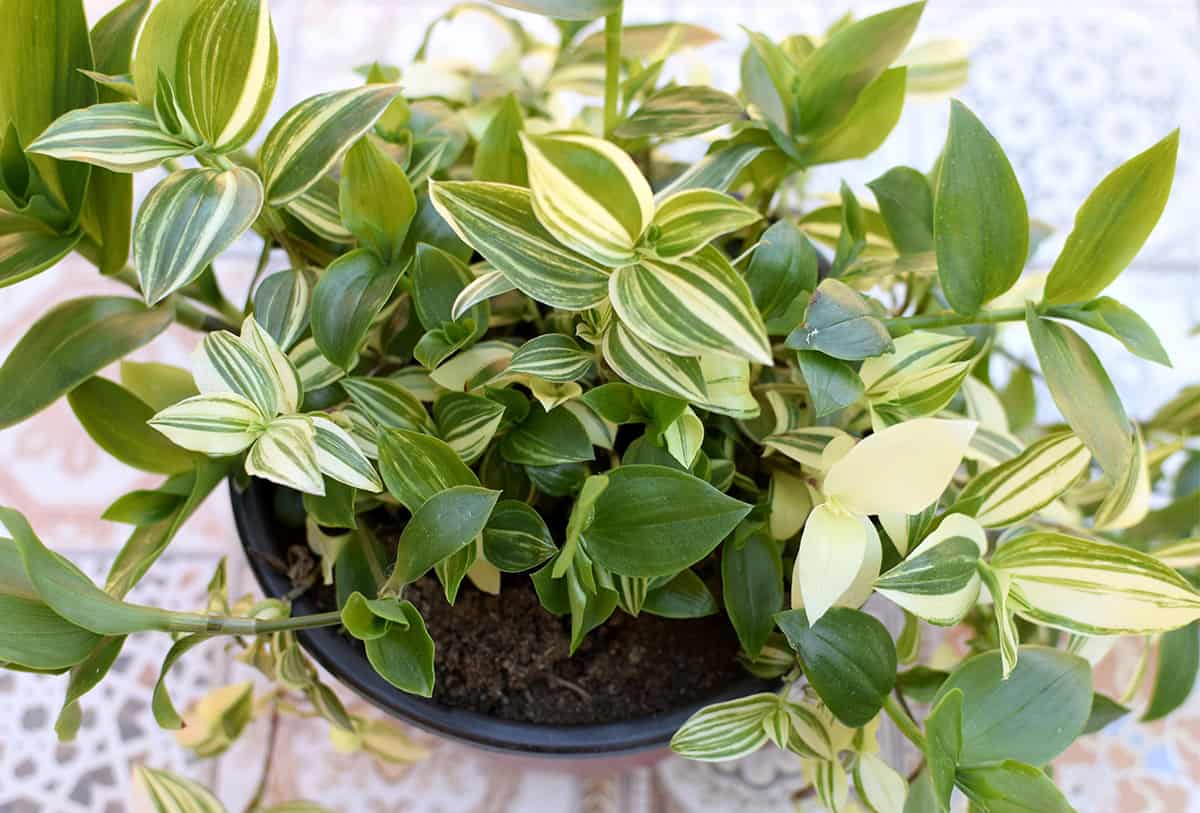
Soft, sprawling stems are ridiculously easy to root. Take tip cuttings with a node and a couple leaves.
Root straight into soil for a head start. Keep things slightly moist, not wet.
Set the pot in bright, indirect light. Regular trims keep it from getting leggy.
Coleus
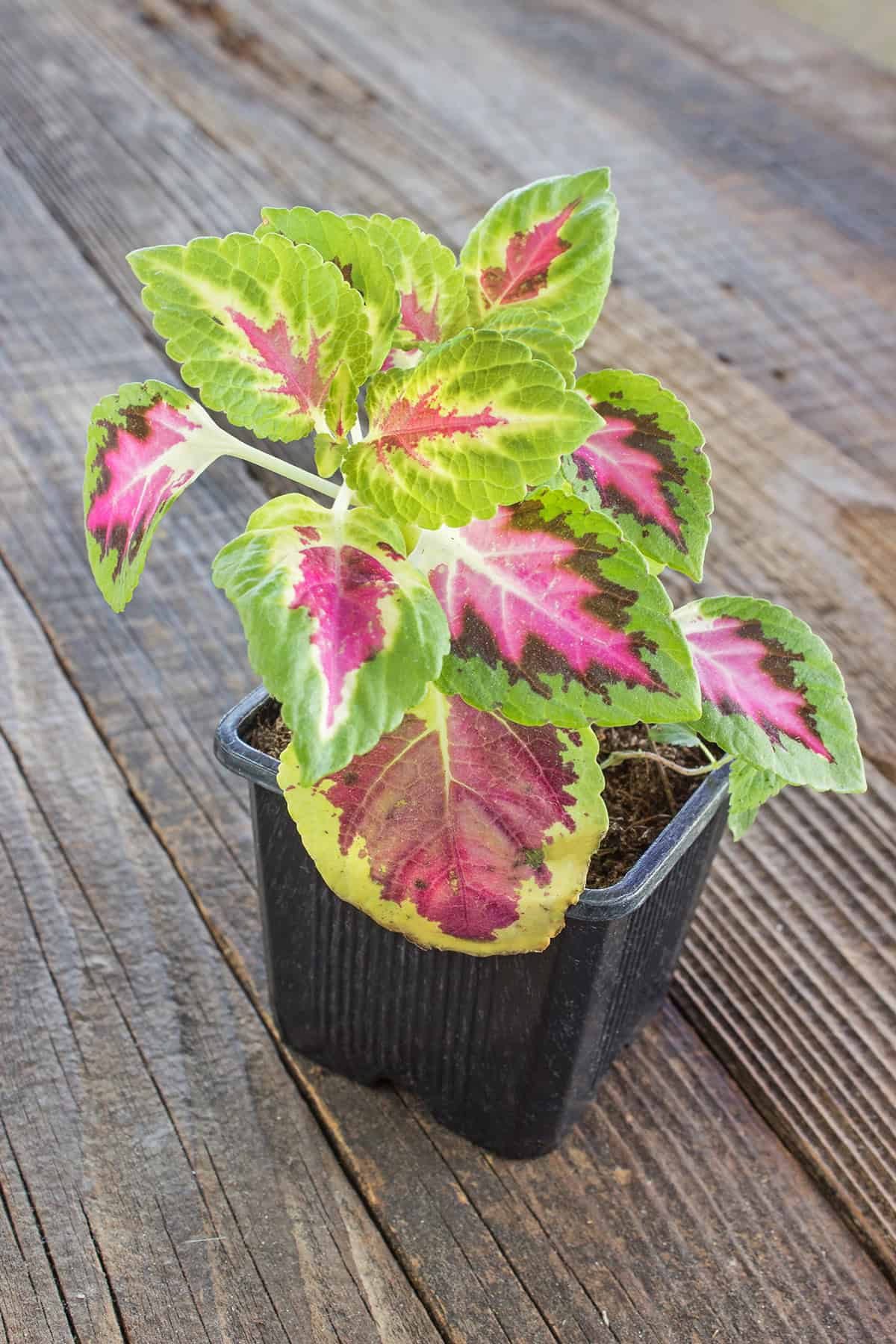
Bright, wild leaves—coleus loves to root from non-flowering stem tips. Four-inch cuttings, node just below the cut, lower leaves removed.
Drop them in water and you’ll often see roots within a week if the light’s decent.
Once roots hit an inch, move to soil. Pinching after planting helps the plant fill out.
Begonia (Cane or Rex Types)
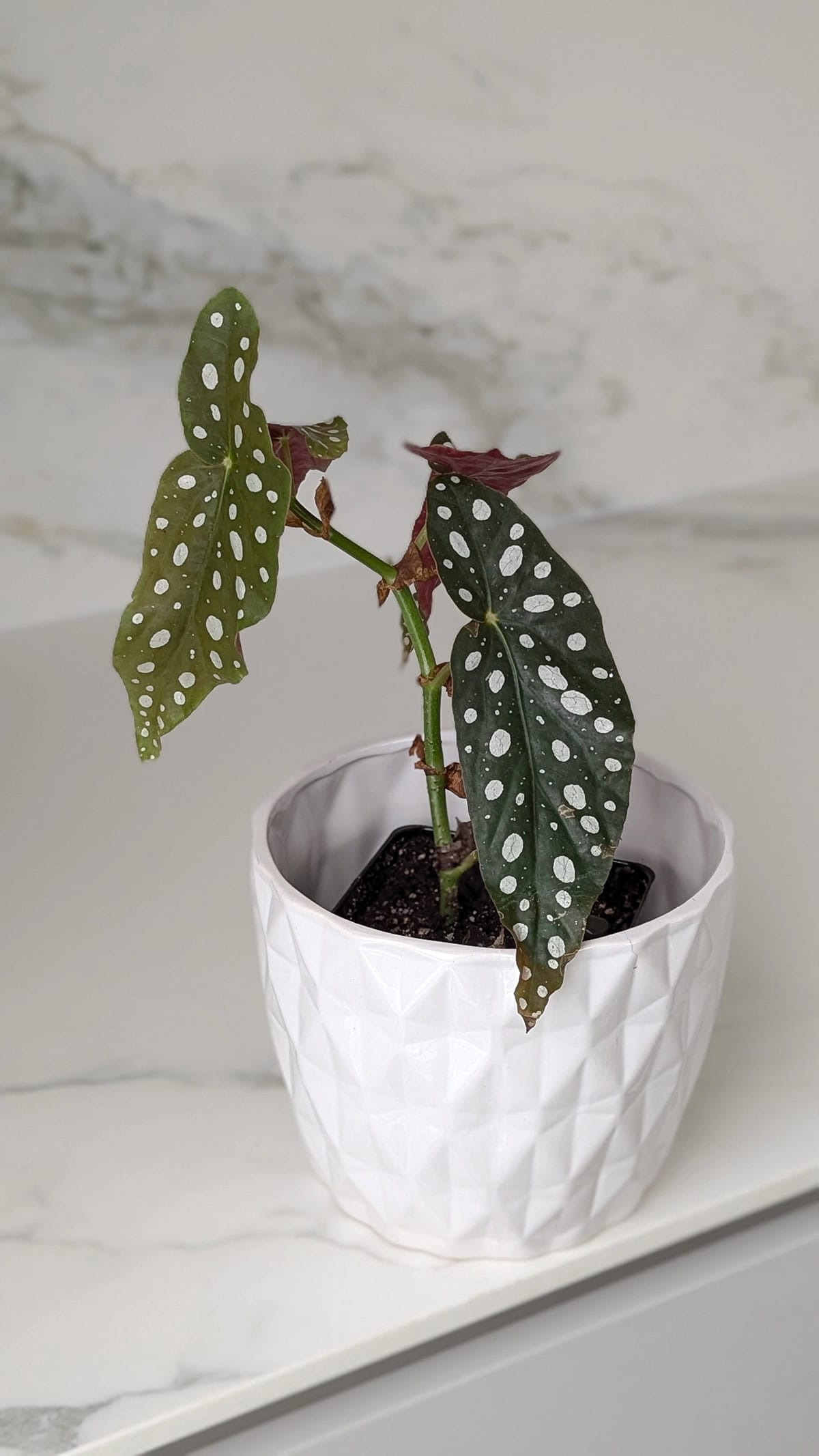
Cane begonias are happy to grow from a chunk of healthy stem with a node. Stick it in an airy, moist mix and wait.
Rex begonias? They’ll even grow from a leaf. Lay a leaf flat and press the veins into the soil.
Moderate humidity and bright, indirect light are your friends. Sometimes you just have to wait—these can be slow to sprout.
African Violet (Leaf Cuttings)
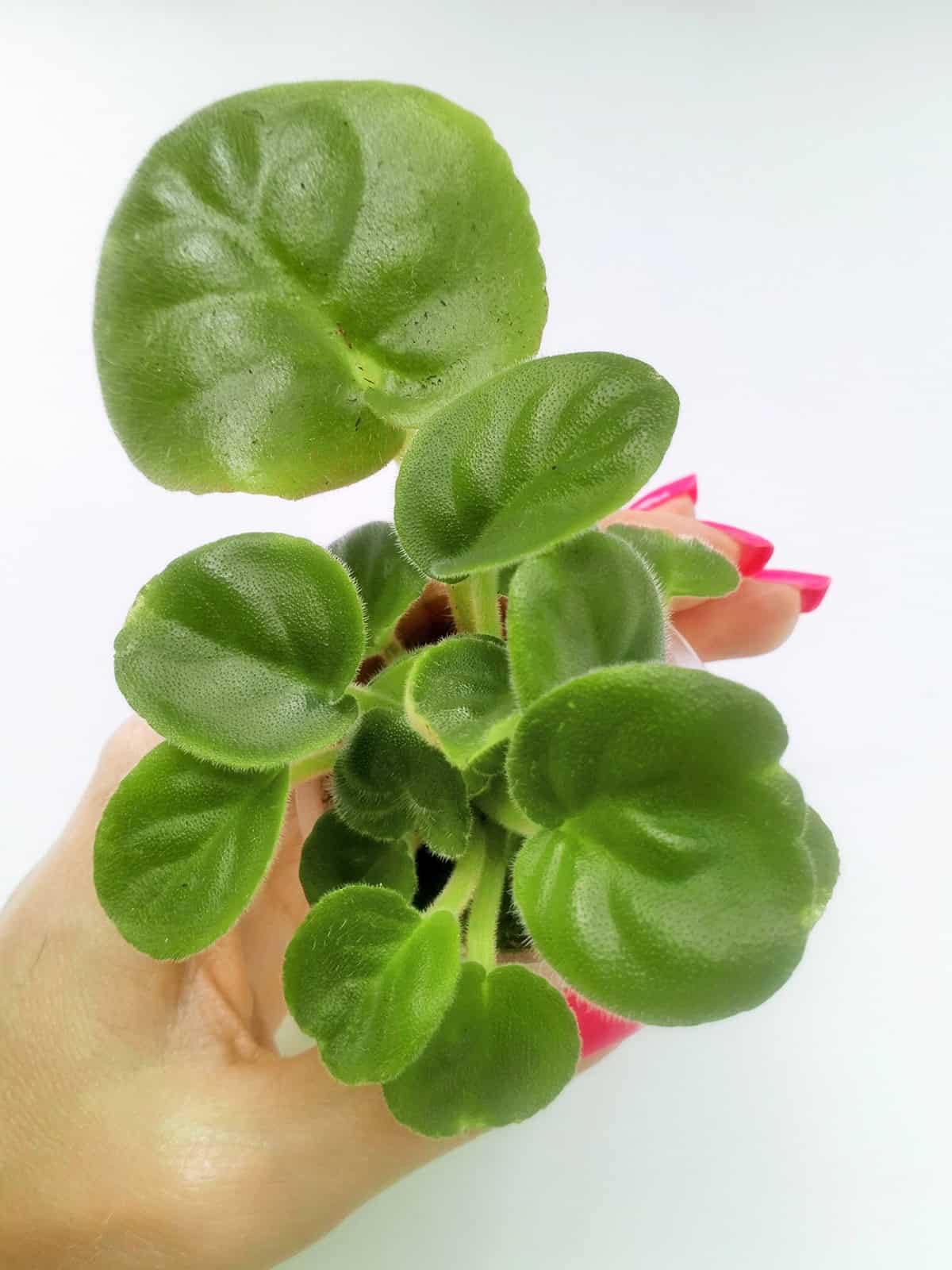
It’s almost magic: a single leaf can give you a whole new plant. Take a healthy leaf with about an inch of stem.
Stick the stem into a light, moist mix, keeping the leaf blade above the soil.
Bright, indirect light and steady warmth help. Tiny plantlets eventually appear at the base.
Christmas Cactus (Schlumbergera)
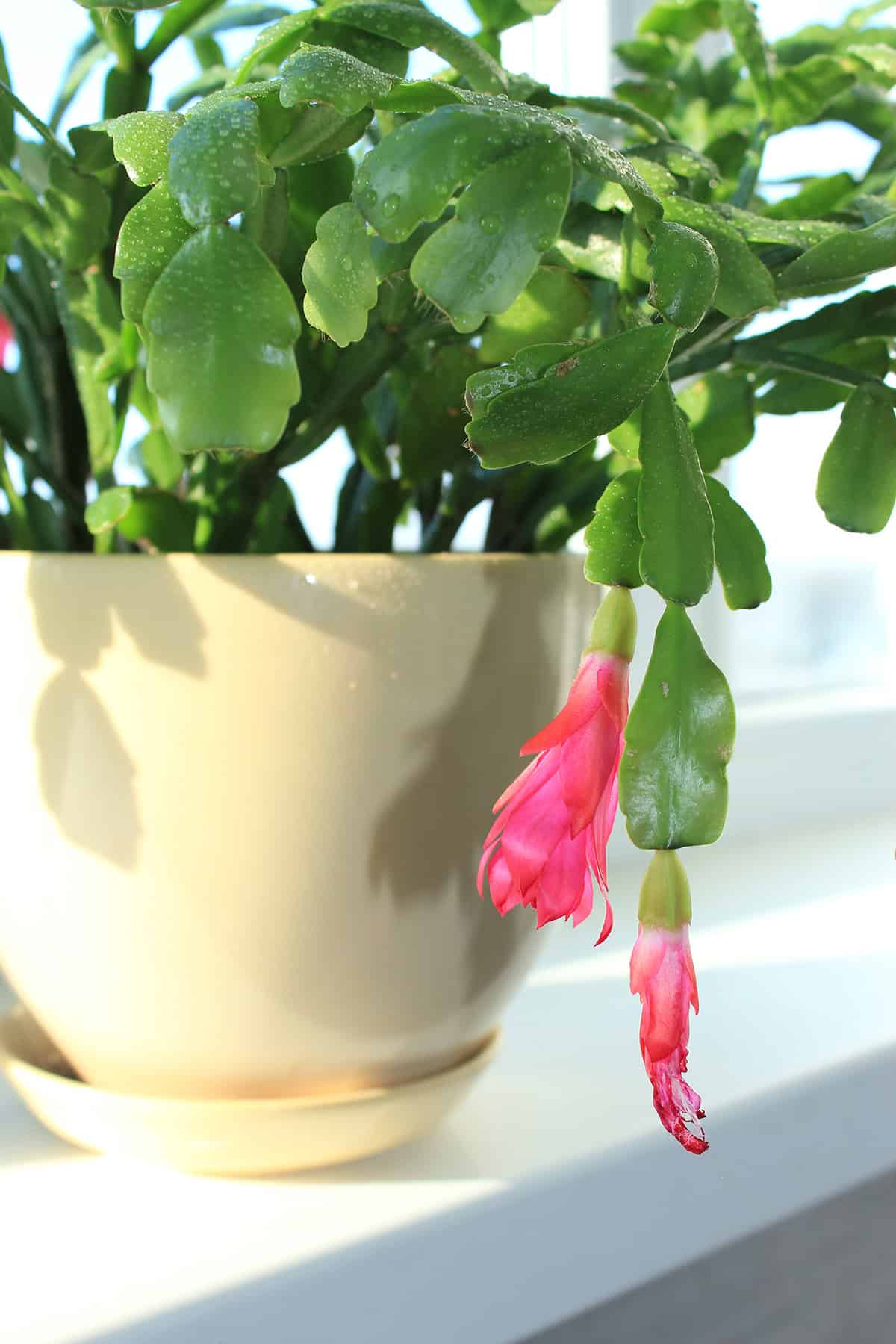
Break off a piece with two to three joined pads. Let the end dry for a day—this step matters.
Push the segment about an inch into a free-draining cactus mix. Go easy on the water and keep it in bright, indirect light.
Roots usually show up after a few weeks. Don’t drown it—too much water is trouble.
Jade Plant (Crassula ovata)
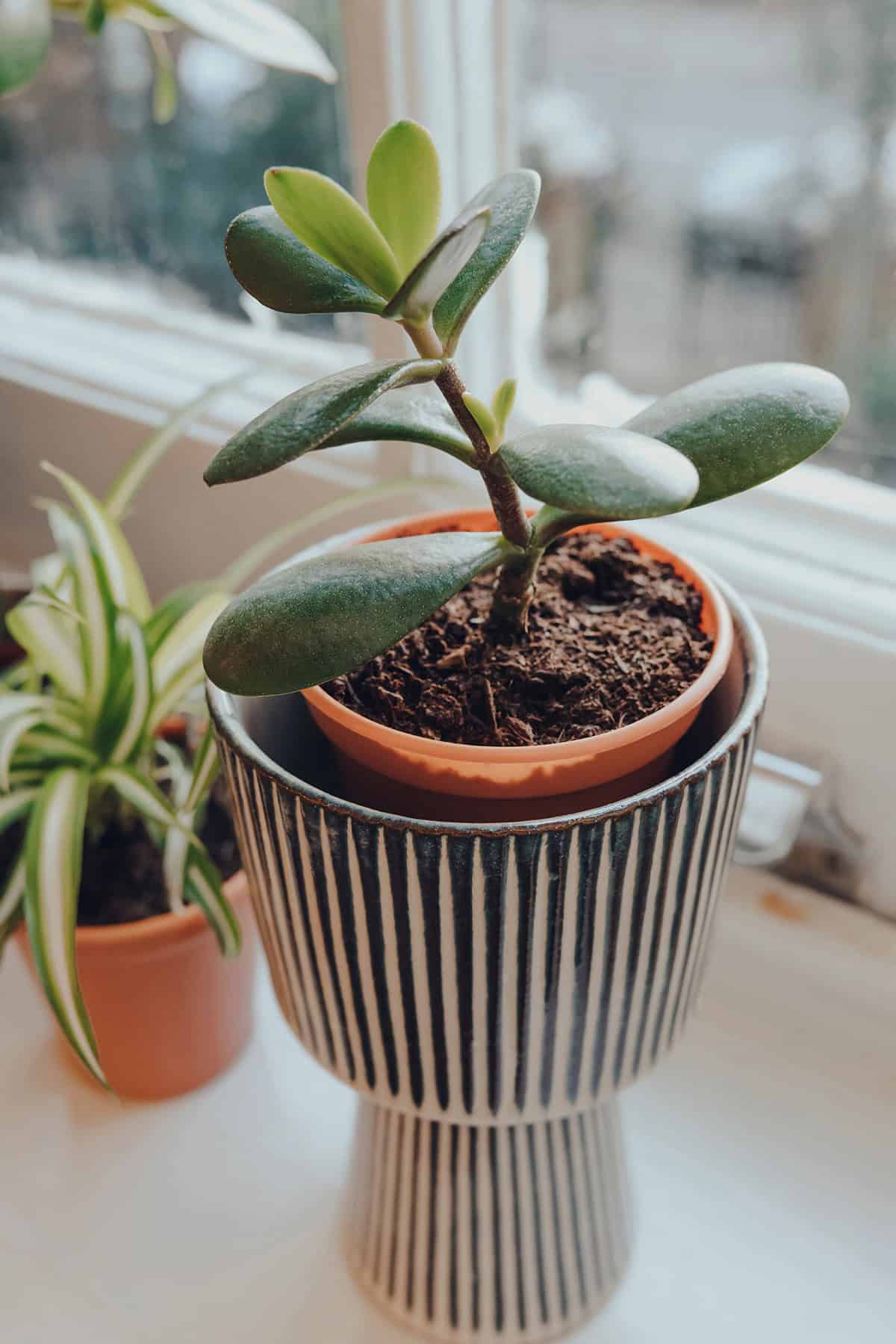
Chunky stems and leaves make jade plant a classic. Cut a firm stem, then let it sit and callus for several days before planting.
Set the cutting in dry succulent soil and hold off on watering for a bit.
Bright light is key. Once you see new leaves, you know it’s rooted.
Kalanchoe
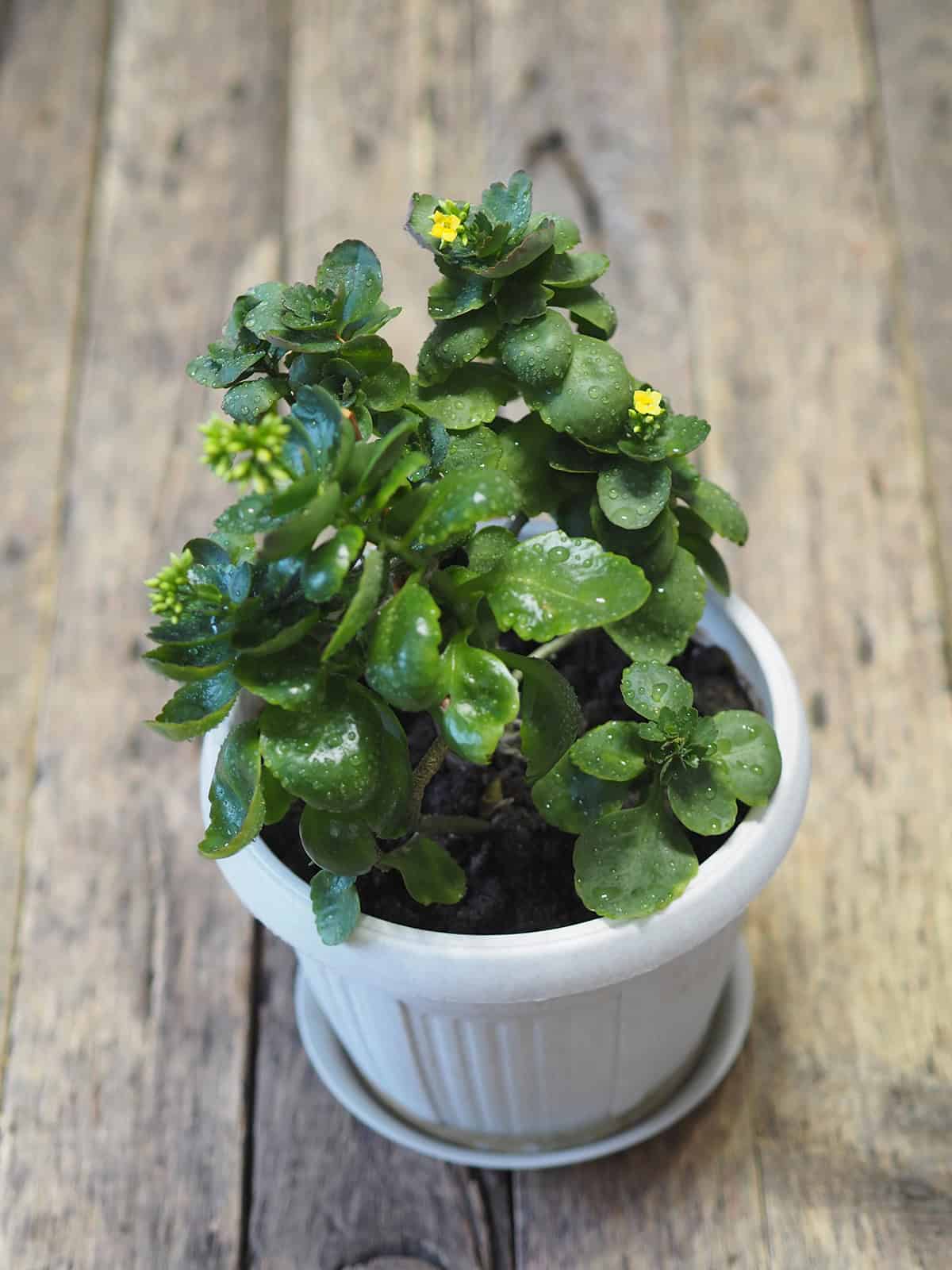
Short, non-flowering stems are best. Give the cut ends a day to dry out.
Push into well-draining succulent soil. Keep things barely moist until roots show up.
Plenty of light keeps growth compact. Skip heavy watering—these don’t like wet feet.
Peperomia obtusifolia
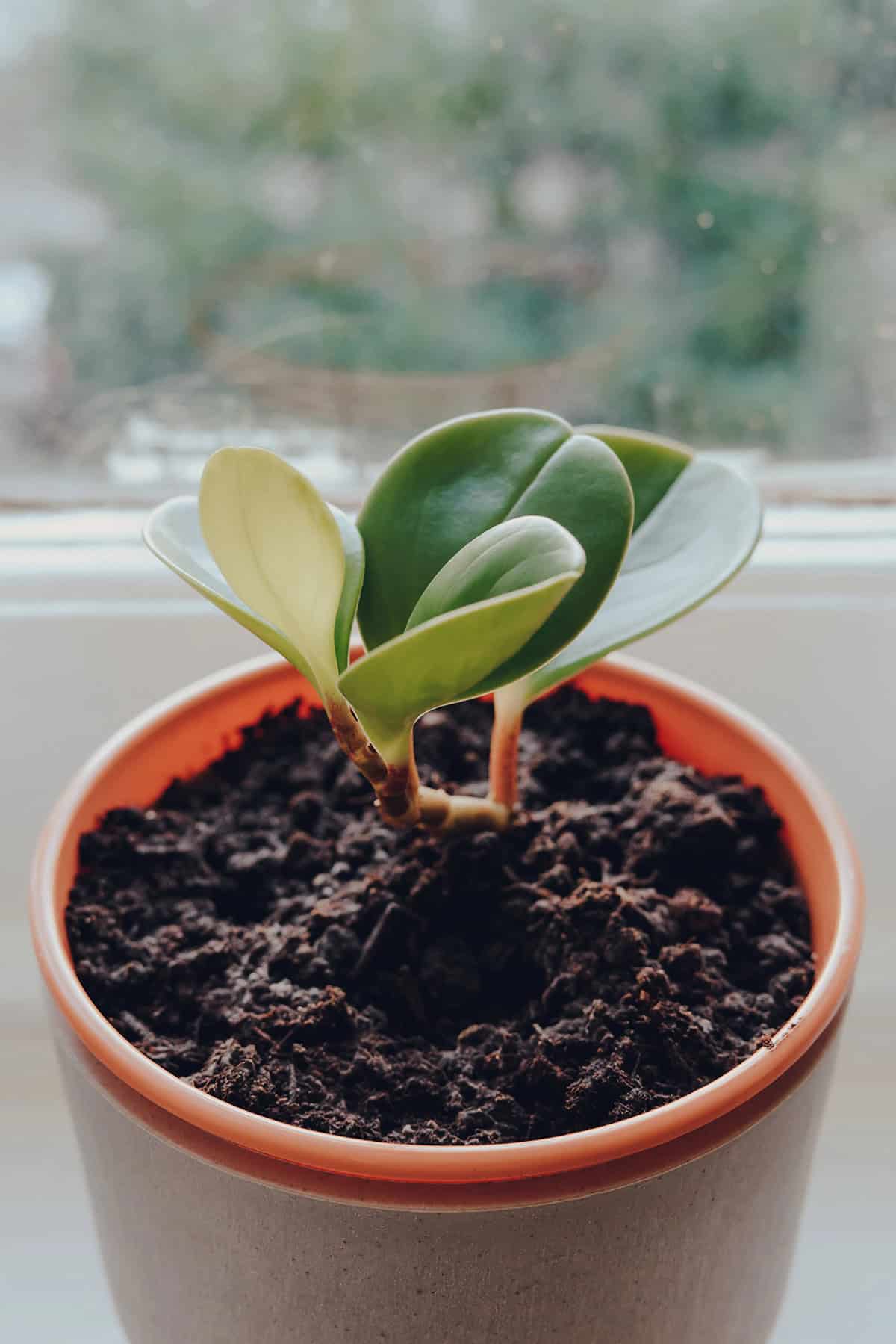
Thick stems or even single leaves work. Take a stem with a node, or a chubby leaf with a bit of stem.
Root in water or a fluffy, light mix. Bright, indirect light speeds things up.
Soil should stay just barely moist. Good light keeps it from getting leggy.
Rubber Plant (Ficus elastica)
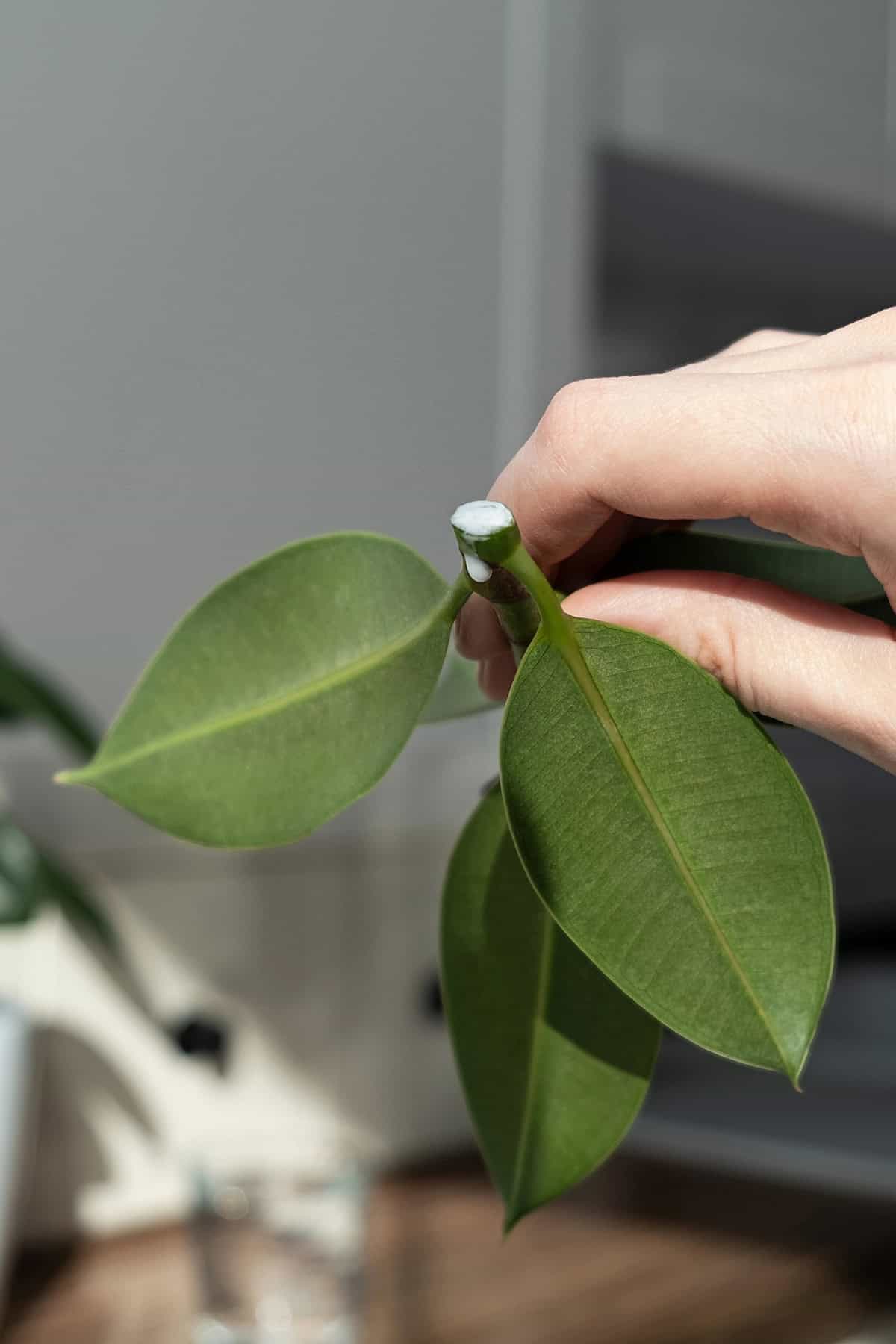
Look for a stem with a node and a leaf, snip below the node, and strip off extra leaves.
Root in water or moist soil, but keep it warm for best results.
Roots can be slow—sometimes weeks. Once it’s going, pot up in a well-drained mix and give it bright, indirect light.
Dracaena
Long, woody canes can be divided into sections—just make sure each has a node.
Lay them flat on moist soil or stand them upright. Keep the mix just damp.
Shoots will eventually pop from the nodes. Light should be bright, but not direct.
Ti Plant (Cordyline fruticosa)
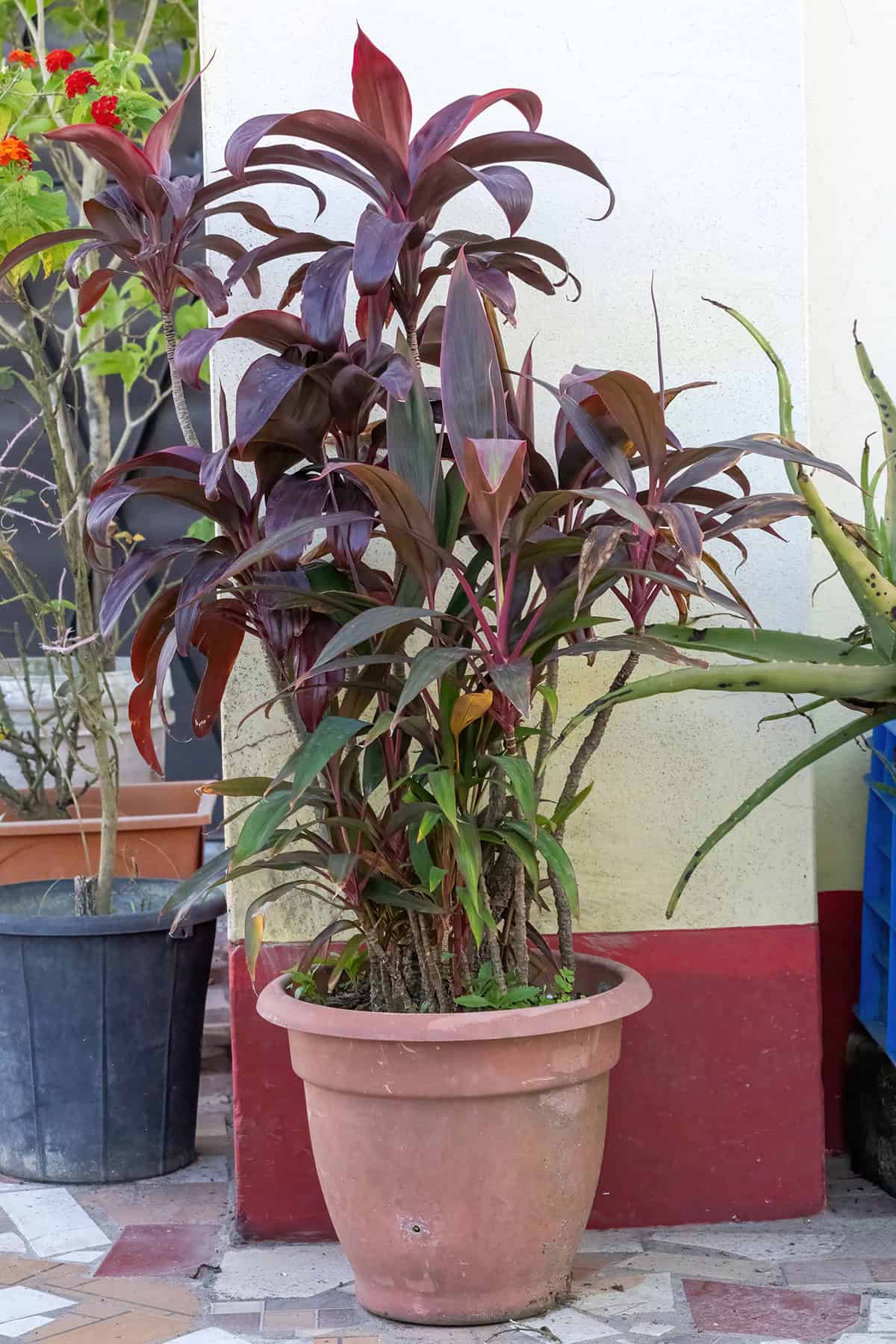
Chop a stem into a few-inch sections, each with a node.
Root in moist, loose soil. Warmth and filtered light help speed things along.
Once roots are set, new shoots emerge. Keep things evenly moist for a while.
Polka Dot Plant (Hypoestes)
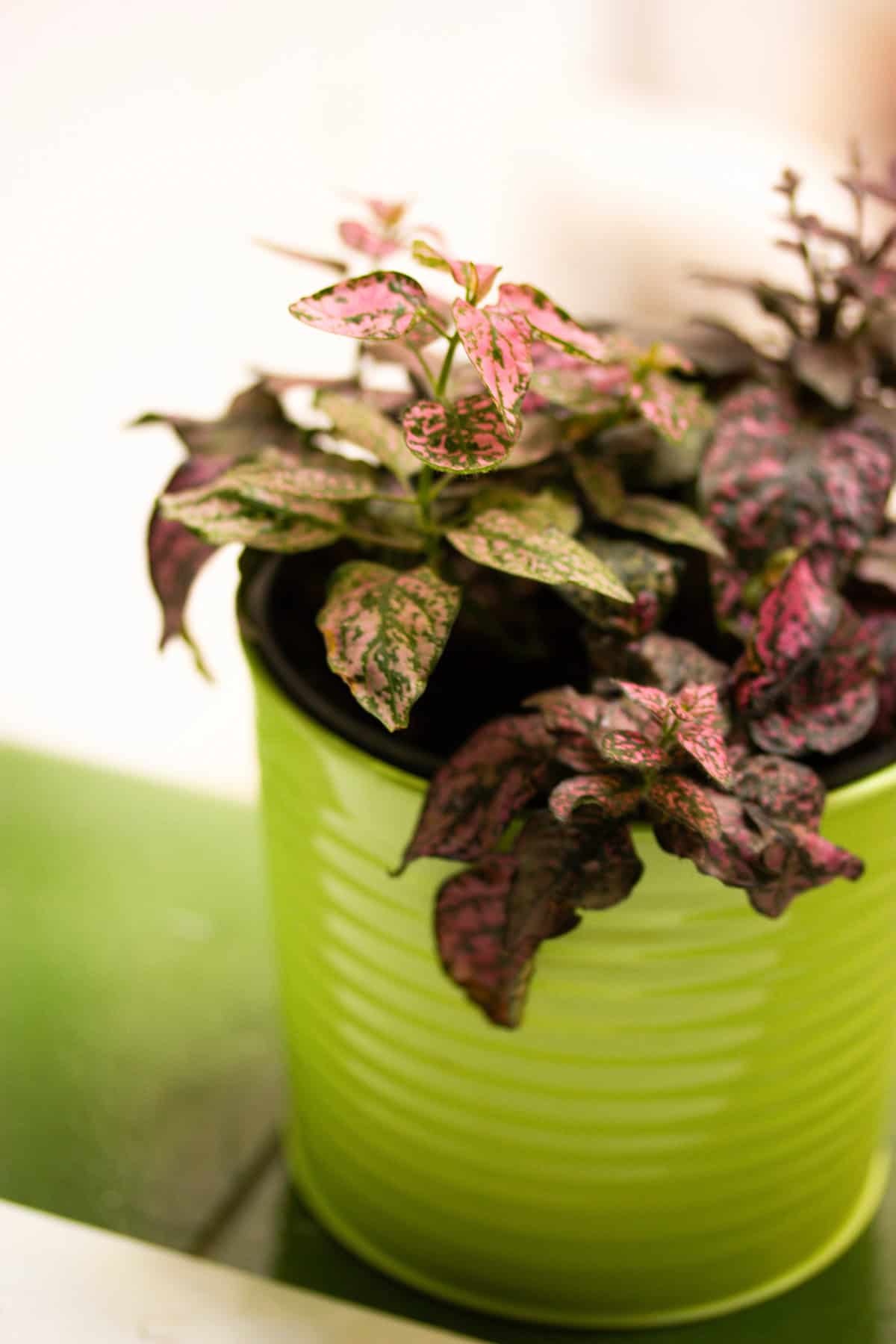
Tip cuttings with a couple leaves root easily. Cut just below a node with clean scissors.
Root in water or moist soil, keeping light bright but indirect. Roots often show up fast—sometimes in a week or two.
Pinch new growth for a bushier plant. Older plants get leggy, so start fresh when needed.
Purple Heart (Tradescantia pallida)
Deep purple stems look great in a pot. Snip a section a few inches long, strip off the bottom leaves.
Stick straight into moist soil for quick results. Bright light keeps the color vivid.
Water sparingly until roots form. Trim often or it’ll get sparse.
English Ivy (Hedera helix)
Trailing vines root with little fuss. Cut below a node on a stem with several leaves.
Root in water or moist potting mix. Good air and bright, indirect light keep things moving.
Once roots are a few inches, transplant. Don’t let it dry out, but avoid soggy soil.
Lipstick Plant (Aeschynanthus)
Tip cuttings with two nodes work best. Remove the lower leaves to expose the node.
Stick in a loose, well-drained mix. Moderate humidity and bright, indirect light are ideal.
Roots can be slow, so don’t overwater. Too much moisture leads to rot.
Hoya (Wax Plant)
Stems with two or three nodes, a couple leaves left on—these are prime for rooting.
Water or a chunky, airy mix both work. Bright, indirect light is essential.
Roots take their time, sometimes weeks. Once potted, let the soil dry out a bit between waterings.
Geranium (Pelargonium)
Firm, non-flowering stems are easiest. Cut just below a node, strip off lower leaves, and let the end dry for a few hours.
Plant in a well-drained mix and water gently.
Bright light helps roots develop, usually in two to three weeks.
Wandering Dude (Tradescantia)
Short cuttings from healthy vines root with almost no effort. Remove the lower node’s leaves.
Stick in water or moist soil, and keep the light bright. Roots form fast.
Pinch back tips for a dense plant. Don’t let the soil dry out completely.
Scindapsus pictus (Satin Pothos)
Snip below a node on a healthy vine, making sure there’s at least one leaf.
Root in water or a loose, airy mix. Bright, indirect light keeps things moving.
Once roots are a few inches, move to soil. Let the top layer dry out before watering again.
Syngonium (Arrowhead Plant)
Stem cuttings with a node and leaf are all you need. Cut just below the node.
Root in water or moist soil. Roots usually show up in two or three weeks.
After planting, keep the soil a little moist. Bright, indirect light keeps the color sharp.
Swedish Ivy (Plectranthus verticillatus)
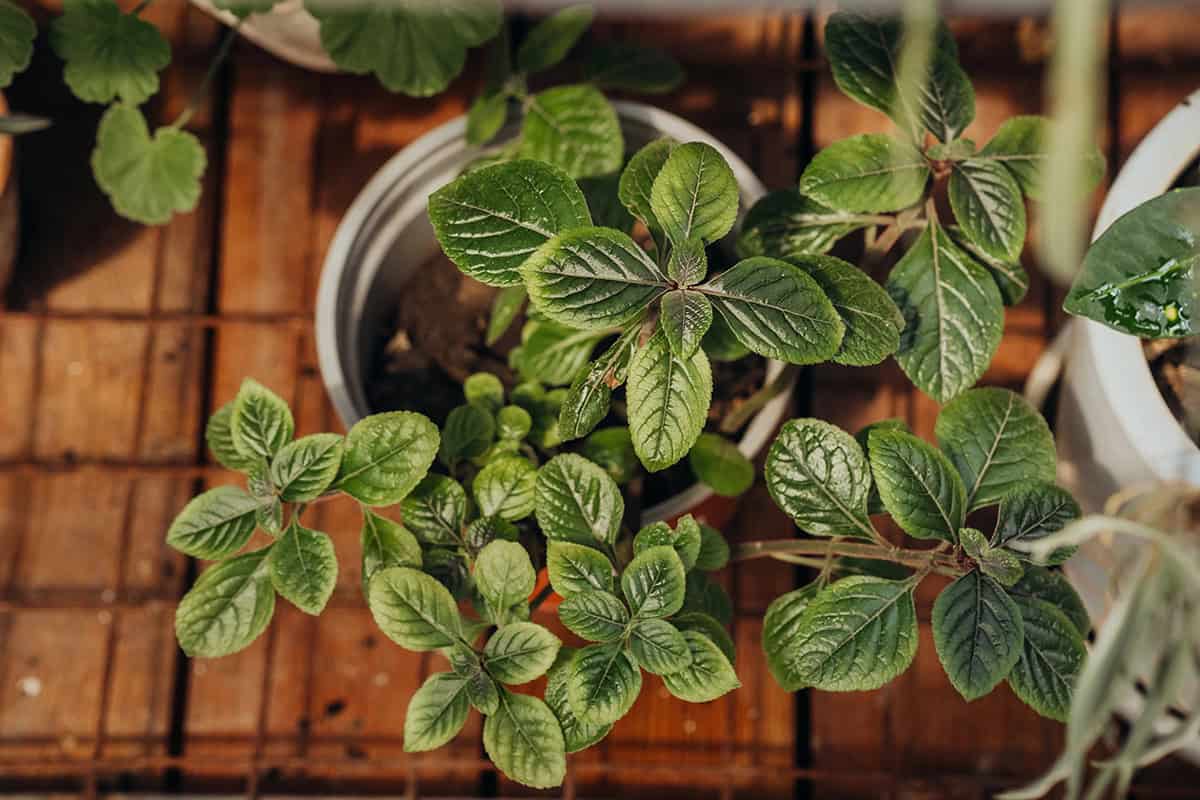
Snip a few soft stem tips just below a node, then strip off the lowest leaves—no need to overthink it.
Stick them straight into moist soil; that’s usually the fastest way to see new roots. Set the pot somewhere with plenty of bright, indirect light, and don’t stress about perfection.
Once you spot fresh growth, a quick pinch at the tips helps it branch out and look bushier. Wait until the top bit of soil dries out before watering again.