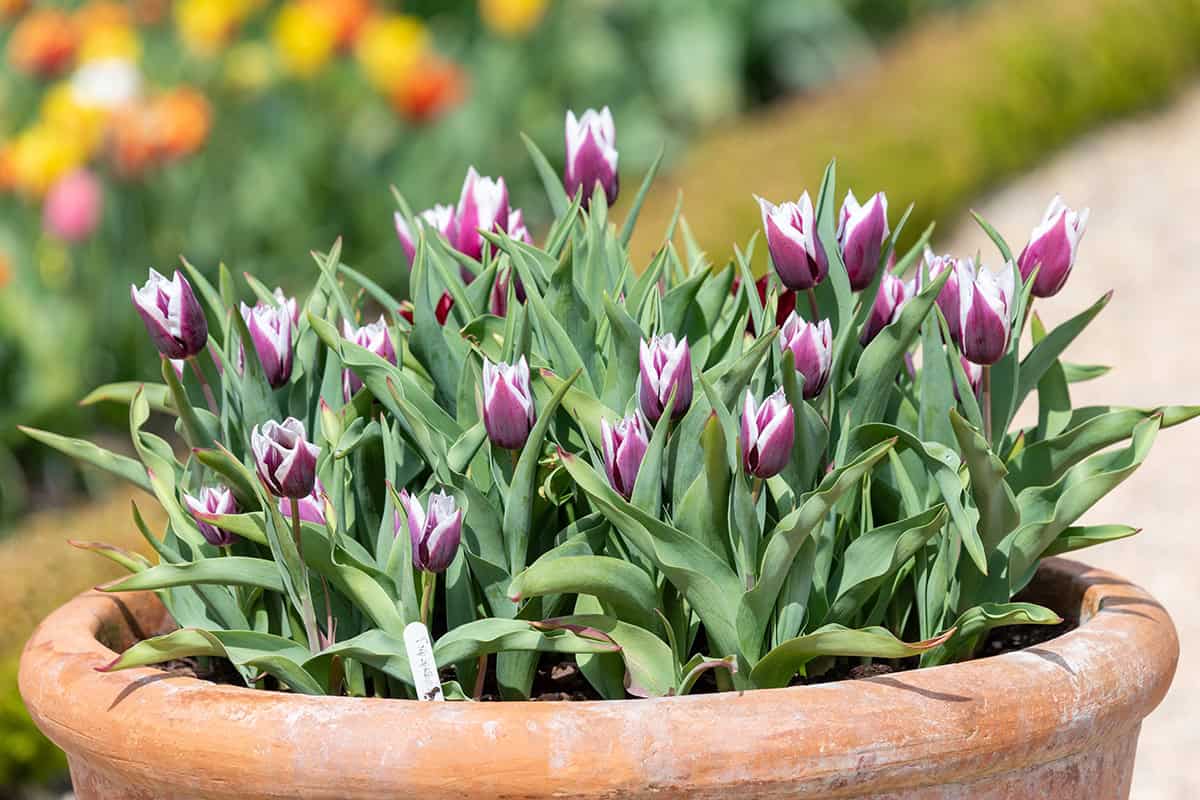
Tulip bulbs rot in wet ground, and a pot of fast-draining mix solves that problem neatly.
The catch is the chill. Bulbs in containers still need 12 to 14 weeks of cold before they bloom, and pots left exposed to hard freezes lose bulbs that would survive in the ground.
The cold-storage tip for warm climates comes with one surprising warning about the fruit drawer.
Table of Contents
- 10 Tips To Grow Tulips In A Pot
- Choose The Right Pot Size And Depth
- Pick Healthy, High-Quality Tulip Bulbs
- Use A Well-Draining Potting Mix
- Plant Bulbs At The Correct Depth
- Space The Bulbs Properly In The Pot
- Water Tulips Carefully After Planting
- Place The Pot In A Sunny Location
- Give Tulips The Cold Period They Need
- Fertilize Lightly For Strong Blooms
- Protect Potted Tulips From Pests And Rot
10 Tips To Grow Tulips In A Pot
Pot width, winter cold, soil, spacing, sun and pest control all shape how potted tulips perform. Each step is simple, and together they produce sturdy, upright flowers.
Choose The Right Pot Size And Depth
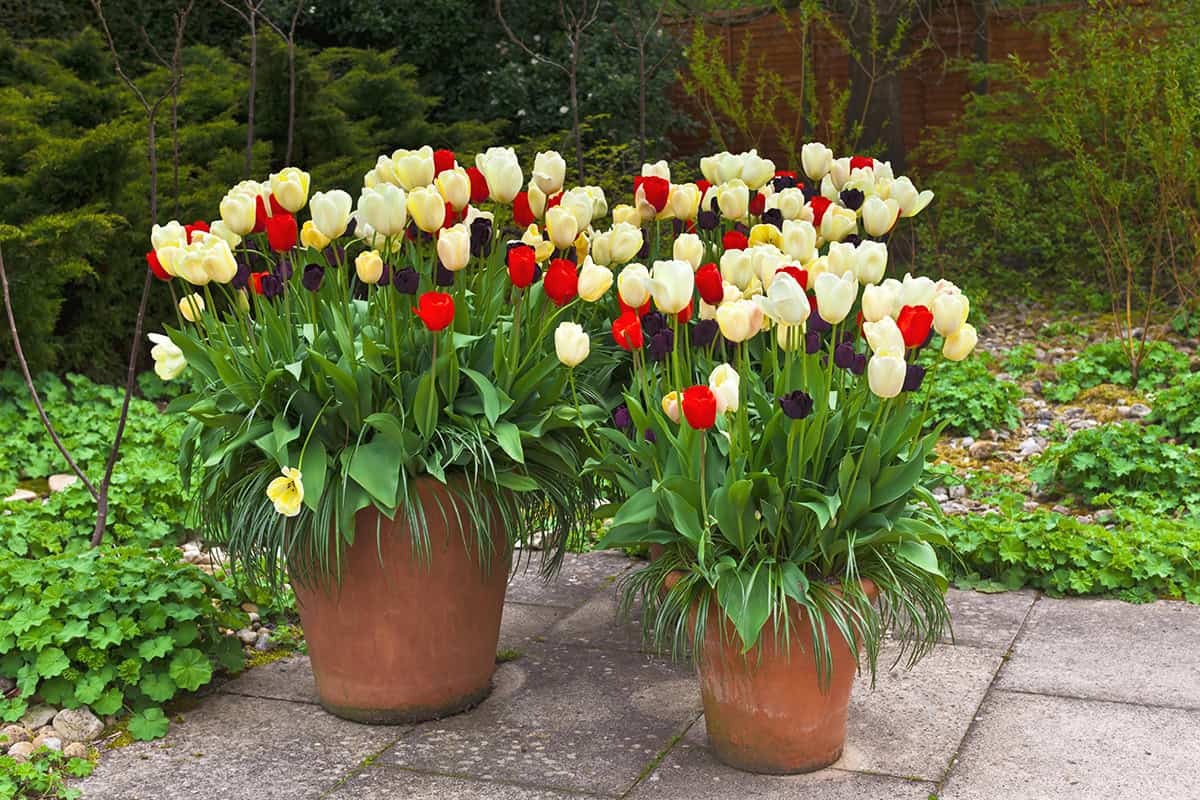
Choose a container with 8 to 12 inches of soil depth for the roots, and a width of 10 to 12 inches fits several bulbs comfortably. Larger pots also buffer swings in moisture and temperature, a real help as winter arrives.
Drainage holes are essential, since bulbs sitting in water rot. Heavy pots of clay or thick plastic resist wind and hold top-heavy blooms upright.
Pick Healthy, High-Quality Tulip Bulbs
Squeeze each bulb gently, choose firm ones and skip any that are soft or hollow. The papery outer skin should be dry and intact, with no mold, cuts or odd spots.
The largest bulbs available produce the showiest flowers, and smaller ones bloom less impressively. Buy from trusted suppliers and plant in fall for a spring display.
Use A Well-Draining Potting Mix
Garden soil compacts in containers, smothers roots and holds too much water. A commercial potting mix made for containers supplies the air and drainage roots need.
Lighten a heavy bagged mix with coarse sand or perlite, and limit compost, since tulips need quick drainage after every watering.
Plant Bulbs At The Correct Depth
Planting depth affects how well the stems stand. In pots, cover the bulbs with 2 to 3 inches of mix, or plant them at two to three times the bulb’s height in a deep container.
Face the flat side of each bulb toward the rim. The first and largest leaf emerges on that side and arches outward to frame the display.
Space The Bulbs Properly In The Pot
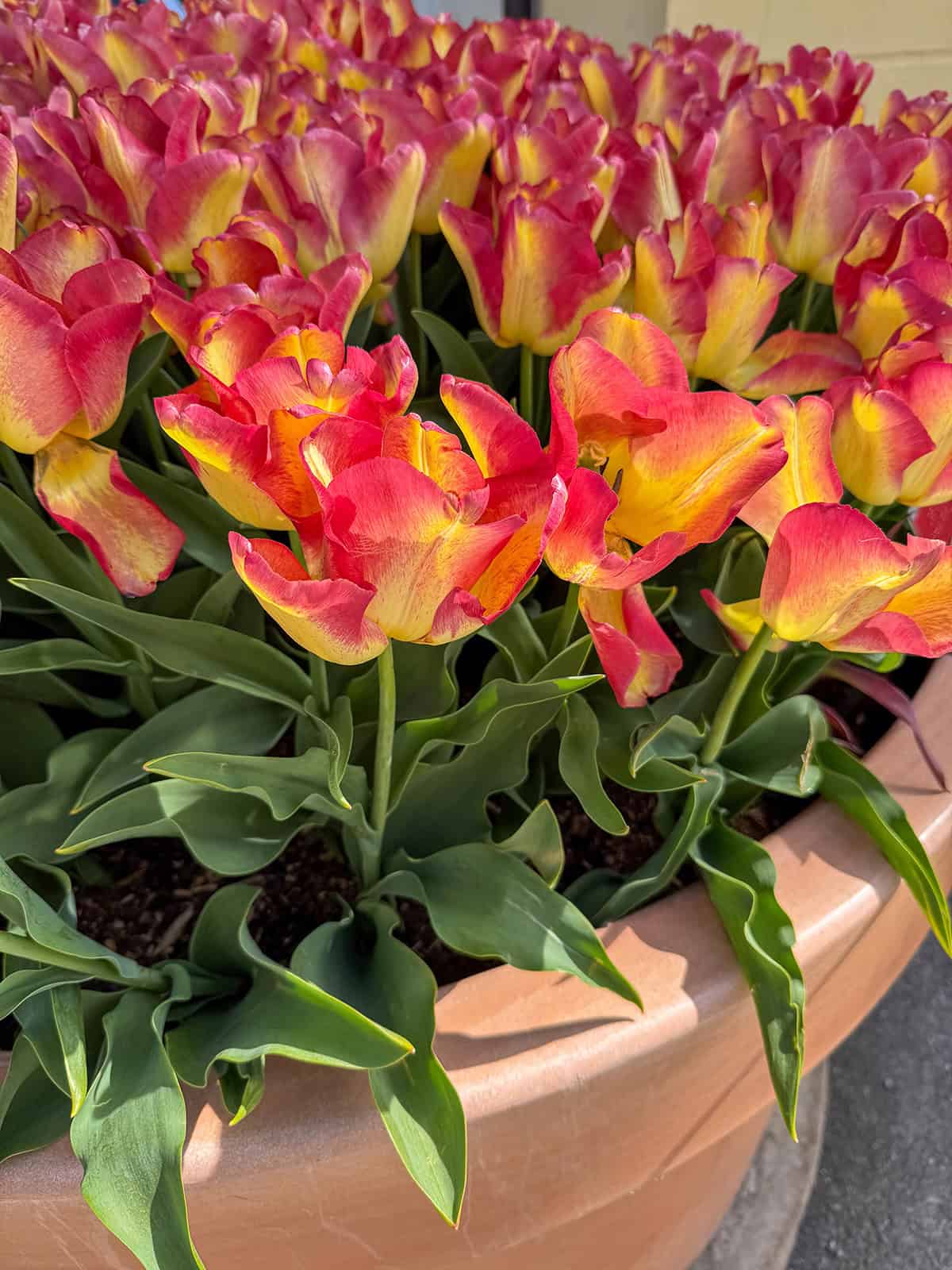
Pots allow closer planting than garden beds, with bulbs about half an inch to an inch apart, close but separate.
Overcrowding produces weak stems and small flowers. Even a 6-inch pot holds a few bulbs arranged evenly, for a full look with healthy growth.
Water Tulips Carefully After Planting
Water thoroughly after planting to settle the soil. After that, let the top inch dry before watering again, since soggy soil rots the bulbs.
Check the pots every few weeks in winter, and if the mix is bone dry, add just enough water to dampen it, especially for pots sheltered from rain.
Place The Pot In A Sunny Location
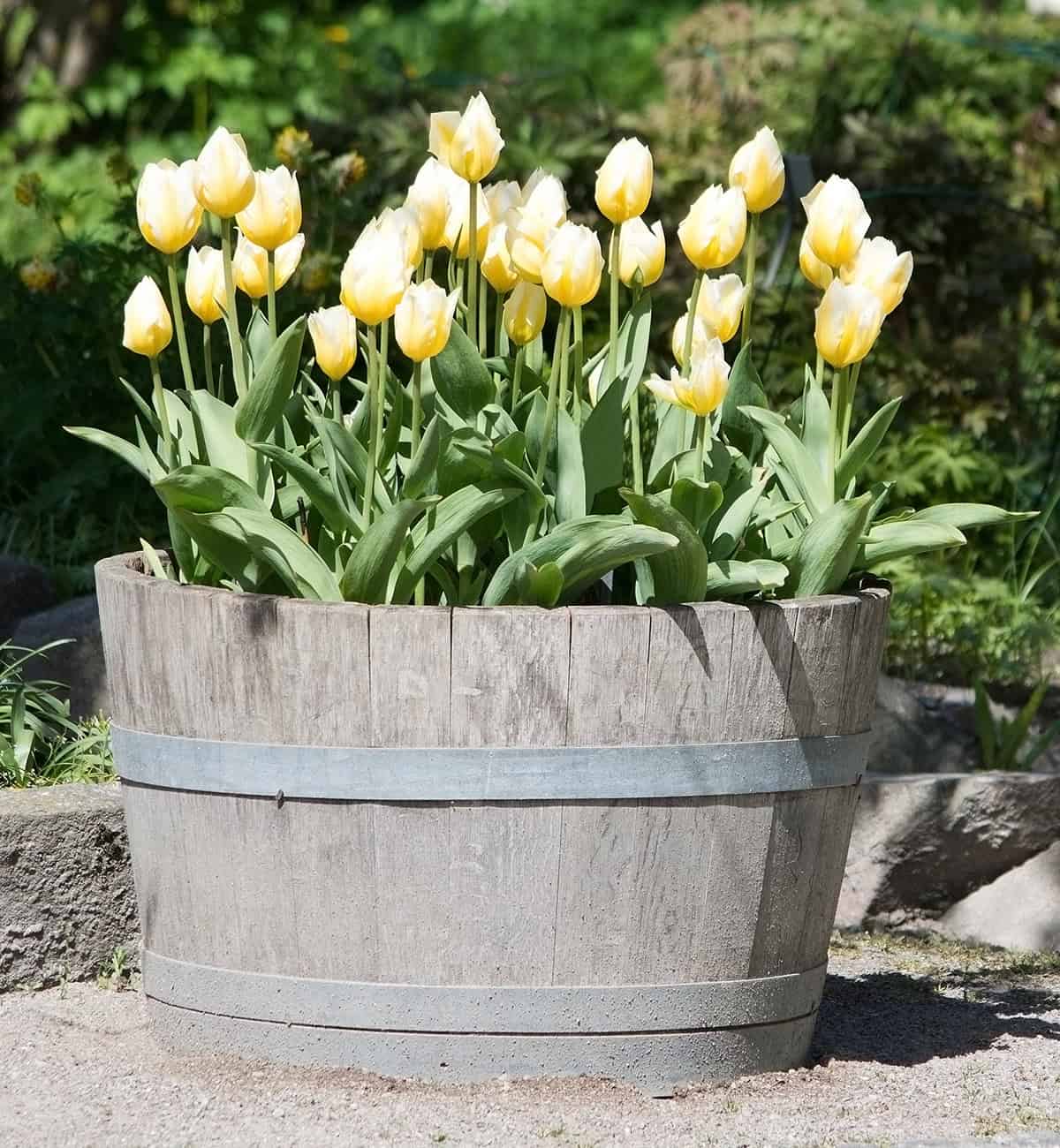
Direct sun produces sturdy stems and vivid color. Choose a spot with at least six hours of sun, frequently a south- or west-facing position.
Once buds show color, move the pot out of harsh afternoon sun. Cooler conditions help the flowers last longer and prevent petals from fading.
Give Tulips The Cold Period They Need
Most tulips need 12 to 14 weeks of chilling between 35 and 48°F to bloom properly. In cold climates, leave the pots outside for winter, sheltered from heavy rain and severe freezes against a wall or in an unheated garage, since bulbs in pots freeze more easily than bulbs in the ground.
In warm regions, chill the bulbs or planted pots in the refrigerator, away from fruit, since apples and other fruit release ethylene gas that damages the flower buds inside the bulbs.
Fertilize Lightly For Strong Blooms
Potted tulips need little fertilizer, and excess produces leaves at the expense of flowers. Mix a small amount of balanced slow-release fertilizer into the mix at planting, at the rate on the label.
A single light liquid feed when shoots emerge in spring is enough, and feeding stops once flowers fade. Let the leaves die back naturally so the bulbs recharge. Potted tulips rarely bloom as well the second year, so many gardeners plant fresh bulbs each fall and move the old ones into the garden.
Protect Potted Tulips From Pests And Rot
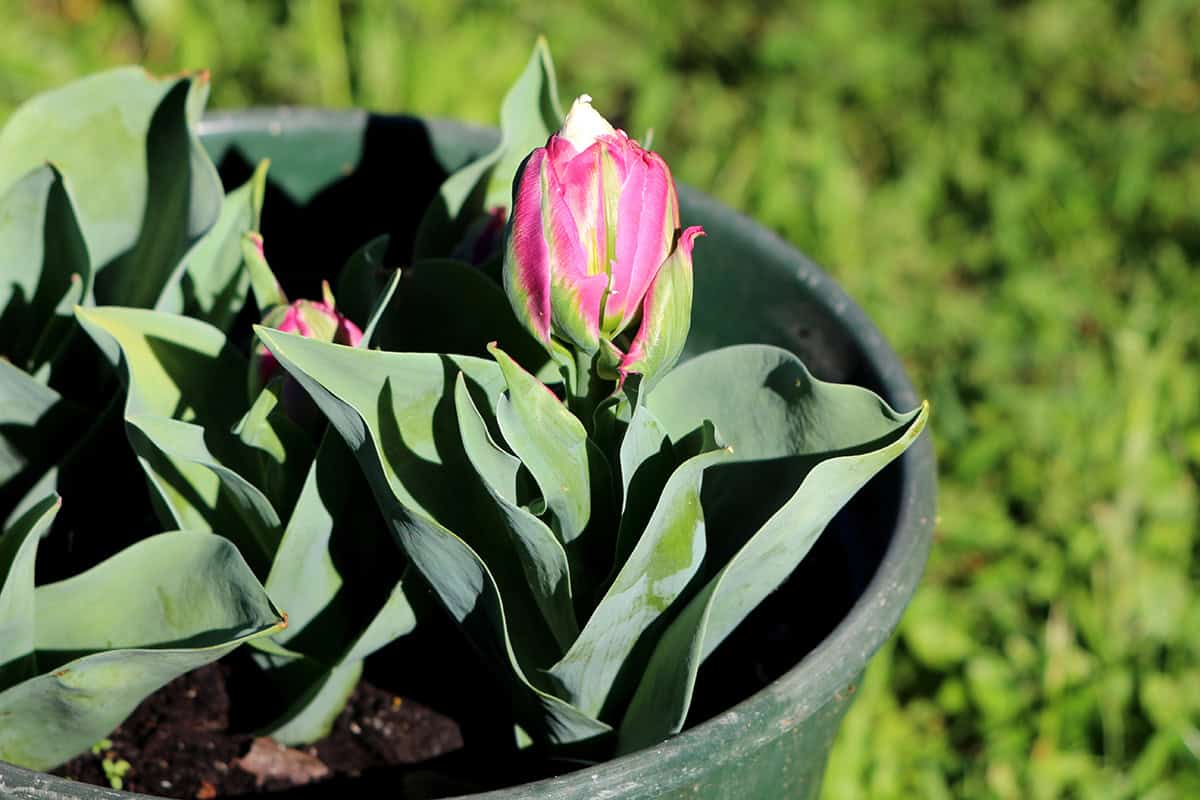
Soggy soil causes most rot, so empty saucers after watering.
Remove any bulb that smells sour or shows fuzzy mold right away, which protects the rest of the pot.
Squirrels and mice dig up bulbs in winter. A layer of wire mesh over the pot stops them until the green tips emerge, and fresh potting mix and clean tools each year cut down on disease.