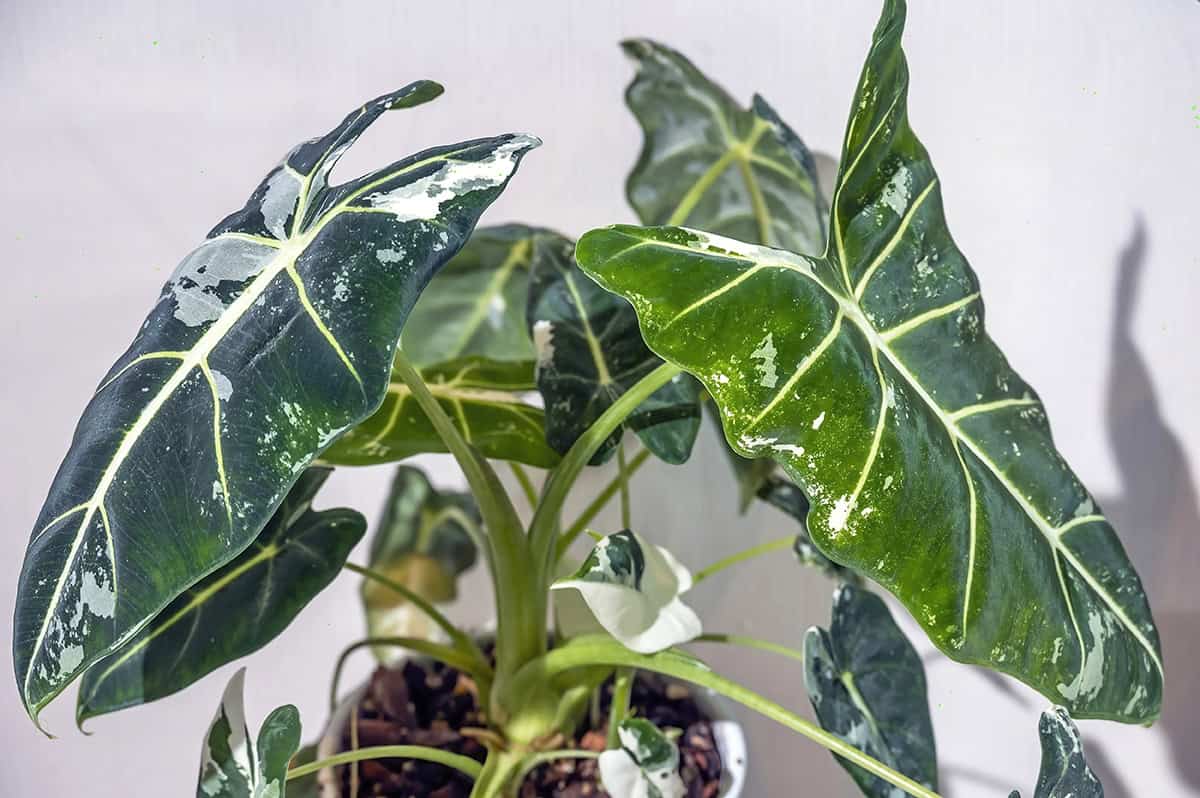
Alocasia Frydek is the kind of plant that makes people stop and ask questions. The dark green leaves and bold white veins create a look that feels almost unreal. Its beauty comes with a reputation for being a little particular about its growing conditions. The tips ahead can help you keep this striking plant happy and healthy.
Table of Contents
Quick Care Summary
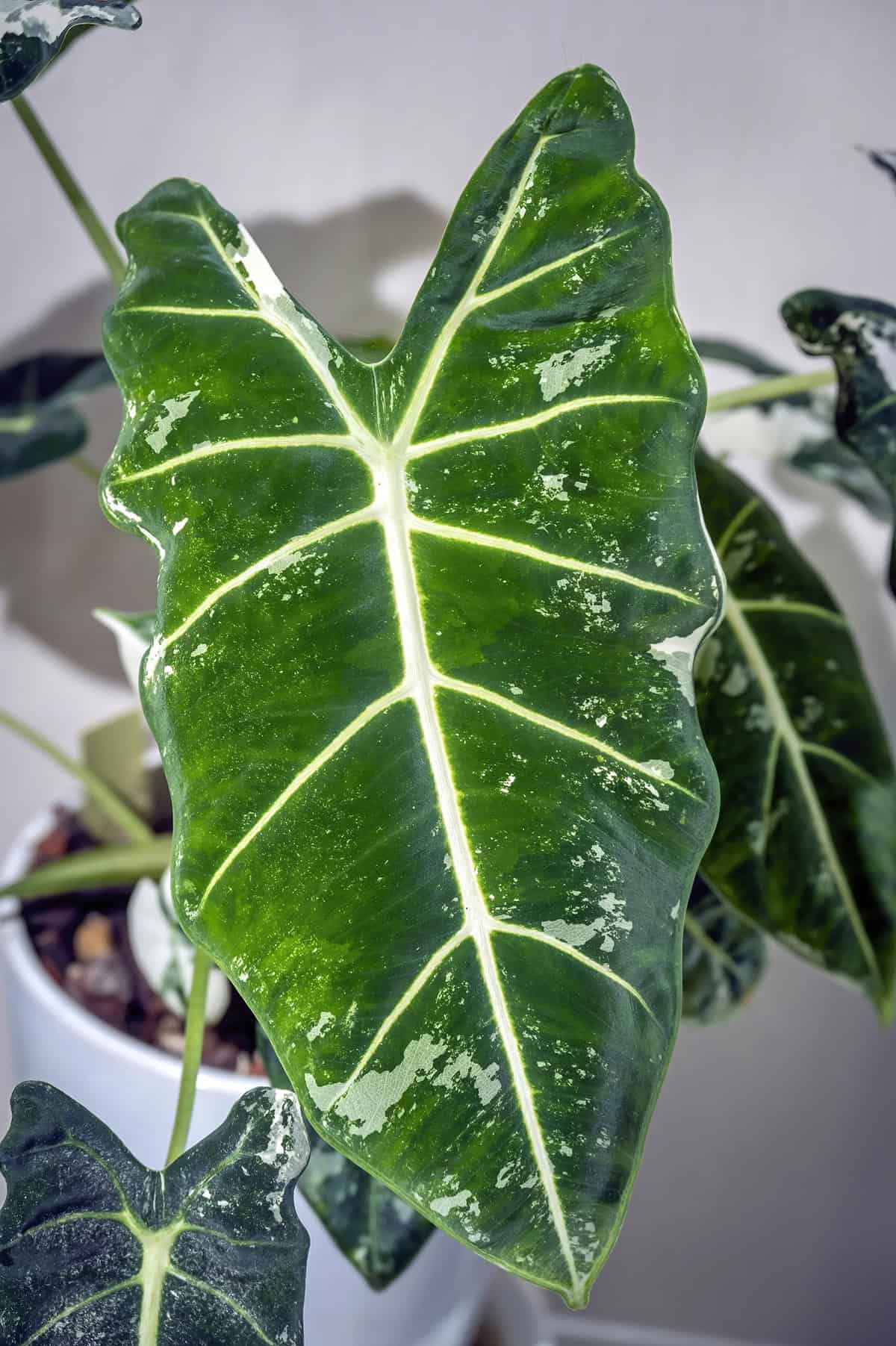
Those lush, velvet leaves with bold white veins and a hint of burgundy underneath? That’s Alocasia ‘Frydek’. It’s all about the foliage here—flowers aren’t the main event. The plant likes things steady: warmth, moisture, and humidity. It doesn’t hide its displeasure if you miss the mark on light or overdo the watering.
- Light: Needs bright, indirect sunlight. Direct rays will scorch those tender leaves.
- Soil: Go for a loose, airy mix—something with peat or coco coir and perlite does the trick.
- Watering: Let the top inch of soil dry before watering. Keep it moist, but avoid soggy roots.
- Temperature: Happy between 65–85°F. Keep it away from chills and drafts.
- Humidity: 60% or higher is ideal—dry air will crisp the edges.
- Fertilizer: Use a balanced liquid feed every 4–6 weeks in the growing season. Ease off in fall and winter.
- Propagation: Divide the rhizomes when the plant is actively growing. Each piece needs roots and at least one growth point—handle gently.
Plant Overview
Deep green, velvet-textured leaves with striking white veins—hard to miss, right? Frydek is all about bold, upright foliage that instantly livens up a bright room.
Originally from Southeast Asia, it’s part of the aroid family (think Alocasia and Colocasia, aka elephant ears). Unlike some cousins, these leaves reach upward, not outward.
- Botanical name: Alocasia micholitziana ‘Frydek’
- Common names: Green Velvet Alocasia, Frydek Elephant Ear
- Plant type: Tropical perennial
- Mature size: 2–3 feet tall and wide indoors
- Growth rate: Moderate if you keep conditions just right
- Toxicity: Not safe for pets or kids—don’t let them chew it
- Native region: Southeast Asia
Light
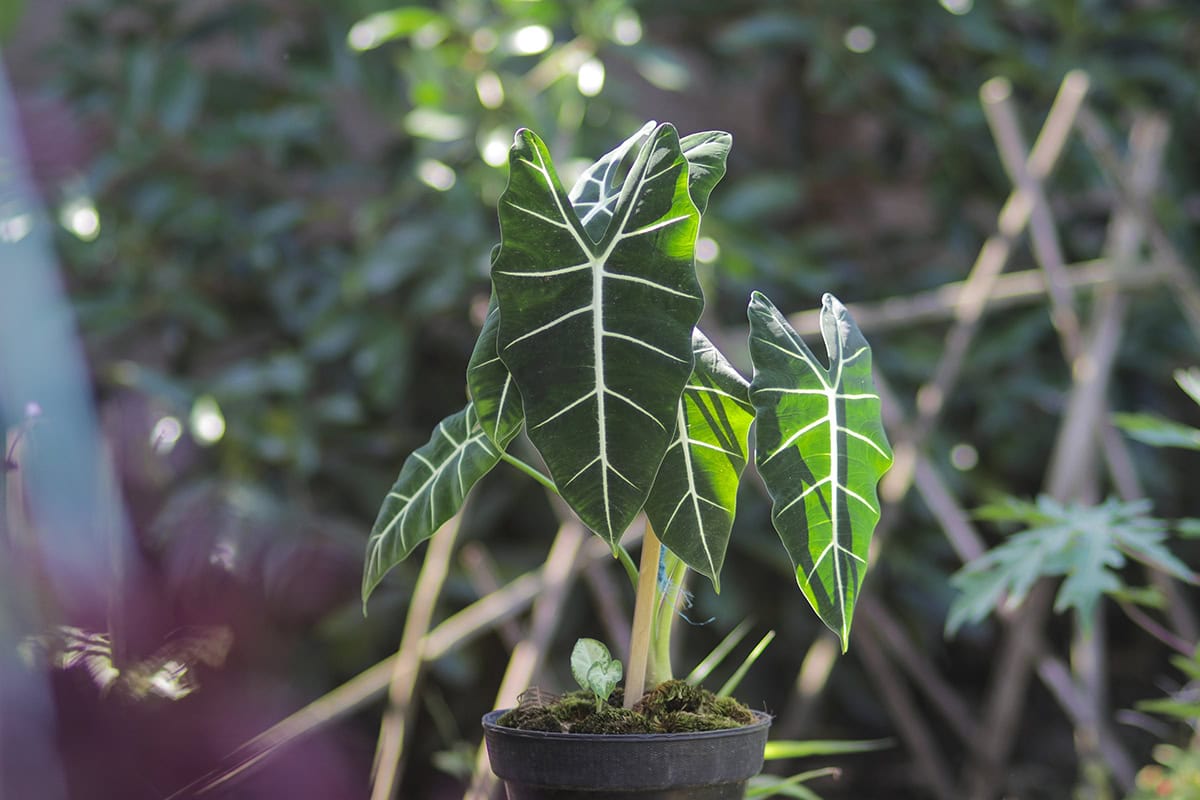
A sunny mood without the harsh spotlight—Frydek thrives on filtered brightness. Those white veins pop best when the plant gets enough diffused sunlight, but if you let midday rays hit the leaves, you’ll see scorch marks before you know it.
East-facing windows tend to work nicely, offering bright light without the burn. South and west windows are fine too, just throw up a sheer curtain to soften the glare. Don’t crowd it right against the glass—give it some space from the hottest rays.
Growth slows way down in dim corners. Pale, undersized leaves and floppy stems are a red flag that it needs more light. If you’re short on windows, a grow light overhead for 10 to 12 hours a day can keep things moving.
Water
Getting the watering right is a bit of an art. The soil should feel damp but never swampy—let the top inch or two dry out before reaching for the watering can again. Forget strict schedules; poke a finger in the soil to check.
Cooler months mean less thirst. When temperatures drop, scale back on watering to avoid root rot. Always empty the saucer so the roots aren’t left sitting in a puddle.
Stick to room temperature water to avoid shocking the plant. Pour slowly so the root ball gets an even soak. If you notice drooping and the soil is dry, it’s probably time to water a bit more often.
Soil
Alocasia Frydek likes a mix that’s fluffy and drains well, but still holds onto enough moisture for thirsty roots. Heavy garden soil is a recipe for root rot—skip it.
Peat or coco coir adds moisture retention, while perlite or pumice keeps things light and airy. A handful of orchid bark? Even better for airflow. Aim for a slightly acidic pH (5.5–6.5), but don’t stress minor fluctuations.
If you’re starting with plain potting soil, mix in extra perlite and bark to loosen things up. Drainage holes are a must. Every year or two, refresh the soil—old mix compacts and chokes roots, while fresh mix gives them room to breathe and grow.
Temperature & Humidity
Warmth is non-negotiable—daytime temps between 65°F and 85°F keep Frydek happiest. Anything below 60°F and you risk stunted growth or sad, damaged leaves.
Keep it away from cold breezes, open windows, or blasting AC. Sudden chills can shock the plant, leading to yellowing or dropped leaves.
Humidity is just as important. Levels above 50 percent are the bare minimum, but if you can push it to 60–70 percent, you’ll see crisper, healthier foliage. Dry air can be a real problem in winter, so try a humidifier or cluster your tropicals together to boost moisture.
Fertilizer
Hungry roots mean better foliage, but timing and moderation are key. Feed Frydek with a balanced liquid fertilizer—think 10-10-10 or 20-20-20—diluted to half strength. Only fertilize when you see active new leaves in spring and summer.
Container plants burn through nutrients faster, especially in strong light and warmth. If the leaves look washed out or growth lags, you might need to bump up feeding a bit. Just don’t overdo it—too much fertilizer can scorch the roots and edges.
Flush the soil with clean water every few months to wash away excess salts. Good drainage makes this much easier.
Potting & Repotting
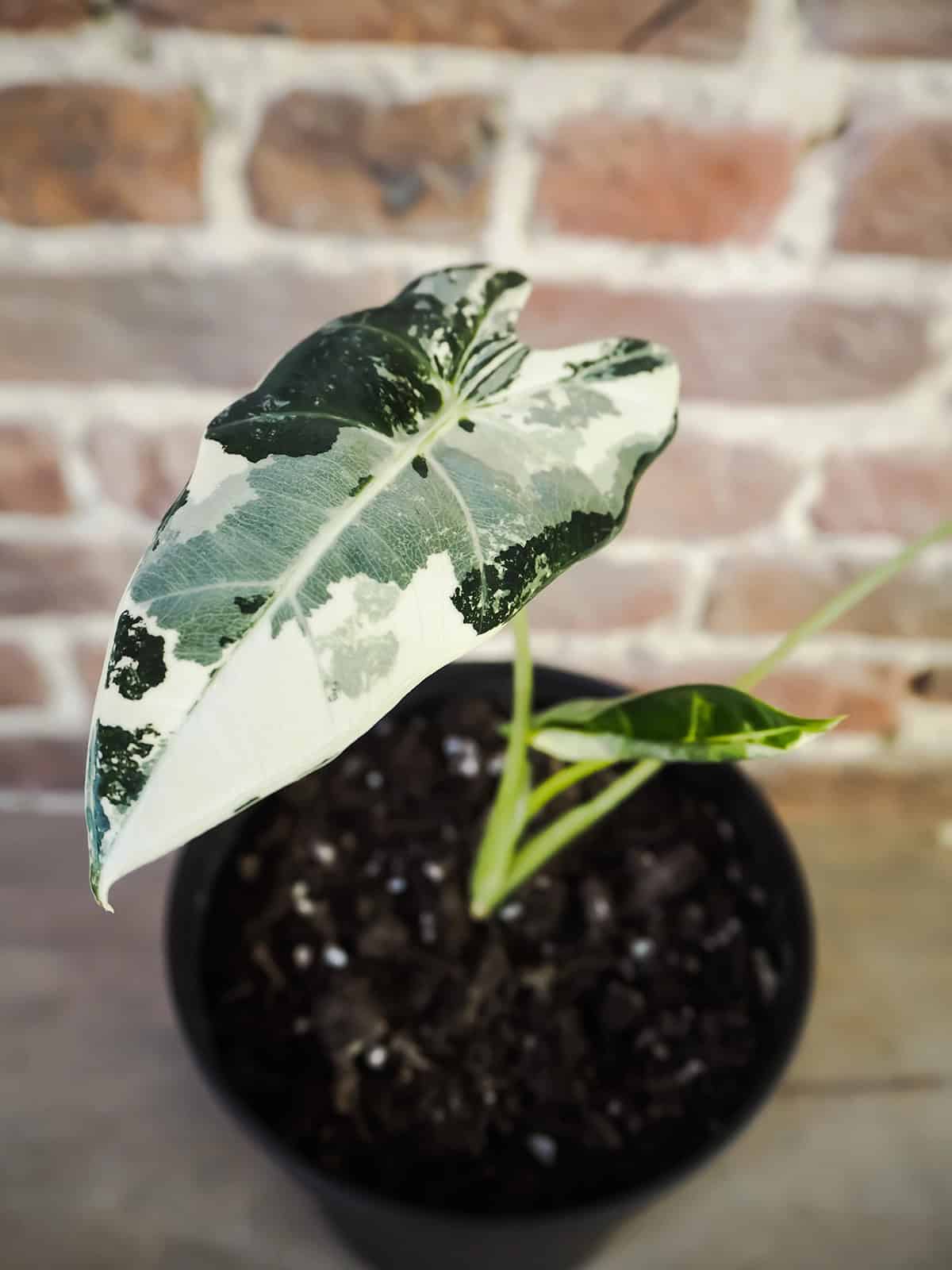
Drainage first, always. Pick a pot with holes at the bottom and use a chunky, airy mix—coco coir, perlite, and a bit of bark work together to keep roots happy.
Don’t size up too fast. A pot just an inch or two wider than the old one is enough; too big, and the soil stays wet for too long. The crown should sit at the same depth as before, with the soil gently pressed in.
When roots start circling or poking out, it’s time to repot—usually every year or two. Spring is best, when the plant is gearing up for new growth.
Water the day before you repot to make things easier on the roots. Slide the plant out, tease apart any tight roots, and settle it into fresh mix. Water lightly afterward and keep it somewhere bright but out of direct sun.
Pruning
This isn’t a plant that needs much trimming. Only snip off leaves that are yellow, brown, or mushy—removing the bad stuff keeps the rest of the plant healthier.
Always use sharp, clean scissors or shears to avoid damaging the crown. Cut as close to the base as you can. Don’t just yank leaves off by hand.
Check in on your Frydek regularly, especially after a big seasonal shift. Lower leaves might age out as new ones grow in. If you spot pests, remove affected leaves right away and toss them in the trash (not the compost). Clean your tools before and after to avoid spreading anything nasty.
Propagation
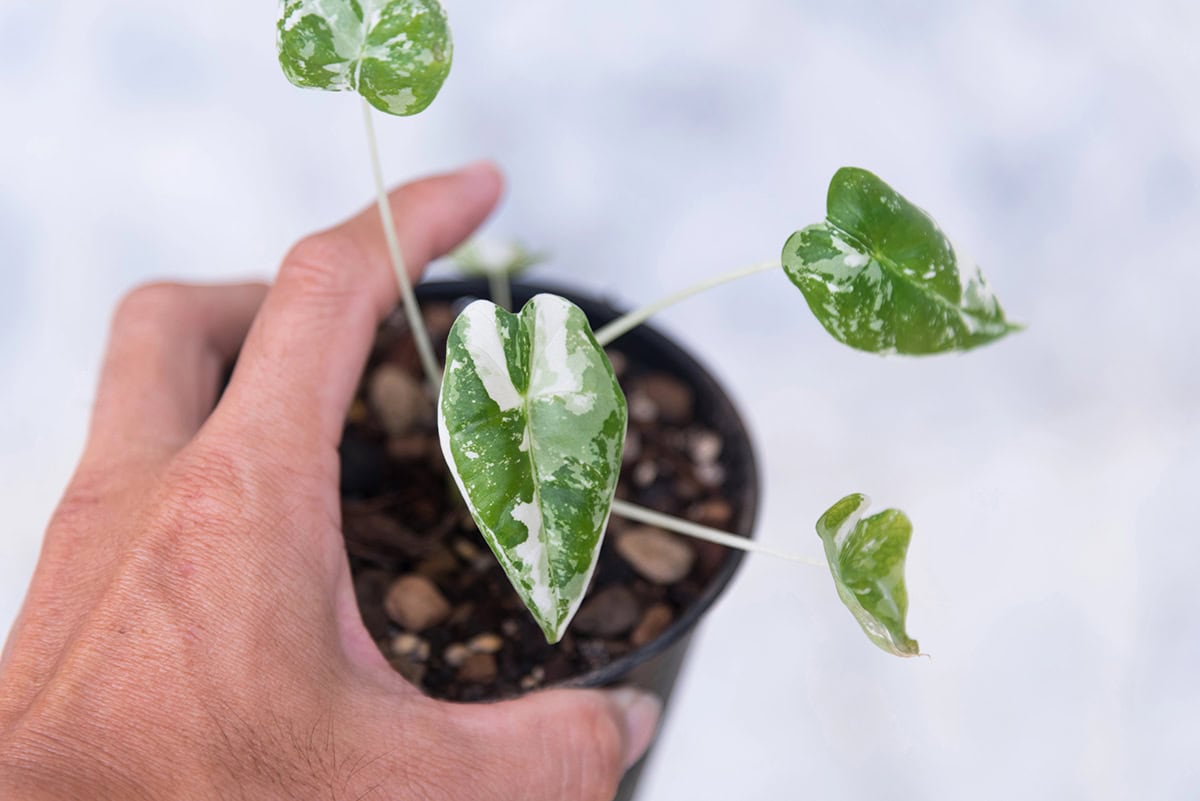
Division is the way to go if you want more Frydeks. Spring or early summer is prime time, since the plant is actively growing then.
Take the plant out of its pot and gently break apart the root ball. Look for natural clumps or offsets—each new plant needs its own roots and a bit of rhizome. If things are stubborn, use a clean knife for a careful cut, and dust with fungicide if you’re feeling cautious.
Pot each division in a small container with a well-draining mix. Water just enough to settle the soil, and keep things moist but never soggy.
Bright, indirect light and warm, humid air help the new plants recover. Growth might stall for a few weeks while roots settle in.
Starting from seed isn’t really practical—indoor plants rarely flower, and even if you get seeds, they don’t last long. Division is way faster and more reliable.
Common Problems
Yellowing leaves? Usually it’s a watering problem—either too much (root rot) or too little (dry, crispy edges). Always check the soil before watering.
When leaves droop or curl, look for temperature swings or cold drafts. Low humidity can also cause brown tips. Try to keep the environment steady and warm.
Brown spots can mean fungal issues or leaf burn. Wetting the leaves or letting them bake in the sun raises the risk. Stick to watering at the soil level and keep the light indirect.
Spider mites and thrips sometimes show up—watch for tiny dots, webbing, or dull leaves. Check the undersides regularly and treat early with insecticidal soap or neem oil.
Growth slowing down? It’s often a sign of low light or not enough nutrients. Feed during the growing season with diluted fertilizer, but back off when the plant goes dormant.
Varieties
Step into any plant shop and you’ll probably spot Alocasia micholitziana ‘Frydek’ showing off those deep green, velvety leaves streaked with bold white veins. The leaves angle up, almost defiant, making it easy to tell this one apart from Colocasia, which tends to flop. That upright posture? It gives off a tidy, architectural vibe—almost like the plant’s trying to keep its act together indoors.
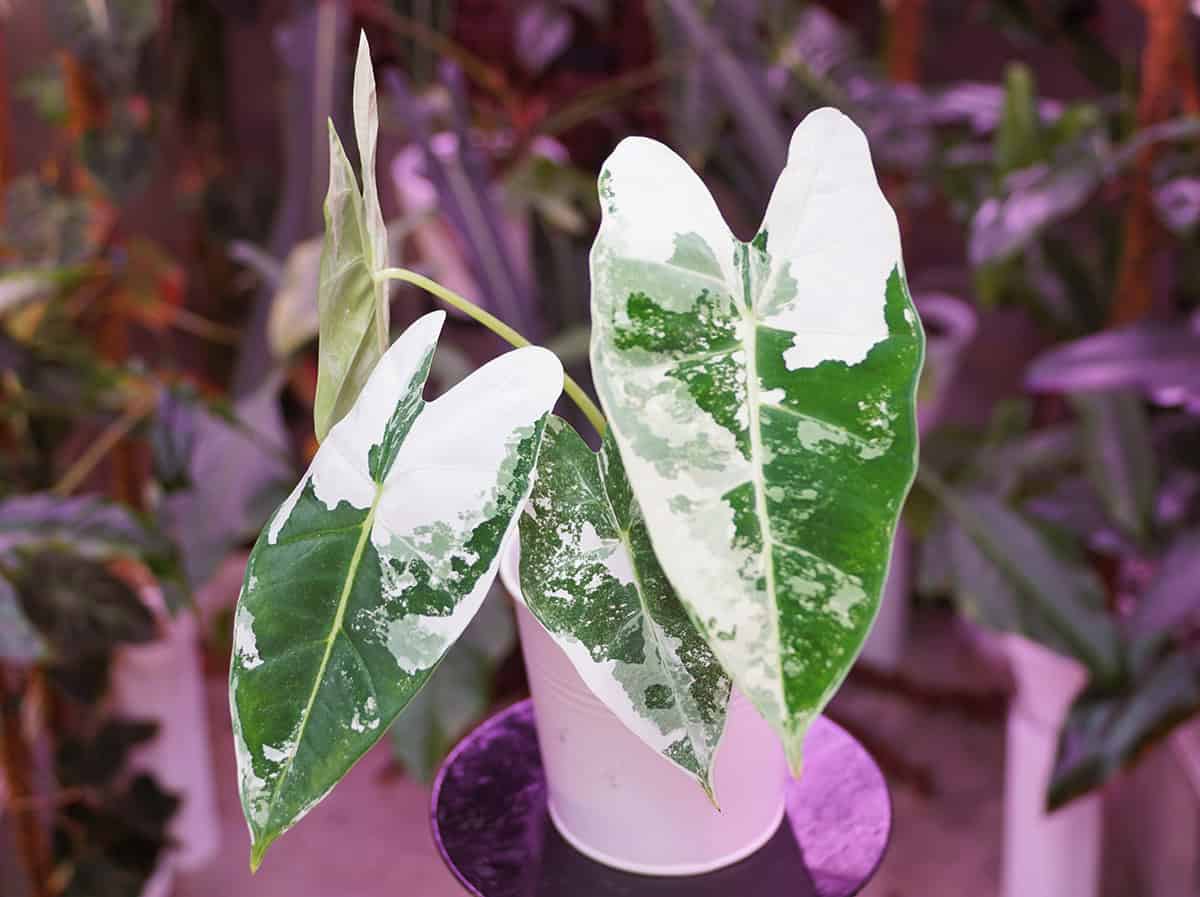
Then there’s ‘Frydek Variegata,’ which is a bit of a wild card. Patches of white or cream pop up wherever they want—no two leaves ever really match. Sometimes half a leaf goes pale, other times it’s just a few scattered flecks. These variegated types aren’t in a hurry; growth slows down, and they get fussy about wanting more light (but not too much).
The world of Alocasia gets even messier with lookalikes and hybrids. Alocasia reginula ‘Black Velvet’ leans into drama with smaller, almost black leaves and a plush feel. ‘Polly’ and ‘Amazonica’ dial up the gloss, their sharp white veins slicing through darker foliage—though the leaf shapes shift away from Frydek’s style.
At garden centers, these all might get lumped together as elephant ear, which honestly isn’t super helpful. If you’re chasing a true Frydek, feel the leaf—matte, not shiny—and look for those crisp, contrasting veins. Growth habit and texture usually spill the secret.