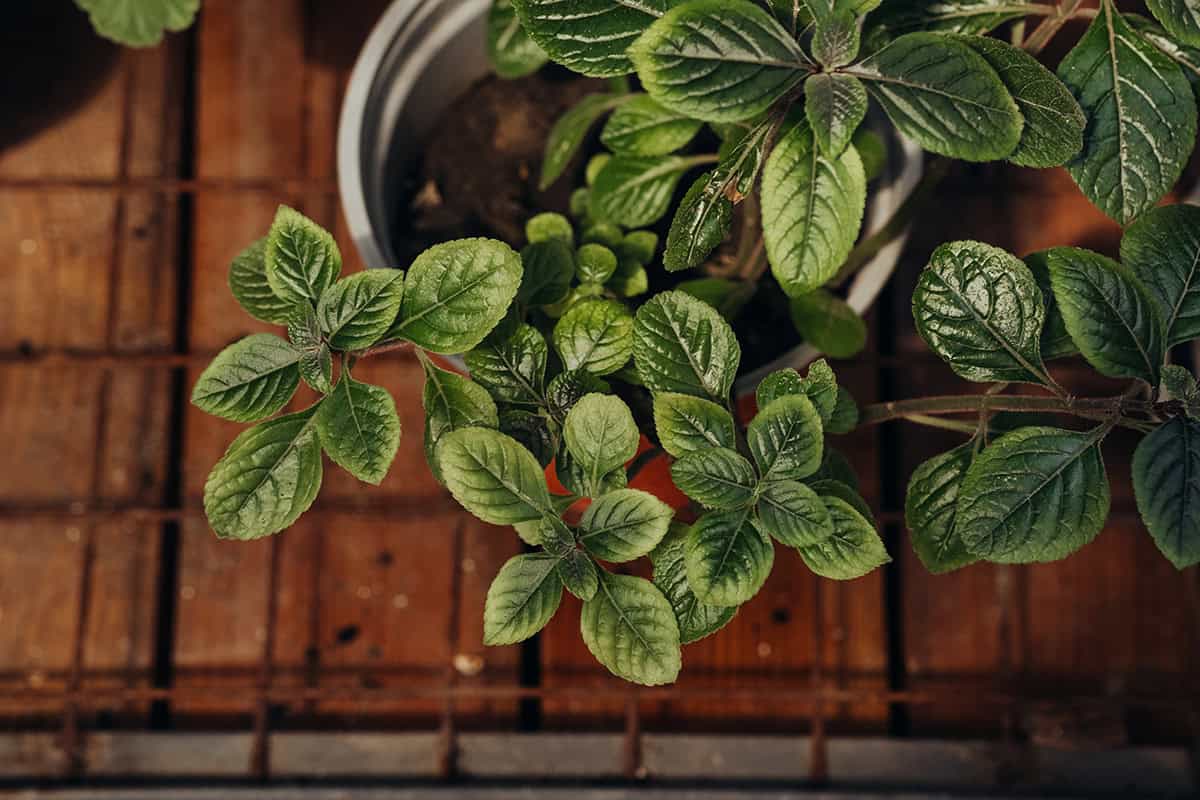
Swedish ivy brings a lively, trailing vibe to shelves, desktops, or hanging baskets. Those glossy, scalloped leaves and soft, sometimes barely-there white or pale purple flowers catch the eye, but honestly, it’s the plant’s adaptability that wins people over. For happy Swedish ivy, stick with bright indirect light, water when the topsoil dries out, use a well-draining mix, and keep things comfortably warm indoors.
Growth is quick and pretty forgiving, and trimming it back or rooting new cuttings is about as easy as houseplants get. It won’t fuss much over humidity and shrugs off the occasional chilly draft—just don’t let it freeze. Find the right balance with light, soil, and watering, and you’ll keep things dense and lush.
Below, you’ll find everything from quick care tips to a detailed breakdown of what makes this plant tick. Light, water, soil, feeding, repotting, and pruning all matter if you want robust growth. Propagation is a breeze, and a few troubleshooting tips can save you headaches later on.
Table of Contents
Quick Care Summary
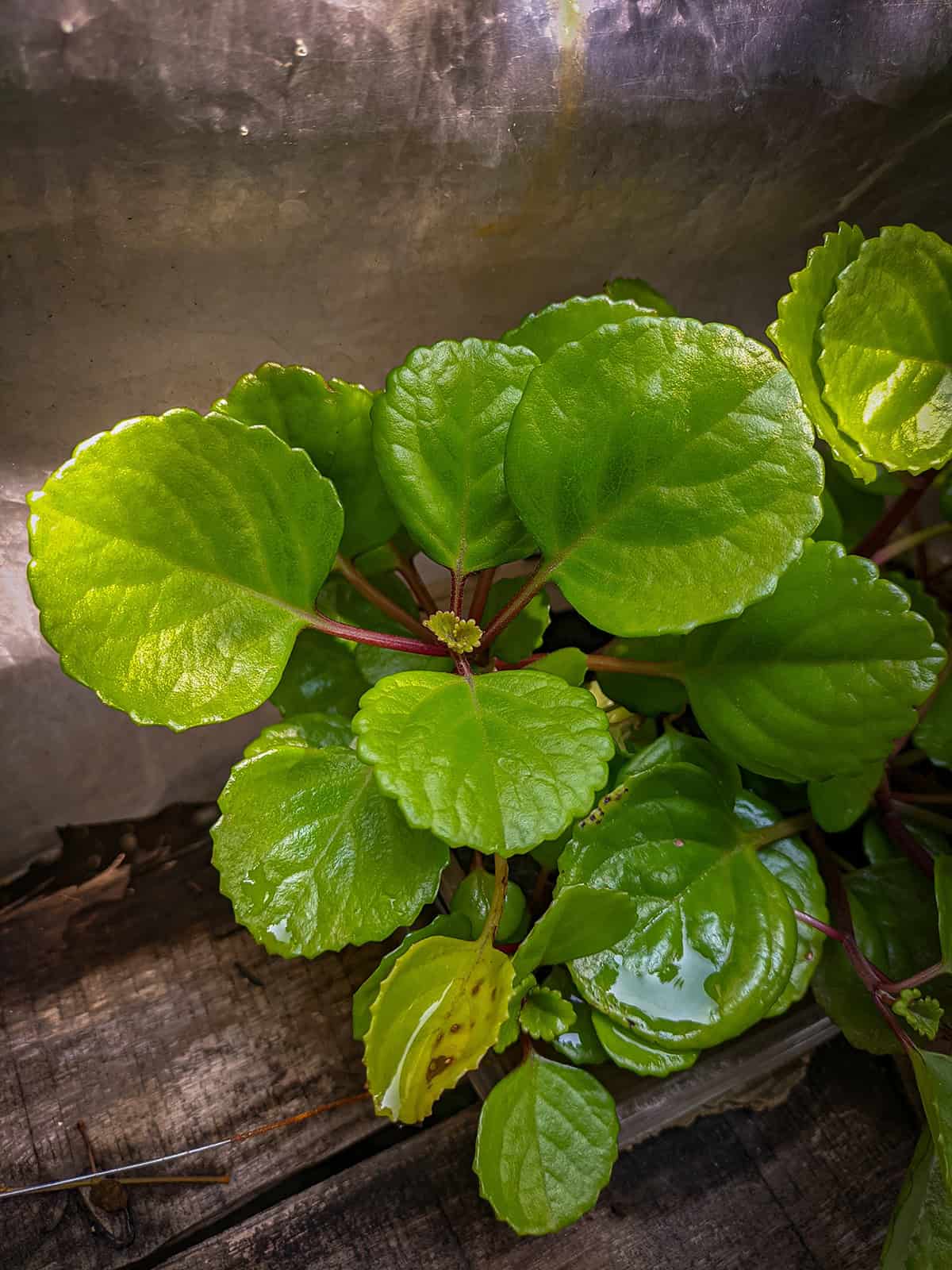
With a little consistency, Swedish ivy does well indoors—pots, baskets, or perched on a shelf where stems can drape. It won’t sulk if you forget a watering here or there, but it definitely perks up with regular moisture and the occasional feeding. Growth stays tidy and compact, and you might spot a few pale blooms now and then.
Aim for bright, indirect light—no harsh midday rays. Water when the top inch feels dry, and always dump out any excess from the saucer. Standard room temps and humidity work fine. Prune to shape or encourage more fullness.
Light: Bright, indirect; partial shade is fine
Soil: Well-draining potting mix
Water: When top inch dries; avoid soggy roots
Temperature: 60–75°F; keep away from cold drafts
Humidity: Normal indoor levels are good
Fertilizer: Balanced liquid feed every 4–6 weeks in the growing season
Propagation: Stem cuttings root easily in water or moist soil
Plant Overview
Trailing stems spill out and down, dotted with rounded, scalloped leaves—perfect for a hanging basket or shelf edge. Folks mostly grow Swedish ivy for that fresh, cascading look and its easygoing nature. It doesn’t demand constant attention, just steady light and moderate watering.
Occasionally, you’ll get a flush of tiny white or pale lavender flowers. They’re short-lived and subtle, so don’t expect a show. The foliage is really the main attraction here.
- Botanical name: Plectranthus verticillatus
- Common names: Swedish ivy, Creeping Charlie
- Plant type: Evergreen perennial, usually kept as a houseplant
- Mature size: 4–8 inches tall, stems trailing 2 feet or more
- Growth rate: Fastest with generous indirect light
- Toxicity: Not highly toxic, but best to keep out of reach of pets and kids
- Native region: Southern Africa
Pruning helps keep things bushy and neat. Rooting cuttings takes almost no effort, so sharing with friends is common. With just the basics, you’ll have healthy, dense foliage year-round.
Quick Care Summary
- Light: Bright, indirect, or partial shade
- Soil: Loose, well-drained potting mix
- Watering: When the top inch dries out
- Temperature: 60–75°F, never frosty
- Humidity: Average home levels
- Fertilizer: Balanced liquid, spring through early fall
- Propagation: Snip and root stem cuttings
Light
Filtered sunlight keeps foliage looking its best—think a spot near an east or north window, or somewhere where a sheer curtain can break up harsh rays from the south or west. Too much direct sun? Leaves might fade or get crispy, and variegated types lose their punch. Scorched edges? Just scoot the plant farther from the window.
If things are too dim, growth crawls and stems get leggy. Rotate the pot occasionally so every side gets a shot at the light.
Grow lights work if your space is dark—just keep them a few inches above the plant, running 12–14 hours a day. Outdoors, partial shade is best; patios or balconies that skip the midday sun are ideal. When the weather cools, bring it inside before it gets chilly—cold, gloomy spots slow everything down.
Water
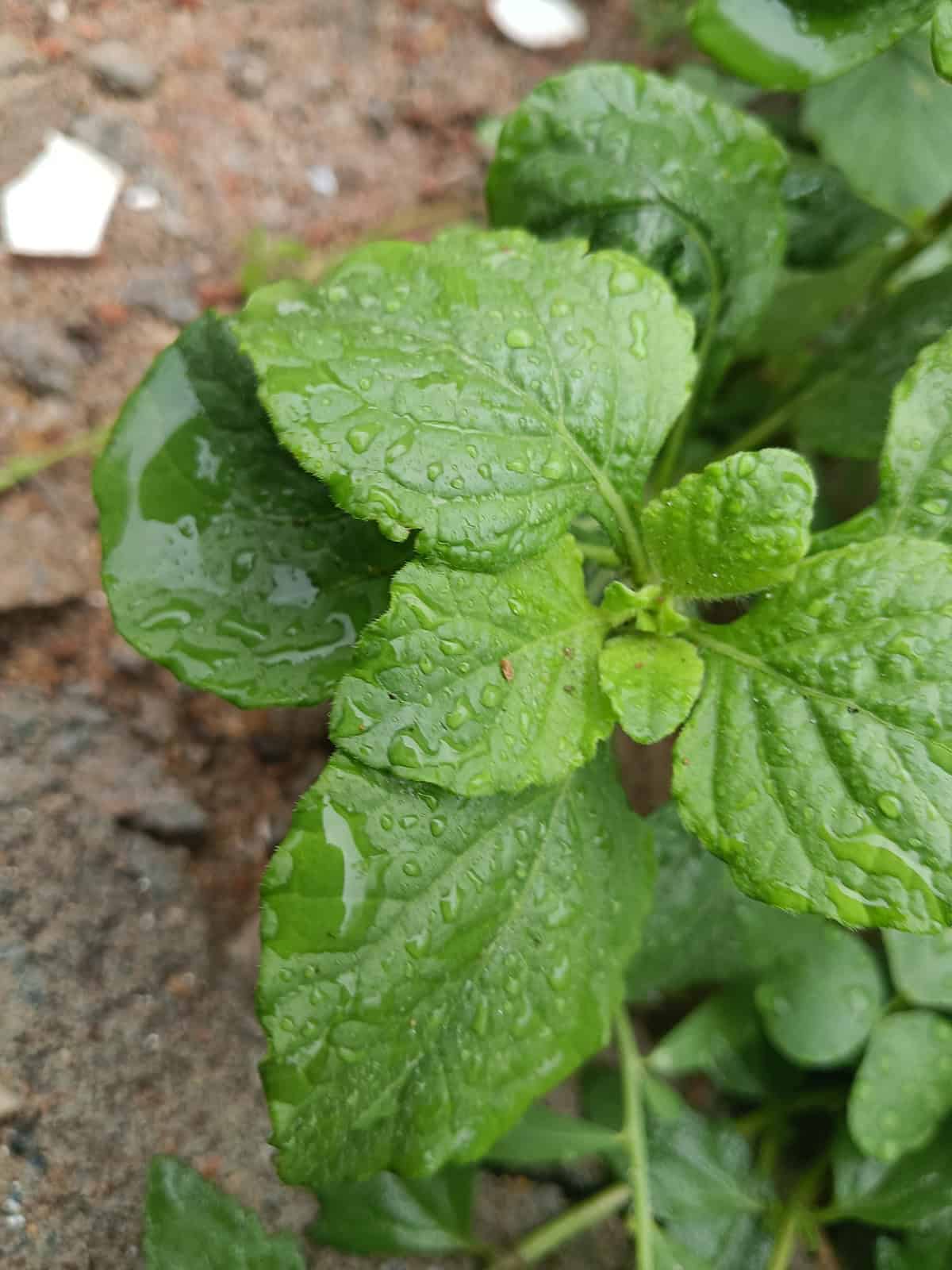
Soil should stay just barely moist—never soggy. Poke your finger into the top inch; if it’s dry, go ahead and water until you see some drain out.
Always empty the saucer afterward. Sitting in water is a recipe for root rot, so drainage holes are a must. Stick with a loose potting mix to help avoid problems.
Growth tends to slow down in winter, so ease up on watering then. Let the surface dry out a bit more between drinks. Wilting or yellowing leaves? Double-check your routine and adjust based on how the soil feels, not just the calendar.
Soil
Roots want air and a bit of moisture, not a swamp. A standard indoor potting mix usually does the trick, as long as it drains well—skip anything heavy or garden-soil based, which packs down and suffocates roots.
Mixes with peat or coco coir, pine bark, and perlite hit the sweet spot. They hold some water but let excess drain away. Keep the top inch dry before watering again, and swap in fresh soil every year or two to keep things healthy.
Temperature & Humidity
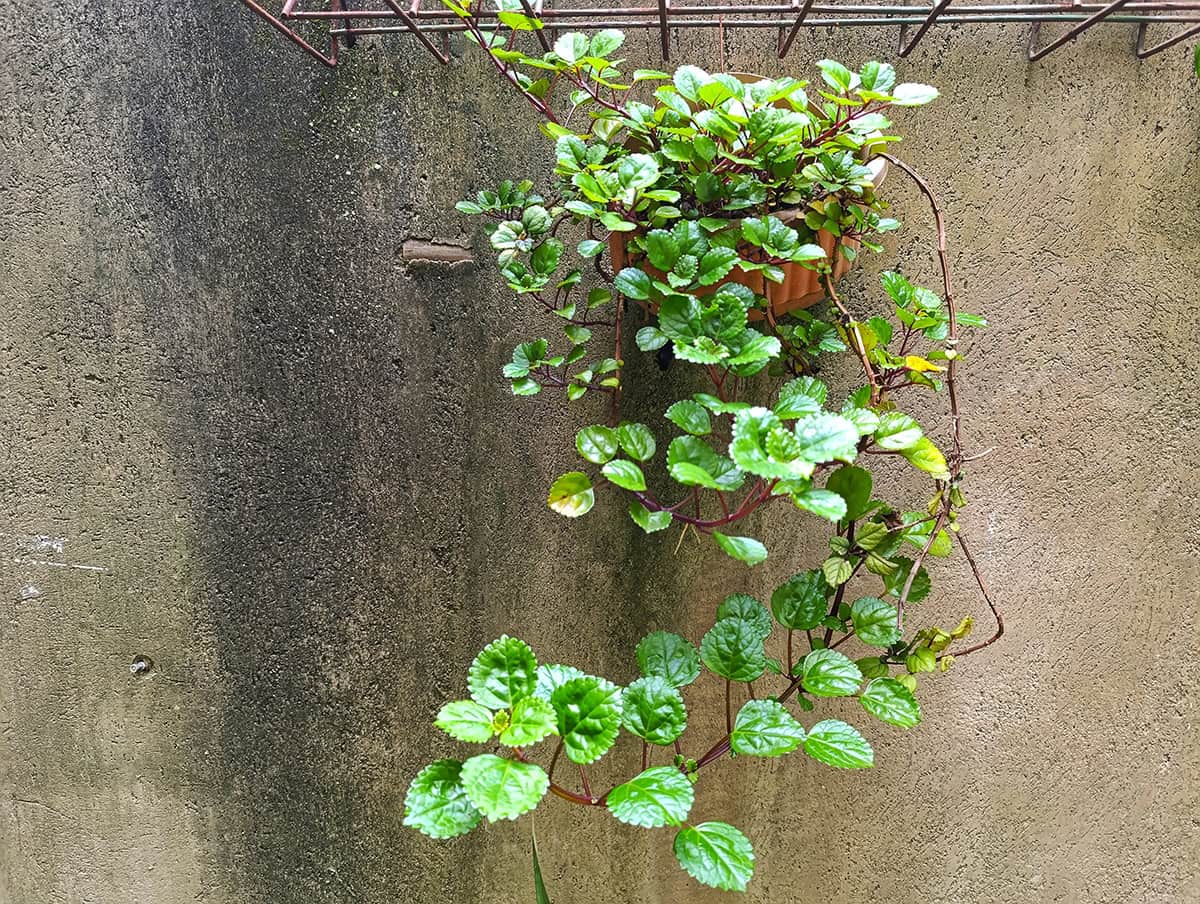
Swedish ivy is pretty chill about average home temps—somewhere in the 65°F to 75°F (18°C to 24°C) range is ideal. Short cold snaps down to 50°F won’t kill it, but growth will slow. Frost? That’s a no-go.
Drafts from windows or doors can stress the plant, leading to leaf drop or wimpy stems. Avoid parking it near heating vents or air conditioners. Consistent conditions are best.
Humidity isn’t a big deal for this one. Most homes are fine, though really dry air in winter might curl or brown leaf edges. If that happens, move the plant away from heat sources, or try a pebble tray with water under the pot—just don’t let the pot sit in water. Decent airflow helps prevent fungal problems, so don’t crowd it.
Fertilizer
During spring and summer, a balanced, water-soluble fertilizer once a month is plenty. Dilute it to half strength to avoid salt buildup, which can mess with roots and cause weak growth.
Want more blooms? Try a formula with a bit more phosphorus and less nitrogen in spring, and make sure the plant gets enough light. High-nitrogen blends push out more leaves instead of flowers.
Skip feeding in late fall and winter—the plant slows down and doesn’t need extra nutrients. Start up again when you spot new growth. Every few months, flush the soil with plain water to clear out any salt residue. Always fertilize when the soil is damp to protect the roots.
Potting & Repotting
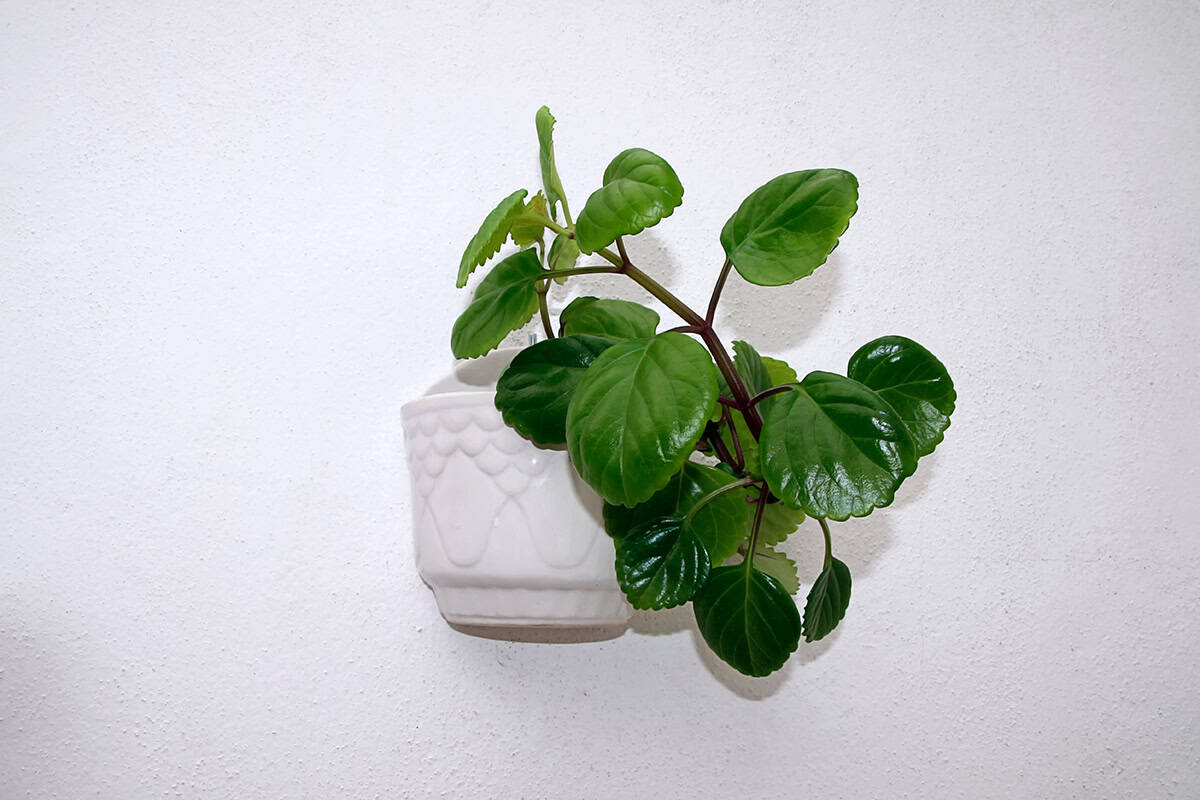
Spring is the time to repot—once a year is usually enough. Pick a pot just one size up, always with a drainage hole. Roots can fill a small pot quickly, and repotting keeps things from getting cramped.
Water the plant first, give it an hour, then gently slide it out. Loosen up the roots and snip off any that look dead or mushy. Set the plant so the top of the root ball sits an inch below the rim, then fill in with fresh, well-drained mix. No need for gravel at the bottom. Firm the soil, water well, and put it back in bright, indirect light.
Pruning
Don’t be shy with the scissors—regular trims keep Swedish ivy compact and bushy. If stems start to sprawl or lose their shape, just snip them back with clean, sharp scissors.
After flowering, pinching off the tips encourages more side shoots and a fuller look. Uneven or leggy growth? Shorten those stems any time of year.
Even a hard prune isn’t a big deal—cutting back by a third or half can actually spark fresh, healthy growth. Remove any weak or damaged stems at the base to boost air flow and direct energy where it counts. With a little upkeep, you’ll keep the plant looking balanced and vibrant.
Propagation
Snipping off a healthy stem is all it takes to make another plant. Look for a piece with a few leaves and at least one node, then cut just below that node. Strip off any leaves that would sit below the surface.
You can root the cutting in water or straight into moist, well-drained soil. Keep it in bright, indirect light and don’t let it dry out. Roots usually show up within a couple of weeks.
Once roots are about an inch long, move water-rooted cuttings into soil. Use a small pot with drainage and a standard mix. Water lightly at first, and wait for new leaves to signal the cutting has settled in.
Common Problems
Leaves tend to spill the plant’s secrets first. Dull, pale, or floppy foliage usually means too much direct sun—move the pot to a gentler spot and watch for recovery.
Yellow leaves and mushy stems are classic signs of overwatering. Let the top inch of soil dry before watering, and always dump out any excess from the saucer.
If the edges get dry and crispy, you’re probably underwatering—especially in a warm room. Water thoroughly once the surface dries out, and try to stick to a routine.
When stems stretch out and leaves get sparse, it’s reaching for more light. Cut back the leggy parts and move the plant somewhere brighter.
Pests like spider mites, aphids, or whiteflies might show up. Check under leaves for webbing or sticky spots. Rinse the plant in water and use insecticidal soap if needed.
Brown or black spots? Could be bacterial leaf spot or poor air flow. Remove damaged leaves, water at the base, and make sure the plant isn’t crowded to help stop it from spreading.
Varieties
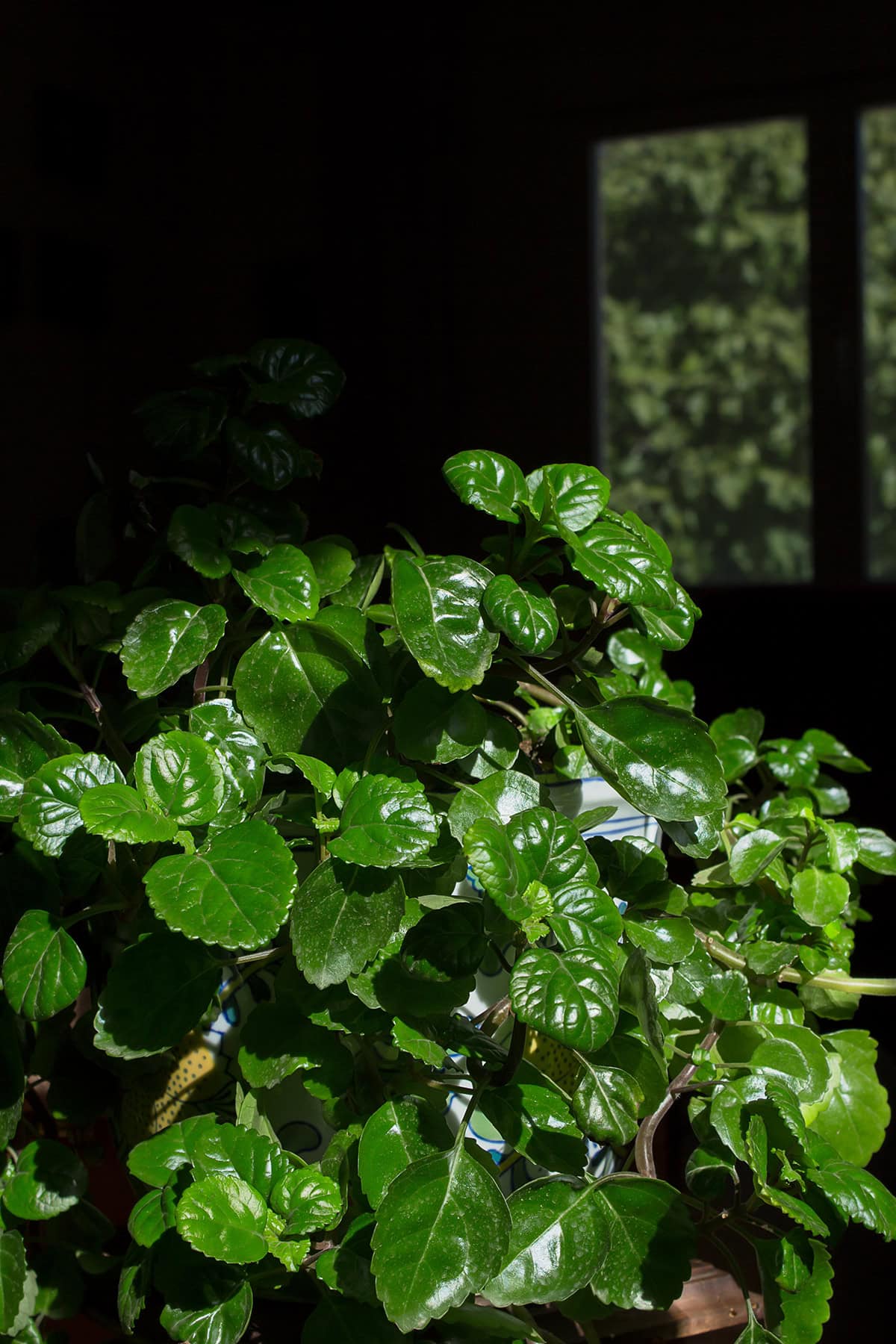
Walk into most garden centers, and the “Swedish ivy” you spot is usually Plectranthus verticillatus. Those glossy, round leaves with scalloped edges—plus those soft, trailing stems—make it a favorite for hanging baskets. Some folks might even call it Creeping Charlie, though that name gets thrown around a bit loosely.
Now, if you’re after a little more flair, variegated selections catch the eye with creamy or pale yellow edges. They really pop under bright, indirect light—without it, the color just fades away. It’s a bit of a balancing act, honestly.
For anyone dealing with tight spaces or just wanting a neater look, compact types won’t sprawl all over the place. The foliage hugs the stems, making it a solid pick for small pots or a crowded windowsill. Occasional trims help keep things looking sharp, but it’s not a plant that demands much fuss.
Labels can get confusing, though. Some shops mix in other Plectranthus species under the same common name. You’ll notice differences—maybe the leaves feel a bit different, or the flowers range from white to a soft lavender. If you’re particular about getting the true Plectranthus verticillatus, double-check that botanical tag before heading to the register.