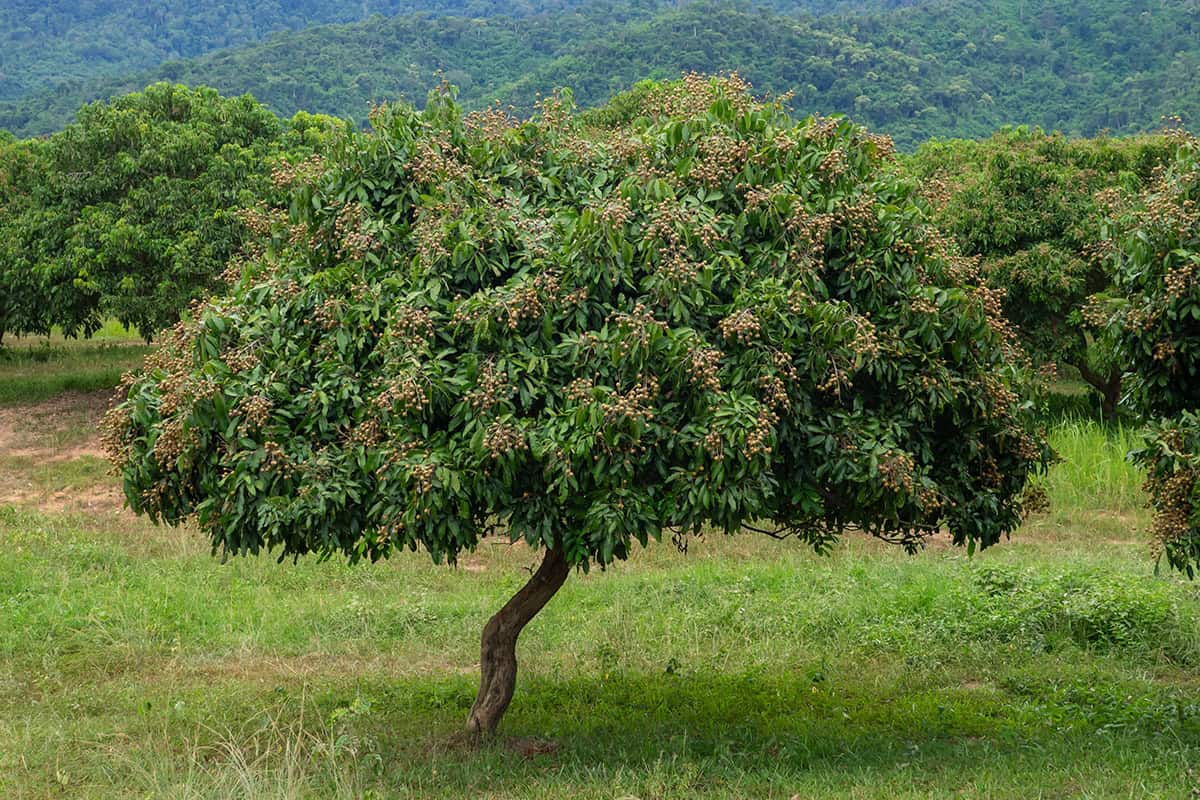
Few fruit trees combine beauty and productivity quite like a longan. Shiny green foliage keeps the tree attractive throughout the year, while hanging clusters of fruit become the highlight of the harvest season. This article shares the care habits that encourage healthy growth and reliable crops.
Table of Contents
Quick Care Summary
Plenty of sun is non-negotiable. Longan just won’t flower or fruit well in the shade. Give it room to spread—crowding stunts both growth and yield.
Soil should be sandy and drain fast, with a pH that’s a tad acidic to neutral. Stay away from spots where water lingers after a rainstorm.
Young trees drink more, so keep them on a regular watering schedule until they’re settled in. After a few years, cut back except during spring bloom and summer fruiting. Soggy roots are a no-go.
Heat is a must. USDA zones 10–11 are ideal. Anything below 28°F is risky, so have a plan for cold snaps.
Humidity helps, especially for flowering. Dry air can make things tricky. Strong winds aren’t great either—find a sheltered spot if you can.
Fertilize with a balanced mix three or four times a year while the tree’s actively growing. Go easy on young trees; bump up the amount as they mature.
Air layering is the favorite method for propagation—it’s reliable and gives you a true copy of the parent. Seeds work, but you’ll wait longer for fruit. Grafted trees are quicker to produce.
Expect fruit from mid-summer into early fall in warm areas, with August often being peak time. Pick when the skin turns tan and the pulp tastes sweet. If you pick too early, it won’t ripen later.
- Light: Full sun
- Soil: Sandy, well-drained
- Watering: Regular when young; moderate once established
- Temperature: Tropical to subtropical; frost sensitive
- Humidity: Moderate to high
- Fertilizer: Balanced formula, several light feedings
- Propagation: Air layering, grafting, seed
- USDA Zones: 10–11
- Fruiting Season: Mid-summer to early fall
Plant Overview
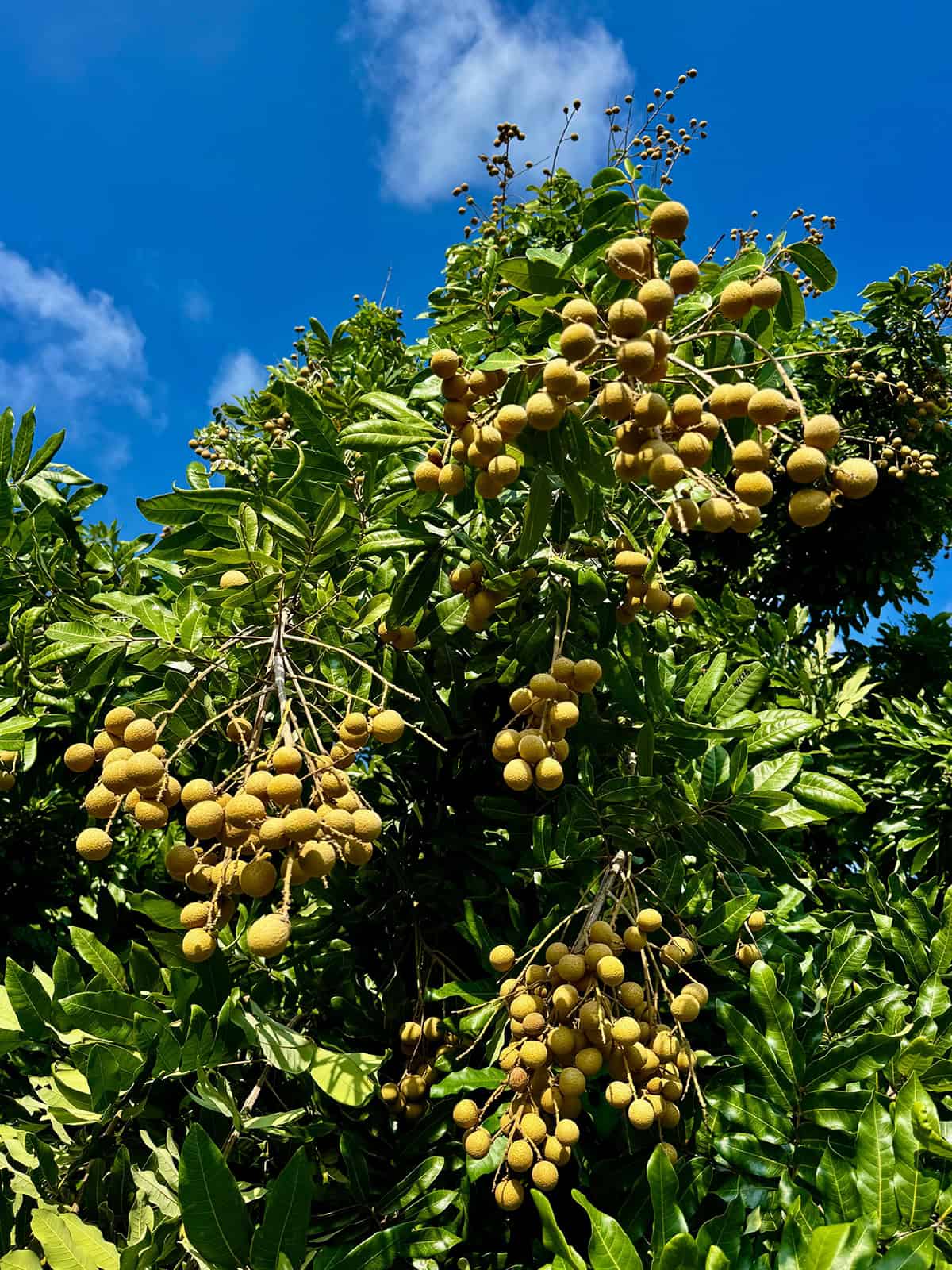
Dense shade, glossy leaves, and clusters of round fruit—longan (Dimocarpus longan) stands out in any tropical or subtropical yard. Gardeners in warm, mild-winter regions often plant it for both its canopy and its harvest.
A mature tree can tower to 30 or 40 feet in the right climate, though in home gardens it usually stays smaller with some pruning. The bark’s a bit corky, and the fruit—small, light brown, with a shiny black seed—looks almost like little marbles.
Flowering tends to start late winter or early spring, and fruit ripens mid to late summer. Once you pick them, that’s it—they won’t get sweeter on the counter. Plan ahead so there’s enough room for the branches to spread.
Plant Details
- Botanical name: Dimocarpus longan
- Common names: Longan, longan fruit tree
- Plant type: Evergreen tropical fruit tree
- Mature size: 30–40 feet tall in warm climates; smaller with pruning
- Growth rate: Moderate
- Toxicity: Edible fruit; don’t eat the seed
- Native region: Southern Asia
Quick Care Summary
- Light: Full sun
- Soil: Well-drained, sandy or loamy
- Watering: Consistent while young and during fruit set
- Temperature: Likes 70–95°F; hates frost
- Humidity: Prefers it moderate to high
- Fertilizer: Balanced, during growth
- Propagation: Air layering is easiest
- USDA zones: 9–11
- Fruiting season: Mid to late summer
Light
Bright, direct sun is what gets longan going. Aim for 6 to 8 hours a day, minimum. Tucking the tree into an open spot—away from buildings, hedges, or anything that casts deep shade—pays off in bigger harvests.
If you try to squeeze a longan into a crowded or shady spot, expect fewer flowers and weaker branches. The fruit just won’t be as good, either.
Young trees can handle a little shade here and there, but don’t push your luck; too much shade means slow growth and poor structure. For containers, south- or west-facing spots are best. Indoors, it’s a struggle, but the brightest window you have will have to do. Rotate the pot now and then to keep things even.
In hot regions, don’t worry about the sun being too strong—longan can handle it, as long as you keep the soil from drying out completely. Dry soil plus blazing sun is rough on young trees.
Water
Establishing a good root system takes consistent moisture, especially in the first few years. Deep watering encourages roots to dig down, but let the top inch or two dry out before you water again. Overdo it, and you risk root rot.
Once the tree starts setting fruit, step up the watering during bloom and early fruit development. Dry spells during this phase can shrink your crop. After harvest, cut back on water a bit.
Older trees can handle a dry week or two, but they still do best with steady moisture. Sandy soils dry out faster, so you’ll need to water more. In heavier soils, be careful not to drown the roots. Adjust for weather, rainfall, and soil type.
Water at the drip line, not right at the trunk—this encourages roots to spread wide. Mulch can help keep moisture in and weeds down, but don’t pile it against the trunk.
Soil
Longan roots need fast drainage—wet feet are a recipe for decline. Sandy or sandy loam is ideal, especially in warm places. If your soil drains well, you’re in business.
Slight acidity (pH 5.5–6.5) is best, but the tree can handle neutral conditions. Strongly alkaline soil, though, can mess with nutrient uptake. Test the soil before planting; if the pH’s high, a bit of elemental sulfur can help.
Mixing in compost or other organic matter boosts fertility and structure, but don’t overdo it—creating a soggy, dense pocket will do more harm than good. Keep the root flare at ground level or just above.
A couple inches of mulch over the roots helps with moisture and weed control, but leave a gap around the trunk. In clay soil, plant on a mound to get those roots above soggy ground. Avoid planting in low spots that stay wet after rain.
Temperature & Humidity
Longan thrives in heat—daytime temps from 70°F to 95°F are just about perfect. Spring warmth encourages flowering, and a hot summer fills out the fruit.
Oddly enough, a brief cool, dry spell before flowering can help trigger blooms, but once temps drop near 27°F, you’re flirting with damage. In USDA zones 10–11, you’re safe to grow outdoors all year; elsewhere, you’ll need a greenhouse or to haul the tree inside for winter.
Humidity is a big deal for fruit set. Warm, moist air helps, but too much rain during flowering can mess with pollination. Dry air isn’t usually a problem, but strong, dry winds can stress the tree—some windbreak or shelter helps. Keep the soil evenly moist when it’s hot to keep the tree happy.
Fertilizer
Feeding longan is all about timing and moderation. Start a month after planting with a balanced fertilizer (like 6-6-6) that includes micronutrients—ideally, some of the nitrogen should be organic-based.
For a young tree, a quarter pound per application is enough. Repeat every couple of months for the first year, increasing the dose as the tree grows. Spread fertilizer under the canopy, not up against the trunk, and water it in well. Don’t let fertilizer touch leaves or bark.
Mature trees like to be fed from early spring through midsummer. If your winters get chilly, stop fertilizing by late summer—new growth can get zapped by cold.
If you spot pale leaves or poor fruiting, you might be short on nitrogen or potassium. Soil tests help dial in the right amount so you’re not overdoing it.
Growing in Containers
If you’re short on space or live where winters are cold, longan can do surprisingly well in a big pot. A container keeps it smaller and lets you bring it inside if needed. Grafted plants are worth the investment—they fruit sooner and more reliably.
Pick a sturdy container, 25 to 50 gallons minimum, with good drainage holes. A sandy, well-draining potting mix with something chunky like pine bark works best. Skip heavy garden soil—it’ll just compact and suffocate the roots.
Set the pot somewhere sunny—six hours of direct light is the bare minimum. Temps between 70°F and 95°F are ideal, but if it gets colder than 40°F, move the tree inside or cover it.
Water when the top couple inches feel dry, and let the excess drain out. Don’t let the pot sit in water. Ease up on watering in the fall and winter, but never let the root ball dry out completely.
Fertilize every two months or so in spring and summer, and stop in late fall. A light pruning keeps the tree compact and encourages a rounded canopy. Repot every few years to refresh the soil and avoid root binding.
Potting & Repotting
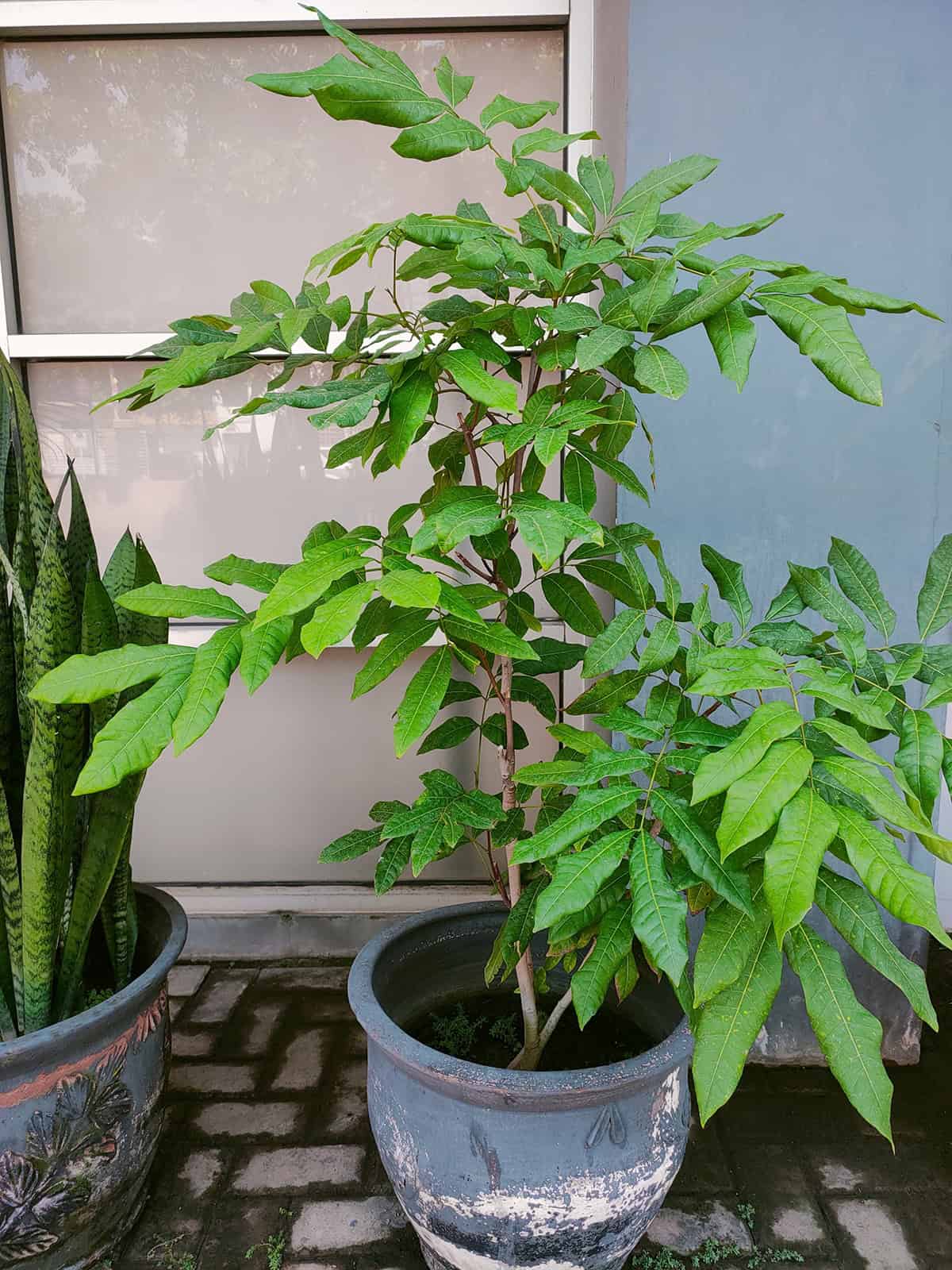
Container-grown longan needs a roomy start—a 15- to 25-gallon pot with big drainage holes is a good minimum. Go for a sandy, fast-draining mix with some organic matter. The pH should be slightly acidic to neutral.
Full sun is a must, and if frost is in the forecast, get the pot indoors or into a protected spot. While mature trees can shrug off a brief chill, young ones are much more sensitive below 28°F.
Every couple years, check if the roots are circling or packed tight. If they are, move up to a pot just a few inches bigger—not huge, or you risk waterlogged soil. After repotting, water well and keep the soil moist (but not soggy) until the tree settles in, then go back to letting the top layer dry before watering again.
Pruning
Longan’s dense canopy and upright growth can get unruly without some intervention. Pruning isn’t just for looks—it helps control height, improves sunlight penetration, and keeps fruit within reach.
Early on, pick three to five strong branches with wide angles for your main structure. Remove weak or crowded shoots to build a solid framework. After harvest, trim back tall, upright shoots to keep the tree from getting out of hand and to let light reach the inner branches.
Dead, cracked, or rubbing branches? Cut them anytime. Clean cuts keep pests and diseases at bay. Avoid topping the tree—severe cuts just lead to weak, spindly regrowth.
Longan can handle a decent pruning, but steady, moderate cuts each year are better than drastic ones. Keep the tree at a height you can manage, and harvesting will be a lot less hassle.
Propagation
Growing longan from seed is a bit of a gamble—seedlings rarely match the parent, and you could be waiting six years or more for fruit. For most folks, seeds are best left for rootstock or the curious.
Air layering (marcotting) is the go-to for clones. You pick a healthy branch, wound it, wrap it with moist material, and wait for roots. Late spring through summer is the prime window in warm climates.
Grafting’s another solid route, especially if you want fruit sooner. Side veneer and cleft grafts work well on young rootstock, and you can see fruit in just two or three years—much faster than with seed-grown trees.
Cuttings are tricky—hard to root and fussy about conditions. Most home growers skip them. Whatever method you try, start with a healthy, disease-free parent tree. Strong genetics make all the difference for yield and vigor.
Fruiting & Harvest
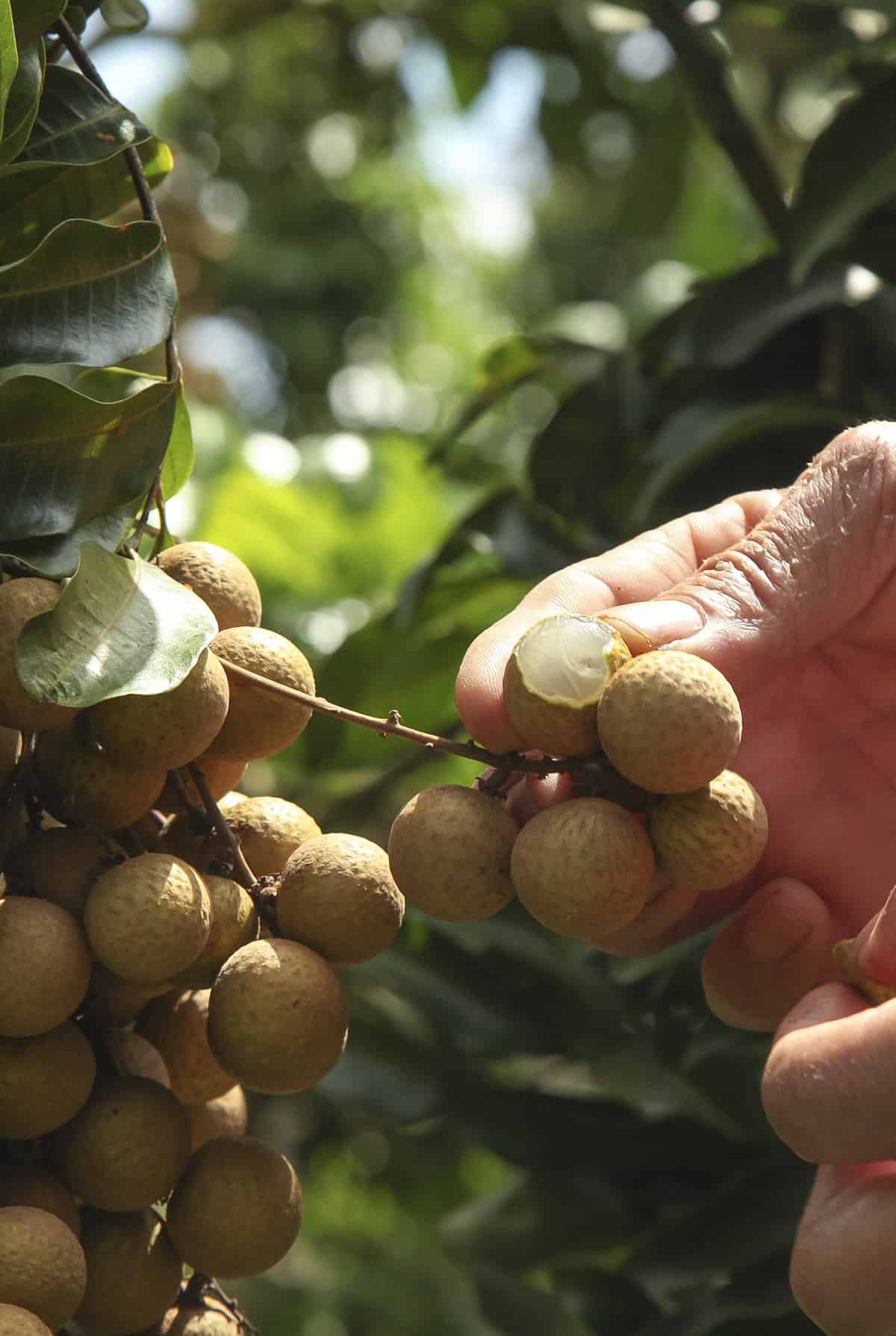
The anticipation builds as the longan tree edges into its third or fourth year—finally, the promise of fruit. Oddly enough, a stretch of cool, dry weather seems to kick off flowering, while warmth and just-right soil moisture keep the fruit coming along. In places like South Florida, those first blooms usually show up from late winter through the spring months.
Clusters dangle from the tips of the branches, ripening anywhere from mid-summer into the early fall. August often marks the height of the season, but local climate and the particular variety can shift that window. The fruit itself? Wrapped in a thin, tan shell, hiding juicy, translucent flesh and a single glossy seed inside.
Color alone won’t tell you it’s time—sure, the peel darkens, but the real test is a quick taste. Longans don’t get any sweeter after picking, so patience pays off: only snip clusters that are truly ripe.
When it’s finally harvest time, grab a clean pair of pruners and cut whole clusters rather than tugging at individual fruits. They bruise easily, and cracked shells are a waste. Once picked, speed is key—get them cooled down and into the fridge, tucked in a plastic bag, and they’ll last close to a week.
Irrigation matters most during flowering and fruit development. On the other hand, too much water—or a sudden downpour—can spell bad news for pollination and fruit set, so it’s worth keeping an eye on the forecast and your watering habits.
Common Problems
It’s usually the pests that show up first. Scale insects stick themselves to leaves and stems, draining sap and leaving behind sticky residue or a dusting of black sooty mold. Early intervention with neem oil or insecticidal soap, making sure to get every nook and cranny, can keep things under control.
Sometimes, the lychee webworm sneaks in, chewing up flowers and immature fruit. Yields drop fast if you miss the signs. A close look at blooming clusters helps—pull off damaged parts right away, and you’ll head off bigger headaches down the line.
Humidity that lingers and air that doesn’t move much set the stage for fungal trouble. Dense canopies are a recipe for disease, so don’t be shy about pruning to open things up. Give each tree enough elbow room and skip late-day overhead watering to keep leaves dry overnight.
Longan witches’ broom, though less common, is a real menace in some places. Branches thicken with tangled shoots, leaves shrink, and fruit production tanks. The only real move is to cut out infected growth and burn it, cleaning your tools after every cut.
Then there’s the environment itself—roots can rot if the soil stays soggy, and a cold snap will scorch leaves and tender shoots in a heartbeat. It’s a balancing act: keep the soil damp, protect young trees from frost, but never let things get waterlogged.
Varieties
Across Asia’s humid orchards and in sun-drenched corners of the U.S., longan trees show off a surprising range—fruit size, sweetness, even the way clusters hang or seeds shrink, all shift from one type to the next. Growers, of course, end up chasing the cultivars that actually thrive in their patch of climate.
Down in Florida, ‘Kohala’ has pretty much taken over, whether you’re wandering a backyard or a commercial grove. Those trees crank out medium to large fruit, the flesh clear and sugary, seeds not too big. South Florida’s heat suits them, and harvest hits somewhere between midsummer and early fall. Honestly, if you spot a longan tree in that state, odds are it’s ‘Kohala.’
Hawaii, on the other hand, leans into diversity. ‘Egami’ pops up in plenty of orchards, famous for its hefty clusters and a reputation for cropping when others might skip a year. Tasters rave about its flavor—pulp, too, is generous, making it a favorite for drying. You get the sense growers appreciate its reliability as much as its taste.
California’s a different story. Some older Chinese selections hang on, especially where nights run a bit cooler. Longan trees don’t flinch at a touch of frost—more than you could say for lychee—but if spring and summer don’t bring real warmth, the fruit just doesn’t hit its stride. Picking the right variety isn’t just about chasing the biggest fruit; yield, flavor quirks, and how the tree handles your weather all matter more than people admit.