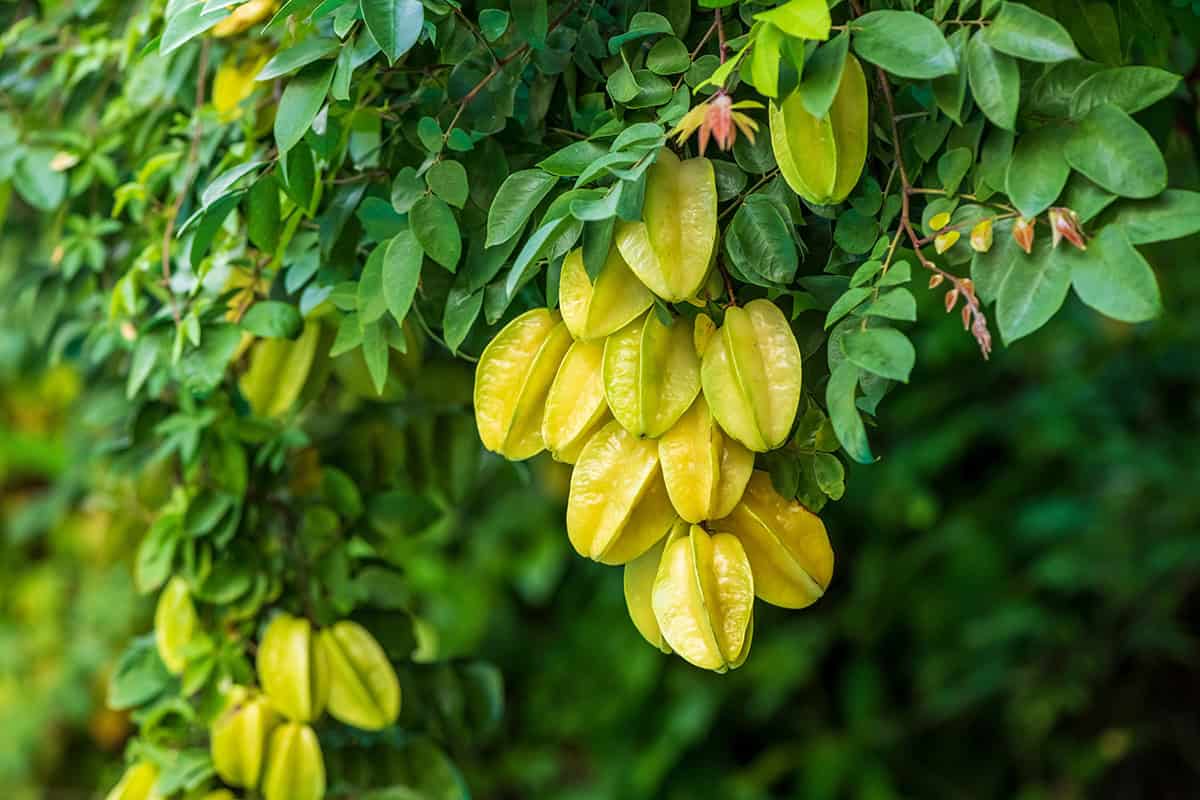
A thriving starfruit tree becomes one of the highlights of any tropical or subtropical garden. Bright green foliage keeps it attractive throughout the year, and the distinctive fruit adds even more appeal. Keep reading to learn the care routine that supports healthy growth and abundant harvests.
Table of Contents
Quick Care Summary
Warm, frost-free spots with bright sun set the stage for happy starfruit trees. They need space to spread, soil that drains well, and shelter from harsh winds. Regular care leads to reliable crops and strong growth.
Botanical name: Averrhoa carambola
Common names: Starfruit, carambola
Plant type: Evergreen fruit tree
Mature size: 20–33 feet tall, 20–25 feet wide
Growth rate: Moderate to fast in warm climates
Toxicity: Fruit may harm people with kidney disease
Native region: Southeast Asia
Grafted trees can bear fruit in just a year or two. As the tree gets older, crops get bigger. Keep it pruned to about 12 feet for easier picking and less storm trouble.
Light: Full sun for best fruit set
Soil: Well-drained, slightly acidic to neutral; avoid high salinity
Water: Keep soil evenly moist; avoid drought or standing water
Temperature: 68–95°F for active growth; protect below 30°F
Humidity: Prefers humid, tropical to subtropical air
Fertilizer: Use balanced fertilizer with micronutrients, especially iron in high-pH soil
Propagation: Grafted cultivars on seedling rootstock
USDA zones: 9b–11 with frost protection in cooler areas
Fruiting season: Often late summer through winter in warm regions
Give trees plenty of elbow room—20 to 30 feet from buildings or other trees. Sweet varieties are best for fresh eating.
Plant Overview
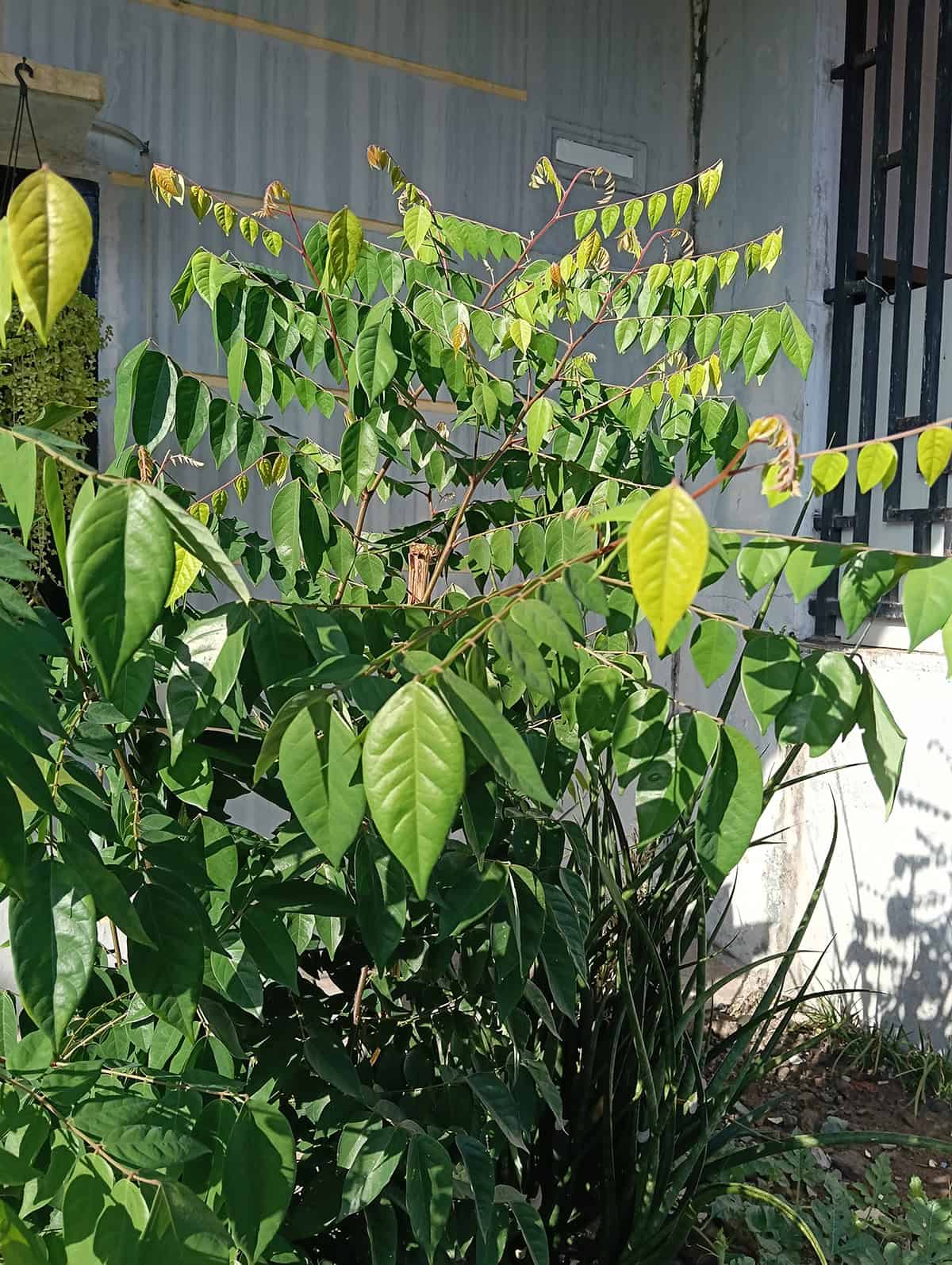
Glossy leaves and a compact, rounded canopy make this tree as attractive as it is productive. Averrhoa carambola works double duty: edible fruit and landscape charm.
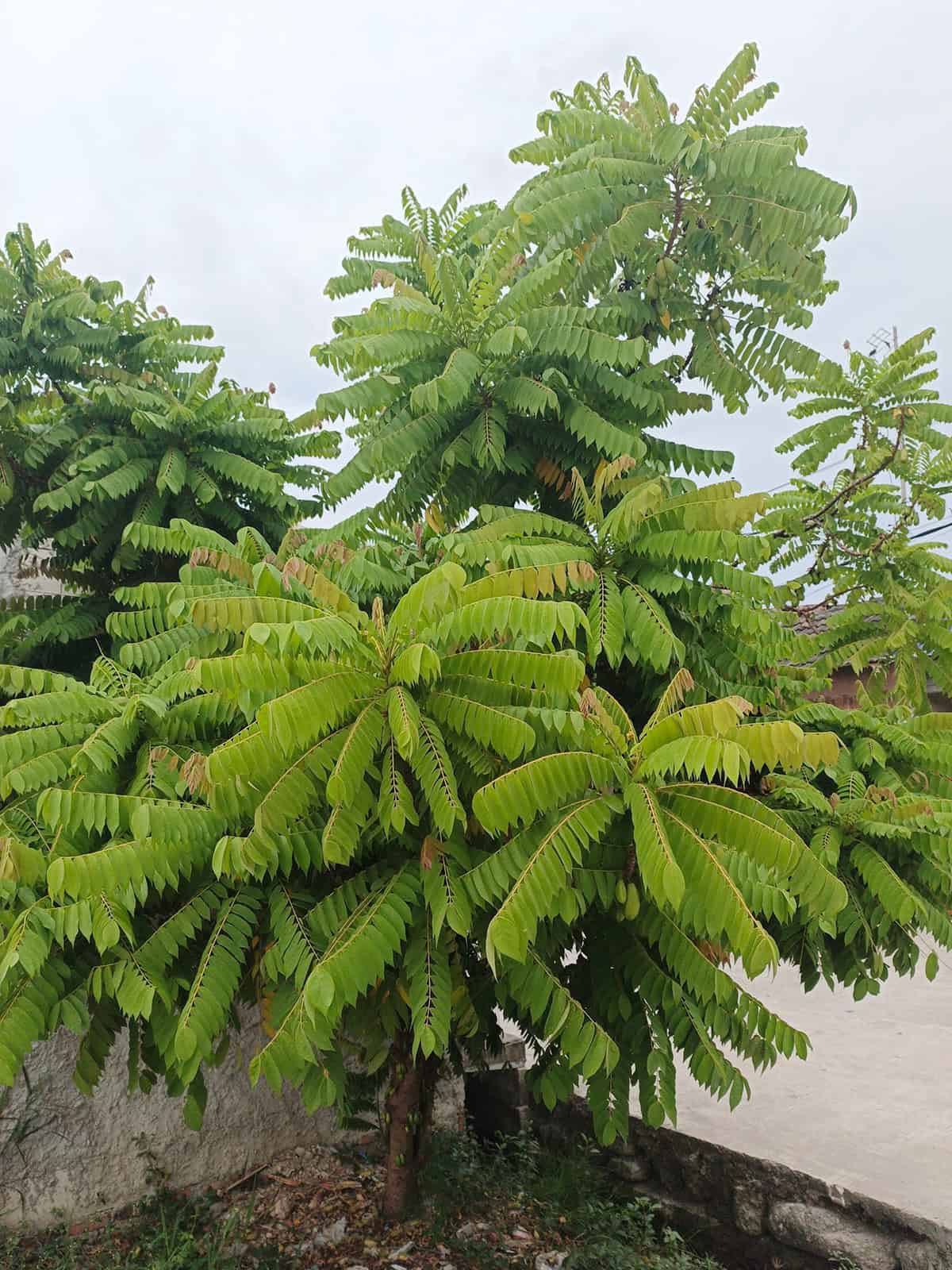
Branches fill out densely, creating a lush look. Left alone, mature trees stretch to 20 or 30 feet high and nearly as wide, but regular pruning can keep them manageable at around 12 feet. In the right climate, growth keeps a moderate pace.
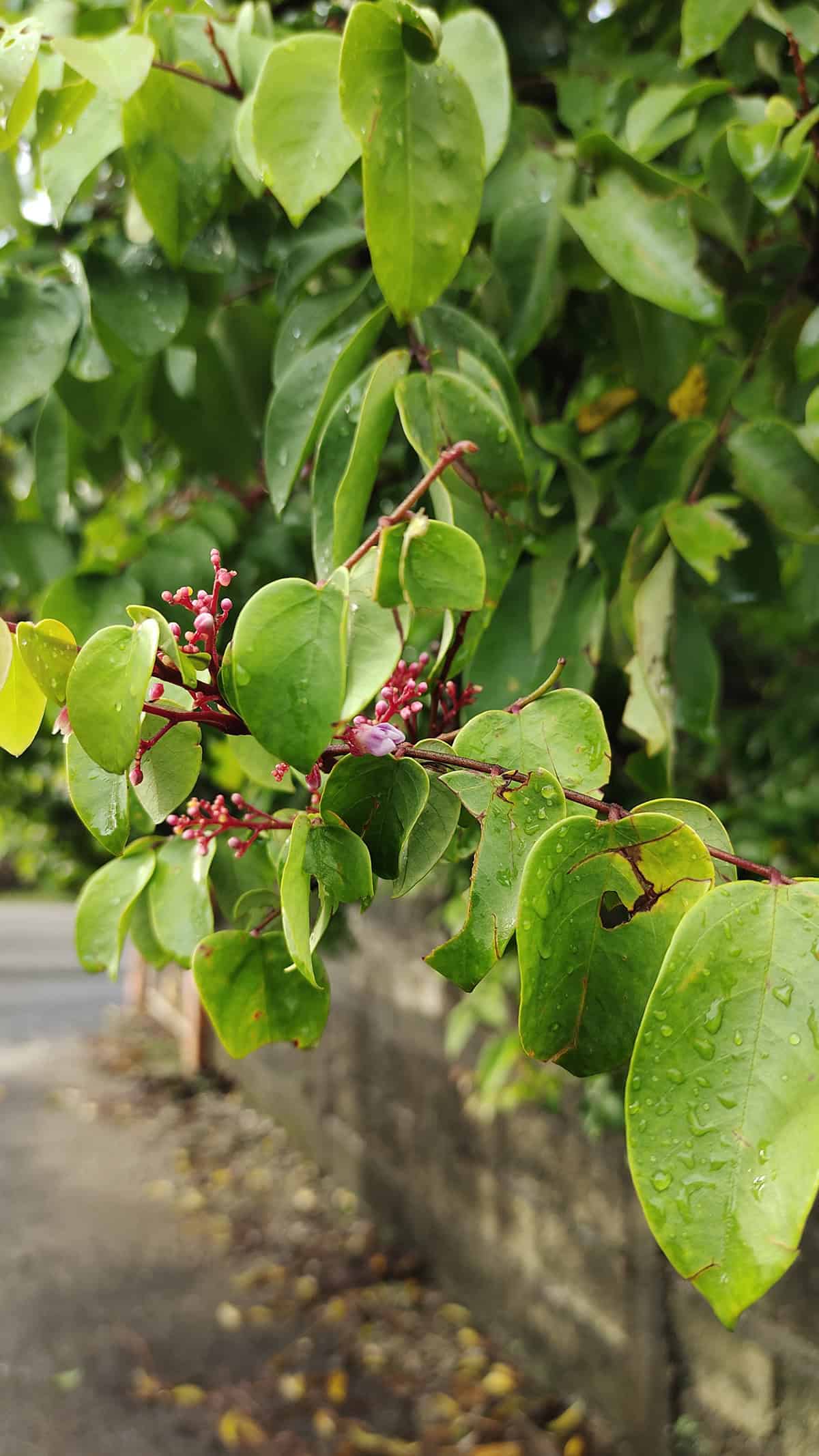
Clusters of pink to lavender flowers pop up, each holding both male and female parts. Some types self-pollinate, others like a pollen-sharing neighbor. Fruit can appear from summer through winter if conditions cooperate.
- Botanical name: Averrhoa carambola
- Common names: Starfruit tree, carambola, star fruit
- Plant type: Tropical evergreen fruit tree
- Mature size: 20–30 ft tall; 20–25 ft wide (smaller with pruning)
- Growth rate: Moderate
- Toxicity: Fruit contains oxalic acid; unsafe for people with kidney disease
- Native region: Southeast Asia
Quick Care Summary:
- Light: Full sun
- Soil: Well-drained, moist, slightly acidic to neutral
- Watering: Regular; not drought tolerant
- Temperature: 68–95°F preferred
- Humidity: Moderate to high
- Fertilizer: Balanced fertilizer several times per year
- Propagation: Grafted trees preferred; fresh seed viable briefly
- USDA zones: 9–11
- Fruiting season: Often June to February in warm climates
Light
Bright, unfiltered sunlight is what really drives starfruit trees. At least six to eight hours of direct sun daily—anything less, and you’ll notice fewer flowers and bland fruit.
Tall buildings or overhanging branches? Not ideal. Shade stunts growth and limits blooms. Even a little dappled shade can make fruit less sweet.
Hot inland summers can be rough on young leaves, so a touch of afternoon shade might help early on. Once established, mature trees shrug off heat as long as you keep their roots moist. Wind can be a problem, too—young trees especially need shelter to avoid leaf damage and to get the most from the available light.
Container-grown trees crave the sunniest spot you’ve got—think south-facing patios or wide-open yards. Give the pot a quarter turn now and then to keep things even.
Trying to grow starfruit indoors? It’s a tough ask. Unless you’re willing to invest in powerful grow lights and run them for 12 to 14 hours a day, fruiting is unlikely. Lights need to be close and bright to keep growth strong.
Water
Moisture consistency makes all the difference. Starfruit trees get fussy if you let them dry out—leaves drop, fruit shrivels, and branches can die back.
Young trees, especially in dry spells, want a deep soak two or three times a week. Water should reach a good foot or more down, but let the top layer dry out a bit before watering again.
Older trees still need attention, particularly when flowering or fruiting. If rainfall doesn’t hit at least an inch a week, you’ll want to supplement. Letting the soil swing between soggy and bone-dry? That’s asking for dropped fruit and bland harvests.
Soggy soil is just as bad as drought. Roots rot if left in standing water for days, especially when it’s hot. Well-drained soil is a must, and after heavy rain, hold off on extra irrigation.
Cooler months mean less growth, so ease up on watering. Once things warm up and new leaves show, get back to a steady schedule. Careful watering keeps roots healthy and fruit coming.
Soil
Drainage sets the foundation here. Starfruit roots struggle in soggy ground, so quick-draining soil is essential. In places that flood, raised beds or planting mounds can help keep roots above water.
Aim for a slightly acidic to neutral pH—somewhere between 4.5 and 7.0. In soil that’s too alkaline, growth slows and leaves often turn yellow from iron or magnesium shortages. Chelated micronutrients can help, but starting with the right pH is easier.
Sandy soil is fine as long as you don’t let it dry out. Loam supports strong roots, too. Dense clay? You’ll need to amend or raise the planting site to avoid waterlogging.
Skip the urge to fill the hole with pure compost. A light mix with native soil works better and prevents rot. Keep the root ball level or just above the surrounding soil.
A 2 to 6 inch mulch layer around the base retains moisture, blocks weeds, and keeps soil temperatures even. Don’t pile mulch against the trunk—leave a gap to avoid rot.
Salt is a real enemy here. Saline soil or salty irrigation water causes leaf burn and dieback. Keep the soil moist but not saturated, and you’ll see more flowers and fruit.
Temperature & Humidity
Warmth fuels starfruit trees. They’re happiest when temperatures hang between 68°F and 95°F (20–35°C). Once things dip below 65°F, growth slows noticeably.
In subtropical regions, starfruit can thrive, but cold snaps are risky. Older trees might survive a quick brush with 27°F, but real damage usually starts around 30–32°F. Young trees are especially vulnerable—hard freezes can take out whole branches.
Zones 10–11 are ideal for year-round outdoor growing. In Zone 9, winter means extra work: frost cloth, windbreaks, or planting near a sun-warmed wall. Potted trees need to come indoors before frost threatens.
Humidity matters, too. These trees prefer air that feels a bit tropical. Dry climates can stress leaves and cut down on fruit.
If you’re gardening somewhere arid, mulch helps hold moisture and watering deeply keeps humidity up around the leaves. Don’t let soil dry out for long, but steer clear of soggy feet.
Steady warmth and moist air encourage flowers and fruit. When the weather’s right, you’ll notice faster growth and bigger harvests.
Fertilizer
Feeding makes a clear difference once the tree wakes up in spring. Regular nutrients support lush leaves, more flowers, and bigger fruit. Go too light and you’ll see fewer fruits and a weaker tree.
A balanced fertilizer with nitrogen, phosphorus, potassium, and magnesium is the way to go. Young trees do well with a quarter to half a pound every month or two, spread under the canopy but never touching the trunk. Water it in so the roots can actually use it.
As the tree ages, bump up the amount—anywhere from 1 to 5 pounds per feeding, four to six times a year if you’re in a warm climate. Ease up when temperatures drop. Too much nitrogen brings lots of leaves but not enough fruit.
Keep soil pH between 4.5 and 7 for best results. Test every so often and adjust if needed. Sandy soils may need smaller, more frequent doses. If your starfruit’s near a fertilized lawn, cut back on extra feeding to avoid overdoing it.
Growing in Containers
For folks without garden space or living where winters bite, containers make starfruit possible. Pots let you manage soil, water, and temperature—and you can bring the tree indoors when frost looms.
Pick a container with a 15 to 25-gallon capacity and plenty of drainage holes. Heavy pots—think ceramic or thick plastic—help keep top-heavy trees upright.
Use a light, well-draining, slightly acidic mix. Citrus or tropical fruit blends are a safe bet. Skip dense garden soil; it holds too much water and cramps roots.
Set the pot in a spot that gets full sun, at least six to eight hours daily. Less light means fewer flowers and less fruit.
Water when the top two inches of soil feel dry, but don’t let the root zone get soggy. Always empty saucers after watering.
Fertilize with a balanced, micronutrient-rich formula every six to eight weeks during the growing season. Ease up when things cool down.
Every couple of years, repot to refresh soil and check roots. Go up just one pot size at a time. Light pruning keeps the tree’s shape manageable, especially if you need to move it indoors.
Potting & Repotting
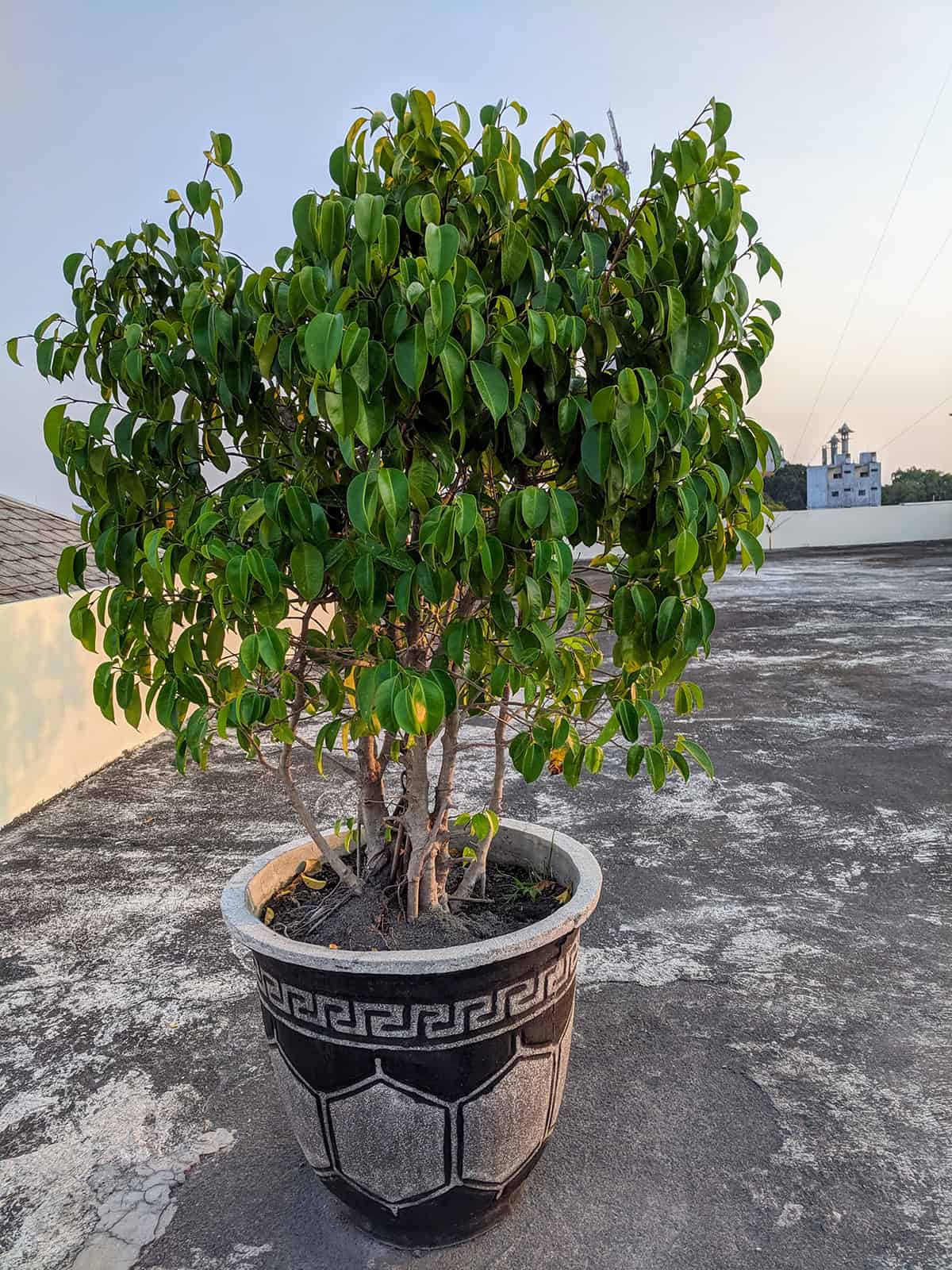
A roomy container—18 to 24 inches wide, with several drainage holes—gives starfruit roots space to stretch. Half wine barrels or similar containers work well for young trees and keep tipping at bay. Elevate the pot slightly so water drains easily.
Skip garden dirt; opt for a quality potting mix that drains fast but holds some moisture. Mixing in slow-release fertilizer at planting helps. Don’t bother with gravel at the bottom—it just eats up space and doesn’t help drainage.
Set the root crown at or just above soil level, keeping the trunk base exposed. Water deeply right after planting and let excess drain. Containers dry out faster than garden beds, so check moisture often.
Every two or three years, watch for roots poking out, wilting, yellow leaves, or sunken soil—signs it’s time to repot. Lift the tree gently from the root ball, not the trunk. Trim away circling or matted roots, but don’t remove more than a third.
Move up to a slightly bigger pot, fill in with fresh mix, and firm it gently. Resume watering and feeding once you see new growth.
Pruning
Pruning isn’t just cosmetic—it keeps the tree compact, lets light and air reach the interior, and makes picking fruit a lot less of a hassle.
Aim for a height of 10 to 12 feet in home gardens. Once the main trunk hits your preferred height, cut it back. Shorten long side branches to keep the canopy balanced and rounded.
Snip out dead, broken, or sickly wood as soon as you spot it. Thin out weak shoots that shoot straight up through the center. Opening up the middle often encourages more fruit.
Leave big lower limbs unless they’re in the way or damaged. They support fruit and shield the trunk from sunburn. Always make clean cuts just above a bud or branch collar.
Best to prune lightly after a major harvest. In warm spots, starfruit can flower more than once a year, so avoid heavy cuts that could wipe out the next crop. Sharp, clean tools help prevent stress and disease.
Propagation
Sticking a carambola seed in the ground can be a bit of a gamble. Fresh seeds straight from ripe fruit give you the best shot, but they lose their spark fast—wait too long and they just won’t sprout. Warm, moist, well-drained soil helps, though don’t hold your breath for uniform results. Some seedlings drag their feet for years before fruiting, and when they finally do, the fruit might be tart or oddly shaped. If you’re the curious type or just want to see what you get, sure, try seeds. For most folks hoping for predictable harvests, that’s not the way to go.
Grafted trees, on the other hand, are what nurseries trust. These are matched to reliable cultivars and tend to start fruiting within a year or two—much less waiting around. Rootstocks matter too; some handle alkaline soils better, so check what your nursery offers. Grafting methods like veneer or chip budding are common when trees are pushing out new growth. When picking a tree, skip any with sketchy grafts or cracks.
Trying air layering? Not really worth the effort—roots end up weak and the plant struggles. Cuttings rarely take off either. For a backyard tree that actually delivers, a strong grafted carambola is the way to go.
Fruiting & Harvest
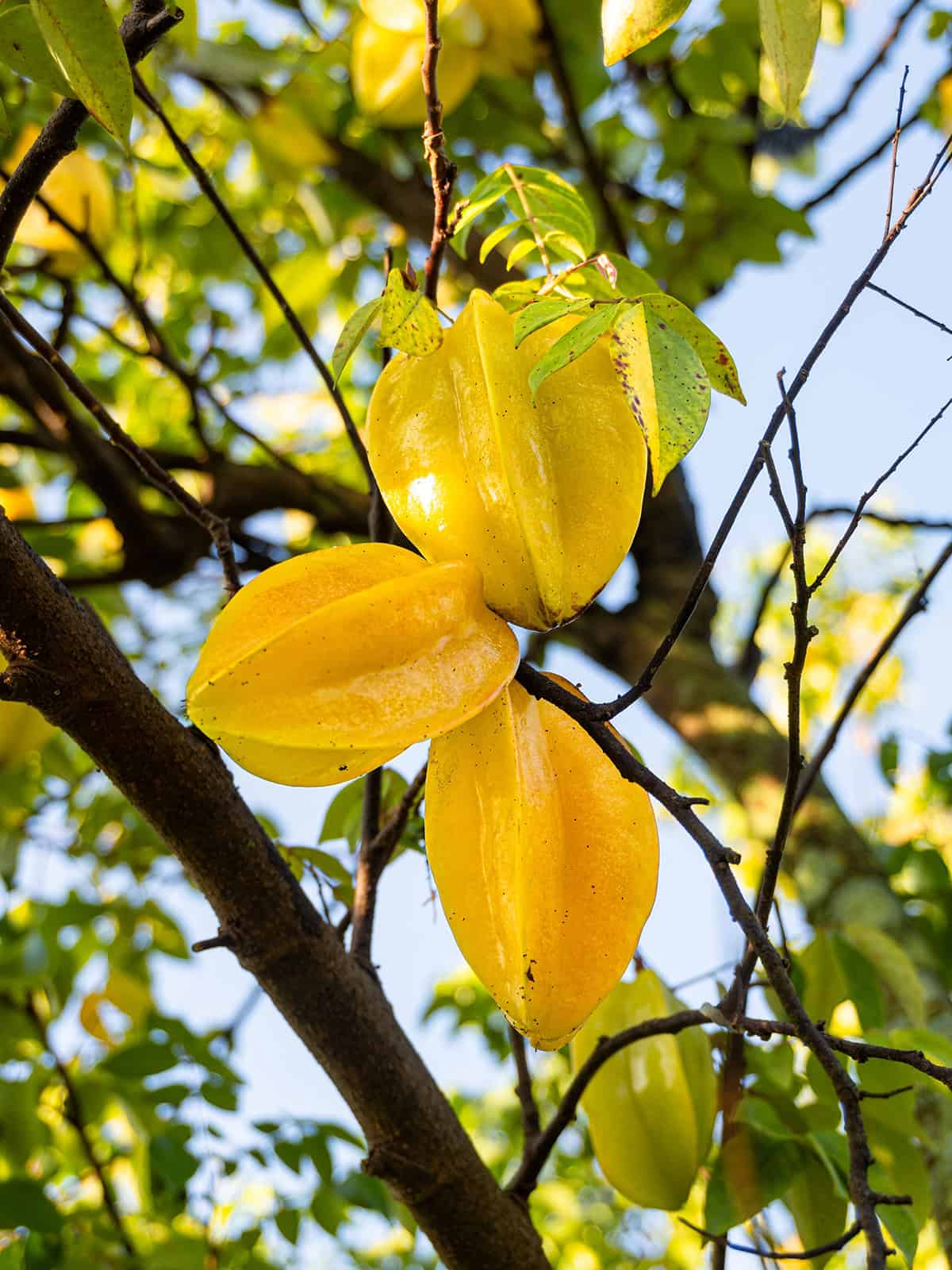
The anticipation builds once you plant a grafted starfruit tree—sometimes fruit shows up in just a year or two. Seedlings, if you went that route, might test your patience and offer up a mixed bag in terms of taste. In warm places like Florida, starfruit trees usually pump out two main crops a year, with the heaviest yields between late summer and early fall, then again from early to late winter. If the weather plays nice, you might even spot a few bonus fruits outside those windows. Mature trees, when well cared for, can be surprisingly productive—100 to 300 pounds a year isn’t unheard of.
Flowers turn into fruit over about two months, give or take. As they ripen, the color shifts from green to a sunny yellow—wait for that rich hue if you want the sweetest flavor. When it’s time to pick, don’t yank the fruit; snip it off gently with pruners. The skin bruises easily, so go easy.
Freshly picked fruit does fine at room temp for a couple days, but the fridge buys you an extra week or so. Some folks eat starfruit right off the tree, others slice and chill for later. Either way, it’s hard to go wrong.
Common Problems
Leaf color tells a story—yellowing often points to stress, especially after soggy weather or when drainage is poor. Starfruit roots just can’t take sitting in wet soil. Let the top layer dry out before watering again, and if your yard puddles, it might be time to rethink the planting spot.
Cold snaps are trouble. Anything below 65°F slows things down, and a quick freeze can really set young trees back. Dropped leaves and twig dieback are common after a chill. Frost cloths help, but honestly, these trees belong in reliably warm spots.
When humidity spikes, fruit skin can turn ugly. Anthracnose and Alternaria black spot leave dark, sunken patches that only get worse if the fruit gets banged up. Careful harvesting and a little pruning for airflow can make a difference.
Leaf spots—like those from Cercospora—start small but can strip a tree if ignored. Gray or brown dots with yellow halos are the giveaway. If things get out of hand, a fungicide might be in order, and always clear away fallen, infected leaves.
Root rot sneaks up where drainage is poor. Trees wilt and drop leaves, sometimes looking like they’re just hungry when the real problem is soggy feet. Planting on higher ground or amending the soil can save you a lot of grief.
And if flowers are scarce or fruit just won’t set, check the basics: plenty of sunlight, regular watering, and balanced fertilizer. Starfruit trees need all three to really show what they can do.
Varieties
Choices range from mouth-puckeringly tart to almost candy-sweet, and honestly, it’s a bit of a gamble if you don’t know the background. Older lines tend to lean sharp, but newer options? Those can surprise you with their sugar content. Fruit quality swings a lot depending on how much sun, water, and attention the tree gets. If you actually want to know what you’re getting, stick with a named, grafted tree—otherwise, you’re rolling the dice.
In Florida, ‘Arkin’ dominates backyards and small groves. Medium to large fruit, right in that sweet spot between sugary and tangy. Heavy crops, too. It doesn’t sulk in the heat or humidity, which is probably why folks keep planting it.
‘Kary’ stands out for its chunky, ribbed fruit and that hit of sweetness you only get if you let it hang until fully ripe. Cross-pollination does wonders for this one. Letting the fruit mature on the tree? Absolutely worth the wait.
From Southeast Asia, ‘Fwang Tung’ and ‘Sri Kembangan’ bring an elongated shape and a crisp bite, almost refreshing on a hot day. They’re happiest where the seasons barely change and warmth sticks around, so don’t expect miracles in a chilly spot.
Some types surprise you with a second crop if the weather lines up just right—usually spring and then again in early fall, but don’t count on it everywhere. Local climate makes or breaks these trees, so it’s worth checking with someone who knows your region before planting.
Seed-grown trees? Risky business. They might take ages to fruit, and when they finally do, the flavor can land anywhere on the spectrum. Grafted trees just make life easier if you care about taste and timing.