If you’re looking to expand your vegetable garden, jicama is a great choice. It’s easy to grow once the weather stays warm, and the crisp roots are worth waiting for. This guide covers every step to help you grow a successful crop.
Table of Contents
Quick Growing & Care Summary
Light: Full sun—don’t skimp. At least 6 to 8 hours.
Soil: Loose, sandy loam, drains well, moderate organic matter. pH 6.0–7.0.
Water: Keep it moist early, then steady but not soggy as roots plump up.
Temperature: 77–90°F is the sweet spot. Frost? Forget it. Soil has to stay above 65°F.
Humidity: Handles humidity, but airflow helps keep disease in check.
Fertilizer: Low nitrogen after plants settle in; start balanced, then shift to phosphorus and potassium.
Growth time: 150–210 days. Start seeds 8–10 weeks before last frost.
Propagation: Only from seed. Soak 24 hours before sowing for better germination.
Variety Selection
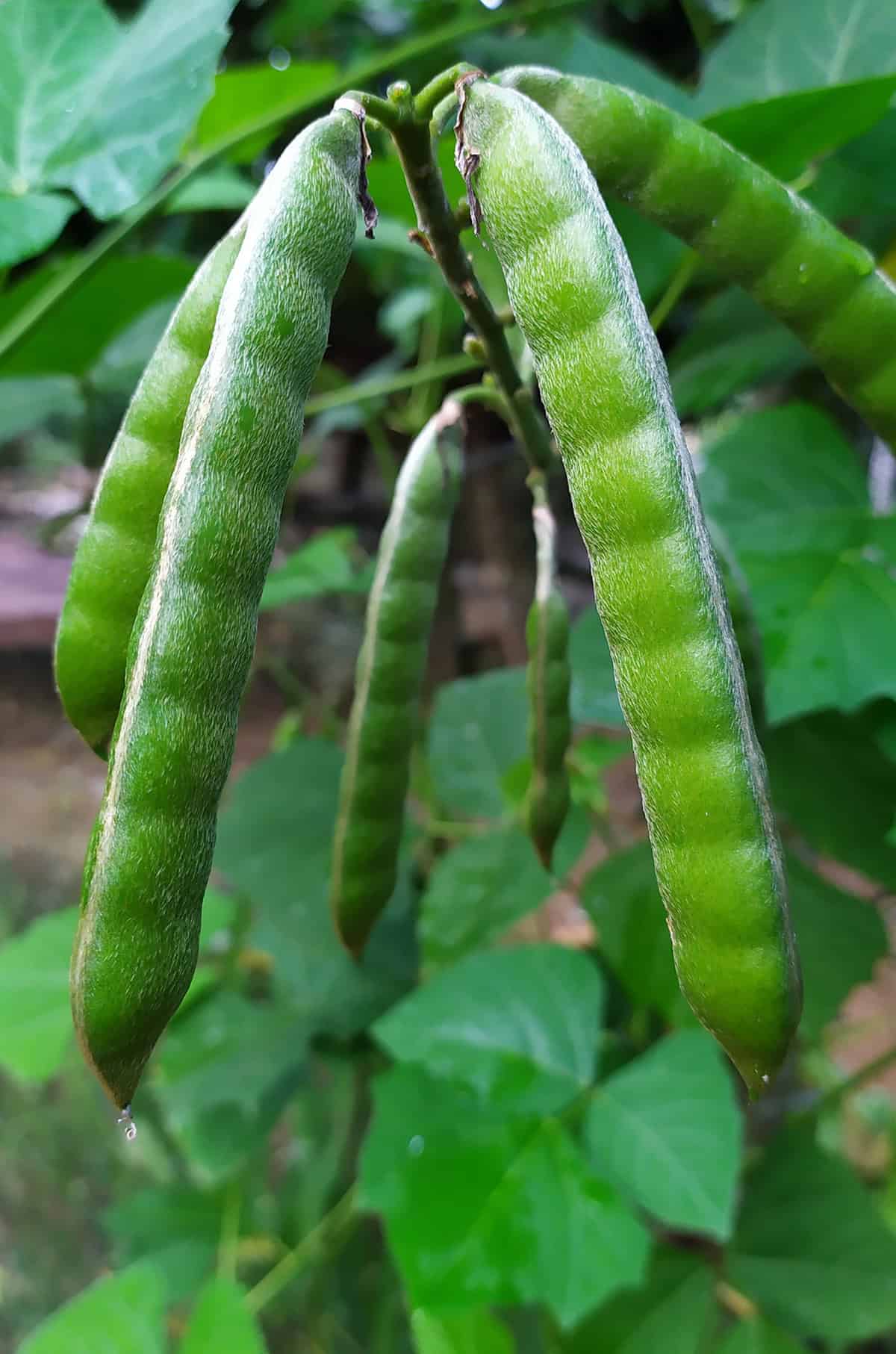
Most people grow Pachyrhizus erosus, and you’ll usually run into two types. Jicama de agua is the familiar one with flat, crisp roots—what you see in stores and what’s best for snacking. Jicama de leche is longer, with milky juice, and just doesn’t measure up for eating raw.
Don’t expect a lot of named varieties in US seed catalogs. Pretty much everything is just labeled “jicama.” That’s fine—fresh seed from a reputable source matters more than chasing some elusive cultivar. Old seed will let you down.
Heads up: seeds and pods are toxic. Eat the root, skip the rest.
Soil
If the ground is heavy or sticky, jicama roots will sulk. Dense clay or compacted patches choke off the fat, juicy roots you want, leaving you with tough, undersized, or misshapen tubers.
Sandy loam, on the other hand, is a dream for this crop. It drains, warms up fast, and lets roots stretch out. If your soil is on the heavier side, work in compost and coarse sand, and consider raising the bed a good 8–12 inches to help things along.
Shoot for pH 6.0–7.0. As a legume, jicama fixes some of its own nitrogen, so skip the rich, over-fertilized beds. Some organic matter is great for moisture, but go easy—too much and you’ll grow a jungle of vines instead of decent roots.
Light
Bake it in sun—all day if you can. Anything less than 6 to 8 hours, and you’re just growing foliage. The plant needs all that energy to put into the tuber, not just the vines.
One thing that trips people up: day length. Jicama waits for shorter days to really bulk up its roots, so even with great sun, serious swelling won’t happen until late summer or fall. It’s a bit of a paradox—full sun is essential, but the plant’s internal clock won’t let it finish early.
Don’t bother trying to trick it with shade; just give it all the light you can and let nature take care of the rest when the days shorten.
Planting
Getting the timing right is everything. You need 150–210 frost-free days, with warm soil the whole way. Plan backward from your first fall frost and forward from your last spring frost. If your season is short, starting seeds indoors isn’t just helpful—it’s mandatory.
Starting Seeds Indoors
Count back 8–10 weeks from your last frost and get those seeds soaking for a day before planting. Use roomy containers (at least 4-inch) since the taproot forms early and hates being disturbed.
Keep the seed mix at 75–85°F—heat mats are lifesavers if your house runs cool. Germination usually takes 7–14 days. Give seedlings strong light to avoid floppy, weak growth.
Before transplanting, harden them off over 10–14 days. Even a little chill can set them back.
Direct Sowing In Warm Climates
If you’re lucky enough to garden in zone 9 or warmer, and your soil reliably hits 65°F after frost, direct sowing works. Plant seeds 1–2 inches deep after the last frost, still giving them a soak beforehand.
Warm soil speeds things up. The earlier you can get them in (without risking cold), the better your roots will be by harvest.
Spacing And Support Needs
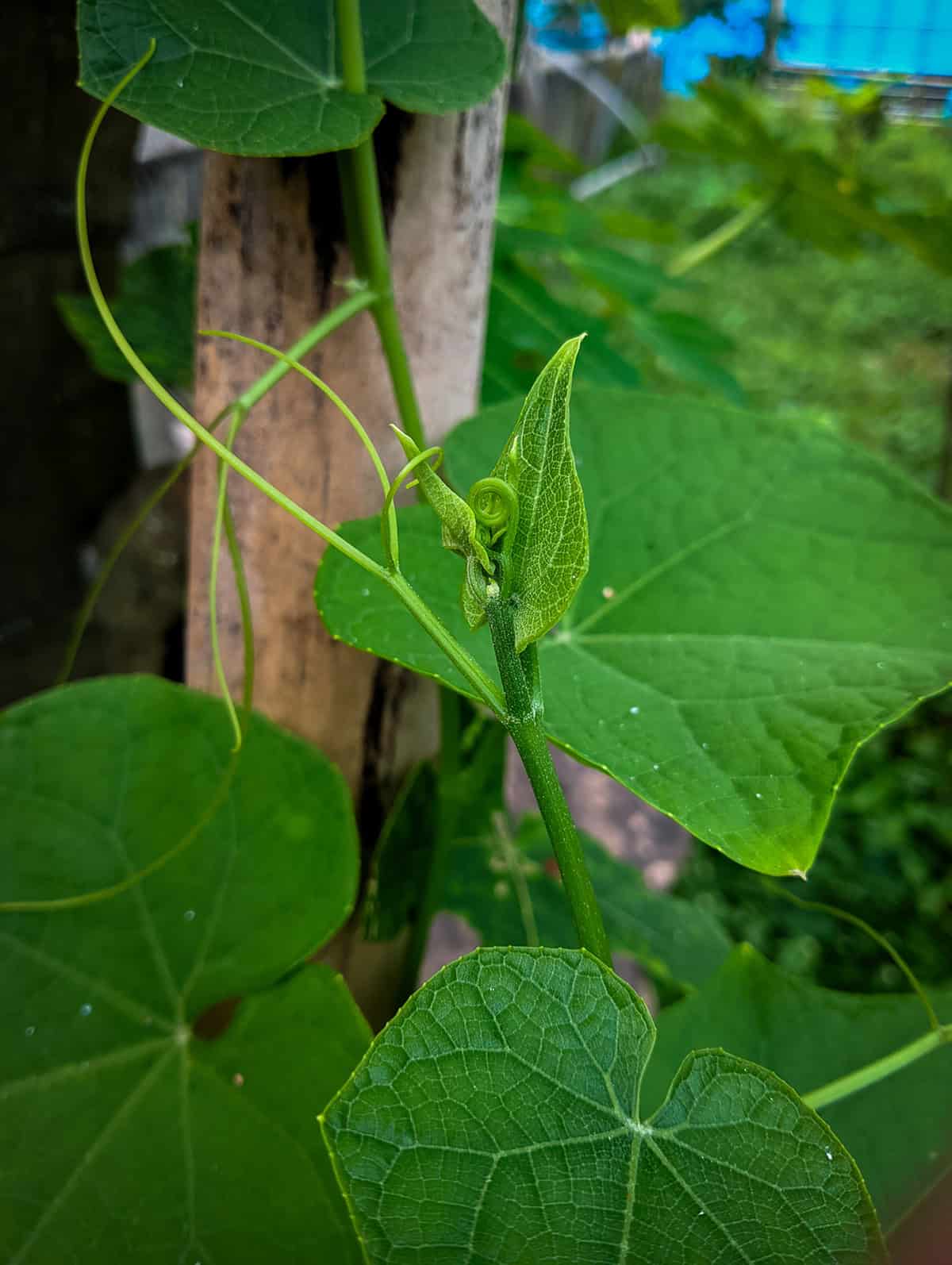
Give each plant 8–12 inches of space, with rows 3–5 feet apart. Vines can sprawl 15–20 feet, so some kind of support—trellis, fence, sturdy stakes—is non-negotiable.
Install support at planting. Once the vine grabs on, it’ll shoot up fast. Many growers pinch off flower buds to keep the plant focused on roots instead of seed pods. If you let it set seed, root quality tends to drop.
Water
The plant’s thirst changes as it grows, and getting that balance right can make a real difference in your harvest.
Moisture Needs During Establishment
First month or so after planting? Keep the soil moist, not soggy. Dry spells or soaking the bed can both set back young plants, slowing down early root growth.
Water deeply but less often, training roots to grow down. Mulch helps a ton with moisture and keeps soil temps steady.
Adjusting Irrigation As Roots Swell
Once roots start filling out (usually midsummer onward), ease up a bit on how often you water. Roots are mostly water, but too much at this stage and you risk rot.
Stick with evenly moist—not wet—soil. Wait until the top inch dries, then water deeply. In the last few weeks before harvest, let things dry out a bit more to firm up the roots and improve flavor.
Feeding
Too much nitrogen is a classic mistake. Jicama fixes some of its own, and piling on more often means big leafy vines and sad, skinny roots.
At planting, mix in a balanced fertilizer (something like 10-10-10) at the rate on the bag. That’s enough for early growth.
After a month or so, switch to something lower in nitrogen and higher in phosphorus and potassium. These help roots bulk up and keep the plant healthy. Once the vines are running, skip the high-nitrogen stuff entirely.
Don’t go overboard with fertilizer. One or two side-dressings with a root-focused blend is plenty. More won’t help, and can actually hurt.
Growth Time
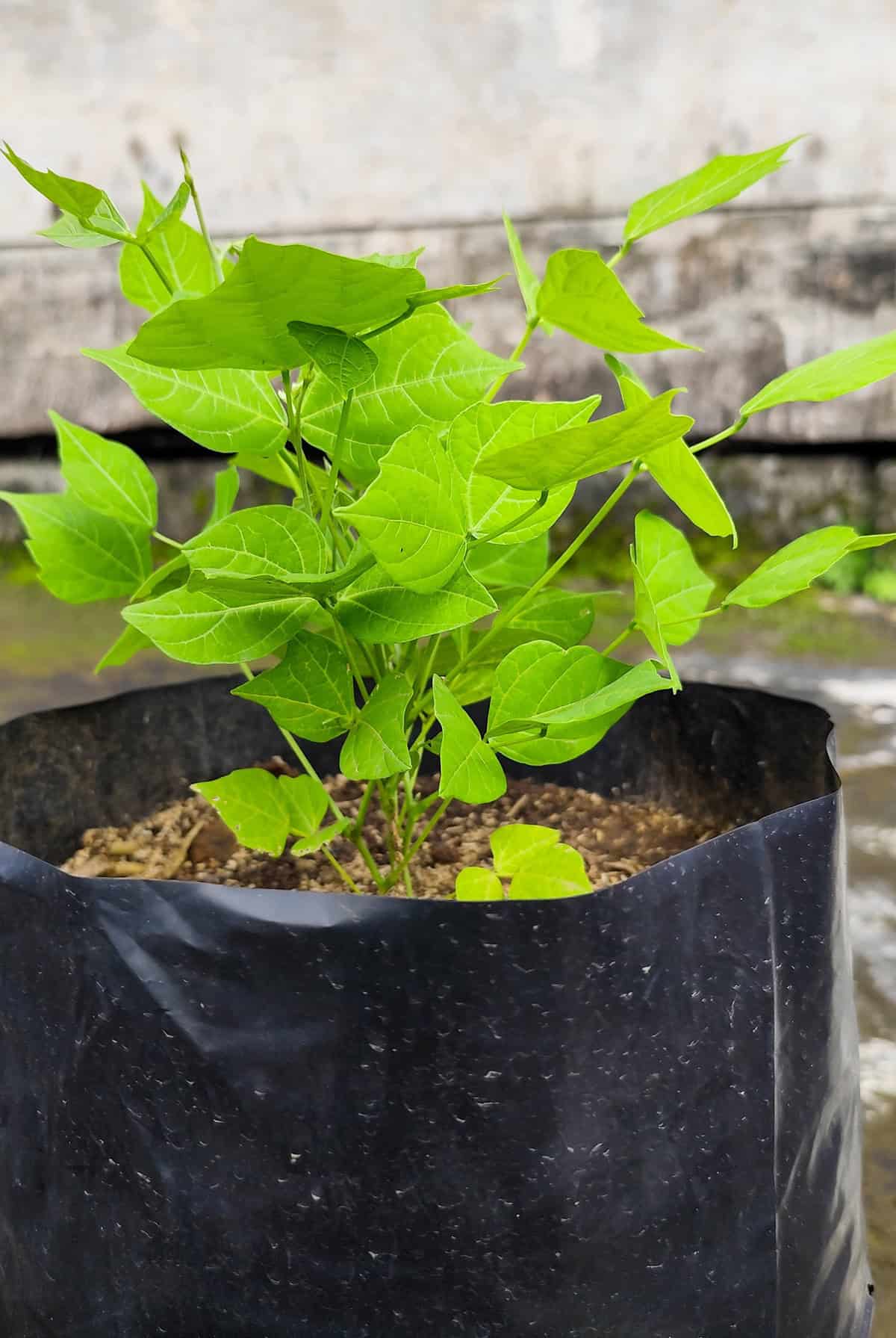
This is a marathon, not a sprint. From seed to harvest, you’re in for 150–210 days, depending on your climate and how big you want the roots.
In the warmest spots, roots can get massive by late fall. Cooler areas with just enough frost-free time will yield smaller but still tasty tubers if you’re patient. Most of the action happens late in the season, as the days shorten and the plant finally shifts energy to the root.
Younger roots, around 100–150 grams, show up in specialty markets. Mature ones can top a kilo easily. For home growers, 2–5 pound roots usually hit the sweet spot for taste and texture.
Growing In Containers
Don’t have garden space or want to chase more heat? Containers can work, but the plant’s big taproot needs real volume. Small pots = stunted roots, every time.
Choosing A Large Enough Pot
Start with at least 15–20 gallons per plant. Bigger is always better. A 25–30 gallon pot gives that taproot room to grow down.
Go for depth over width. Roots head straight down, not sideways. Tall, deep pots or big fabric grow bags (which air-prune roots) are good bets. Make sure drainage is solid—no saucers trapping water beneath.
Managing Root Development In Tight Spaces
Even with a big container, roots will be a bit more cramped than in the ground. Stay sharp with watering and feeding. Containers dry out faster, but waterlogging is a real risk if drainage isn’t up to snuff.
Skip garden soil and use a quality potting mix, with 20–25% perlite for drainage. Watch for roots pushing out of drainage holes or containers bulging—those are signs it’s almost time to harvest. Don’t try to transplant into a bigger pot mid-season; you’ll just set the plant back.
Harvest
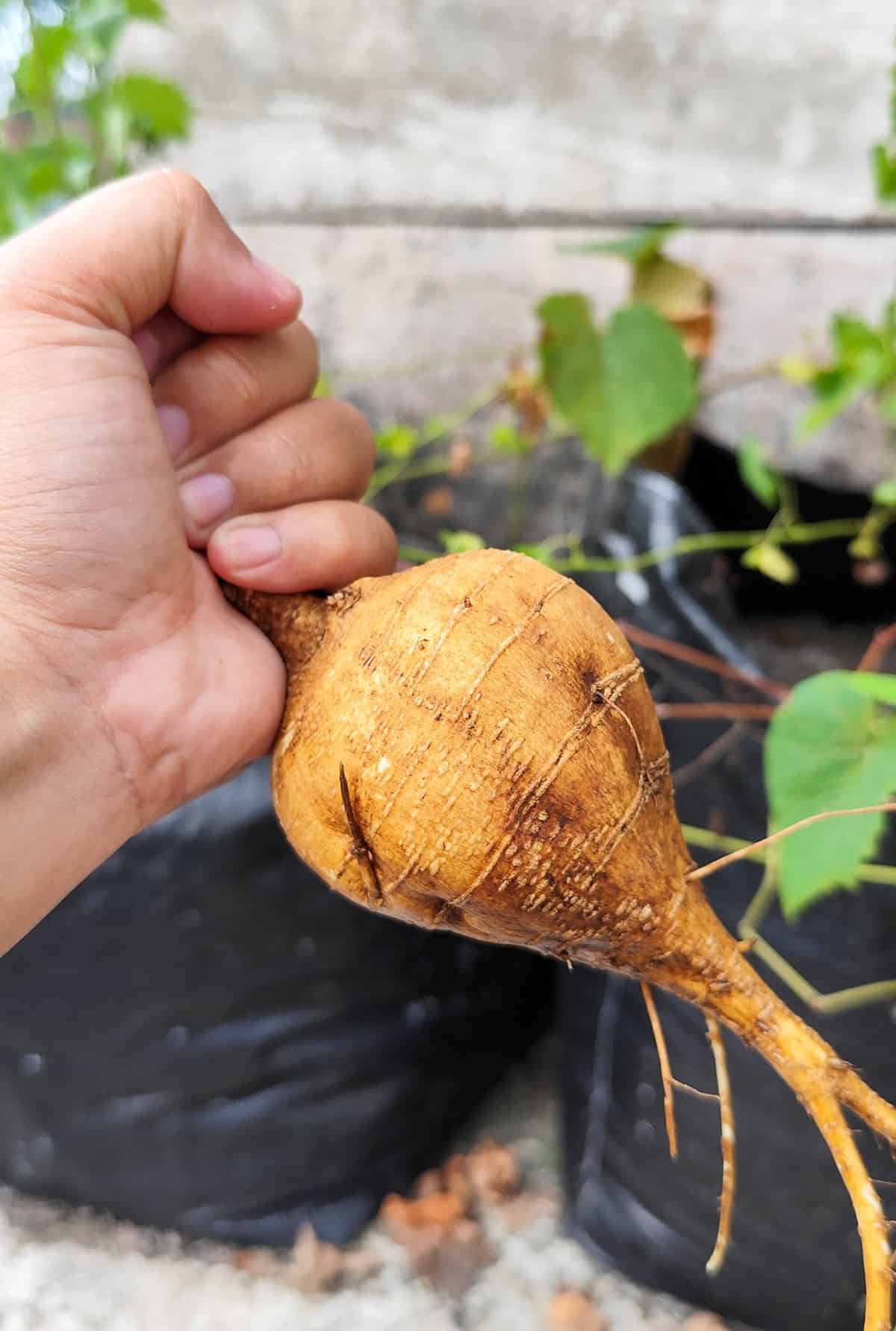
Harvest timing takes a little feel. Dig too early and you miss out; wait too long and frost can wreck the crop. Handle roots gently after pulling—they bruise easily and that affects storage.
Signs Tubers Are Ready
That sense of anticipation hits hardest as the season shifts—when daylight starts to dwindle and the calendar creeps past 150 days. Forget waiting for the plant to send up a signal; timing is everything here. Once you’re in the harvest window, it’s time to get curious.
Roots weighing somewhere between two and five pounds tend to hit the sweet spot for both flavor and texture. Carefully scraping back soil around a single plant lets you check size without destroying your crop. Expect a skin that’s tan or light brown, firm to the touch—if you find mushy spots, cracks, or stringy flesh, odds are it sat too long or got inconsistent watering.
In places where the growing season cuts short, chasing aesthetic perfection isn’t worth the risk. Pull them up before frost, no matter how they look.
Lifting And Curing The Crop
Patience pays off when it’s time to dig. Start well beyond the plant’s base with a garden fork, giving that main root—sometimes stretching a foot and a half—plenty of space. Yanking the vine straight up almost guarantees you’ll snap the tuber.
Jicama skips the usual root crop curing routine. Just brush off the dirt, let them sit out at room temperature for a day or two, and stash them (unwashed) somewhere cool and dry—aim for 55–65°F. Drop below 50°F and you risk turning the flesh mealy, so skip the fridge. Stored right, these roots can last for months.
Common Problems And Troubleshooting
Headaches with jicama usually stem from just a few main sources. Early recognition can save the whole effort. Weather quirks, less-than-ideal soil, and the occasional pest or disease—these are the usual suspects for most home growers.
Poor Tuber Formation
Few things frustrate more than pulling up a lush vine only to find puny, fibrous roots. This almost always points to a short season, too much nitrogen, or not enough heat.
When the foliage looks like it belongs in a jungle but the roots disappoint, it’s time to rethink your fertilizer. High nitrogen pushes all that leafy growth at the expense of tuber size. Next time, try dialing back on manure and compost, and stick with a low-nitrogen feed.
If the weather didn’t cooperate and you did everything else right, maybe your growing window just isn’t long enough. Black plastic mulch, row covers, or picking a protected, sunny spot could tip the balance next year.
Pest And Disease Setbacks
Most bugs don’t bother jicama, but a few do show up. Aphids and spider mites tend to move in during dry, hot spells. Hit them early with a firm spray of water or a bit of insecticidal soap before they get comfortable.
That powdery mildew—shows up as a chalky film on the leaves—favors stagnant air and muggy conditions. Giving the plants space and running the vines up a trellis does wonders for airflow and helps sidestep the problem.
Root rot’s a stealthy menace in soggy soil or poorly drained pots. Once it sets in, you’re basically out of luck. Best bet? Focus on drainage and don’t drown the plants in the first place.
Cold Weather Damage
Chilly nights spell trouble for jicama—this plant simply can’t handle the cold. Even a brief brush with frost can leave the vine limp and damaged, while temperatures dipping below 50°F drag root growth nearly to a standstill. If you see a cold snap coming, scramble to throw on row covers or frost cloth right away.
Sometimes, a frost knocks the vine back to the roots. Don’t rush to write off your crop. Grab a fork, dig up what you can, and check the roots on the spot. Even when they’re not fully mature, they’re still edible. Letting them sit in frozen, soggy soil? That’s a recipe for rot.
Where the growing season barely stretches long enough, laying down black plastic mulch across the bed traps warmth in the soil well into autumn. Honestly, this one move can squeeze out another two or three weeks of growth—plenty of time for those roots to bulk up before harvest.