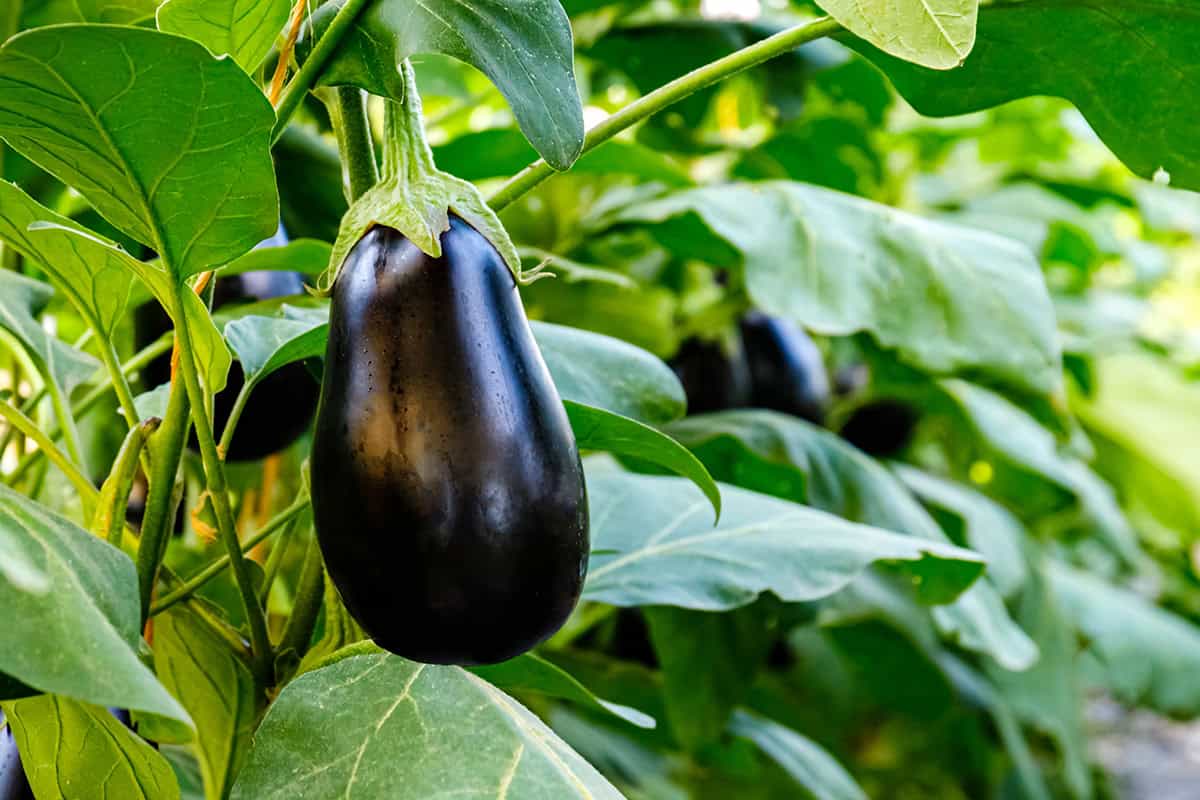
If you’re looking for a productive vegetable that’s easy to grow, eggplants are an excellent choice. A sunny location and fertile soil create the perfect foundation for strong plants and plentiful harvests. Check out this guide for everything you need to know.
Table of Contents
Quick Growing & Care Summary
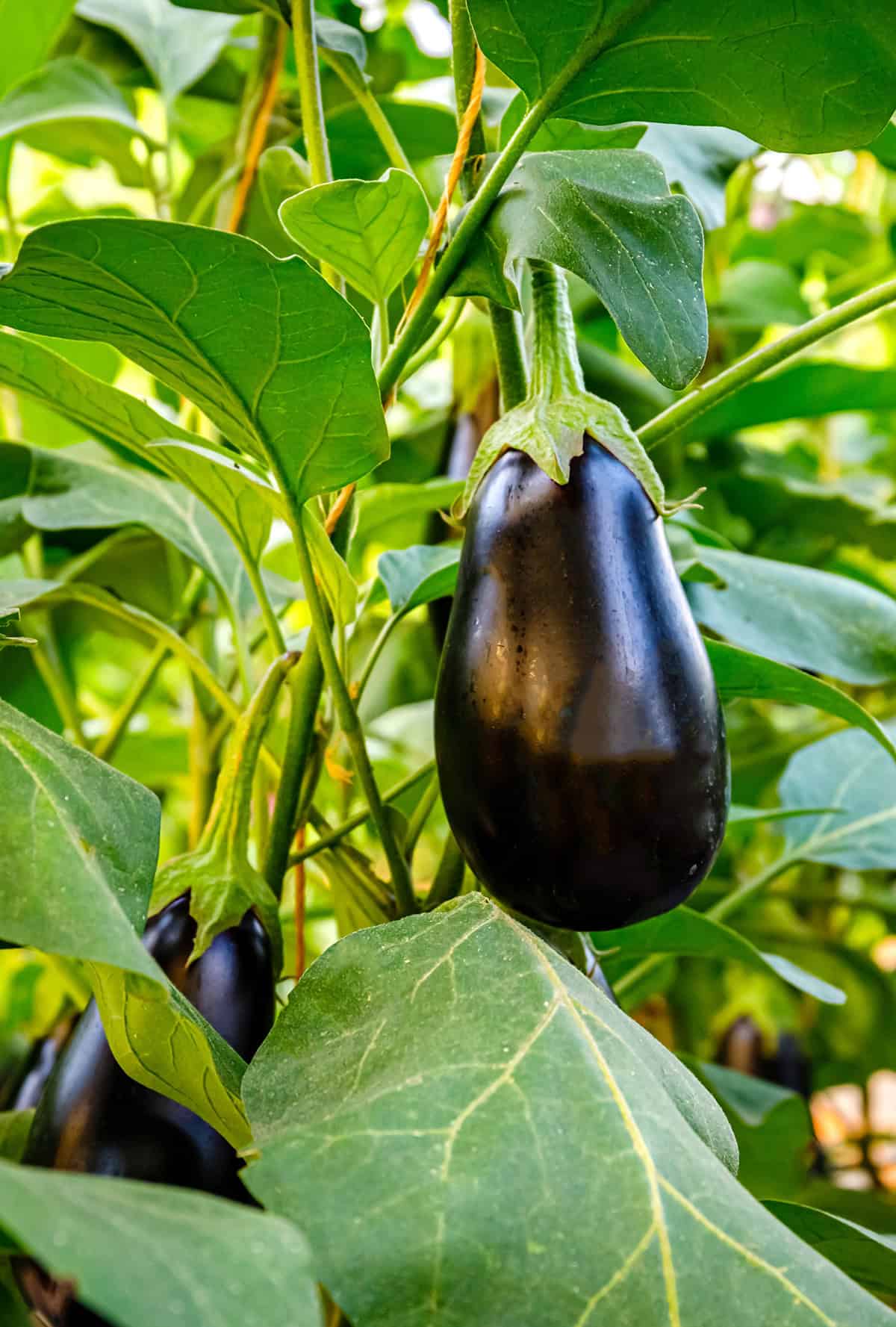
- Light: Full sun, 8 to 10 hours per day
- Soil: Well-drained, fertile soil with a pH of 5.8 to 6.5
- Watering: 1 to 2 inches per week; consistent moisture is critical
- Temperature: Thrives between 70°F and 85°F; soil should reach 65°F to 70°F before transplanting
- Humidity: Prefers moderate humidity; avoid excessive moisture on foliage
- Fertilizer: Balanced organic fertilizer at planting; side-dress with potassium and phosphorus-heavy fertilizer monthly
- USDA Hardiness Zones: Grown as an annual in all zones; performs best in Zones 5 to 12
- Days to Harvest: 70 to 85 days from transplanting eggplant seedlings
- Mature Size: 2 to 4 feet tall and 2 to 3 feet wide depending on variety
- Propagation: Start from seed indoors 6 to 8 weeks before last frost, or purchase transplants
Variety Selection
Flipping through seed catalogs or scrolling online, it’s hard not to get distracted by all the options. Eggplant isn’t just the big, dark purple one you see at the grocery store. There’s Black Beauty, sure, with those classic, heavy fruits—reliable and everywhere. But if you’re after something different, Ichiban is a slender, Asian type that cranks out long, dark purple fruit and tends to be generous with its yield.
Compact types like Fairy Tale, with their purple and white stripes, are a pleasant surprise for container gardeners and anyone looking for early harvests. Little Fingers grows in clusters—bite-sized and great for small gardens. White-skinned varieties like Casper or the larger Ghostbuster have a mild, creamy flesh that’s easy to cook with. Rosa Bianca, all rosy-pink and white, gets attention for both looks and flavor. Kermit, a green and white Thai type, keeps itself tidy and productive. Dancer is a bit of a show-off, with elongated lavender fruit and thin skin that cooks up tender.
If you’re just getting started, Fairy Tale and Little Fingers are forgiving and quick to mature, which can take the edge off for nervous beginners.
Soil
Texture and drainage come first with eggplant. Roots hate sitting in soggy ground, so if your garden tends to puddle, that’s a problem. Mixing 2 to 3 inches of compost into the top foot of soil changes things dramatically—better structure, more nutrients, and moisture that lingers without drowning the roots. Composted manure works too, feeding plants slowly as they settle in.
Heavy clay can be a headache. Tossing in perlite (about a quarter of the total volume) helps break things up and lets roots breathe. Once your plants are settled, mulch—2 to 3 inches of it—works wonders for keeping the soil cool, holding water, and holding back weeds. Black plastic mulch isn’t the prettiest, but it’s effective, especially in cooler spots where warming the soil makes all the difference. Laying it down a week or two before planting can really move things along.
Eggplant gets picky about pH, so aim for 5.8 to 6.5. Go much higher or lower, and suddenly those fancy amendments don’t matter quite as much.
Planting
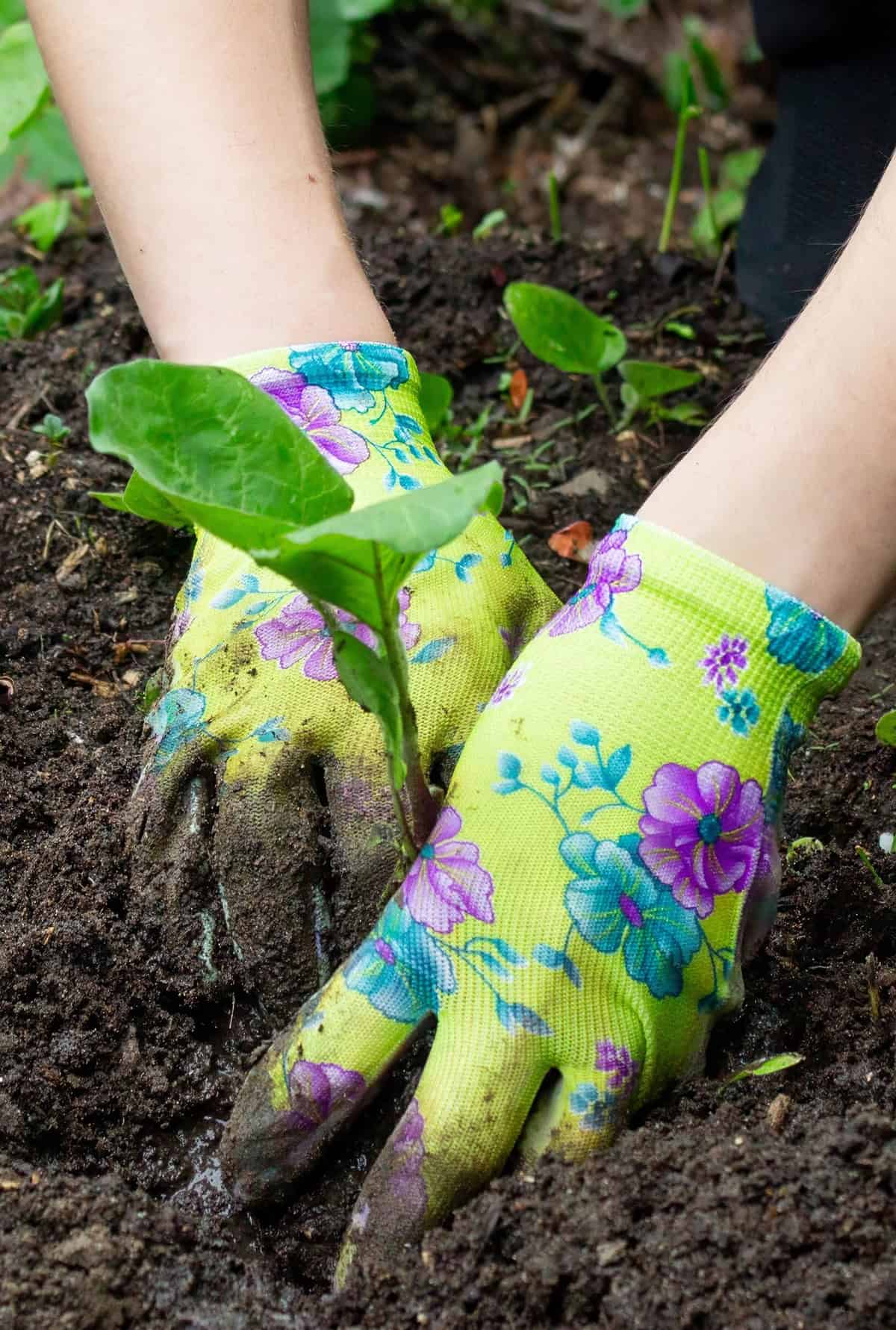
The calendar matters more than you might expect. Eggplants don’t tolerate cold, so starting seeds indoors 6 to 8 weeks before the last frost is almost mandatory if you’re not in a truly warm climate. Germination takes its sweet time, especially without a heat mat—sometimes three weeks or more. Bottom heat speeds things up and gives you more even results.
Transplanting too early is asking for trouble. Wait until the soil is at least 65°F, and don’t even think about it if nights are still dipping below 55°F. If you’re buying starts, patience pays off. Cramming them in too soon just leads to stunted plants.
Spacing matters for airflow and growth. Eighteen to 24 inches apart, with three feet between rows, lets each plant breathe. When you set them out, a diluted starter fertilizer at the roots helps them settle in. For bigger varieties, staking or a tomato cage right at planting time saves you from wrestling with floppy plants later.
Light
The mood in your garden changes completely depending on where you put your eggplants. Sunlight isn’t just a preference—it’s a dealbreaker. Anything less than 8 hours of direct sun, and you’ll notice the plants looking leggy, flowers dropping, and fruit barely forming. Six hours? You’re in for a disappointment.
It’s not just about growth, either. Pollination needs a bit of wind and, ideally, some bee traffic. An open, sunny spot draws in pollinators and keeps air moving, which helps flowers set fruit. Tuck eggplants into a shaded corner and you’ll probably be picking up dropped blossoms, not glossy fruit.
Water
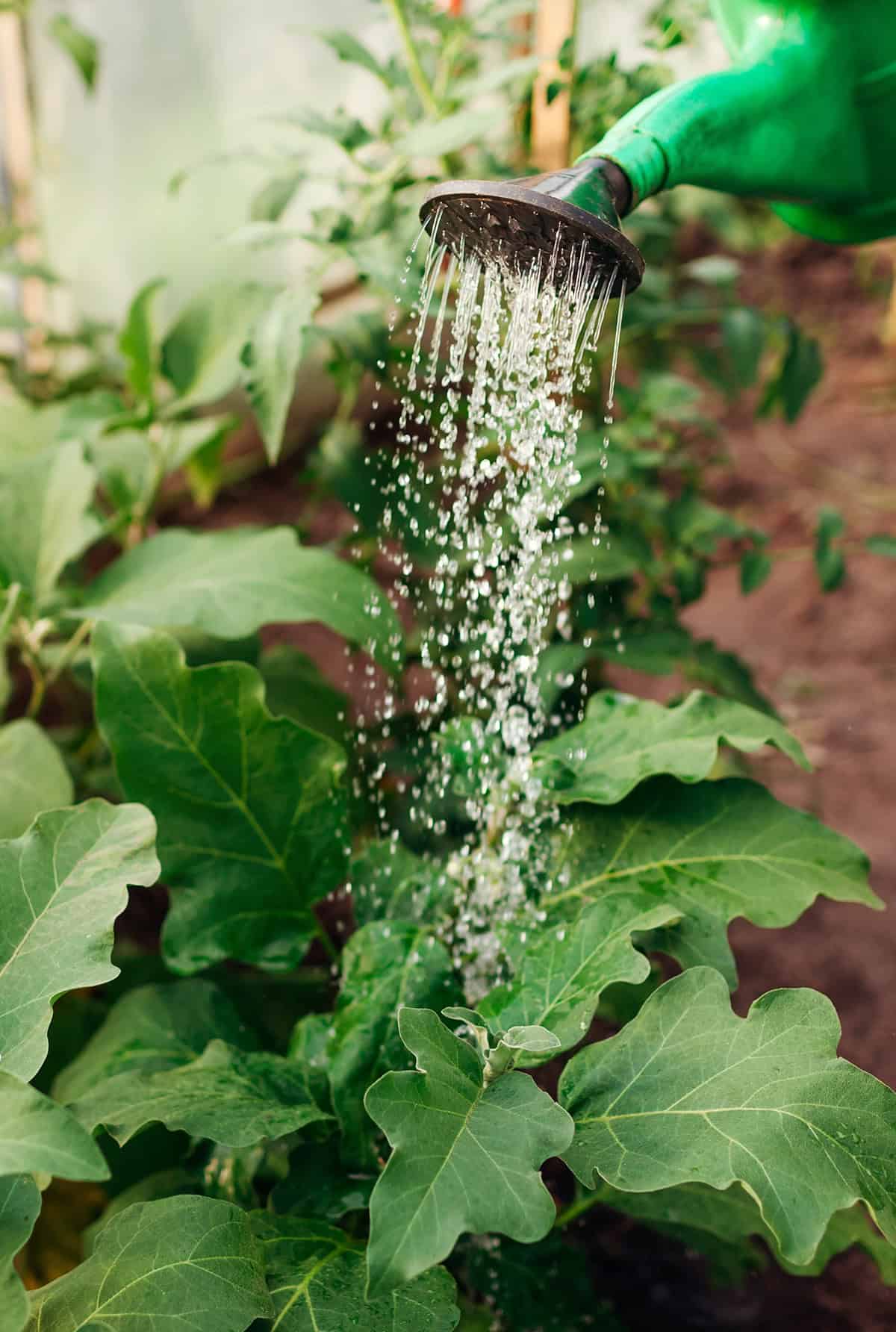
The difference between thriving eggplants and sad, stunted ones usually comes down to watering habits. Deep, infrequent soaks encourage roots to dig down, while shallow, daily sprinkles keep them hovering near the surface—risky when things get dry. Shoot for 1 to 2 inches per week, but adjust if the weather goes wild.
Keeping the leaves dry is worth the effort. Water at the base, not overhead, to dodge fungal problems. Mulch really earns its keep during hot spells, slowing evaporation and keeping the soil cool.
If you notice blossom-end rot—those ugly, sunken patches at the base of fruit—it’s often a sign the watering schedule is all over the place. The issue usually isn’t a lack of calcium in the soil, but the plant’s ability to take it up consistently. Watch for yellowing leaves, too; both over- and underwatering can trigger that.
Feeding
Eggplants have an appetite, no way around it. Starting with compost or a balanced organic fertilizer in the soil sets a strong foundation. When transplanting, a diluted liquid feed helps roots get moving.
About a month in, it’s time to dial up the potassium and phosphorus to support flowers and fruit. Nitrogen is important early on, but too much once flowering starts and you’ll get a jungle of leaves with hardly any fruit. Mid-season, a top-dressing of compost or composted manure keeps the nutrients coming without burning the plants.
It’s tempting to keep feeding, but resist the urge to go heavy on nitrogen after the first fruits appear. That’s when you want the plant’s energy focused on fruit, not just lush foliage.
Growth Time
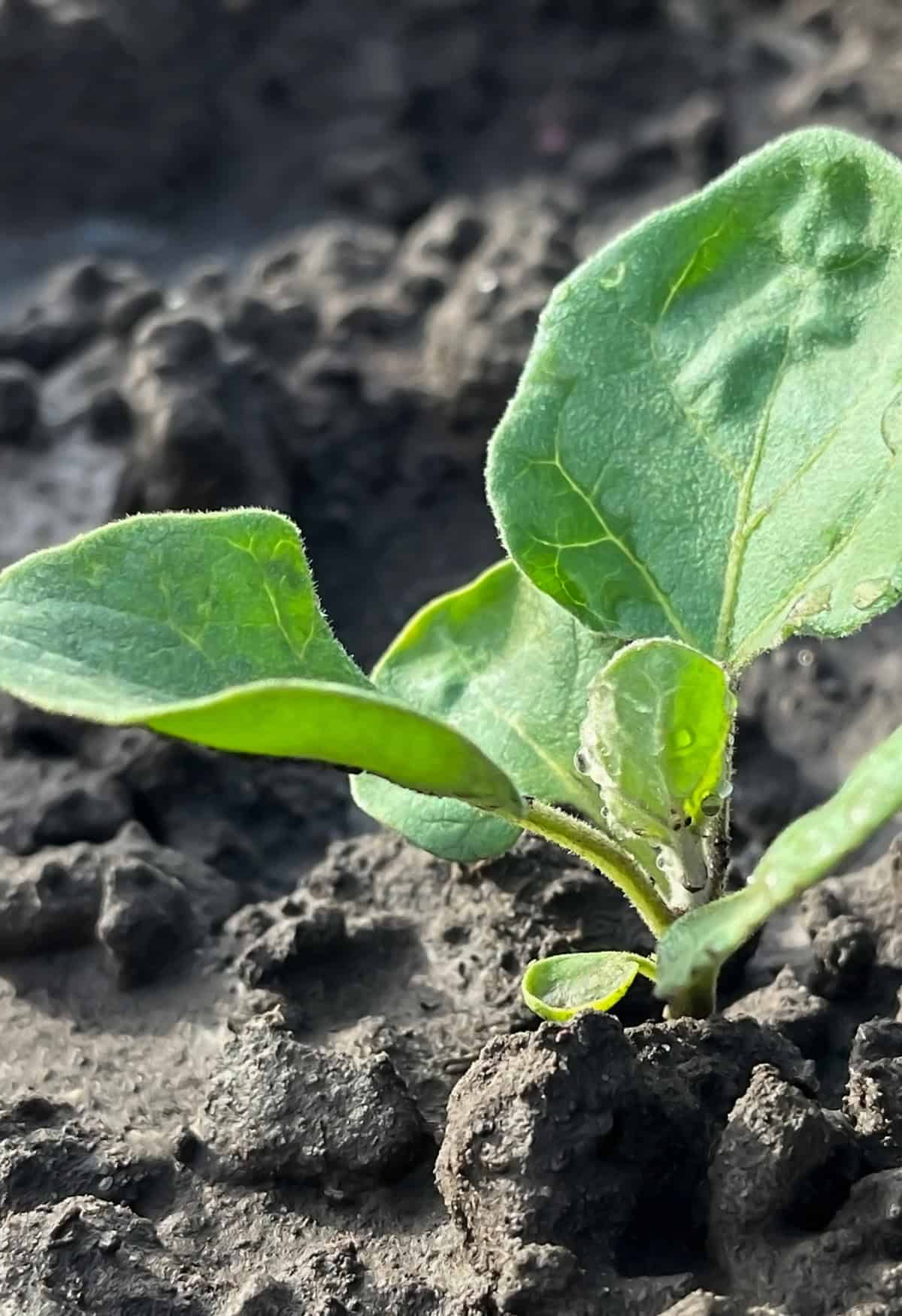
Eggplant isn’t in a hurry. Most varieties need 70 to 85 days from transplant to harvest, and even the fast ones usually take at least 60 days. Starting seeds at the right time is crucial, especially if your summers are short.
Flowers start showing up six to eight weeks after transplanting. Once a flower is pollinated, fruit grows surprisingly fast—sometimes just a couple weeks to full size, especially in hot weather. Warm nights and steady daytime temps in the 70s and 80s speed things up, while cool spells will slow everything down.
Growing In Containers
A sunny patio or balcony can be a great spot for eggplants, provided you pick the right pot and soil. Five gallons is the bare minimum, but bigger is better—10 to 15 gallons lets roots really stretch, especially for full-sized varieties. Compact types like Fairy Tale or Little Fingers are easier in smaller spaces.
Drainage is non-negotiable. Mix in perlite (about a quarter of your soil volume) to keep things airy. Containers warm up quickly, which eggplants love, but they also dry out faster, so check moisture daily when it’s hot.
A tomato cage or stake at planting time saves headaches later, since container-grown plants can get top-heavy once the fruit sets. Fertilize every two or three weeks with a balanced liquid feed—nutrients wash out faster in pots, so regular feeding keeps growth on track.
Harvest
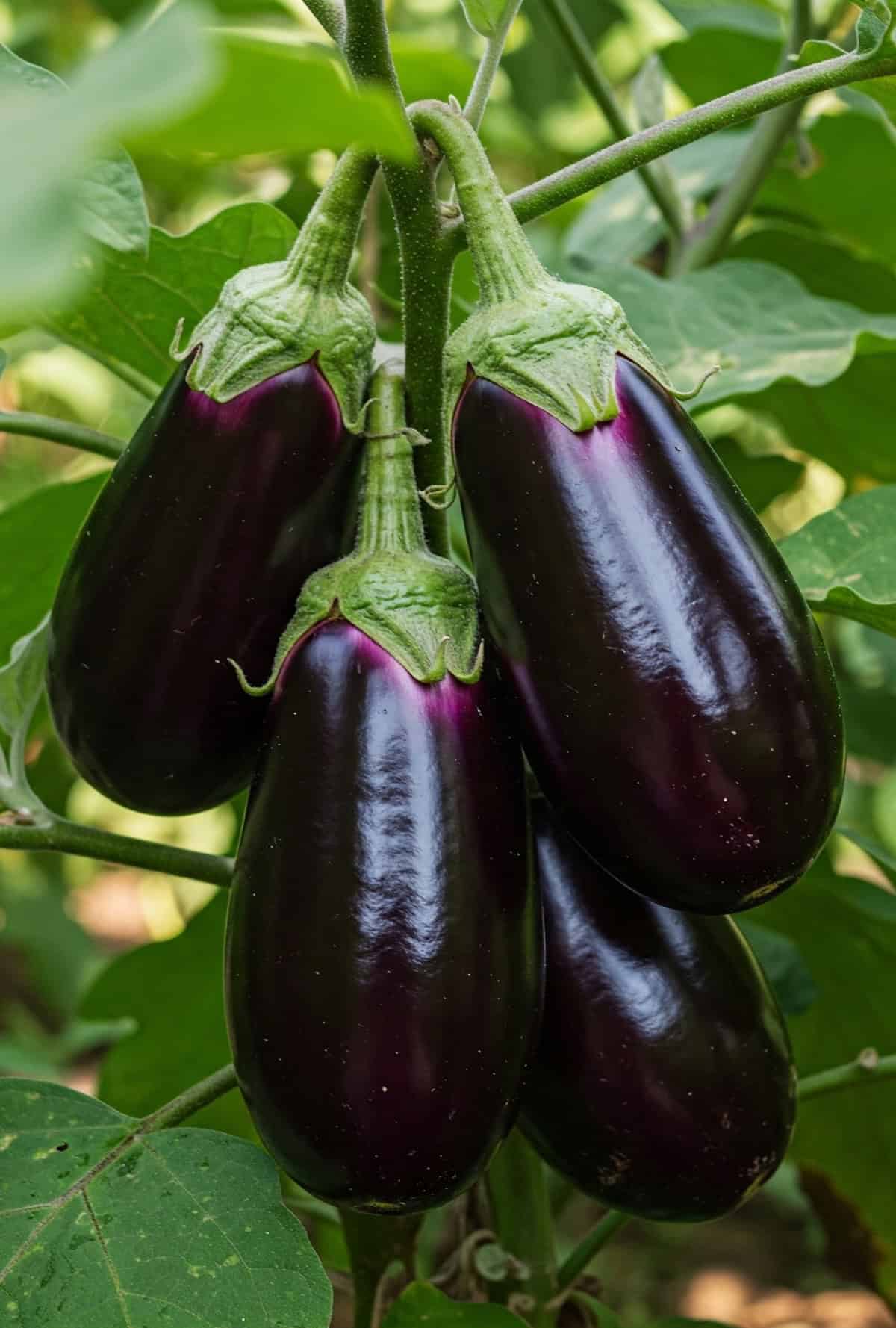
Eggplant is one of those crops where timing is everything. The window between peak flavor and overripe, seedy fruit is shorter than you’d expect.
Glossy, firm skin signals it’s time to pick. For big, oval types, check at 4 to 6 inches across; for long Asian varieties, 6 to 8 inches is usually perfect. Press the skin gently—if it springs back, you’re good. If your thumb leaves a dent, you’ve waited too long.
Dull skin means the fruit is past its prime, and you’ll end up with bitter, spongy flesh—a letdown if you’re making dishes where texture matters. Regular harvesting encourages new fruit, so don’t let them linger on the plant.
Use a sharp knife or pruners, leaving an inch of stem attached. Avoid twisting or yanking, which can snap branches. Fresh eggplant is best used quickly, but will keep for up to a week at 46°F to 54°F if you need to store it.
Common Problems And Troubleshooting
Early mornings in the garden sometimes reveal more than just dew—tiny, shiny-black flea beetles dart away at the slightest touch, leaving behind a constellation of small, round holes peppered across the leaves. Young eggplant seedlings can really take a beating from these pests. Spinosad, when sprayed with a bit of care, tends to do the trick without harming the good bugs.
Striped Colorado potato beetles, much easier to spot, show up with their bold yellow-and-black uniforms. Their orange larvae aren’t shy about stripping a plant bare if left unchecked. Plucking adults and eggs by hand works surprisingly well when numbers are low, and spinosad helps keep larvae in check.
Aphids, whiteflies, and spider mites gather in clusters under leaves, leaving behind pale spots, twisted growth, and a generally unhealthy vibe. Insecticidal soap, sprayed right where they’re hiding, usually knocks them back—but it’s rarely a one-and-done job. A few rounds, spaced a couple days apart, are often needed.
Now and then, a fat green hornworm will appear, munching through leaves at an alarming pace. For most gardeners, just picking them off is the fastest solution.
Diseases can be tougher to manage. Verticillium wilt and bacterial wilt hit hard and fast, with plants collapsing even when the soil is moist. Once you spot these symptoms, there’s really no way to save the affected plant—pull it out and toss it to keep things from spreading. Rotating your crops away from infected beds is the only reliable long-term move.
Powdery mildew sneaks in during muggy spells or when plants are packed too close, dusting leaves with white fuzz. Letting air move freely and skipping the overhead watering helps. Any leaves that look too far gone should just be removed.
When leaves start to yellow or the fruit shows blossom-end rot, the culprit is often uneven watering or shaky nutrition—not always a bug or blight. Sometimes, it’s just a matter of tweaking your routine rather than reaching for a spray.