Growing okra at home is a simple way to enjoy fresh vegetables straight from your garden. With proper care, you’ll harvest tender pods again and again throughout the warm months. Explore this guide for easy advice that helps your okra plants thrive.
Table of Contents
Quick Growing & Care Summary
- Light: Full sun, at least 6–8 hours daily
- Soil: Fertile, well-drained, pH 6.5–7.5
- Watering: Deep soak every 7–10 days in dry spells; up it a bit during flowering and pod growth
- Temperature: Loves the heat; soil should be at least 65°F for sprouting and solid growth
- Humidity: Handles moderate humidity; good airflow keeps fungus at bay
- Fertilizer: 10-10-10 before planting; light nitrogen once pods start coming in
- USDA Hardiness Zones: Annual in zones 5–11, but happiest in 7–11
- Days to Harvest: About 55–65 days from transplant to first pick
- Mature Size: 3–7 feet tall, depending on type and conditions
- Propagation: Direct sow or start indoors in peat pots 5–8 weeks before last frost
- Fiber: Okra pods are loaded with dietary fiber, which is why they’re so great for thickening gumbo
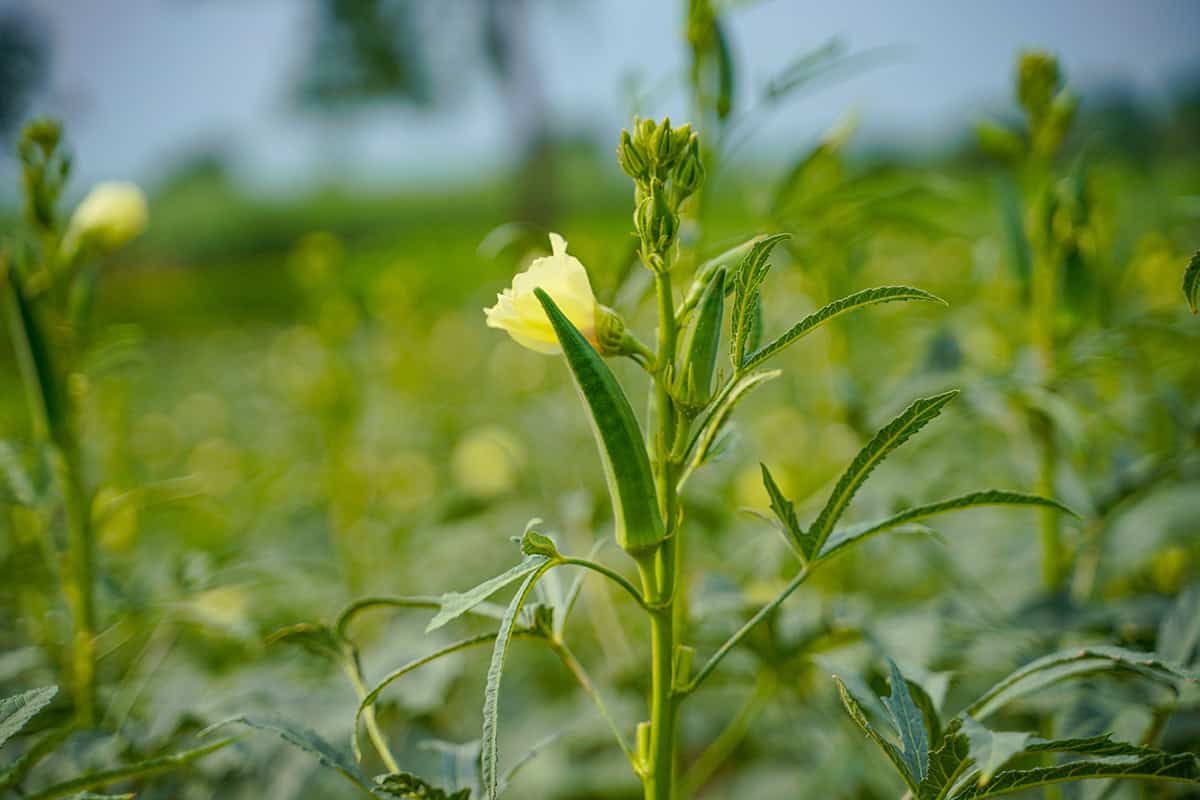
And if you like a bit of drama in your garden, the flowers are a real showstopper—big, creamy blooms that look a lot like hibiscus (they’re cousins, after all).
Soil
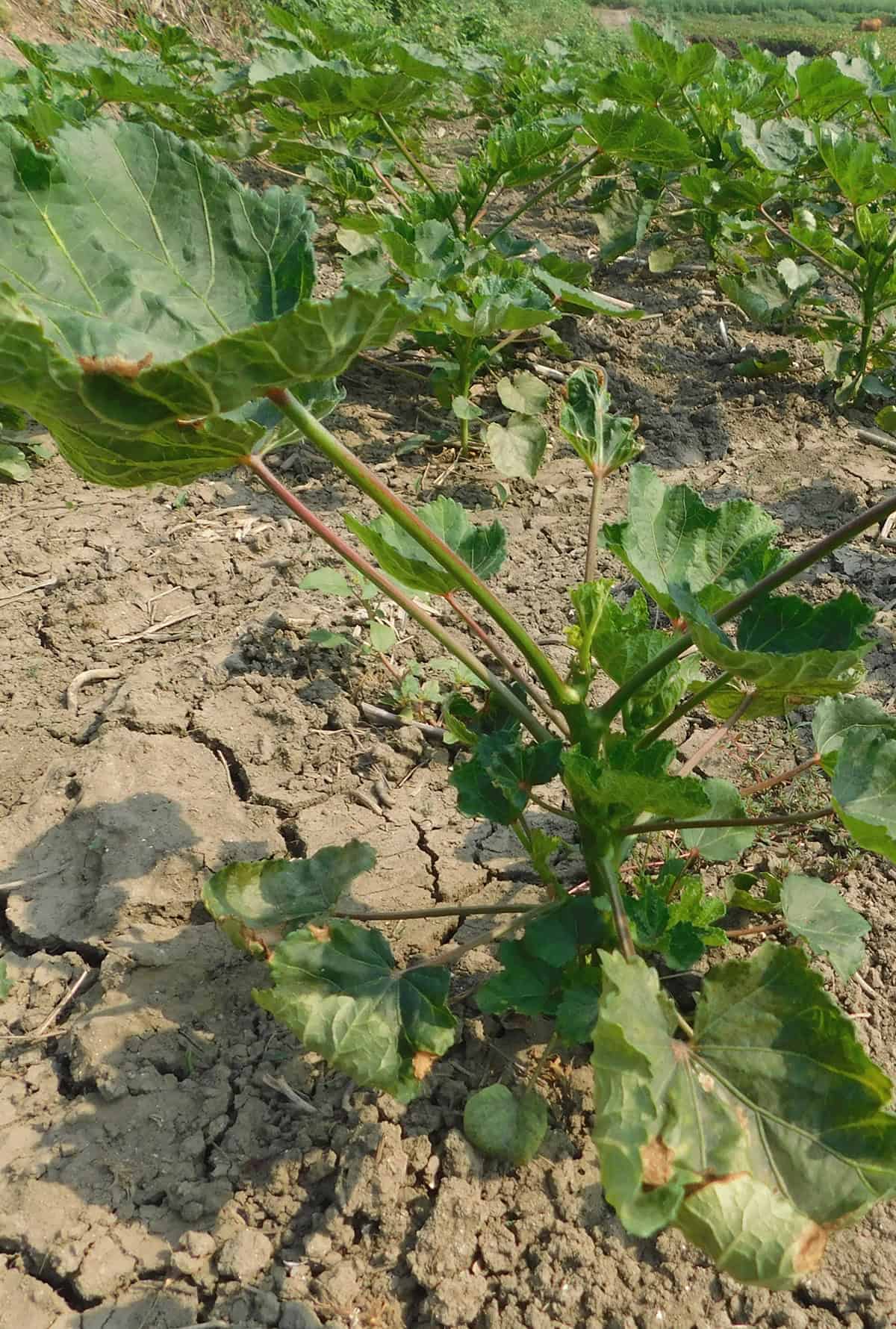
Rich, crumbly earth that drains well sets the stage for a productive okra patch. Anything between slightly acidic and slightly alkaline (pH 6.5–7.5) seems to keep these plants happy. Heavy, sticky soil? That’s a recipe for frustration—mix in compost if you’re dealing with clay or slow drainage.
Rotating crops isn’t just for big farms. If you keep planting okra (or its relatives) in the same spot, you’re rolling out the red carpet for fusarium wilt—a sneaky disease that can wipe out a patch overnight. Swapping beds and switching up plant families each year is a simple way to dodge this headache.
In sandy soils, especially down South, root knot nematodes can be a real menace. They attack roots, leaving plants stunted and yellow. Rotating beds and mixing in plenty of organic matter helps keep these pests in check.
Fungal issues like rust and powdery mildew seem to linger when crops don’t get a break, so starting each year with clean soil is a smart move. If you’re not sure what your dirt needs, a soil test every couple of years saves a lot of guesswork.
Planting
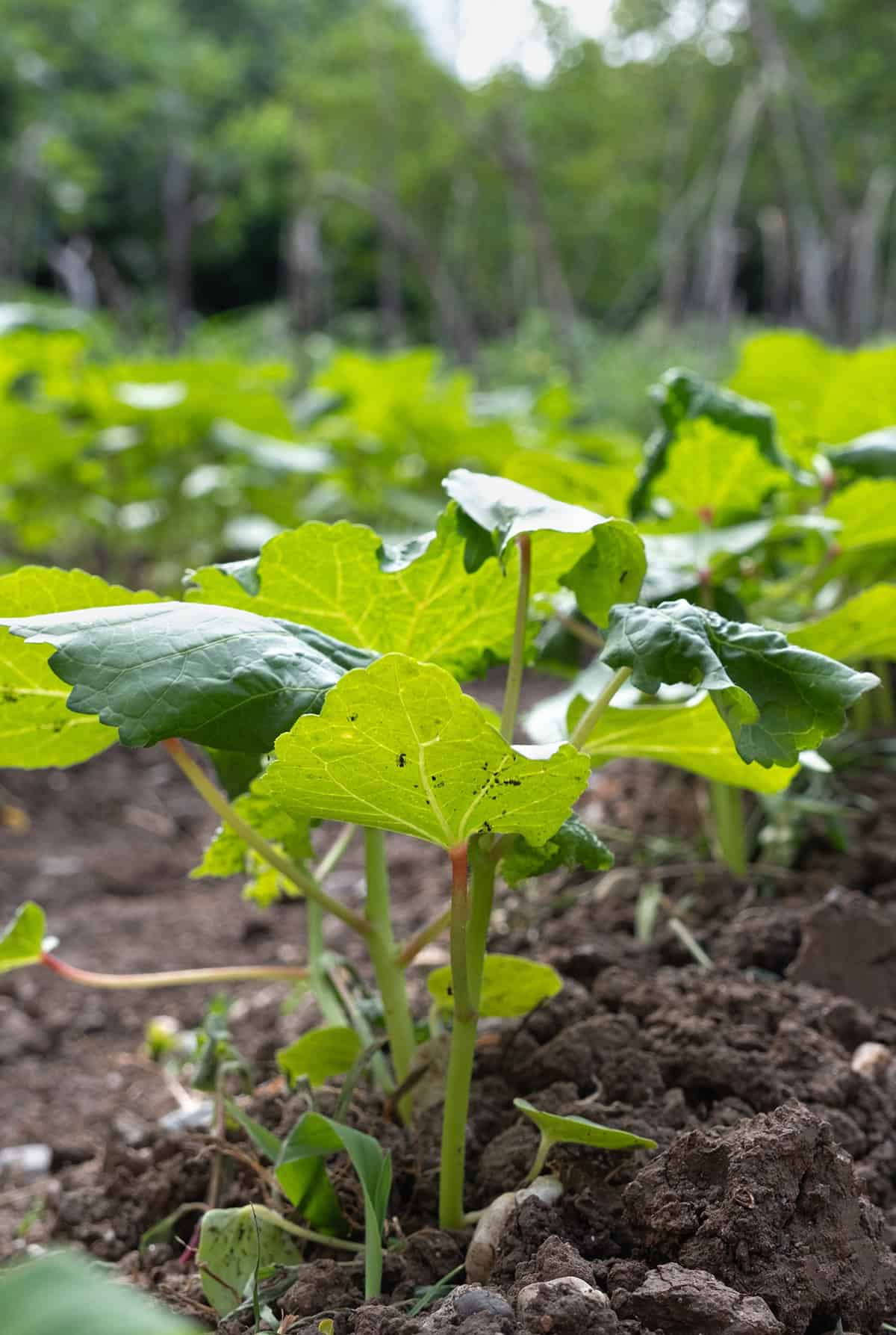
Timing matters—wait until after the last frost and let the soil warm up to at least 65°F before sowing. Rushing things with cold ground just leads to sad, slow seedlings.
Drop seeds about an inch deep, spacing them 2–4 inches apart in rows with a good 3 feet between. Once the sprouts are a few inches tall, thin them out so each plant stands 12–18 inches from its neighbors. Crowding leads to spindly growth and fewer pods.
If you’re itching for an early jump on the season, starting seeds indoors works well. Use peat pots (roots hate being disturbed) and a heat mat set around 70–75°F to get things moving. Cold frames can help in chillier climates by warming things up sooner. Soaking seeds overnight softens their tough coats and boosts germination. Always use fresh seed—older ones lose their spark pretty fast.
Variety Selection
Finding the right variety can make the whole process smoother, especially if you’re working with a short season or limited space. Most modern types are spineless, which makes harvesting a lot more pleasant.
Clemson Spineless is a classic—dark green, easy to grow, and adaptable to just about any region. Plants hit four to five feet and crank out pods reliably.
For those with a short summer, Cajun Delight matures faster than most, with compact four-foot plants and spineless pods.
Annie Oakley II is another workhorse, known for steady production and tidy, spineless pods on four-and-a-half-foot plants.
Tight on space? Dwarf okra varieties stay under three feet and thrive in containers or small beds. These compact plants don’t hog all the sunlight and still deliver a solid harvest. Local seed suppliers or extension offices can usually point you toward the best dwarf types for your area.
Light
A garden spot that basks in sunlight from morning until late afternoon is where okra really shines. Skimp on sun, and you’ll end up with leggy plants, fewer flowers, and a disappointing harvest.
Tall okra can shade out its neighbors, so it’s often best to plant it on the north edge of the bed, letting shorter crops catch the rays too. Once mature, some varieties tower over five feet and cast a long shadow.
Partial shade, especially in the afternoon, means fewer pods. The plant might soldier on, but yields will lag. If you’re serious about a bumper crop, give okra the sunniest real estate you’ve got.
Water
Once okra gets established, it doesn’t wilt at the first sign of drought, but steady moisture during flowering and pod set makes a noticeable difference. A good soak every week or so is usually enough, though heat waves might call for extra attention.
Pests have a knack for finding okra. Whiteflies lurk under leaves, sucking sap and weakening plants. Flea beetles pepper young leaves with holes, and corn earworms go straight for the pods. Stink bugs leave behind ugly scars and warped growth. Ladybugs, on the other hand, are worth encouraging—they chow down on a lot of the soft-bodied troublemakers.
Weeds don’t just compete for water and nutrients; they also make it easier for pests and diseases to take hold. Keeping the patch tidy pays off.
Feeding
Okra isn’t a heavy feeder, but a little fertilizer at the right time gives it a boost. Before planting, spread 1–2 pounds of balanced 10-10-10 fertilizer for every 100 square feet and mix it into the soil.
Once pods appear, a modest side-dressing of nitrogen keeps production humming along. Don’t go overboard—too much nitrogen leads to bushy plants with few pods, which is pretty disappointing after all that effort.
Slow-release fertilizer is handy for gardeners who prefer less fuss. Just apply it at planting and let it do its thing. In containers, nutrients wash out faster, so feed a bit more often, but avoid piling on—okra doesn’t like salt buildup.
Growth Time
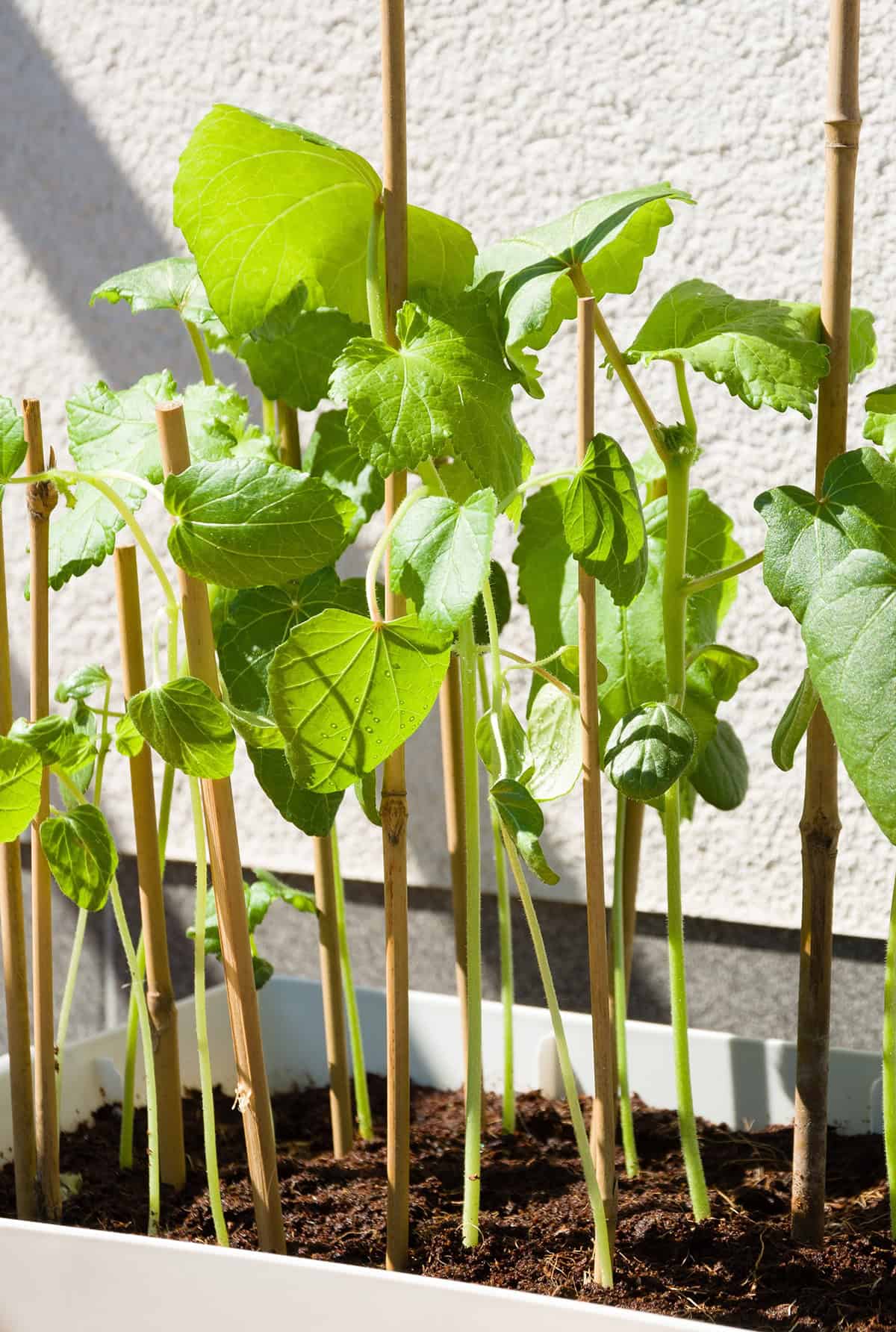
The countdown from seed to first harvest usually lands somewhere between 55 and 65 days. Once flowering starts, pods follow in a matter of days, and it doesn’t take long before you’re harvesting every other day.
Those pale, hibiscus-like flowers with dark centers are the heads-up that pods are on the way. Once you spot them, keep an eye out—pods hit that sweet, tender stage fast.
Timing is everything. Pods go from perfect to woody in just a few days, especially in peak summer heat. Regular picking keeps the plant churning out new pods.
Growing In Containers
Container gardening with okra comes down to picking the right pot and variety. Full-size types need at least a five- to seven-gallon pot to stretch their roots.
Dwarf varieties are a smarter bet for pots. They stay compact, don’t tip over as easily, and are easier to manage on a balcony or small patio. Annie Oakley II handles containers well, and Clemson Spineless can work if the pot’s big enough—though tall plants may need staking.
A loose, well-draining potting mix is essential, and drainage holes are non-negotiable. Containers dry out quickly, so check soil moisture often and water when the top inch feels dry. Sun is still non-negotiable—find the brightest spot you can. Since nutrients leach out with frequent watering, feed container okra a bit more often than in-ground plants.
Harvest
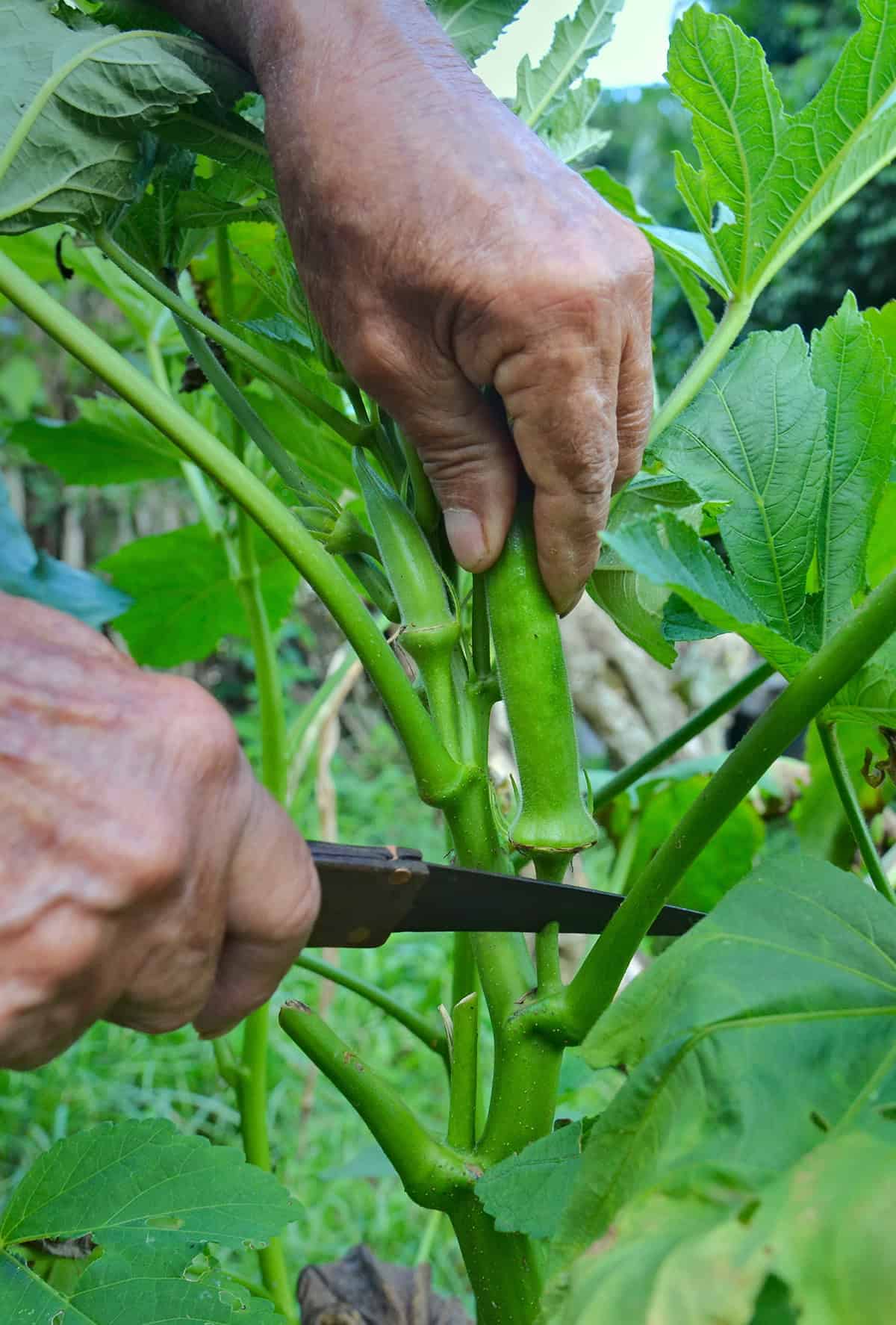
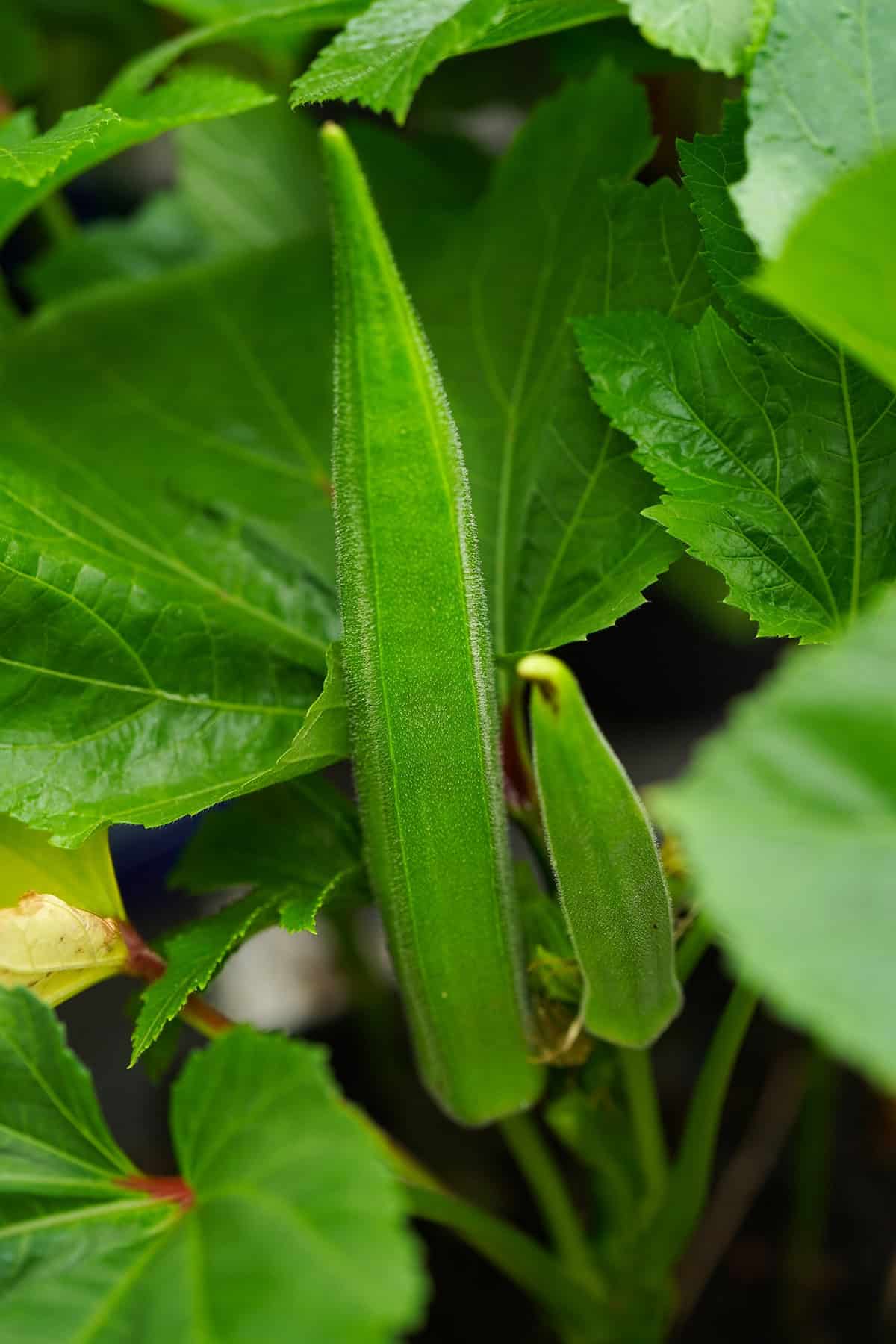
Getting the timing right on harvest makes all the difference. Aim to pick pods when they’re two to four inches long—usually five or six days after the flower fades. At this stage, they’re tender and easy to slice off with a sharp knife or snip.
Letting pods grow past five inches turns them tough and stringy, which isn’t much fun in the kitchen. Even if you miss a few and they get oversized, remove them anyway—leaving them on the plant tells it to slow down on new flowers and pods.
Fresh okra is at its best fried, roasted, pickled, or dropped into gumbo, where it thickens up the broth like nothing else. Store pods at 45–50°F with high humidity, and they’ll keep for a week or so.
If you’re into saving seeds from open-pollinated varieties, let a few pods dry on the plant at the end of the season. Once they’re brittle, crack them open, collect the seeds, and stash them somewhere cool and dry until next year.
Common Problems And Troubleshooting
Trouble with okra? It’s usually either a fungus sneaking in or bugs chewing away. If you catch issues early, you’re way ahead—waiting until things get ugly just means more work (and probably fewer pods).
When nights cool off and the air gets thick with humidity, leaves might start to look like someone dusted them with flour—powdery mildew is usually to blame. Crowded plants make it worse, so don’t be shy about thinning them out. Snip off any affected leaves before the problem spreads. Sometimes, though, you’ll spot yellowing and wilting starting from the roots, and there’s not much to do at that point; fusarium wilt has moved in. Once it’s there, that plant’s done for. Best to pull it out and give that patch a long break from okra—years, honestly.
Pods and leaves can also end up with dark, sunken spots or, less attractively, orange-brown blisters. Anthracnose and rust thrive in wet stretches. Swapping crops around each year and keeping water off the leaves (no overhead sprinklers) helps keep things under control.
Ever pulled up a sad-looking plant and found the roots all knobby and weird? Root knot nematodes are the culprit. They’re a pain, but rotating what you plant and mixing in compost or other organic matter seems to help a lot.
Bugs, though—those are relentless. Whiteflies swarm under the leaves and can be blasted off with a hose or knocked back with a little insecticidal soap. Flea beetles jump around and chew holes, but unless your plants are tiny, they don’t usually cause lasting harm. Corn earworms burrow inside pods, so picking okra often makes a difference. Stink bugs, meanwhile, are stubborn and sneaky; they’ll ruin pods before you even spot them. Picking them off by hand works if you’re patient (or just stubborn enough yourself).
Not every insect is out to get you—ladybugs, for example, love snacking on soft-bodied pests. Growing a few flowers nearby to draw in these helpers is a simple, chemical-free way to tip the balance in your favor.