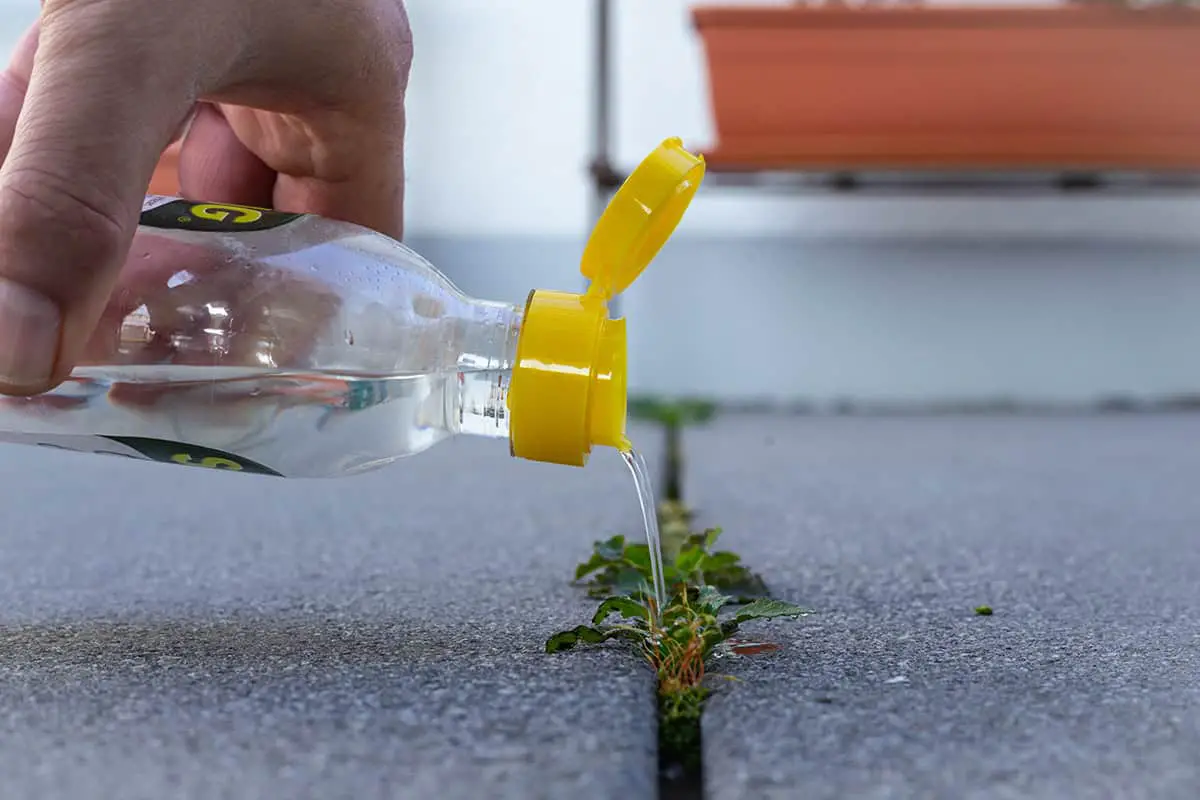
A jug of white vinegar costs a couple of dollars and handles a surprising number of garden chores, especially around paths, tools and pots.
It is also an acid strong enough to burn leaves and roots, and a few popular vinegar tips cause real damage. Weeds lead off, with the strength that actually kills them and the kind of weed that shrugs it off.
Table of Contents
Weed Killer
Vinegar kills weeds on contact. Acetic acid breaks down the cell membranes in the leaves, and they dry out within hours on a sunny day. USDA research found that 5 to 10 percent vinegar killed most young weeds within their first two weeks of growth.
Use household white vinegar, at 5 percent acetic acid, at full strength, since diluting it with water weakens it too much. Horticultural vinegar, at 10 to 20 percent, handles tougher weeds, but it burns skin and eyes, so wear gloves and goggles.
A few drops of dish soap help the vinegar stick to the leaves. Spray on a warm, sunny, windless day and aim carefully, since vinegar kills any plant it touches. It burns only the top growth, so deep-rooted perennial weeds such as dandelions resprout and need repeat treatments.
Ant Deterrent
Ants follow scent trails, and vinegar wipes them out. Mix equal parts water and white vinegar in a spray bottle and spray along ant trails, on patio cracks and around pots.
Avoid spraying plants directly, since the acid burns leaves. Reapply after rain or watering.
Vinegar disrupts trails and sends foraging ants elsewhere, but it leaves the colony itself untouched. For a real infestation, pair it with ant baits, which workers carry back to the nest.
Natural Fungicide
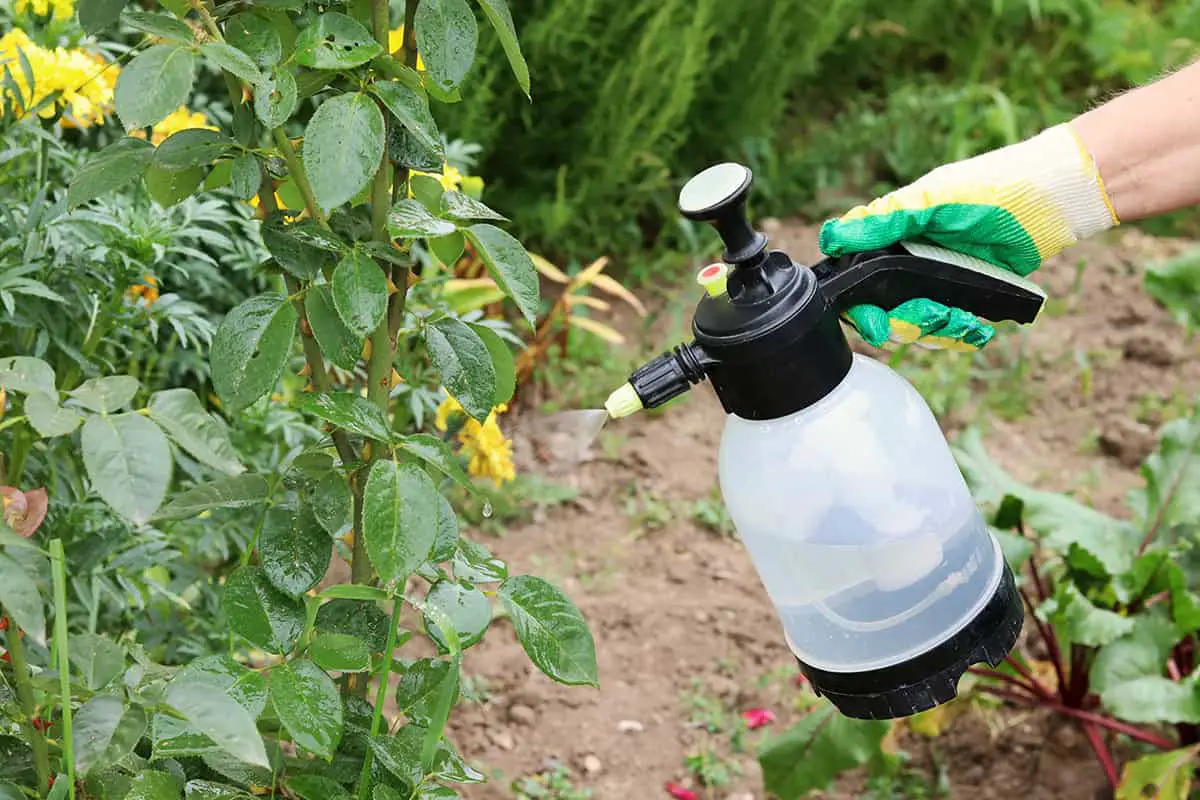
Vinegar has a reputation as a natural fungicide, yet the evidence is thin and the risk to plants is real. Strong vinegar sprayed on leaves burns them faster than it controls disease.
Its best antifungal use is on surfaces. Wipe pots, seed trays and plant supports with a mix of one part household vinegar to three parts water to reduce fungal spores before reuse.
For leaf diseases such as powdery mildew, a spray of one tablespoon of baking soda and a few drops of liquid soap per gallon of water is gentler and better tested. Test any homemade spray on a few leaves and wait 24 hours before treating the whole plant.
Soil pH Lowering
Acid-loving plants such as blueberries and azaleas prefer low pH soil. Test the soil first to avoid overcorrecting.
A mix of one cup of white vinegar in a gallon of water poured around the plants lowers the pH briefly. The effect fades within days or weeks, since soil buffers the acid quickly, and repeated doses harm soil life and roots.
For a lasting change, elemental sulfur or an acidifying fertilizer does the job far better.
Correct pH improves the availability of nutrients and produces healthier, more vigorous plants.
Clean Garden Tools
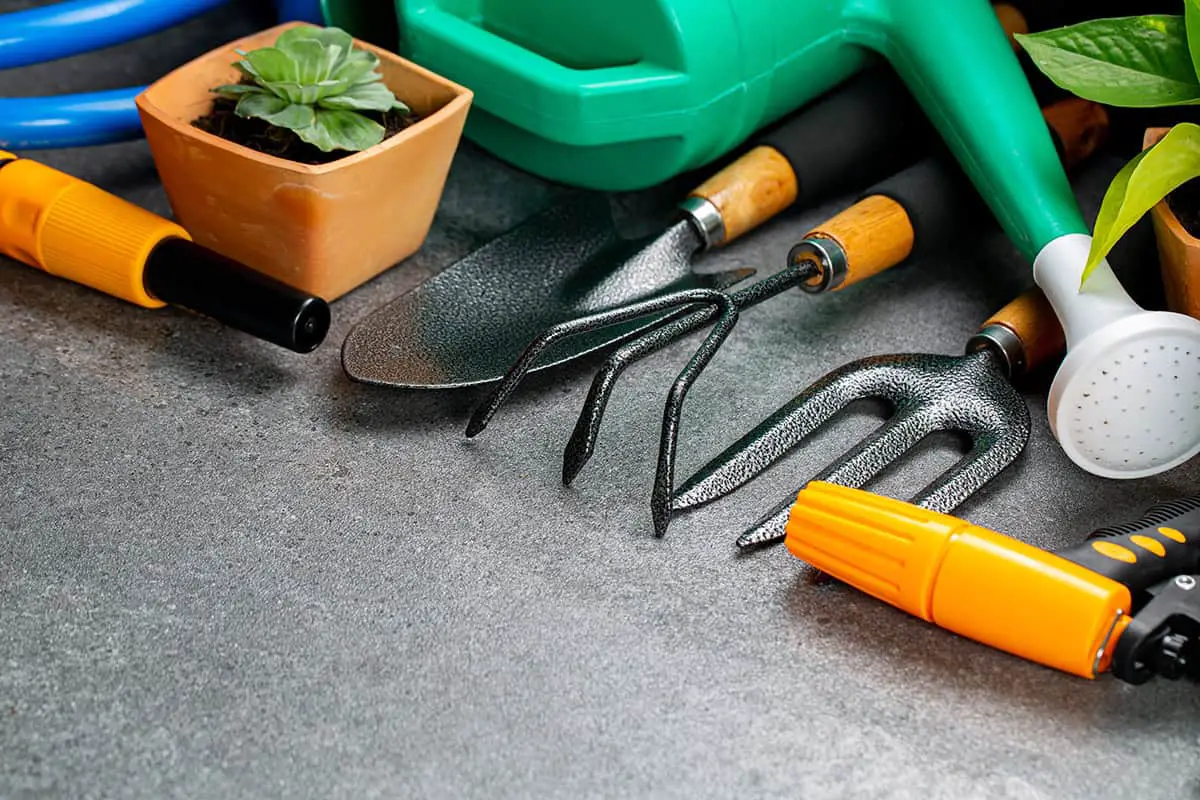
White vinegar cleans garden tools well. Its acetic acid dissolves rust and mineral crust, which extends the life of the tools.
Fill a bucket with equal parts water and white distilled vinegar and soak the tools for about 30 minutes. For heavy rust, soak them overnight in undiluted vinegar. Scrub with a stiff brush or steel wool afterward.
Rinse and dry the tools thoroughly with a clean cloth to prevent fresh rust, then rub a few drops of mineral oil over the metal for protection.
Vinegar is a weak disinfectant. For pruners used on diseased plants, a 70 percent rubbing alcohol wipe or a dilute bleach dip kills pathogens far more reliably.
Flower Enhancer
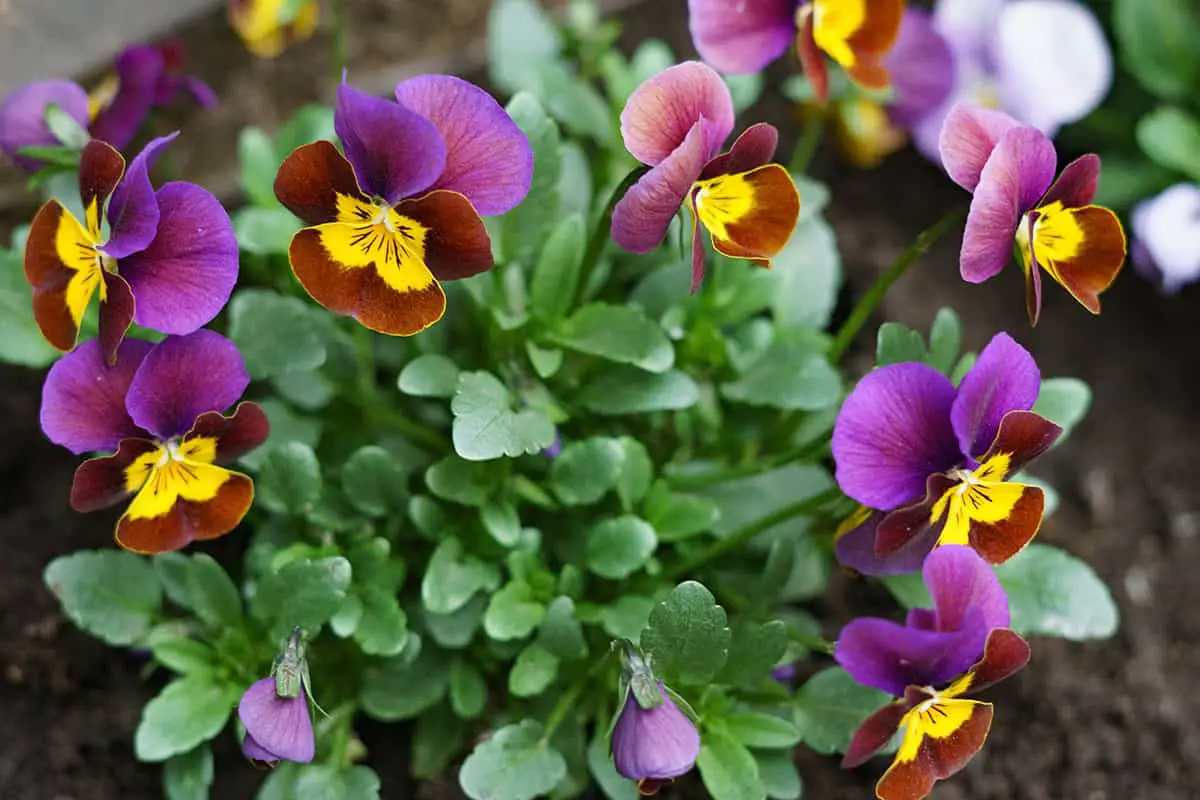
For cut flowers, mix one teaspoon of white vinegar and one teaspoon of sugar in a quart of water to make a horticultural-friendly solution. The sugar feeds the stems, and the vinegar slows bacteria in the vase, which helps the flowers last longer.
Avoid spraying vinegar on wilting garden plants, since it burns the leaves. Wilting outdoors comes from heat, thirst or root problems, and water solves most of it.
Vinegar also removes white mineral crust from clay pots. Soak them in one part vinegar to three parts water for 30 to 45 minutes, then scrub with a brush.
Seed Germination Aid
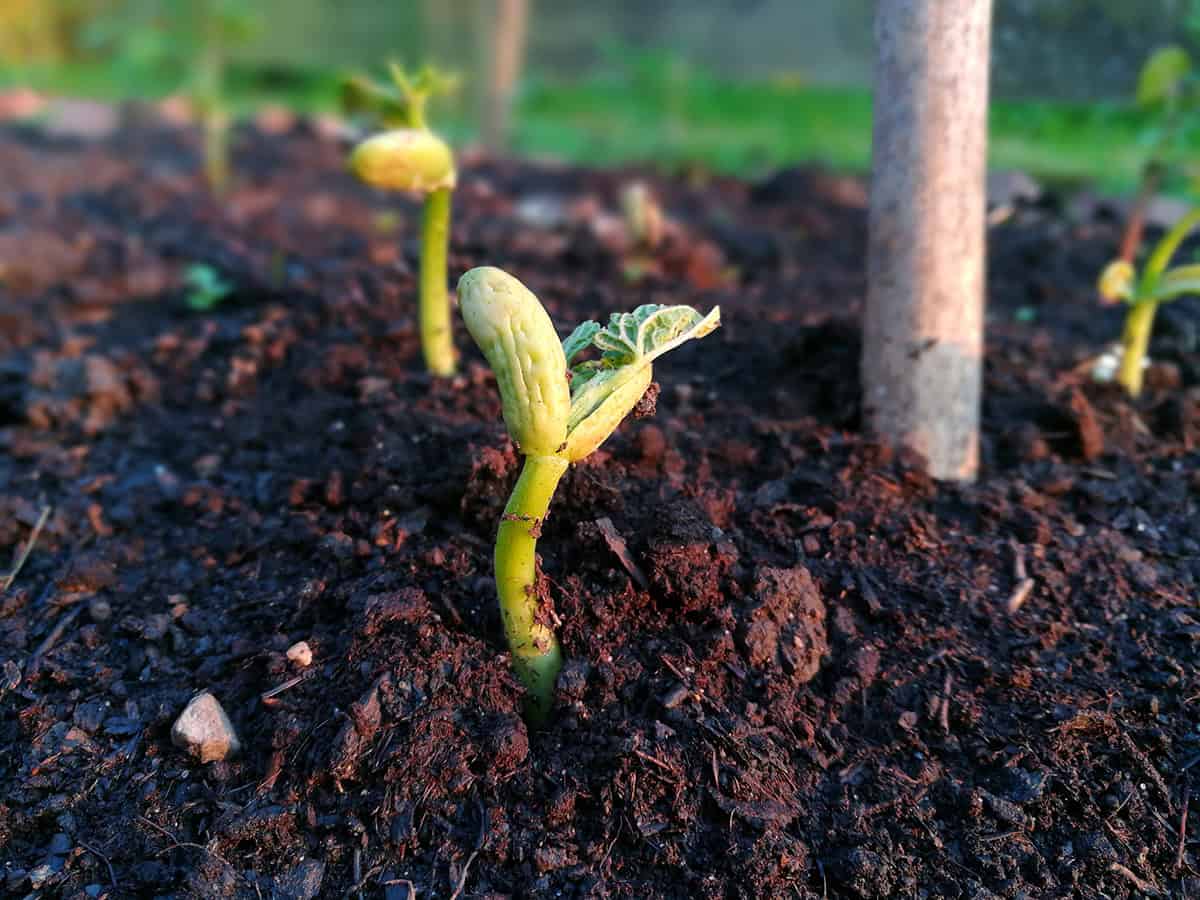
Gardeners soak hard-coated seeds, such as morning glory, okra and asparagus, in a weak vinegar solution to soften the seed coat. A short soak in one part vinegar to four parts warm water for a few hours, followed by a rinse, helps water reach the embryo.
Results are mixed, and plain warm water or nicking the seed coat with a file succeeds equally for most seeds.
Avoid pouring vinegar on seed beds to lower the pH or kill weeds before sowing. The acid damages germinating seeds and soil life. Sulfur, applied months ahead, is the safer way to acidify a bed.
Calcium Supplement
Vinegar and eggshells combine into a homemade water-soluble calcium supplement, popular in natural farming. Calcium strengthens plant cell walls, and tomatoes and peppers use plenty of it.
Bake clean eggshells briefly until lightly browned, crush them to a powder and place it in a jar. Pour vinegar over the powder, and it bubbles as the acid dissolves the calcium carbonate. Cover loosely, and once the bubbling stops after a few days, the supplement is ready.
Dilute it at about 1 part to 1000 parts water before applying it to the soil or leaves.
Blossom end rot in tomatoes is caused by uneven watering far more than by a lack of calcium in the soil. Steady moisture, from mulch and regular deep watering or drip irrigation, prevents it best.
Pathway Cleaner
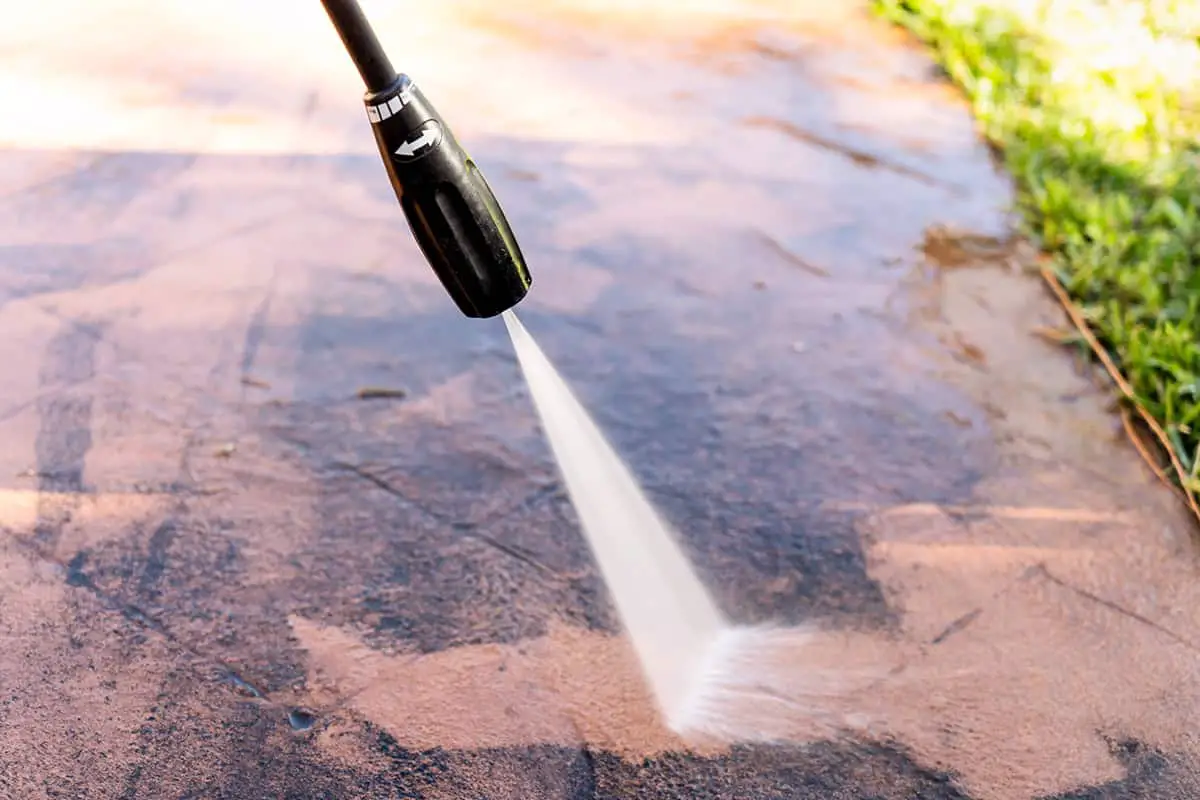
Vinegar clears moss and algae from pavers, patios and gravel paths, a gentler option than harsh chemical cleaners.
Protect nearby plants first, since the spray harms them. Mix equal parts vinegar and water in a spray bottle, and on a dry, sunny day spray the mossy or green surfaces generously. The acid dries out the moss and algae.
After about 15 minutes the treated patches start to brown. Scrub them with a stiff broom and rinse the area with water.
Vinegar etches marble, limestone and some concrete finishes, so test it on a small patch first. Horticultural vinegar is much stronger than household vinegar and burns skin, so always wear gloves and eye protection.