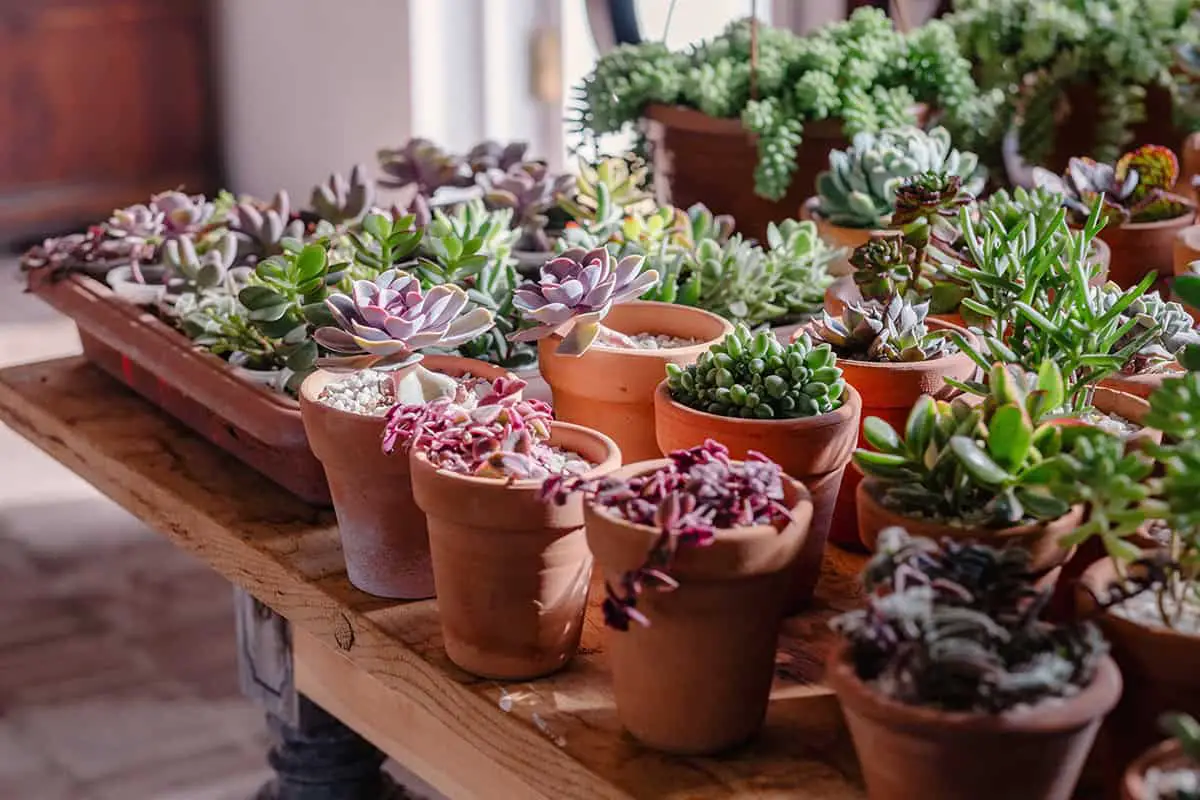
Succulents store water in fat leaves and stems, a desert trick that makes them easy to grow and very easy to drown.
Most of the ones that die indoors rot from too much water or stretch toward a dim window. Light and watering carry most of the weight here, and the soil recipe in the middle makes both easier to get right.
Table of Contents
Temperature and Humidity
Most succulents grow best between 55°F and 75°F during the day, with cooler nights. That daily swing mirrors their native climates, and cool winter nights help many types flower and color up.
Humidity is rarely a concern. Succulents prefer dry air, and even homes with 20% humidity pose no problem. High humidity combined with damp soil is the real risk, since it encourages rot and fungal problems. Good airflow helps in bathrooms and other humid rooms.
Light
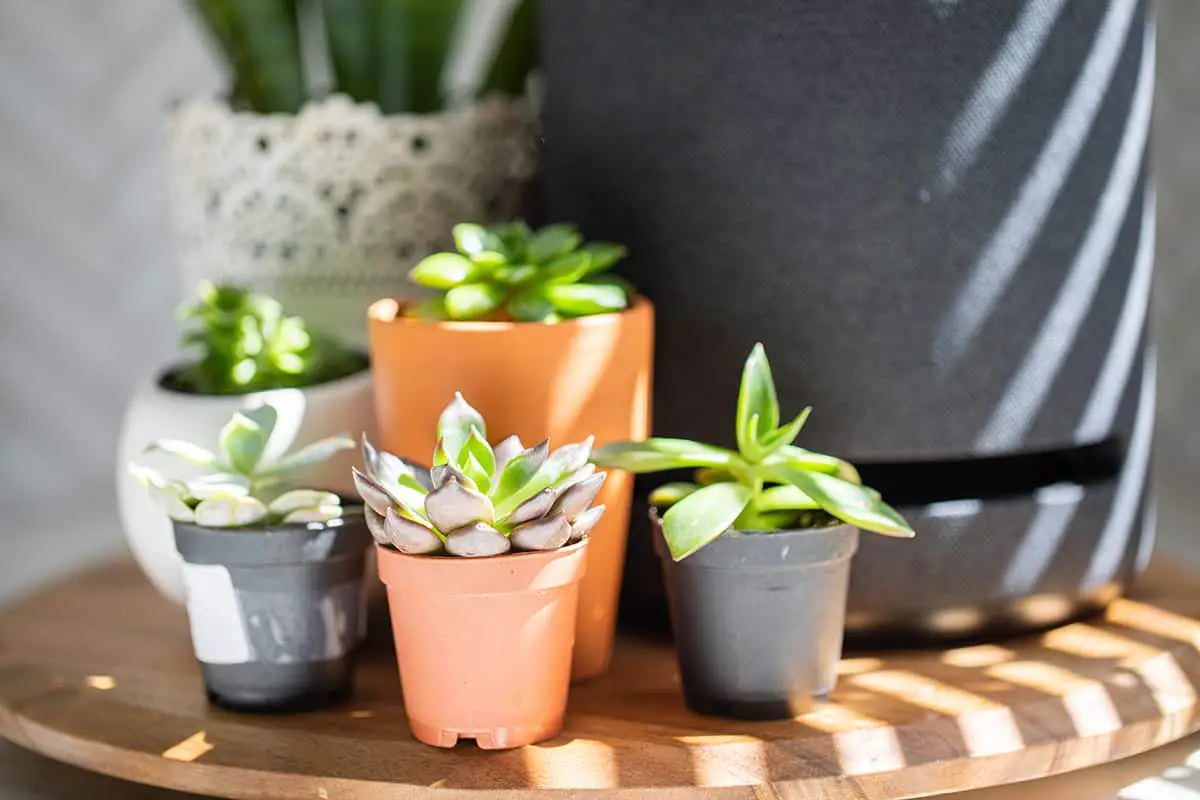
Of everything in succulent care, light matters most. Most need at least 6 hours of sunlight a day, so place them in the brightest spot available, such as a south- or west-facing window.
A succulent fresh from a shaded nursery shelf burns if moved straight into full sun. Introduce it to stronger light gradually over a week or two.
Watch the plant for feedback. Rich color and compact rosettes mean the light is right. Stretched, pale stems leaning toward the window, called etiolation, mean the plant needs more light. Bleached, brown or crispy patches mean sunburn, and a little afternoon shade during the hottest summer days helps.
Light needs vary between types. Haworthia and gasteria handle lower light, while echeveria and most cacti need full sun.
Watering
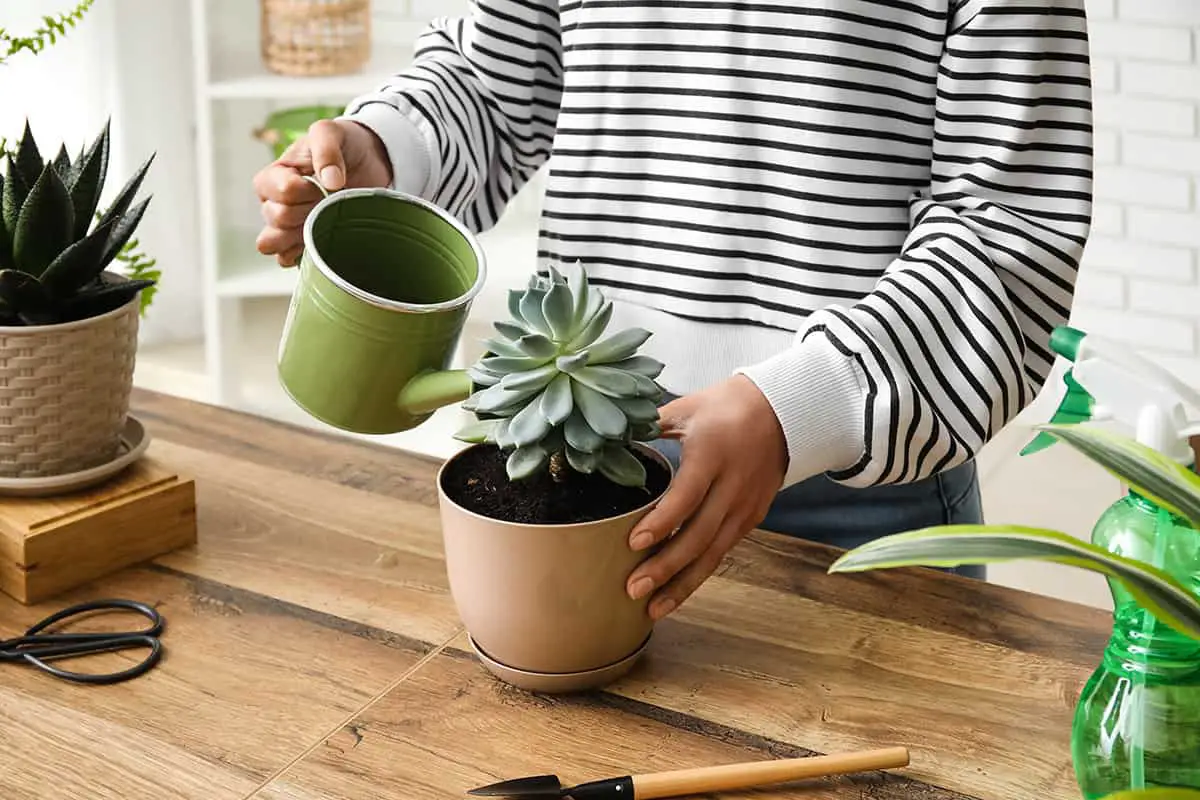
Succulents store water in their leaves and stems, which makes overwatering the most common way to kill them.
Check the soil before watering. Push a finger into the soil, and if it is still damp, wait.
When it is time, water the soil directly and soak it until water runs out of the drainage hole. Then stop, and empty the saucer.
Let the soil dry out completely before the next watering. This soak-and-dry rhythm prevents overwatering, and deep, infrequent watering beats small, frequent sips.
Soil
Succulents need a fast-draining mix to prevent root rot. Use a soil-less/soil-free potting mix made for succulents and cacti, and avoid garden soil, which holds too much moisture in a pot.
For even better drainage, blend in perlite, pumice or crushed gravel until it makes up about half the mix.
Use pots with drainage holes. A layer of gravel in the bottom of a pot with no holes does little, since water collects in it and soaks the roots. Drill a hole instead, or use the decorative pot as a cover around a draining nursery pot.
Firm the soil gently around the roots when potting, and avoid packing it down hard.
Fertilizer
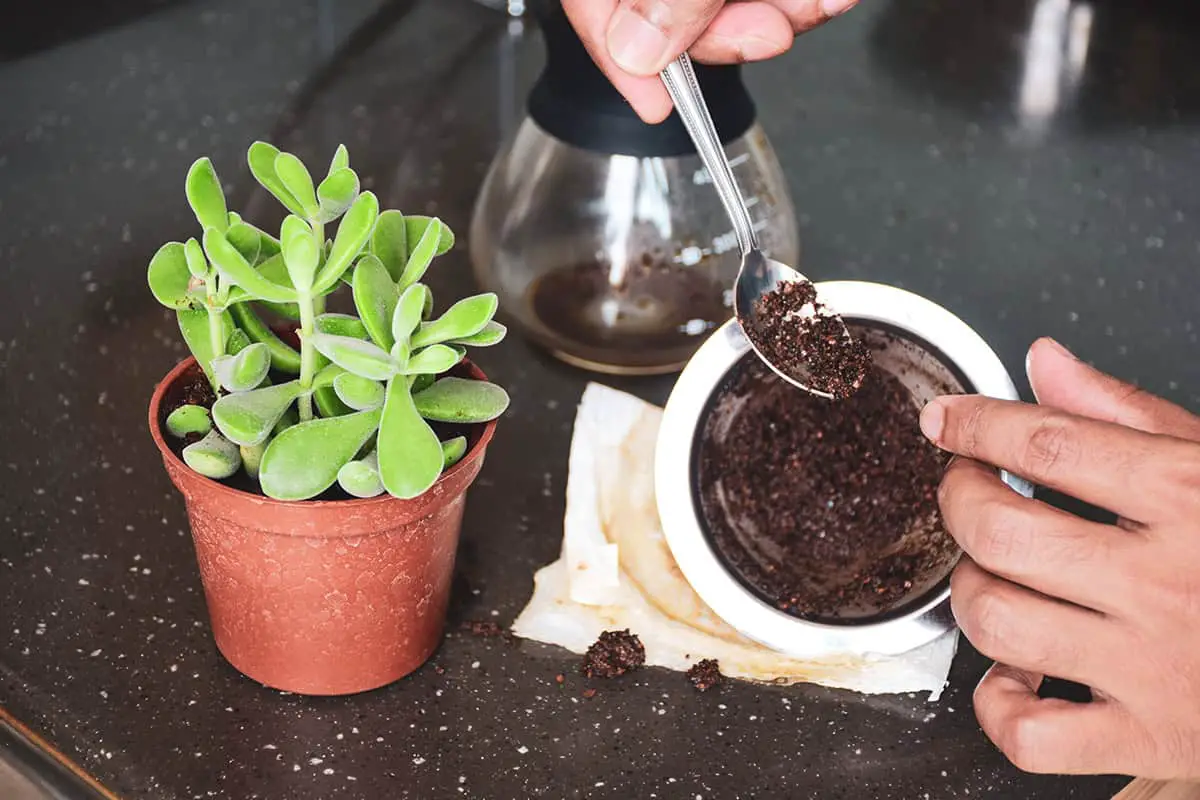
Succulents need only a light feeding with a specific type of fertilizer made for cacti and succulents. Read and follow the package directions.
Most succulents grow actively in spring and summer, so feed once a month during that period and skip fall and winter. A water-soluble or pellet-based product both do the job.
Mix water-soluble fertilizers at 1/4 strength. Slow-release pellets go into the soil at planting, at a light rate.
Pots and Containers
Above all, a succulent pot needs drainage. Holes in the bottom let excess water escape and prevent root rot. Terracotta is a popular, affordable choice, since the clay breathes and dries quickly.
Pair the pot with a fast-draining mix, such as equal parts potting soil and perlite or pumice. The roots get plenty of air and dry out quickly after watering.
Succulents like a snug pot. Choose one only slightly larger than the root ball, with about an inch of space around the plant. Oversized pots hold extra moisture and lead to rot.
Pruning and Trimming
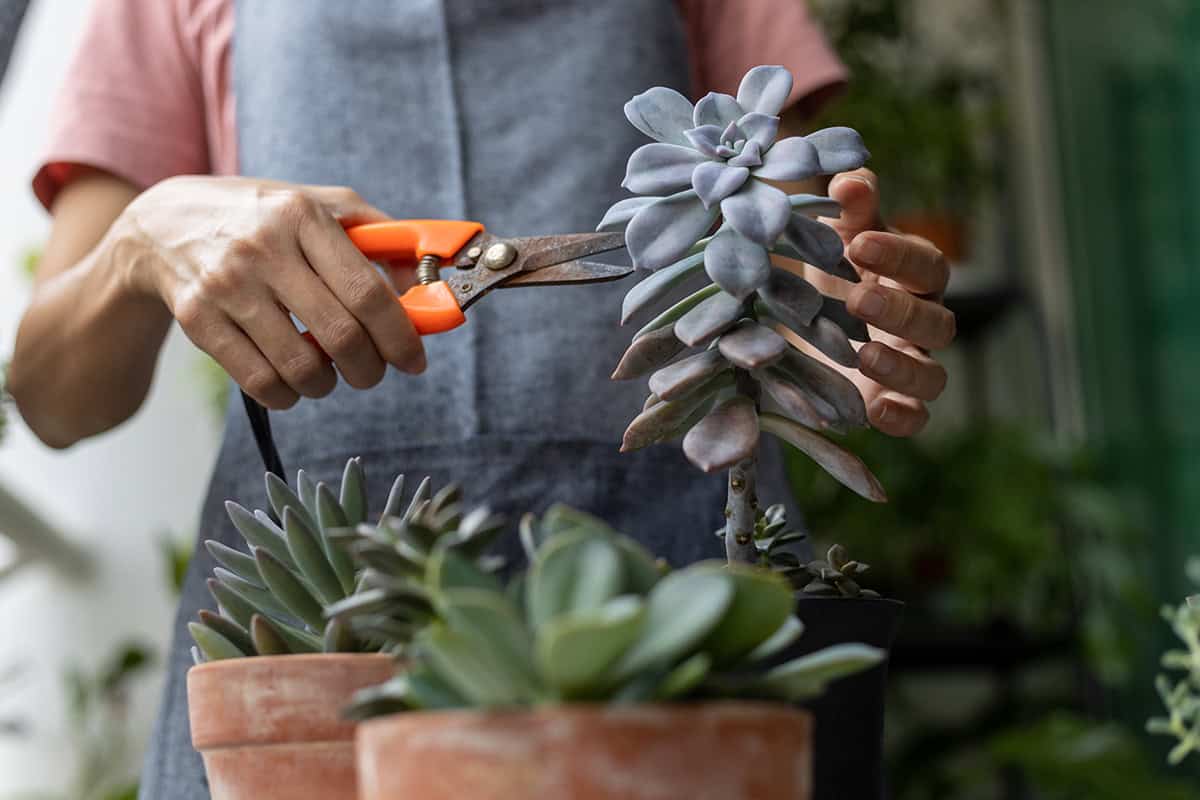
An occasional trim tidies succulents and encourages healthy new growth.
Prune during active growth. Summer-dormant types such as Aeonium respond best to pruning in early spring or autumn, so learn your plant’s growth pattern before cutting.
Use clean, sharp scissors or pruners. Remove dead or shriveled leaves, especially at the base, and cut back leggy stems to a compact shape. Avoid removing too much at once.
Healthy trimmings make great cuttings. Strip the lower leaves, let the cut dry for a day or two and plant it.
Propagating
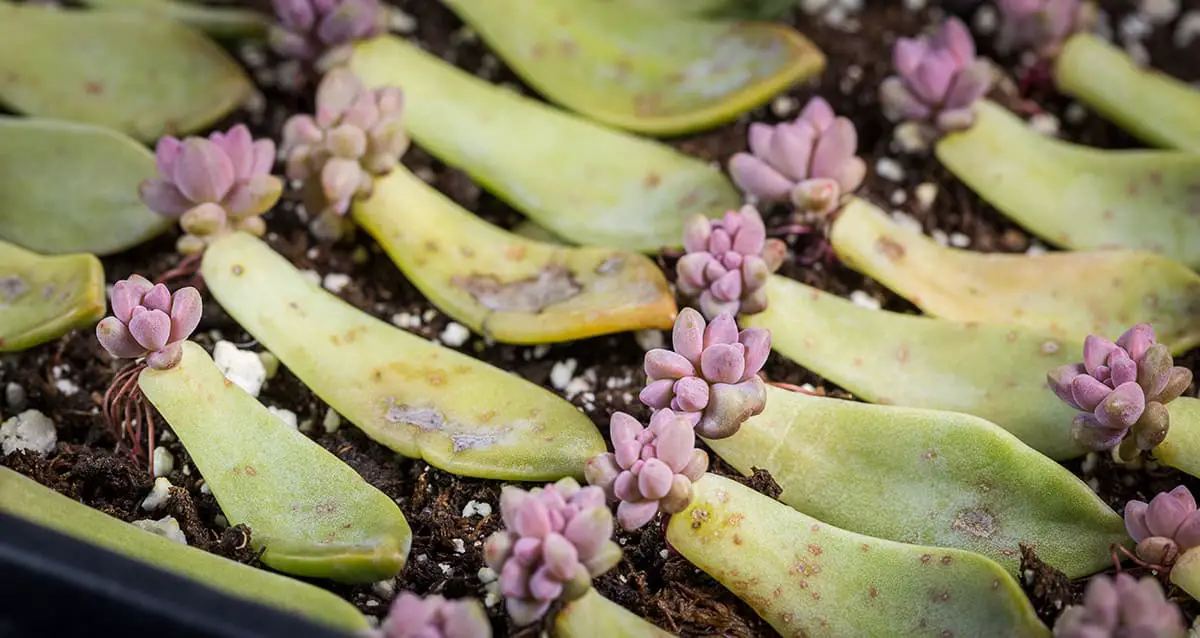
Most succulents grow easily from propagation by stem or leaf cuttings.
For stem cuttings, cut a 3 to 6 inches long section with clean, sharp pruners and strip the leaves from the lower half. Let the cut end dry and callus over for several days.
For leaf cuttings, twist a healthy, undamaged leaf cleanly from the stem, base and all. Torn leaves rarely root. Leave it in a dry, airy spot for a few days to callus.
Once callused, set the cuttings on or in dry, gritty mix. Wait about 24 to 48 hours before the first light watering, and the callus firms up in the meantime.
Place the new plants in bright light, out of harsh direct sun at first, and watch for signs of scorch or fading.
Common Problems & Troubleshooting
Overwatering tops the list of problems. It causes yellow, soft or mushy leaves and stems, leaves that drop at a touch and, in severe cases, mold or fungus gnats on damp soil.
Good drainage prevents it. Use pots with holes, empty saucers after watering and let the soil dry completely between drinks.
Stretching is the second most common problem, with pale, leggy growth toward the window. Move the plant to brighter light. Behead badly stretched rosettes, let the top callus and replant it.
Mealybugs show up as white, cottony tufts in leaf joints. Dab them with rubbing alcohol on a cotton swab. Use a fast-draining mix of about two-thirds potting mix and one-third pumice or perlite to prevent root problems.
Frequently Asked Questions
What are the ideal lighting conditions for indoor succulents?
Indoor succulents need as much light as possible. A south- or west-facing window is best, and an east window comes next. Introduce them to direct sun gradually to prevent sunburn, and add a grow light in dim homes.
What are the common mistakes to avoid when caring for succulents?
Overwatering tops the list. Let the soil dry completely between waterings, use a pot with a drainage hole and empty the saucer, since succulents rot in damp soil. Low light is the second big mistake, and it leads to pale, stretched plants.
How do you adjust succulent care during the winter months?
Water much less in winter, since growth slows and the soil dries more slowly. Let it dry out completely between waterings, which in many homes means every three to four weeks. Winter sun is weak, so move the plants to the brightest window, south-facing if possible, or add a grow light.