
Twenty tough houseplants made this list, and most of them survive a missed watering or a dim corner with ease. A handful, such as the fiddle leaf fig, ask for a little more attention, and their entries spell it out plainly.
Read the snake plant entry first, since overwatering is the one mistake it rarely forgives.
Table of Contents
- Hard-To-Kill Indoor Plants
- Snake Plant (Dracaena Trifasciata)
- ZZ Plant (Zamioculcas Zamiifolia)
- Pothos (Epipremnum Aureum)
- Spider Plant (Chlorophytum Comosum)
- Peace Lily (Spathiphyllum)
- Aloe Vera
- Cast Iron Plant (Aspidistra Elatior)
- Chinese Evergreen (Aglaonema)
- Philodendron
- Jade Plant (Crassula Ovata)
- Rubber Plant (Ficus Elastica)
- Parlor Palm (Chamaedorea Elegans)
- Dracaena
- Devil’s Ivy
- Hoya (Wax Plant)
- English Ivy (Hedera Helix)
- Dieffenbachia (Dumb Cane)
- Lucky Bamboo
- Ponytail Palm (Beaucarnea Recurvata)
- Fiddle Leaf Fig (Ficus Lyrata)
Hard-To-Kill Indoor Plants
Each plant below lists its light and watering needs, plus whether it’s safe around cats and dogs.
Snake Plant (Dracaena Trifasciata)

The snake plant, now classified as Dracaena trifasciata, handles low light and long gaps between waterings with ease. Water only when the soil is completely dry, which means every two to four weeks for most homes and even less in winter.
Its stiff, upright leaves look sharp in modern rooms. Use a fast-draining mix and a pot with a drainage hole, because soggy soil is the main thing that kills it. It’s mildly toxic to cats and dogs.
ZZ Plant (Zamioculcas Zamiifolia)

The ZZ plant stores water in thick underground rhizomes, so it handles drought, low light and dry indoor air. Water when the soil is fully dry, roughly every two to three weeks.
Its glossy leaves look polished in offices and dim hallways. Bright, indirect light speeds growth, while harsh direct sun scorches the leaves. All parts are toxic if eaten, so place it away from pets and small children.
Pothos (Epipremnum Aureum)

Pothos is one of the easiest houseplants to grow and propagate. It trails beautifully from shelves and hanging baskets and grows in anything from low light to bright, indirect light. Variegated types such as Marble Queen and Pearls and Jade hold their pattern best in brighter spots.
Water when the top half of the soil is dry. Cuttings root quickly in a glass of water. Pothos is toxic to pets.
Spider Plant (Chlorophytum Comosum)

Spider plants grow arching, striped leaves and send out small plantlets on long stems. Water when the top inch of soil is dry, and place them in bright, indirect light for the best growth, though they tolerate dimmer rooms.
They’re non-toxic to cats and dogs, a big plus for pet owners. The plantlets root easily in water or soil, and brown leaf tips point to fluoride in tap water or dry air.
Peace Lily (Spathiphyllum)

The peace lily has glossy, dark leaves and white spathes that appear several times a year. It tolerates low light, though medium, indirect light produces more flowers. Direct sun burns the leaves.
Water when the top inch of soil is dry. The whole plant droops dramatically when thirsty and perks up within hours of a drink, which makes watering easy to judge. Peace lilies are toxic to pets.
Aloe Vera

Aloe vera is a succulent with thick, gel-filled leaves. It needs bright light, ideally a sunny windowsill, and a gritty cactus mix in a pot with a drainage hole.
Water deeply, then let the soil dry completely, about every two to three weeks in summer and less in winter. Overwatering is the main cause of trouble. The gel soothes minor burns, but the plant is toxic to cats and dogs if chewed.
Cast Iron Plant (Aspidistra Elatior)

True to its name, the cast iron plant handles deep shade, drafts, temperature swings and irregular watering. Its broad, dark green leaves grow slowly, so it rarely needs repotting.
Water when the top couple of inches of soil are dry. It thrives in dim corners and hallways where other plants struggle, and it’s non-toxic to pets.
Chinese Evergreen (Aglaonema)

Chinese evergreens have patterned leaves in silver, green, pink and red. Darker green types handle low light best, while the colorful ones hold their color in brighter, indirect light.
Water when the top inch or two of soil is dry. Protect the plant from cold drafts and temperatures below about 60°F, which damage the leaves. It’s toxic to pets.
Philodendron

Philodendrons come in climbing types, such as the heart-leaf philodendron, and upright, self-heading types. Most adapt to medium or low, indirect light and recover quickly from a missed watering.
Water when the top inch or two of soil is dry, and avoid soggy soil. Climbing types grow larger leaves on a moss pole. Philodendrons are toxic to pets.
Jade Plant (Crassula Ovata)

The jade plant is a succulent with thick, round leaves and woody stems. It needs bright light with some direct sun, plus a fast-draining cactus mix.
Let the soil dry completely before watering, especially in winter. With good light, a jade plant lives for decades and grows into a small tree. It’s toxic to cats and dogs.
Rubber Plant (Ficus Elastica)
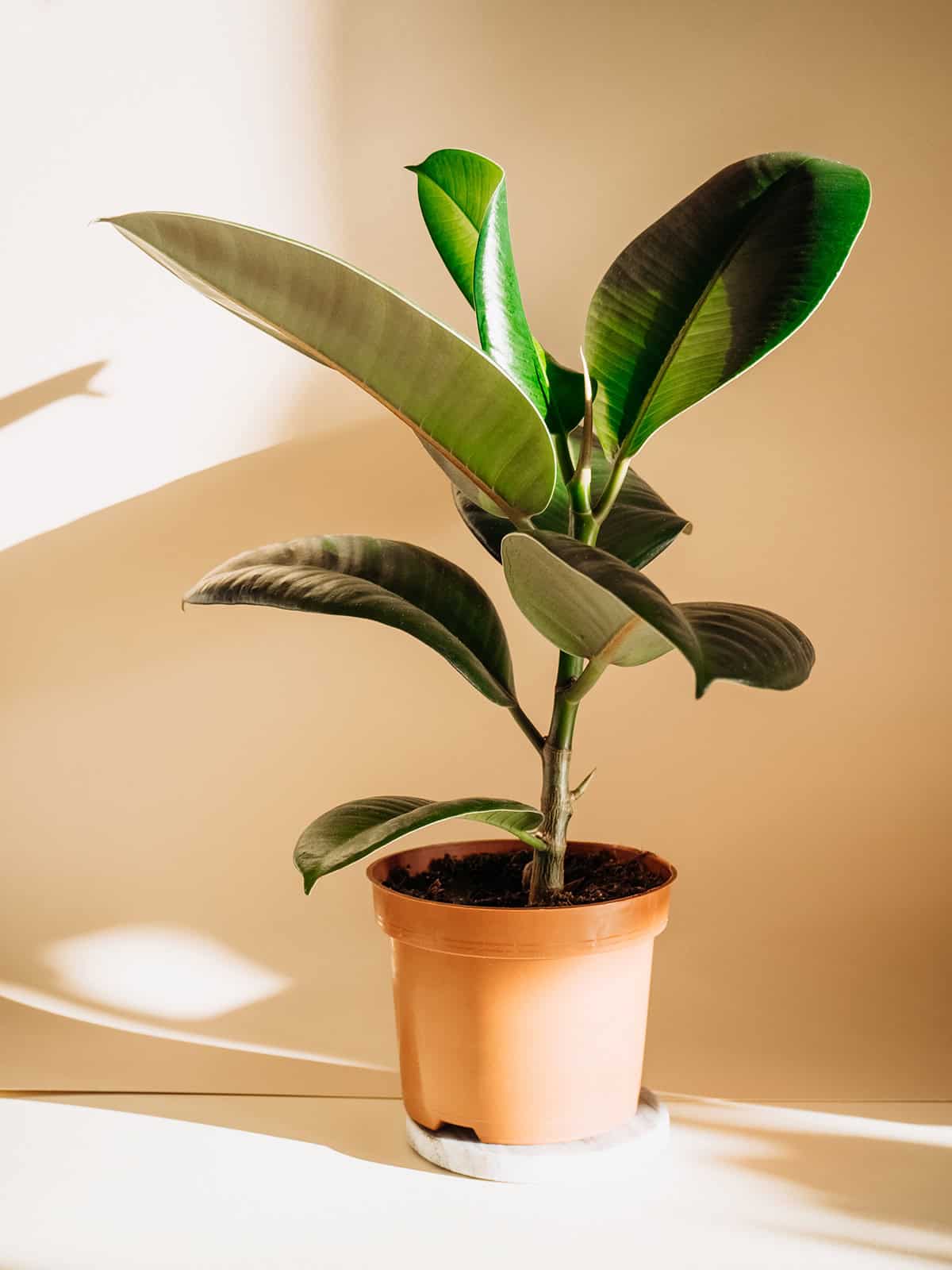
Rubber plants grow large, glossy leaves in deep green, burgundy or variegated forms. They grow best in bright, indirect light and tolerate medium light with slower growth.
Water when the top inch or two of soil is dry. They grow tall, which makes them a good floor plant, and a trim at the top encourages branches. Wipe the leaves now and then to remove dust. The sap irritates skin, and the plant is toxic to pets.
Parlor Palm (Chamaedorea Elegans)
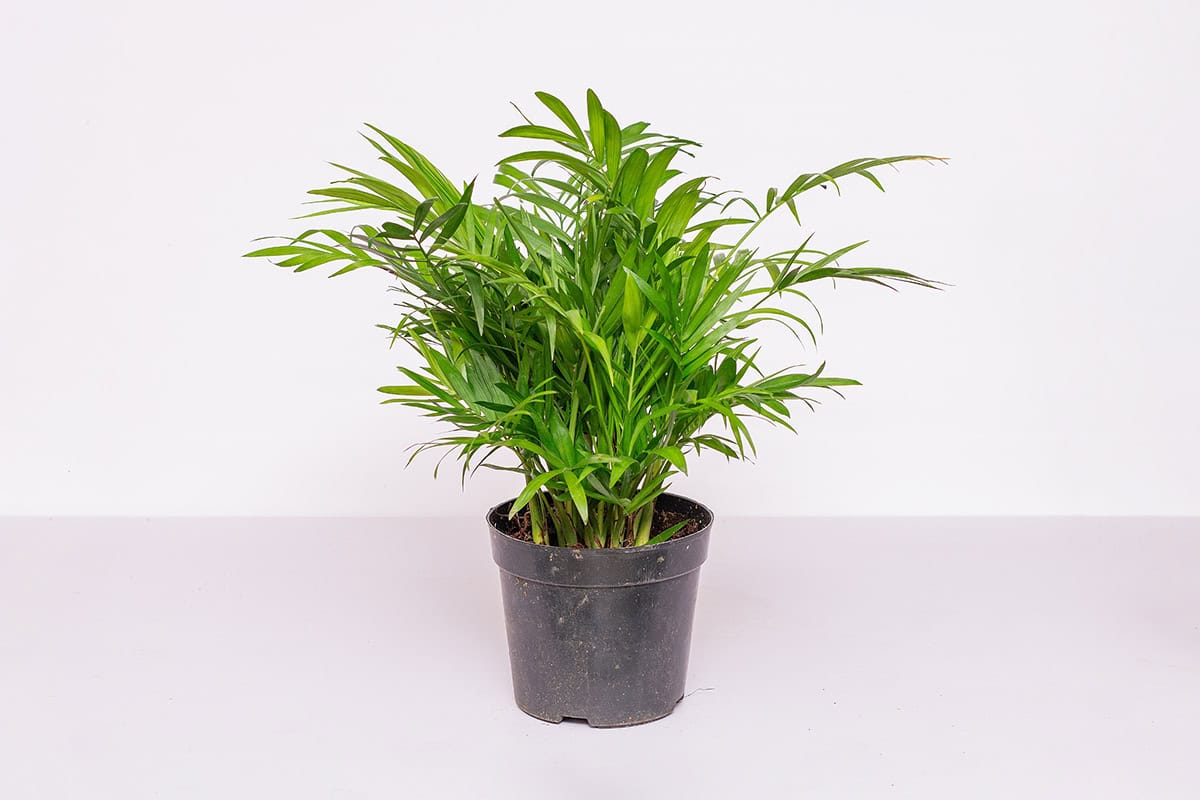
The parlor palm is a compact palm with soft, feathery fronds. It handles low to medium indirect light, which makes it one of the few palms that thrives away from a window.
Water when the top inch of soil is dry. It’s non-toxic to cats and dogs, and it grows slowly, so it rarely outgrows its spot.
Dracaena

Dracaenas, including corn plant, Janet Craig and Madagascar dragon tree, grow long, strappy leaves on cane-like stems. They tolerate low light and missed waterings.
Water when the top half of the soil is dry, and use a well-draining mix. Brown leaf tips are a sign of fluoride in tap water, so filtered or rain water helps. Dracaenas are toxic to pets.
Devil’s Ivy

Devil’s ivy is another name for golden pothos, the same species as the pothos above and the toughest cultivar of the group. Its green leaves splashed with yellow grow quickly in light that ranges from low to bright and indirect.
Let the top half of the soil dry between waterings. The vines trail from hanging pots or climb a pole or trellis. Like all pothos, it’s toxic to pets.
Hoya (Wax Plant)

Hoyas grow thick, waxy leaves on trailing or climbing vines and produce clusters of fragrant, star-shaped flowers. They like bright, indirect light, and a few hours of gentle morning sun encourages blooms.
Let the soil dry between waterings, and use an airy, chunky mix. Leave the old flower spurs in place, since new blooms grow from them. Hoyas are non-toxic to pets.
English Ivy (Hedera Helix)

English ivy is a classic trailing and climbing plant. It does best in bright, indirect light and cool rooms, and it dislikes hot, dry air.
Water when the top inch of soil is dry, and avoid soggy soil. Spider mites are its main problem indoors, so rinse the leaves now and then. Pinch the tips for fuller growth. English ivy is toxic to pets and people if eaten.
Dieffenbachia (Dumb Cane)

Dieffenbachia grows large leaves patterned with cream and green. It likes bright, filtered light and average to high humidity, and it tolerates medium light.
Allow the top inch of soil to dry between waterings. Handle it carefully, since the sap contains calcium oxalate crystals that irritate skin and cause painful mouth swelling if chewed. Place it out of reach of pets and children.
Lucky Bamboo

Lucky bamboo is a dracaena, Dracaena sanderiana, and no relation to true bamboo. It grows in water or soil and tolerates low to medium indirect light.
Grown in water, it needs fresh water every week or two, ideally filtered or distilled, since chlorine and fluoride cause yellow leaves. Direct sun scorches it. Lucky bamboo is toxic to pets.
Ponytail Palm (Beaucarnea Recurvata)

Despite the name, the ponytail palm is a succulent. It stores water in its swollen trunk and grows a fountain of thin, curly leaves.
Place it in bright light with some direct sun, and let the soil dry completely between waterings. It grows slowly indoors and handles a snug pot for years. It’s non-toxic to pets.
Fiddle Leaf Fig (Ficus Lyrata)

The fiddle leaf fig is the fussiest plant on this list, but it’s sturdy once settled in the right spot. It needs bright, indirect light near a window, and it drops leaves after moves, cold drafts or big swings in watering.
Water when the top inch or two of soil is dry, and rotate the pot every few weeks for even growth. Dust the leaves regularly. It’s toxic to pets.