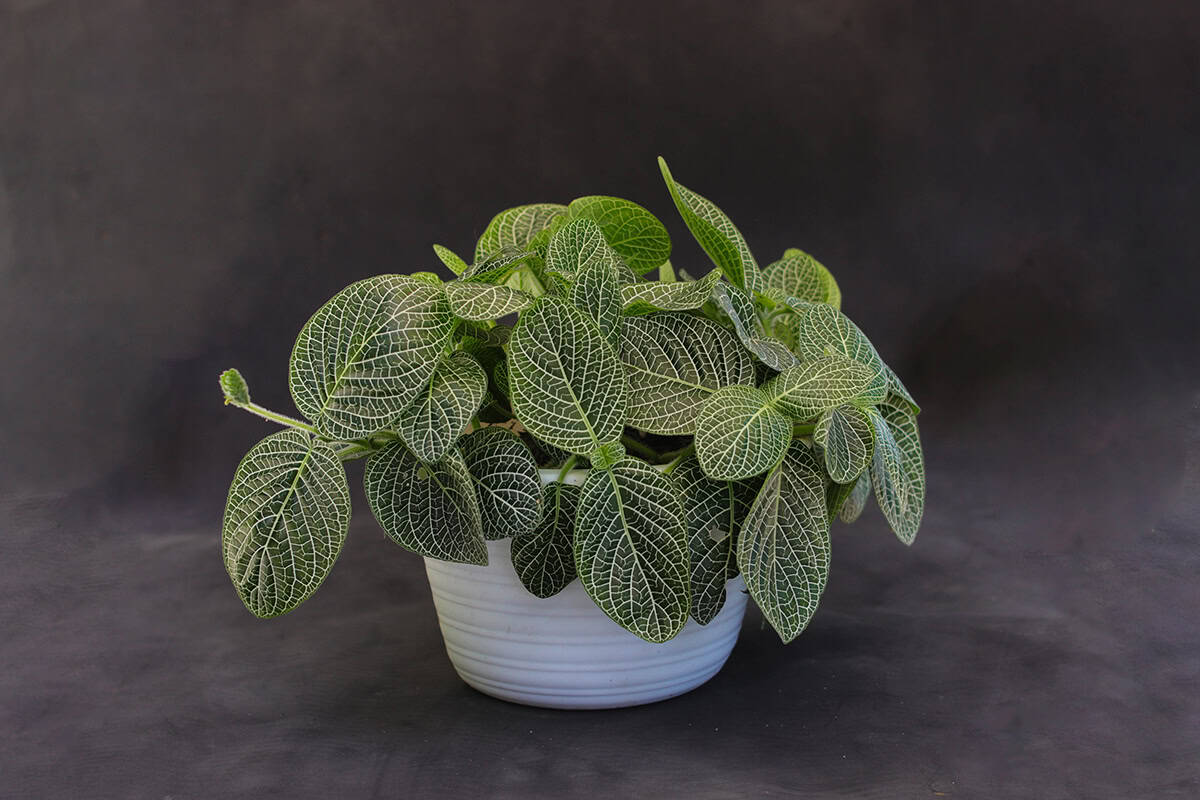
The nerve plant stands out for those crisp veins and compact, bushy growth. If you want that pop of color to last, it’s less about luck and more about paying attention. Tiny tweaks in light, moisture, and air make all the difference.
You’ll get the best from a nerve plant by giving it bright, indirect light, keeping the soil evenly moist, and making sure the air’s warm and humid. Miss one of those and the leaves flop in no time. Nail them, and you’re rewarded with a dense, vibrant plant.
Here’s how to pick a good spot, set up the right pot, and keep watering and feeding simple. You’ll also find a few quick fixes for the usual problems and some easy ways to shape or multiply your plant.
Table of Contents
Nerve Plant Care Basics
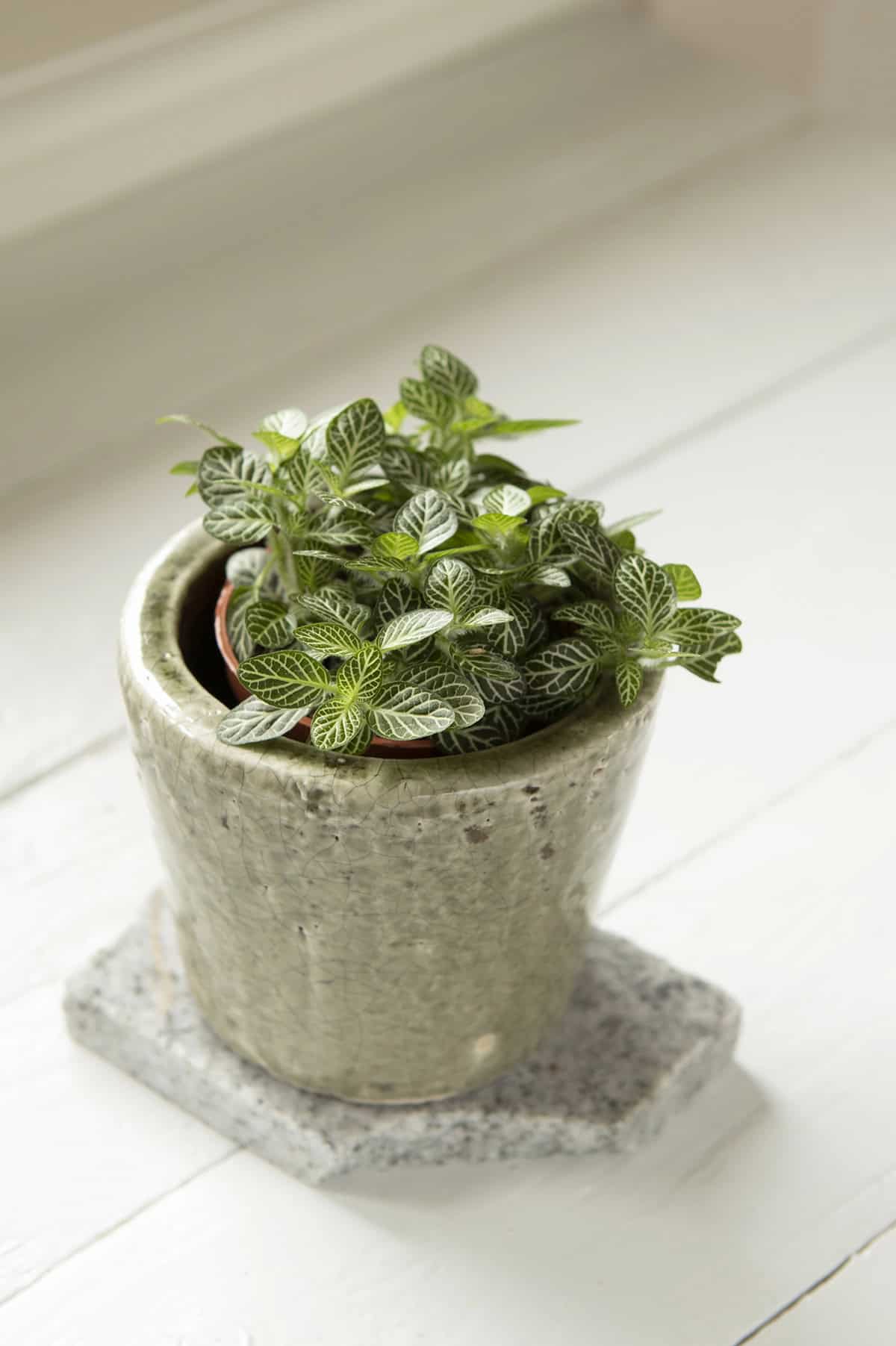
Bright color and that tidy look depend on steady light, careful watering, and decent humidity. Grown indoors, it stays low and spreads out, which honestly is perfect if you don’t want a plant taking over your desk or shelf.
What It Needs to Stay Colorful
You want those veins to stay bold? Park your plant in bright, indirect light. Direct sun is a quick way to get faded veins and crispy leaves. Low light just makes it look washed out and thin.
Keep the soil moist but not soaking. Let the top dry out just a bit before watering again. If you let it dry out too long, expect limp leaves—sometimes in just a few hours.
Humidity is actually more important than feeding. Aim for moderate to high humidity indoors, especially when the heat’s on in winter. This plant likes things steady—no wild swings in temperature.
What to Expect (Growth Habit + Pace)
This isn’t a plant you grow for height. It’s all about the leaves, spreading out in a mat with short, stubby stems. Most top out around eight inches but can get wider than they are tall.
Growth is on the slow side, especially indoors. If you’re consistent, it stays nice and compact. But if the light’s off or the air gets too dry, it’ll reach and stretch.
You might see tiny flowers, but honestly, they’re nothing to write home about. Snip the tips now and then to keep it bushy. If you keep up with care, it’ll hold its shape for years.
Best Spot Indoors
Pick a spot with steady light and not much in the way of temperature swings. That’s how you keep the color sharp and avoid issues like fading or curled leaves.
Light Level for Strong Leaf Color
Bright, indirect light is your friend here. An east window with a sheer curtain is a sweet spot. Direct sun will scorch it fast—think pale, crispy patches in just a few days.
It’ll survive in medium light, but it’ll slow down and lose that punchy color. Low light leads to floppy, stretched stems. Give the pot a turn every week or so for even growth.
If you’re short on window space, a grow light does the trick. Keep the plant about a foot or so below, and run it for 10–12 hours a day.
Temperature and Draft Rules
Try to keep things between 65°F and 75°F. Drop below 60°F and you’ll see leaves fall off and slow bouncing back. Don’t put it near doors that open in winter.
Drafts and blasts from vents are just as bad as cold. Even short bursts from heaters or AC can crisp up the leaves. Bedrooms and offices are usually safe bets. Kitchens, with all their heat and dry air, aren’t ideal.
Soil + Pot Setup
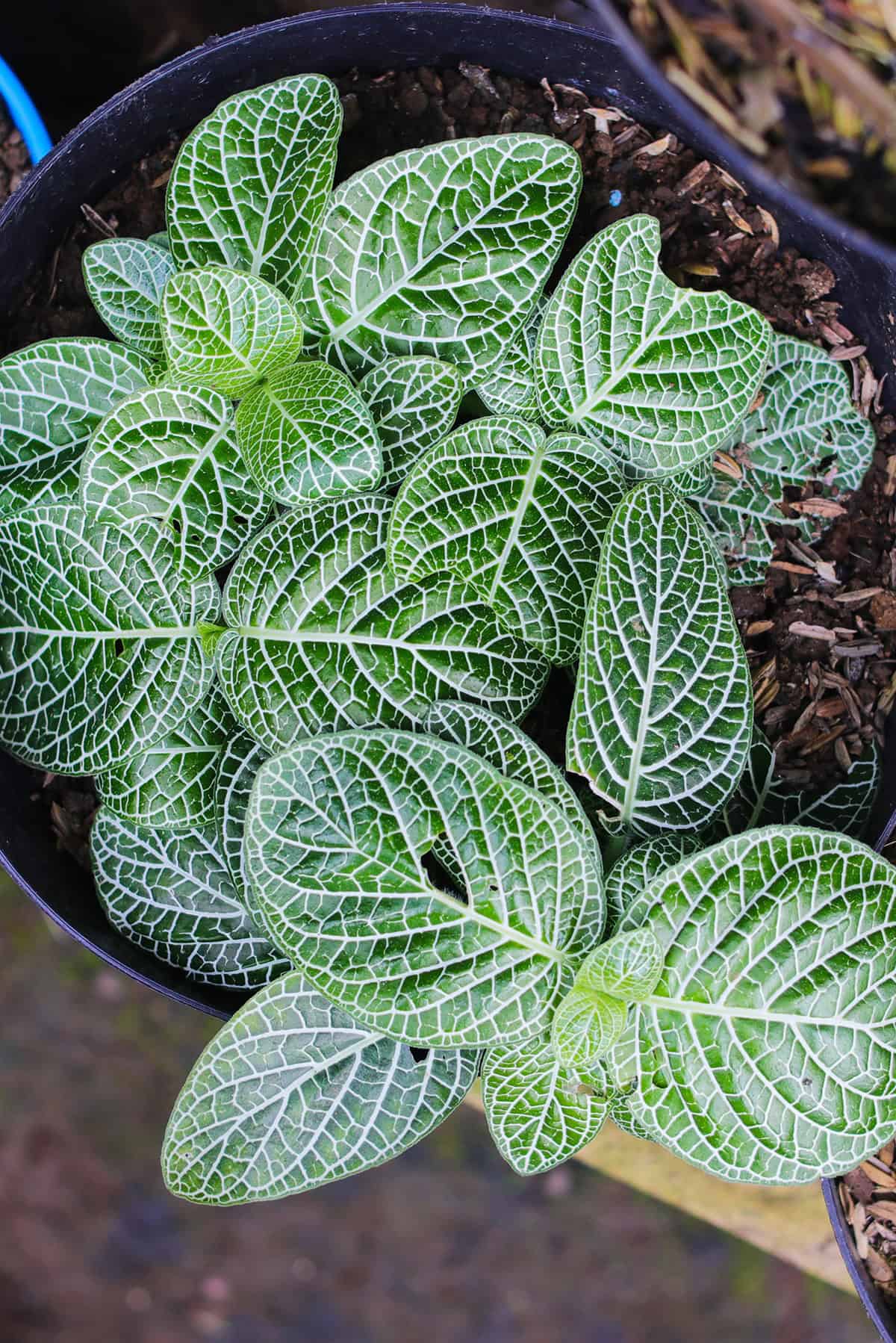
Roots like things moist but airy. You want a setup that holds water without getting soggy, and lets those shallow roots breathe.
Soil Mix That Stays Lightly Moist
Go for a loose potting mix that holds moisture yet drains quickly. Regular indoor potting soil is fine if you lighten it up—add a scoop of fine bark, coco coir, or perlite.
The mix should never get bone dry, but you don’t want it swampy either. When you press it, it should feel soft, not packed or sticky.
Skip garden soil or heavy outdoor blends—they choke off the roots. Stick with a light, organic indoor mix for steady moisture and healthy growth.
Pot Choice and Drainage
Don’t go overboard with pot size. Bigger isn’t better—too much extra soil just stays wet and risks rot. A pot an inch or two wider than the root ball is enough.
Drainage holes are non-negotiable. Water should run out the bottom quickly after watering. If you love a pot with no holes, use it as a cover and keep the plant in a plastic nursery pot inside.
Shallow pots work great because the roots spread out more than down. Plastic keeps things moist longer, while terracotta dries out faster. Choose based on how often you want to water and how dry your place gets.
Watering Rules
This one’s fussy about moisture and will let you know if you mess up. Quick checks and being a bit reactive go a long way.
When to Water (Simple Check)
Skip the calendar and use your finger. If the top half inch of soil is dry, water until you see it come out the bottom. Underneath should still feel cool and a bit damp.
How often? Depends on light, heat, and pot size. More sun or a warm room means more frequent checks. Smaller pots dry out faster.
Stick with room-temperature water. Cold water can shock the roots. If your tap water leaves white crusts, filtered or soft water is better.
Why It “Faints” and How to Fix It Fast
Leaves drooping suddenly? It’s almost always dry soil, not some disease. The leaves flop fast because they lose pressure inside their cells. It’s dramatic, but not fatal.
Water right away and soak the roots. Usually, the leaves perk up in a few hours. Don’t fertilize while it’s bouncing back.
If this keeps happening, the plant weakens over time. Keep the soil evenly moist and the air humid to avoid the drama.
Overwatering Signs to Watch For
Too much water is sneakier. Watch for pale or yellowing leaves that drop off. If the stems near the soil feel mushy, you’ve got a problem.
Constantly wet soil suffocates roots and leads to rot. This is worse in pots with no drainage.
Ease up on watering at the first sign of trouble. Let the top dry a bit before the next round. If water just sits on top, you might need to swap out the soil.
Humidity (The Secret to Happy Fittonia)
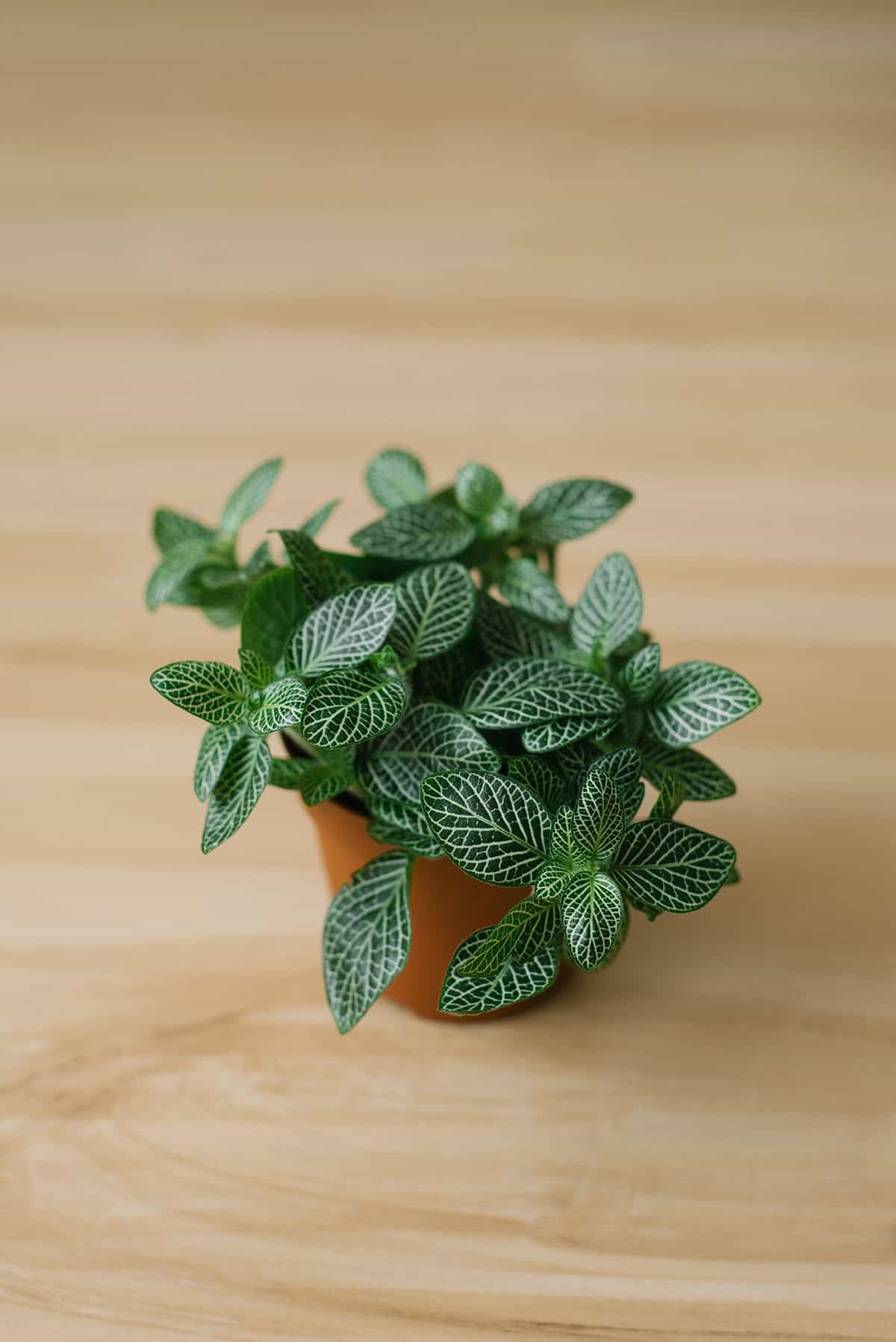
Damp air keeps nerve plants perky and avoids those dramatic leaf collapses. The sweet spot? 50 to 70 percent humidity, steady as you can manage.
Easy Ways to Raise Humidity
Dry air curls the leaves and stunts growth. A small humidifier is the easiest fix—just don’t aim it right at the plant. You can also use a tray with water and pebbles under the pot, but keep the pot above the water line.
Grouping plants together helps, since they share moisture. A quick mist now and then doesn’t hurt, but it won’t fix dry air for long.
Terrarium vs. Open-Air Growing
Fittonia loves a terrarium—steady moisture, less watering, and good light without direct sun. Just remember to crack it open occasionally for fresh air, or you’ll risk mold.
If your home’s humid, you can grow it out in the open. You’ll just need to keep a closer eye on moisture and react fast if things dry out. Terrariums are lower maintenance, but open-air is easier to reach and clean.
Feeding
Nerve plants don’t need much feeding—steady and light is better than dumping on the fertilizer. You’ll get better leaves and less fuss this way.
Simple Fertilizer Schedule
Pick a balanced liquid fertilizer (10-10-10 or 20-20-20 is fine). Dilute it to half strength—full strength is overkill. Every four to six weeks in spring and summer is enough.
Water before you feed, so the roots don’t burn. Pour slowly so it reaches the lower soil.
Don’t be tempted to feed more often. These guys grow slow and don’t need much. Too much fertilizer actually weakens them and dulls the color.
Flush the pot with plain water every few months to clear out any salt buildup. That keeps roots happier.
When to Pause Feeding
Hold off on fertilizer in fall and winter—growth slows, so there’s less need for extra nutrients. Feeding now just risks salt buildup.
If you just repotted, skip the fertilizer for a bit. Fresh soil has plenty of nutrients to start. Wait for new leaves before starting again.
If you see curling, fading, or browning edges, lay off the feeding. That’s often too much food, not too little. Rinse with plain water and go lighter once things look better.
Pruning + Shaping
Snipping here and there keeps your nerve plant bushy and balanced. Pinching the tips is usually all it takes, and trimming out the weak stuff helps too.
How to Pinch for a Fuller Plant
For a fuller look, pinch the soft tips just above a leaf node when a stem gets ahead of the rest. That’ll push out two new shoots instead of one.
You can use your fingers or scissors—just make sure they’re clean. Focus on the fresh, green growth. Every couple weeks during the growing season is plenty.
Don’t go overboard in one go. Take a little from a few spots, not a lot from one. That way, the plant doesn’t get stressed or scraggly.
Cleanup and Trimming Tips
Pull off yellowed leaves and thin, weak stems when you spot them. They’re not helping and can just trap moisture and invite problems. Clean cuts help keep things tidy.
If stems are sticking out or crossing, trim them just above a node to keep the shape rounded. Try not to take off more than a third at a time. Wipe your tools before and after.
Propagation
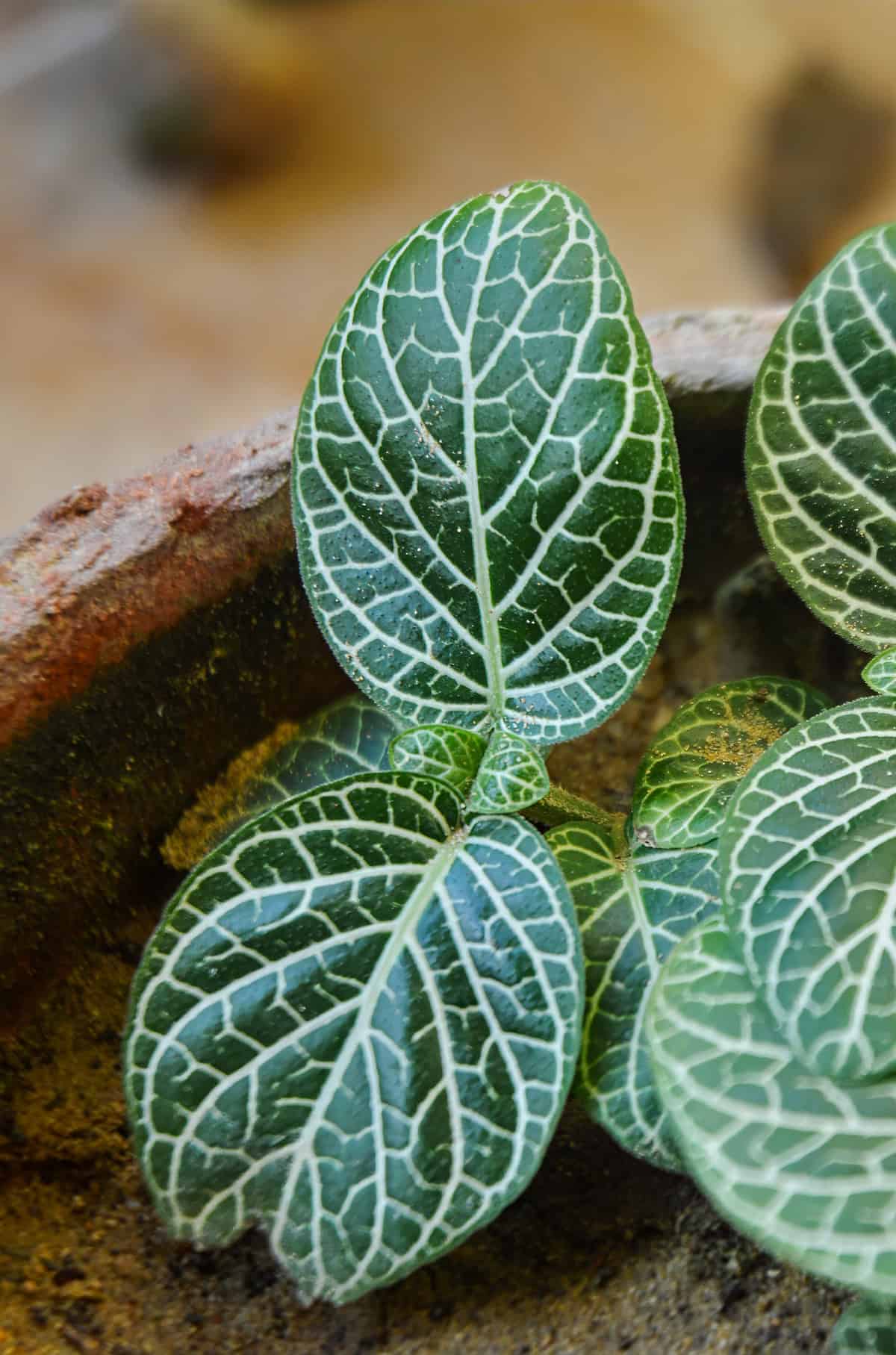
It’s easy to make more nerve plants from cuttings—they root fast if it’s warm and humid. Water rooting lets you watch the roots, but soil is easier for moving them to pots later.
Water Propagation Steps
Pick a healthy stem with good leaves. Cut just below a node with clean scissors.
Stick the cutting in a clear glass of room-temp water, keeping the leaves above the line. Bright, indirect light and warmth help a lot.
Change the water every couple days. Roots show up in a week or two. Once they’re about an inch long, pot them up in moist soil.
Soil Propagation Steps
Pick a stem with at least two leaves and a node. Cut clean, strip off the lowest leaves.
Plant it in a small pot with moist, well-draining soil. Firm it in so it stands up. Water so the mix is damp, not soggy.
Cover loosely with plastic to bump up the humidity. Indirect light and steady temps help roots form in two to three weeks—new leaves follow soon after.
Common Problems and Fixes
Most issues come down to water, light, or the occasional pest. If you catch problems early, a quick tweak usually brings the color and growth right back.
Crispy Edges and Dull Color
Dry air or uneven watering can leave leaf edges crispy and colors looking a bit faded. This one’s picky about both soil and air moisture—veins stay bold and leaves feel soft only when humidity’s just right. Indoors, low humidity is usually the culprit.
Try moving the pot away from heaters or breezy spots. A humidifier helps, but honestly, even a tray of water nearby can make a difference. Keep the soil evenly damp—don’t let it go bone dry, but skip the swampy mess too.
Lighting’s a factor, too. Bright, indirect light is the sweet spot for intense color. Direct sun? That’ll just bleach the leaves and crisp up the edges. Sometimes it’s not about watering more, just finding a better spot.
Yellow Leaves and Soggy Stems
If you spot yellowing leaves and mushy stems, odds are the roots are drowning. Too much water or a pot that doesn’t drain well—either one chokes out the oxygen roots need. You’ll usually notice it starting at the base.
Check for drainage holes, and don’t let water sit in the saucer. Wait until the top inch of soil feels dry before watering again. A chunky, well-draining mix is a must—skip the dense stuff.
Temperature sneaks in here, too. Cooler rooms slow things down and make soggy soil even riskier. Keep it somewhere in the 65 to 75°F range if you can swing it.
Pests (Spider Mites, Mealybugs)
Fine webbing, pale speckles, or those odd cottony clumps? Yep, that’s pest trouble. Spider mites love dry air, and mealybugs seem to hitchhike from plant to plant without a care. Both will drag down your plant’s health and make new leaves struggle.
Honestly, first thing—move the infested plant away from the rest. Wipe the leaves down with a damp cloth; it’s tedious but oddly satisfying. Insecticidal soap or neem oil? Stick to a routine, or you’ll just be chasing your tail as new pests hatch.
Keeping humidity up can make a difference, though it’s not a cure-all. Give the leaves a rinse every couple weeks to keep things fresh. Might want to peek into stems and leaf joints—pests are annoyingly good at hide and seek.