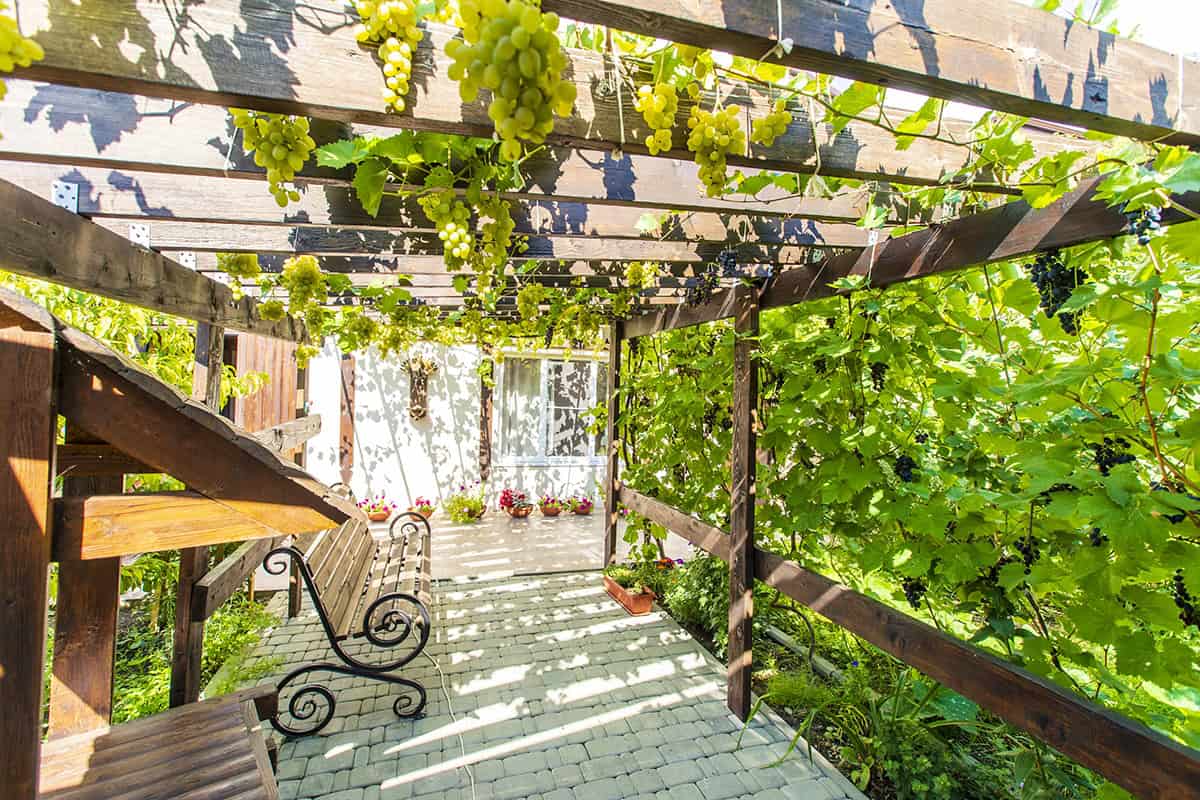
If your pergola still looks like bare wood beams against the sky, you’re missing the best part. Climbing plants are what make it feel finished — soft, romantic, alive. Let’s talk about the 20 best climbing plants that will completely transform your pergola and arbor.
Table of Contents
- Best Climbing Plants For Your Pergola And Arbor
- Wisteria
- Climbing Roses
- Clematis
- Bougainvillea
- Honeysuckle
- Jasmine (Star Jasmine, Winter Jasmine, etc.)
- Trumpet Vine
- Passionflower (Passiflora)
- Grape Vines
- Sweet Pea
- Morning Glory
- Black-eyed Susan Vine (Thunbergia alata)
- Potato Vine (Solanum jasminoides)
- Kiwi Vine (Actinidia)
- Climbing Hydrangea
- Bower Vine (Pandorea jasminoides)
- Coral Vine (Antigonon leptopus)
- Chocolate Vine (Akebia quinata)
- Golden Hop (Humulus lupulus)
- Moonflower (Ipomoea alba)
Best Climbing Plants For Your Pergola And Arbor
Sifting through the world of climbing plants, you’ll find options for every mood: fragrant, leafy, edible, or just plain showy. Which one’s right? That depends—your local weather, how much sun your spot gets, and what you want to see overhead all matter.
Wisteria
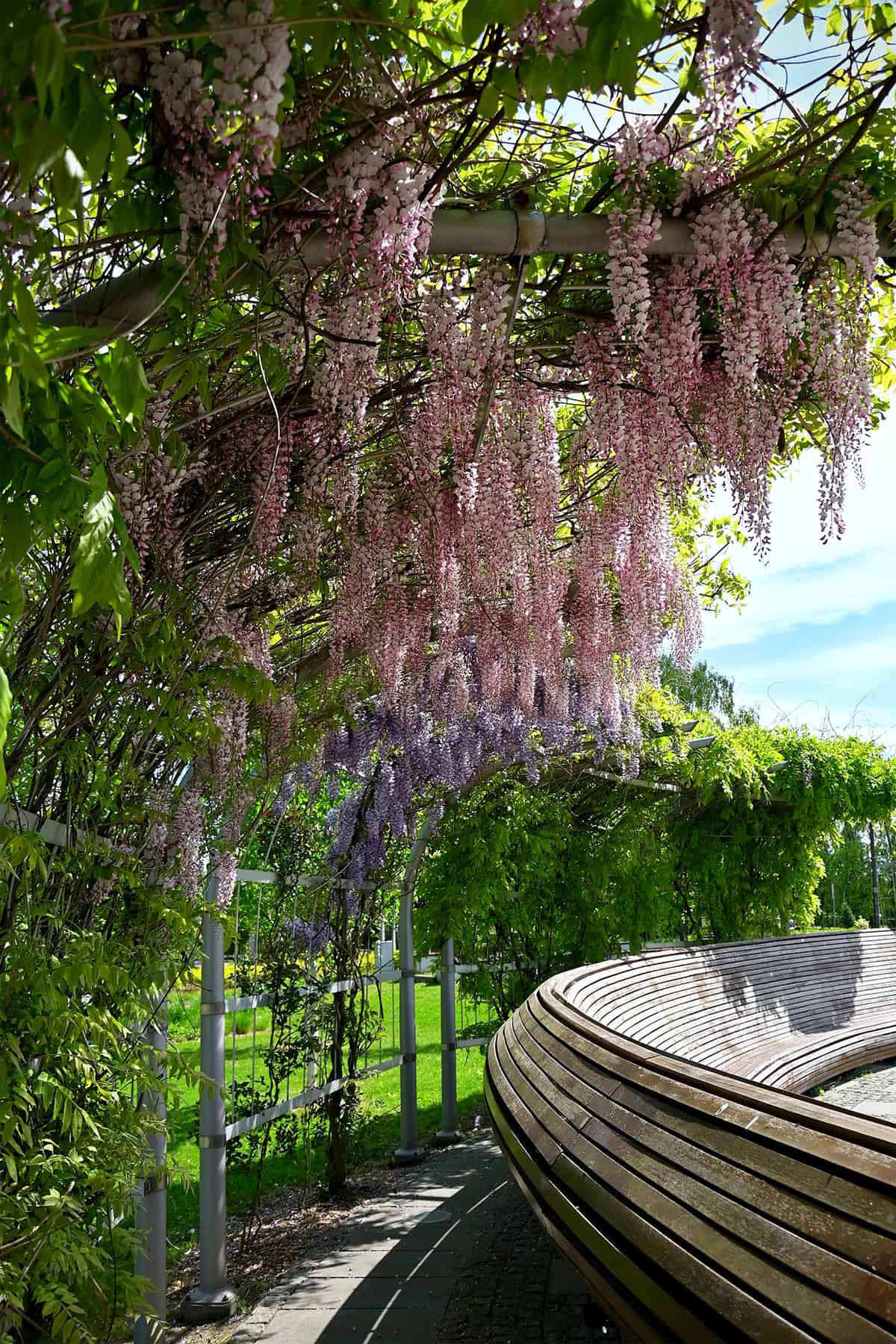
Spring arrives and suddenly, heavy clusters of purple, blue, or white blooms drape from the beams. Full sun coaxes out the best display, and the woody stems get hefty over time—definitely a job for a sturdy structure.
Regular, twice-a-year pruning keeps things from getting out of hand and encourages more flowers. Wisteria likes deep drinks during drought and soil that drains well.
Climbing Roses
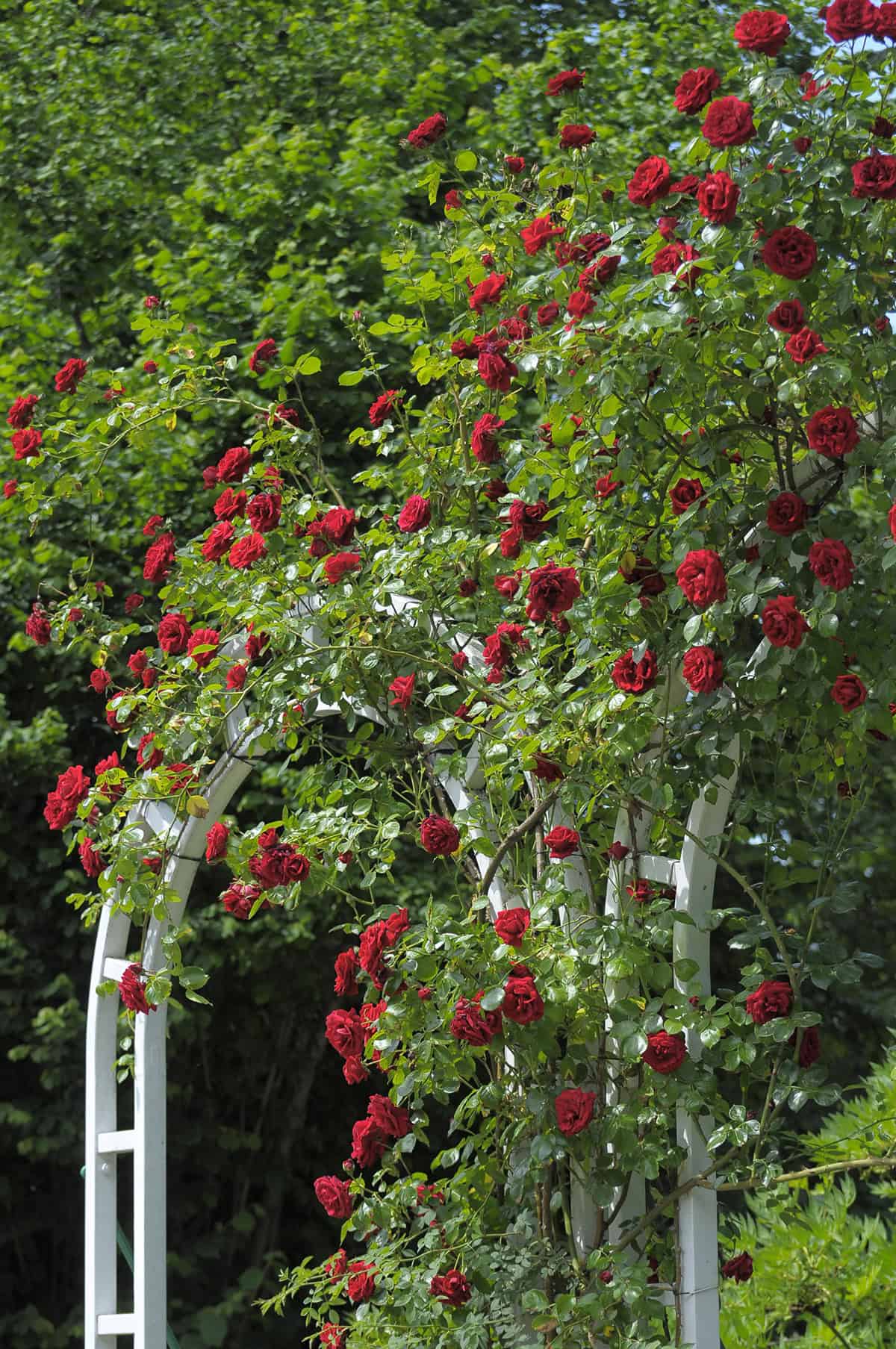
Nothing quite matches the romance of roses weaving through an arbor, sending out waves of scent and color for months. They’ll reward you most in sunny spots.
Guide their canes across the frame, tying gently so the wind can move them. Prune out old wood and shape as needed. Varieties bred for disease resistance make life easier and keep the leaves looking fresh.
Clematis
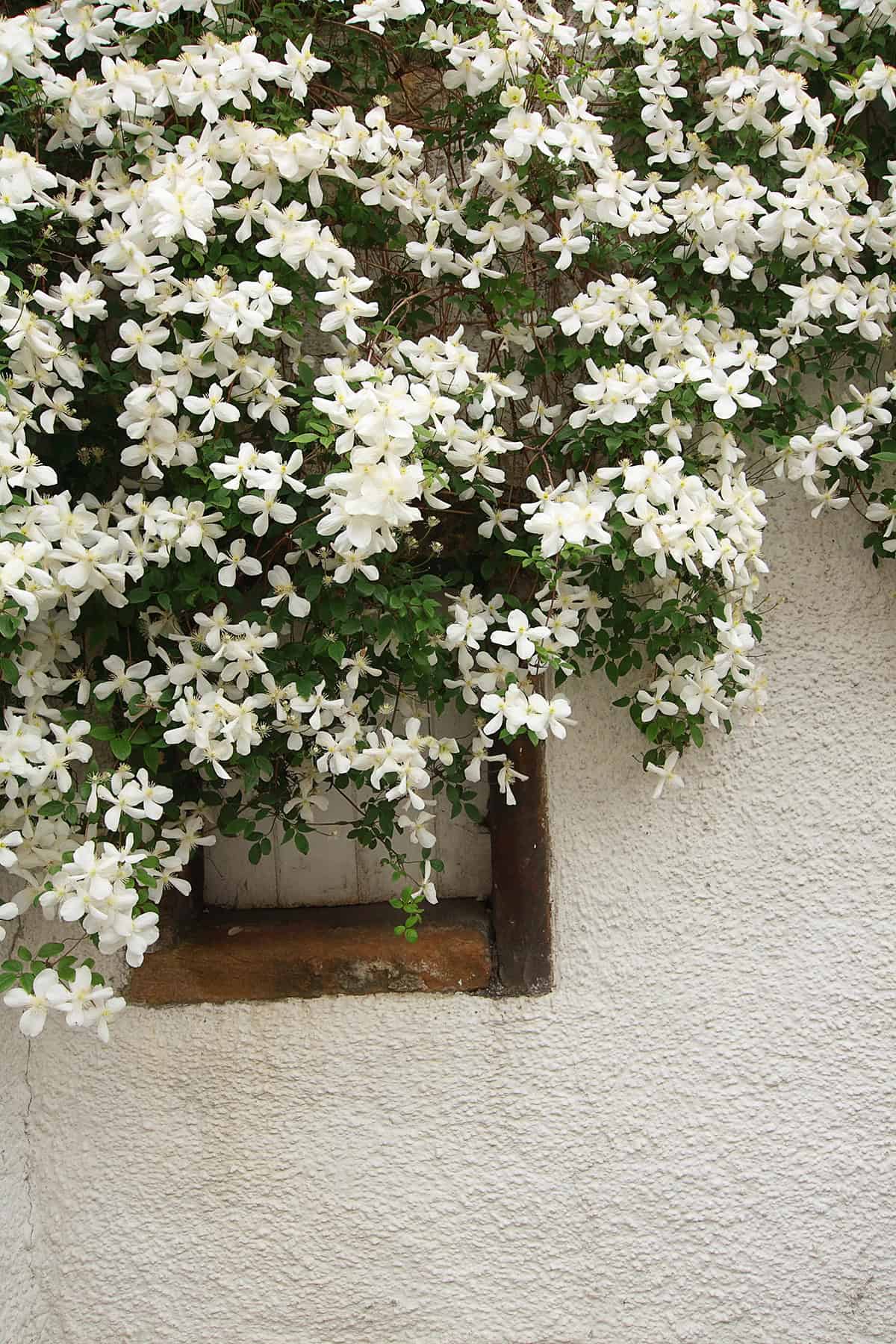
Some days, you want a riot of flowers—clematis delivers, with everything from bold stars to delicate bells. It’s happiest with its head in the sun and feet in the shade.
Mulch or low-growing plants help keep the roots cool. The vining stems need something to grab—wires or a fine trellis work. Pruning is a mixed bag, depending on the type, so check before you snip.
Bougainvillea
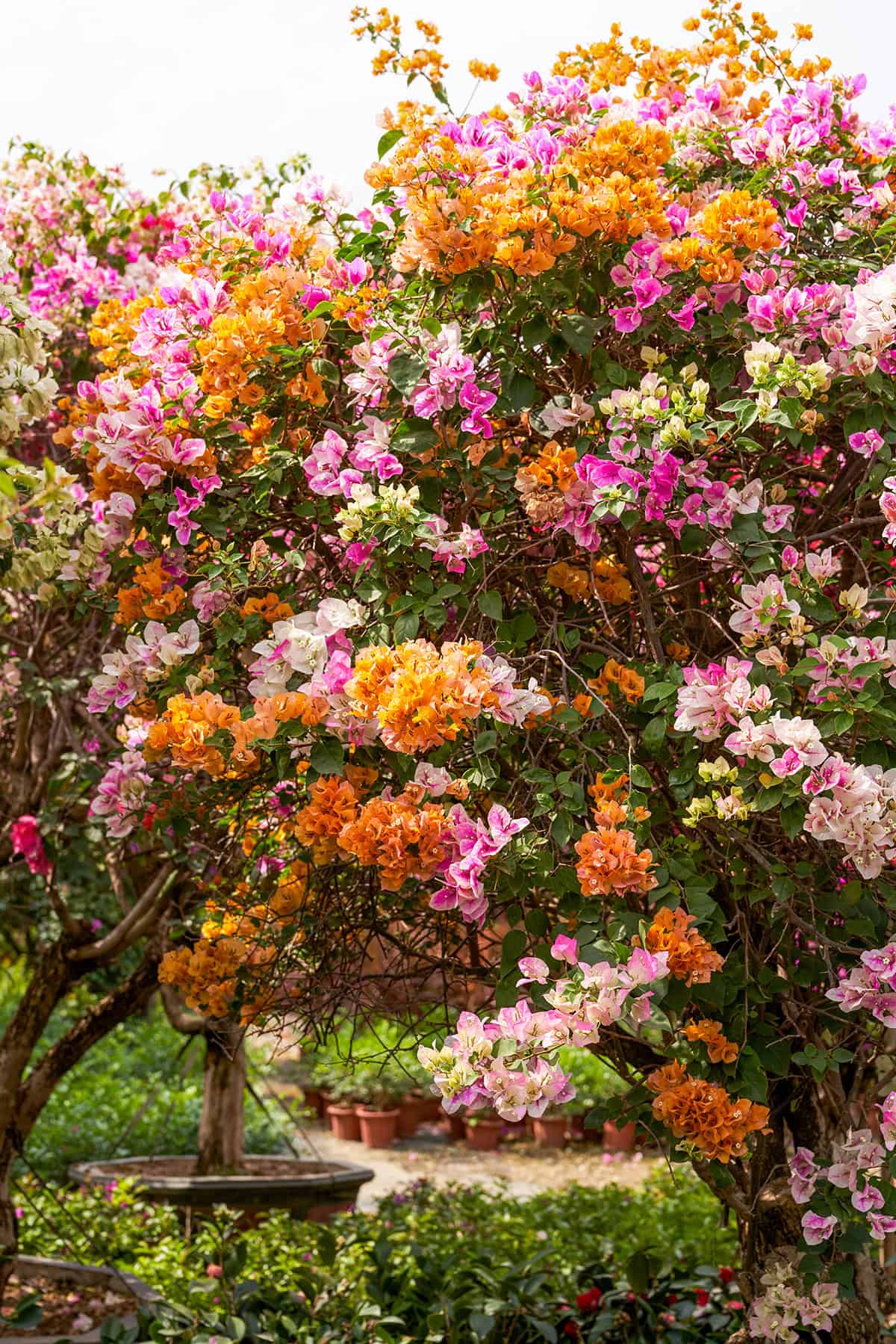
Sun-drenched gardens practically beg for bougainvillea’s neon magenta, orange, or white bracts. It shrugs off heat and barely needs water once settled in, but appreciates a little fertilizer during the growing season.
Guide it up and over beams, but watch those thorns—gloves are a must for pruning.
Honeysuckle
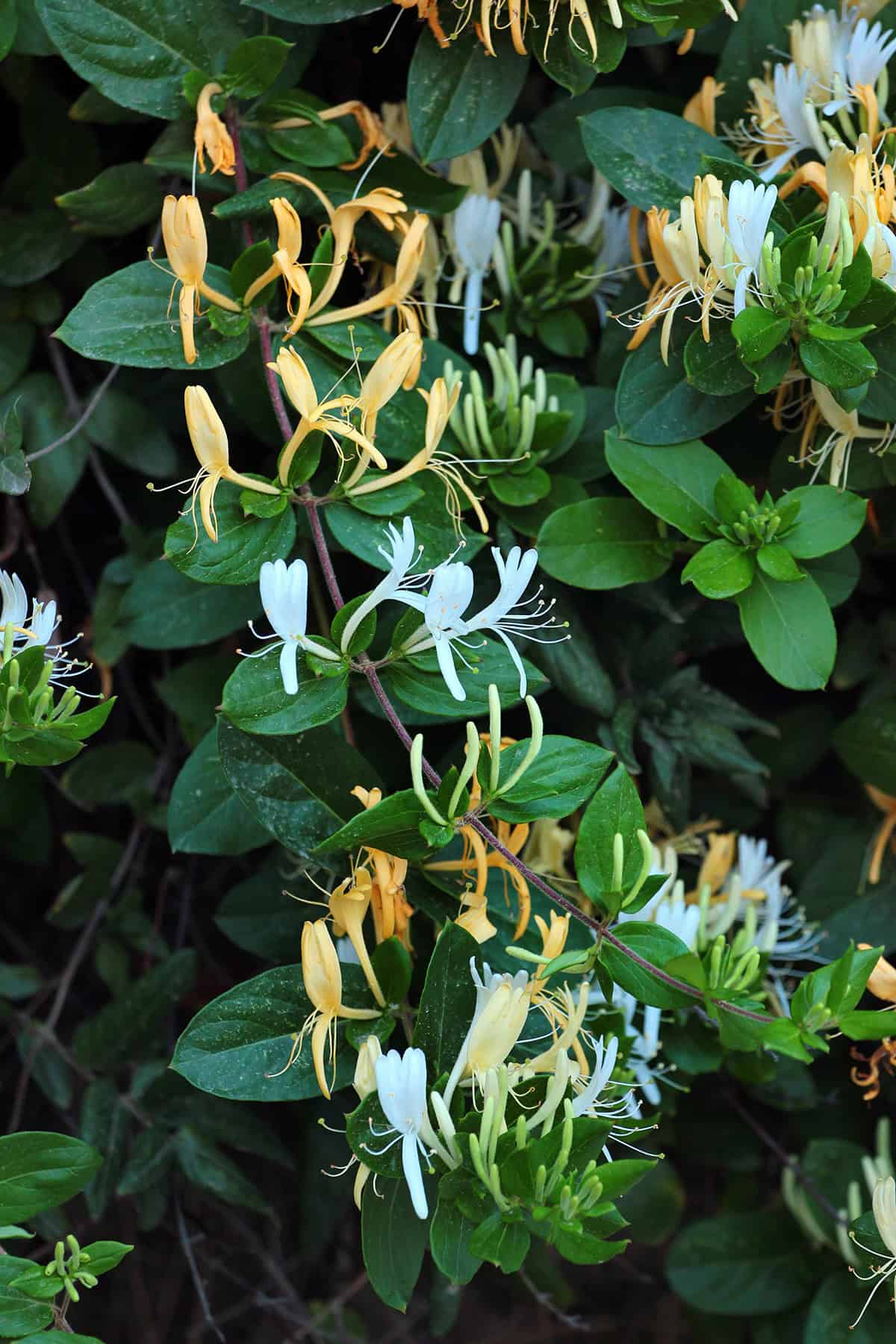
Evenings get a little sweeter with honeysuckle in bloom, drawing hummingbirds and bees with tubular flowers and a heady scent. It’s flexible about sun, growing well in both bright and dappled spots.
Give it a solid support, as it’ll take off in good conditions. Cutting back after flowering keeps things tidy and prevents it from taking over.
Jasmine (Star Jasmine, Winter Jasmine, etc.)
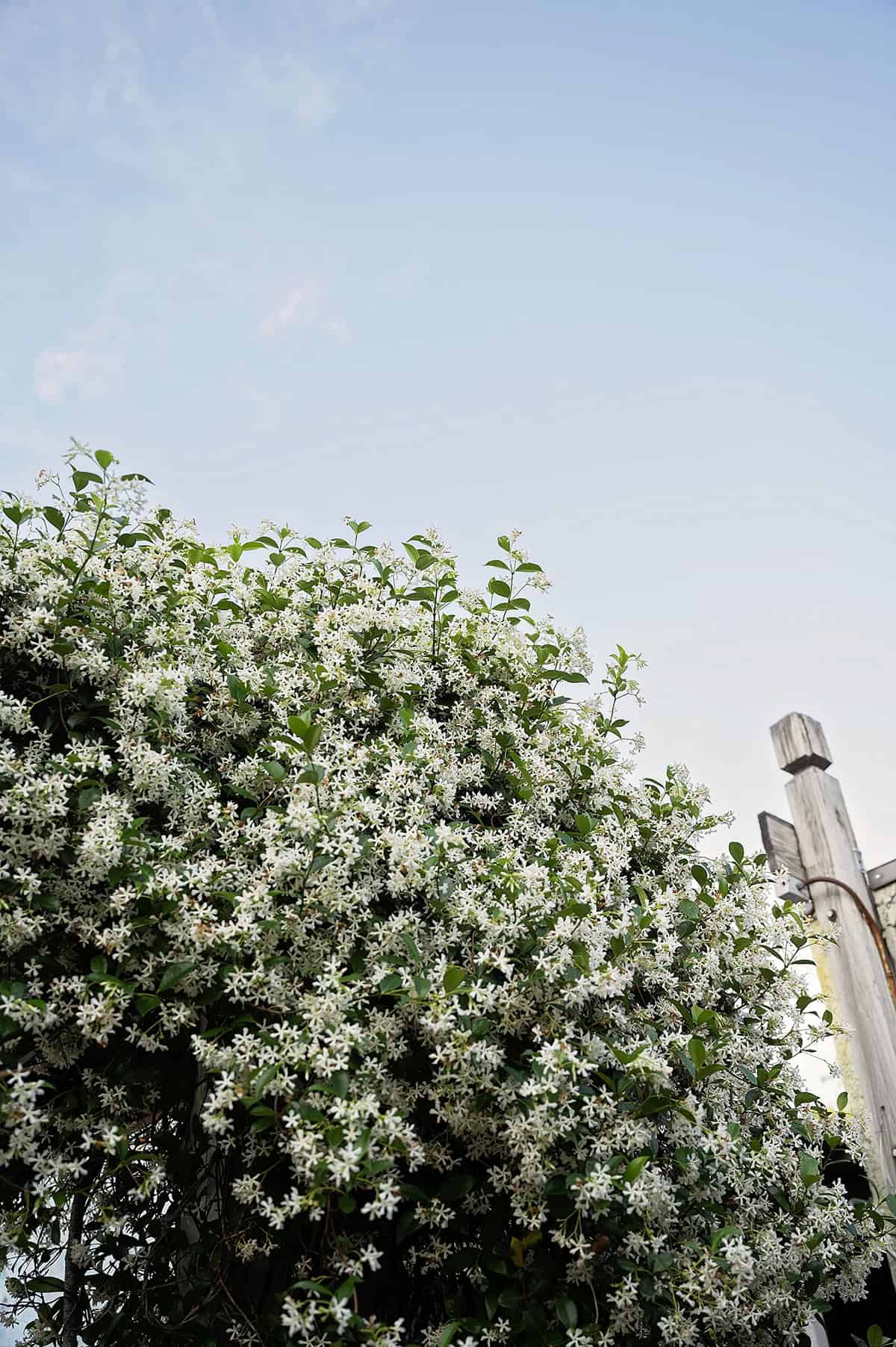
Star jasmine brings a wall of glossy green and white, fragrant blooms through summer, while winter jasmine surprises with yellow flowers in the chillier months.
Both manage in sun or partial shade, and can be coaxed along wires or left to climb. Watering during dry spells helps, and a gentle trim after flowering keeps them in check.
Trumpet Vine
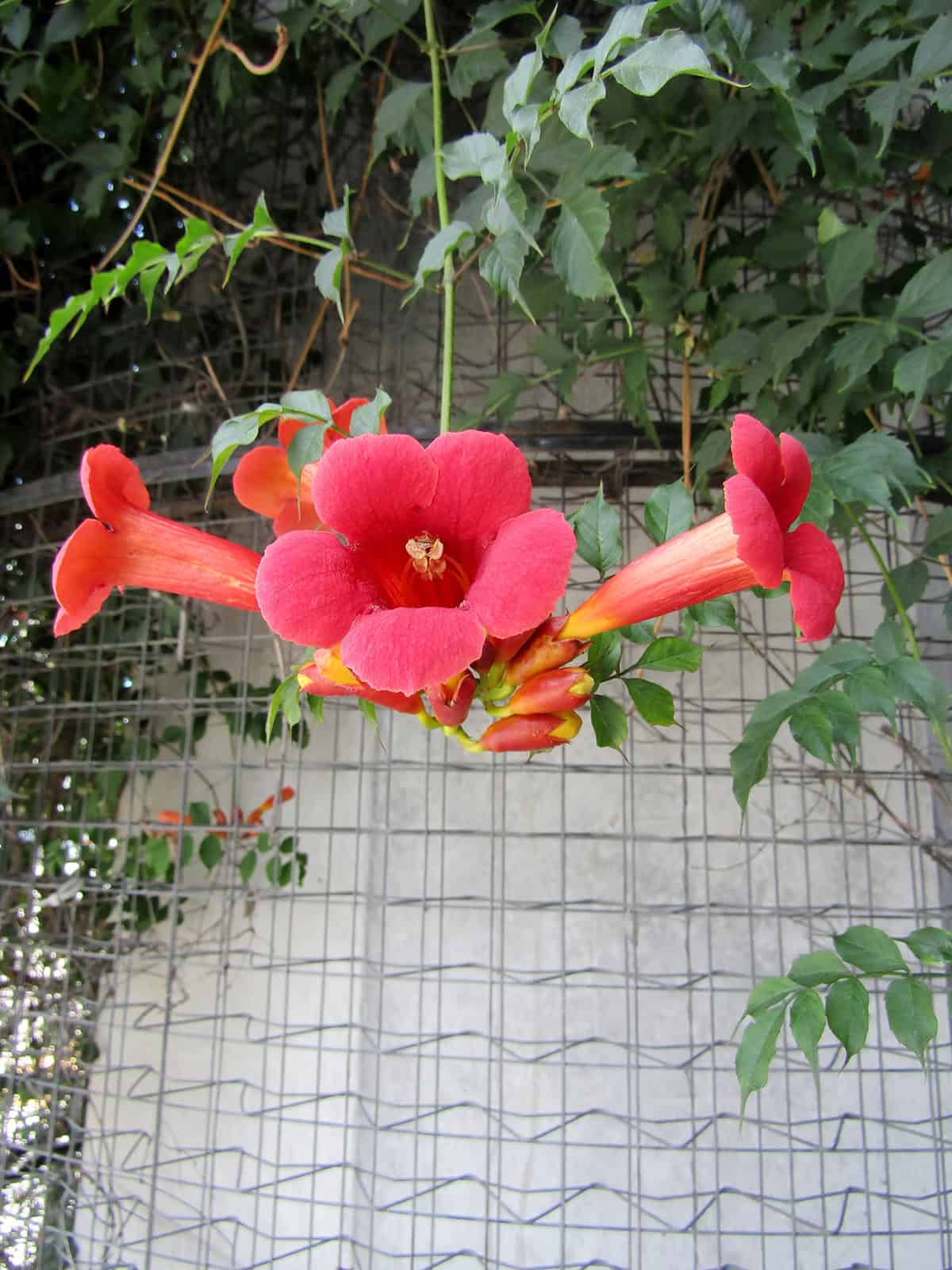
Hot orange or red trumpets lure hummingbirds all summer, but trumpet vine’s enthusiasm can be a mixed blessing. It grows with abandon and can get unruly if ignored.
Plant it where it won’t crowd out neighbors, and be ready with the pruners. It shrugs off poor soil and, once established, handles drought without fuss.
Passionflower (Passiflora)
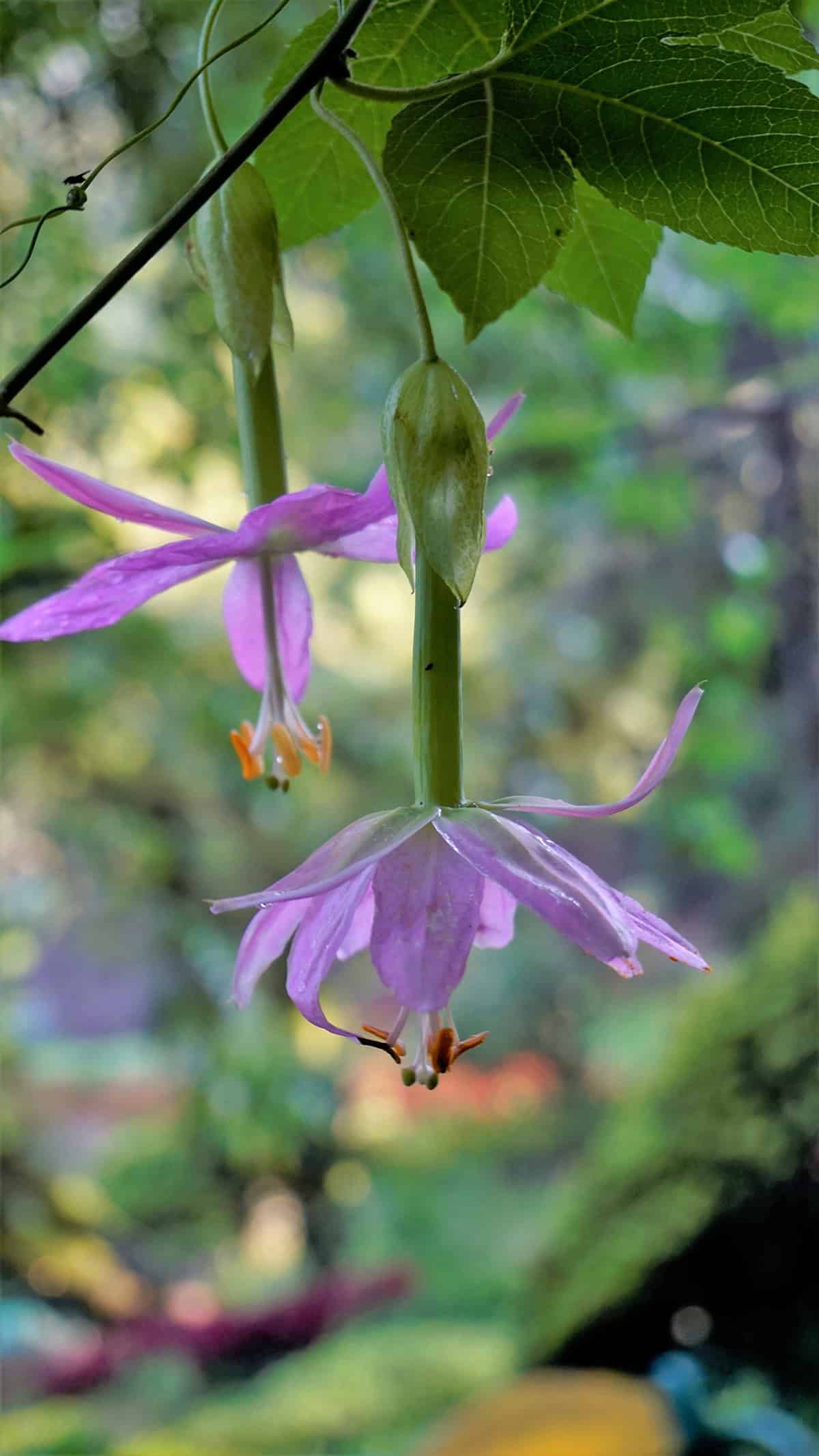
Passionflower feels almost otherworldly with its intricate blooms and, sometimes, edible fruit. Sunlight and good drainage are key.
Tendrils latch onto wires or trellis, and in milder climates, it stays evergreen. Colder winters might knock it back, but it usually returns in spring.
Grape Vines
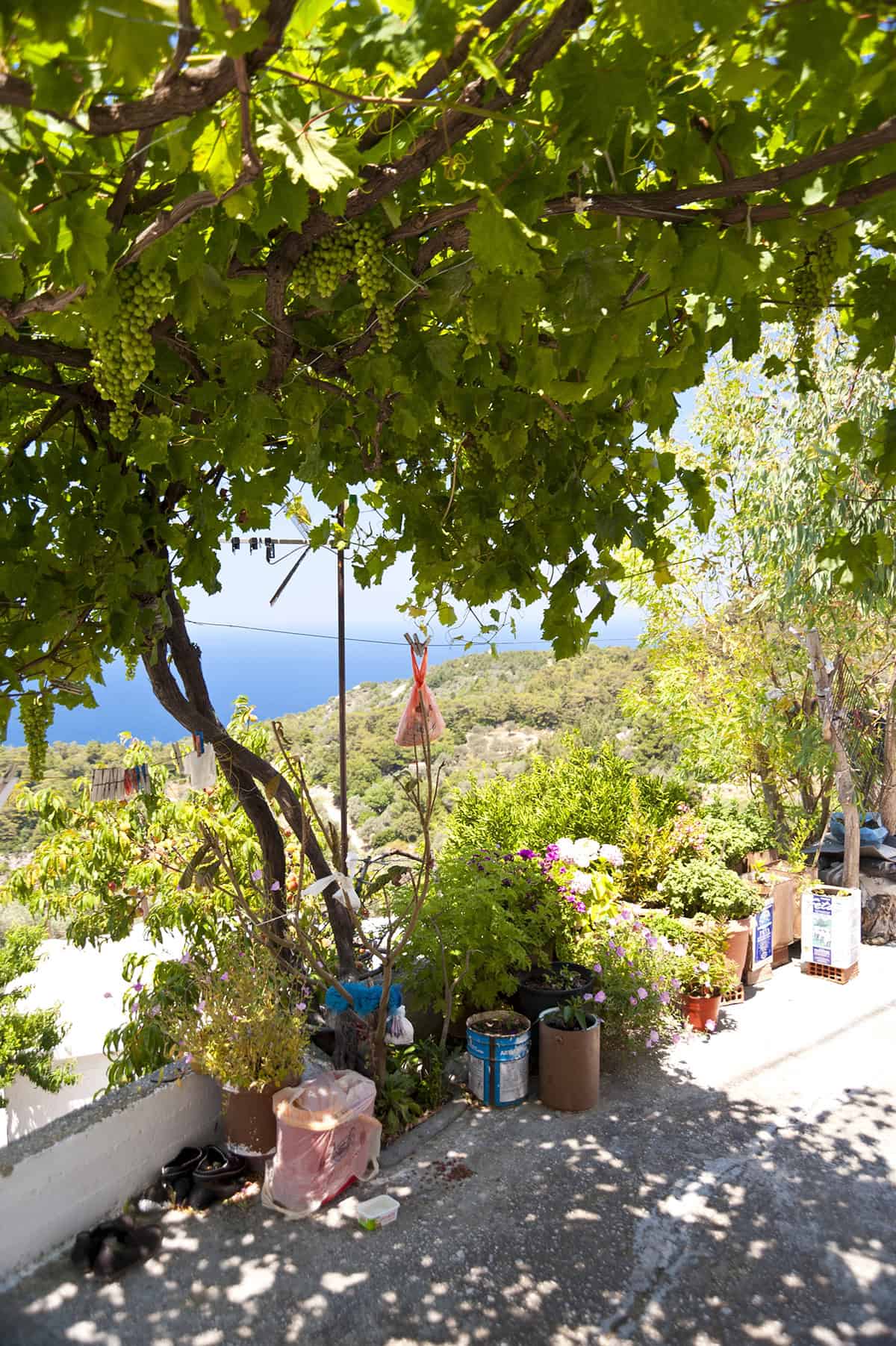
Shade and the promise of fruit—grape vines offer both. They need plenty of sun and air movement for healthy growth.
Winter is pruning time, cutting back hard to encourage fruitful shoots. Train the main stems along the structure, letting side shoots dangle for easy picking.
Sweet Pea
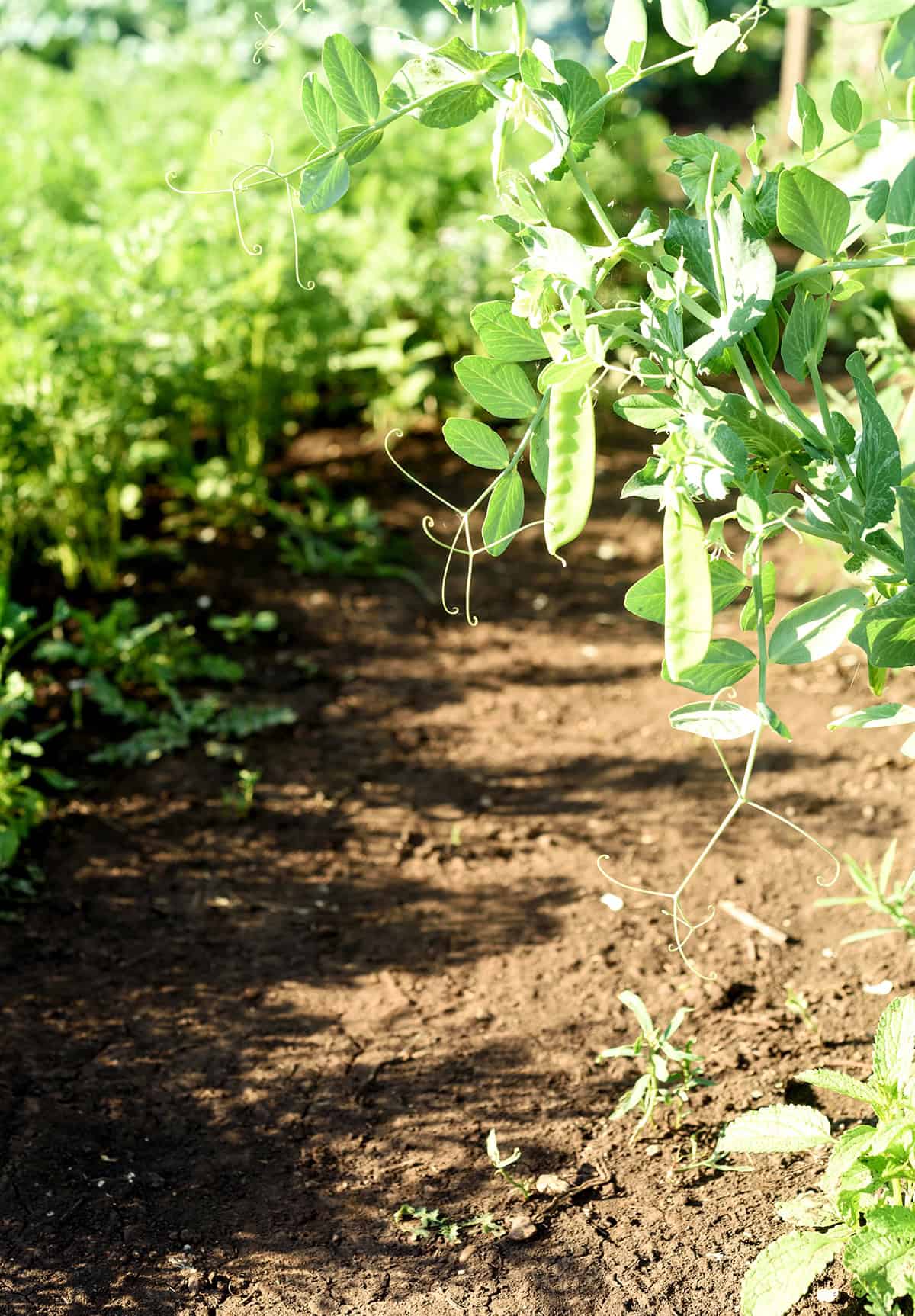
For a burst of fragrance and color, sweet peas are a classic. Cool weather suits them best, so timing is everything—early spring or late summer, depending on where you live.
They’re annuals, so you’ll plant fresh each year. A net or trellis gives their tendrils something to grab, and steady moisture keeps the flowers coming.
Morning Glory
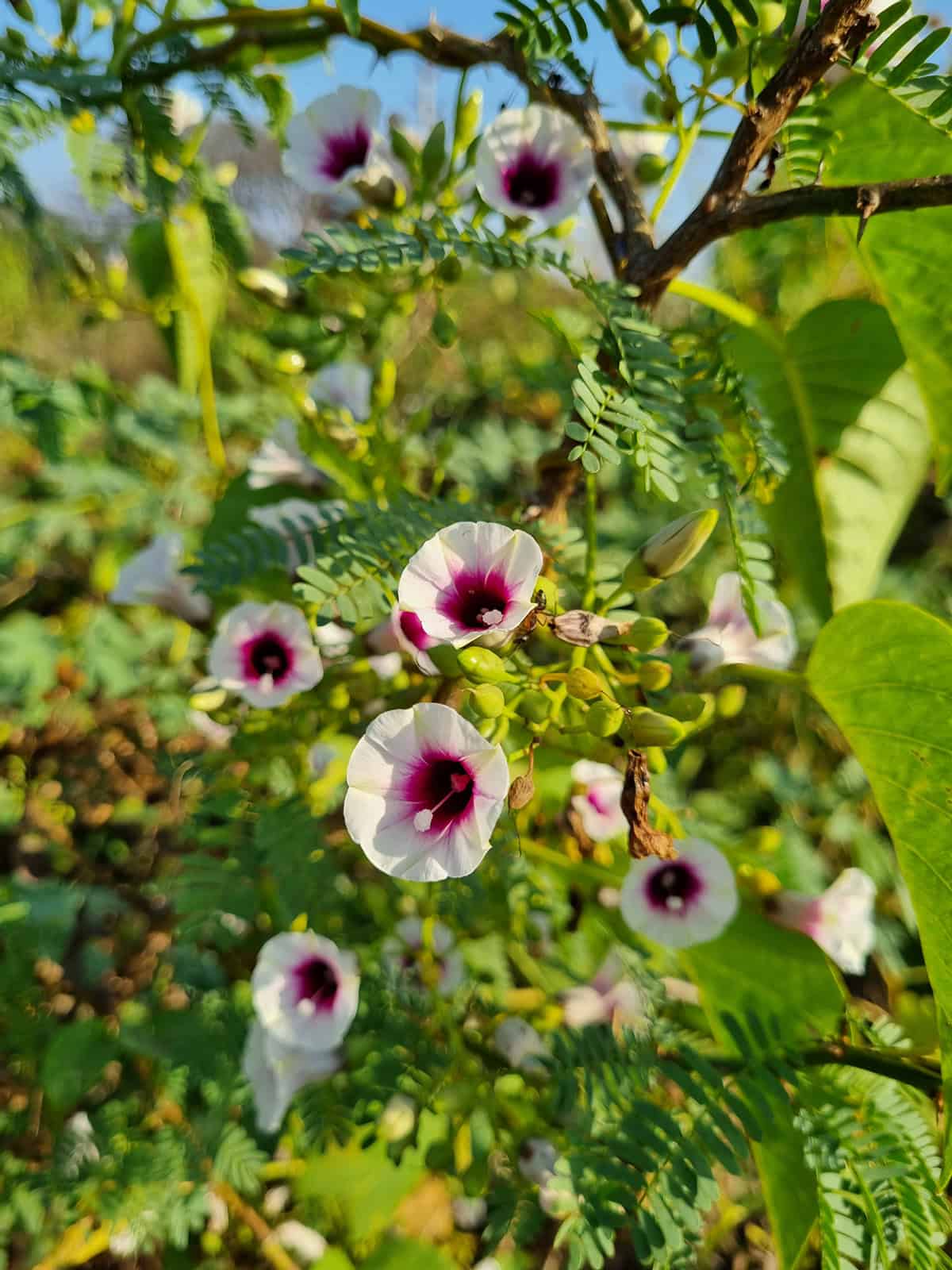
Morning glories shoot up fast and greet the day with a flurry of trumpet-shaped blooms. They’re happiest in full sun and don’t ask for much from the soil.
Direct sowing works well—just watch for self-seeding if you don’t want them everywhere. Pinch off spent flowers to keep things under control.
Black-eyed Susan Vine (Thunbergia alata)
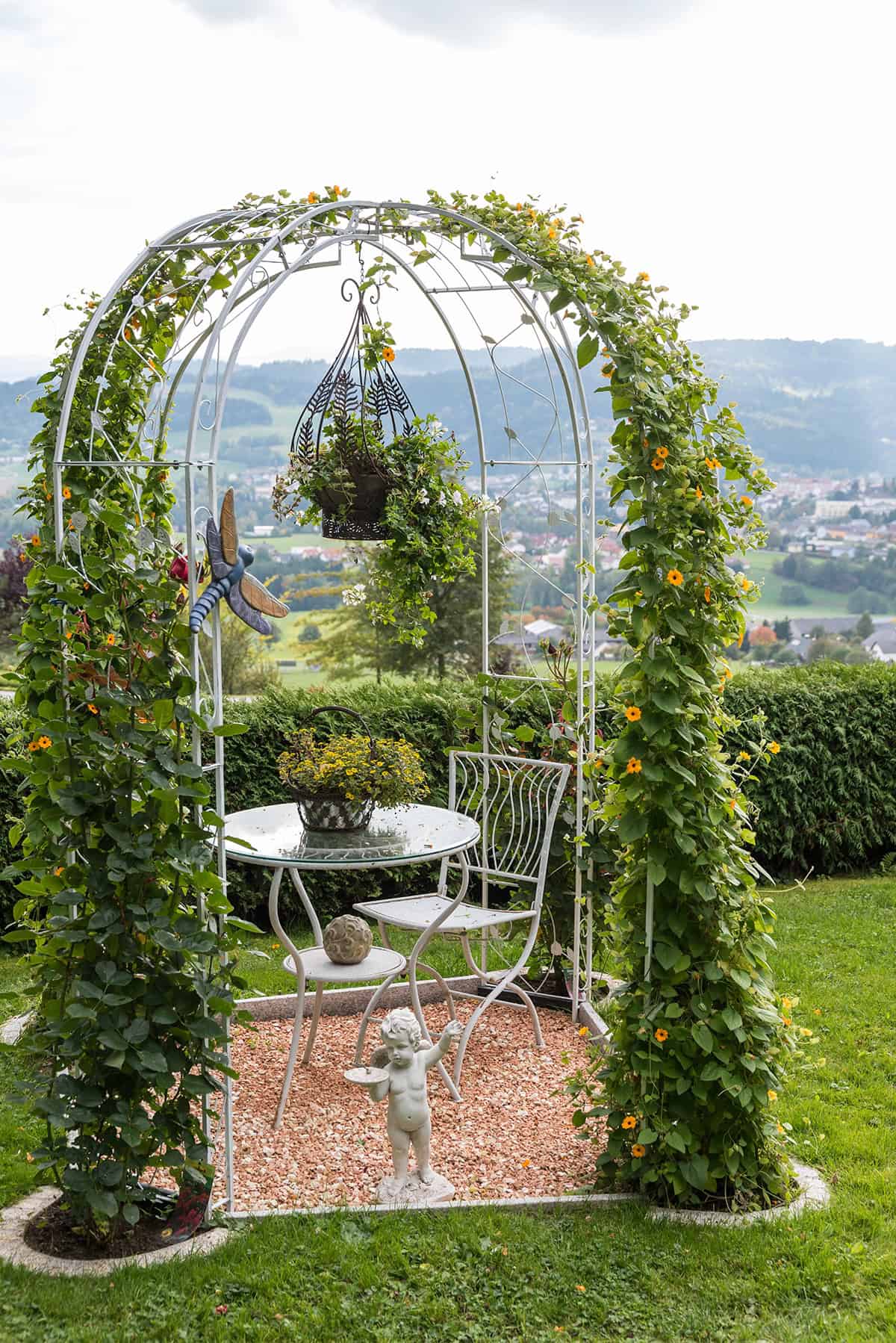
Sunny yellow or orange flowers with dark centers brighten up the scene from midsummer into fall. Full sun and well-drained soil keep them thriving.
Trellis or netting gives them a place to climb, and regular watering helps extend the bloom season.
Potato Vine (Solanum jasminoides)
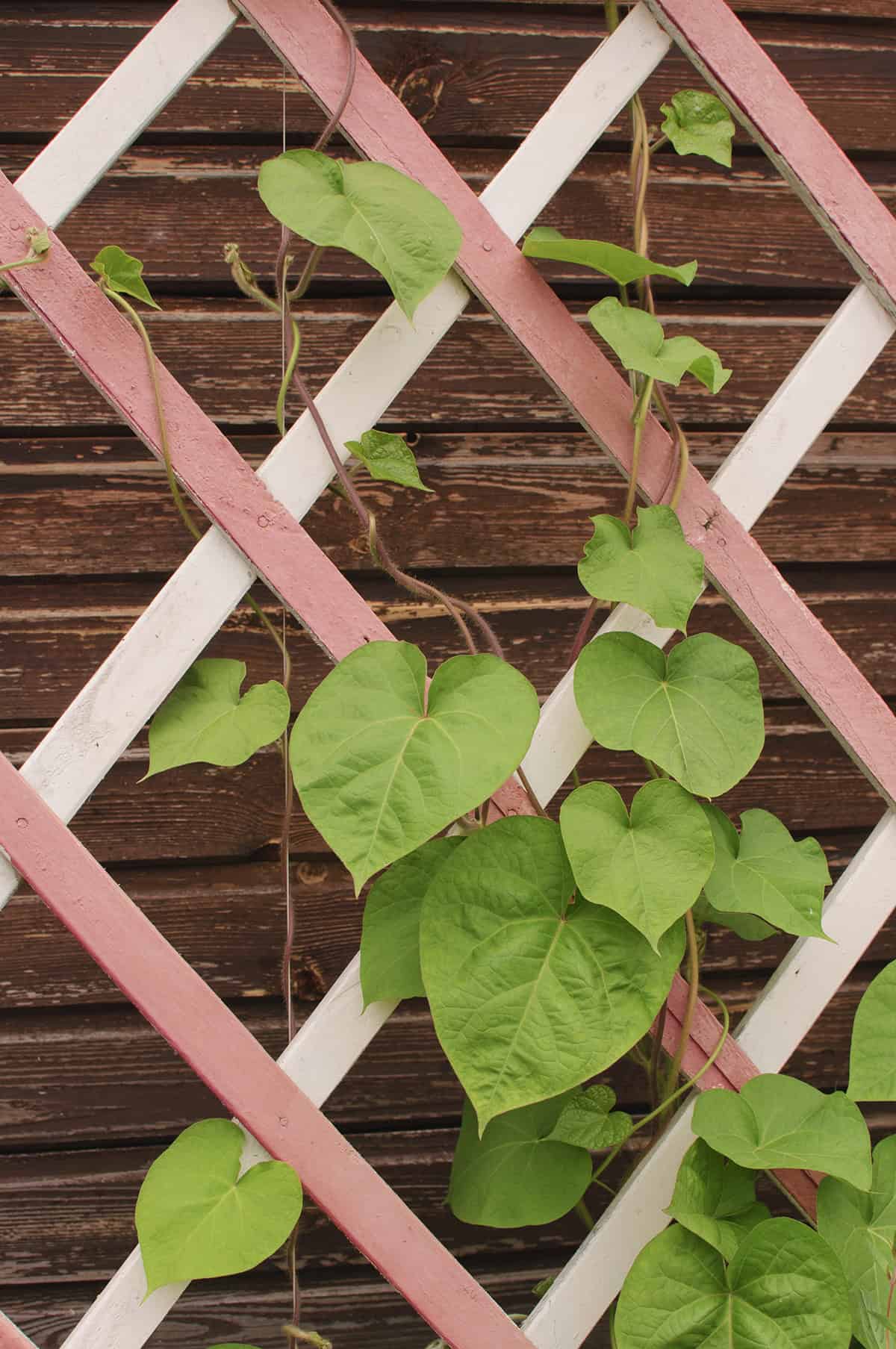
Clusters of small white or pale blue flowers appear quickly in warm spots. Potato vine takes full sun in stride but won’t sulk in a bit of shade.
It can stay evergreen in milder winters. Occasional pruning is enough to shape and manage its size.
Kiwi Vine (Actinidia)
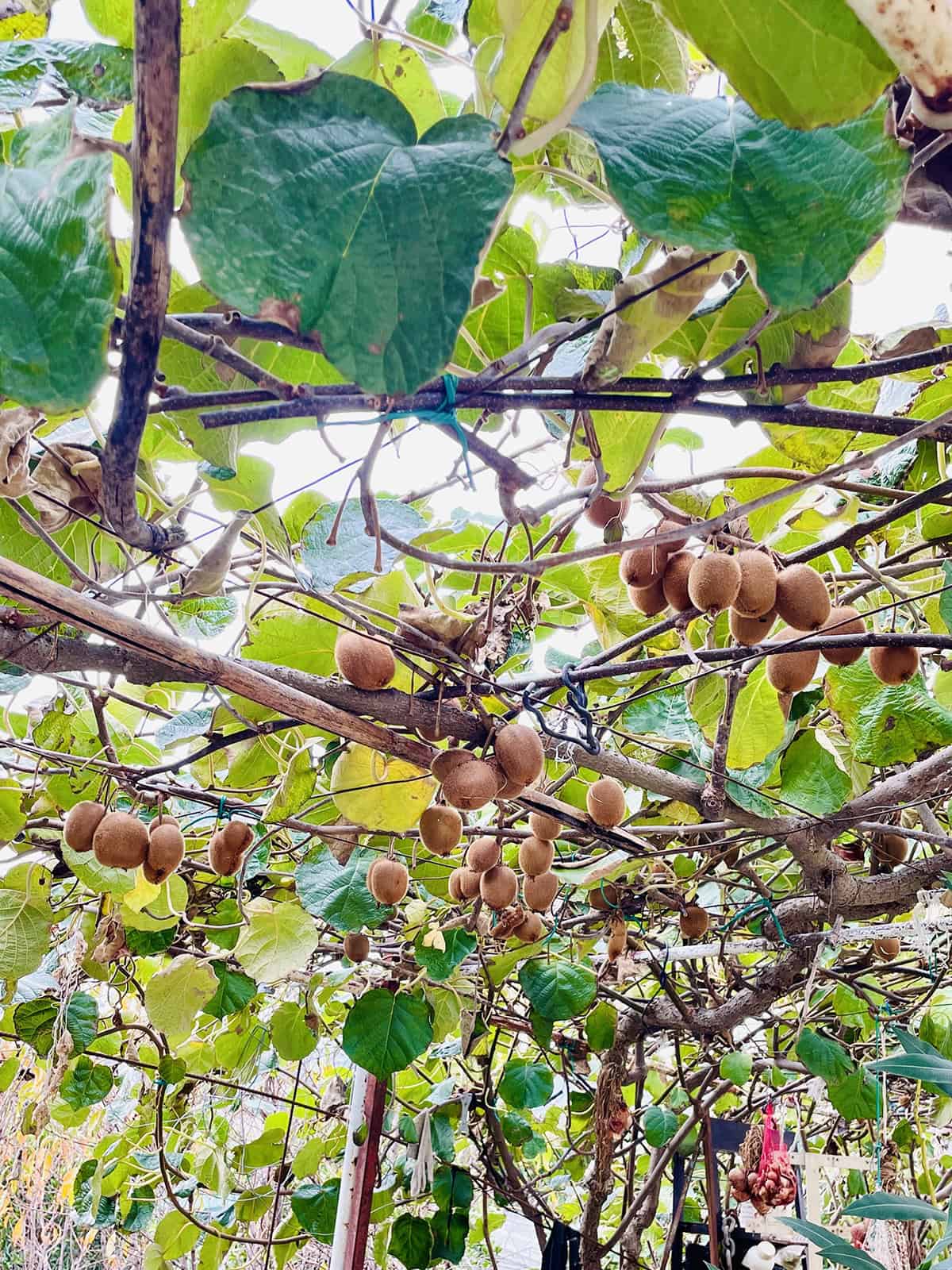
Broad leaves and the promise of edible fruit—kiwi vines need room and both male and female plants for a harvest.
Strong sun and sturdy support are non-negotiable. Tackle pruning in winter to keep growth in check and boost fruiting.
Climbing Hydrangea
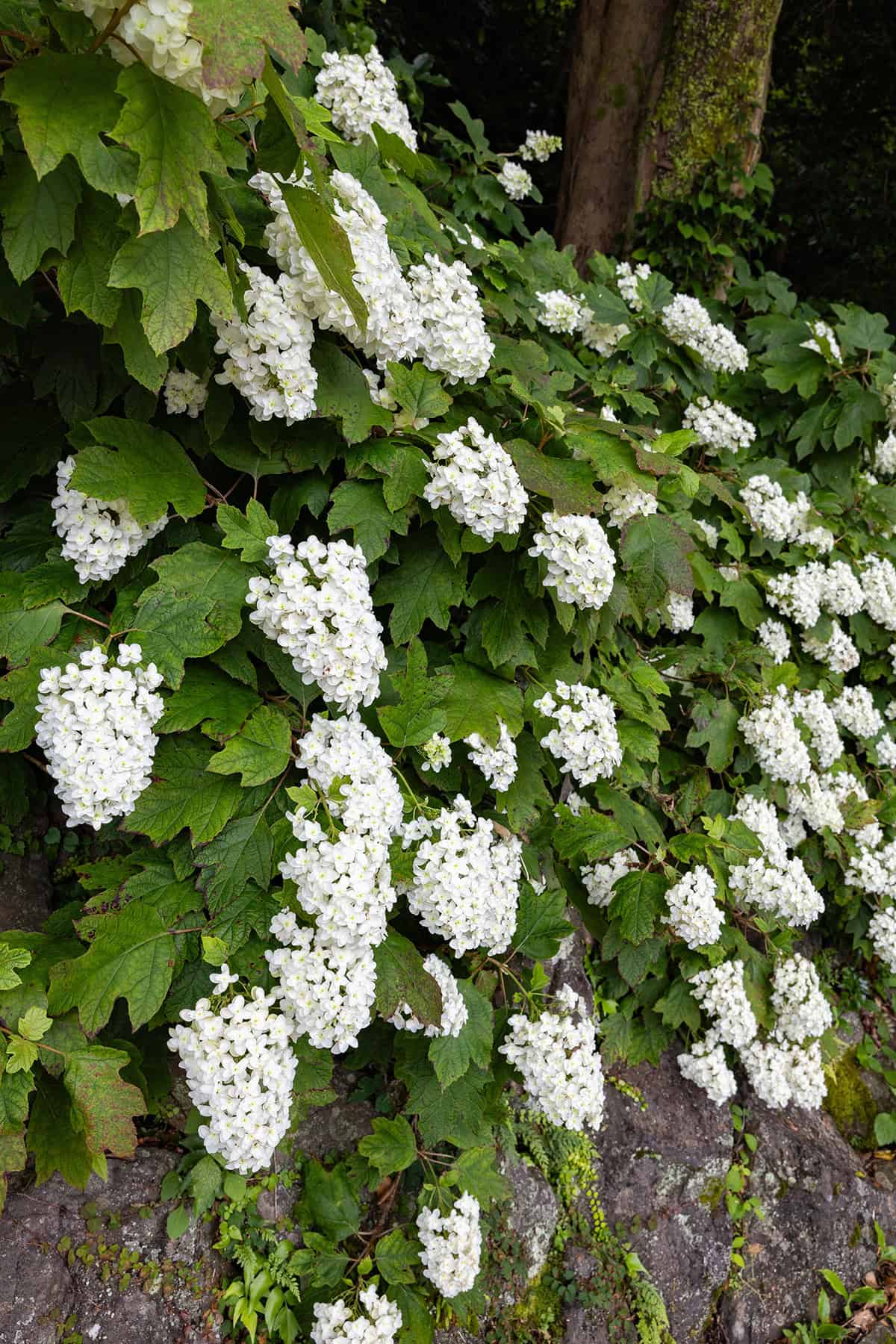
Large, white lacecap flowers and heart-shaped leaves of climbing Hydrangeas create a lush, almost woodland feel. Aerial roots let it cling to surfaces, so it works even in shadier spots.
Growth starts slow but eventually takes off. Consistent moisture keeps it looking its best.
Bower Vine (Pandorea jasminoides)
Pink or white trumpet blooms with a darker throat show up for long stretches in warm weather. Sunlight brings out the best, though partial shade is fine too.
Light pruning after flowering keeps it neat and encourages fresh growth.
Coral Vine (Antigonon leptopus)
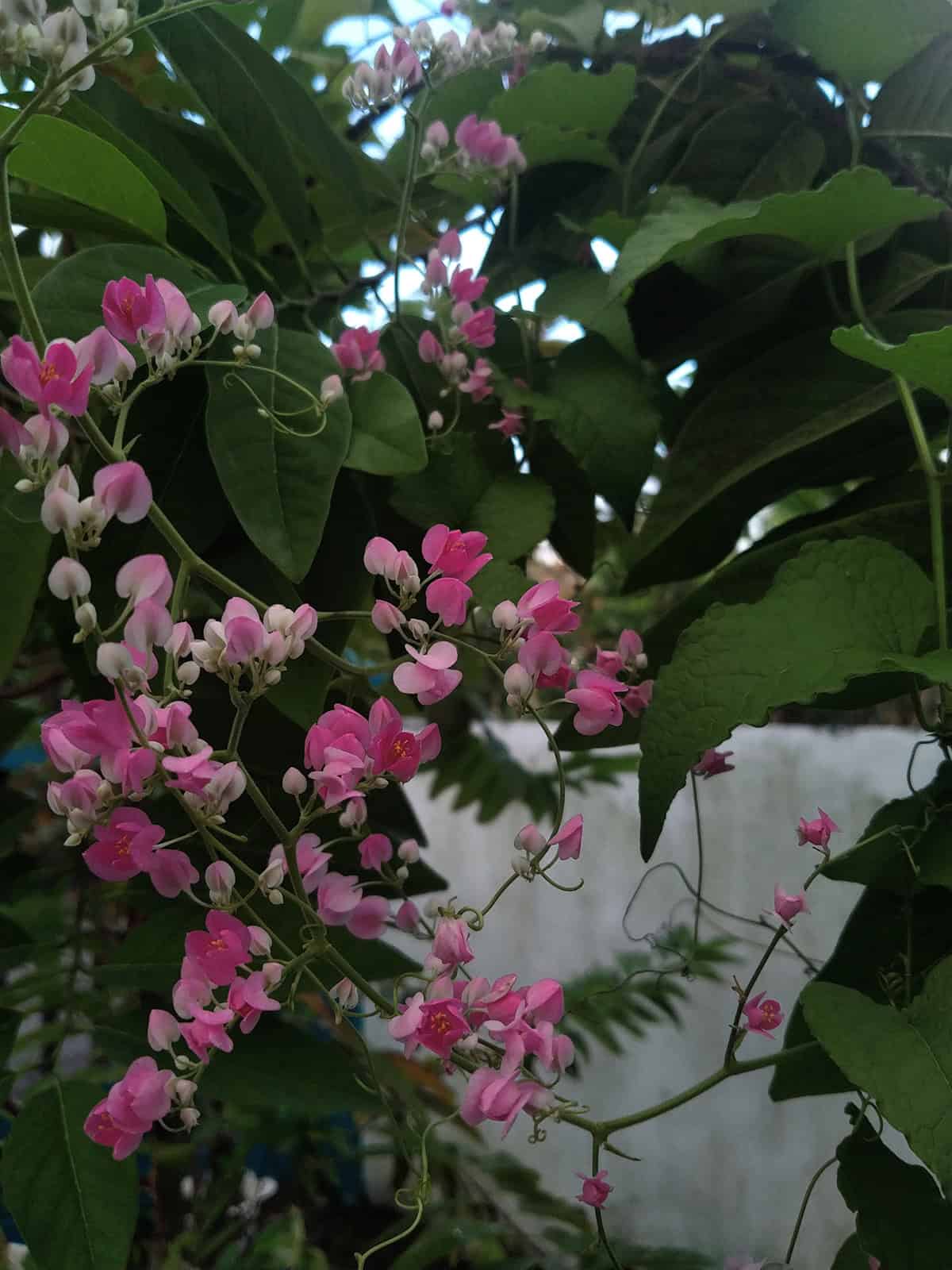
Clouds of pink flowers draw pollinators and add a playful touch in warm climates. Full sun and good drainage are all it asks for.
Cutting back after bloom helps rein in its enthusiasm and sparks new shoots.
Chocolate Vine (Akebia quinata)
Purple-brown flowers with a subtle fragrance and, in some places, edible pods—chocolate vine is a bit of a conversation starter. It’s flexible about light, handling sun or partial shade.
Strong supports are a must, and occasional pruning keeps it from spreading too far.
Golden Hop (Humulus lupulus)
Golden hop’s yellow-green leaves bring a bright splash even without blooms. It dies back in winter but returns with fresh shoots each spring.
Rich soil and full sun help it shine. Chop stems to the ground in late winter for a tidy reset.
Moonflower (Ipomoea alba)
At dusk, those huge white blossoms unfurl, glowing against the shadows. Warm nights seem to coax the best out of this vine.
Likes its spot sunny, soil on the richer side, and roots that don’t stay soggy for long.
Wait until frost is old news before sowing. Give it something sturdy to climb—think trellis or fence—and don’t slack on watering while it’s getting established.