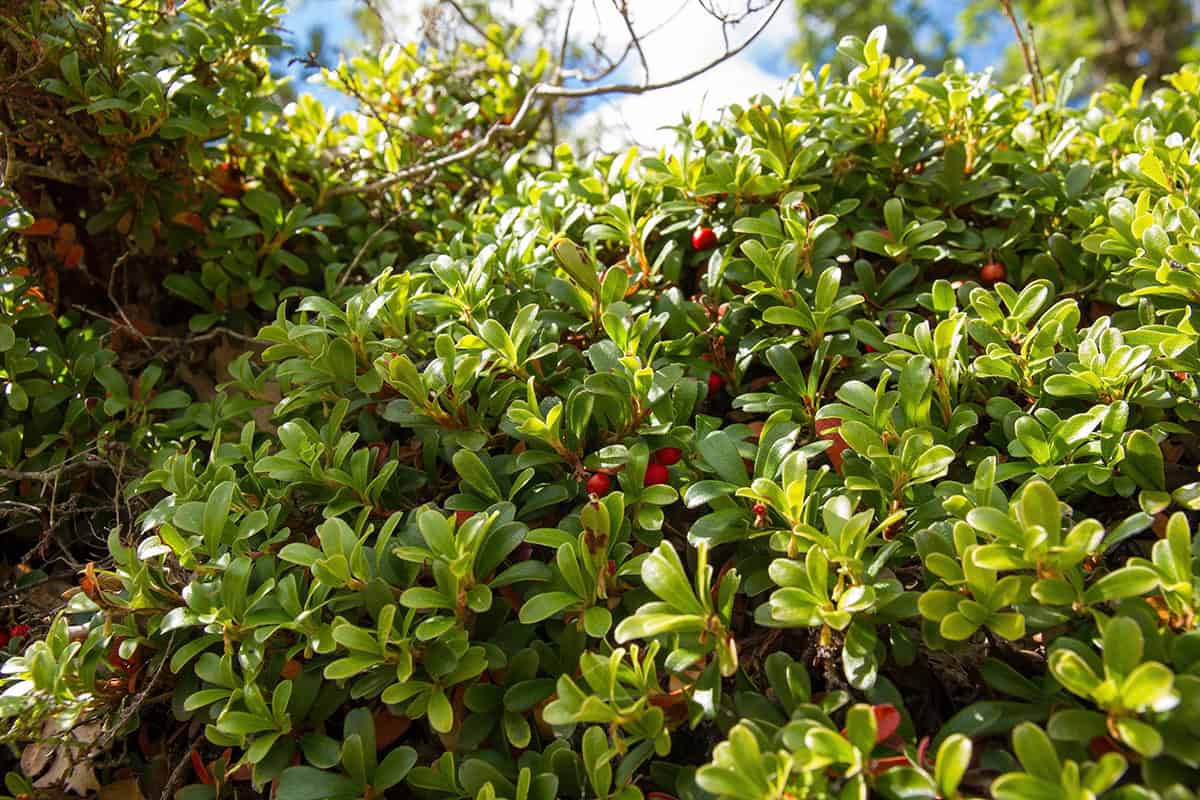
Tough, glossy, and stubbornly evergreen, bearberry weaves a thick, low mat in places most plants just give up. Dry slopes, sandy banks, rocky ledges—this shrub claims them all, covering the ground with leathery leaves and pops of red fruit. It stays squat and spreads wide, a reliable option for cold regions that need a ground cover with grit.
Full sun or partial shade, sharp drainage, acidic sandy soil, and little water after the first year—those are the basics. Bearberry shrugs off poor soils but balks at clay or soggy ground. Fertilizer? Rarely needed. A bit of pruning keeps things neat, but it’s mostly hands-off.
This guide lays out what you need for healthy plants: how to handle light, soil, water, and temperature, plus tips on propagation, trimming, problems, and picking the right variety. Set it up right and you get a tough, low-maintenance evergreen that keeps its color even when snow flies.
Table of Contents
Quick Care Summary
Cool climates and lean soil? Bearberry’s right at home. It knits together into a thick, evergreen carpet, perfect for open ground that needs coverage but not fuss.
Quick Care
- Light: Thrives in full sun, but tolerates some shade. In cool regions, full sun means denser mats and more flowers.
- Soil: Needs sandy or rocky ground that drains fast. Acidic is best.
- Watering: Keep it watered in its first year, then only during long dry spells.
- Temperature: Handles cold down to USDA zone 3, laughs at frost and snow.
- Humidity: Typical outdoor humidity works. Good airflow keeps leaf spots away.
- Fertilizer: Almost never necessary. Skip the rich stuff.
- Propagation: Try stem cuttings, dividing rooted runners, or seed (with cold stratification).
Plant Overview
- **Botanical
Plant Overview
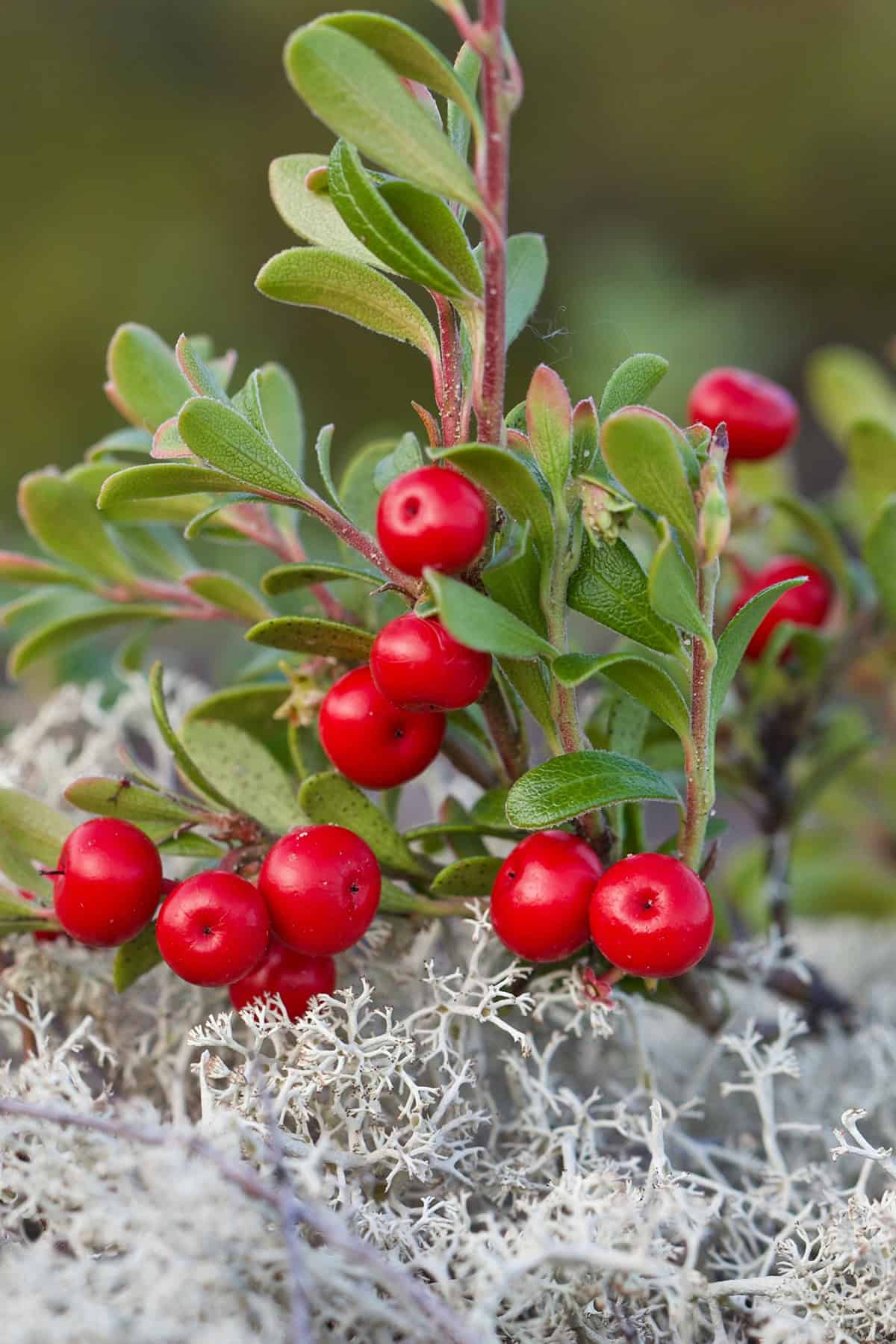
Low and spreading, this evergreen shrub forms a tight mat over bare ground. It’s a go-to for tough, dry spots—places where other options just fizzle out. Leaves are glossy and persistent through winter, with clusters of tiny pink flowers in spring, then bright red berries.
Growth is slow, but the reach is impressive: expect 6 to 12 inches in height, with mature plants stretching several feet wide. Sandy or rocky soil and full sun bring out its best. Cold? Not a problem.
Botanical name: Arctostaphylos uva-ursi
Common names: Bearberry, kinnikinnik, bear’s grape, sandberry
Plant type: Evergreen perennial shrub
Mature size: 6–12 inches tall; 3–15 feet wide
Growth rate: Slow
Toxicity: Generally safe, but always check locally for pets
Native region: Northern Europe, Asia, and North America
It’s a survivor on slopes, in rock gardens, and anywhere soil is stingy and sun is strong.
Light: Full sun
Soil: Well-drained, sandy or rocky, acidic
Watering: Low; let soil dry out before watering
Temperature: Hardy in USDA Zones 2–6
Humidity: Handles dry air
Fertilizer: Minimal; maybe a light dose in spring
Propagation: Stem cuttings or seed
Light
Brisk, open locations in cool climates let bearberry bulk up, with at least six hours of direct sun fueling dense foliage and better blooms. Up north, don’t worry about exposure—this shrub handles it.
Hotter regions call for some afternoon shade. When summers get scorching, leaves can scorch or fade if left in blazing sun all day. Dappled shade from open trees often hits the sweet spot.
If you plant it in deep shade, expect stretched stems and fewer flowers. Not ideal. Finding the right balance of sun and temperature keeps it compact and healthy.
Water
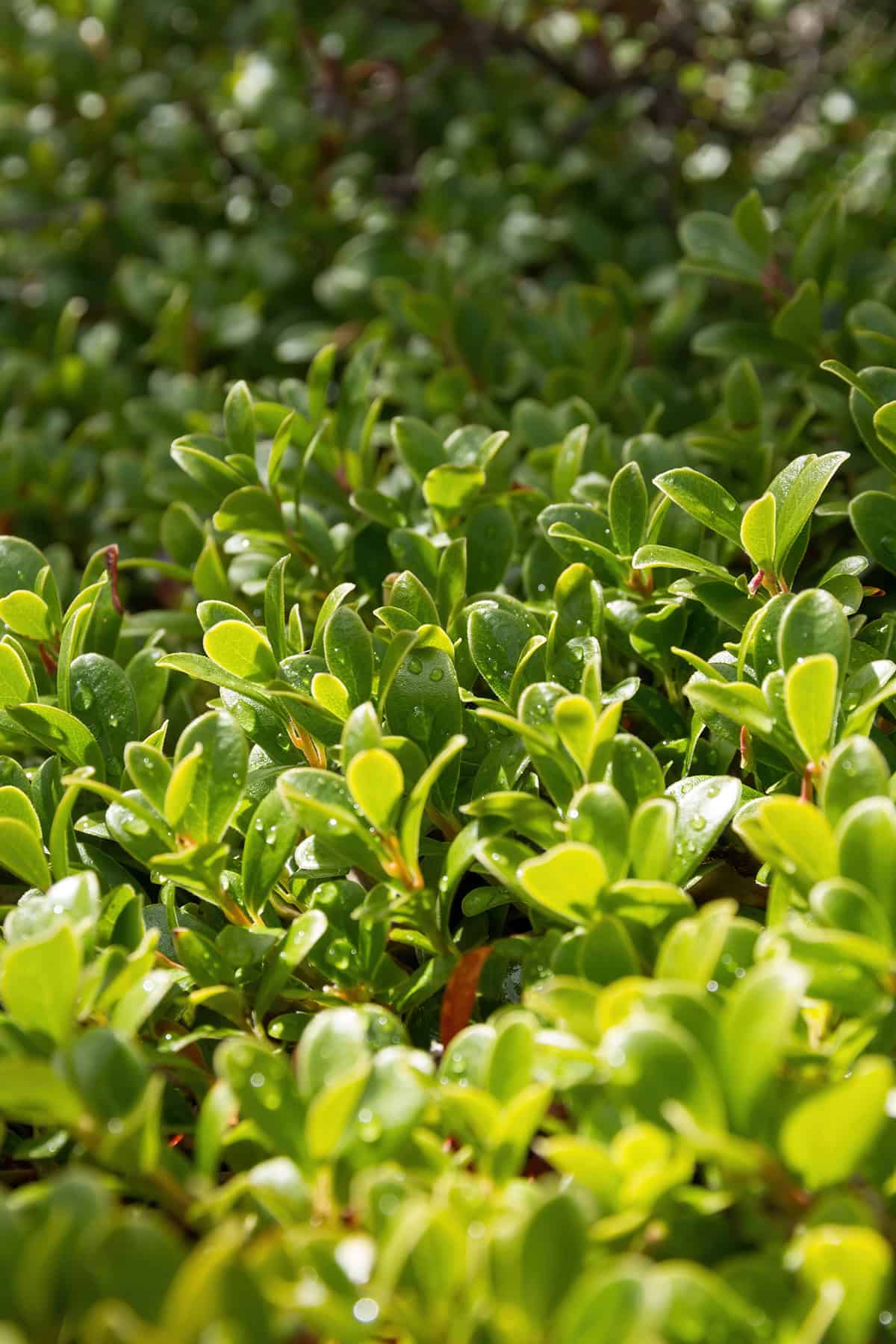
Once roots are settled, this shrub barely asks for water. Young plants do need regular moisture that first season—keep the soil just barely damp, never soggy. Saturated ground is a deal-breaker.
After that, let the soil dry out before watering again. Bearberry’s built for drought and sandy, quick-draining ground. Too much water or heavy soil? Roots rot and growth stalls.
During long dry spells, a deep soak every few weeks is enough. Always water at the base, not over the foliage. If you’re stuck with clay soil, amend it before planting or pick a different spot.
Winter care is pretty much hands-off; rainfall usually handles the job. Only check soil in extra-dry winters or especially exposed sites.
Soil
Gravelly, sandy, even rocky—those are the soils bearberry likes. Drainage has to be sharp, always. Dense clay or soggy patches will wreck the roots.
A pH between 4.5 and 6.0 is ideal. Not sure about your soil? Test it first. Alkaline ground can be nudged acidic with elemental sulfur, but don’t expect overnight results.
Skip the compost and rich amendments. This plant prefers lean, low-organic soil. Too much fertility leads to loose, floppy growth. If water puddles after rain, work in coarse sand or gravel before planting.
Temperature & Humidity
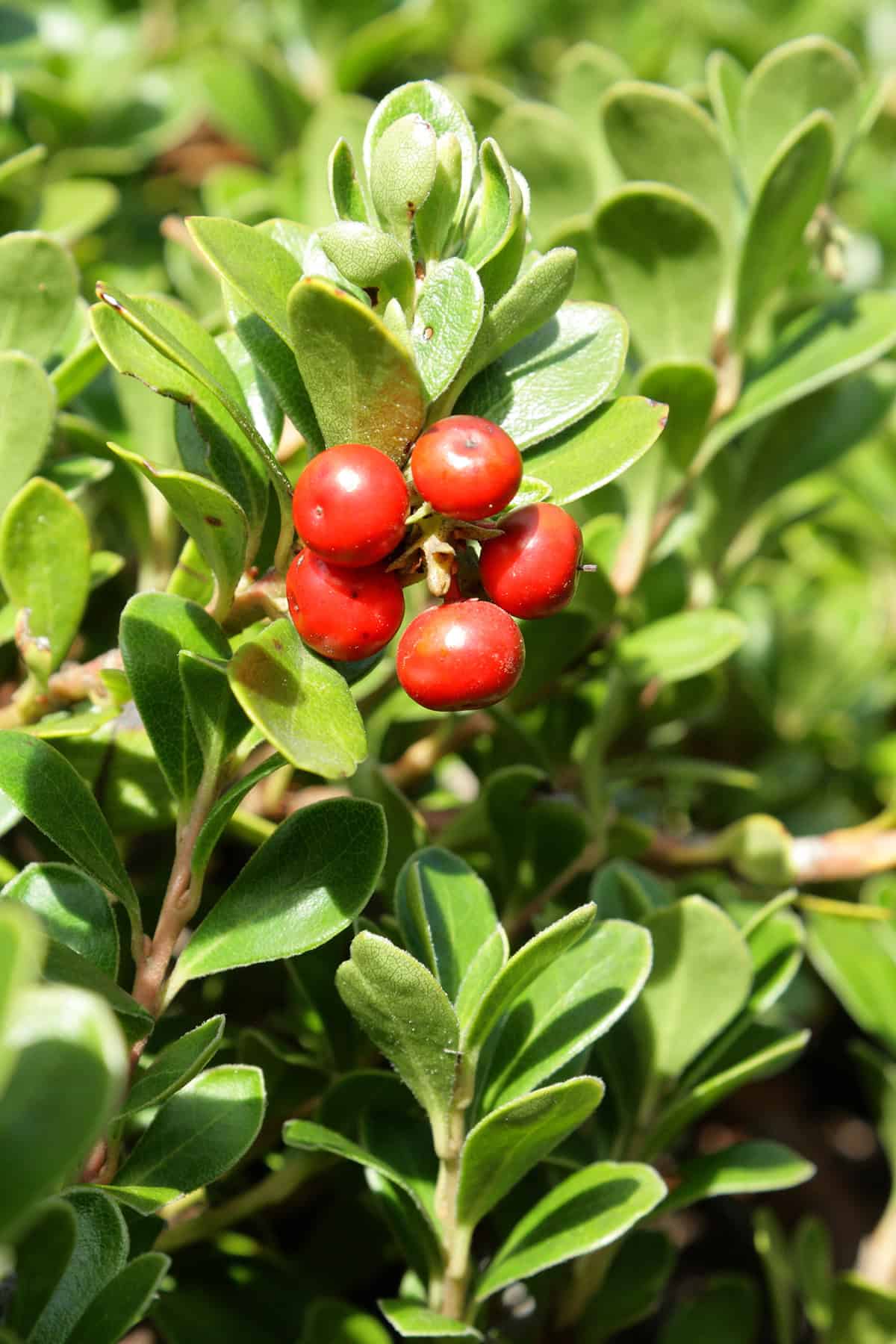
Freezing temps don’t faze bearberry. Hardy through brutal winters—USDA zones 2 to 6—this plant shrugs off cold snaps and benefits from snow cover, which shelters the leaves.
Heat is where things get tricky. Prolonged temps above 75°F, especially with humidity, can stress the plant. Good airflow and drainage become even more important in warmer climates.
Moderate to low humidity is best. Its native habitats are cool and often dry, so muggy, stagnant air paired with wet soil can cause root and stem problems.
Choose breezy, open spots with fast-draining soil for the healthiest growth.
Fertilizer
Lean soil is the name of the game. Bearberry’s adapted to survive with very little, so heavy feeding does more harm than good. Rich soil makes it leggy and weak.
If you’re dealing with truly poor soil, a light sprinkle of balanced 10-10-10 fertilizer in early spring can help. Just a dusting around the roots, then water it in.
Acidic conditions are important, so if you’re on alkaline soil, look for a fertilizer made for acid-loving plants. Don’t get carried away with feeding.
Skip fertilizer in the fall; late nutrients push soft growth that winter will likely kill off.
Potting & Repotting
Container growing? It’s possible, but not without attention to drainage. Wide, shallow pots let stems sprawl and root. Clay or unglazed ceramic pots breathe better, letting extra moisture escape.
The soil mix should be gritty—think coarse sand and fine gravel, not moisture-retentive potting soil. Keep it acidic, too.
Water deeply, then let the surface dry out before the next round. Bearberry hates sitting in water, so drainage is non-negotiable.
Repotting isn’t needed often. Only move your plant when roots fill the pot or the soil breaks down. Early spring is the best time, before new growth starts.
Handle the roots gently, trim away any dead bits, and replant at the same depth. Settle the soil with a quick watering.
Pruning
Left to itself, bearberry forms a tight mat and rarely needs much cutting back. Just a bit of tidying does the trick.
Early spring is the time to trim, before new shoots get going. This way, you won’t cut off flower buds. Avoid late fall pruning—fresh cuts don’t handle cold well.
Start by removing damaged or dead stems, snipping back to healthy tissue. Don’t shear the whole thing; harsh cuts leave bald spots that take ages to fill.
If it starts to creep too far, shorten a few runners rather than hacking the whole plant. Thin a little for better airflow if it gets crowded. Recovery is slow, so less is more.
A light watering after pruning is fine if the soil’s dry. Skip the fertilizer—steady, low-key care keeps it looking good.
Propagation
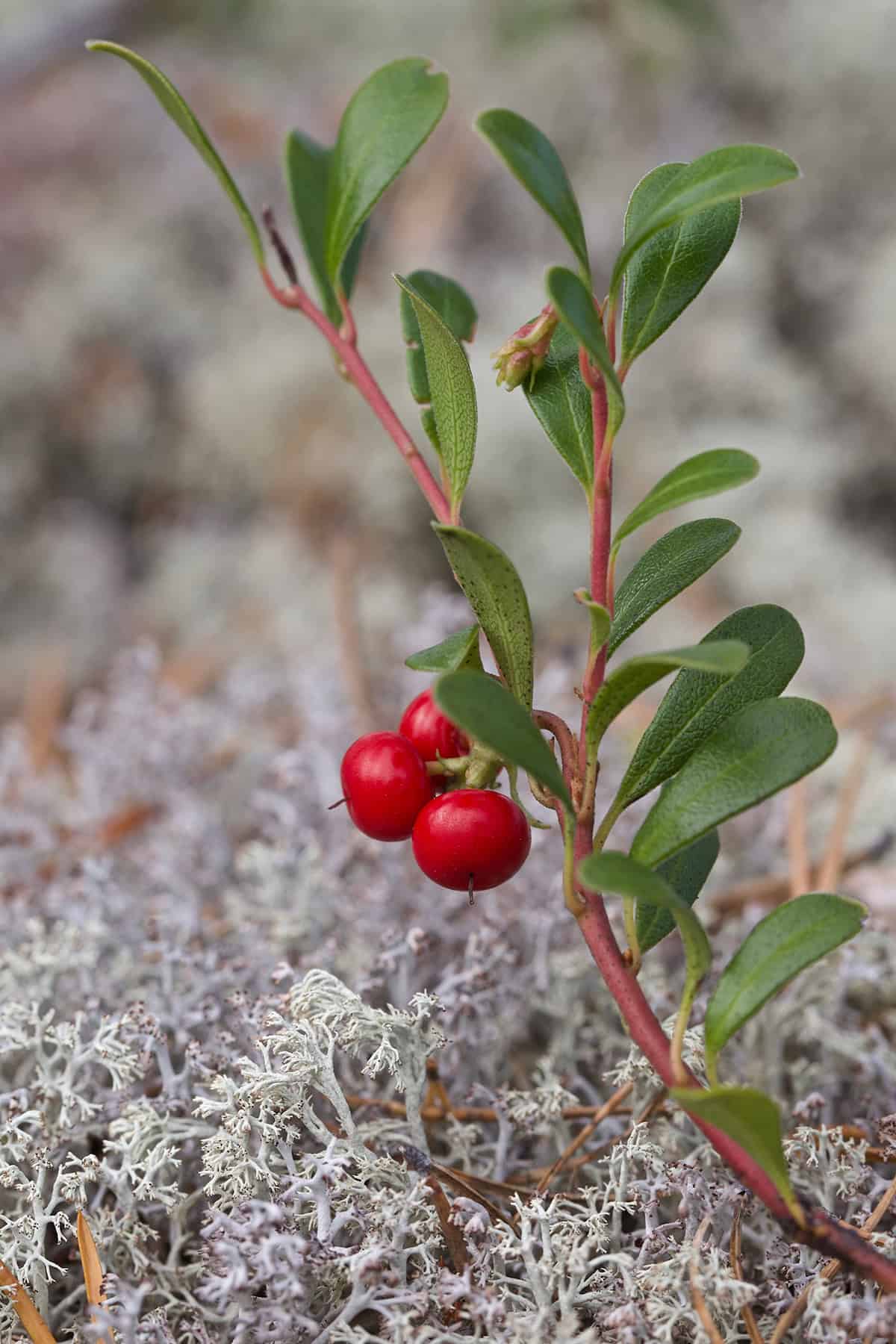
New plants are easy to get by layering, cuttings, or seed, though some methods are simpler than others. Layering is almost foolproof: bend a flexible stem to the ground in spring, bury a section under sandy, acidic soil, and keep it barely moist. By season’s end, roots should form and you can snip the new plant away.
Cuttings are another option. Snip 3 to 5 inch pieces from mature stems in late spring or early summer, strip the lower leaves, and stick them in a gritty, acidic mix. Bright light and moderate moisture will encourage roots.
Seeds take patience. They need to be scarified and chilled (cold stratification) before sowing in a gritty, acidic medium. Germination is slow and uneven, so don’t expect quick results.
Common Problems
Trouble usually starts with poor drainage. Heavy, wet soil spells doom for roots, leading to thinning or dieback. Sandy or rocky ground with sharp drainage keeps plants healthy.
Yellowing leaves often mean the soil’s too alkaline or there’s been too much fertilizer. Bearberry wants acidic, low-nutrient soil, so check your pH if you notice fading.
Too much water can rot roots. This plant handles drought but can’t survive with soggy feet. Always let soil dry between waterings.
Winter burn sometimes scorches foliage, especially in exposed spots with dry winds and frozen soil. Planting in sheltered areas and skipping late-season fertilizer helps avoid this.
Pests are rare, but aphids or the occasional leaf spot can show up. Good airflow and proper spacing keep disease at bay. If you spot trouble, trim out affected stems.
Varieties
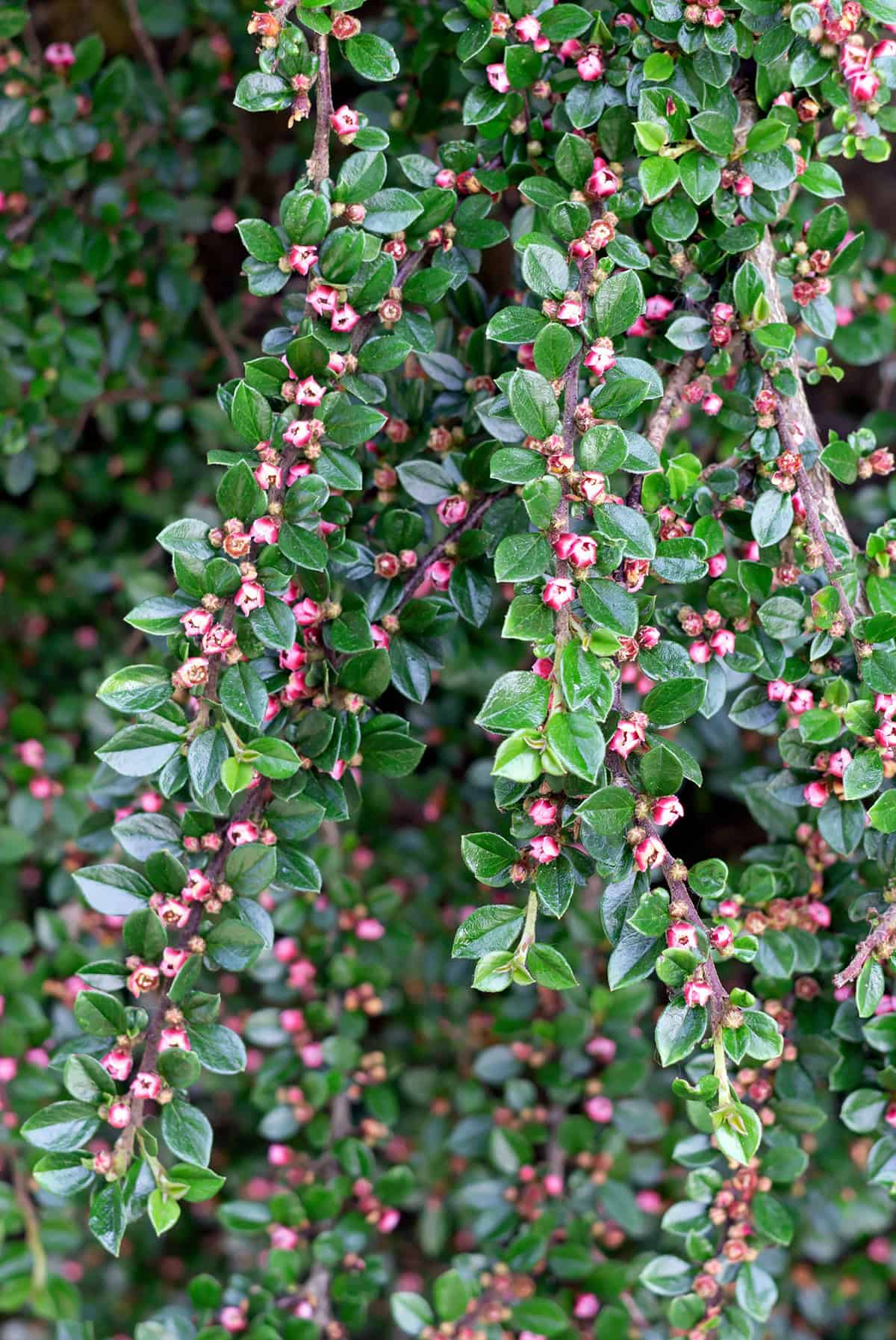
Among cultivated forms of Arctostaphylos uva-ursi, you’ll notice plenty of small differences that matter when you’re picking groundcovers. Most options hug the ground, spreading at a relaxed pace and weaving into thick, leafy mats. Some catch the eye with richer color, while others lean into a particular shape or seasonal show.
Tidy borders and crisp lines? ‘Woods Compact’ really fits the bill—its growth stays tighter and a bit more upright, with glossy dark leaves and those red stems that stand out. Spring brings a flush of soft pink flowers, subtle but charming. It’s a solid pick for anyone fussing over neatness along pathways or tucked into a rock garden.
If you’re trying to cover ground fast, ‘Massachusetts’ is the one folks reach for. It sprawls wider and roots itself with impressive speed, which explains why it’s a go-to for sandy slopes where erosion’s a headache. Late spring brings pale pink blossoms, and then—almost as if showing off—bright red berries that hang on well into winter.
Want something that really fills in the gaps? ‘Emerald Carpet’ earns its name, throwing down a dense, deep green mat that looks almost impossibly lush. It’s great squeezed between stepping stones or edging dry borders, especially where you don’t want to see bare soil peeking through.
In colder regions, some local picks have been bred to shrug off harsh winters, while a handful of cultivars put out more berries or stretch a bit taller than the rest. Always check the plant tag for mature size and hardiness—availability can be hit or miss depending on the nursery and where you live.