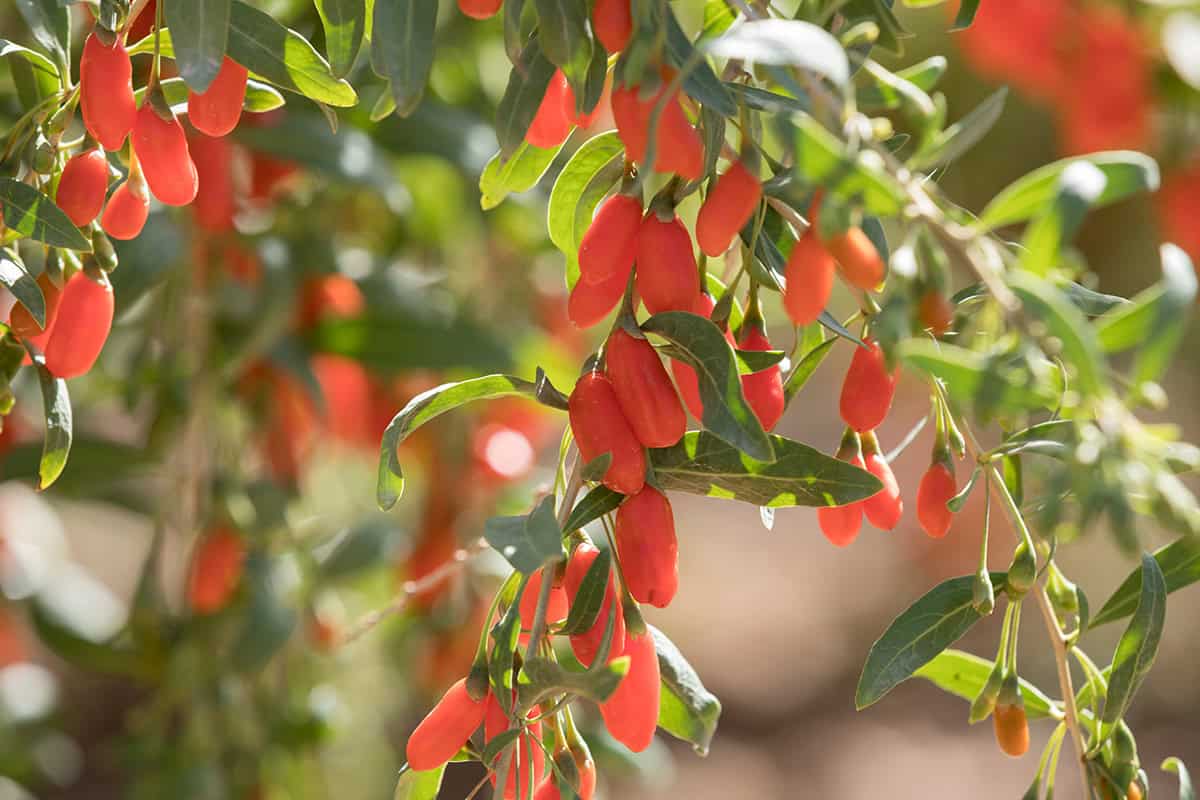
Goji berries burst onto the scene with bright red fruit and a stubborn, adaptable spirit. Backyard beds or roomy pots both work if you’re willing to give them full sun, decent drainage, steady moisture, and a regular haircut. With a little patience—maybe two or three years—they’ll start producing those famous berries.
You’ll want to pick a healthy variety, prep the soil, and stay on top of light, water, and feeding. Keeping the plants compact, fending off pests, and supporting heavy crops takes a bit of attention. There are also tips here for containers, root care, and multiplying your patch with stem cuttings.
Clear, practical steps help you dodge rot, mites, and disappointing harvests. Once you get the hang of it, you’re looking at fresh or dried berries from midsummer right through fall.
Table of Contents
Quick Care Summary
Strong sunlight and loose, well-drained soil—those are the basics. Beds or big containers both do the trick. Most goji varieties don’t keep you waiting long; fruit often appears by the second year.
Annual pruning really boosts yields and keeps things open to the sun. Once the roots are happy, care is pretty straightforward. While they’ll handle heat and a brief dry spell, regular moisture makes for better berries.
- Light: Needs full sun; light shade is okay but fruiting drops off
- Soil: Well-drained loam, slightly alkaline (pH 7.0–8.0) preferred
- Watering: About an inch per week, don’t let soil stay soggy
- Temperature: Likes warm summers, shrugs off cold winters
- Humidity: Low to moderate is best
- Fertilizer: Go easy—balanced type, small doses
- Propagation: Seeds, cuttings, or suckers all work
- USDA Hardiness Zones: 4–7
- Fruiting Season: Mid-summer to late fall
Space plants 4 to 5 feet apart for airflow and easy picking. Since berries form on new growth, pruning every year is key. Wait for berries to turn a true, vivid red before harvesting by hand.
Plant Overview
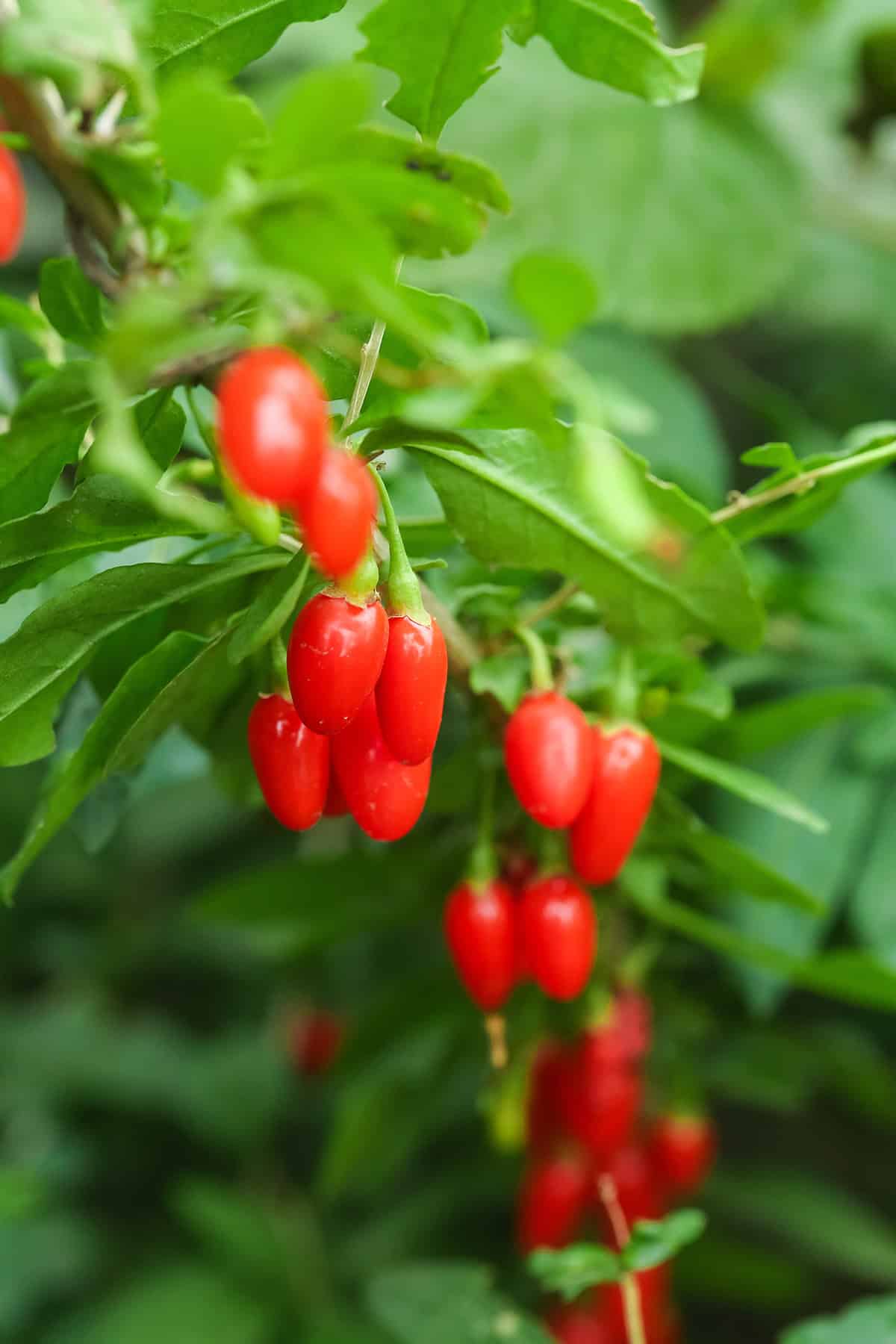
Gardeners sometimes want more than just fruit—they’re after structure, color, maybe even a living fence. Goji berries, sometimes called wolfberries, can fill all those roles. Most backyard types are Lycium barbarum.
Botanical name: Lycium barbarum
Common names: Goji berry, goji berries, wolfberries
Plant type: Deciduous woody shrub
Mature size: 3–6 feet tall with pruning; up to 12 feet if unpruned
Growth rate: Moderate
Toxicity: Fruit edible; foliage not for regular consumption
Native region: East and Southeast Asia
Expect arching stems, slender leaves, and purple blooms. Berries show up on new wood, so how you prune really matters. If left unchecked, roots can send up new shoots and the patch will spread. Keep things tidy with annual trimming.
Goji adapts to a surprising range of soils, especially if they lean alkaline. Once established, heat isn’t much of a problem. A decent crop can happen by year two, but the best yields show up after a few more seasons.
Use the berries fresh, toss them in the freezer, or dry them for later. They’ll last about two weeks in the fridge. Harvest gently—those skins tear easily.
Light
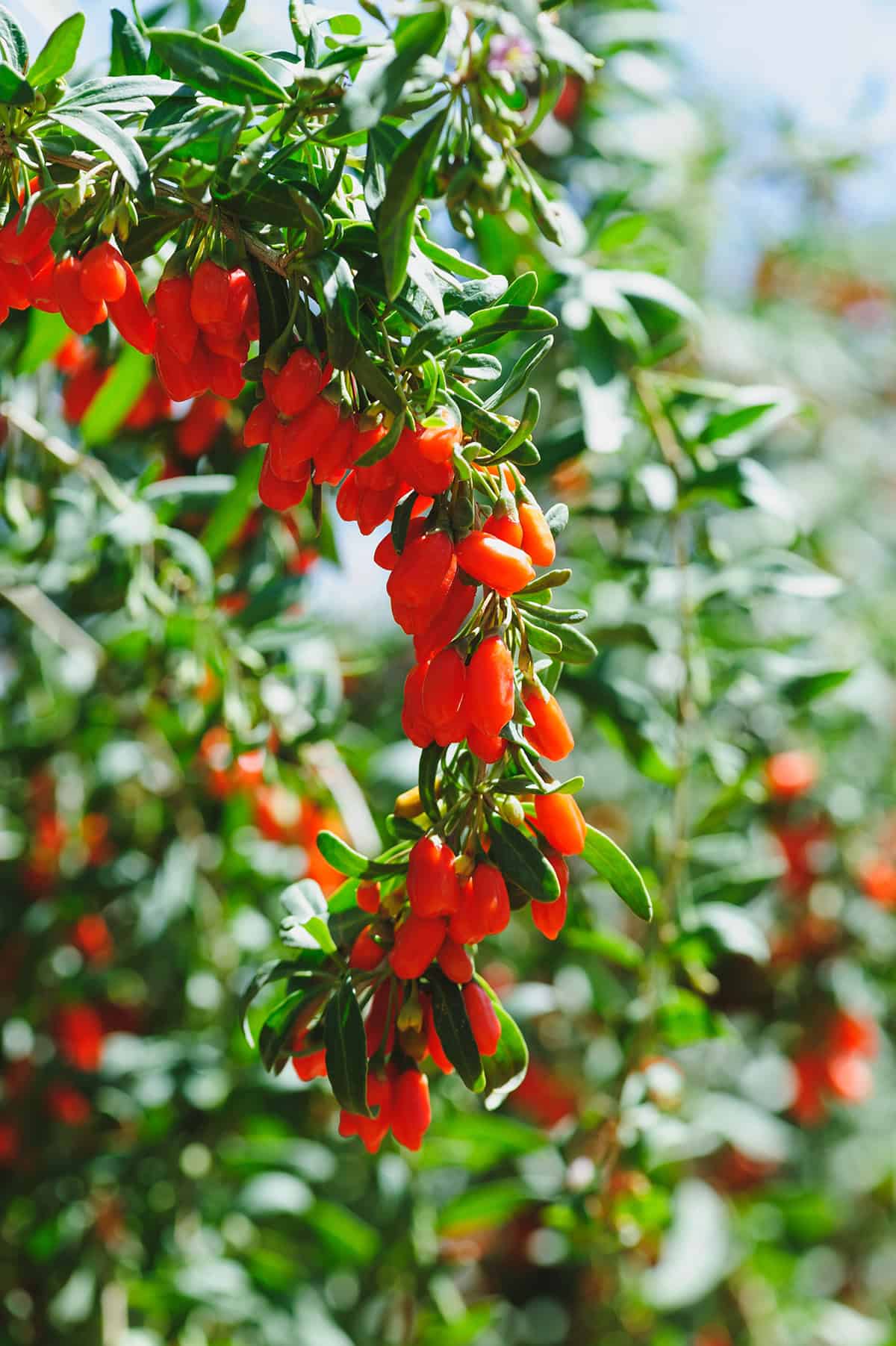
Morning sun pouring over your goji patch makes all the difference. Shoot for six to eight hours of direct light if you want strong stems and a good berry set.
Sure, you can squeeze by with partial shade, but berry counts drop and plants tend to get leggy. Dense shade? That’s a recipe for weak growth and fewer flowers.
Hot, arid summers seem to coax out the best flavor, while cool, damp weather can dull the sweetness and slow ripening. Open spots with steady sun and breeze help a lot.
Some folks in blazing-hot areas give their plants a little afternoon break from the sun, but morning rays are still crucial. Don’t crowd them near tall trees or shrubs that hog the light.
Container growers: you’ll have to play musical chairs with your pots, chasing the sun. Give the pot a spin every week for even growth. Indoors, a strong grow light is pretty much required.
Water
Strong roots and juicy berries call for consistent moisture, but not soggy feet. Water deeply, then let the top couple inches dry before you go again. Too much wetness spells trouble below ground.
First-year plants are thirstier, needing about an inch of water weekly (rain counts). Sandy soils dry out fast and need more frequent checks, while clay holds onto water and can get tricky.
Older shrubs can ride out a short dry spell, but long droughts shrink and toughen the fruit. Try to keep things evenly moist from bloom to harvest. Sudden swings in moisture can invite blossom end rot, often tied to calcium issues.
Target the root zone with a drip line or a slow hose soak. Skip the overhead spray—wet leaves just tempt disease.
Soil
Soil that leans slightly alkaline (pH 7.0–8.0) is the sweet spot. Many drier gardens already fit the bill, but it’s worth testing your soil before planting. If things are too acidic, a bit of lime can help.
Loose, well-drained loam is ideal. Heavy clay that stays wet is a headache for goji roots. If you’re stuck with dense soil, mix in compost or coarse sand. Steer clear of spots where puddles linger after rain.
Letting the top layer dry a bit between waterings keeps roots healthy. Raised beds can fix drainage issues. Keep the soil crumbly so roots can wander freely.
Temperature & Humidity
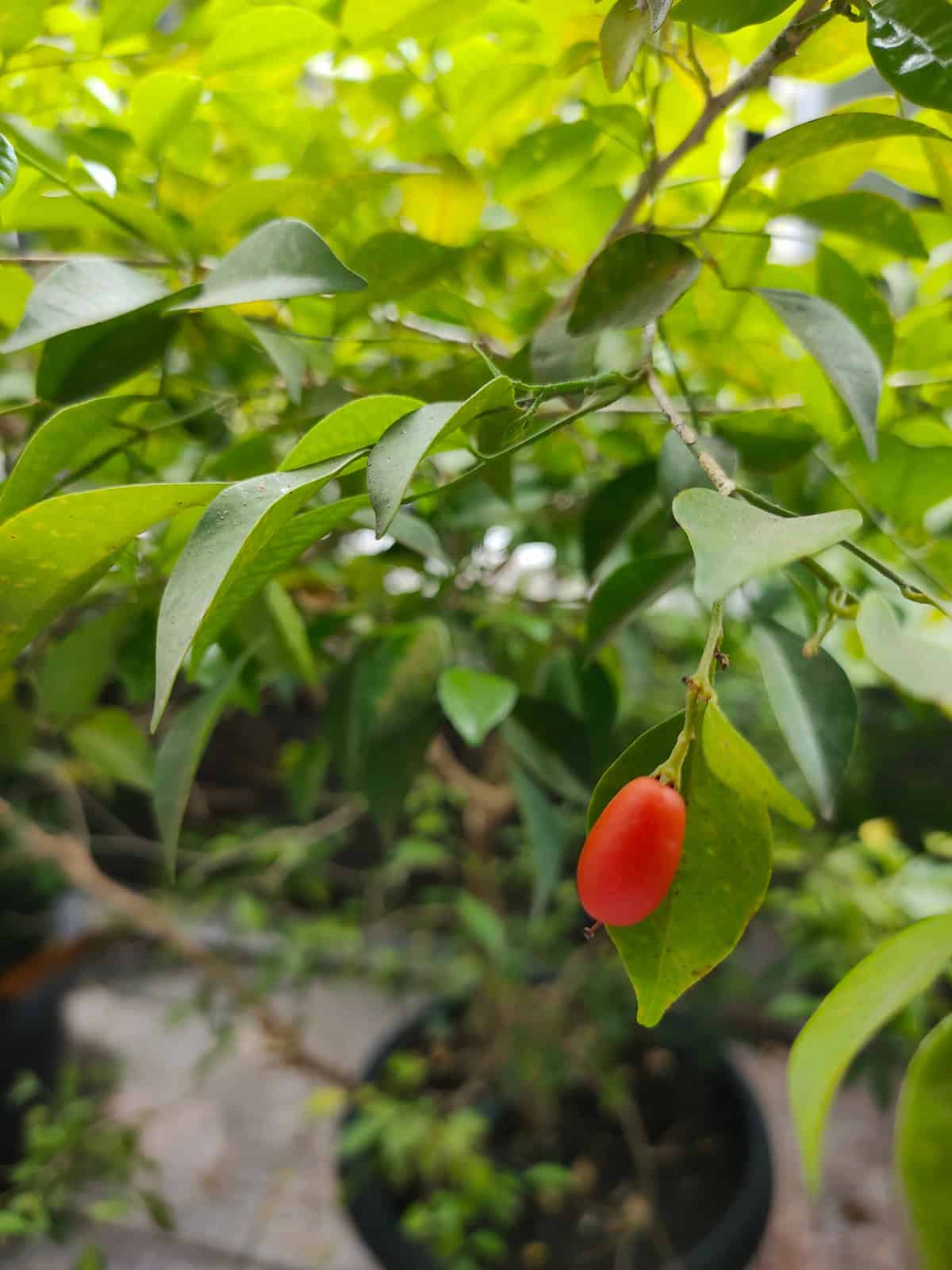
From bitter winters to scorching summers, goji berries take a lot in stride. USDA zones 4 to 7 are a safe bet. Mature plants shrug off -10°F in winter and 100°F in summer. New shoots, though, are vulnerable if a late frost sneaks in—cover them up on those chilly nights.
Warm days paired with cool nights seem to spur on flowering and berry set. Hot, dry spells often mean tastier fruit, while drawn-out dampness can sap sweetness. A sunny, breezy spot helps moderate the swings.
Humidity doesn’t matter as much as temperature, but it’s not irrelevant. Dry air keeps foliage healthy and disease at bay. High humidity, especially if plants are crowded, brings on powdery mildew. Prune and space plants to keep air moving through the branches.
Fertilizer
Goji isn’t a heavy feeder. In fact, overdoing it with fertilizer just gives you lots of leaves and fewer berries. It’s better to stick with moderate nutrition.
Spring is the time for a balanced fertilizer—something like 10-10-10 or 16-16-16. Four or five tablespoons per 10 square feet per year is plenty, and even less if your soil’s already rich.
Split that yearly dose into three light feedings: at bud break, at flowering, and again as berries start to color up. This keeps growth steady without turning the plant into a leafy mess. Keep fertilizer away from the main stem.
Compost or well-aged manure works too—spread a thin layer around the roots in fall or early spring. It builds soil and feeds the plant slowly.
Skip the high-nitrogen stuff. Too much nitrogen means fewer berries and floppy growth. If you notice big, leafy plants but not much fruit, cut back on fertilizer next year.
Soil tests every few years help dial in what the plants really need.
Growing in Containers
Big pots—think 15 to 20 gallons—give goji berries enough room to thrive. Drainage holes are a must, and a wide base keeps the plant from toppling as it grows.
Fill with a light, airy mix that drains fast. Compost plus coarse sand or perlite works well. Goji likes soil a bit on the alkaline side, so avoid acidic mixes. Looseness in the soil makes for happy roots.
Find a spot with full sun. In really hot places, a touch of afternoon shade can prevent leaf scorch, but don’t skimp on morning light.
Water when the top two inches feel dry. Let water run through, then empty the saucer—no swampy roots. Fertilize at bud break, bloom, and early fruit set, but don’t overdo the nitrogen.
Annual pruning keeps the plant manageable and the harvest within reach. After three years, check for crowded roots and refresh the soil or upsize the pot as needed.
Potting & Repotting
Start with a container at least 18 inches wide and deep, with plenty of drainage. Use a loose, compost-rich mix. Set your goji at the same depth as it grew before, then water well to settle everything in.
Roots usually fill the pot in two to three years. If you spot them circling the pot or poking through drainage holes, it’s time to size up. If you don’t want to go bigger, swap out some old soil for fresh mix.
Repot before new growth kicks off, when the weather is mild. Water deeply after moving, and hold off on fertilizer for a few weeks. Keep an eye on moisture as the plant settles in.
Pruning
Shaping your goji isn’t just for looks—it’s about encouraging new wood, where the berries form. Late winter or early spring, before buds break, is the best time. Dry weather keeps disease risk low.
In year one, just tidy up: trim weak or damaged stems, and open up the center. Let light and air reach every branch.
Come year two, get bolder. Shorten side branches by half a foot or more to spark fresh shoots. Keep the height manageable so you’re not reaching for berries. Pinch the tips of new shoots in early summer to promote branching and bigger yields.
By the third season, you might see suckers popping up at the base. Pull them unless you want more plants. Clearing the base helps keep things neat and productive. Regular pruning each year keeps your goji in check and loaded with fruit.
Propagation
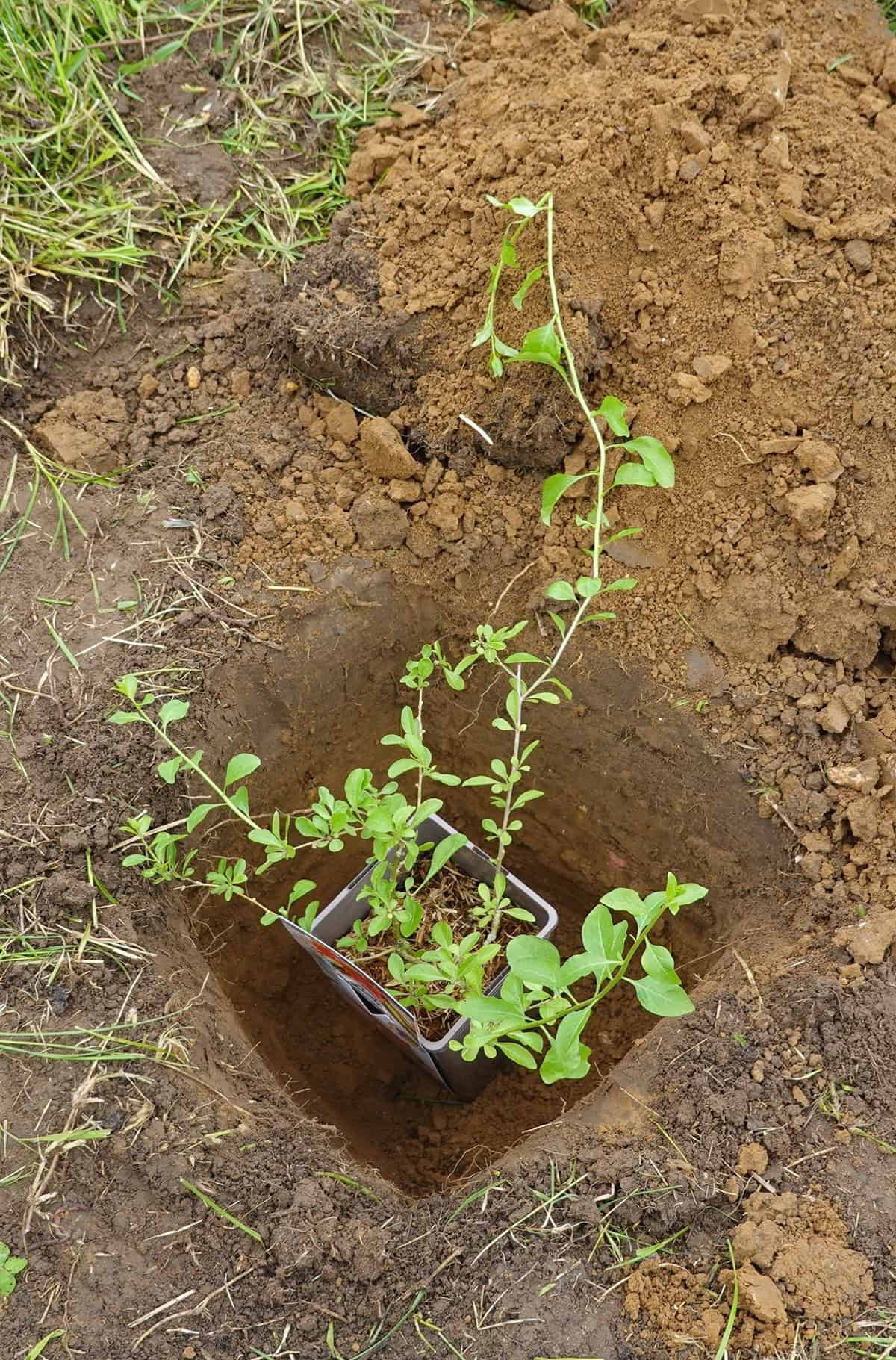
Starting new plants? Seeds, softwood cuttings, or root suckers all work—pick what fits your space and timing. Seeds are cheap, but cuttings give you a clone of the parent plant.
For seeds, start indoors in late winter. Soak them for a day, then press into moist, sterile mix. Keep them at 65–75°F with bright light, and don’t let the soil dry out.
Sprouting usually takes 10 to 21 days. Strong light keeps seedlings sturdy. Move them outside after they’ve got a few true leaves and frost danger is past. Seedlings might not match the parent exactly in fruit quality.
Softwood cuttings are best taken in late spring or early summer. Snip 4–6 inches of fresh growth, strip the lower leaves, dip in rooting hormone, and set in moist mix. High humidity and indirect light help roots form.
For the quickest results, dig up root suckers from established plants in early spring or fall and move them elsewhere. This keeps fruit traits consistent and gives you a head start.
Fruiting & Harvest
New shoots are where the first clusters start showing up—usually not in year one, but after that, things pick up. By the time the plant’s three or four years old, you’ll see what it can really do.
Come late spring, tiny flowers pop open. As summer rolls in, berries start to color up, but don’t expect them to ripen all at once. Some will be ready in July, others drag their feet well into September, maybe even October if the season’s right. That means you’ll be picking a little here and there for weeks.
Color is your best clue—look for that deep orange-red, then check the feel: just a hint of give, not mushy. Instead of yanking straight up, nudge the berry sideways so you don’t squish it. Gentle hands make a difference.
They’re delicate, honestly—bruise one and it’ll darken fast. Shallow containers help, and straight into the fridge is best. Two weeks is about as long as they’ll keep before you start to notice the decline.
Drying the fruit is a popular move, especially if you end up with more than you can eat fresh. Dried gojis turn chewy, almost like tiny raisins. Freezing works too, and if you’re feeling ambitious, the juice is pretty unique.
Not just the berries—young leaves have their fans. Some folks steep them for tea, which is a nice way to use up the thinnings or leafy trimmings you’d otherwise toss.
Common Problems
It’s easy to underestimate how far the roots will wander. Those sneaky suckers can pop up all over, muscling their way into neighboring beds if you let them. If you want to keep things tidy (and your other plants happy), you’ll be pulling extras each year. Left unchecked, the patch gets out of hand fast.
Wet feet spell trouble. Heavy or soggy soil is a real drag for goji roots—rot sets in before you know it, and growth just stalls. Deep watering helps, but let the soil breathe between soakings. Clay soils? Not ideal.
Blossom end rot shows up as a dark, sunken patch at the tip of the berry. It’s usually the result of wild swings in soil moisture or not enough calcium. Try to keep things steady, especially while the berries are forming.
Leaf pests can be relentless. Aphids, mites, leafhoppers—they all seem to show up at some point, sucking sap and leaving plants looking tired. Flip the leaves over now and then to catch them early. If they get out of hand, insecticidal soap or horticultural oil can help, though it’s a bit of a hassle.
Galls on the leaves? That’s probably goji gall mite, which distorts the foliage and saps energy from the plant. Bad infestations can even cut down on fruit. Cool weather is the time to act—sulfur or horticultural oil usually does the trick.
Powdery mildew makes its presence known with those white, powdery blotches. Thick growth and stale air just make it worse. Thinning branches lets in light and air, and if you spot infected leaves, get rid of them before it spreads further.
Overdoing fertilizer is a classic mistake. Too much and you get a jungle of leaves but not much fruit. It’s better to go easy—aim for balanced nutrition, not a growth spurt.
Varieties
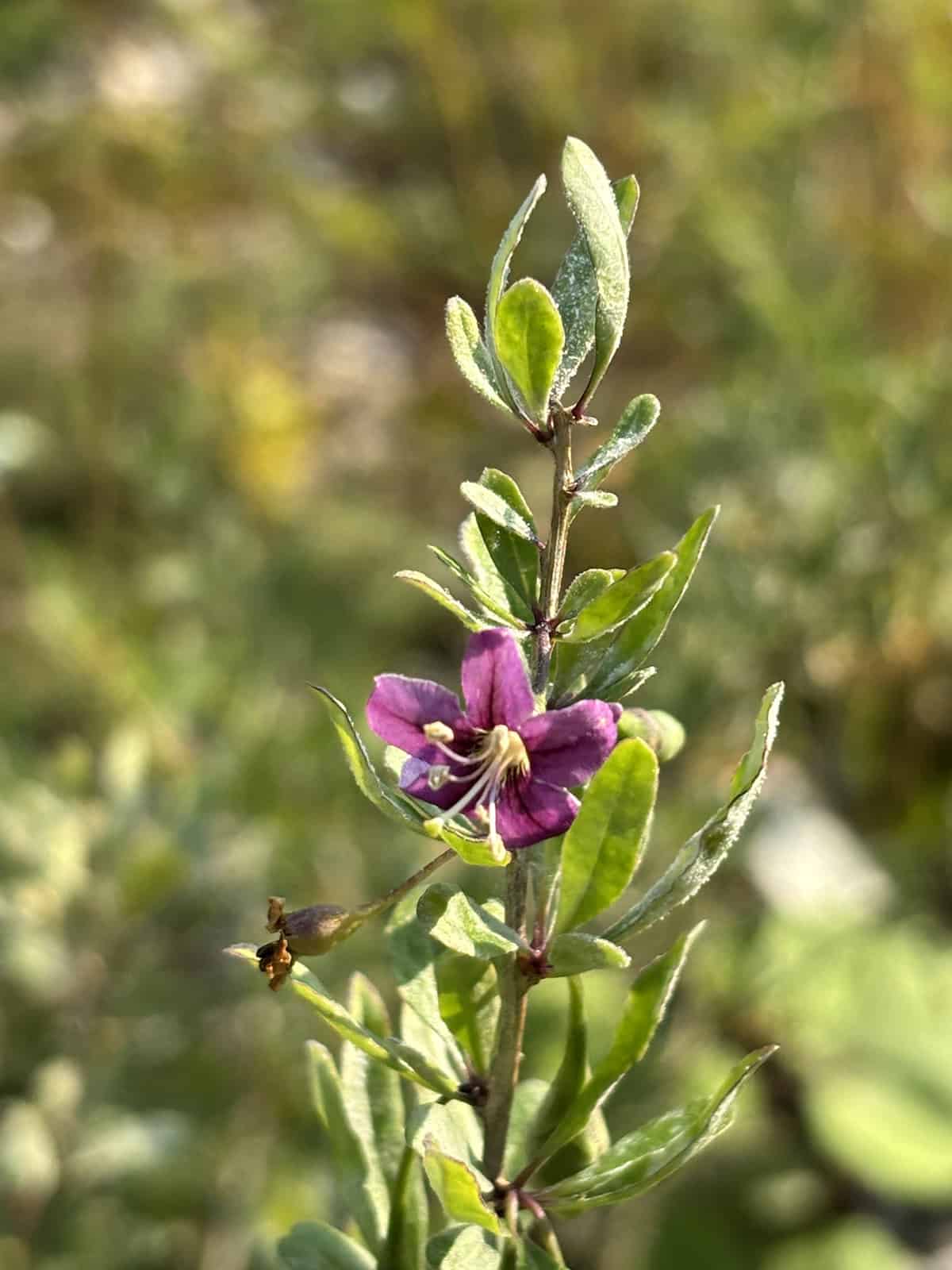
At nurseries, the goji berry usually pops up as Lycium barbarum, though the less common Lycium chinense sometimes sneaks in too. Both are part of the nightshade family. While they look a lot alike at first glance, the differences show up in the taste, berry size, and how they grow—subtle, but if you’ve tried both, you’ll notice.
With ‘Crimson Star’, you get that classic bright red fruit and a flavor that’s pleasingly sweet, not cloying. People like it because it doesn’t take long to start producing—just a year or two, if you’re lucky. Pruning keeps it in check, and it handles cold down to USDA zone 4 without much fuss.
For folks after a slightly bigger berry, ‘Phoenix Tears’ stands out. The fruit leans mild and sweet, and the plant itself grows upright, which makes it easy to train along a trellis or keep as a tidy shrub. Sun and well-drained soil keep it happy, and it’s a favorite for steady harvests in backyard plots.
Then there’s ‘Sweet Lifeberry’—the fruit’s longer, and the sweetness is more pronounced. If you like eating goji berries fresh, this one’s especially tempting. It also dries out evenly, which is handy if you’re thinking about storage. Just be ready to cut it back hard each winter, because it can get a bit wild if you let it.
Honestly, if you want to avoid surprises, stick with a named variety rather than a generic seedling. The fruit’s more predictable, and the yield won’t leave you guessing. If the label just says Lycium chinense or Lycium barbarum, don’t be shy—ask the seller about where it’s from and what the berries are like before you buy.