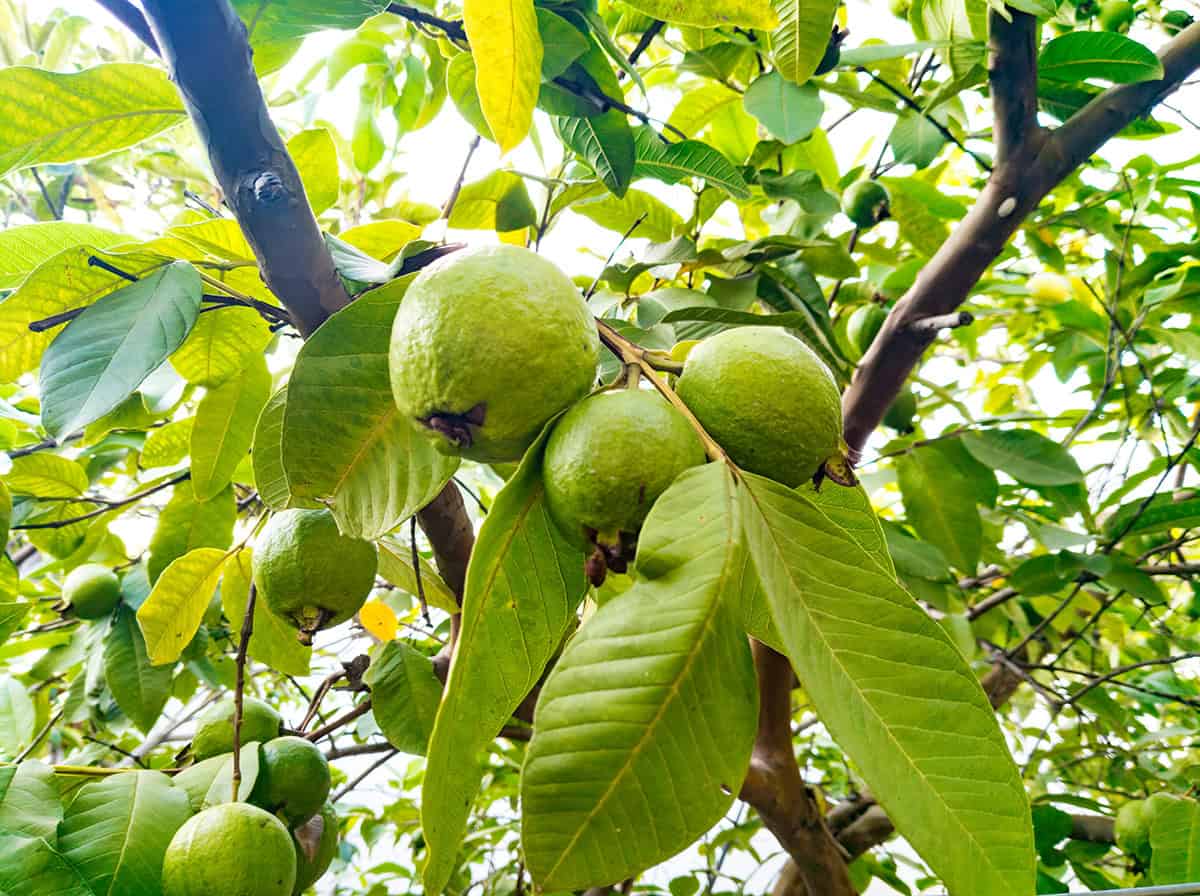
A guava tree brings tropical charm and delicious fruit to the backyard without demanding complicated care. Its glossy leaves, fragrant flowers, and sweet harvest make it a favorite among home gardeners. This guide covers everything you need to grow a healthy, productive tree.
Table of Contents
Quick Care Summary
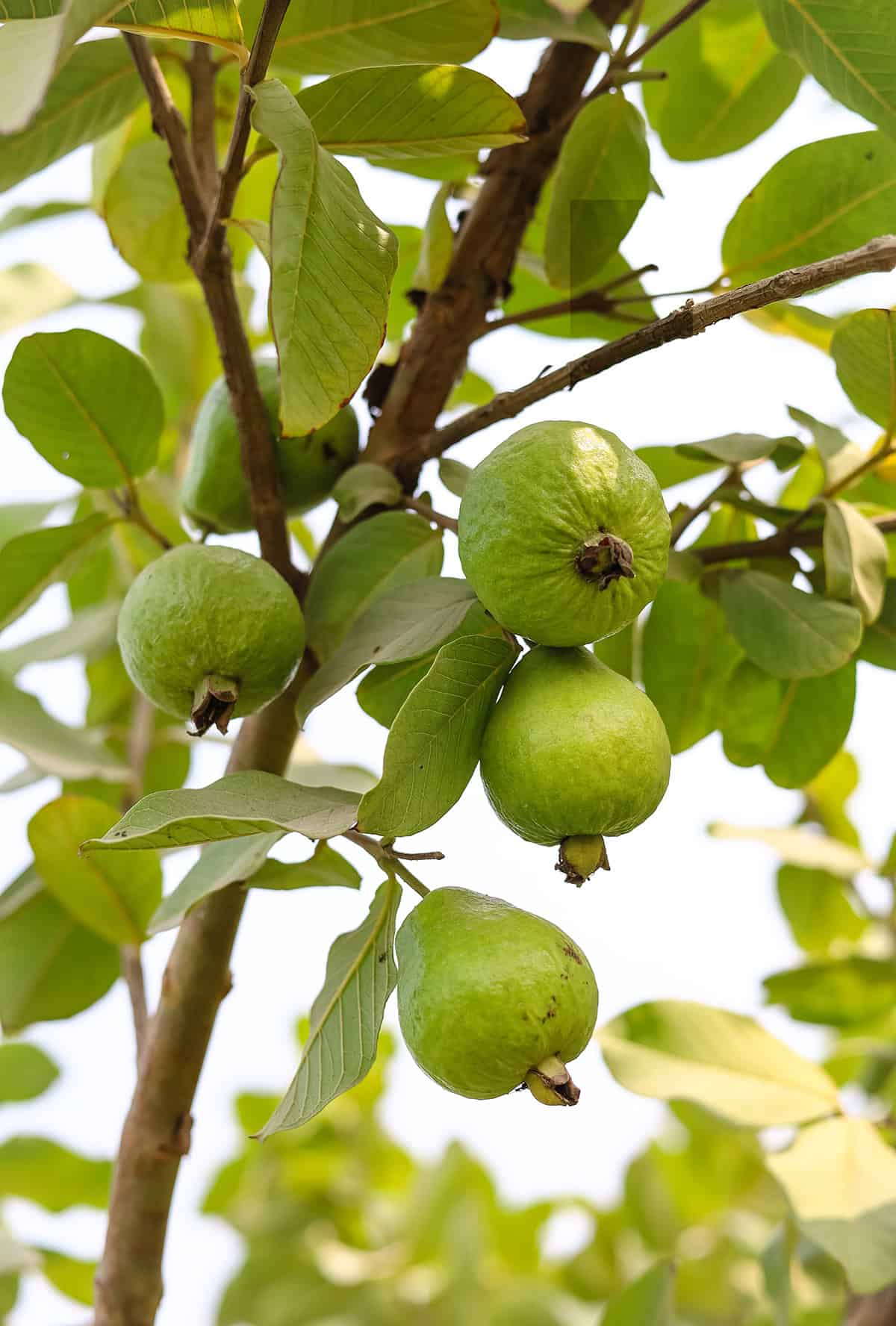
Guava isn’t fussy if you hit the basics. Warmth, sun, and soil that doesn’t stay soggy are non-negotiable. Water regularly, feed a bit, and you’ll see healthy growth and a decent harvest.
For in-ground or container-grown trees, here’s the gist:
- Light: Full sun, minimum 6–8 hours daily
- Soil: Sandy or loamy, drains well; pH 4.5–7 is best, but you can push it a bit higher with iron supplements
- Watering: Keep soil moist after planting, especially during flowering and fruit set
- Temperature: Thrives at 73–82°F; gets cranky below 28°F
- Humidity: Likes it moderate to high, adapts to subtropics
- Fertilizer: Balanced mix 3–4 times a year; ramp up potassium for fruiting
- Propagation: Air layering, cuttings, grafting, budding; seeds work but aren’t the most reliable
- USDA Zones: 9–11
- Fruiting Season: Usually summer, sometimes a bonus crop if it’s warm enough
Young plants need steady water and a light touch with fertilizer that first year. Older trees can handle a bit of drought, but they’ll fruit better if you don’t let them dry out when it matters.
Prune to keep things manageable—aim for 6–10 feet tall. Easier to harvest, less likely to get battered by wind.
Plant Overview
A guava (Psidium guajava) brings a bit of the tropics to any garden lucky enough to stay warm year-round. Some folks train it as a single-trunk tree, others let it sprawl with several stems. Most home growers keep it under 10 feet—easy enough with regular cuts. Expect white, fragrant blooms and round or oval fruit in shades from pale cream to vivid pink or red.
In frost-free areas, it’s a no-brainer for the yard. Where winters bite, a big container lets you shuffle it indoors. Older guavas can take a light freeze, but the young ones? Not so much. The fruit’s taste and sweetness? That’s mostly down to which variety you pick.
Quick Care Recap
- Light: Needs full sun
- Soil: Sandy or loamy, drains fast
- Watering: Moderate; let it dry out a bit between deep drinks
- Temperature: 73–82°F is the sweet spot; below 28°F, you’re pushing it
- Humidity: Moderate to high is ideal
- Fertilizer: Balanced feed when it’s actively growing
- Propagation: Grafting, air layering, cuttings; seeds if you’re feeling lucky
- USDA Zones: 9–11
- Fruiting Season: Main crop in summer, sometimes a lighter one in spring
Plant Details
- Botanical name: Psidium guajava
- Common names: Guava, apple guava
- Plant type: Evergreen shrub or small tree
- Mature size: 8–20 feet tall if left alone
- Growth rate: Quick in warm spots
- Toxicity: Fruit and seeds are edible
- Native region: Tropical Americas
Light
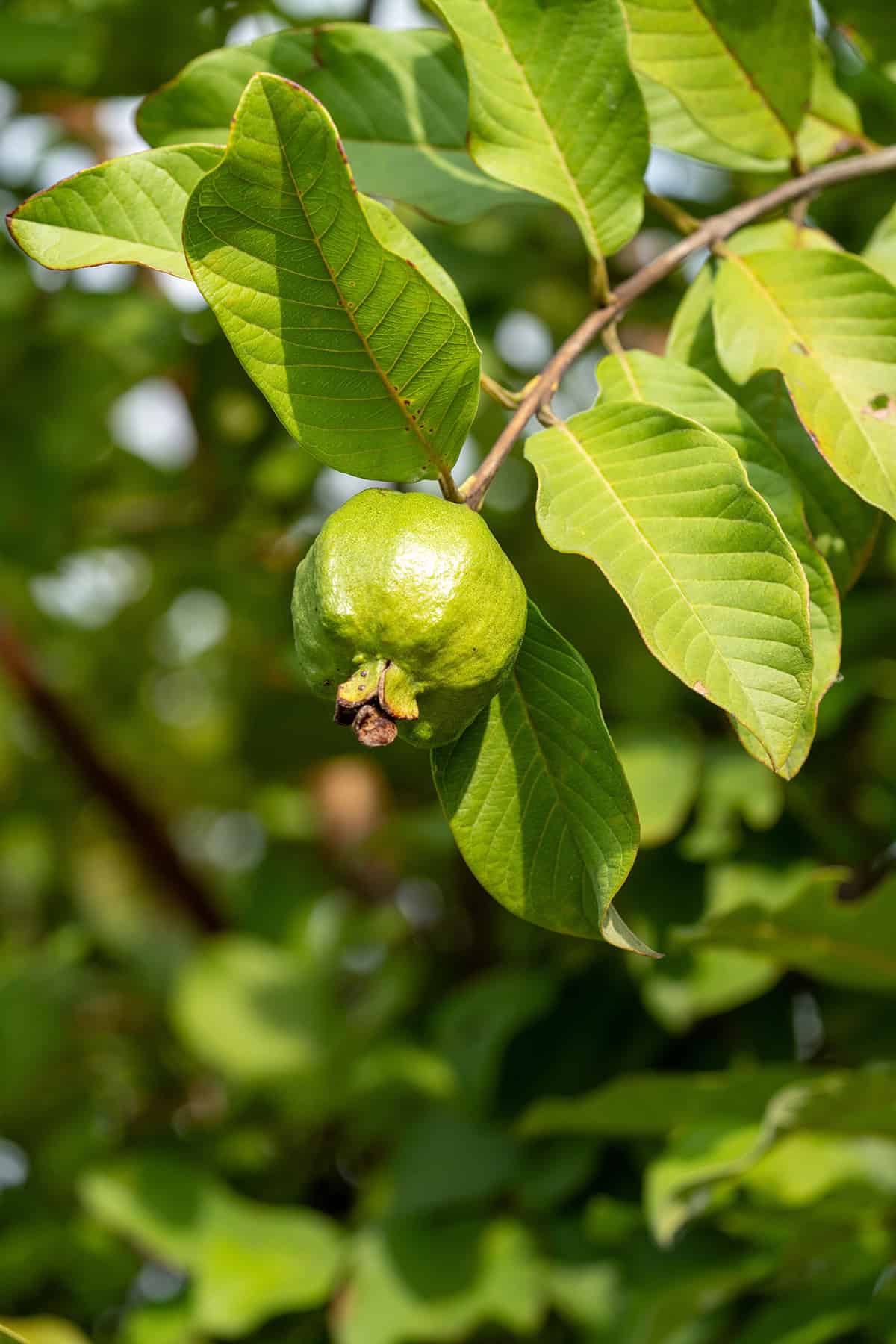
Morning sun streaming through the branches? That’s when guava really shines. Aim for a spot that basks in at least 6–8 hours of direct sunlight. The more intense the light, the heavier the blooms and fruit set.
Shade sneaking in for too long? You’ll notice fewer flowers, spindly growth, and leaves thinning out. Indoors, south or west windows are your best bet—just don’t expect miracles from a dim corner.
Young saplings can handle a bit of gentle shade, but as they age, they really want that full exposure. Avoid tucking them behind big trees or close to walls that hog the sun. Open, sun-drenched locations help keep the canopy compact and balanced.
In scorchingly hot climates, a little afternoon relief for the youngest plants isn’t the worst idea. Once roots settle in, though, most guavas shrug off strong sun.
Wind’s rarely a problem for established trees, but those dry, hot gusts can crisp up new leaves. Find a spot that’s sunny but not a wind tunnel if you can. Reliable light keeps flowering cycles ticking along—sometimes more than once a year if you’re lucky with the weather.
Water
There’s no shortcut here: young guava trees crave regular moisture. In warm months, plan on watering two or three times a week. The trick is keeping the root zone moist, not swampy—roots hate sitting in water.
After that first year, you can back off a little. Mature trees handle short dry spells, but don’t expect a bumper crop if you let them parch during bloom or fruit set. Deep soakings once a week during dry stretches usually do the trick. Let the top few inches dry out before watering again.
Flowering and fruiting? That’s when you want to be extra vigilant. If rainfall’s low, nudge up the water. But don’t suddenly flood a thirsty tree after a drought—split fruit is a real risk.
Drainage is non-negotiable. Guavas can survive a brief flood, but roots rot fast in always-wet soil. If puddles linger after rain, mound up the planting site. Mulch—two to six inches deep—keeps moisture in, but don’t let it pile up against the trunk.
Container-grown trees dry out much faster. Check the soil often. Water until it runs out the bottom, then wait for the surface to dry before going again.
Soil
Loose, crumbly ground sets the stage for happy roots. Guava’s not picky about soil type, but sandy loam that drains quickly and holds a bit of moisture is ideal. Avoid low spots that stay soggy after rain.
You’ll see guava growing in sand, loam, rocky patches, even muck—so long as water doesn’t pool around the roots. Heavy clay? Not so great. If the ground drains slow, raise the planting area to keep roots above the wet.
Keep pH between 4.5 and 7.0 if you can. It’ll tolerate a bit more alkalinity (up to 8.5), but watch for yellowing leaves—an iron supplement can help. High pH soils sometimes need chelated iron to keep foliage green.
Most roots stick close to the surface, rarely deeper than 12–18 inches. A layer of mulch helps with moisture and weeds, but leave a gap around the trunk to avoid rot.
Before planting, break up the soil wider than the root ball. Don’t go overboard with compost—mix it in evenly if you use it, so roots aren’t lazy and stay put.
Temperature & Humidity
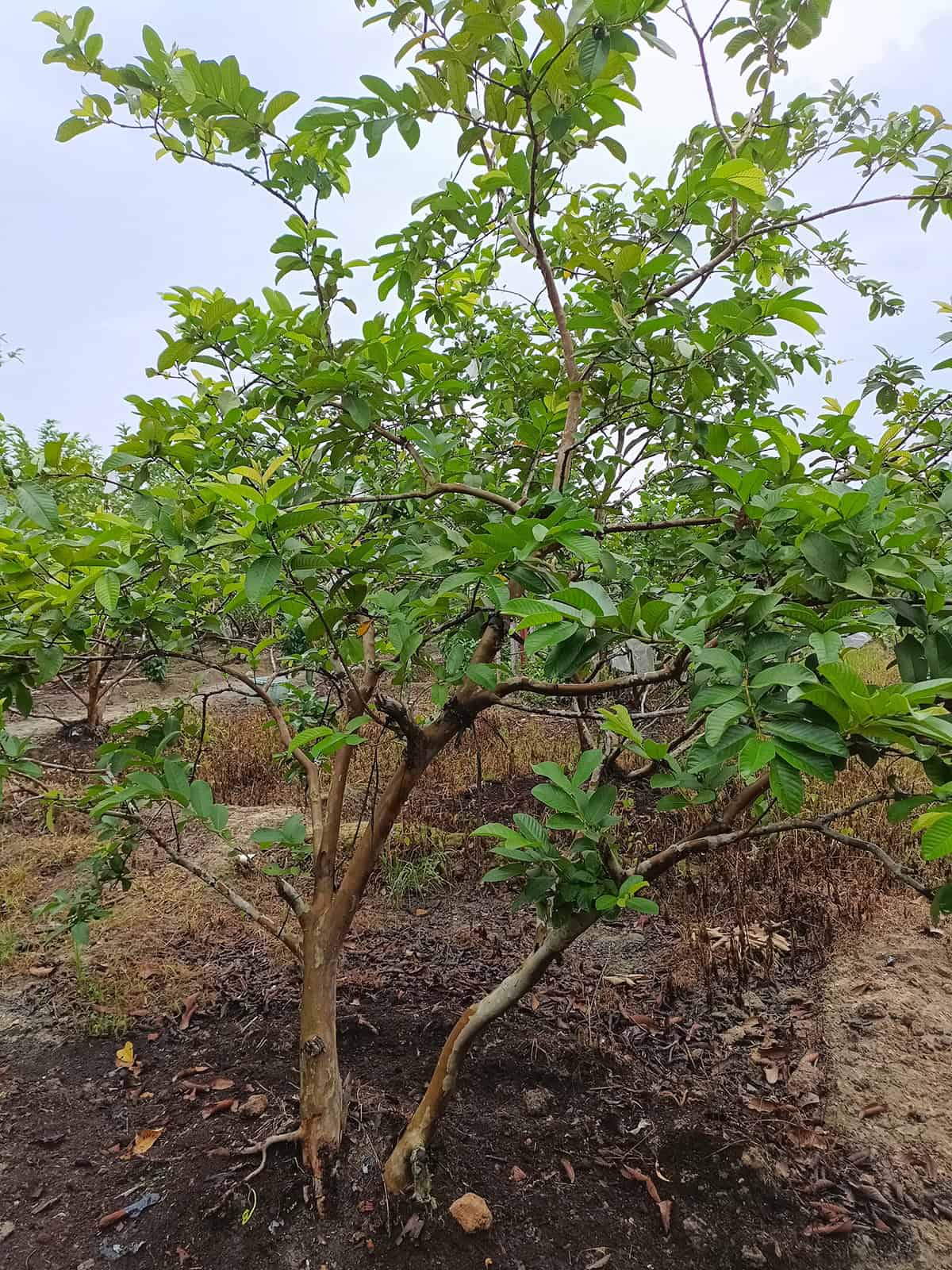
Warmth isn’t just a preference—it’s a must. Daytime temps in the 73–82°F range keep guava humming along. Growth slows down if things dip under 60°F.
Brush with cold? Older trees can take a brief chill down to 25°F, but stretches of freezing weather will leave scars. Young guavas, especially, can’t handle frost below 28°F.
Find the sunniest, most sheltered spot you have—south-facing walls or courtyards are perfect. Stay clear of dips in the yard where cold air pools.
In cooler climates, containers let you whisk the tree indoors or into a greenhouse before frost. Bright light and temps above 60°F indoors are key.
Guava’s right at home in tropical and subtropical zones, and doesn’t mind a bit of coastal air. Super dry indoor air can slow it down, so keep some humidity going in winter if you can.
Stable warmth means more flowers and fruit. If nights regularly drop below 45–50°F, expect fewer blooms. Consistency pays off.
Fertilizer
Nutrient-hungry but not greedy, guava responds best to light, regular feeding—especially when young. Every four to six weeks from early spring through late summer, sprinkle on a balanced fertilizer.
Look for something like 6-6-6 or 8-8-8 with a dash of micronutrients—magnesium, iron, zinc, manganese. These keep leaves green and flowers coming.
Spread fertilizer under the canopy, steering clear of the trunk by 8 to 12 inches. Water it in to help nutrients reach the roots and avoid salt buildup.
Older trees need less frequent feeding—three or four times a year is plenty. Bump up the dose as the trunk and canopy fill out. Too much nitrogen gives you a jungle of leaves but not much fruit.
If you’re seeing yellowing or stunted growth, test your soil before tweaking the schedule. Guavas like slightly acidic to neutral soil (pH 5.5–7.0). Compost helps with structure, but don’t count on it alone for nutrition.
Growing in Containers
Limited space or frosty winters? Containers make guava surprisingly accessible. You’re in charge of soil, water, and sunlight, and the roots can’t wander. Trees stay a manageable size, too.
Pick a pot holding at least 15 to 25 gallons—20 inches wide or more for mature plants. Drainage holes are a must. Heavier containers are less likely to tip over in a storm.
Go with a potting mix that drains fast—add coarse sand or perlite if needed. Standard garden soil turns to concrete in pots. Keep the mix moist, not wet, letting the top couple inches dry out before watering again.
Sun is still non-negotiable. Place the pot somewhere that catches rays most of the day. If frost is in the forecast (USDA zones below 9), haul it indoors or into a sheltered spot.
Fertilize every six to eight weeks during the growing season, then ease up in fall and winter. Prune each year to keep things under eight feet and shape the canopy.
Roots eventually fill the pot. Repot every two or three years, or at least refresh the top layer of soil if it’s getting crowded. With care, even a potted guava can start fruiting by year three or four.
Potting & Repotting
No yard? No problem. Guava adapts well to pots, especially if cold weather is a concern. Start with a container sporting big drainage holes—10 to 15 gallons is fine for a young tree.
Use a potting mix that drains fast. Mix in coarse sand or perlite for extra airflow. Guava roots won’t tolerate soggy media. Keep the pH just a bit on the acidic side if you can manage it.
Set the tree so the root ball sits level with or just above the soil surface. Gently firm the soil around the roots, then water deeply to settle everything in.
Repot every couple of years, or when you see roots circling the pot and growth slowing down. Go up one size at a time—too big, and the soil stays wet too long.
If roots are tangled tight, tease or trim them before replanting. Use clean, sharp pruners. Swap out some old mix for fresh to keep nutrients up.
After repotting, let the tree recover in bright but indirect light for about a week. Water when the top few inches dry out. Wait for new growth before resuming regular feeding.
Pruning
A bit of annual pruning keeps guava trees compact and loaded with fruit. Since fruit forms on new shoots, cutting back encourages more of what you want. Late winter or early spring is prime time in most spots.
Get started the first year. If you want a tree shape, pick one main trunk and three or four well-spaced side branches. For a bushier look, let several stems grow.
Snip away weak, crowded, or crossing branches. Thin the middle so sunlight and air can reach the interior—less disease, better fruit.
To keep things manageable, shorten overly long shoots. Aim for a height you can harvest without a ladder. Don’t take off more than a third of the canopy at once.
Older trees benefit from yearly thinning and heading cuts. Trim last year’s growth to push out fresh shoots. After heavy fruiting, check for broken or strained branches and clean up as needed.
Always cut just above a leaf node or side branch, and keep your tools sharp and sanitized to avoid spreading disease.
Propagation
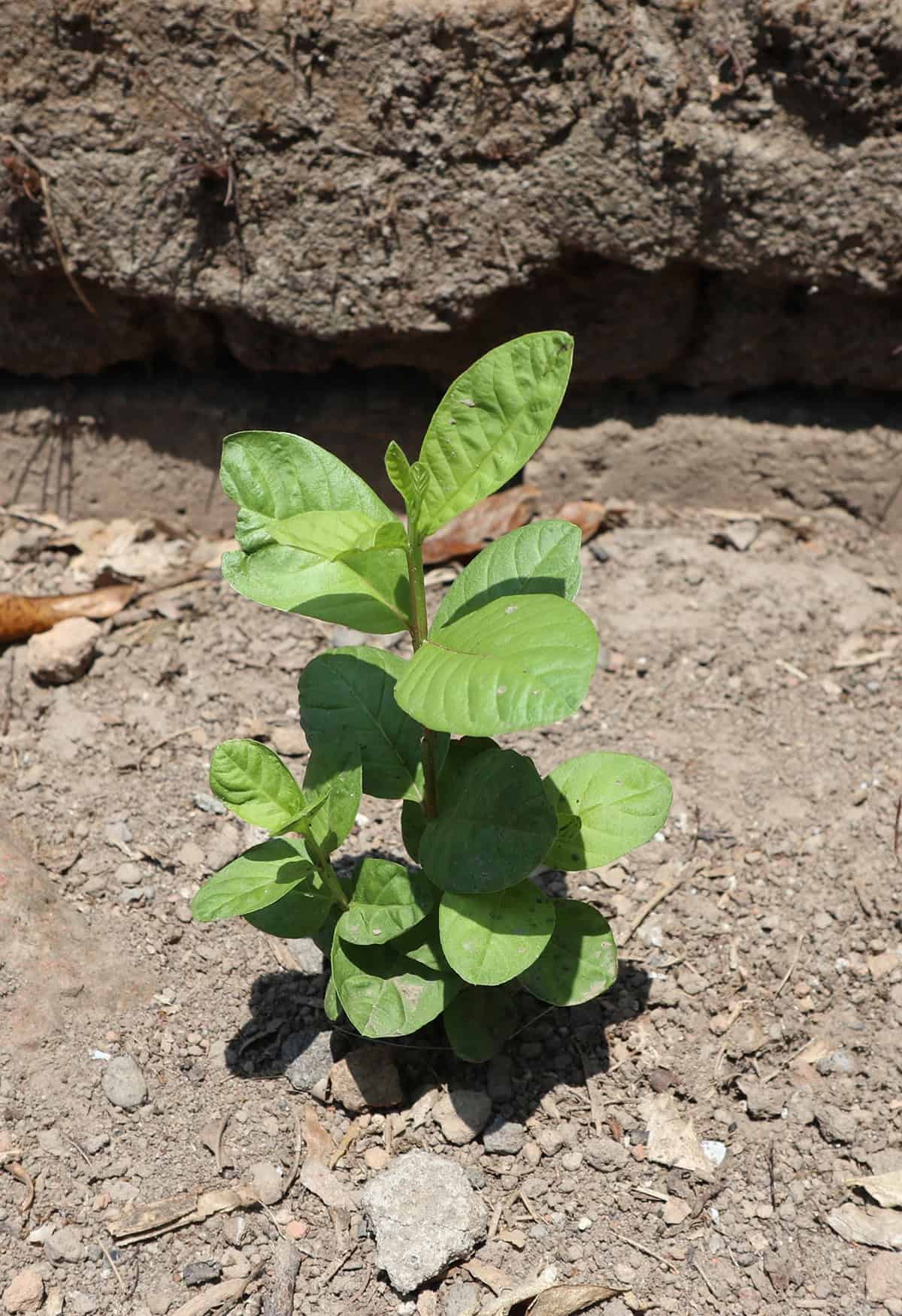
Warmth and patience—those are the unspoken requirements for anyone starting guava from seed. Seeds pulled from ripe fruit, cleaned of pulp, and left to dry for a day will need a well-drained, sterile mix to have any real chance at sprouting. Keep that soil moist and hovering somewhere between 75 and 85°F, and you might see shoots in as little as two weeks, or as long as two months. But even after the seedlings break through, it’s a waiting game—three to four years, sometimes more, before you see any fruit. The results can be unpredictable, too; seed-grown guavas rarely match the parent, so surprises are part of the deal.
For those who’d rather skip the uncertainty, vegetative propagation has its perks. Air layering, cuttings, budding, or grafting—these are the go-to moves for nurseries and anyone after consistent fruit. Cloning the parent plant means no guessing about flavor, size, or yield.
Cuttings taken from semi-hardwood branches, especially when humidity runs high and temperatures are warm, tend to root with the least fuss. A little rooting hormone can tip the odds in your favor. Air layering feels like a shortcut, producing sturdy, fruit-ready plants faster than seeds ever could.
Honestly, if you’re not in the mood for experiments, picking up a healthy, grafted guava tree is the way to go. Look for one standing two to four feet tall, roots untangled and healthy.
Fruiting & Harvest
The anticipation builds for years before guava trees finally offer up their first fruits—usually three or four seasons after planting. Depending on how you prune and your local climate, you might notice a modest harvest in spring, then a more generous crop later in summer or fall. Guavas thrive when daytime temperatures hang around the mid-70s to low 80s.
When white, fragrant flowers appear, fruit isn’t far behind. Pruning at the right time and using a balanced fertilizer can shift the timing, sometimes nudging the tree into heavier production. Keeping the soil evenly moist during flowering and fruit set really pays off in fruit size and taste.
Harvesting guava is mostly about touch and color. Pink or red varieties signal ripeness when their skin lightens and the fruit yields gently to pressure. White-fleshed types, on the other hand, are often picked while still firm and greenish. No need for fancy tools—just clean pruners or a careful twist does the trick. Handle each fruit gently; guavas bruise easily and overripe ones can drop before you know it.
After picking, let any fruit that’s still a bit firm soften at room temperature. Ripe guavas keep in the fridge for about a week, but it’s smart to check them daily and remove any with soft spots to avoid waste.
Common Problems
Guava trees aren’t immune to trouble—pests, for one, can be relentless. The guava moth is a sneaky culprit: its larvae tunnel into developing fruit, causing rot from the inside out. Often, you won’t spot the problem until you slice open the fruit. Best move? Remove infested fruit and keep fallen debris cleared to cut down future outbreaks.
Fruit flies add to the headache, laying eggs under the skin of ripening guavas. The larvae feed on the pulp, ruining the harvest. Bagging fruit or picking it early can help, though it’s not always a perfect fix.
Damp, muggy weather brings on fungal issues like anthracnose and leaf spot. Dark lesions show up on leaves and fruit, and a bad case can sap the tree’s strength. Thinning out branches to boost air flow helps, and copper sprays have their place—just follow the directions.
Standing water is trouble for guavas. While they’ll shrug off a little flooding, soggy roots over time lead to yellow leaves, dropping fruit, and even dead branches. Well-drained soil is non-negotiable, and it’s wise not to overdo the watering.
In soils with high pH, nutrient issues pop up. Iron deficiency is especially common, showing up as yellow leaves with green veins. Chelated iron, made for alkaline soils, usually does the trick.
Cold snaps can be rough, especially for young guava trees—anything below 28°F risks damage. Covers on chilly nights and planting in the sunniest spot you’ve got can make a difference.
Varieties
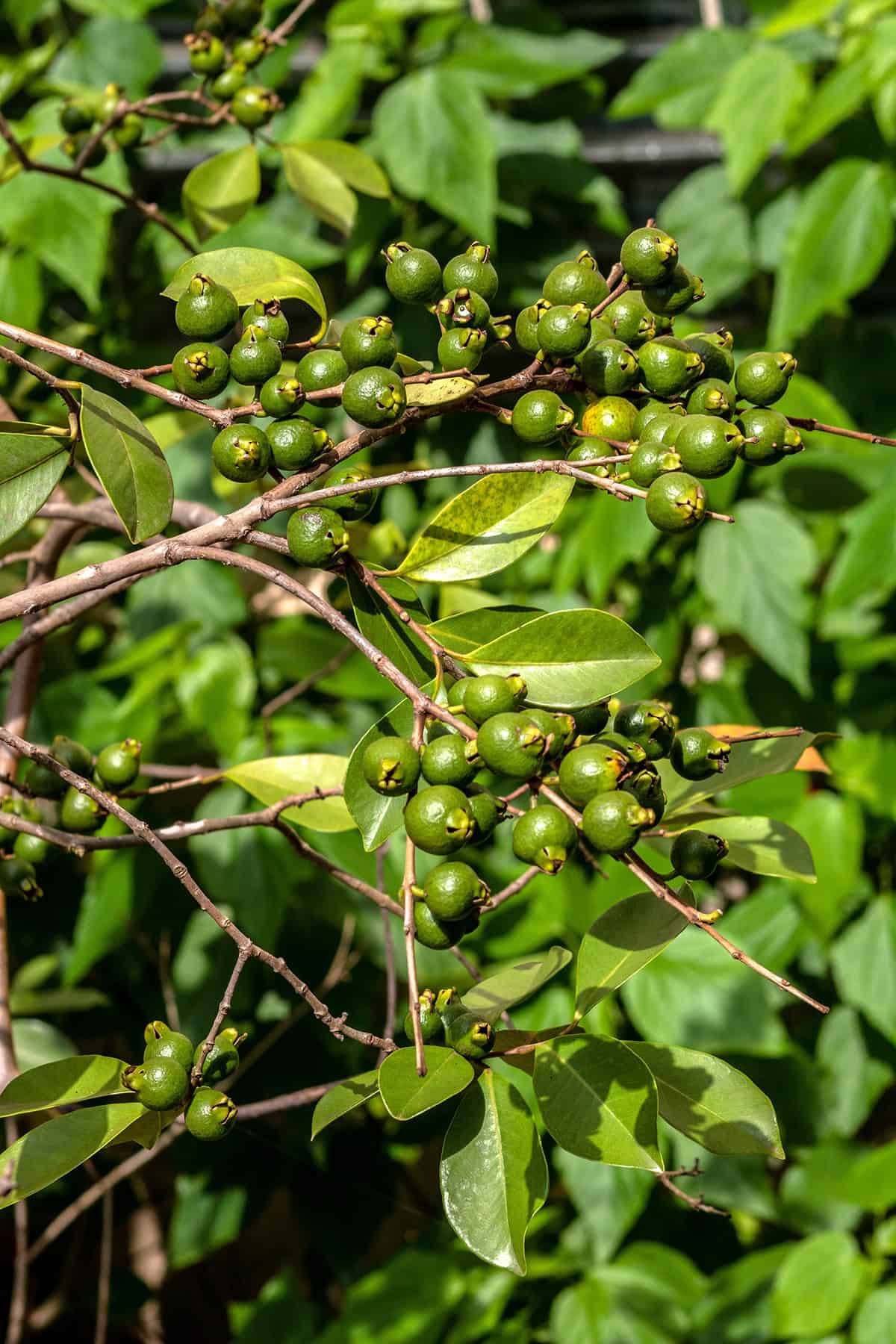
Step into a home garden in a warm climate, and odds are you’ll spot a guava tree or two. The classic apple guava—Psidium guajava—anchors most backyards with its round or pear-shaped fruit, but the story hardly ends there. Size, color, and flavor swing wildly from one cultivar to the next.
Slice open a ripe pink guava and you’ll get a burst of color—blushing pink to deep red flesh, depending on the type. The flavor? Usually sweet, sometimes with a gentle aroma that never shouts. Some growers favor cultivars with hefty fruit and bigger yields, especially for juicing or eating fresh.
White-fleshed guavas, on the other hand, tend to offer a firmer, almost crunchy bite. Folks in subtropical areas often pick them just shy of full ripeness, chasing that crisp texture. Adaptability seems to be their strong suit, thriving where others might sulk.
Then, tucked in corners or hedges, you might stumble across something a bit different. Strawberry guava (Psidium cattleianum) leans small—red or yellow fruit, bite-sized and bursting with a berry-like sweetness. Lemon guava, a yellow variant, throws in a tangy twist, adding citrusy brightness to the mix.
And if you wander further, you might encounter pineapple guava (Acca sellowiana), or feijoa. It’s not a true guava botanically, but it’s a familiar face in the same neighborhoods. Dense foliage, a shrubby habit, and oval fruit with a perfume that’s hard to pin down—part sweet, part floral, part something else entirely.
Sorting through all these options, you’ll want to weigh a few things: how much heat or chill your spot gets, what kind of fruit you crave (pink, white, yellow, tangy, sweet), and whether you’re after a tidy shrub or a sprawling tree. Some are better for jam, some for straight-up snacking, and a few will surprise you in ways you didn’t expect.