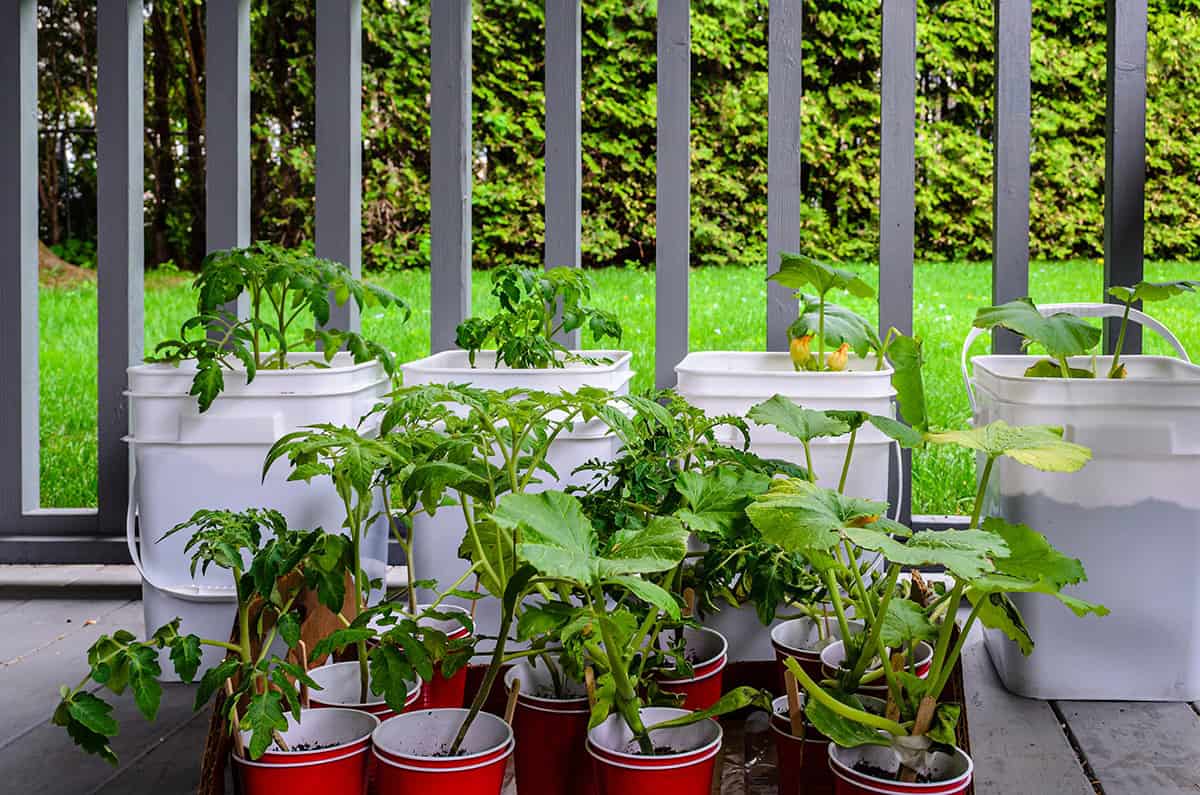
There’s something pretty satisfying about stepping outside and snipping fresh basil for your pasta, or grabbing a handful of lettuce for a quick sandwich. You don’t need a yard—just a bit of sun and a few containers on the porch.
With the right picks, you’ll have food growing within arm’s reach. Herbs are honestly made for pots, and plenty of veggies do just fine in small spaces. You get to control the soil and water, and that keeps things healthier, too.
Here’s a rundown of twenty popular choices that actually do well on a porch. Some need more sun, others are fine with a little shade, and you’ll get tips for keeping them happy (and productive).
Table of Contents
20 Common Herbs And Veggies You Can Grow On Your Porch
Even if you’re short on space, you can still have fresh ingredients right outside. Lots of herbs and veggies adapt to pots, as long as you give them decent sun, water, and a little attention.
Basil
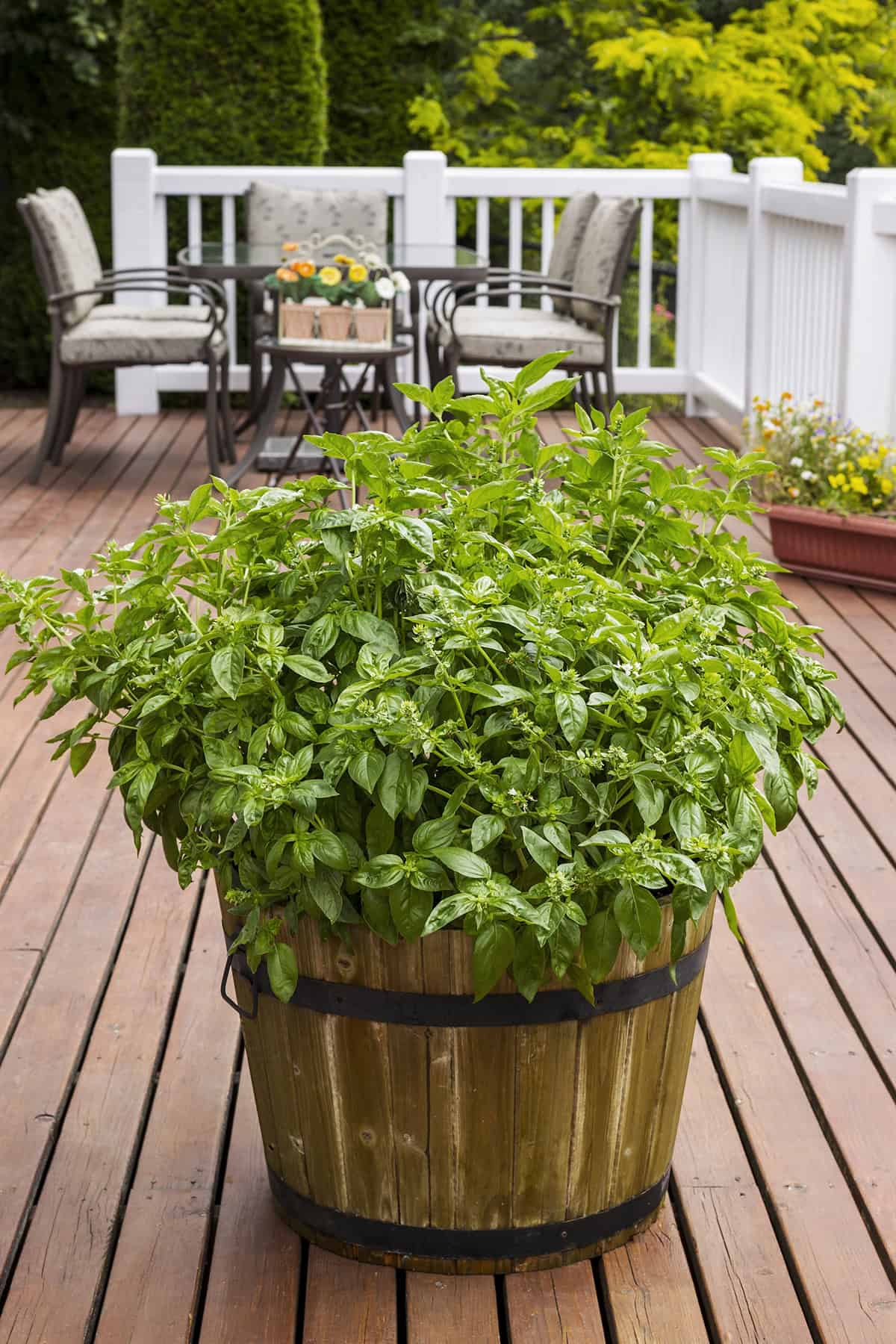
Basil loves warmth and at least six hours of sunlight a day. Give it well-draining soil and keep it from drying out completely.
Pinching off the growing tips helps it get bushier and delays flowers. Regular harvesting means more leaves for you and a healthier plant.
Sweet basil is classic, but Thai and lemon types are great if you want to mix things up. Just watch out for chilly nights—basil hates the cold.
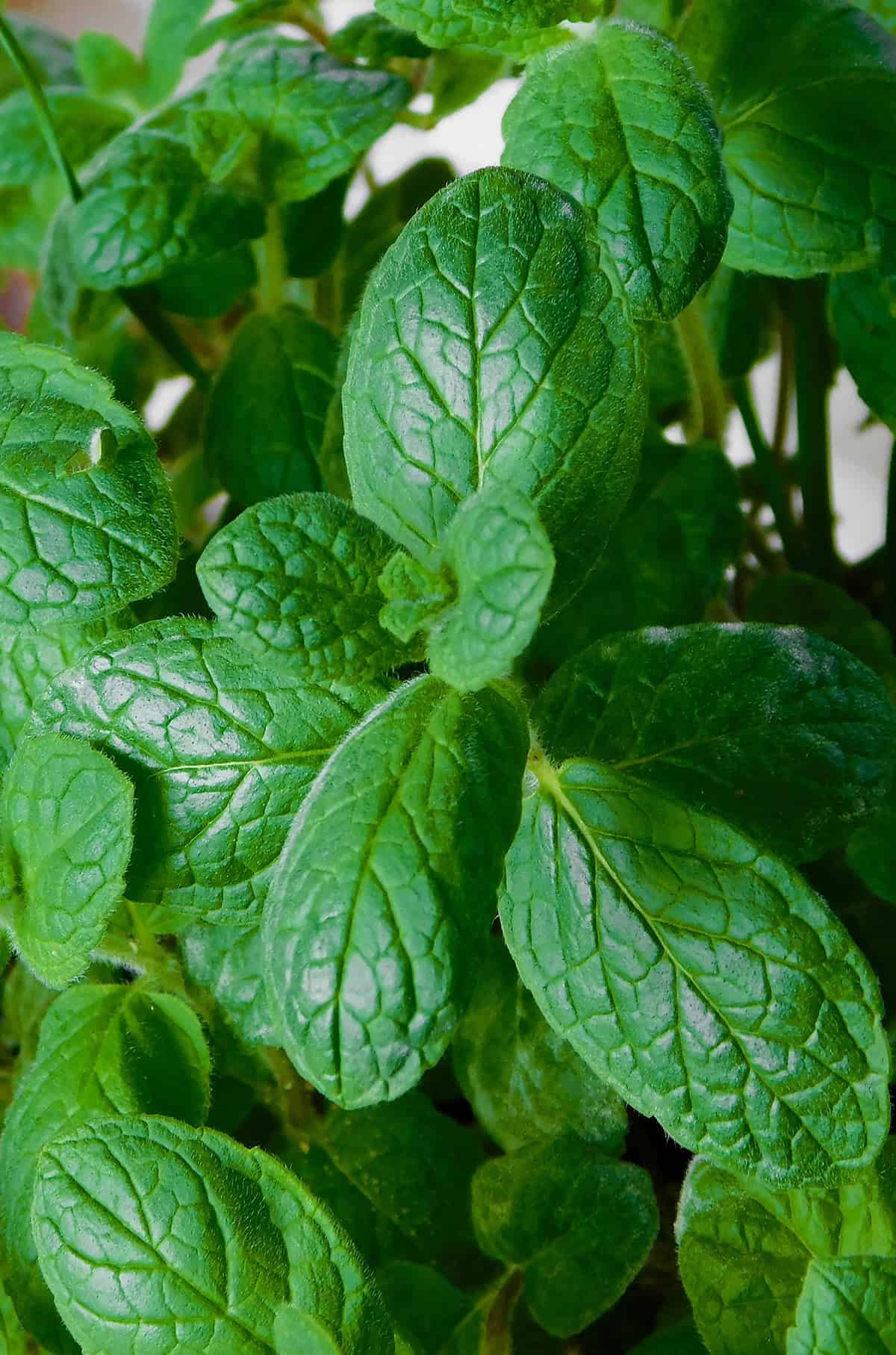
Mint
If you’ve ever planted mint in the ground, you know it tries to take over. A container keeps it in check. Use a medium pot with rich, moist soil.
Partial sun is best—too much direct heat can burn the leaves.
Harvesting often keeps it compact. Spearmint and peppermint are go-tos for tea and recipes.
Parsley
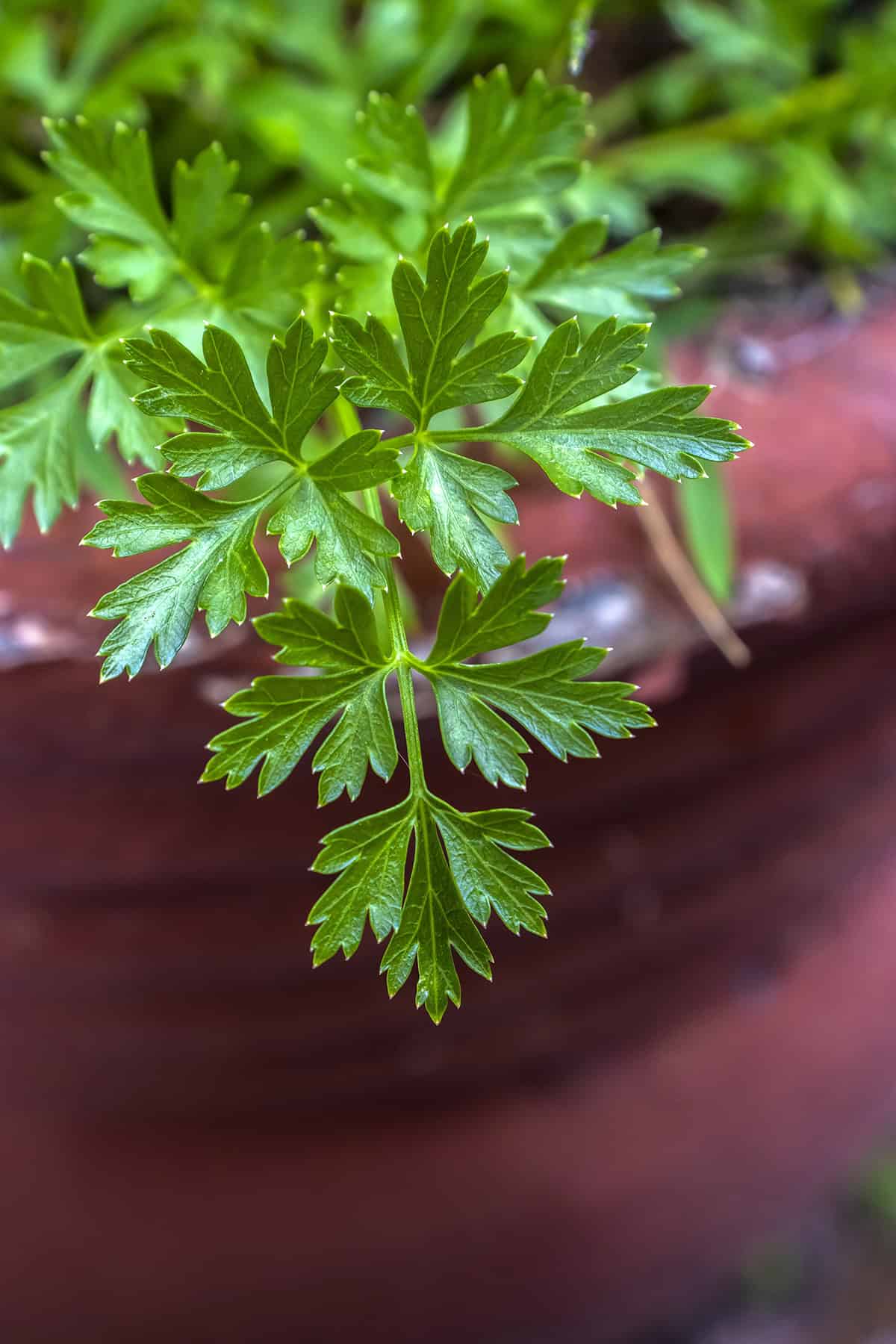
Parsley can be slow to get going, so patience helps. Start from seed or grab a small plant and use a pot with drainage.
Full sun is ideal, but it’ll handle some shade if it’s hot out. Just keep the soil from drying out.
Flat-leaf is stronger for cooking, curly is more decorative. Snip from the outer stems so the middle keeps growing.
Chives
Chives are pretty tough and can come back if you protect them from harsh cold. They do well in small pots with fertile soil that drains easily.
Stick them somewhere sunny for the best flavor. When you harvest, cut the leaves low—about two inches up.
The purple blooms are edible and bees love them. If the clump gets crowded, divide it every few years.
Rosemary
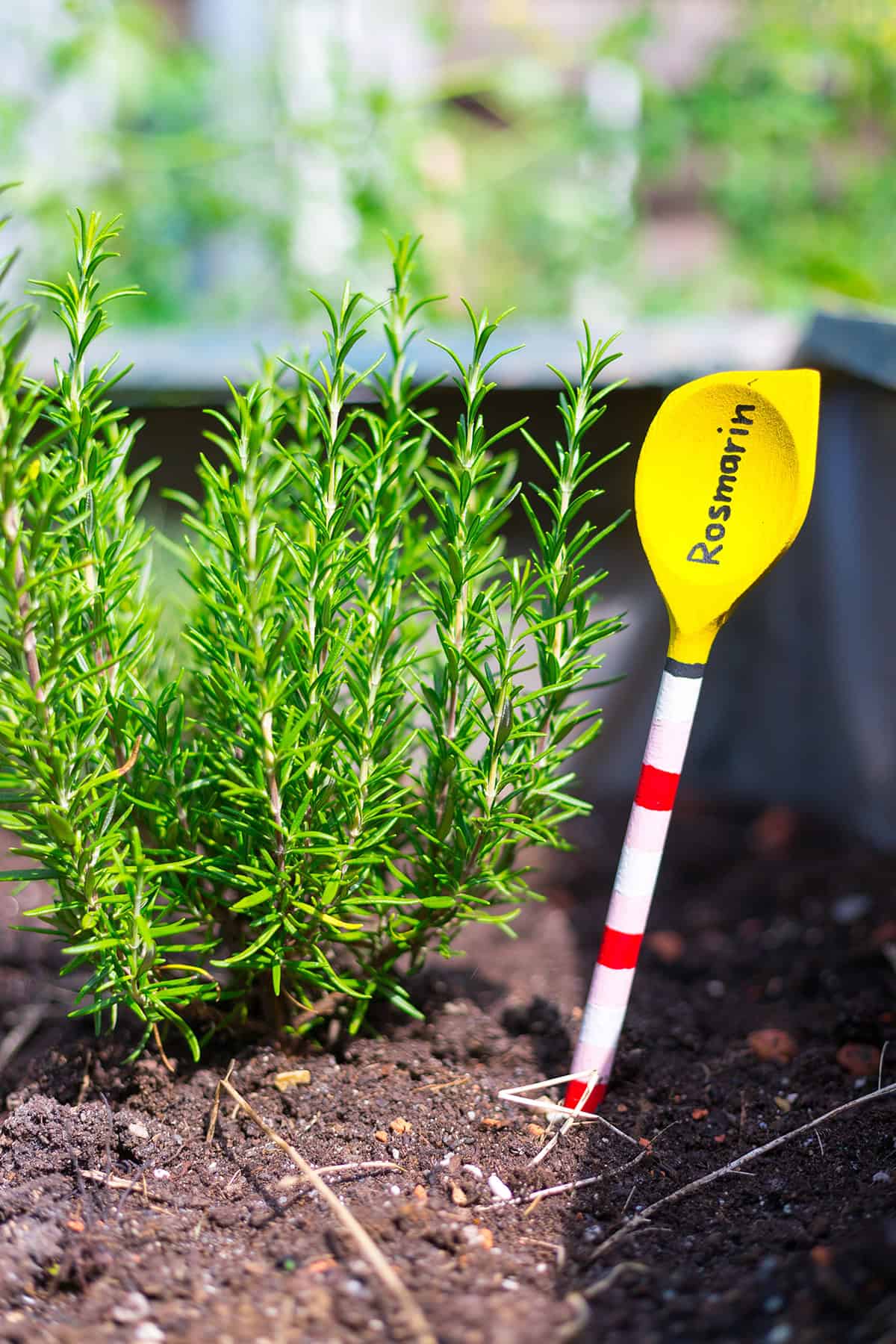
Rosemary wants lots of sun and soil that never stays soggy. Clay pots are perfect since they let moisture escape.
Regular pruning shapes the plant and encourages new shoots.
If you bring it inside before a hard freeze, rosemary can last for years in a container.
Thyme
Thyme does best in dry, sunny spots. Go with sandy or gritty soil so the roots don’t rot.
It’s not thirsty—let the soil dry out before watering again.
Trim stems often for your recipes; it keeps the plant tidy and growing. Lemon thyme is zesty, while common thyme is more traditional.
Oregano
Oregano likes full sun and light, well-drained soil. Once it’s settled, it barely needs watering.
Best flavor comes just before it flowers, so harvest then. Cutting stems back helps it get bushier.
Greek oregano packs a punch, Italian is milder. Both are solid in savory dishes.
Sage
Sage is happy in a sunny spot with sandy soil. Too much water is a problem, so don’t overdo it.
Prune after flowering to keep it neat. Only take a third of the leaves at a time when harvesting.
Standard sage is a kitchen staple, but purple and golden types add a pop of color.
Cilantro (Coriander)
Cilantro likes cooler temps and a bit of shade if it’s sweltering. It bolts fast in heat, so plant new seeds every couple of weeks for a steady crop.
Harvest leaves when they’re about six inches tall. Let some plants go to seed if you want coriander.
Keep the soil damp, but not soaked.
Dill
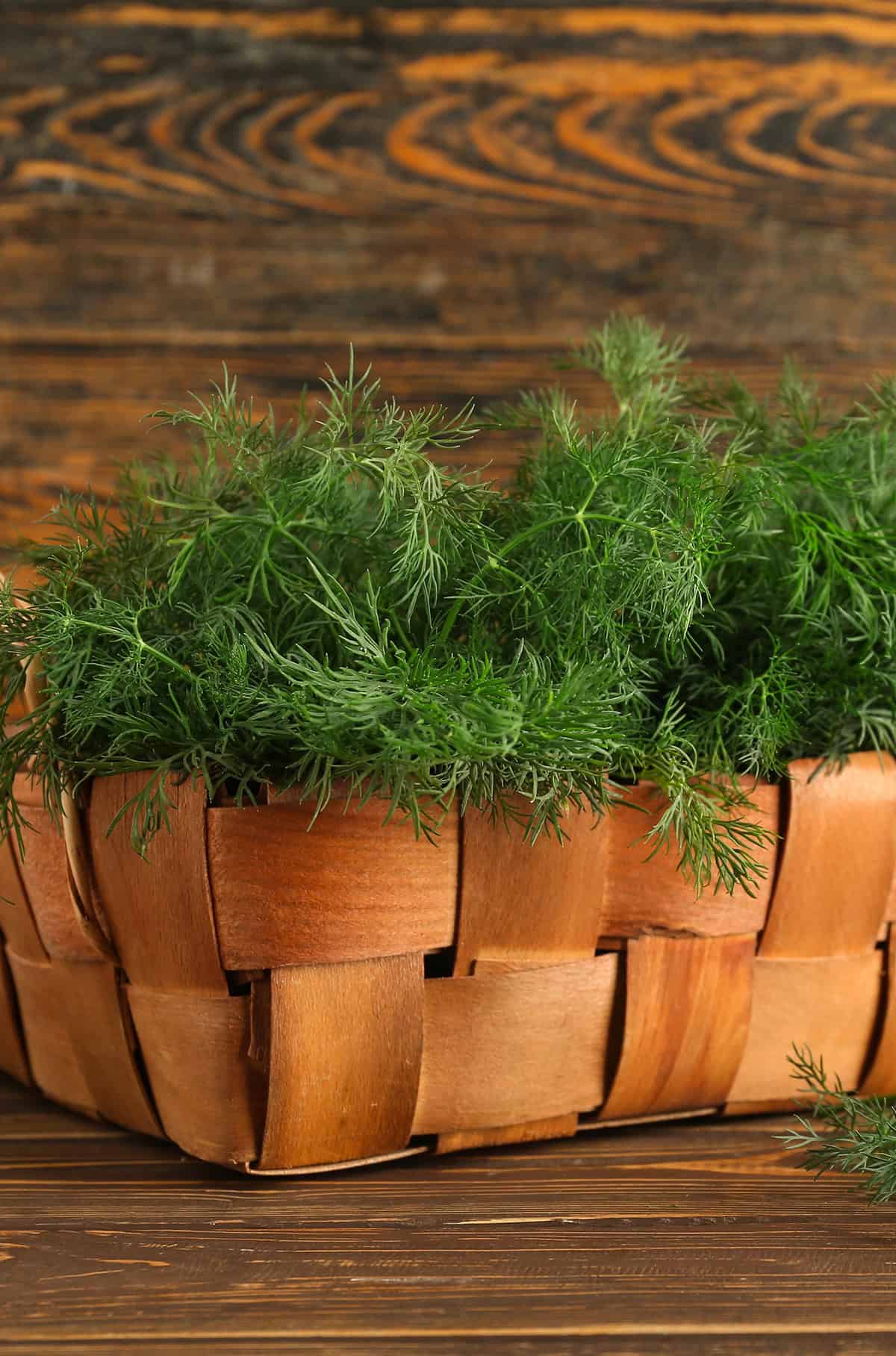
Dill grows fast in full sun and loose soil. It can get tall, so use a deep pot.
Pick leaves for fresh flavor, or let it flower for seeds. Both taste different but are worth trying.
It doesn’t like being moved, so plant seeds right where you want them.
Lettuce
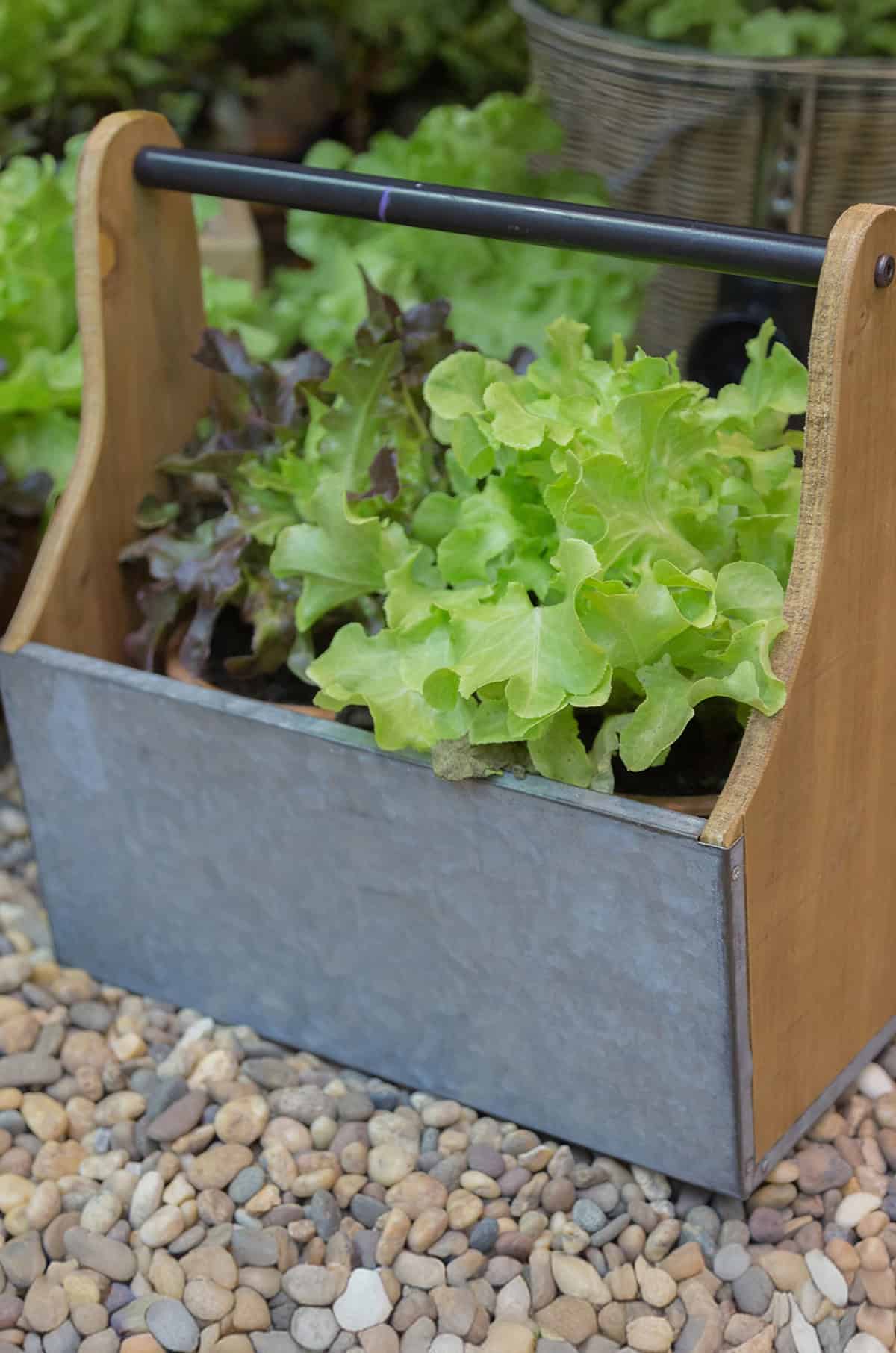
Lettuce is quick to grow in cooler weather and needs steady moisture. Seeds do fine in shallow pots with rich soil.
Partial shade helps prevent bolting in hot weather. Harvest the outer leaves to keep it going.
Loose-leaf types are way easier in containers than head lettuce.
Spinach
Spinach is happiest in cool temps and partial shade. Sow seeds directly in pots in spring or fall.
Keep it moist and pick leaves young for the best texture.
It bolts in heat, so swap it out for other greens when summer hits.
Kale
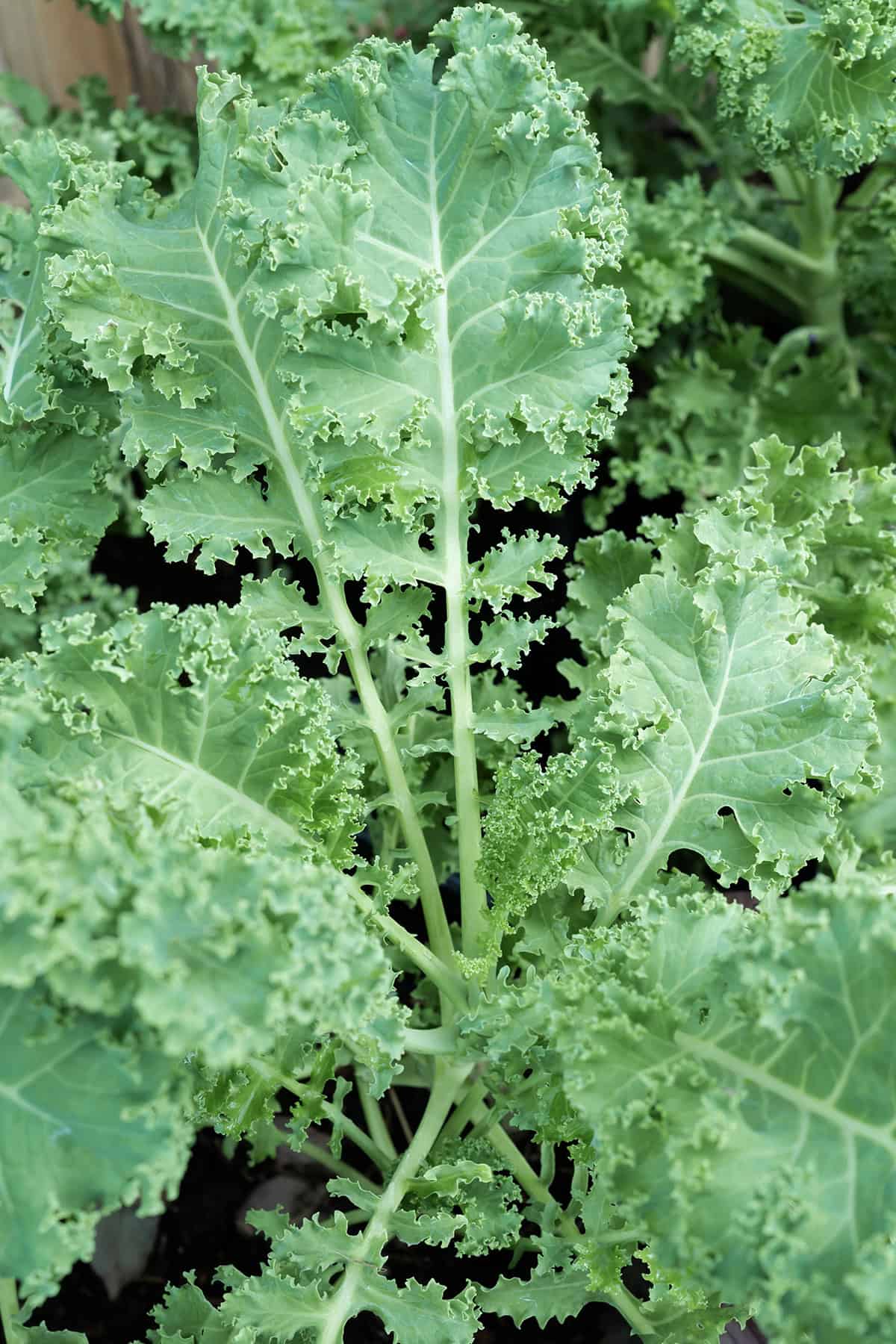
Kale handles the cold and can stick around into winter if it’s not too harsh. Use a deep pot with rich, well-drained soil.
Harvest from the bottom up as it grows taller.
Curly kale is the usual choice, but lacinato is smoother and milder.
Swiss Chard
Swiss chard is flexible—it grows in cool or warm weather and brings bright stems and big leaves.
Pick outer leaves so the plant keeps producing.
Full sun’s best, but it’ll deal with some shade. Just keep the soil moist.
Green Onions (Scallions)
Green onions are quick—start from seeds or even the root ends from the grocery store. A shallow pot with rich soil works great.
They like full sun and are ready when the stems are about as thick as a pencil.
Cut just above the roots and they’ll regrow.
Radishes
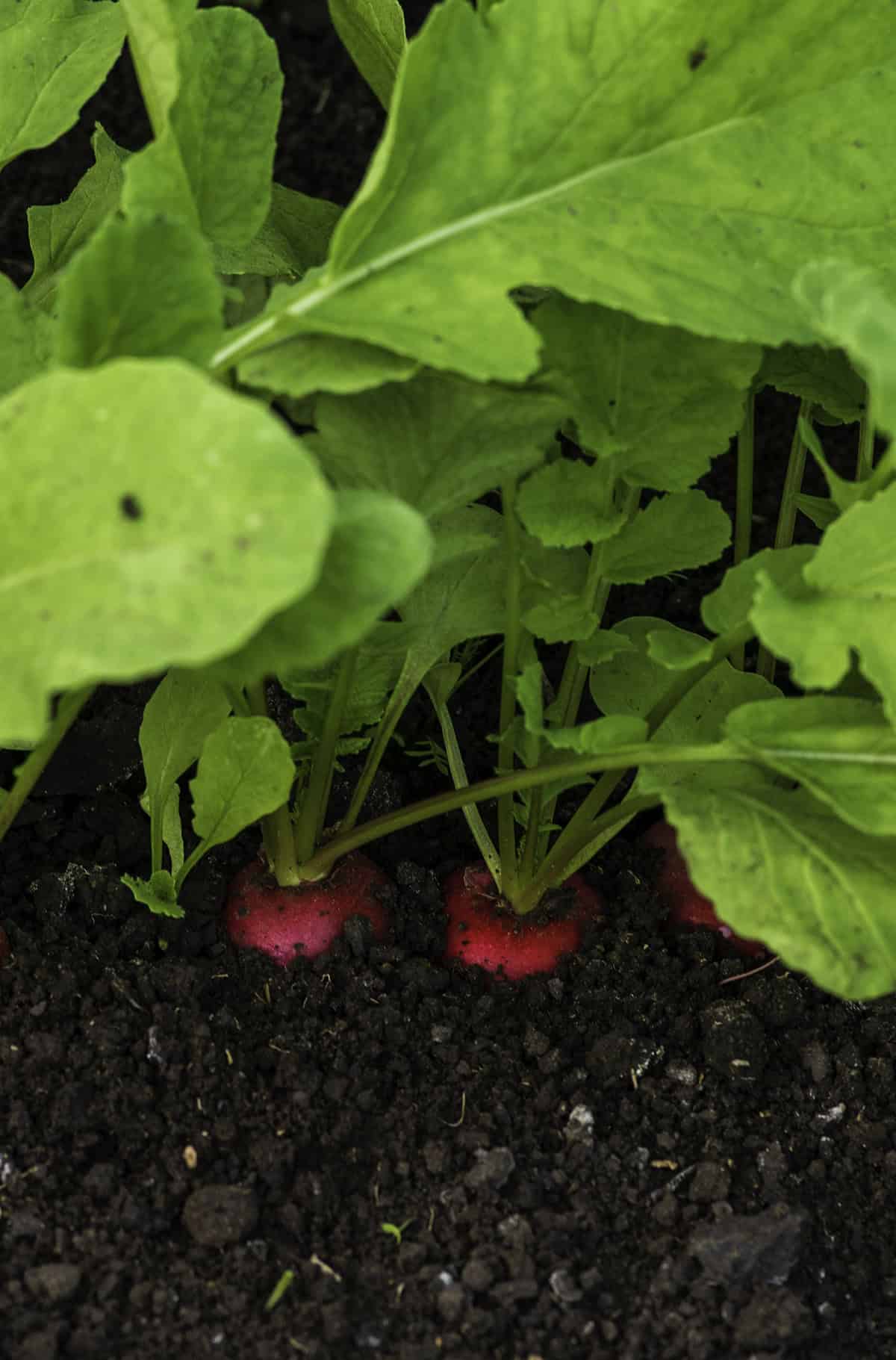
Radishes are speedy, sometimes ready in under a month. They do well in shallow containers with loose soil.
Sow seeds every couple of weeks for a steady supply.
Give them full sun and water regularly so they don’t get woody.
Cherry Tomatoes
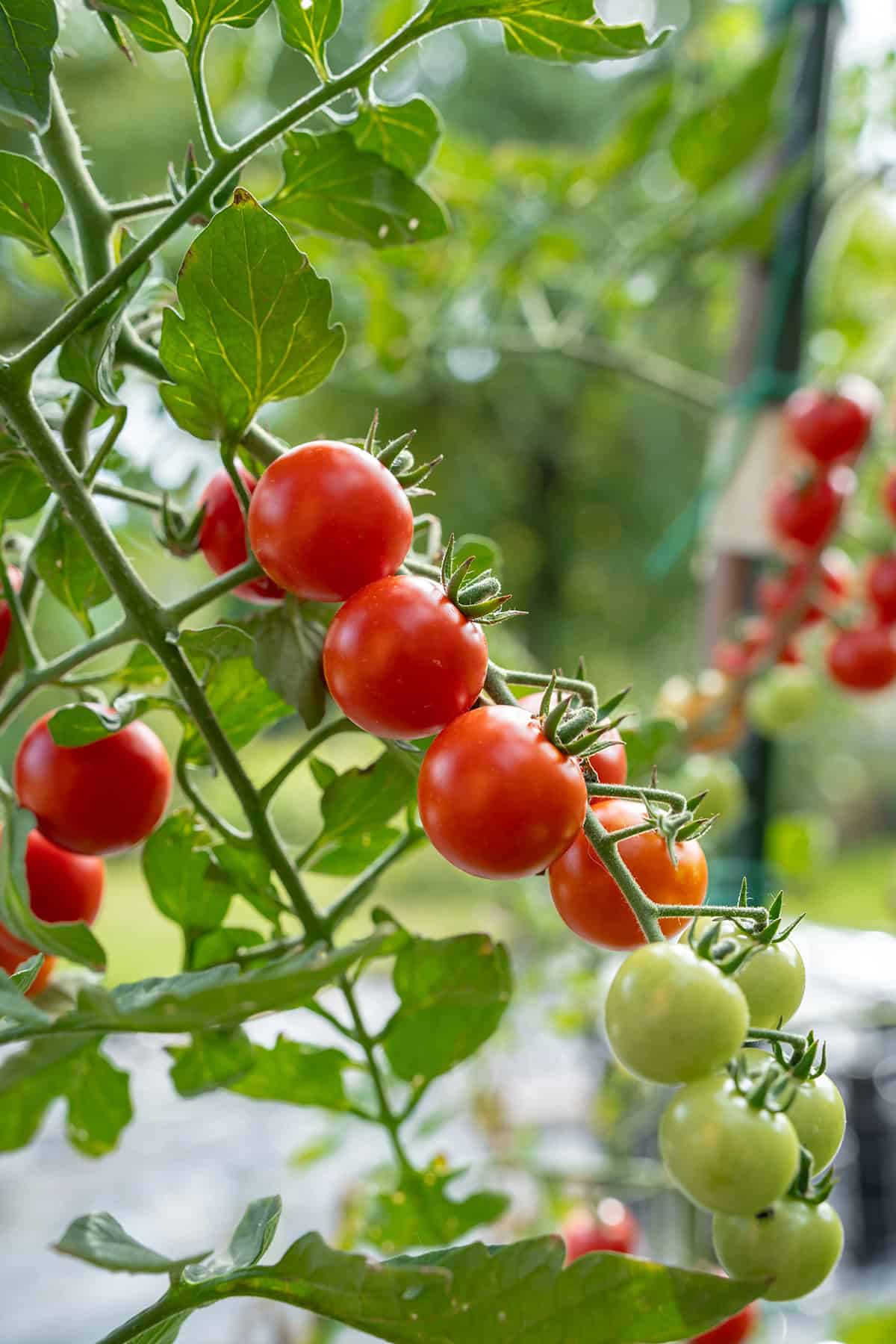
Cherry tomatoes need big pots (at least five gallons) and rich soil. Full sun is a must.
Use stakes or cages to keep the fruit off the ground.
Water deeply to prevent splitting. Determinate types fit small spaces better.
Peppers (Bell Or Chili)
Peppers want heat and sun. Go for a big container with good drainage.
Pick green peppers early or wait for them to ripen to red, yellow, or orange.
Chili peppers usually produce more in small pots. Keep the soil moist, but not soggy.
Carrots (In Deep Containers)
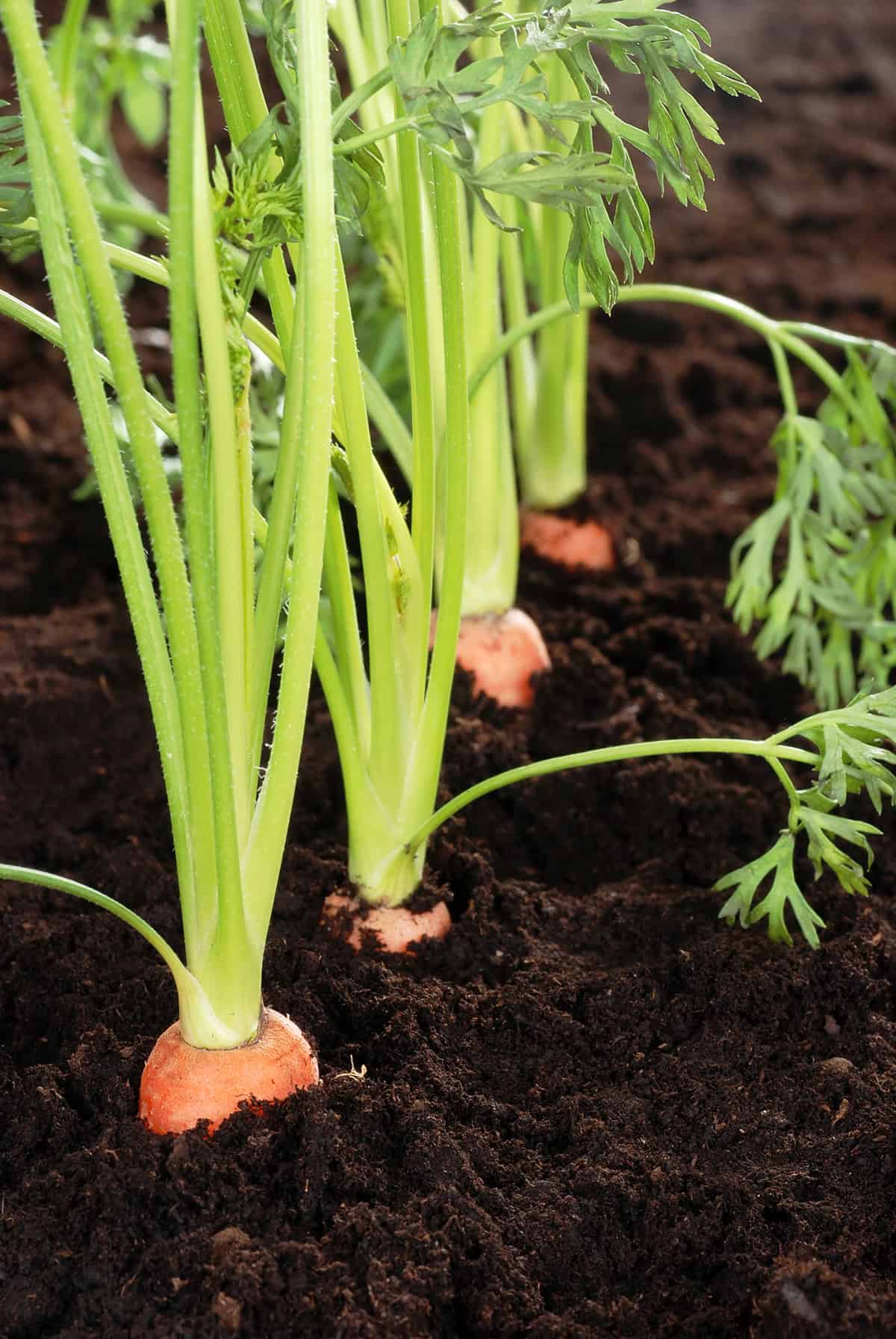
Carrots need a deep pot (at least 12 inches) with loose, stone-free soil.
Thin the seedlings so the roots have space and grow straight.
They like full sun and steady moisture. Harvest when the roots hit the right size for your variety.
Bush Beans
Honestly, bush beans are a breeze for container gardening, especially if you’ve got a wide, shallow pot and plenty of sun. Just toss the seeds in after the last frost—no need to overthink it.
Pick the pods when they feel firm but not bulging; waiting too long makes them tough. Keep harvesting and you’ll get even more beans popping up. It’s kind of addictive, actually.