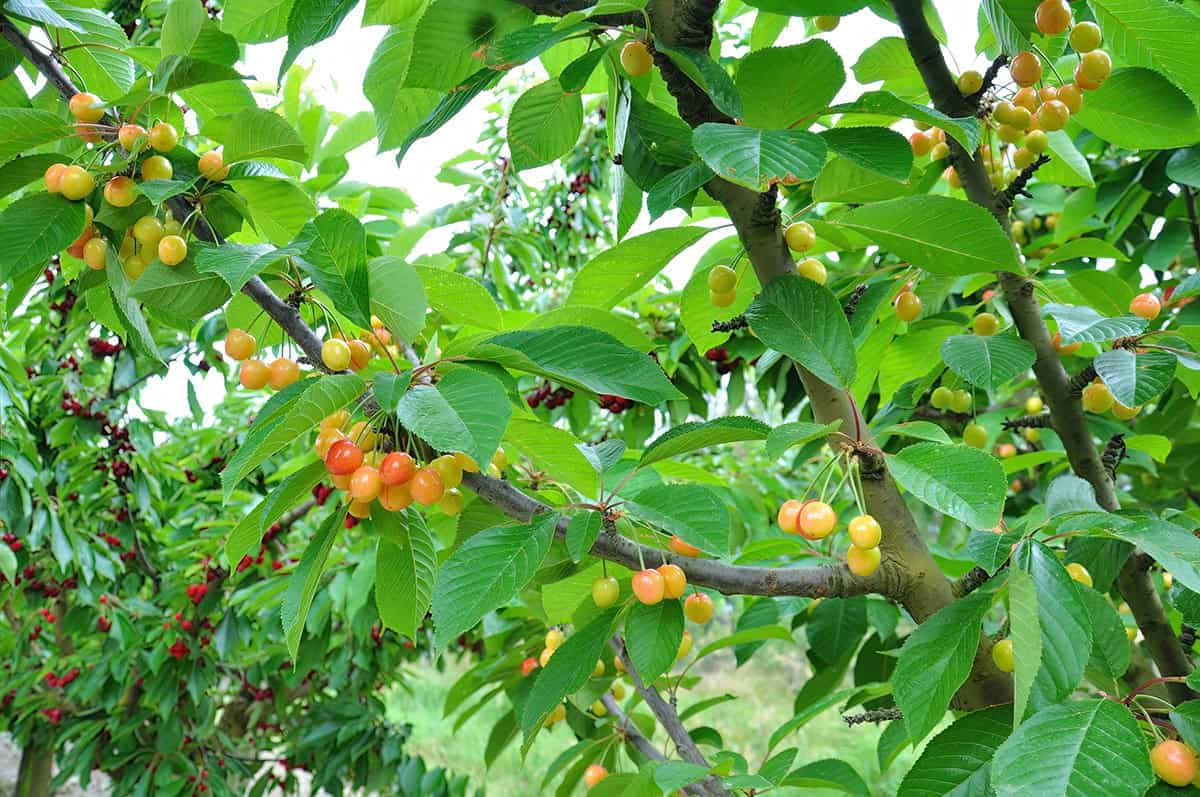
Spring brings those unmistakable cherry blossoms, and if you set things up right, you’ll get fresh fruit too. It really comes down to picking a good spot, finding the right types, and giving them a bit of attention through the year. Set cherries in full sun, give them well-drained soil, and keep an eye on water, pruning, and pests if you want reliable fruit.
Where roots grow makes a big difference—good soil keeps them healthy for the long haul. Sunlight triggers blooms and fruit, while space and airflow help keep disease at bay. Some sweet cherries need a friend nearby to pollinate, but most tart ones handle that solo.
Watering, feeding, and shaping with regular pruning all play a part. If you’re short on ground, containers can work, though you’ll need to watch roots and moisture more closely. With a bit of patience, fruit usually starts arriving in a few years and sticks around for decades if you keep up the care.
Table of Contents
Soil
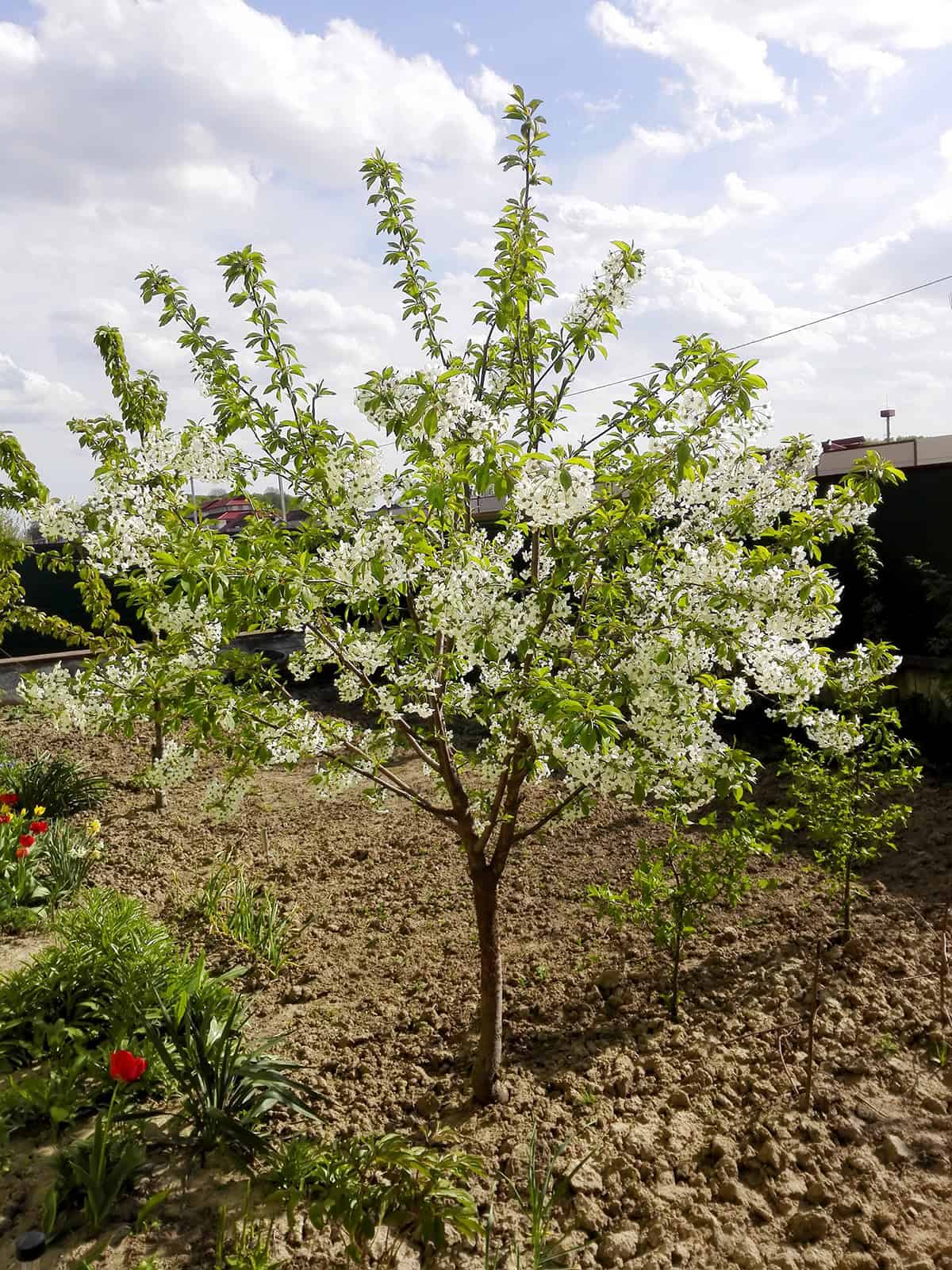
Loose, deep loam lets roots stretch and anchor—three to four feet of decent earth is a solid start. Soggy ground just spells trouble: weak trees, more disease.
Heavy clay that clings after rain? Not ideal. Super sandy? Only if you’re ready to water often. Roots rot out in soil that stays wet too long.
Salinity should stay low to moderate. Most cherries are happiest with a pH from 6.0 to 7.0. Too much alkalinity and you’ll see sluggish growth.
Break up hardpan before planting—roots need air and room to move. If drainage is slow, mound the soil or plant on a berm to lift roots above the wet.
Higher ground gives you an edge against frost, since cold air pools in low spots. Good dirt and a breeze go hand in hand for healthy, productive trees.
Planting
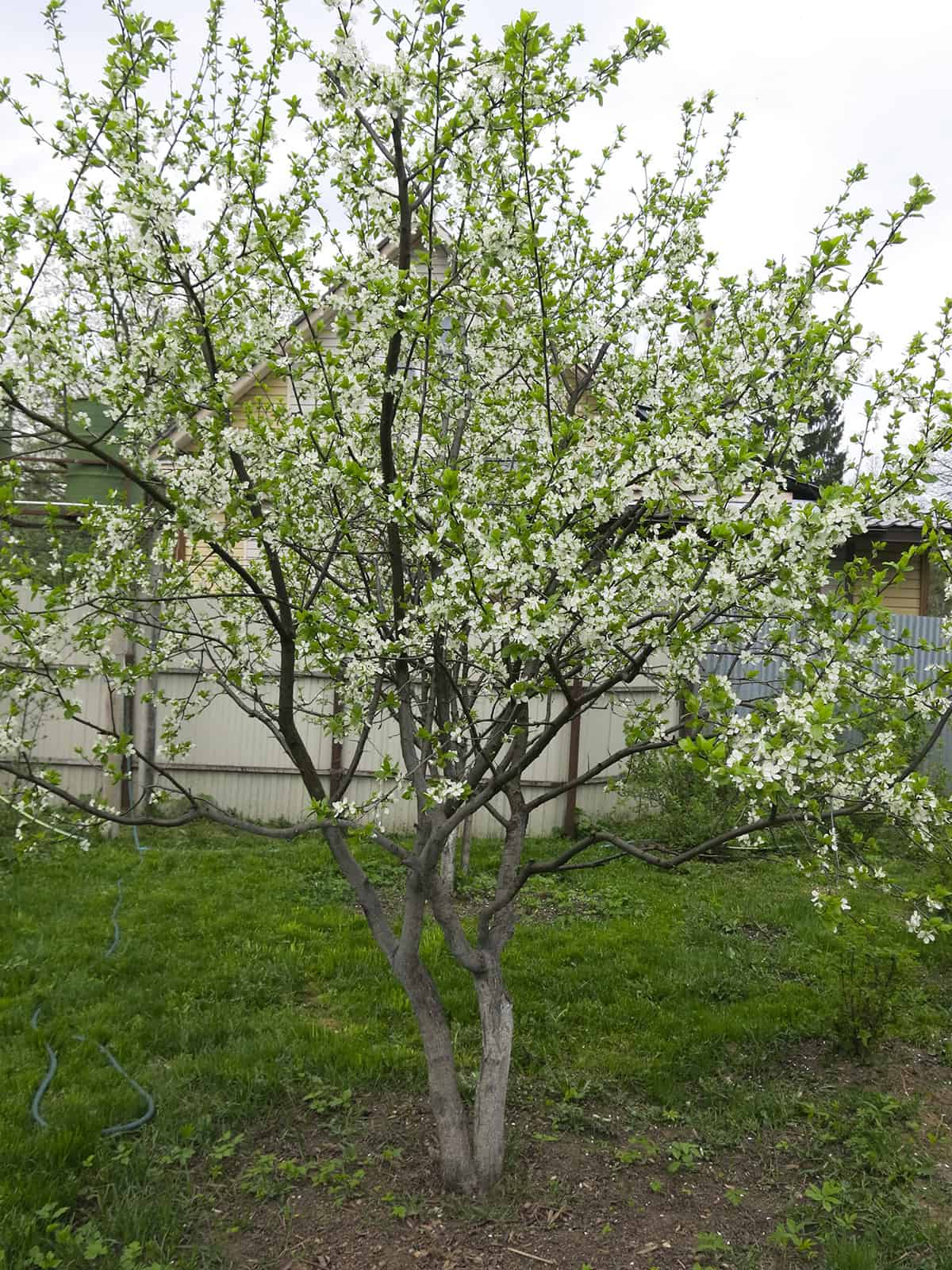
Look for a spot that basks in sun and drains quickly. At least six hours of direct light is a must. Avoid dips in the yard where cold air and frost like to hang out. Breezy locations help fend off disease.
Early spring, once the earth has thawed and hard frosts are mostly gone, is the sweet spot for planting. Get bare-root trees in before buds pop. Sweet cherries need 15-20 feet between them; sours are fine with 12-18. Most sweets need a pollination partner nearby.
Dig wide—twice the root spread—and only as deep as the roots go. Graft union should sit a few inches above the soil. Fill in with the dirt you dug out, tamp it down, and water deeply. Mulch lightly, but don’t pile it against the trunk.
Recommended Varieties
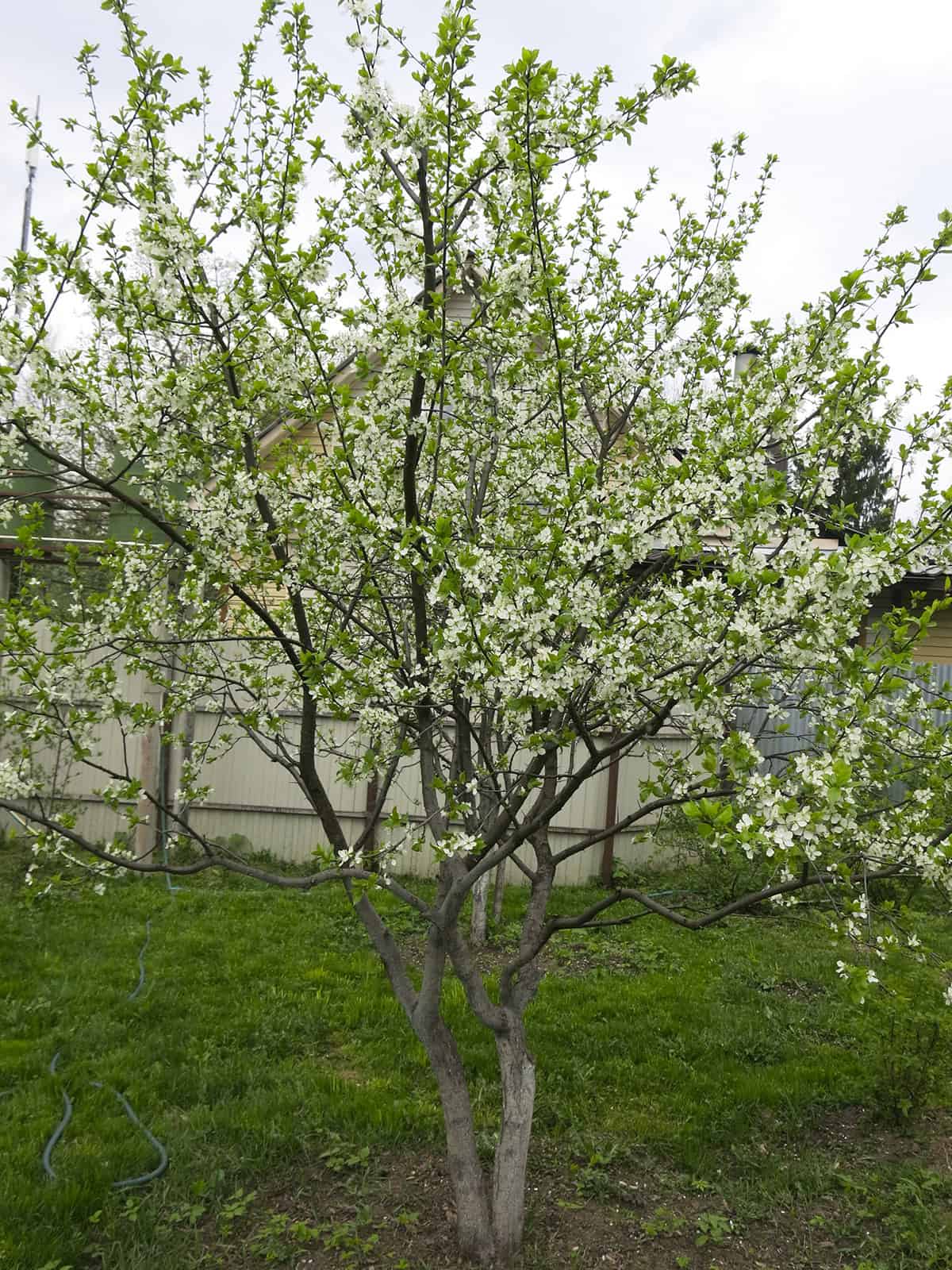
Climate and pollination plans drive your choices here. Sweet and sour cherries aren’t interchangeable—flavor and care differ. Most sweet types need a pollination buddy, though a few go it alone.
Love eating fresh fruit? ‘Bing’ is a classic—firm, dark, but needs a partner. ‘Rainier’ brings yellow skin and red blush, also not self-fruitful. ‘Lapins’ handles its own pollination and fits tight spaces.
For baking or preserving, ‘Montmorency’ is the old standby—cold-hardy and reliable. ‘North Star’ keeps things compact for smaller spots.
Hardiness zone and sunlight matter—don’t skip checking bloom times if you’re mixing varieties. Local extension offices can steer you right if you’re unsure. Get those pieces right and after a couple seasons, you’ll see real returns.
Light
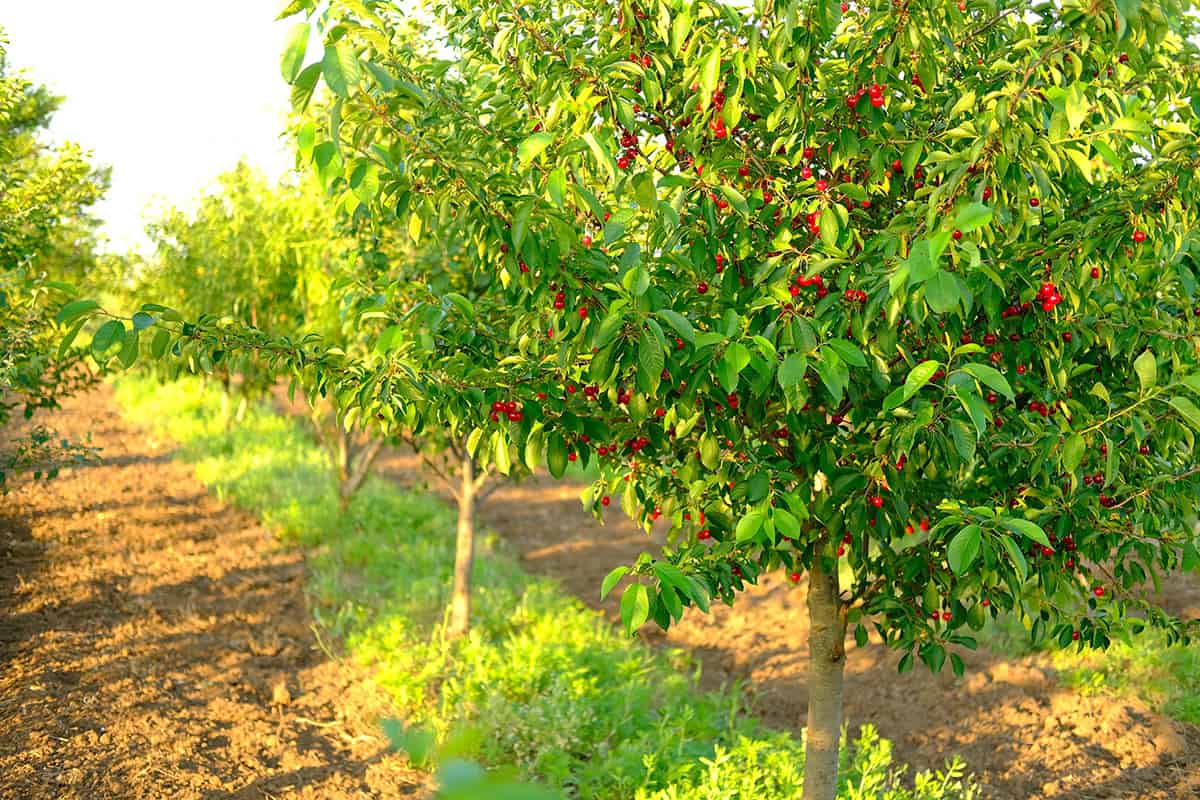
When sunlight pours down for most of the day, cherries respond with stronger growth and more fruit. Aim for six to eight hours of direct sun—less, and you’ll probably see fewer blooms and smaller harvests.
Midmorning to late afternoon is prime time for light. Shady spots? Not great—fruit and flowers drop off, and damp leaves linger, inviting disease.
Elevated sites help, especially since cold air and frost can wreck early blooms—sweet types are especially prone to this. Tart types usually bloom later and dodge some of that risk.
Tall buildings or dense tree lines that block sun aren’t your friends here. South or west exposures give the best light, but watch out: too much early warmth can trigger blooms before the last frost. In frost-prone areas, try to balance sun with a bit of shelter.
Water
Consistent moisture is key, especially while trees are young. Right after planting, soak the root zone well—keep it moist but never soggy. Letting things dry out too much early on slows everything down.
For the first few years, watering every week or two during dry spells is about right, but tweak it for your soil and weather. Sandy soils dry out fast; clay hangs onto water longer.
Older trees can handle brief dry spells, but they’ll set better fruit if you keep the soil evenly moist—especially during flowering and fruit development. If the soil’s dry six to eight inches down, it’s time to water.
Slow, deep watering works best. Avoid quick, shallow sprinkles. Mulch helps keep moisture in and temperatures even, but don’t let it touch the trunk.
Feeding
Fertilizer helps, but too much just leads to flimsy growth and fewer cherries. Soil tests are worth doing—they’ll tell you what’s needed and whether the pH is in the right range (6.0–7.0 is best).
Most nutrient uptake happens from bloom through early shoot growth, once soil temps hit about 59°F. Early spring is usually the time to fertilize, right before or at bloom.
Nitrogen’s important, but be careful. Young trees should put on 15 to 30 inches of new shoots; mature ones, 8 to 15. If they’re growing too fast, cut back next year.
Spread fertilizer under the canopy, but keep it away from the trunk. Water it in well. Skip late-summer feeding—it can mess with dormancy and increase winter damage.
If you notice small or narrow leaves, a zinc spray might be in order, but don’t add nutrients “just in case.” Too much of anything throws the tree off balance.
Growth Time
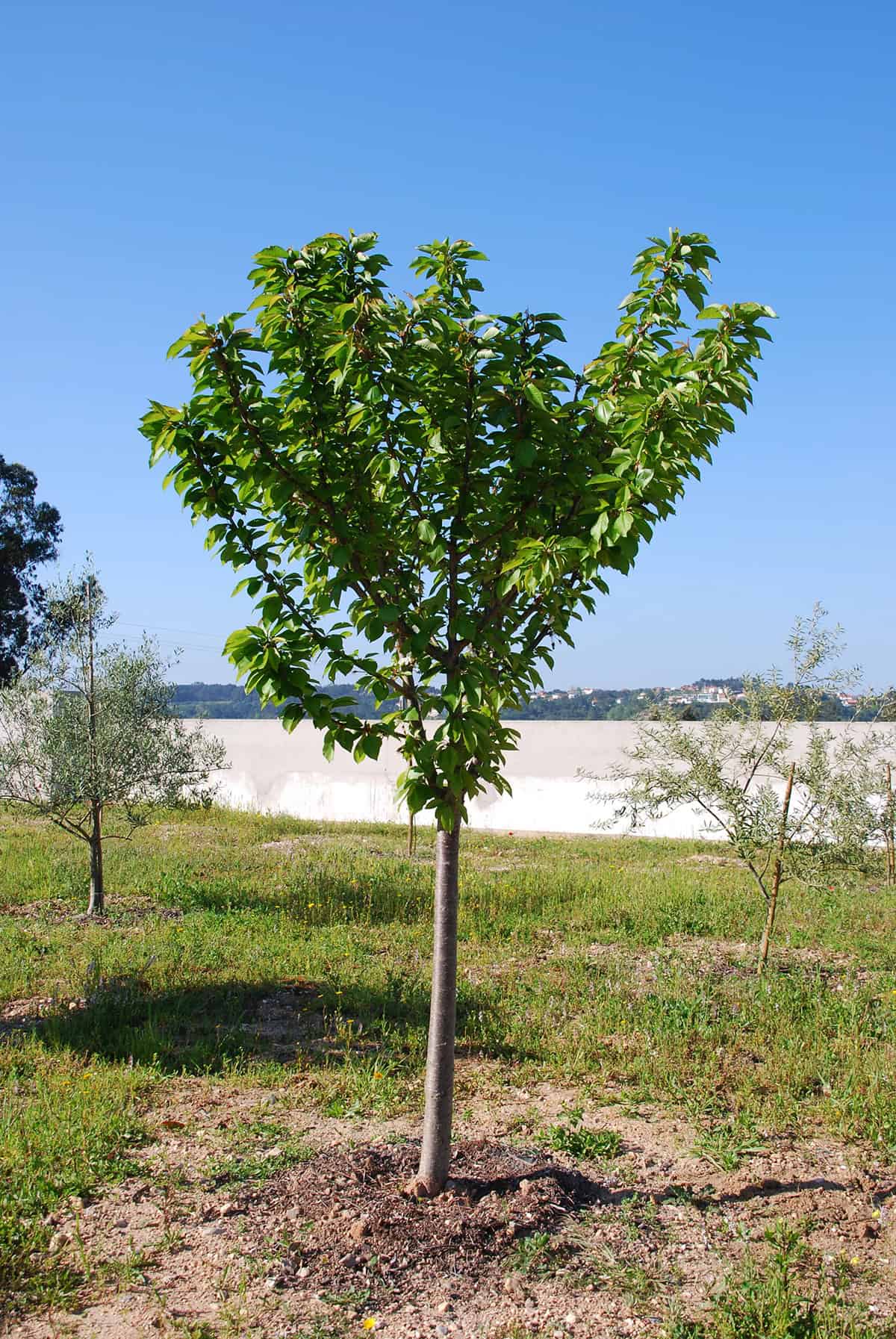
Patience is part of the deal—full crops take a few years. Most cherries start producing somewhere between 2 and 5 years after planting, depending on the rootstock. Dwarf types like Gisela can shave a year or two off that wait.
Sweet cherries sprawl, sometimes hitting 30 to 40 feet when fully grown. Sours keep things more manageable and adapt better to different climates. Size affects how you prune and pick, but not how soon you’ll get fruit.
Bloom comes early in spring, which means late frosts can ruin a season’s crop. You can’t rush flowering, but you can pick a spot that helps shield blossoms from the worst cold.
First harvests are usually light. As the tree fills out and you keep up with pruning, yields improve. With decent care, a cherry tree sticks around for decades.
Growing in Containers
Limited space? Dwarf or compact cherries do fine in pots. Containers keep roots in check and the trees smaller, making them a good fit for patios or balconies. You get more control over soil and where the tree sits.
Pick a container that holds at least 15 to 20 gallons and has good drainage holes. Use a well-draining potting mix, not regular garden dirt. Full sun is still non-negotiable—cherries need plenty of light to set fruit.
Water when the top inch dries out; pots dry faster than garden beds. Fertilize in early spring, maybe again after harvest if the tree seems sluggish. Annual pruning keeps the canopy open and height manageable. Every few years, repot to refresh the soil and check on the roots.
Harvest
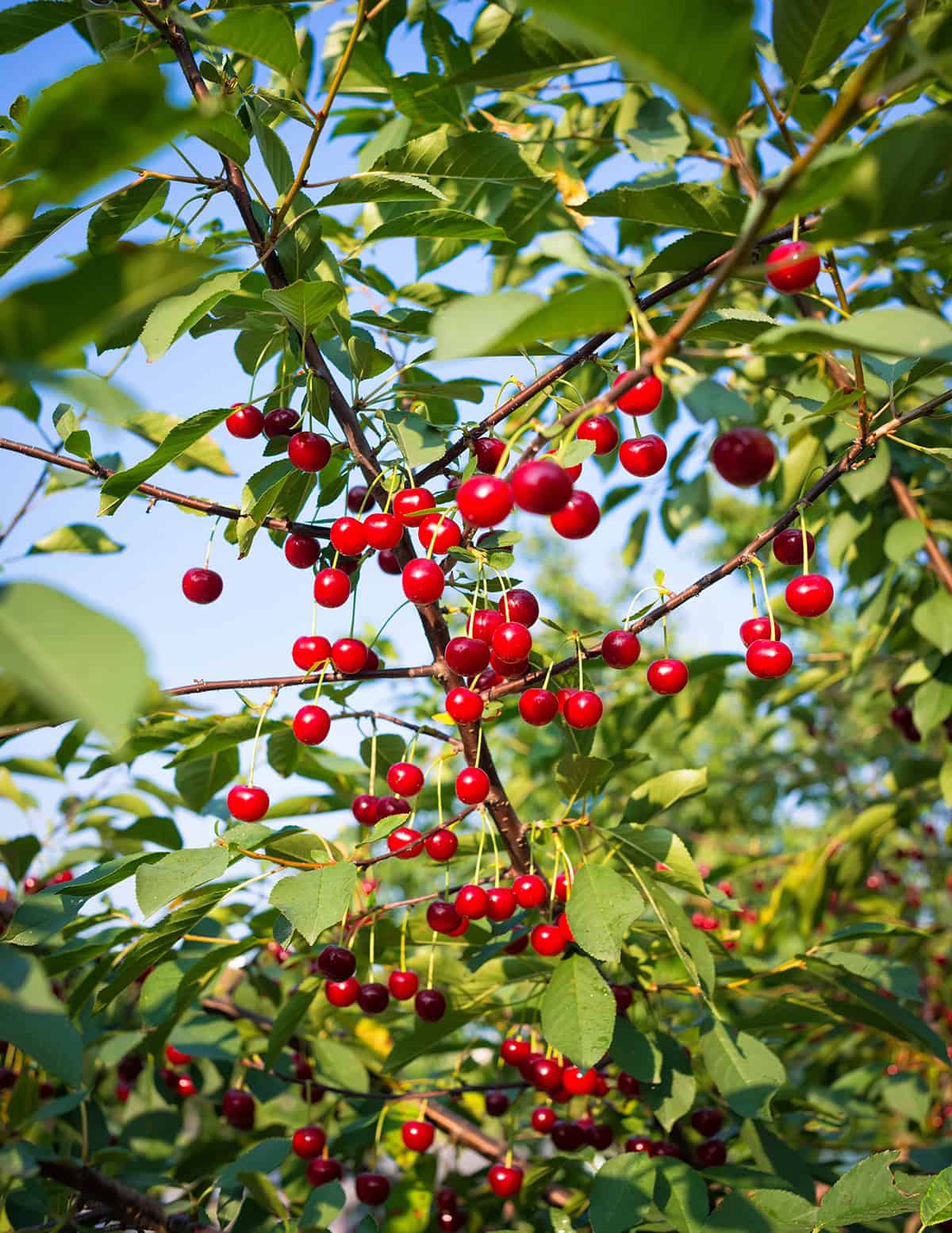
Ripening runs from late spring through midsummer, depending on where you are and which cherries you’re growing. Sweets usually come first; tarts lag a bit. Color deepens, flesh softens slightly, and that’s your cue.
Don’t just go by looks—taste a few from different spots on the tree to check flavor and firmness. Size isn’t always the best indicator.
Dry weather is your friend at harvest time. Wet cherries split and spoil fast. Pick by hand, gripping the stem and pulling gently, or use pruners for stubborn ones.
Leave stems attached for longer storage. Shallow containers prevent bruising. Get the fruit out of the sun and into the fridge as soon as possible.
Dwarf cherries often bear sooner than standards. The harvest window is short—cherries ripen fast and don’t get any better after picking, so don’t wait too long.
Common Problems And Troubleshooting
Cool, damp stretches can be brutal for cherry trees, leaving them open to disease. Bacterial canker shows up as sunken patches on the bark, sticky sap, and dying branches. It’s best to prune away any affected wood when things are dry, always disinfecting your tools as you go. Overdoing it with nitrogen fertilizer or letting branches crowd each other only makes things worse—give them some breathing room.
Fungus doesn’t need much of an invitation, either. Brown rot can sweep through blossoms and fruit, turning them mushy and brown, especially when spring rains drag on. Cherry leaf spot peppers leaves with tiny purple dots that eventually make them drop too soon. When rain is relentless, spraying the right fungicide at bloom can help, and scooping up fallen leaves is worth the trouble to keep things from spreading.
Sticky sap—gummosis—oozes out after the tree’s been hurt, attacked by insects, or hit with disease. Before reaching for a cure, look for borers, cankers, or even a scrape from the mower. Sometimes, soggy ground is the real culprit, rotting roots and crowns below the surface. Well-drained soil and a light hand with the hose usually keep that headache at bay.