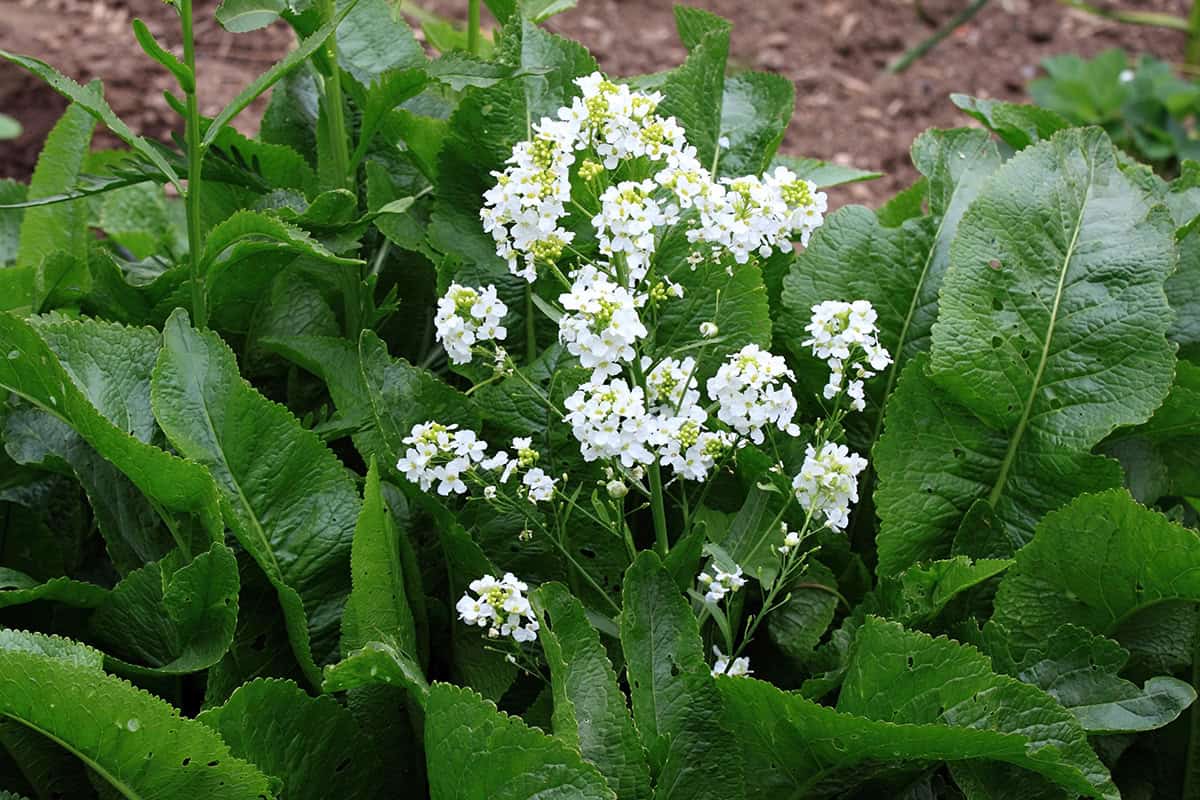
Horseradish adds a punchy kick and grows like a champ in most gardens. When you grow your own, you get to pick the heat and freshness. It shrugs off cold and doesn’t demand much. What matters most? Deep soil, space, and sunlight—effort’s not the big thing here.
You grow horseradish at home by tucking root cuttings into deep, moist soil with full sun, then digging up the roots after a season. Loose, well-watered ground is the secret to thick, straight roots. Even a single pot or corner patch yields plenty. Let it go wild and it’ll take over.
Here’s a walk-through of soil, spacing, light, water, and feeding—straightforward, no fluff. Expect notes on timing and what kind of harvest you’ll get. Containers, variety picks, and headaches like pests or spread are all in the mix. It’s all about results, not theory.
Table of Contents
Soil
What’s underfoot makes or breaks your horseradish crop. You want deep, loose, fertile soil that drains but doesn’t dry out. Loam is ideal—roots grow straight, thick, and easy to dig. If your ground’s hard or shallow, expect twisted, stunted roots.
Skip fancy amendments. Just work in compost or good, old, rotted manure before planting. Aim for a pH from 6.0 to 7.5. Heavy clay? Mix in more organic stuff to help drainage.
Depth’s a big deal. Shoot for at least a foot of workable soil—more is better. Rocks and hardpan force roots sideways and stunt them. Take the time to prep now, and you’ll thank yourself at harvest.
Planting
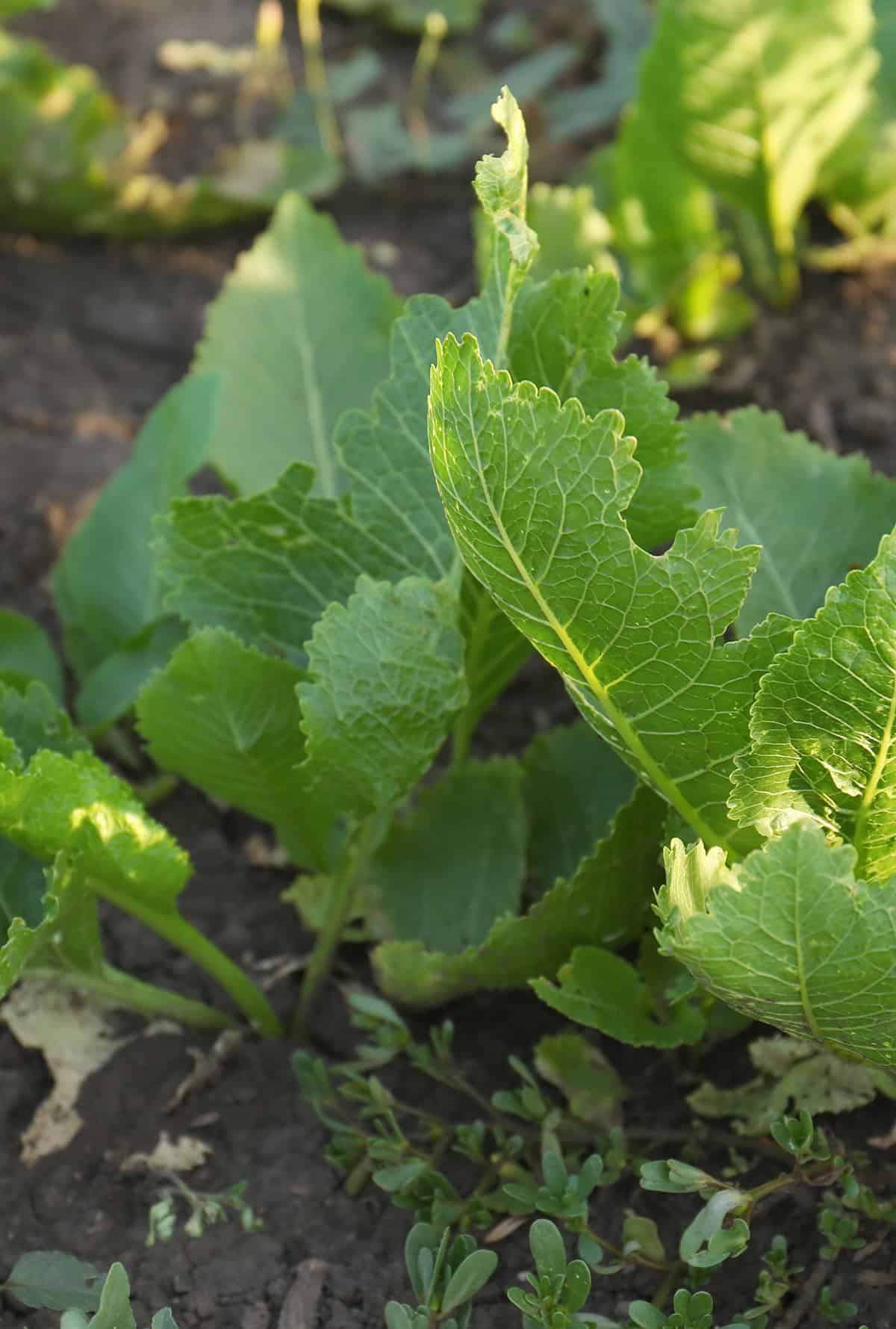
Find a sunny patch with deep, loose dirt that doesn’t hold puddles. Rich, damp loam gives you those fat, spicy roots. Hard-packed or thin soil will mess with your results. Neutral-ish pH is the sweet spot.
Get your horseradish in the ground early spring after thaw, or late fall post-frost. Always use root cuttings, not seeds. Each chunk should be 8–14 inches long. Cooler planting windows help roots store up energy.
Lay each piece in at a slant, top end slightly higher. Bury them 4–5 inches deep, cover, and press the soil down. Give each plant 18–24 inches of elbow room. Water well to settle things in.
It spreads like crazy, so don’t put it where you’ll regret it. Gardeners often stick it at the edge to keep it in check. Mark your row, or you’ll forget where it’s hiding by midsummer.
Recommended Varieties
Picking a variety depends on what you want out of your patch. Common horseradish is the go-to for most folks—broad, wrinkled leaves, classic punchy roots, tough as nails in cold or rough soil.
Bohemian horseradish brings narrower, smoother leaves and shrugs off some diseases better, though roots are a bit smaller. Handy for tight spaces.
If you’re after big, straight roots, Maliner Kren (a German type) is worth a try. It’s got vigor and yields with the right soil.
For a fancier look, Variegata has cream-splashed leaves and doesn’t spread as much. Roots are still usable, just not as aggressive. Partial shade suits it fine, so it fits in mixed beds.
Root cuttings are what you’ll find, not seedlings. Try local ag offices or specialty shops for the best stock. Healthy cuttings mean better roots and flavor later.
Light
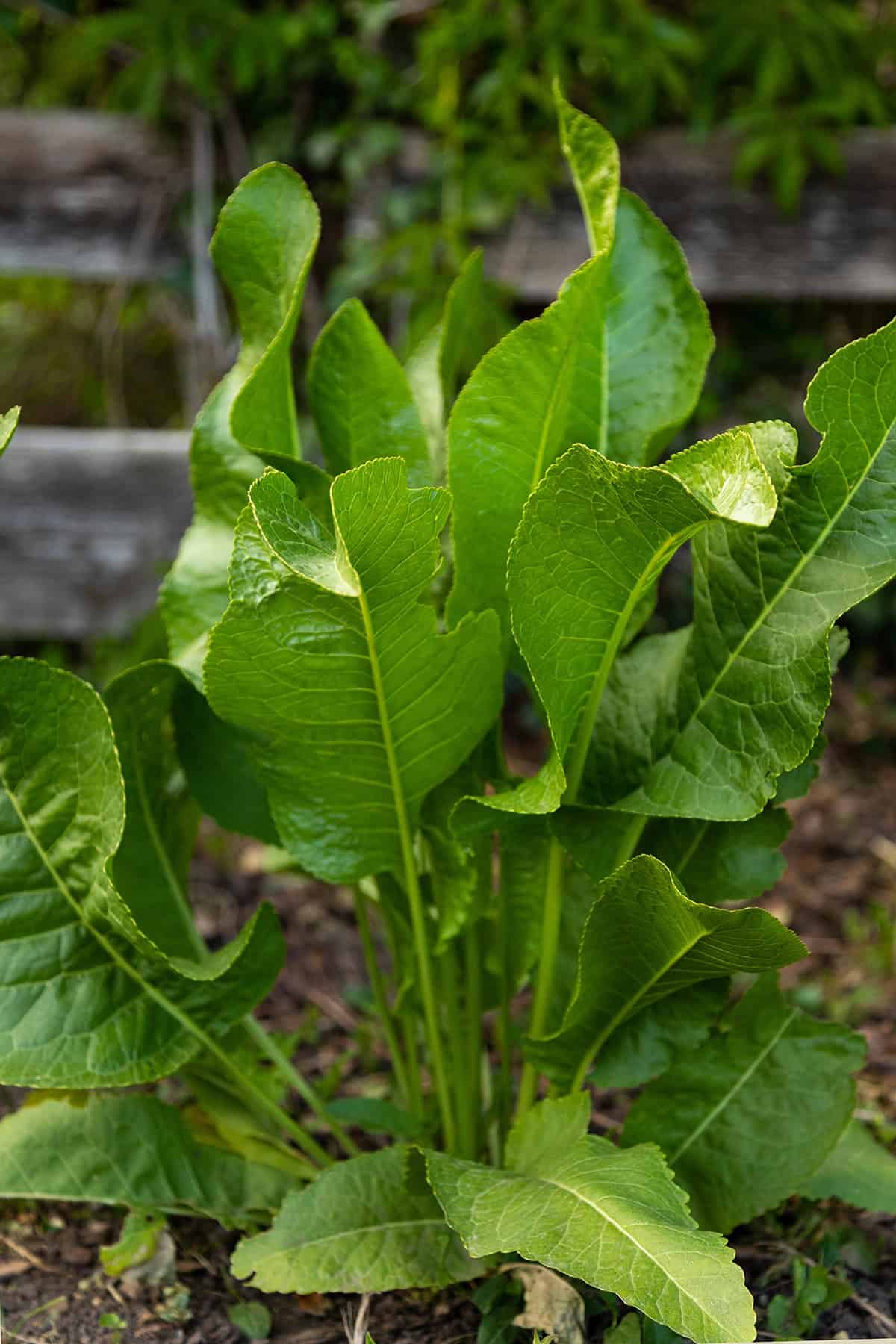
Horseradish wants a lot of sun—at least six hours of direct light a day. The more sun, the better the leaves and the roots. Some shade is okay, but you’ll get less yield.
If you garden somewhere hot, a bit of afternoon shade can save your plants from stress. Morning sun with dappled afternoon light works. Too much shade? Expect skinny leaves and weak roots.
Indoor light just doesn’t cut it long-term. Outdoor sun and natural seasons are what this plant likes. Don’t tuck it behind big trees or fences.
Water
Roots need steady moisture for proper growth and flavor. Keep the soil damp but not soggy from planting through early fall. Letting it dry out leads to tough, skinny roots.
Water deep enough that it soaks the whole root zone. Light sprinkles won’t do. Let the top inch dry out a bit before watering again.
Good drainage is just as important. Soggy soil means rot. Raised beds or loose loam help after heavy rain.
Hot spells call for more frequent checks. Mulch can help keep moisture in and stress down. When fall cools off, back off on the water—roots finish up best in cool, moist dirt.
Feeding
Horseradish isn’t a heavy feeder, but it does appreciate rich soil at the start. Compost mixed in before planting usually covers things for the year.
If you want, add a balanced or slightly nitrogen-heavy fertilizer in early spring. Don’t get carried away—too much nitrogen means huge leaves, not roots.
Once plants are rolling, skip the extra feeding unless they look pale or slow. A little compost on the side can perk them up. Water after feeding so nutrients reach the roots.
Each spring, toss in some fresh organic matter if you’re growing it as a perennial. Over-fertilizing just makes it spread faster and get out of hand.
Growth Time
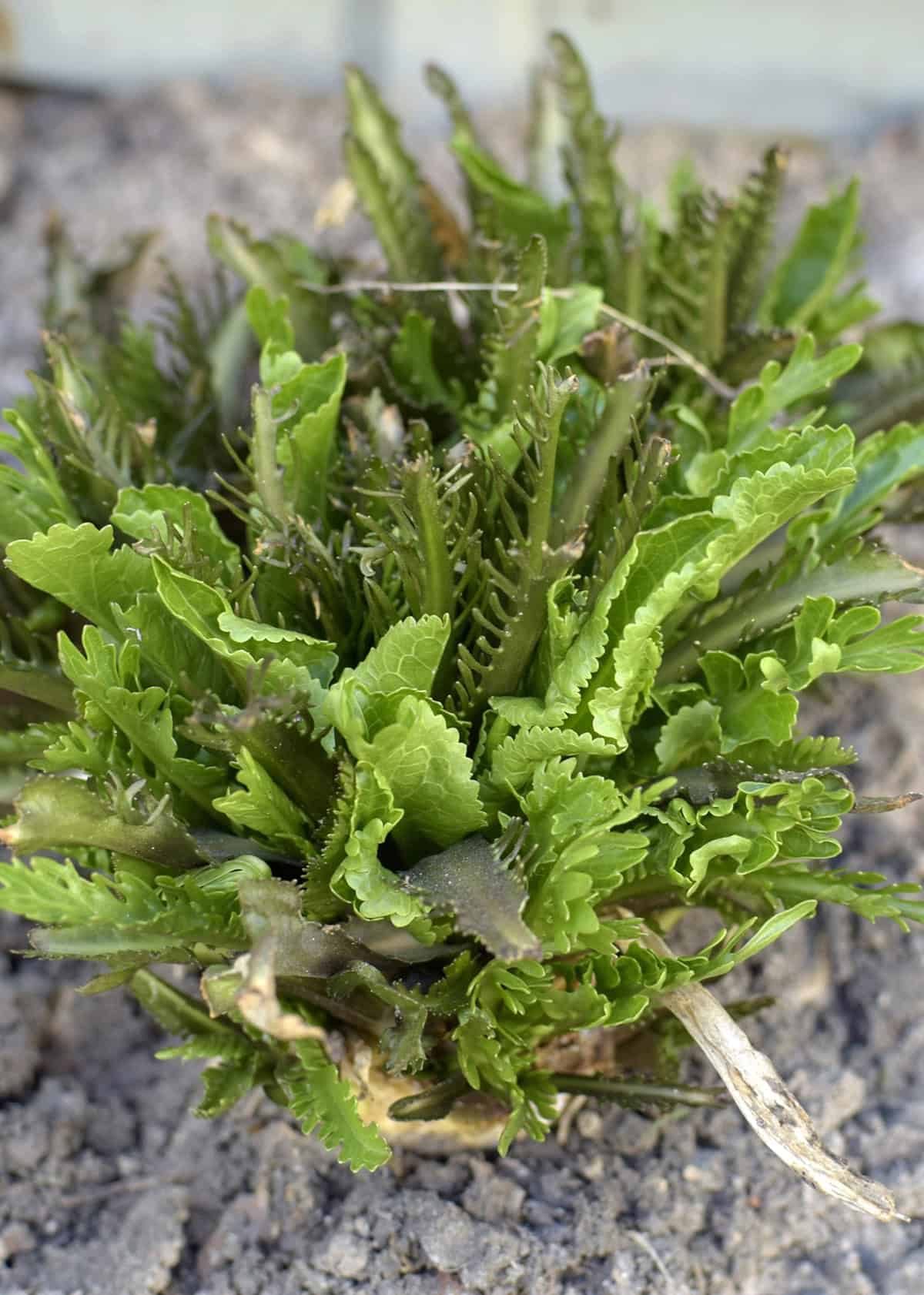
Horseradish isn’t in a rush. After you stick those root pieces in the ground, expect months of leafy growth before roots bulk up. Most of the action happens once the weather cools.
Usually, you’ll wait a full season—about 150 days—before digging up roots, typically in autumn. Cooler weather brings better flavor and thicker roots. Frost doesn’t bother mature plants.
You can treat it as a perennial or dig it all up each year. If you leave some roots behind, you’ll get fresh shoots next spring. Many folks harvest in fall, stash a few roots, and replant as needed. That way, you control how much it spreads.
Growing in Containers
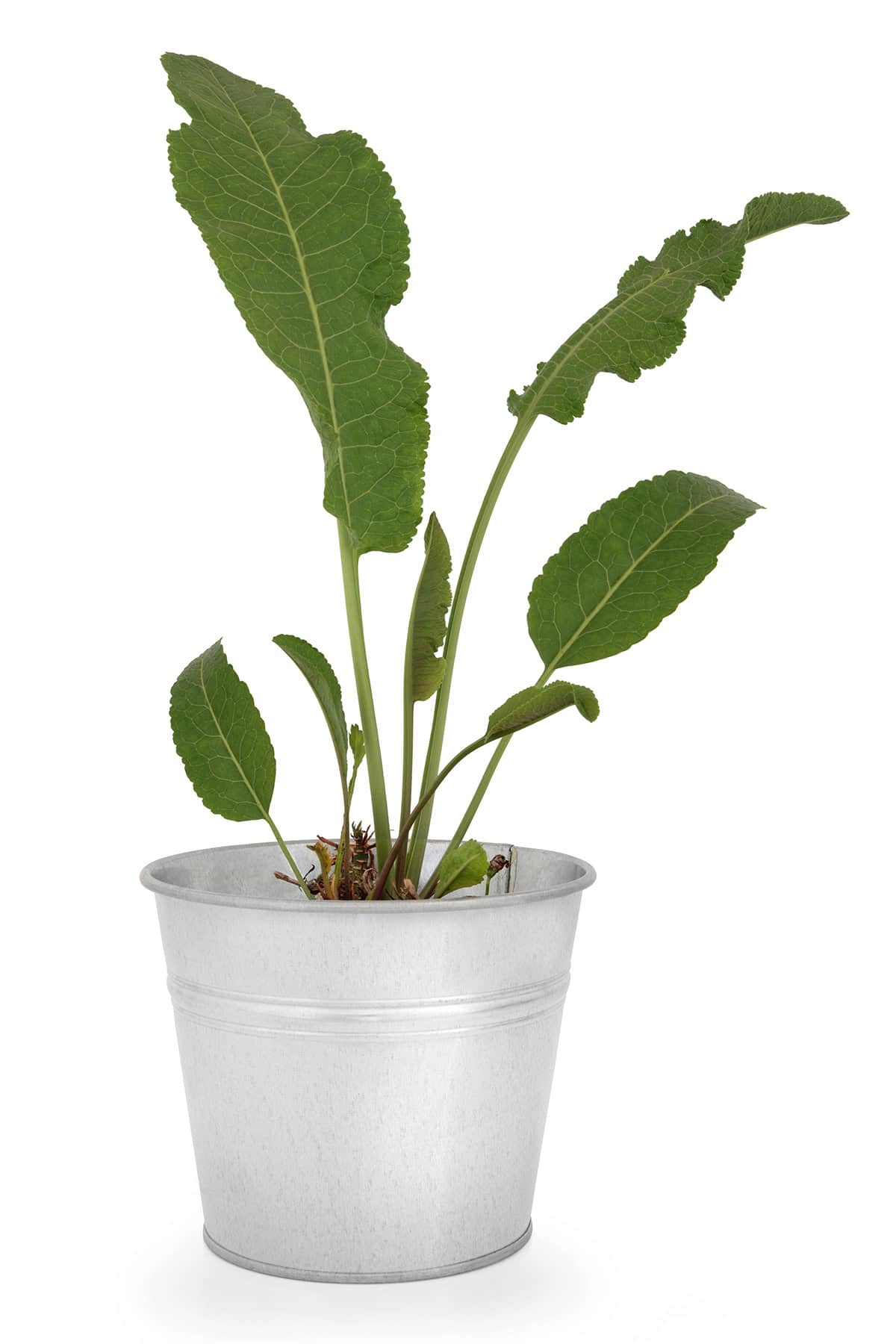
Short on space? Horseradish does fine in big pots. This keeps it from taking over and works well on patios or balconies. Cold winters still matter for good roots.
Go for a deep container—18 to 24 inches is best, with holes for drainage. Fill it with rich, loose soil that holds moisture but drains well. Heavy dirt gives you weird-shaped roots.
Set your pot where it gets good sun most of the day. Water when the top feels dry, but don’t drown it. Fertilize in spring, and keep weeds out by hand.
After a full season, dig up the main root in cool fall weather. Replant any side roots if you want another round. Store roots somewhere cool until you’re ready to use them.
Harvest
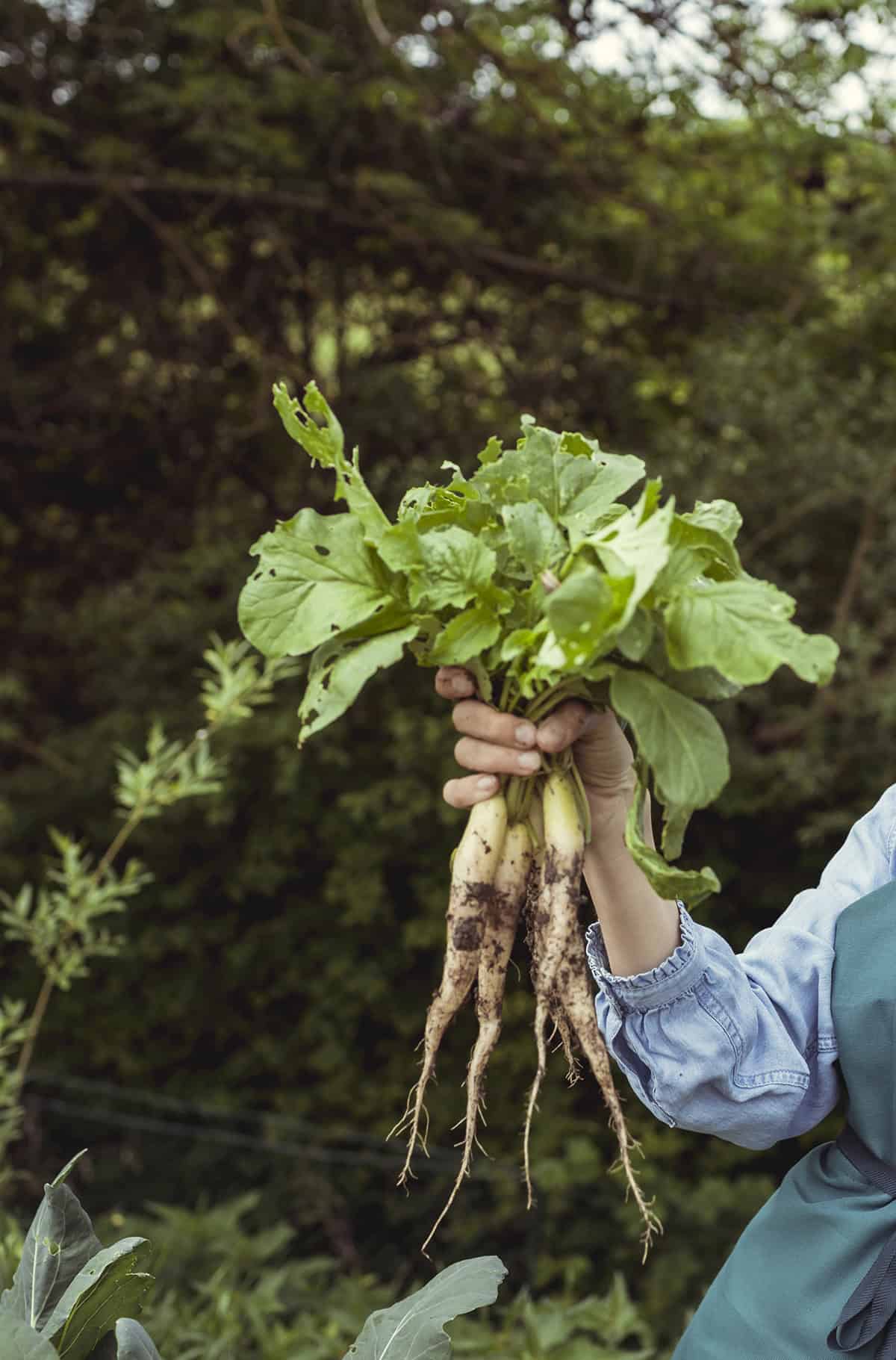
Best time to harvest? After several frosts in late fall. Cold snaps make roots bigger and sharper in flavor. Most folks wait for the leaves to die back—usually November or December.
Loosen the soil deep and lift the root carefully. Get every bit you can—tiny pieces left behind will sprout and spread.
Save straight, healthy side roots if you want to replant. Trim the tops, brush off dirt (don’t soak), and stash them somewhere cool and humid—cellar or fridge works—until you’re ready to eat or replant.
Common Problems and Troubleshooting
Horseradish is notorious for wandering—roots left behind will just pop up again. If you want to keep it in check, dig up every big root each year, or try putting a deep barrier around your patch. Otherwise, it’ll take over before you know it.
If you spot woody or hollow roots, chances are you waited too long to dig. The best time is after a stretch of cold weather in the fall. Letting roots linger past a season? The quality just isn’t the same.
Root rot sneaks in when things get soggy. You might see yellowing or flopped-over leaves out of nowhere. It’s usually a drainage issue—make sure water isn’t pooling around the crown. Loamy, well-drained soil is your friend here.
Funny-shaped roots usually mean the soil’s too packed or rocky. Stones and hardpan force them to twist and fork. Breaking up the soil before planting makes a world of difference.
Pests don’t really bother horseradish, but weeds sure do, especially when the plants are young. Keep the area weeded early on with some shallow cultivation. Once the leaves fill in, they’ll handle most of the competition themselves.