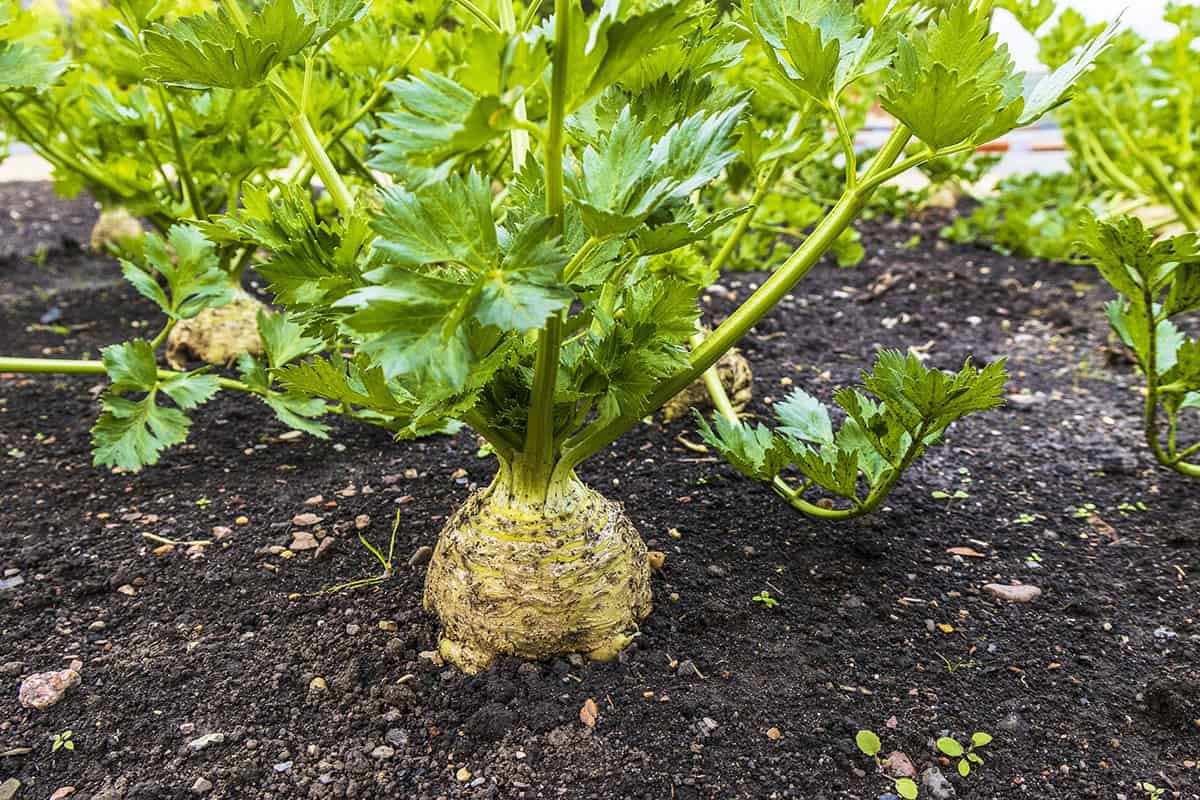
Celeriac, or celery root, is a knobby, earthy-tasting relative of celery grown for its swollen base, which sits on top of the soil like a rough, pale ball. It is a slow crop, sown indoors in late winter and harvested in fall once the roots reach about 4 inches across.
Cold nights early in its life are the biggest risk, since seedlings chilled for too long bolt in their first season. Soups, mash and raw winter slaws are the reward for a summer of steady water.
Table of Contents
Soil
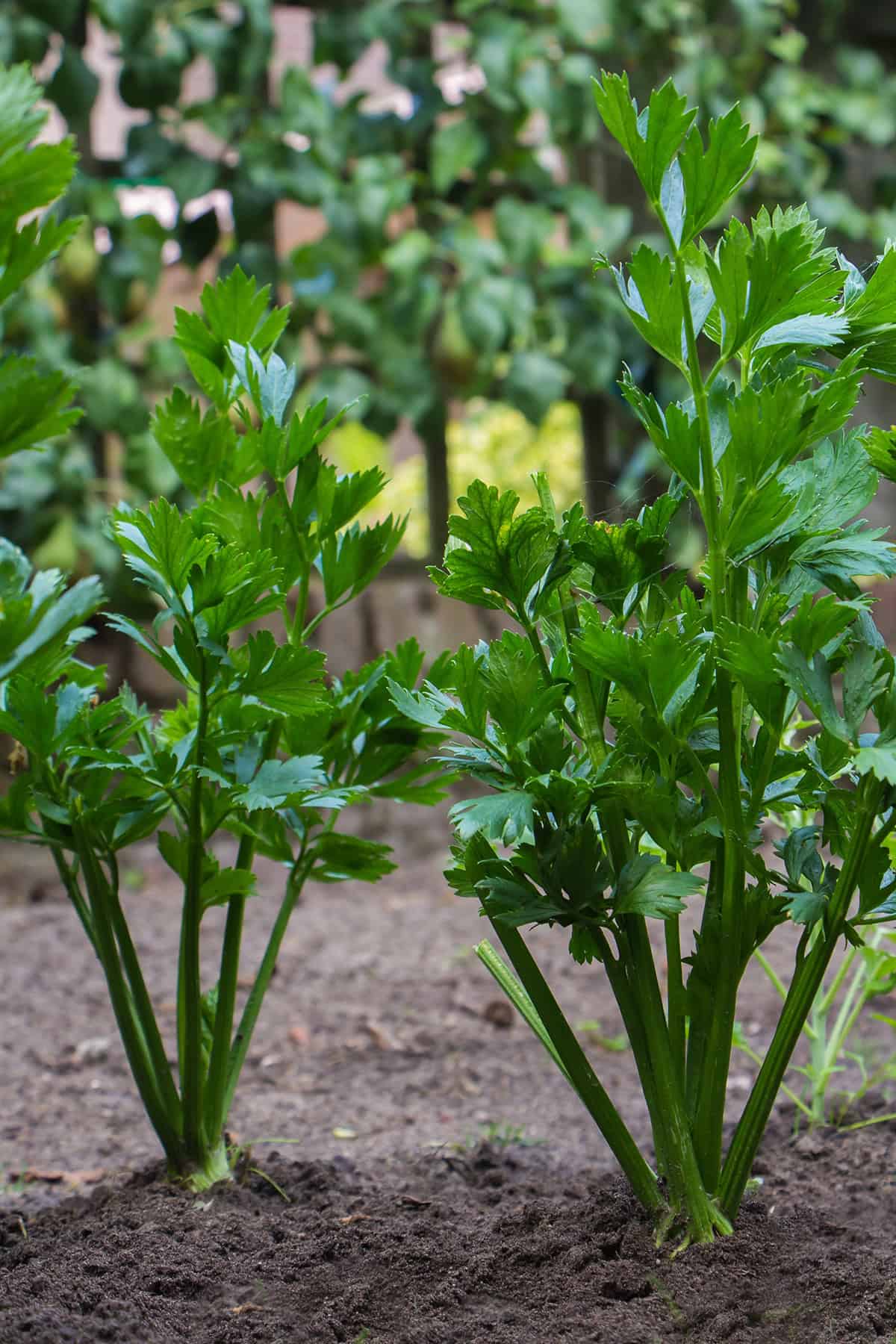
Celeriac thrives in rich, moisture-retentive soil that drains well. Loose, deep ground lets the roots develop a good shape, while heavy clay produces small, twisted roots.
Dig compost or well-rotted manure into the top 6 inches or more before planting, which feeds the plants and opens up the soil.
Nutrient levels affect both size and flavor. Celeriac has a shallow, fine root system, so nutrients need to sit close to the surface. A soil test reveals shortages of nitrogen, potassium or phosphorus before planting.
Dry spells make the roots tough and woody, so deep watering is better than a quick sprinkle.
Aim for a slightly acidic to neutral pH of about 6.0 to 7.0, and adjust with lime or sulfur if the test is far off.
Planting
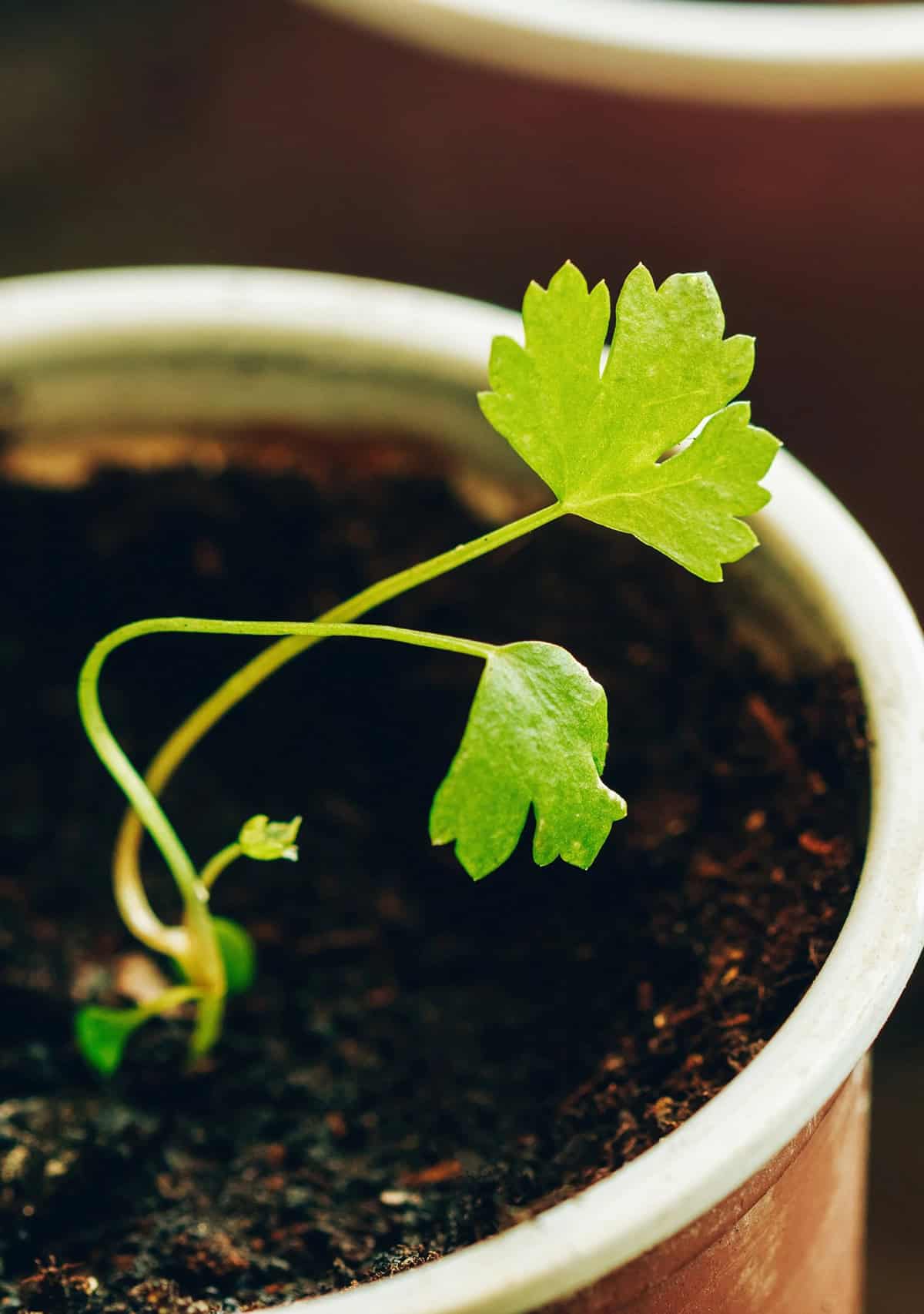
Celeriac grows slowly, so start seeds indoors 10 to 12 weeks before the last frost. Press the seeds onto the surface of the mix, since they need light to germinate, and hold them evenly moist. Germination takes two to three weeks.
Choose a sunny spot with loose, rich soil. The swollen base forms at the soil line, so deep, fertile ground makes a big difference.
Harden off the seedlings and transplant them once nights are reliably above 50°F, since a week or more of colder weather triggers bolting. Space plants about 12 inches apart in rows 18 to 24 inches apart, and set the crown level with the soil.
Water well after transplanting, and hold the soil evenly moist while the plants establish. Mulch conserves moisture and moderates soil temperature.
Recommended Varieties
Celeriac varieties are few, but the differences are real. Look for types bred for smooth roots and steady growth.
‘Giant Prague’ is a classic heirloom that handles cool weather and produces large, round roots with a mild flavor.
‘Monarch’ is a strong storage choice, with dense roots, little hollowness and a balanced flavor for soups and roasting.
‘Diamant’ and ‘Brilliant’ produce smooth-skinned roots with fewer side roots, which means less trimming in the kitchen, and both size up well.
Light
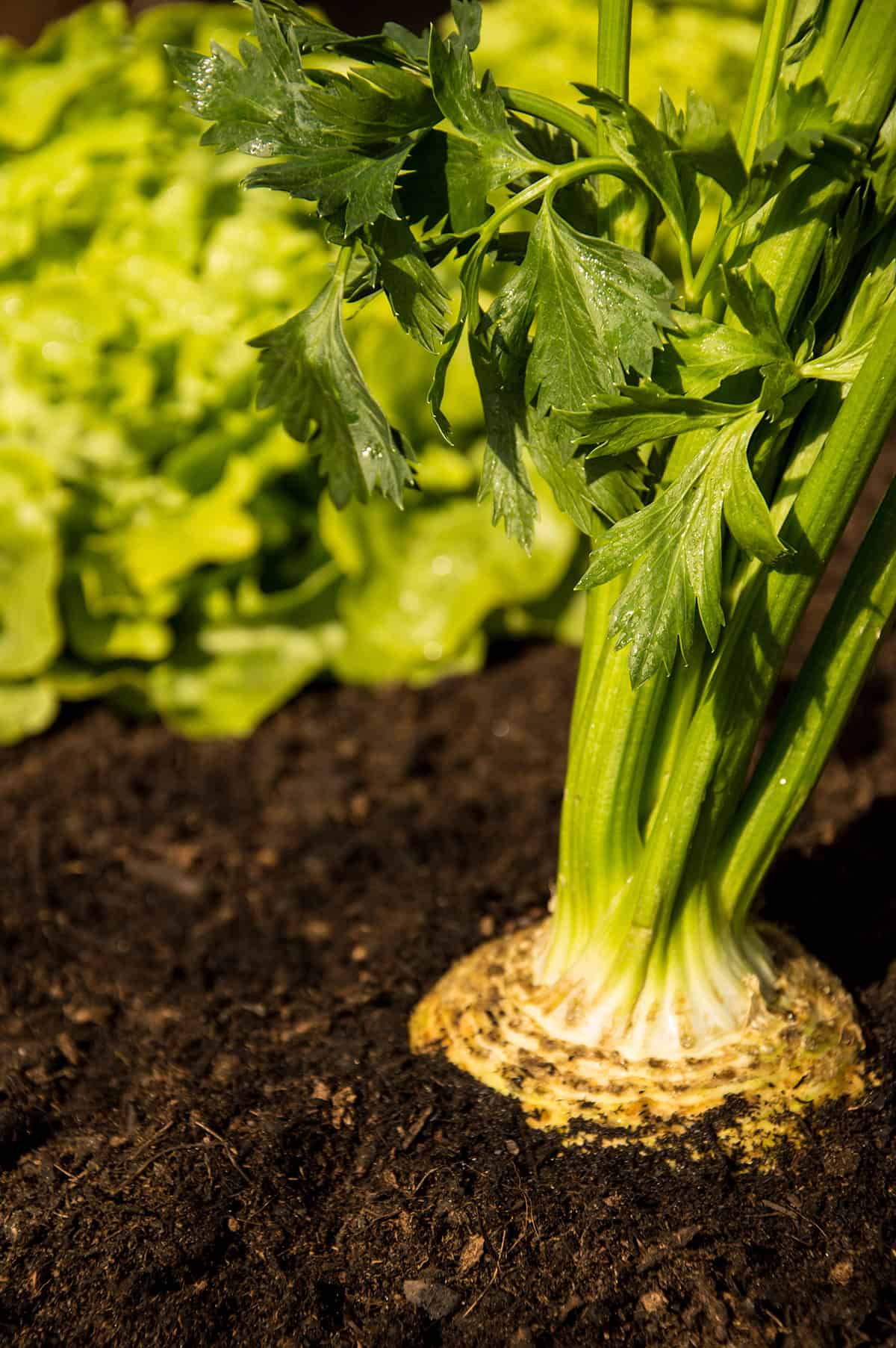
Celeriac needs plenty of sun, ideally six to eight hours of direct light a day. Lower light produces small or lumpy roots.
In hot regions, a little afternoon shade reduces stress and helps prevent woody roots.
The plant prefers cool weather, so sunlight matters more than heat. Avoid crowding the bed, since each plant needs room for its leaves to catch light.
Water
Consistently moist soil is essential for celeriac. Aim for about 1 to 1½ inches of water a week, rain included. Dry soil leads to tough, misshapen roots, and uneven watering causes cracks.
Water slowly and deeply so the moisture soaks in several inches. A thorough soaking a few times a week is better than a daily sprinkle.
Hot or windy weather dries the soil quickly, so check it with a finger, since the surface alone is misleading.
Drainage matters too, since soggy soil causes rot and disease. Water early in the day so the leaves dry quickly. The goal is damp soil, never mud.
Feeding
Celeriac has shallow roots, so nutrients need to sit close by. Start with rich soil, and mix in compost or well-rotted manure before planting.
Once the plants are growing, feed them regularly with a balanced fertilizer. Small, frequent doses are better than one heavy application, since excess nitrogen produces leaves at the expense of roots.
When the roots start to swell, side-dress with compost or apply a diluted liquid feed every couple of weeks. Spread fertilizer a few inches from the base of the plant.
For soils short on calcium or magnesium, add lime or a complete organic fertilizer. Water after feeding to carry nutrients down to the roots.
Steady nutrition through late season produces firm, flavorful roots.
Growth Time
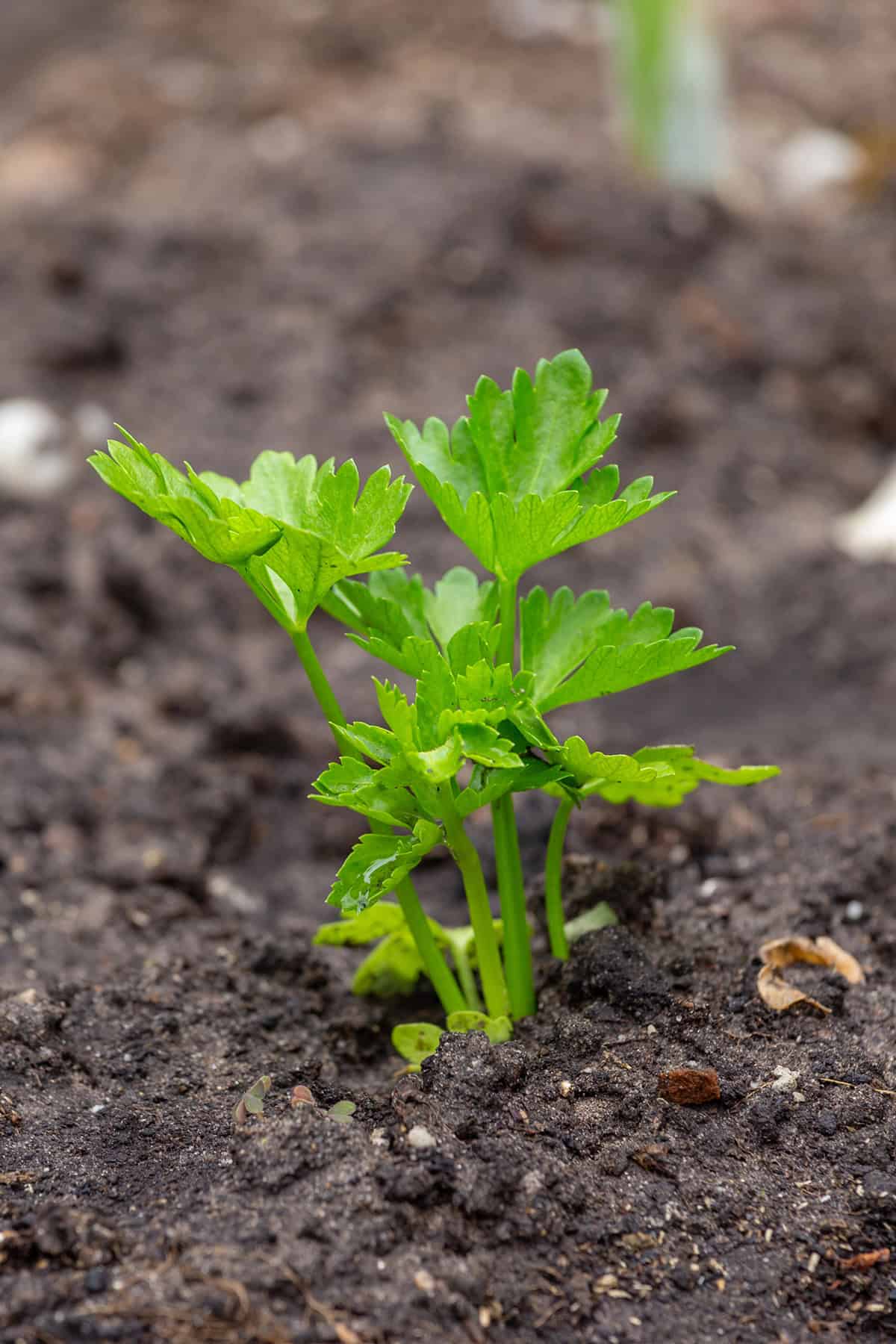
Celeriac is a long-season crop. Roots take about 100 to 120 days from transplanting to harvest, and about 5 to 6 months from seed.
Seeds take 14 to 21 days to sprout, even in warm, moist conditions, and early growth is slow. Cold soil slows it further.
The roots swell late in the season, once the plant has plenty of leaves. In late summer, pull away a few of the lowest leaves and any side shoots around the base, which helps the root develop a smoother shape. Harvest once roots are about 3 to 5 inches across, and a light frost near harvest improves the flavor.
A ready root is firm and solid. Consistent care all season produces a smoother harvest.
Growing in Containers
Celeriac grows well in containers with attention to soil, water and light.
Choose a pot at least 12 to 14 inches deep and wide, with drainage holes to prevent rot. Place it where it receives six to eight hours of sun.
Use a light, well-draining potting mix, and avoid heavy garden soil. Set the crown level with the surface when planting.
Water when the top inch dries out, since pots dry out quickly. Feed every couple of weeks with a balanced fertilizer.
Grow one plant per pot to avoid crowding, and move containers into partial shade during hot spells.
Harvest
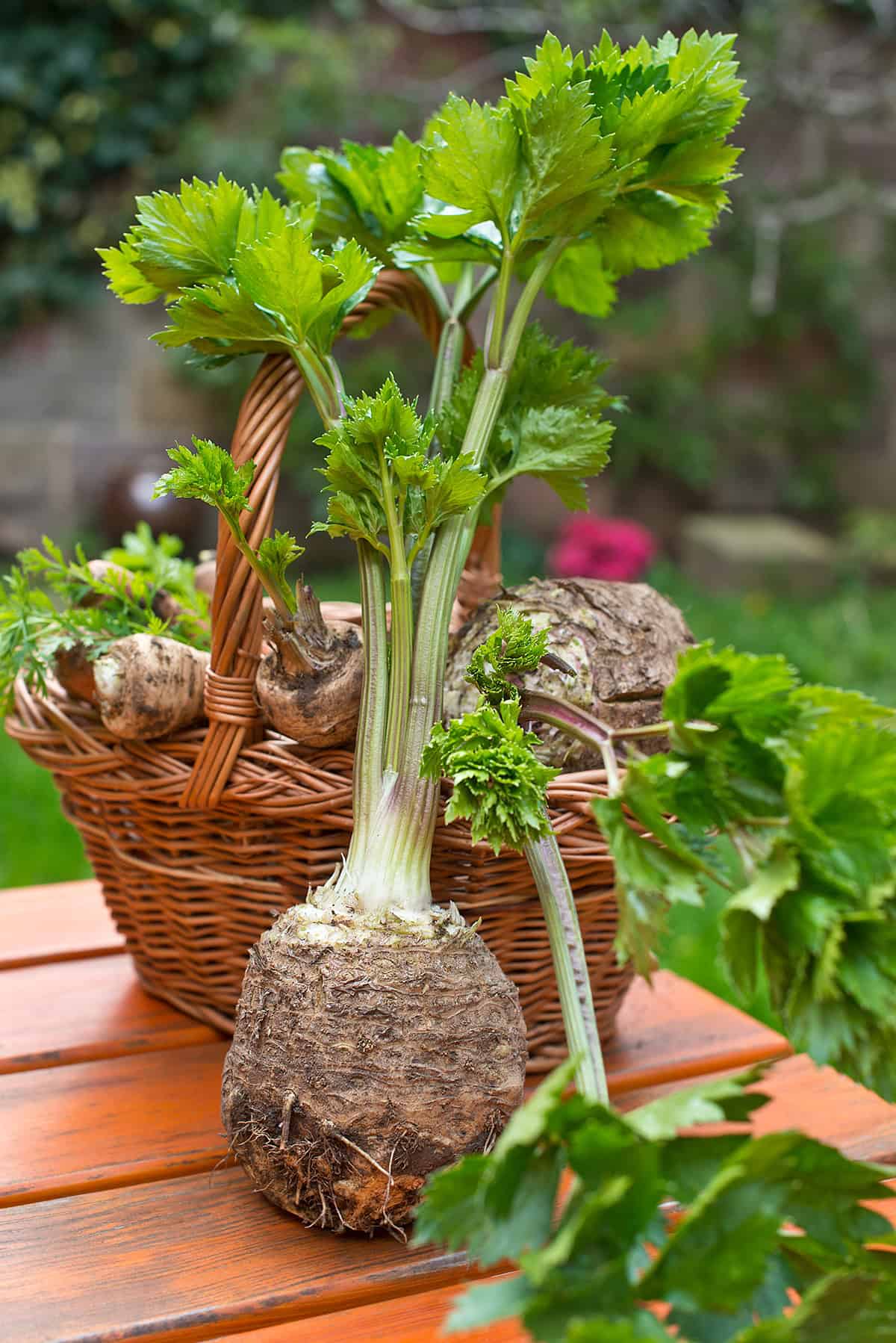
Start checking once the root reaches about the size of a baseball. Larger roots are fine as long as they are firm, though smaller ones are more tender. Finish the harvest before a hard freeze, since light frost sweetens the flavor while deep freezes damage the roots.
Loosen the soil with a fork and lift the plant out. Trim off the side roots and cut the leaves about an inch above the crown. Brush off the soil, and wait to wash until just before use.
Store celeriac at about 32°F to 40°F with high humidity, in a perforated bag in the refrigerator or in damp sand in a cold cellar. Stored this way, the roots last three to four months.
Common Problems and Troubleshooting
Slow growth traces back to early stress. Celeriac prefers cool temperatures, steady moisture and rich soil. Bolting comes mainly from cold exposure, since young plants chilled below about 50°F for a week or longer flower instead of forming roots. Timing the transplant after cold nights end is the best prevention.
Stubby or misshapen roots point to the soil. Rocks, clumps or shallow beds cause forking and twisting, and poor soil produces small roots. Generous compost and loose ground are worth the effort.
Leaf diseases appear mostly in damp weather. Fungal spots show up as brown blotches that spread in wet conditions. Spacing plants for airflow, removing affected leaves and watering at the base help a lot.
Cracked or woody roots come from cycles of dry soil and heavy watering. Steady moisture through the season prevents both, and a layer of mulch slows drying and saves effort.