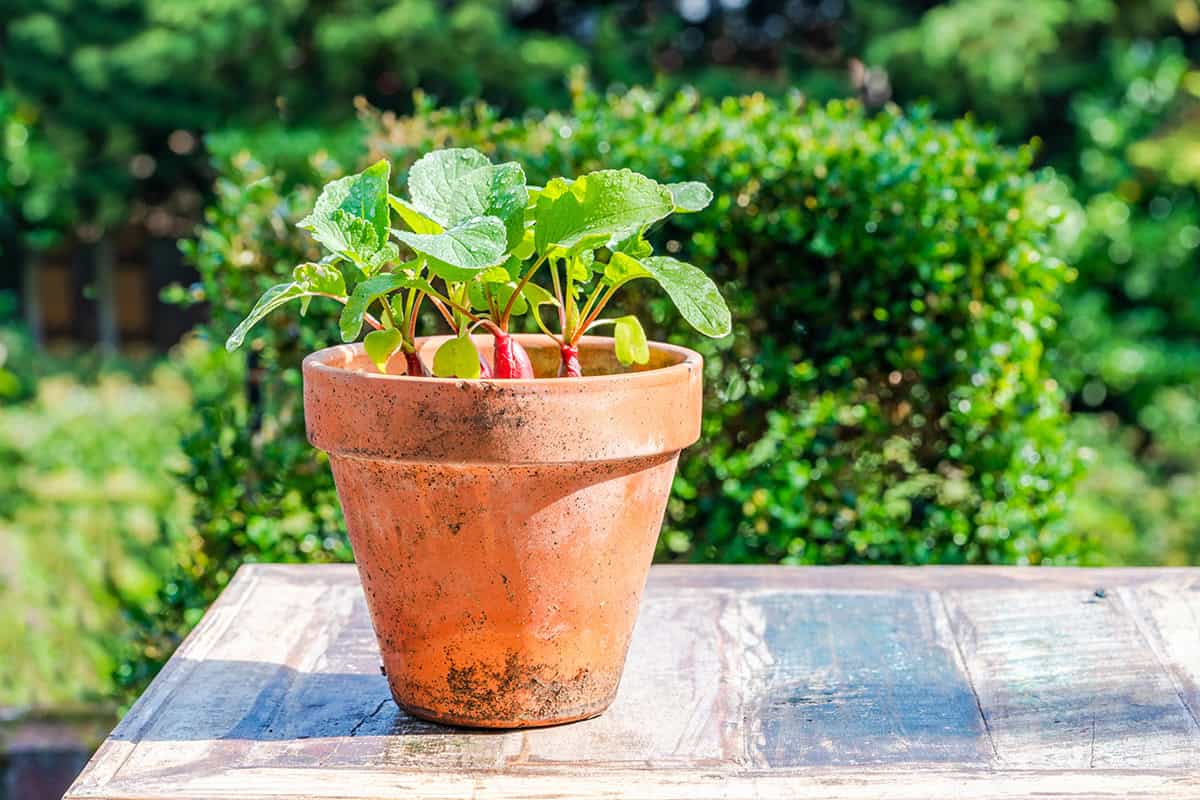
Radishes are a natural fit for container growing—they stay small, grow fast, and don’t mind tight quarters. Pots can go just about anywhere with a bit of sun: patio, balcony, kitchen window, you name it. They thrive in cool spells, and you don’t need much space to get a handful of crisp, peppery roots before you know it.
You grow radishes in containers by sowing seed in shallow pots with loose soil, steady moisture, and bright light, then harvesting within weeks. The right container depth keeps roots straight. Soil choice affects flavor and texture. Light, water, and feeding control growth speed.
This guide digs into how to keep radishes from turning woody or too spicy, which varieties behave in pots, and how to time things for short seasons. You’ll also get the lowdown on pulling them at peak flavor and sidestepping common headaches before they mess up your harvest.
Table of Contents
Container Size And Depth
Getting the right container makes a world of difference. For small, round radishes, compact pots work just fine. A one-gallon container is enough for steady growth, but don’t skimp on drainage—roots hate sitting in soggy soil.
Depth really matters. Go for at least 6 inches of soil, though 9 to 12 inches is even better for consistent results. Those long, carrot-like radishes? They’ll need the extra depth to grow straight. Shallow pots just lead to weird shapes and off flavors.
Wide pots are handy for spacing—roots need room to swell without bumping into each other. Loose, airy potting mix helps roots stretch out. Narrow containers? Not so great—roots twist and end up misshapen.
As the season warms, deeper pots help hold moisture longer, which keeps roots crisp. If it’s getting hot, move containers to a shadier spot to keep things cool.
Soil
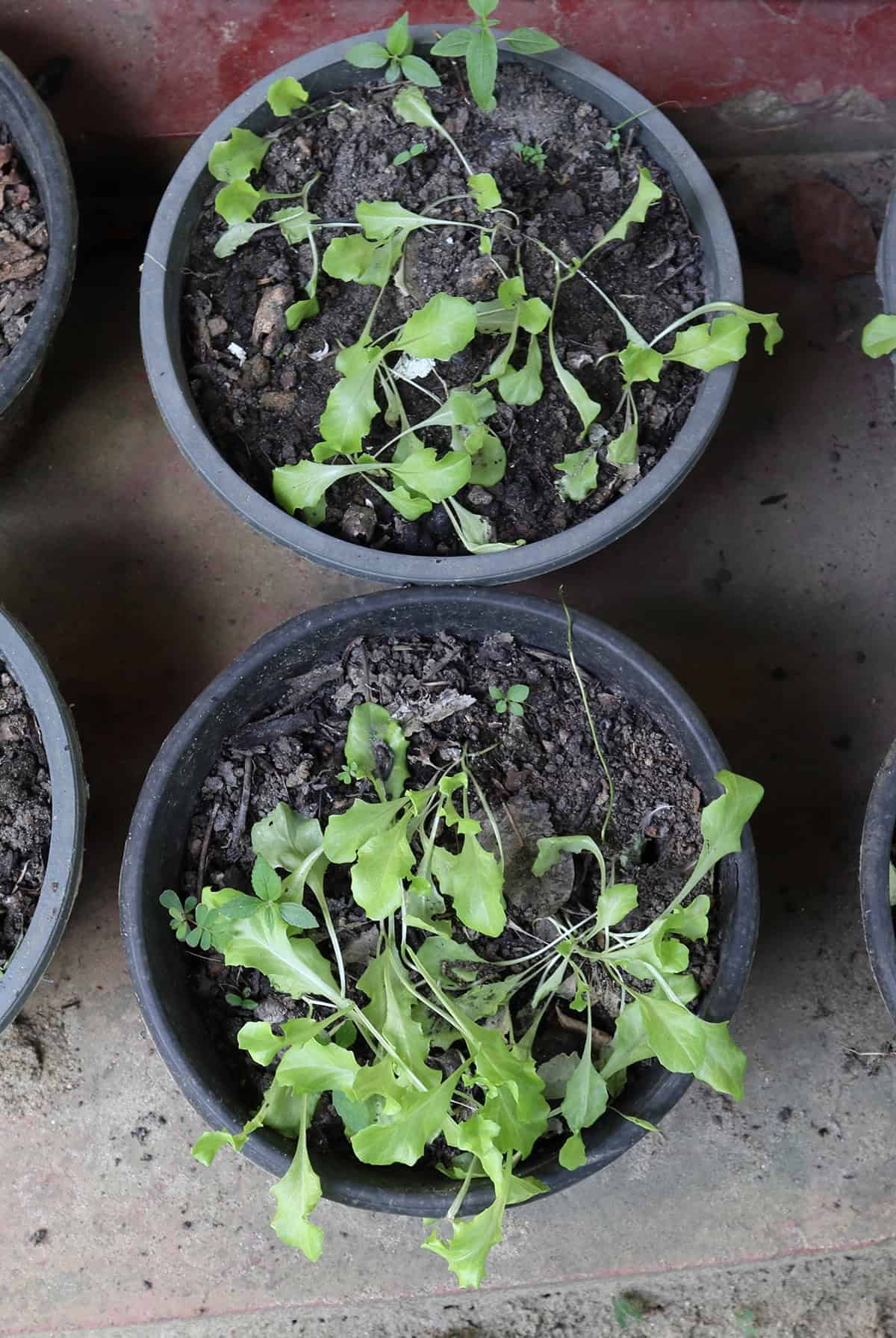
Loose, fertile soil that drains well is the goal. Radish roots need to push through easily for good shape. Heavy or clumpy soil just leads to stubby, ugly roots.
Skip digging up garden dirt—container mixes are better. They hold enough moisture but drain fast. A fine, crumbly texture is best for small pots.
Mix in some finished compost for extra nutrients and better structure. Fresh manure is a bad idea; it can make radishes taste odd and rough up the roots.
Radishes like things just slightly acidic to neutral. Aim for a pH between 6.0 and 7.0. Most store-bought mixes are already in the right range.
Soil should stay moist, not wet. Good drainage and a consistent texture help avoid cracked or bitter roots.
Planting
Pick a pot with drainage holes and fill it with at least six inches of loose potting mix. Set it somewhere with decent light and easy access for watering.
Sow seeds straight into the container—radishes hate being transplanted. Press them in about ½ inch deep and cover lightly. It’s fine to plant them close; you’ll thin them out soon.
Water gently after sowing so the soil is evenly moist, but don’t flood it. In the first week, keep an eye on moisture—radishes sprout fast but hate soggy roots.
Once you spot two true leaves, thin seedlings to 1–2 inches apart for small types. Pull extras out gently at soil level so you don’t disturb their neighbors. This helps the remaining radishes fill out nicely.
Cool weather is your friend—early spring and fall are prime time. For a steady supply, sow a new batch every couple of weeks.
Recommended Varieties
Stick with quick-maturing, small radish types for containers. Cherry Belle is a classic—round, mild, and reliable. French Breakfast is a bit longer and handles chilly weather. These will be ready in three to four weeks if you keep them happy.
Some varieties, like Rover and Easter Egg, are bred for uniform size—handy when space is tight. They also look good in a mixed pot, thanks to their colors. Keep the soil loose and moist for best results.
If you want to try bigger radishes, like Daikon or winter types, you’ll need taller pots—at least a foot deep. They take more time and need cooler temps, so only bother if you’re after a big harvest from fewer plants.
Some modern hybrids are bred to tolerate heat and resist bitterness. Check seed packets for details and match your pick to your space, season, and taste.
Light
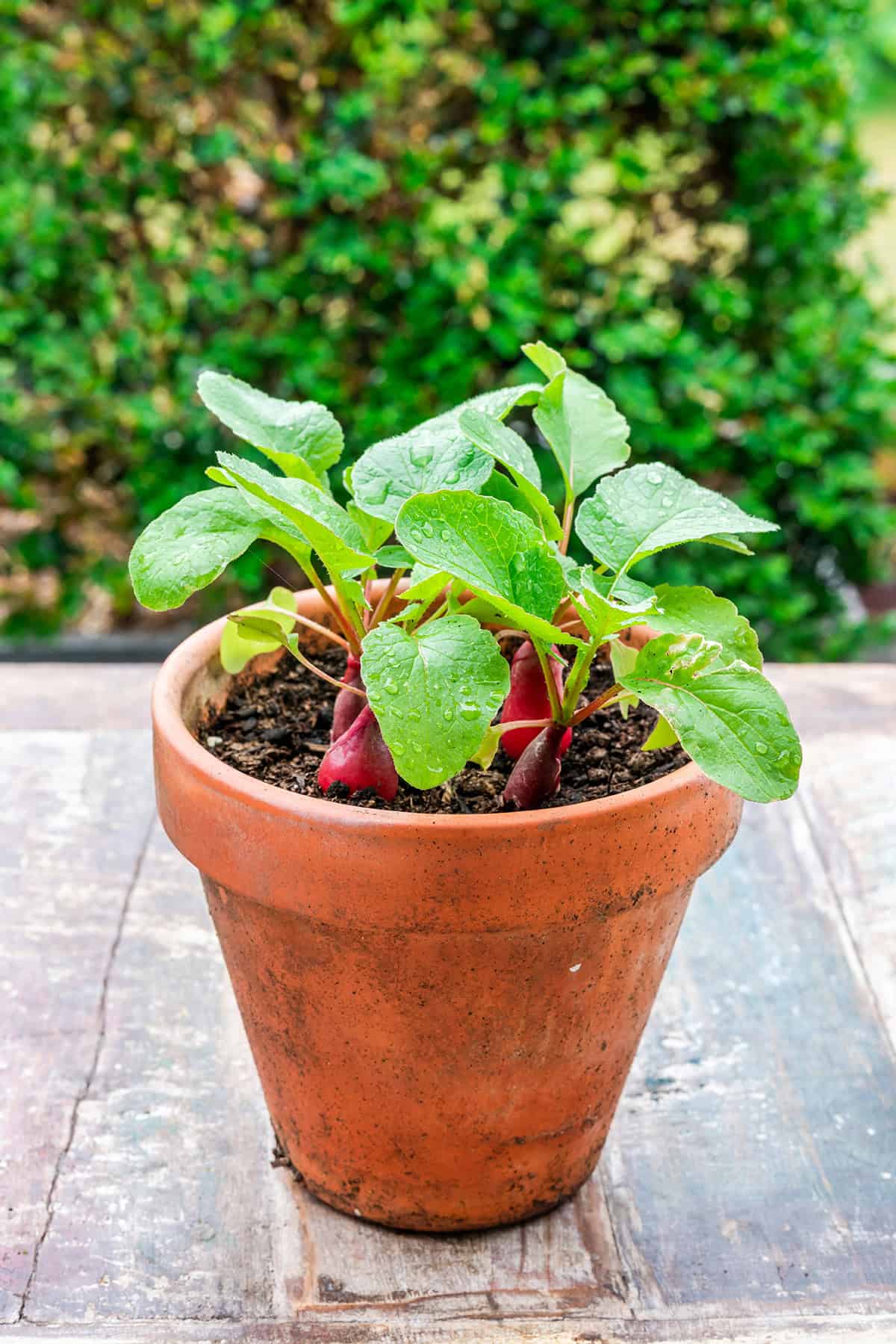
Radishes do best with at least six hours of direct sun daily. Morning sun is ideal and keeps them growing steadily. More light means crisper, better-tasting roots.
Partial shade is okay, especially when it’s hot out. Too much afternoon sun can stress plants and make roots hollow or sharp. Moving pots to catch early shade in summer helps maintain quality.
As seasons shift, you might need to move containers to chase the light. Spring and fall usually mean full sun, while summer might call for a bit of protection.
Water
Consistent moisture is key for crisp roots. Water enough to keep the soil evenly damp all the way through—dry spells lead to woody, spicy radishes, but overwatering causes rot.
Most pots need about 1 to 2 inches of water per week, though you’ll need to check more often in hot or windy weather. If the top inch of soil feels dry, water until you see it drain out the bottom. Good drainage is just as important as regular watering.
Try to water at the base, not over the leaves—wet foliage can mean fungus. Mornings are best. Mulching the surface helps slow drying and keeps roots cool.
Feeding
Radishes aren’t heavy feeders, especially in containers. A fertile, well‑drained potting mix with some compost usually does the trick for spring crops.
If growth looks weak or pale, add a little extra fertilizer—a balanced or low‑nitrogen formula works best. Too much nitrogen gives you big leaves and puny roots. One light dose about two weeks after thinning is usually enough.
Liquid feeds are easy to control in pots. Dilute them to half strength and water the soil, not the leaves. Honestly, spacing and watering matter as much as feeding for good root shape.
If you see lush tops but tiny roots, you’ve overdone the nitrogen. Slow growth? Maybe not enough nutrients. Adjust gently—radishes grow fast and react quickly.
Growth Time
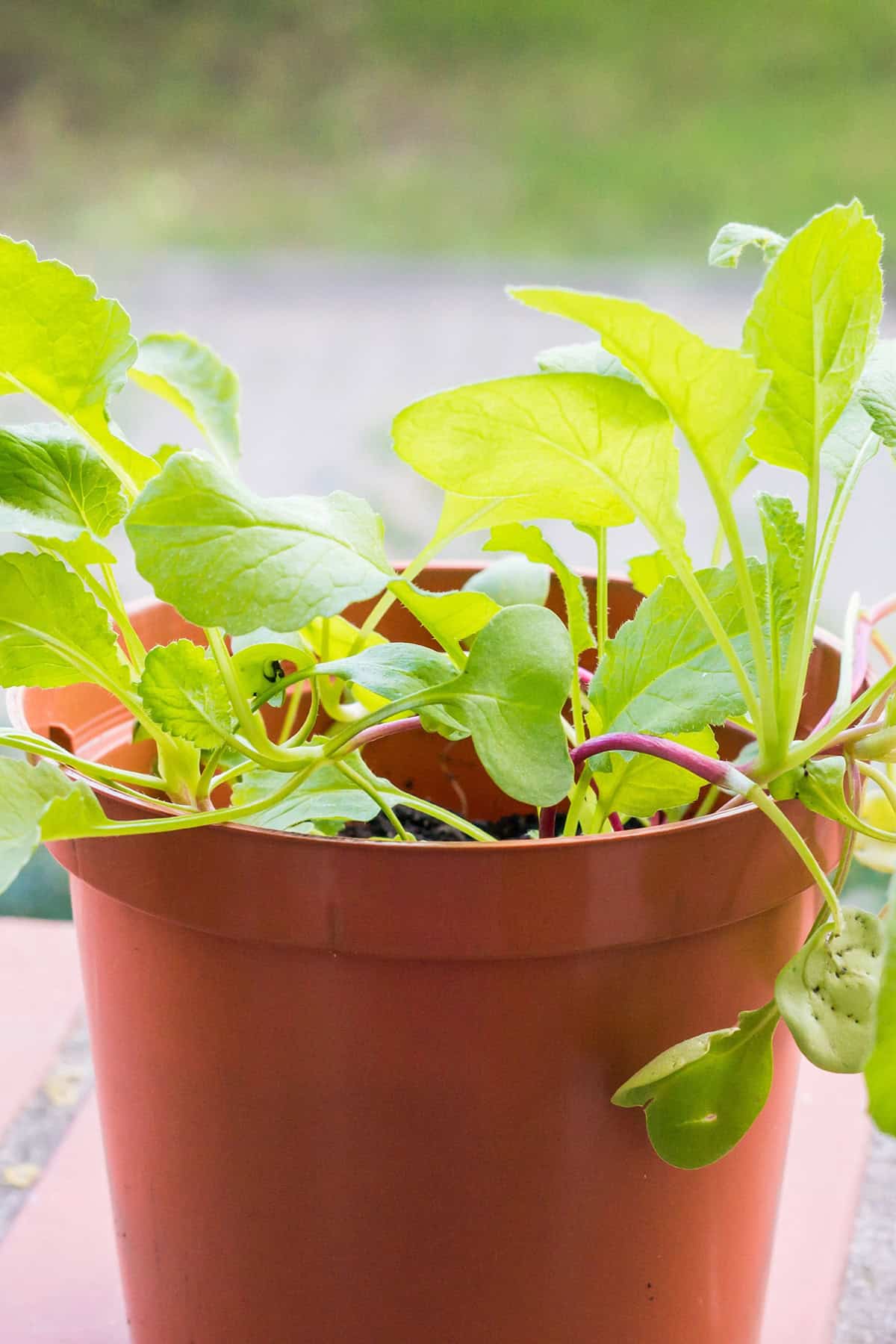
Radishes in containers don’t make you wait. Most are ready in 20 to 40 days from sowing, with small types finishing fastest. That means you can squeeze in several crops each season if you want.
Seeds usually sprout in 3 to 10 days if the soil is moist and cool. Warm, dry soil slows things down. Keep the surface damp for even germination.
Temperature has a big impact. Cool weather means mild, crisp roots. If it gets hot, roots take longer and can turn tough. Pots dry out quickly, so check moisture often to keep things on track.
Don’t wait too long to harvest—roots only stay tender for a short stretch once they size up. If you leave them, they’ll get tough and sharp. Gently poke around the soil to check their size before pulling.
Harvest
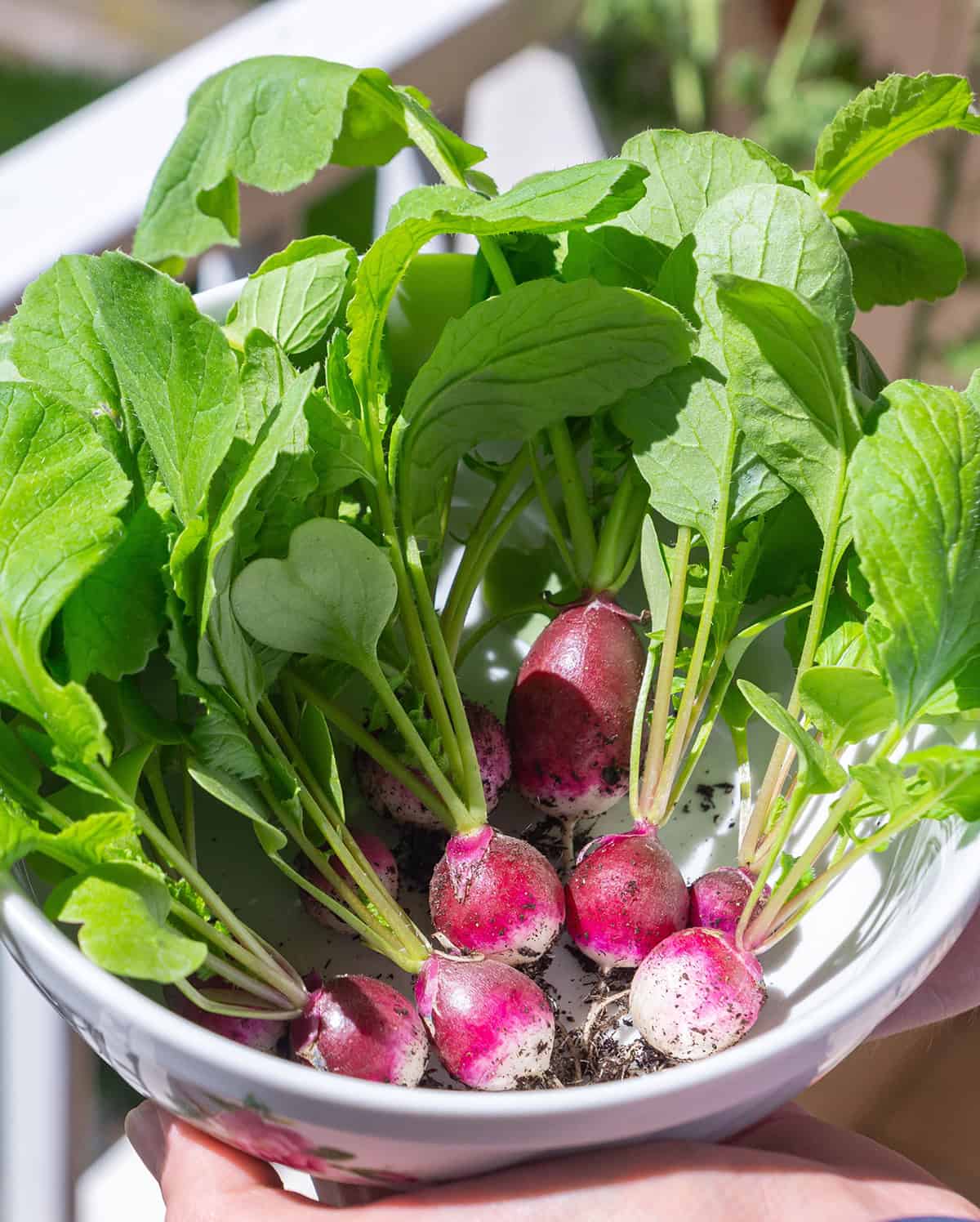
Pick radishes when roots hit about one inch wide for most small types. The top of the root usually pokes above the soil—check there first. Harvest before they crack or get spongy for the best flavor.
Moist soil makes pulling easier, so water a few hours before harvest. Grab the base of the greens and pull straight up. If they’re stubborn, use a hand tool. Snip off the tops soon after to keep the roots crisp.
In containers, timing is even more important since heat builds up fast. Most varieties are ready in 20 to 40 days. Check every few days once they start sizing up—quick harvest means better taste and texture.
Common Problems And Troubleshooting
If your radishes end up all leaf and barely any root, it’s probably heat stress or just too many plants jammed together. These guys really want cool weather and room to stretch out. It’s worth thinning seedlings sooner rather than later, even if it feels wasteful.
Roots getting woody or weirdly spicy? That’s almost always from leaving them in the ground too long or letting the soil heat up. Harvest as soon as they’re big enough—you’ll notice the difference in taste and texture right away.
Cracks or odd shapes usually mean the watering’s been all over the place. Containers dry out in a blink compared to garden beds, so you’ll need to water more often and try to keep the soil evenly damp.
If growth seems stuck or roots look stunted, check your soil. Compacted dirt or tiny pots just won’t cut it. Radishes need loose, deep soil, and the container should fit the variety you’re growing.
Most of the time, bugs like flea beetles and aphids go after the leaves, not the roots, especially in pots. They tend to show up when it’s warm and dry. Spraying off the leaves with water helps, and picking off damaged bits early can save you some hassle.
Cold weather rarely bothers radishes, but a sudden heatwave? That’ll make them bolt and send up flowers, ruining the roots. Once that happens, it’s best to pull them and try again later. Timing your planting can make all the difference.