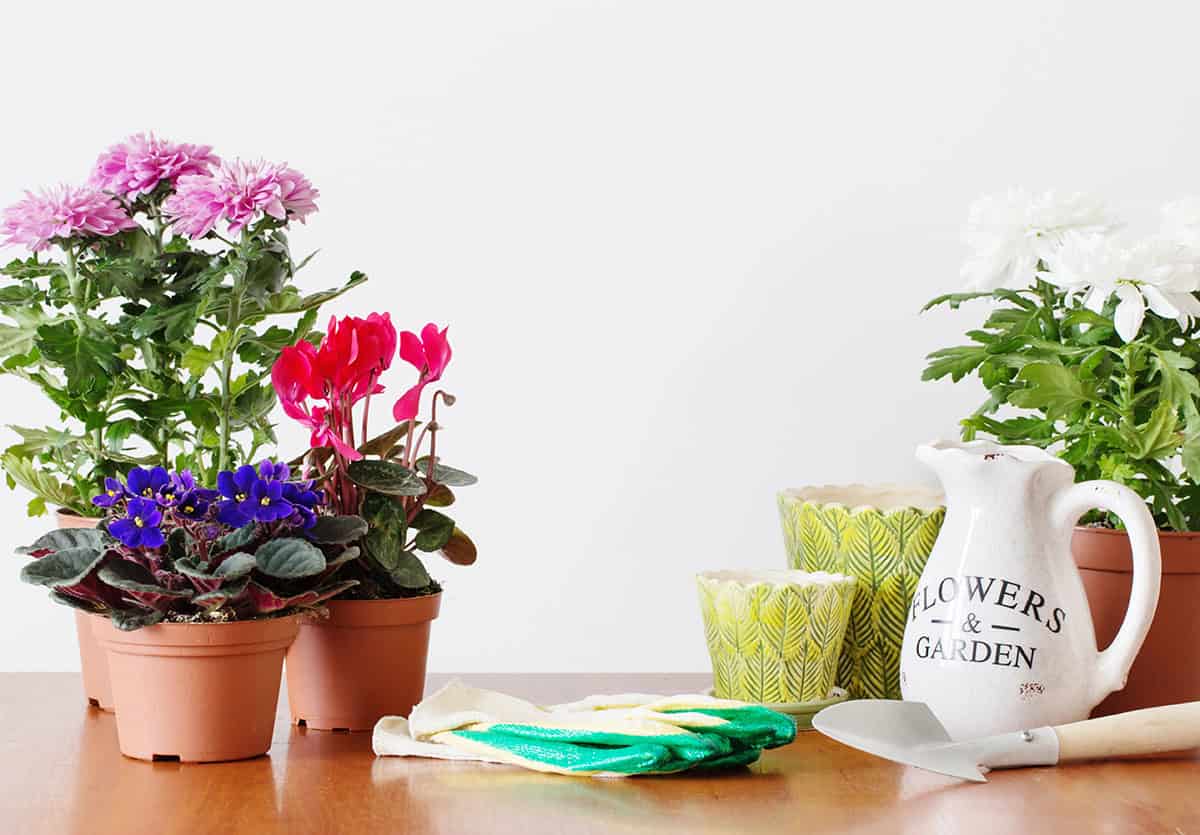
It’s not just about survival—most of us want houseplants that actually deliver color, season after season. Some indoor plants bloom reliably, even repeatedly, if you give them what they want: decent light, a little attention, and the right watering routine.
Certain types will set buds again after a brief pause, while others bounce back with flowers if you tweak their lighting or keep their soil just right. Some bulbs even pull off a second act indoors if you play with temperature and timing.
Table of Contents
- Indoor Plants That Bloom Again And Again
- African Violet (Saintpaulia)
- Anthurium (Flamingo Flower)
- Peace Lily (Spathiphyllum)
- Crown Of Thorns (Euphorbia Milii)
- Kalanchoe (Kalanchoe Blossfeldiana)
- Streptocarpus (Cape Primrose)
- Wax Begonia
- Phalaenopsis Orchid (Moth Orchid)
- Lipstick Plant (Aeschynanthus)
- Goldfish Plant (Nematanthus)
- Shrimp Plant (Justicia Brandegeeana)
- Hoya (Wax Plant)
- Abutilon (Flowering Maple)
- Oxalis (Purple Shamrock)
- Geranium (Pelargonium)
- Impatiens (Busy Lizzie Or New Guinea Impatiens)
- Miniature Roses (Indoor Varieties)
- Crossandra
- Pentas
- Clerodendrum Thomsoniae (Bleeding Heart Vine)
- Ixora (Dwarf Indoor Varieties)
- Ruellia (Mexican Petunia Types)
- Nematanthus (Goldfish Vine)
- Aeschynanthus Radicans (Lipstick Vine)
- Begonia (Many Flowering Begonia Types)
Indoor Plants That Bloom Again And Again
Plenty of houseplants can pull off more than one flowering cycle each year, but you’ll need to dial in their light, water, and feeding. Sometimes a rest period does wonders, sometimes it’s about pruning or a little fertilizer at the right moment.
African Violet (Saintpaulia)
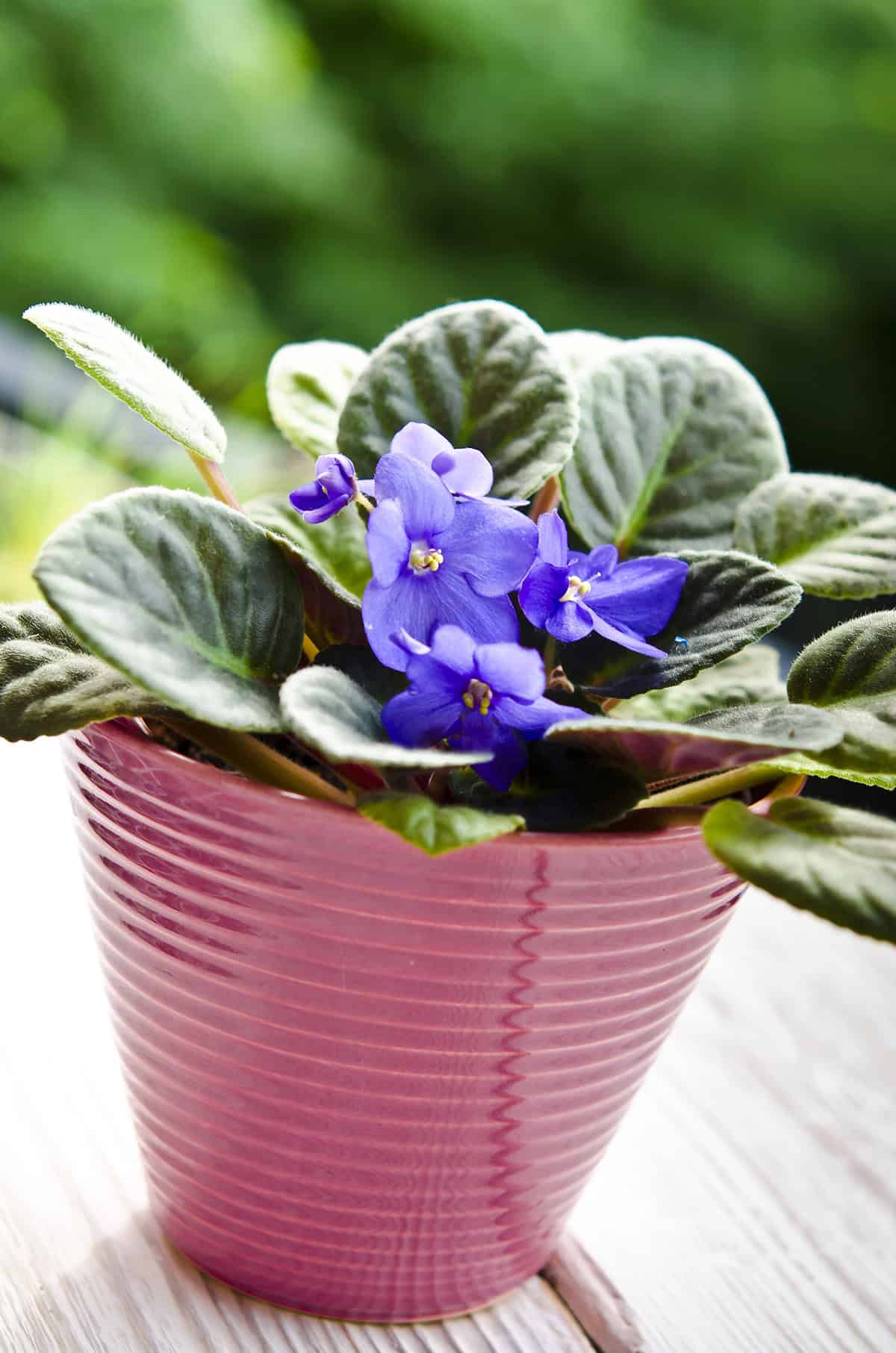
With its compact size and knack for blooming several times a year, this one’s tough to beat. Bright, indirect light, and temps hovering between 65 and 75°F keep it happy.
Soil should stay slightly moist—not soggy. Watering from below helps keep leaves and crowns healthy. A fertilizer made for African violets, every couple of weeks, gives a boost.
Snip off old blooms for more flowers. Repotting yearly with a loose mix keeps roots in good shape.
Anthurium (Flamingo Flower)
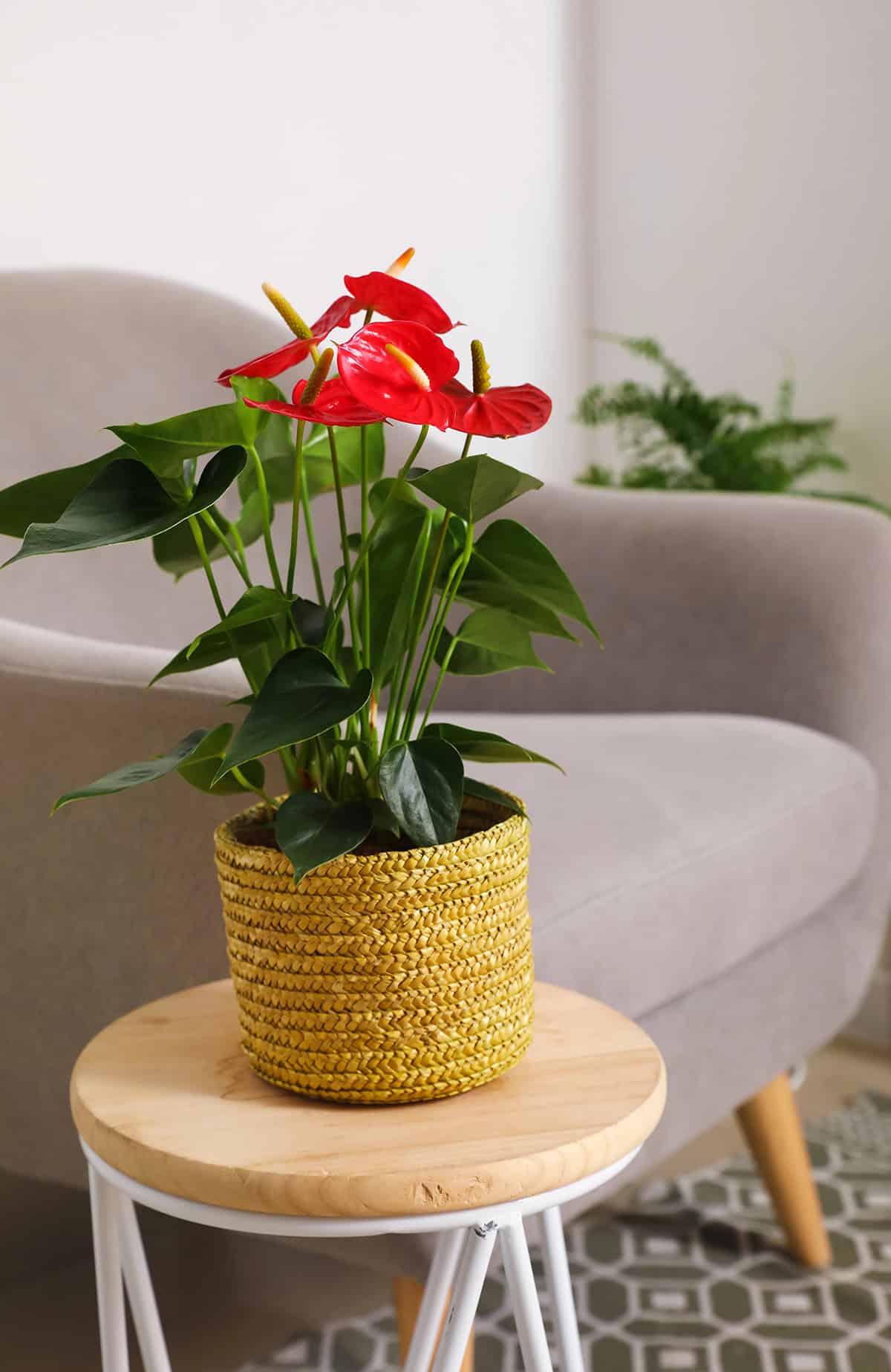
Those shiny leaves and colorful spathes stick around for months if you keep the light bright but filtered. Often, blooms will show up several times each year.
Let the top inch of soil dry before watering again. Humidity is a friend here—think steamy bathroom windowsills.
Feed just a bit during growth spurts. Cut off spent flowers at the base to encourage new ones.
Peace Lily (Spathiphyllum)
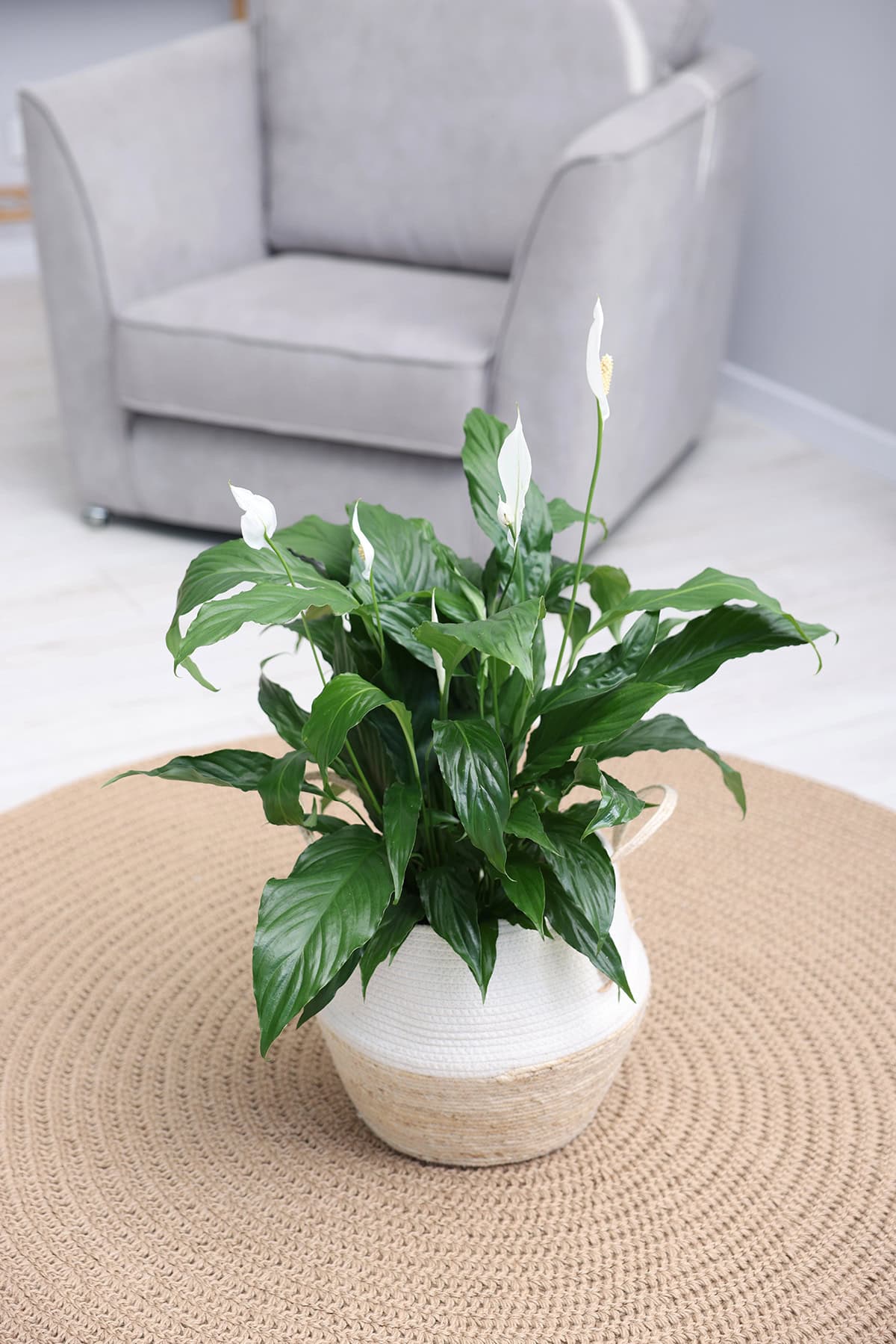
White blooms pop up more than once a year if you can keep the light moderate to bright. Lower light keeps leaves lush but means fewer flowers.
When the top inch of soil feels dry, it’s time to water. Droopy leaves perk right back up after a drink.
Every six weeks or so, a balanced fertilizer helps. Deadhead faded flowers to coax out more.
Crown Of Thorns (Euphorbia Milii)
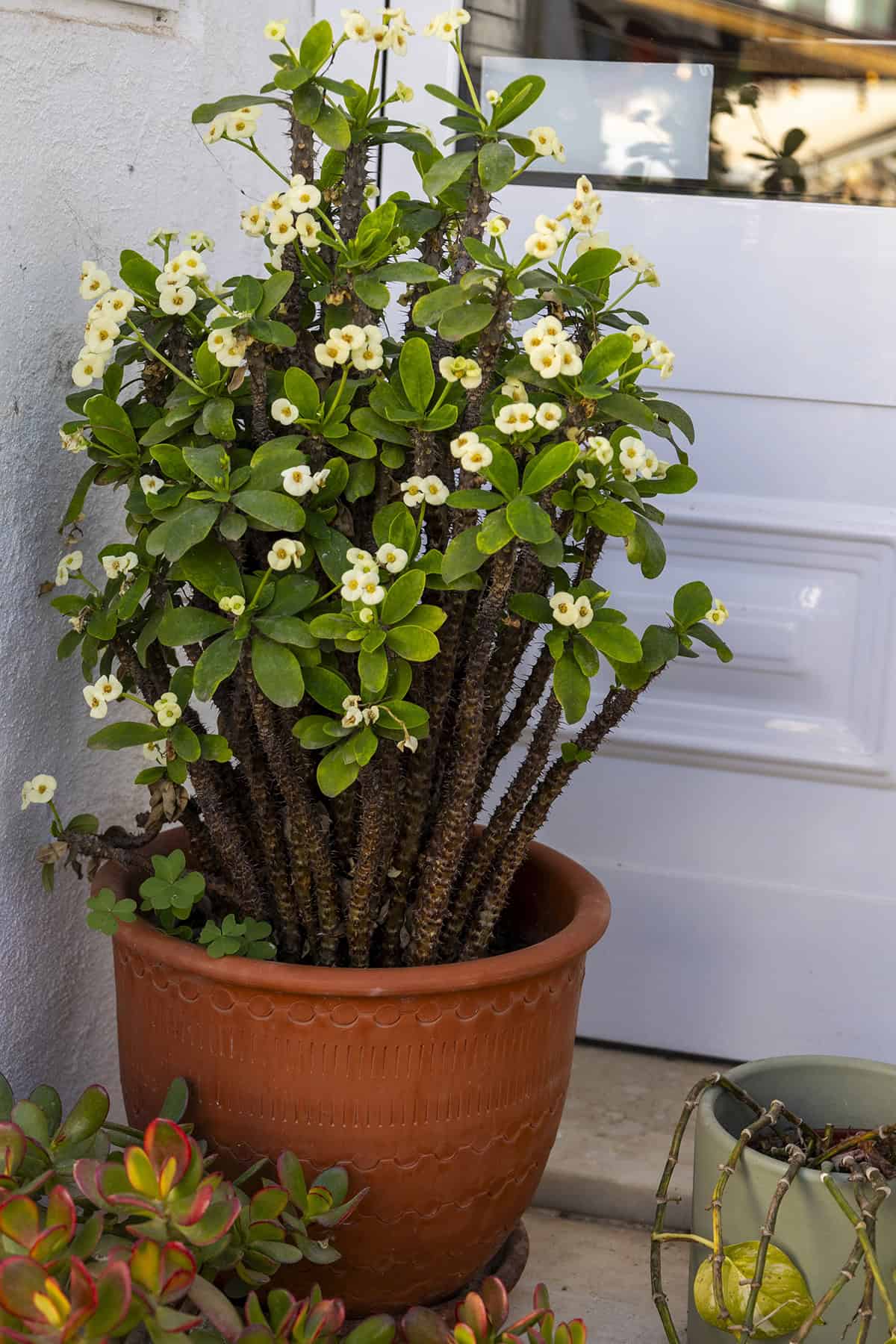
Not everyone loves the prickly look, but those tiny, bright bracts can keep coming all year if you give it a sunny spot.
Let soil dry out almost all the way before watering. Too much water? That’s a recipe for root trouble and fewer blooms.
Sharp-draining soil, like a cactus mix, is best. Feed lightly when it’s putting out new growth.
Kalanchoe (Kalanchoe Blossfeldiana)
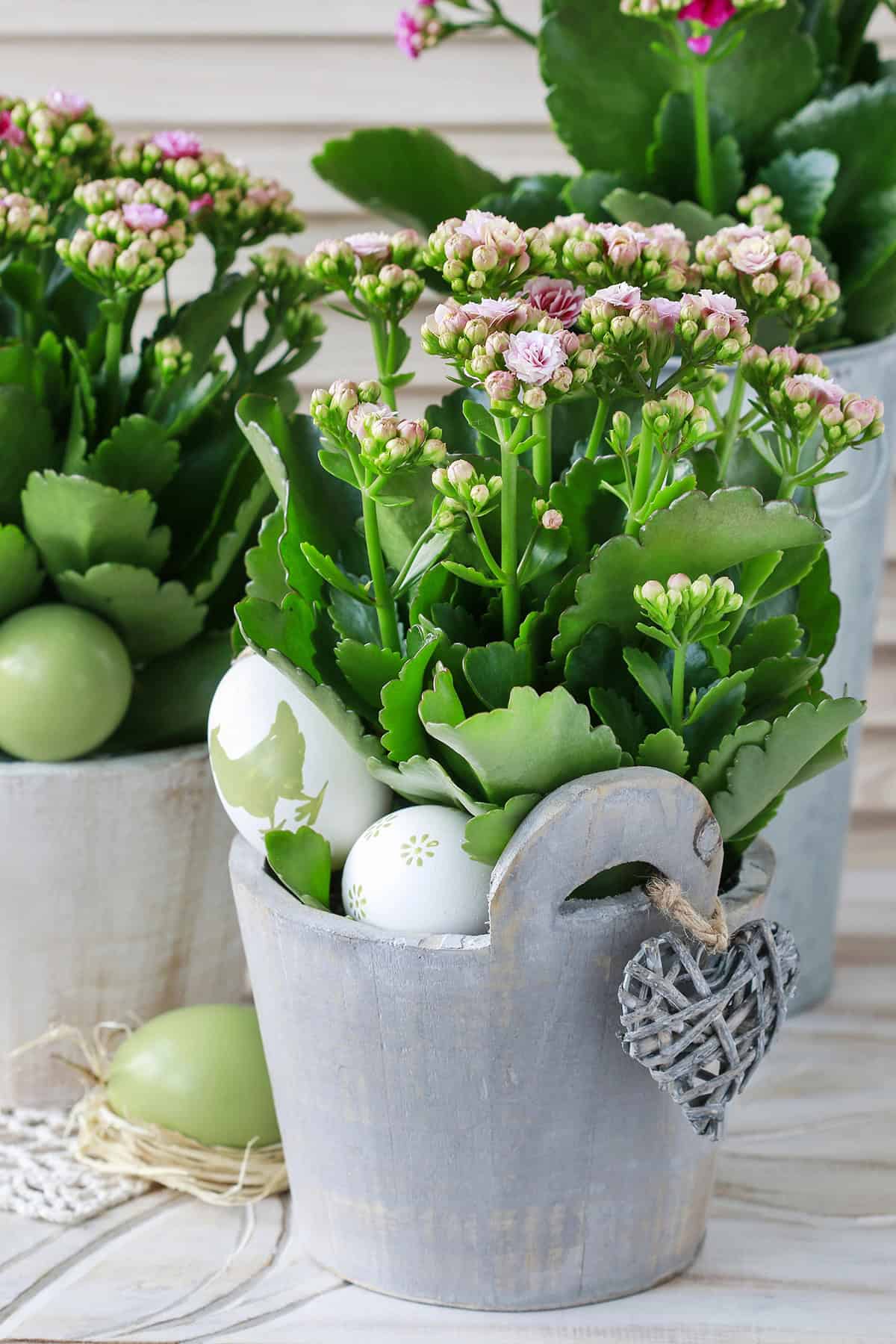
Bright clusters come back if you play with day length. After the first round, give the plant about 14 hours of darkness for six weeks—new buds usually follow.
Soil should be just barely moist. Daytime light matters, too.
Deadhead and feed modestly. The darkness trick can be repeated every year.
Streptocarpus (Cape Primrose)
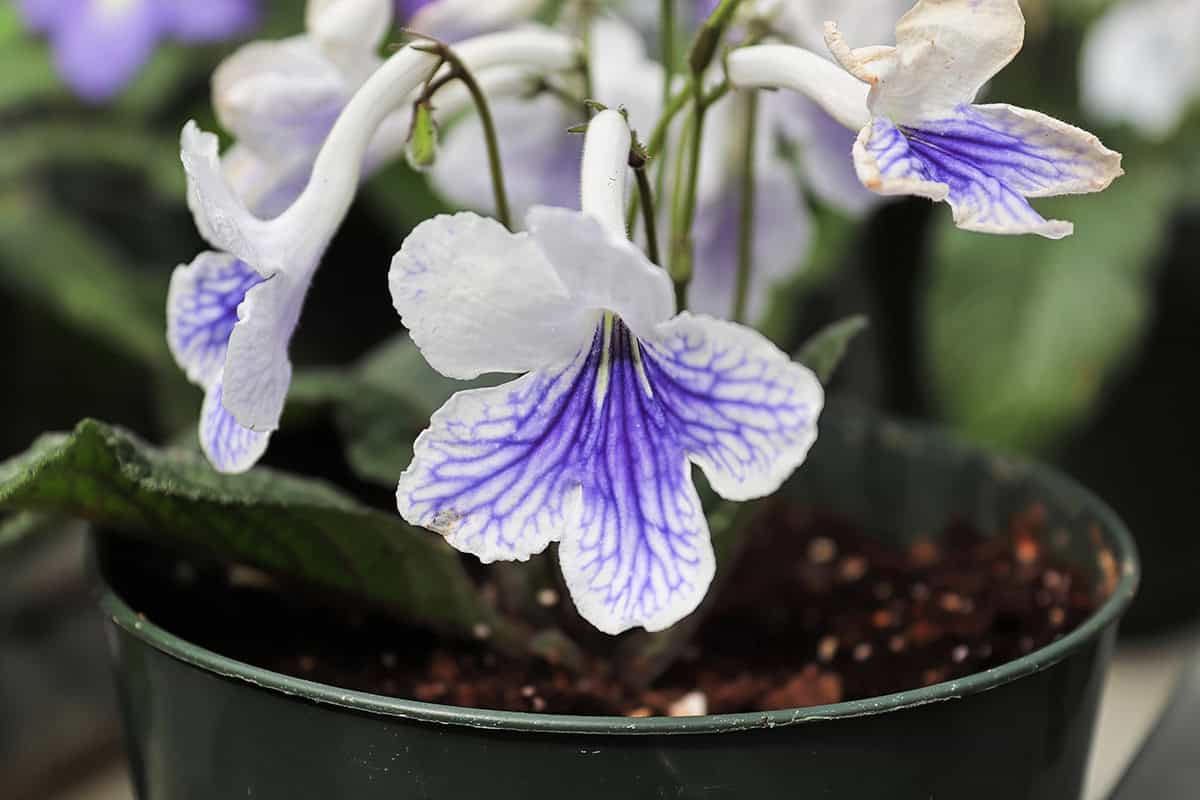
With velvety foliage and waves of trumpet flowers, this one’s a stunner. Bright, indirect light and cooler temperatures keep it blooming.
Let the top layer dry before watering. Splashing water on the crown? Not a good idea.
Fertilize weakly every couple of weeks. Pick off faded blooms to keep the show going.
Wax Begonia
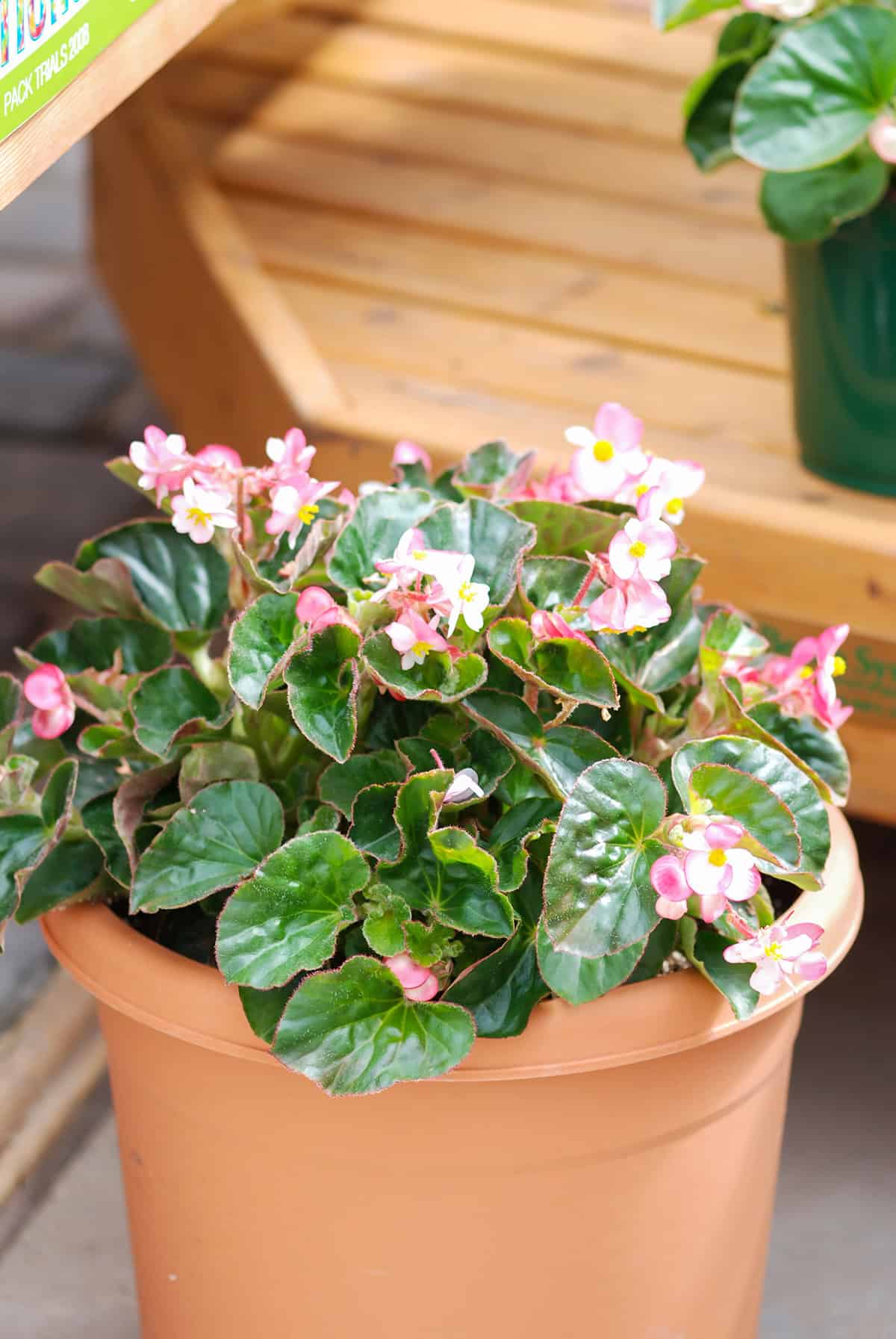
Flowers stick around for ages if you give them enough light. Indirect, but bright, is the sweet spot for buds.
Soil should stay just moist—never soggy. Airflow helps keep mildew away.
Pinch leggy stems. A little food now and then keeps them blooming.
Phalaenopsis Orchid (Moth Orchid)
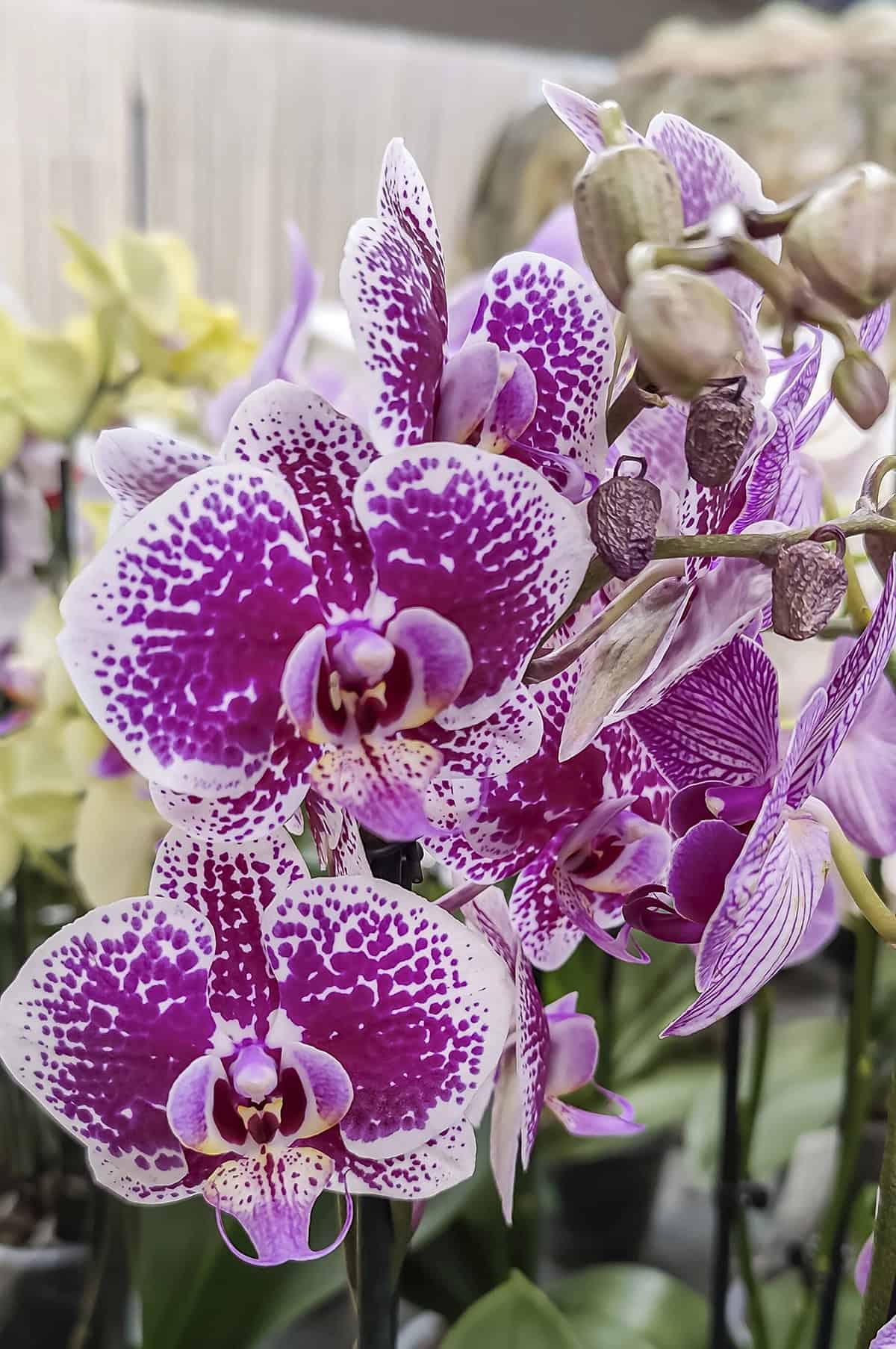
Graceful arching sprays last for months. Once they’re done, snip the spike above a node and you might get a bonus round.
Light should be bright but never direct. Warm days, slightly cooler nights. Water thoroughly, then let the bark dry out.
Feed with diluted orchid fertilizer every couple of weeks. Sometimes a brief rest sparks another spike.
Lipstick Plant (Aeschynanthus)
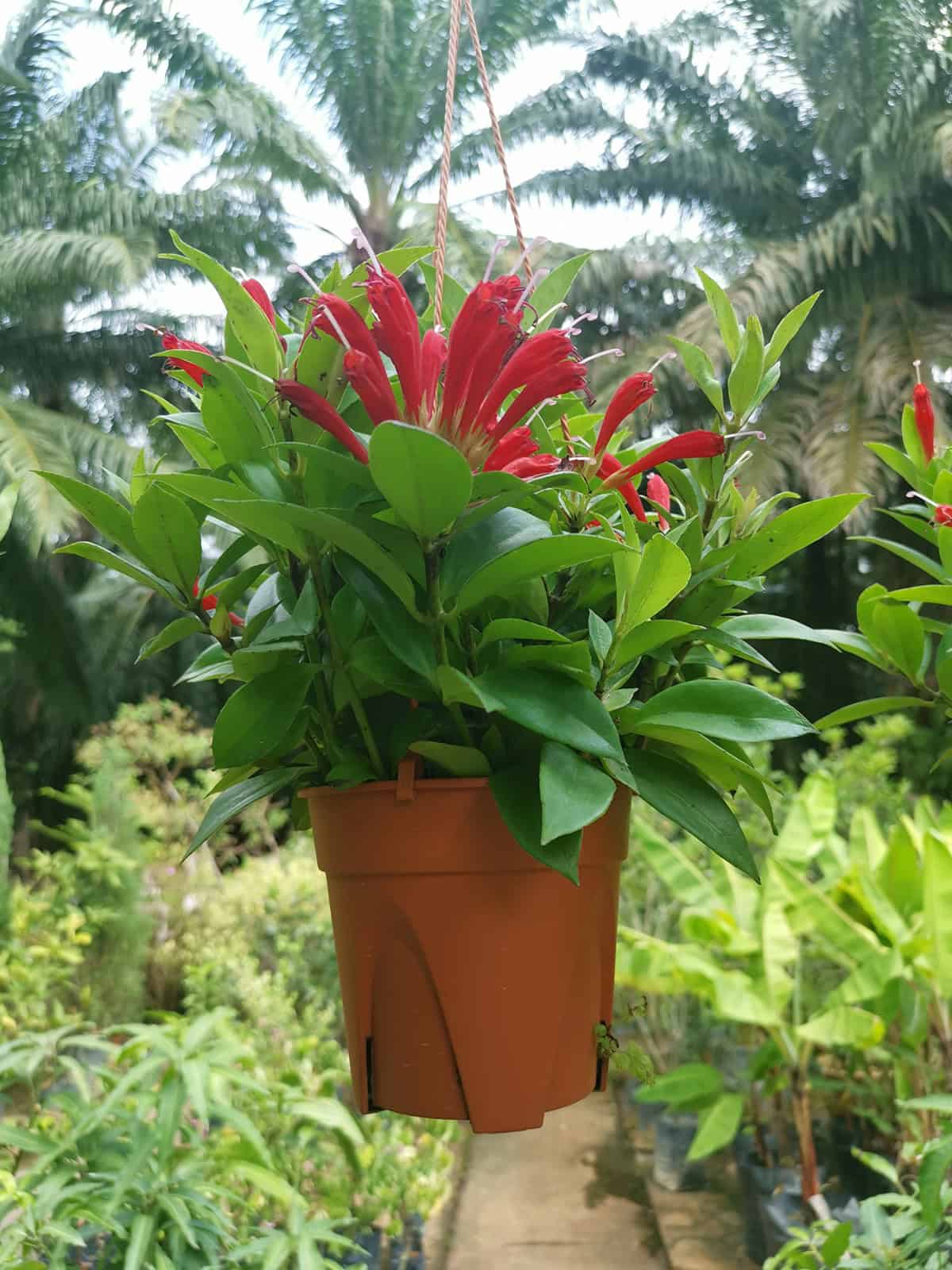
Tubular red flowers pop up at the tips if you can keep the light strong. This trailing plant often surprises with multiple flushes through the year.
Top inch of soil should dry out before watering. Cold drafts are a no-go.
Light pruning after blooms keeps it bushy. Monthly feeding during the growing season helps.
Goldfish Plant (Nematanthus)
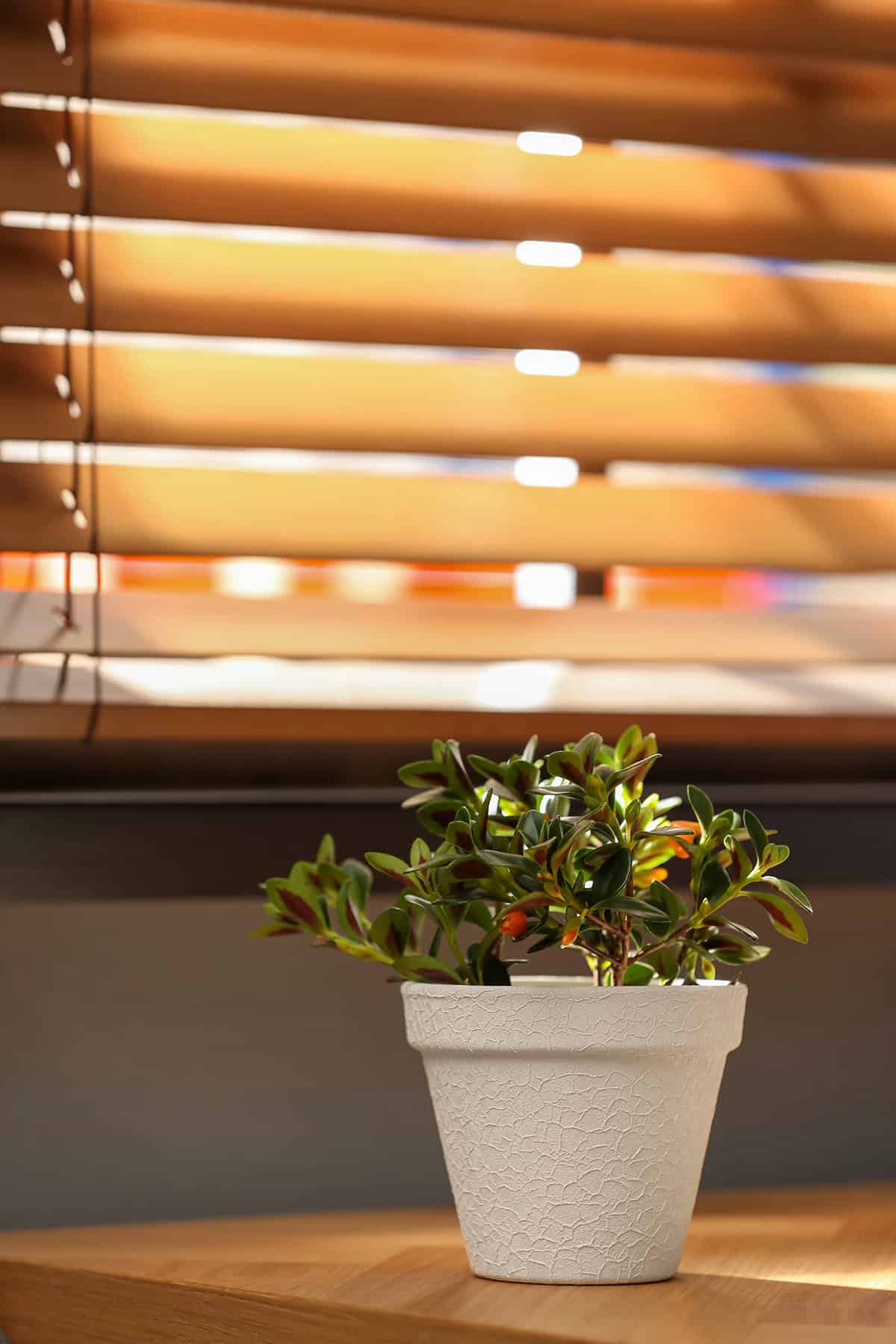
Those quirky orange flowers need solid, indirect light to keep coming. Humidity helps, too.
Soil should stay a little moist. Dry air? That means fewer buds.
Trim after blooms for shape. Fertilize in spring and summer.
Shrimp Plant (Justicia Brandegeeana)
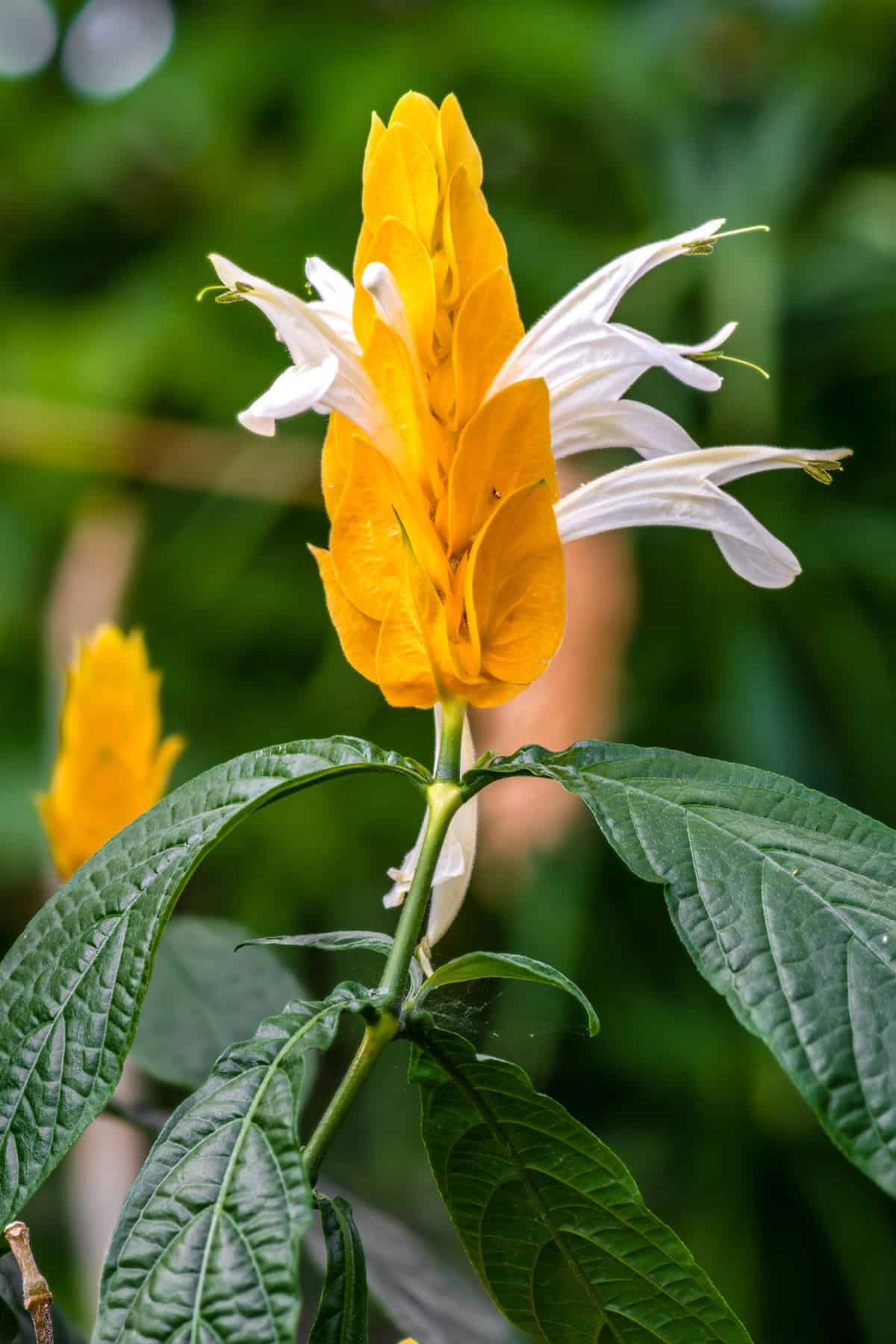
Layered bracts that really do look like shrimp hang around for weeks. Bright spots bring out more flowers.
Water when the top feels dry. Fertilize when it’s growing fast.
Prune after blooms to encourage branching—and more flowers on those new shoots.
Hoya (Wax Plant)
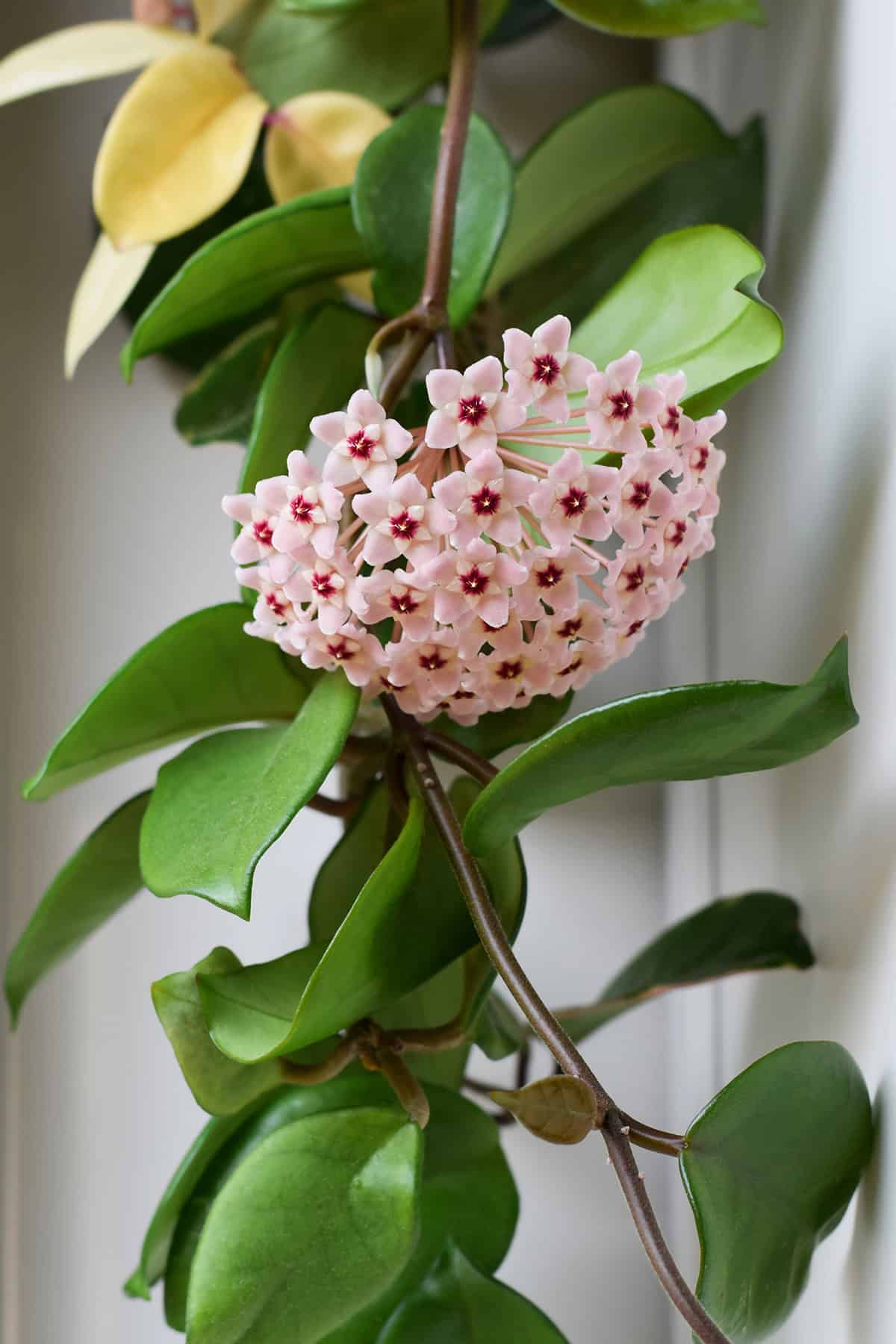
Clusters of starry blooms return each year if you give them bright light and don’t rush to repot. A bit of root crowding seems to help.
Let soil dry out between waterings. Moving it around when buds form? Not a good idea.
Feed sparingly. Leave the old flower spurs—they’ll bloom again from those same spots.
Abutilon (Flowering Maple)
Bell-shaped flowers dangle from arching stems when the sun is strong enough. Indoors, it’ll bloom again and again if it gets enough rays.
Soil should stay evenly moist. Feed regularly when it’s growing. Prune to control size and boost branching.
Cool nights often help with bud set. Keep an eye out for pests—they can mess with flowering.
Oxalis (Purple Shamrock)
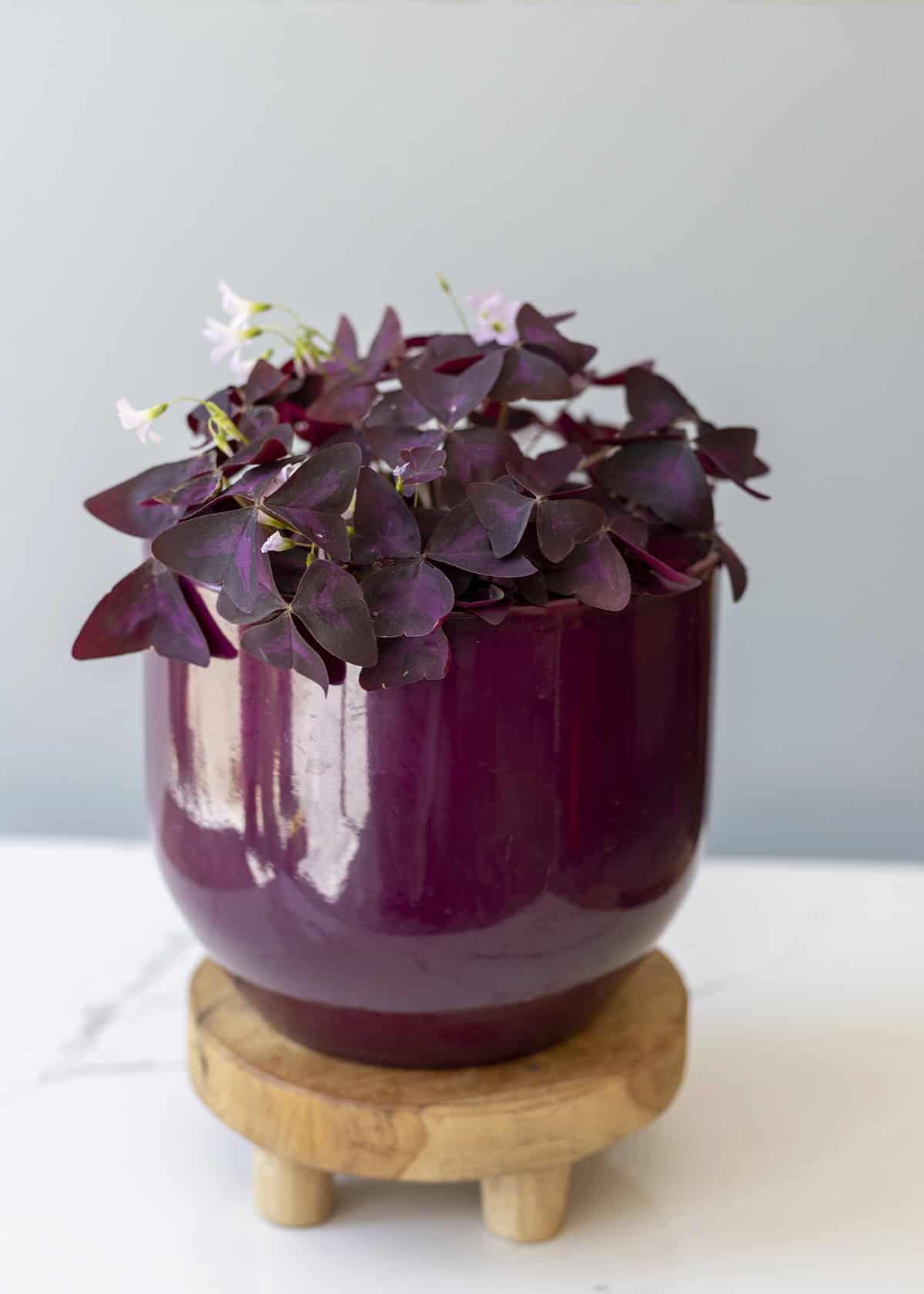
Triangular leaves fold up at night, and dainty flowers rise above. It needs a rest period after blooming before it’s ready for another round.
Water when dry. After flowering slows, cut back on water and let it chill for a while.
Once new growth pops up, resume normal care. Bright light brings out the best color and blooms.
Geranium (Pelargonium)
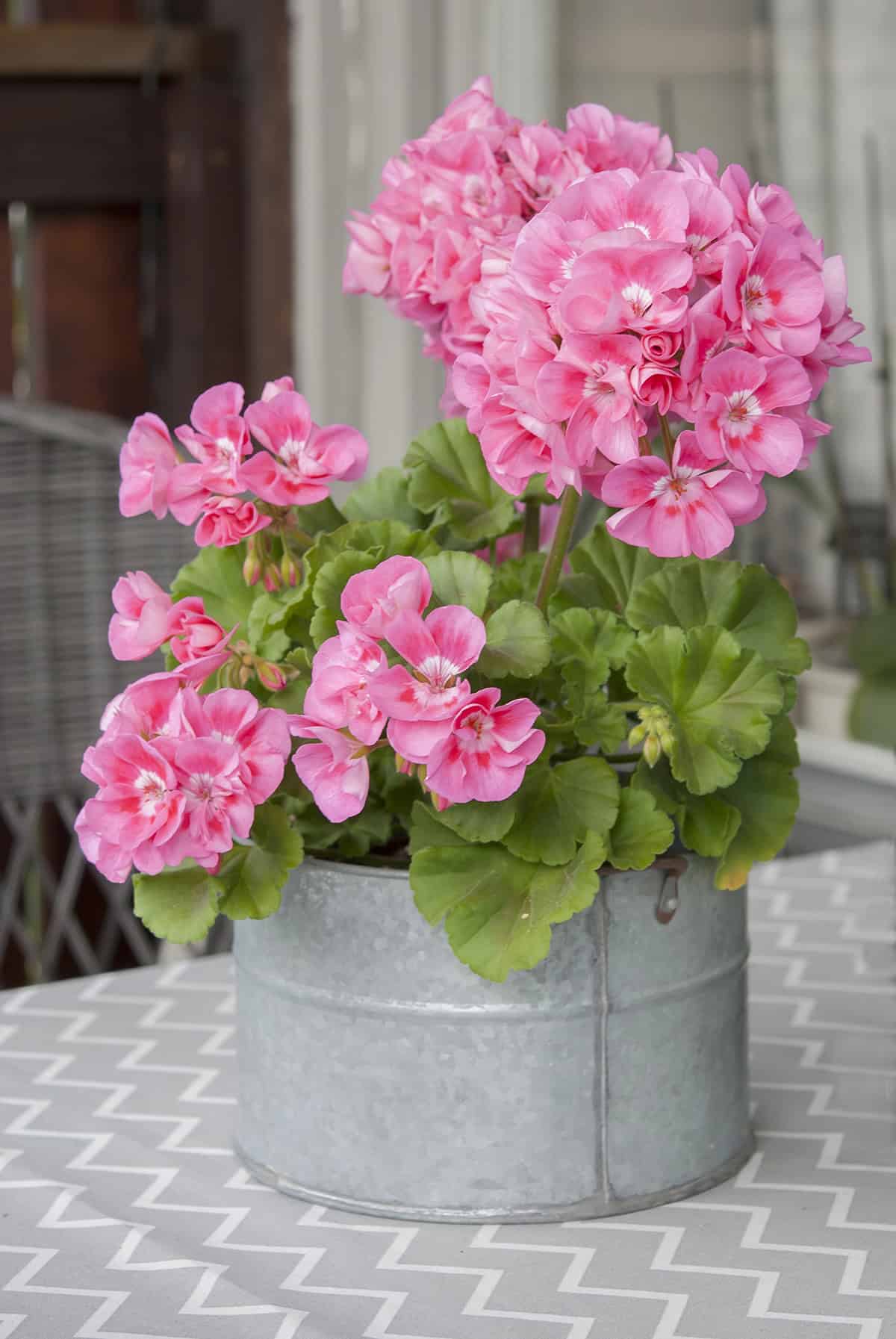
Months of blooms are possible indoors if you can give them enough sun. A bright windowsill is usually the answer.
Let soil dry a bit between waterings. Snip off old blooms and pinch stems for a bushier plant.
Feed every couple of weeks when it’s growing. Air movement helps keep disease at bay.
Impatiens (Busy Lizzie Or New Guinea Impatiens)
Reliable color in bright, indirect light. New Guinea types handle a bit more sun, which is handy indoors.
Soil needs to stay moist. Let it dry out and you’ll lose buds.
Light feeding and deadheading keep flowers coming. Warmth is key.
Miniature Roses (Indoor Varieties)
Small but mighty, these rose bushes can rebloom if you give them strong light. A sunny spot is essential.
Water deeply when the top inch dries out. Drainage matters—roots rot easily.
Prune after each flush. Feed regularly while it’s actively growing.
Crossandra
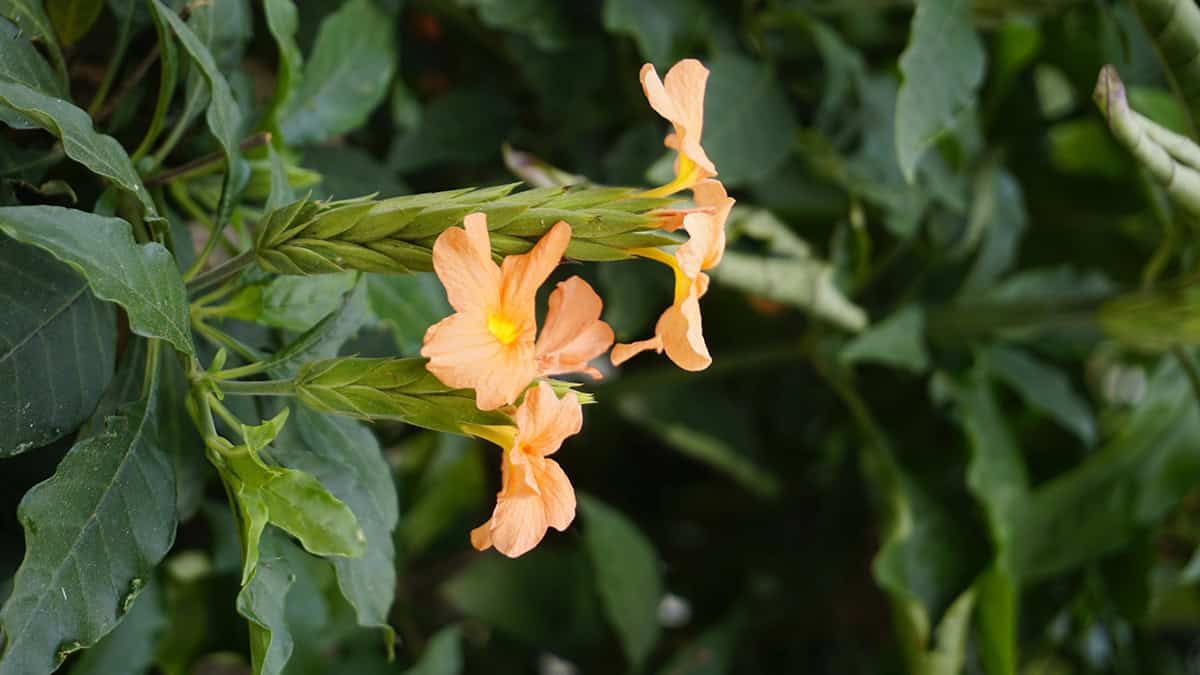
Those glossy leaves and fiery orange blooms thrive in consistently warm rooms. Flowers keep coming if the light is strong but not harsh.
Soil should be evenly moist. Cold drafts? Avoid them. Humidity helps, too.
Remove spent spikes and feed each month when it’s growing. Consistency pays off.
Pentas
Clusters of star-shaped flowers show up under intense light. A bright window or even a grow light can make a difference.
Let the top of the soil dry before watering again. Too much water cuts back on blooms.
Pinching stems helps with branching. Feed regularly for more buds.
Clerodendrum Thomsoniae (Bleeding Heart Vine)
White bracts with vivid red centers appear in waves if you keep the light high. This vine appreciates a good trim now and then.
Water when the surface dries out. Moderate humidity and a trellis or stake for support help it climb.
After flowering, shape it up with pruning. Sometimes, a short break helps set up the next round.
Ixora (Dwarf Indoor Varieties)
Compact and full of small blooms, ixora needs bright light, warmth, and humidity for steady color.
Soil should be moist and slightly acidic. Hard water isn’t ideal—it raises the pH too much.
Use fertilizer for acid-lovers. Stable conditions help with bud set.
Ruellia (Mexican Petunia Types)
Trumpet blooms keep coming if you give them enough light. Indoor varieties stay neat and compact.
Water when the top inch dries. Warmth and humidity keep them happy.
Prune to shape. Feed during growth for more flowers.
Nematanthus (Goldfish Vine)
Trailing stems with bright, pouch-like blooms need good light to flower more than once a year. Stable conditions matter.
Soil should be moist but drain well. Cold is not their friend.
Trim after flowering. Feed now and then for repeat shows.
Aeschynanthus Radicans (Lipstick Vine)
Red, tubular flowers burst from stem tips if the light is strong but indirect. You’ll often get repeat blooms with this one.
Let the soil dry a bit between waterings. Humidity helps, too.
Prune after flowering for a neater look. Light feeding keeps it going.
Begonia (Many Flowering Begonia Types)
Clusters of blooms can burst out unexpectedly on indoor begonias, especially with bright, indirect sunlight streaming in. Fibrous and some rhizomatous varieties seem to thrive under these conditions.
Wait until the top inch of soil feels dry before watering—overdoing it leads to root rot fast. Circulating air helps keep mildew and other annoyances at bay.
Spent flowers look messy, so snip them off, and don’t be shy about trimming back lanky stems. During those active growing months, a bit of fertilizer goes a long way for more blooms down the line.